Last updated October 9, 2026



Free written scope consultation - allowances, timeline, and change-order rules on paper before a single trade is scheduled
Choosing the Right Construction Brand: A Buyer’s Guide for Los Angeles
The highest-rated contractor on any review platform in your Los Angeles zip code may have earned those five stars from a completely different crew than the one that shows up at your door. Most remodeling companies never disclose their crew composition, their subcontractor relationships, or how they vet the people doing the actual work. This guide gives you a framework for evaluating what’s behind the brand name, not just the logo on the truck. For more guides & resources, visit our blog. By the end, you’ll know the five accountability structures that separate professional construction firms from transient operators, and you’ll have a checklist you can use before you sign anything.
Quick Answer
Choosing the right construction company in Los Angeles means verifying five things before you sign a contract, as detailed in The Complete Guide to Construction in Los Angeles: that every crew member is background-checked and identified by name and photo, that the price is in writing before work begins, that the warranty terms are specific and include a defined coverage period, that insurance certificates are current and verifiable, and that the company’s complaint history with the California Contractors State License Board (CSLB) is clean. A company that can’t answer all five is not a brand, it’s a bet.
Styles & brands we work with

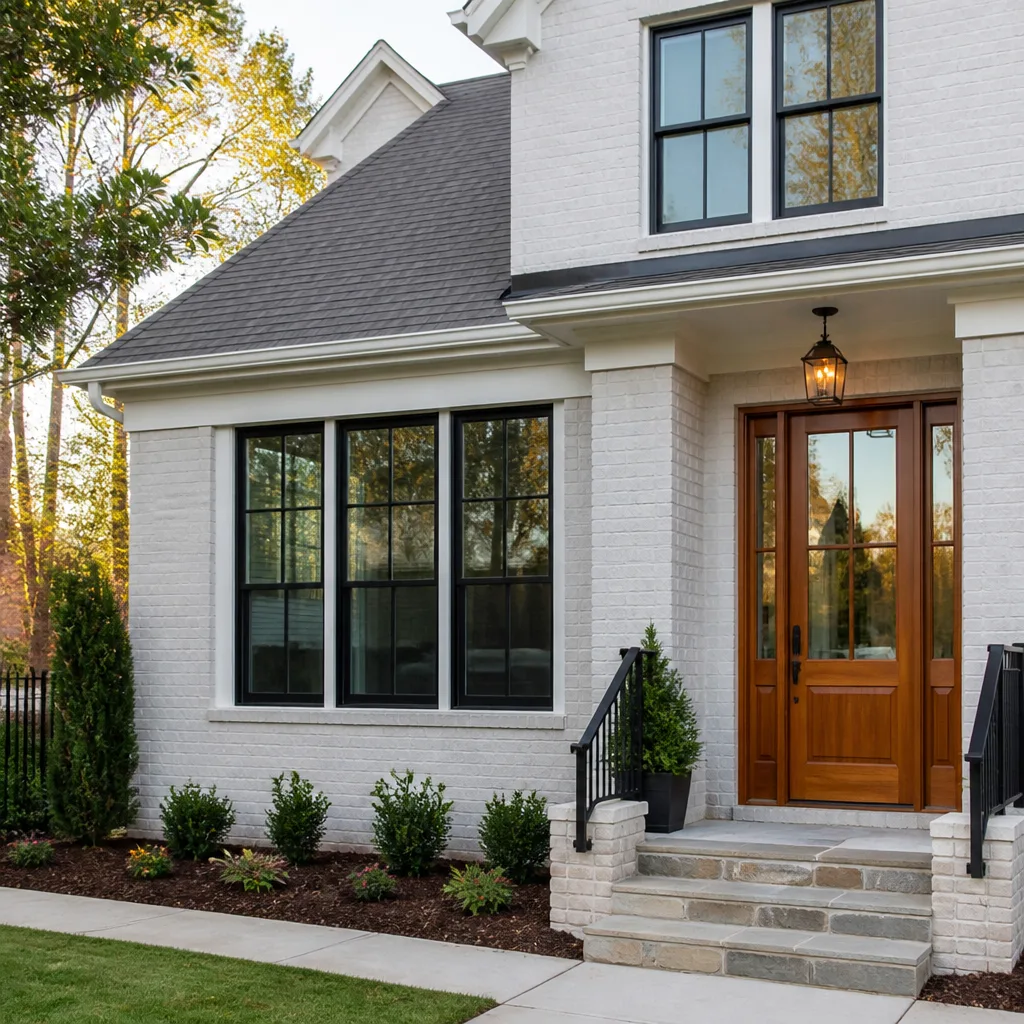
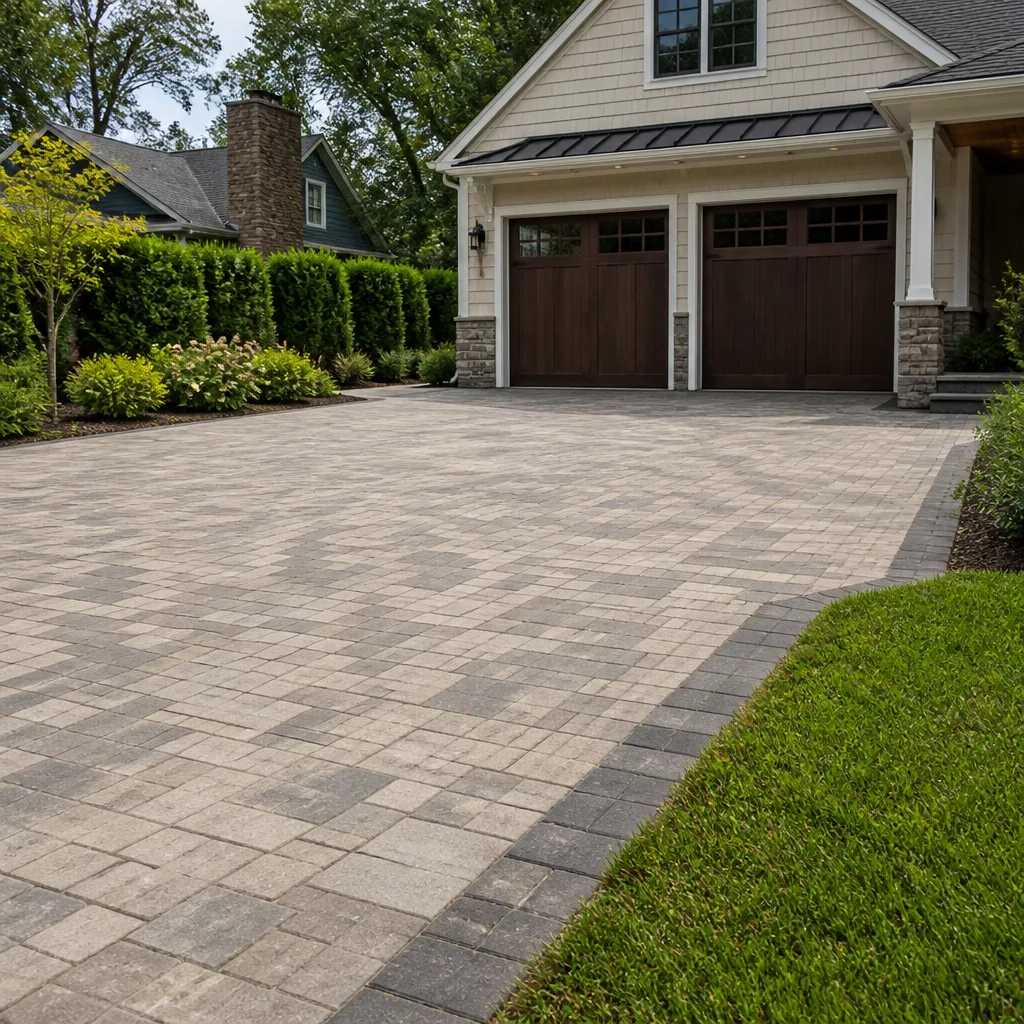
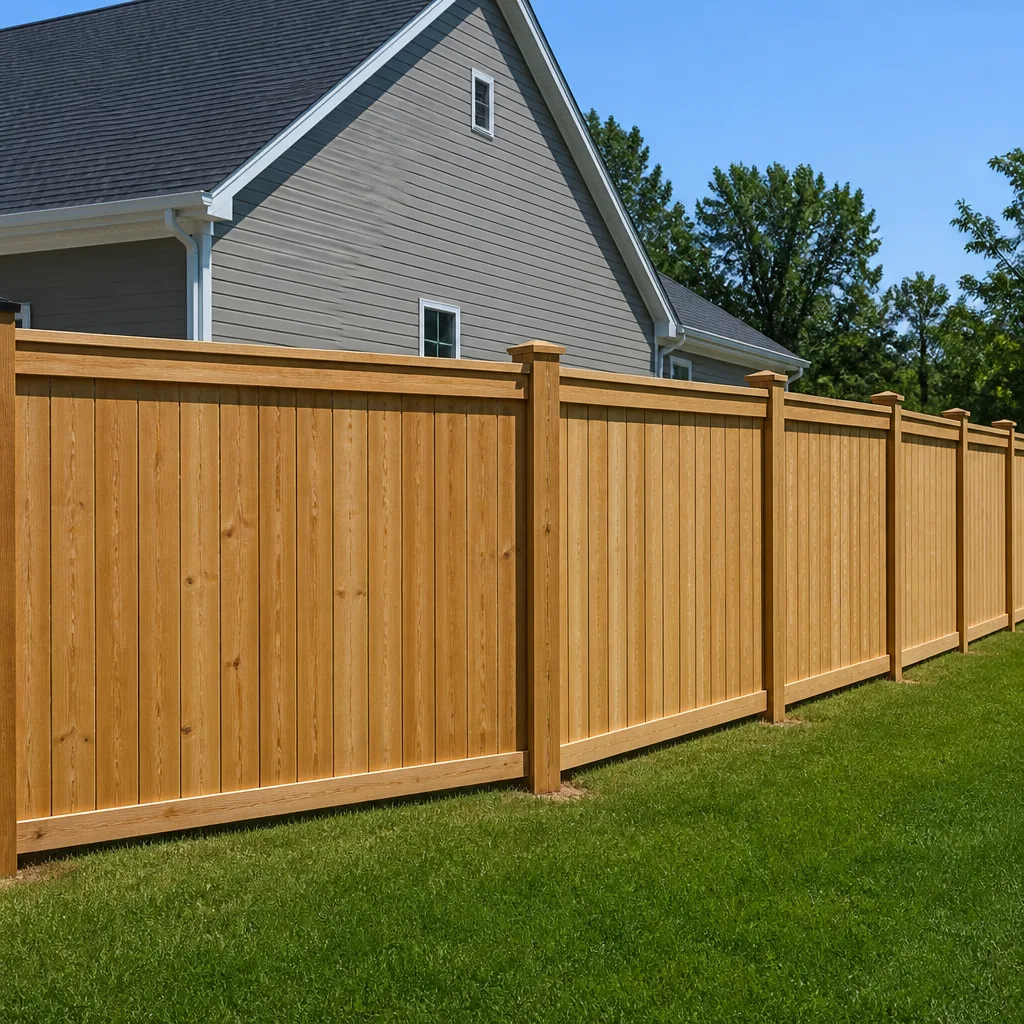
Table of Contents
- The Five Accountability Structures That Matter
- Subcontractor Relationships: Recurring Partners vs. Day-of Hires
- What a Written Warranty Actually Looks Like
- What ‘Local’ Really Means in Los Angeles
- The One Question Nobody Asks
- Material Brands and What They Tell You
- A Step-by-Step Evaluation Process
The Five Accountability Structures That Matter
In Los Angeles, a construction company can have a polished website, hundreds of positive reviews, and a valid contractor’s license while still sending an anonymous crew to your home with no written price and no accountability structure. The brand is the easy part. The systems behind it are what protect you when something goes wrong.
1. Employee Verification
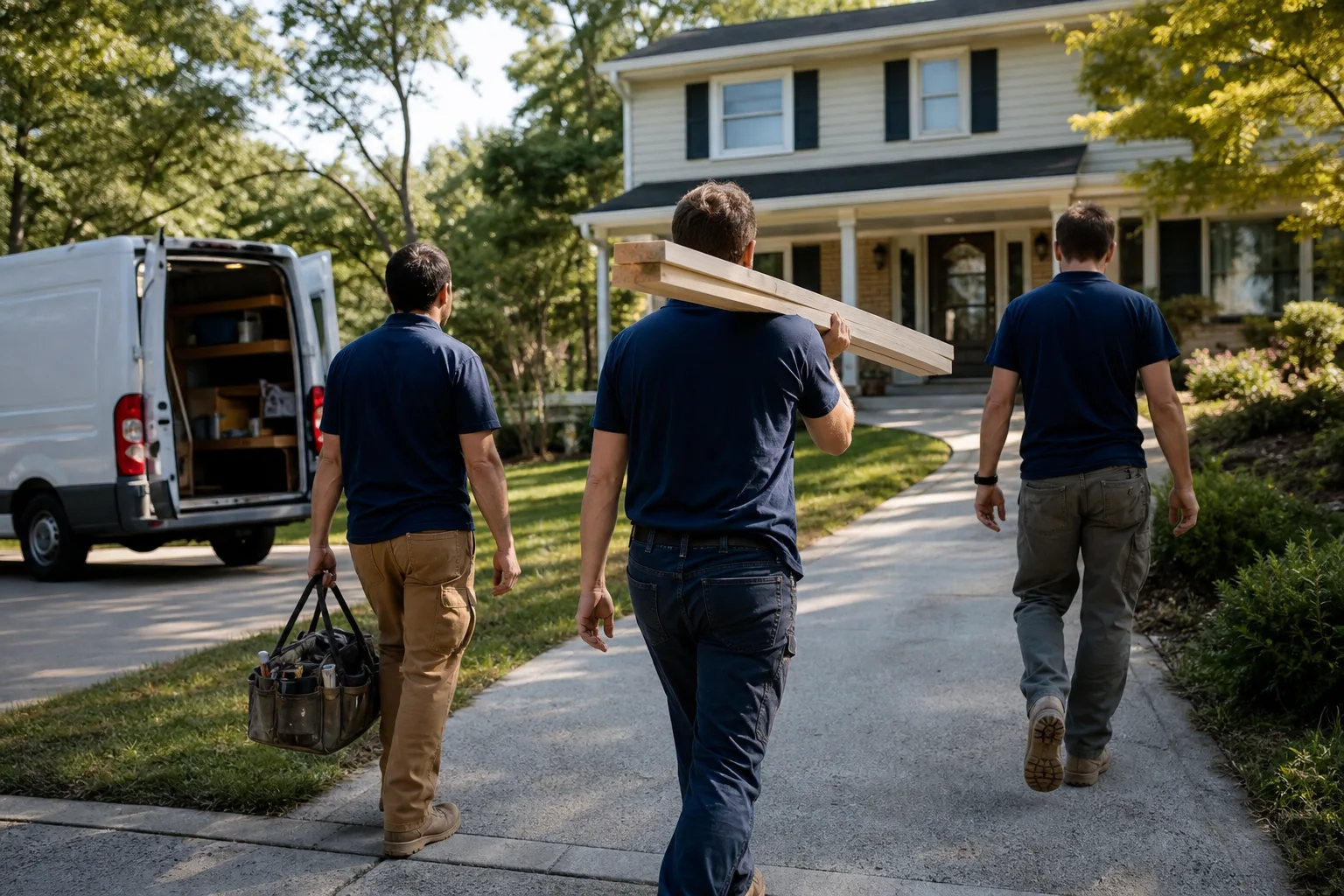
Ask any contractor one direct question: “Who, by name, will be on my job site each day?” If the answer is “my guys” or “we’ll figure that out,” you’ve learned something important. A professional firm can tell you exactly who is coming because it verifies every crew member before that person ever steps onto your property. The Threshold Standard, used by Mason Remodeling on every job, requires background checks, identity verification, clean uniforms, and photo ID badges shown at the door. Homeowners receive the technician’s name and photo before the visit. That’s not a courtesy, it’s a system. In Los Angeles, where homeowners often open the door to a stranger while home alone or with young children present, this distinction carries real weight.
2. Written Pricing
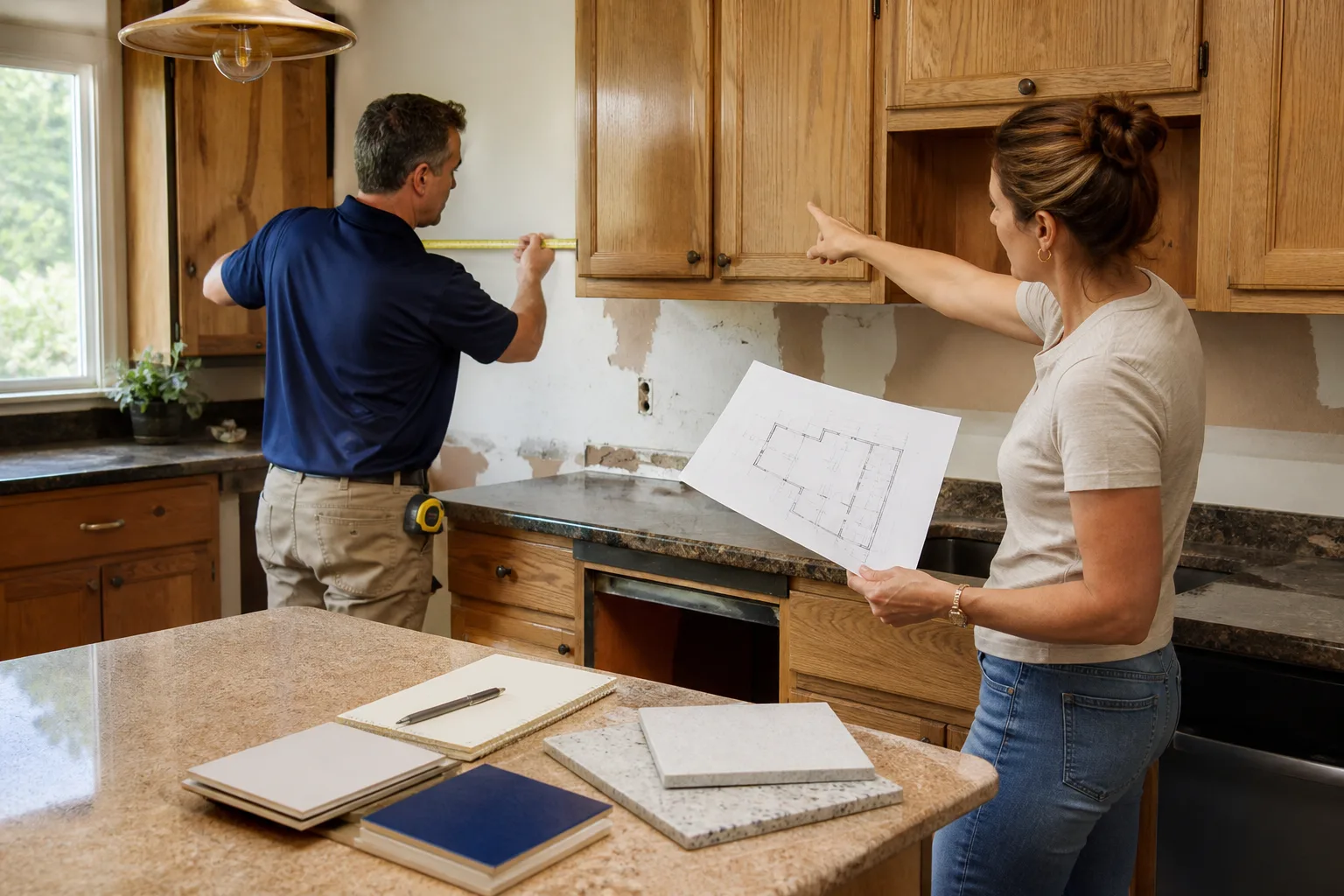
A verbal estimate that grows on the final bill is the oldest problem in construction. The fix is simple: a written price delivered before any work begins. Not a range. Not a ballpark. A line-item price you can hold in your hand and compare against the final invoice. Mason Remodeling has delivered a written price on every project since 2004. It’s never been optional, never a promotion, and never waived. If a company won’t put the price in writing, walk away.
3. Warranty Terms in Plain Language
Most “satisfaction guarantees” are marketing copy. A real warranty states what is covered, what is excluded, and for how long. Mason Remodeling’s 365-Day Done Right Promise covers workmanship for 365 days from the completion date. If the work is not right, we make it right at no cost to the homeowner. That’s a sentence you can verify. “We stand behind our work” is not.
4. Insurance Certificates You Can Verify
Any legitimate Los Angeles contractor should hand you a certificate of insurance naming you as an additional insured. Call the carrier. Confirm the policy is active. This takes ten minutes and protects you from liability if a worker is injured on your property. Companies that hesitate or make excuses are telling you something.
5. CSLB Complaint History
The California Contractors State License Board maintains public records on every licensed contractor in the state. Search the company’s license number, read every complaint, and pay attention to how complaints were resolved. A company that responds to disputes professionally is different from one that ignores them. This is free due diligence you should perform before you sign anything.
Subcontractor Relationships: Recurring Partners vs. Day-of Hires
How a construction company handles subcontractors tells you more than its website ever will. The difference between a recurring partner and a day-of hire is the difference between consistency and chaos.
A recurring subcontractor has worked with the general contractor on dozens of jobs. They know the company’s standards, they show up on schedule, and they answer for their work. A day-of hire is found on short notice, often through a labor service or a phone call to someone’s cousin. Quality varies wildly, accountability is thin, and if something goes wrong, the general contractor may point at the sub and the sub may point at the general contractor while you stand in a half-finished kitchen.
Ask any Los Angeles contractor this: “Do you use the same subcontractors on most jobs, or do you hire as needed?” Listen for specifics. A professional can name their electrician, their plumber, their tile installer. They’ll tell you how long they’ve worked together. In our experience at Mason Remodeling, long-standing subcontractor relationships are built on mutual accountability, as we discuss in The Complete General Contractor Guide for Los Angeles Homeowners. A sub who knows they’ll be called back for the next ten jobs has a powerful incentive to do the work right the first time.
Also ask who is liable if a subcontractor damages your home. The general contractor you hired should be the single point of responsibility. If the company tries to redirect you to the sub’s insurance, you’re not working with a general contractor in the meaningful sense of the term. You’re working with a referral service.
What a Written Warranty Actually Looks Like
Most construction warranties are vague enough to mean nothing. “We stand behind our work” is not a warranty. It’s a sentence. A genuine written warranty in Los Angeles should include at least these four elements:
- Coverage period stated in days: “365 days from the completion date,” not “backed by our guarantee.” If the number isn’t in writing, there is no number.
- What is covered: Workmanship defects, material failures, installation errors. Specific categories, not general assurances.
- What is excluded: Homeowner-caused damage, normal wear, modifications made by others. Exclusions are not a red flag, they’re a sign of honesty.
- The remedy process: Who to call, what happens next, and how quickly. Mason Remodeling provides a free return visit if a repair or installation fails, no charge and no dispute process.
Evaluate whether a company will still be in business to honor its warranty. A contractor who has operated in Los Angeles since 2004 under the same name and the same ownership structure is more likely to answer the phone in year two than a company that rebranded eighteen months ago. Check the CSLB license issue date. Longevity is not a guarantee, but it’s evidence.
Mason Remodeling operates as part of the Threshold Group family of home-service companies, which means warranty obligations are backed by an organization with a long operating history. Each location is independently owned and operated and holds to Threshold Verified standards on every job. That structure matters when you’re deciding whether a warranty is worth the paper it’s printed on.
What ‘Local’ Really Means in Los Angeles
The word “local” appears on nearly every construction website in Los Angeles, and it means almost nothing by itself. Three very different business models all use the same word.
National franchises with local branding. These companies license a brand name to independent operators. Quality varies by franchisee, and dispute resolution often involves a corporate office that has never seen your home. The brand is national, but the work is local and the accountability is split between two parties.
Regional operators. These companies cover multiple counties and run crews across a wide area. They’re often solid, but the person who sold you the job may not be the person who supervises it, and the person who supervises it may not be the person who answers your warranty call.
Owner-operated local firms. In Los Angeles, a true owner-operated firm has one leader who is reachable and whose reputation depends on every job. Isaac Pruett, owner at Mason Remodeling, has served Los Angeles since 2004. That’s twenty-plus years of the same name, the same phone number, and the same standard. When disputes happen, an owner-operated firm handles them directly, not through a corporate call center three states away.
Ask a contractor: “Who owns this company, and will I ever speak with them?” If the answer is “the owner is very busy,” that’s an answer too. For a full picture of what an owner-operated general contractor looks like in practice, see our page on General Contractor in Los Angeles.
The One Question Nobody Asks
Most homeowners interview contractors about price, timeline, and materials. Almost nobody asks the single most revealing question in construction: “Who, by name, will be on my job site each day?”
What the answer tells you is how seriously a company takes accountability. A professional firm can tell you because it verifies people before they ever reach your door. Background checks, identity confirmation, uniform standards, photo ID at the door and name-and-photo introduction before the visit are not expensive luxuries. They are the baseline systems of a company that plans to be around next year.
At Mason Remodeling, this process has a name: The Threshold Standard. Every technician is background-checked, identity-verified, arrives in a clean marked uniform, shows a photo ID badge at the door, and is introduced to the homeowner by name and photo before the visit. This is not a selling point we invented for a marketing campaign. It’s an operating procedure that has been in place since our founding in 2004 as part of the Threshold Group family of home-service companies.
When a company can’t answer the question, what they’re really saying is that they don’t know who will be in your home. In Los Angeles, where homeowners routinely make safety decisions about who crosses their threshold, that’s a disqualifier.
Material Brands and What They Tell You
The brands a contractor offers are a window into how that contractor buys materials. Specification-grade products come from distributors who vet their buyers. A contractor with access to those distributors has passed a threshold of legitimacy that a contractor buying whatever is on sale at the big box store has not.
In cabinetry, Mason Remodeling works with KraftMaid and Wellborn. In surfaces, we specify Cambria, Silestone, and Caesarstone. In fixtures, Kohler, Moen, Toto, and Grohe. In roofing, GAF, CertainTeed, and Owens Corning. In hardscaping, Belgard, Unilock, and Techo-Bloc. These are professional-grade product lines with real warranties and real distribution networks.
Los Angeles homes face specific material demands: intense UV exposure, seismic movement, and coastal air in the beach communities. A contractor who specifies materials engineered for those conditions, such as impact-rated products from manufacturers like PGT or CGI, is thinking about how your home will perform in ten years, not just how it will photograph after installation. Brands like Tamko and Boral produce roofing and building products designed for durability in exactly the conditions Southern California delivers. The specific brands matter less than the fact that your contractor can name them and explain why they chose them.
A Step-by-Step Evaluation Process
Here’s a seven-step process you can follow in Los Angeles to evaluate any construction company before you sign a contract. Each step takes time, but each one closes a door on a specific type of failure.
- Verify the license. Search the CSLB website for the company’s license number. Confirm it’s active, check the issue date, and read every complaint on file.
- Request a certificate of insurance. Ask to be named as an additional insured, then call the carrier to confirm the policy is active.
- Ask who will be on site by name. If the company can’t tell you, or if the answer is vague, end the conversation.
- Demand a written price before work begins. No verbal estimates. No “we’ll see how it goes.” A line-item written price, delivered before a single tool is unpacked.
- Request the warranty in writing. Coverage period, what’s covered, what’s excluded, and the remedy process. If they won’t write it down, it doesn’t exist.
- Ask about subcontractor relationships. Recurring partners or day-of hires? Who is liable if a sub damages your property?
- Ask who owns the company. An owner-operated firm answers warranty calls directly. A franchise or regional operator may route you through layers of management.
Each of these steps is designed to surface information that a professional company volunteers without hesitation and a transient operator avoids. In Los Angeles, where the construction market is crowded and the stakes are high, this process separates brands from bets.
Common Mistakes to Avoid
- Signing based on the website alone. A professional website costs a few thousand dollars and says nothing about crew verification, written pricing, or warranty terms. Judge systems, not aesthetics.
- Accepting a verbal estimate. In Los Angeles, verbal estimates have no legal weight. If it’s not in writing, it didn’t happen.
- Skipping the CSLB check. Ten minutes of research can reveal complaint patterns that years of regret would otherwise teach you.
- Prioritizing the lowest bid. A low bid often means unverified labor, thin insurance, or a warranty that will be worthless when the company is gone in eighteen months.
- Not asking who will be on site. This is the single most revealing question in construction, and almost no one asks it.
- Assuming “local” means accountable. National franchises and regional operators both use local branding. Ask who owns the company and who answers the phone when you call.
- Ignoring material specifications. The brands a contractor specifies tell you whether they buy through professional distribution channels or whatever is on sale this week.
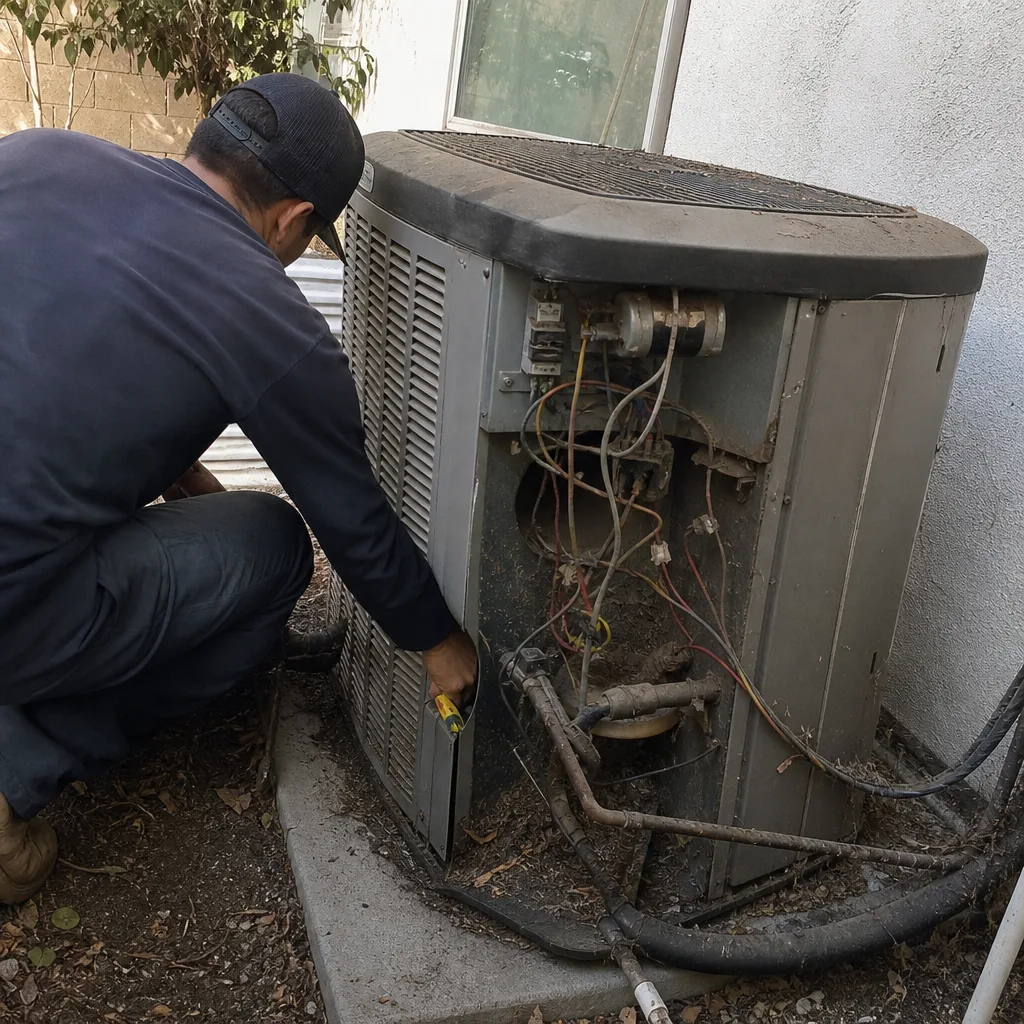
See the difference
 Before
 After
After Before
 After
After Before
 After
AfterWhen to Call a Professional
Any project that involves structural changes, water lines, electrical work, or gas connections belongs in the hands of a licensed professional, not a handyman with a truck. If your Los Angeles home needs a bathroom remodel that involves moving plumbing, a kitchen remodel that shifts load-bearing walls, or a whole-home renovation, the stakes include your family’s safety and your home’s resale value. A licensed general contractor pulls permits, schedules inspections, and carries the insurance that protects you. Bathroom Remodeling in Los Angeles and Home Remodeling in Los Angeles both involve work that should never be attempted by an unlicensed operator. Mason Remodeling offers free estimates in Los Angeles. Call (803) 680-2547 to schedule yours.
Frequently Asked Questions
Visit the California Contractors State License Board website at cslb.ca.gov and search by company name or license number. The license status, issue date, and any complaints filed against the contractor are public record. A clean complaint history is a minimum standard, not a selling point.
A mid-range bathroom remodel in Los Angeles typically runs $25,000 to $45,000 depending on size, finish level, and whether plumbing is relocated. For a deeper dive, see The Complete Bathroom Remodeling Guide for Los Angeles Homeowners. A written line-item price from a licensed contractor is the only way to know your specific number. Call (803) 680-2547 for a free estimate with no obligation and no surprise invoices.
Yes. Unlicensed operators are common in Los Angeles, and they often underbid legitimate contractors because they carry no insurance and pay no licensing fees. If a worker is injured on your property and the contractor is unlicensed, you may be personally liable. Always verify the license before signing anything.
A legitimate warranty covers workmanship defects and installation errors for a stated period, such as 365 days from completion. It should state what is excluded and how the remedy process works. Mason Remodeling’s 365-Day Done Right Promise makes the work right at no cost to the homeowner if it is not right within a year of completion.
Mason Remodeling uses recurring subcontractor partners for specialized trades such as electrical and plumbing, and every partner is held to The Threshold Standard: background-checked, identity-verified, uniformed, and introduced to the homeowner by name and photo before the visit. Day-of hires are not part of our process.
With Mason Remodeling, the price will not change unless you change the scope of work. A written price is delivered before any work begins on every project, every time. No surprise invoices, no verbal estimates that grow on the final bill. Call (803) 680-2547 for an exact quote, estimates are free.
The Bottom Line
A construction brand in Los Angeles is only as good as the systems behind it. Employee verification, written pricing, specific warranty terms, current insurance, and a clean CSLB record are the five accountability structures that protect you. The one question to ask, and the one most people skip, is who by name will be on your job site each day. If the company can’t answer, the brand is a logo and nothing more. Mason Remodeling has answered that question the same way since 2004. Start at Mason Remodeling home to learn more, or call (803) 680-2547 for a free estimate.
Written by Isaac Pruett, Owner at Mason Remodeling, serving Los Angeles since 2004.