Last updated October 9, 2026

Free written scope consultation - allowances, timeline, and change-order rules on paper before a single trade is scheduled
The Complete Guide to Construction in Los Angeles
Most homeowners assume the hardest part of a remodel is picking finishes or surviving the dust. What actually derails projects in Los Angeles isn’t tile selection. It’s discovering, three months in, that your address falls under a coastal zone overlay, or that your contractor’s Burbank permits mean nothing at your Pasadena property line. Los Angeles is not one construction jurisdiction. It’s 88 separate cities, each with its own building department, plus unincorporated county pockets where the rules change block by block. This guide maps the real blueprint: the regulatory terrain, the soil, the permits, the timelines, and how to hire without getting burned. For a deeper dive, see our Complete Home Remodeling Guide for Los Angeles Homeowners.
Quick Answer
Construction in Los Angeles requires navigating overlapping city, county, and coastal jurisdictions that determine which permits you need, which codes apply, and how long approvals take. A successful project starts with verifying your specific address against the correct building department, hiring a licensed contractor who understands local soil and seismic requirements, and getting every price in writing before demolition begins. Expect residential permits to take 4 to 12 weeks depending on scope, and total project timelines of 3 to 9 months for most remodels.
Styles & brands we work with
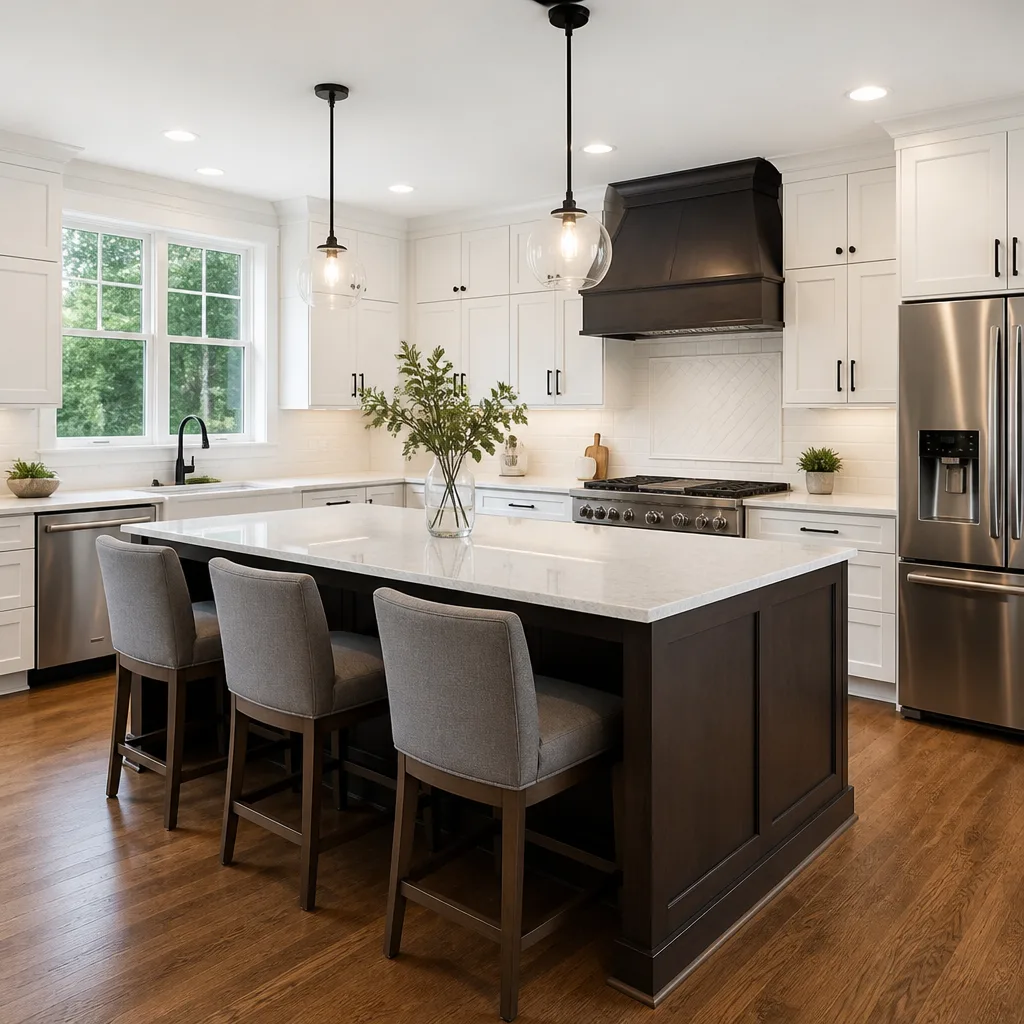
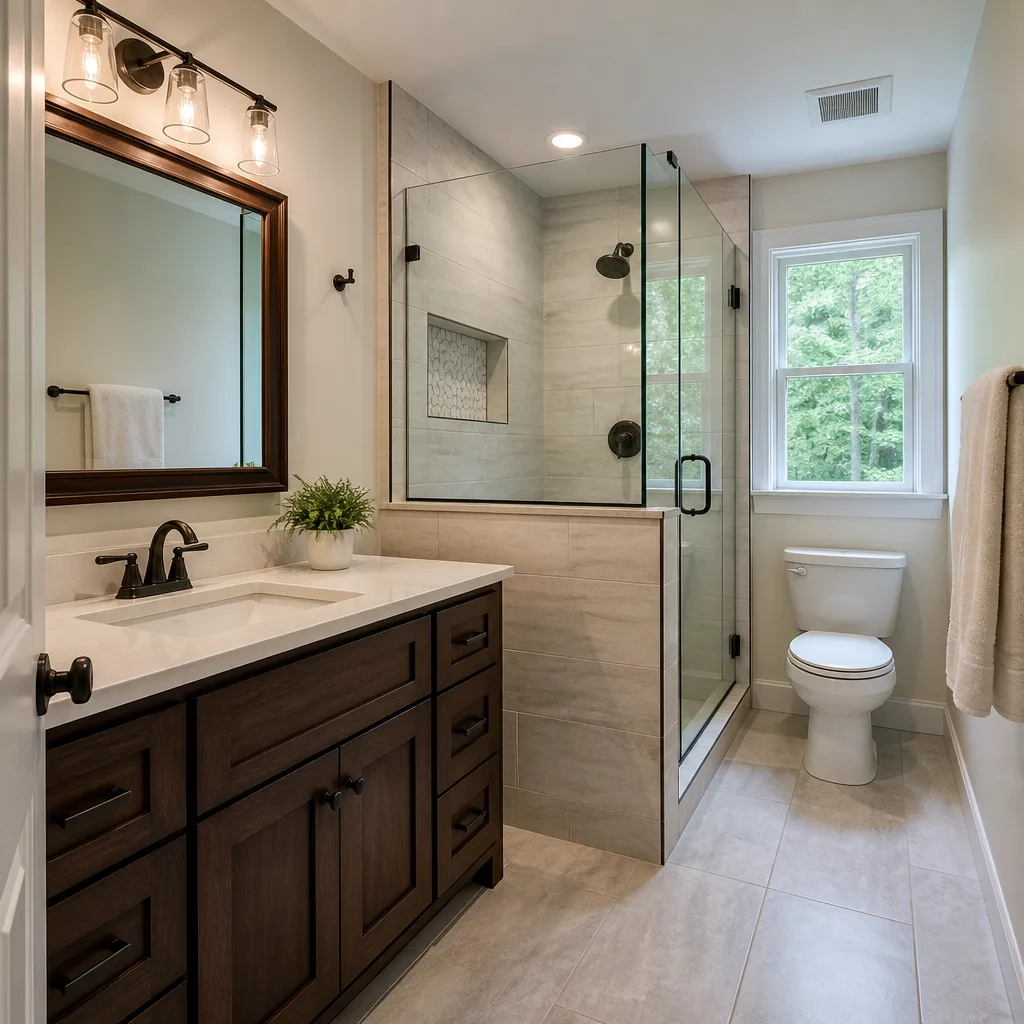
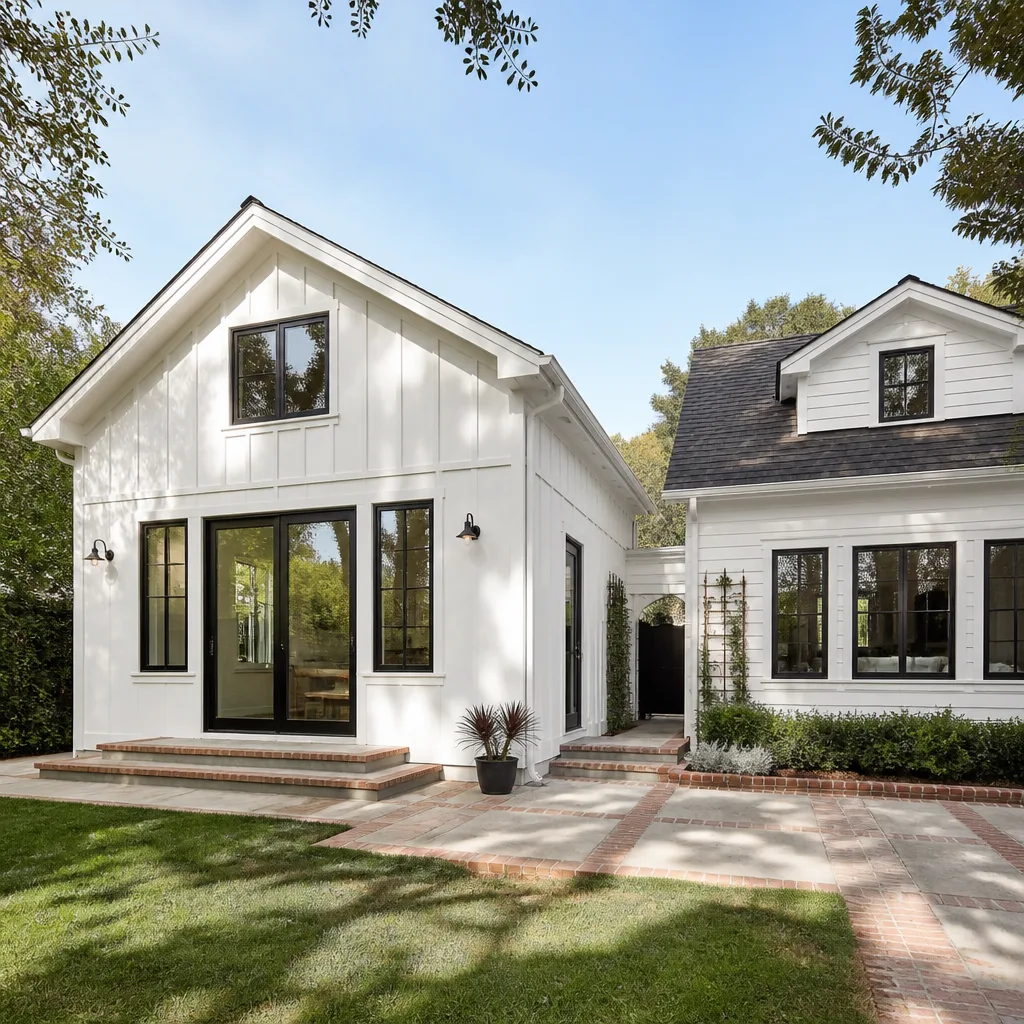

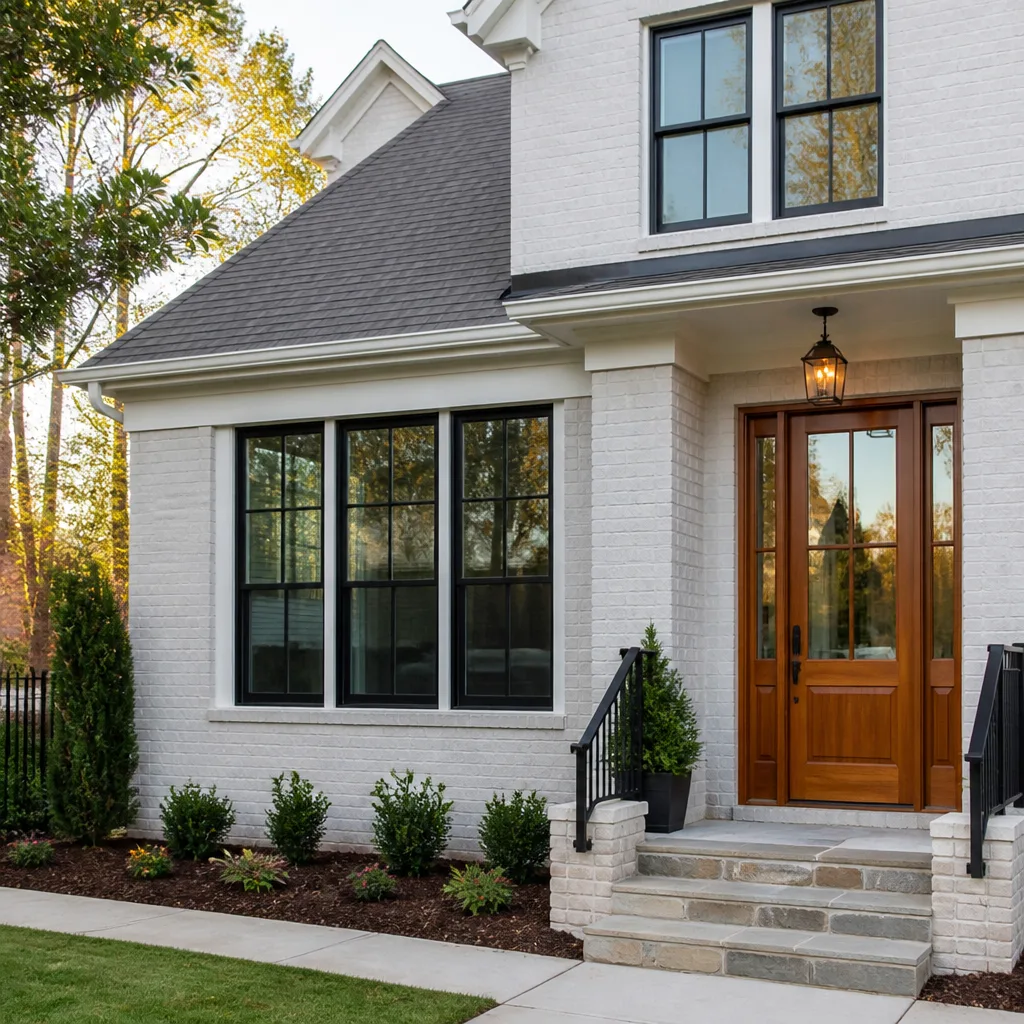
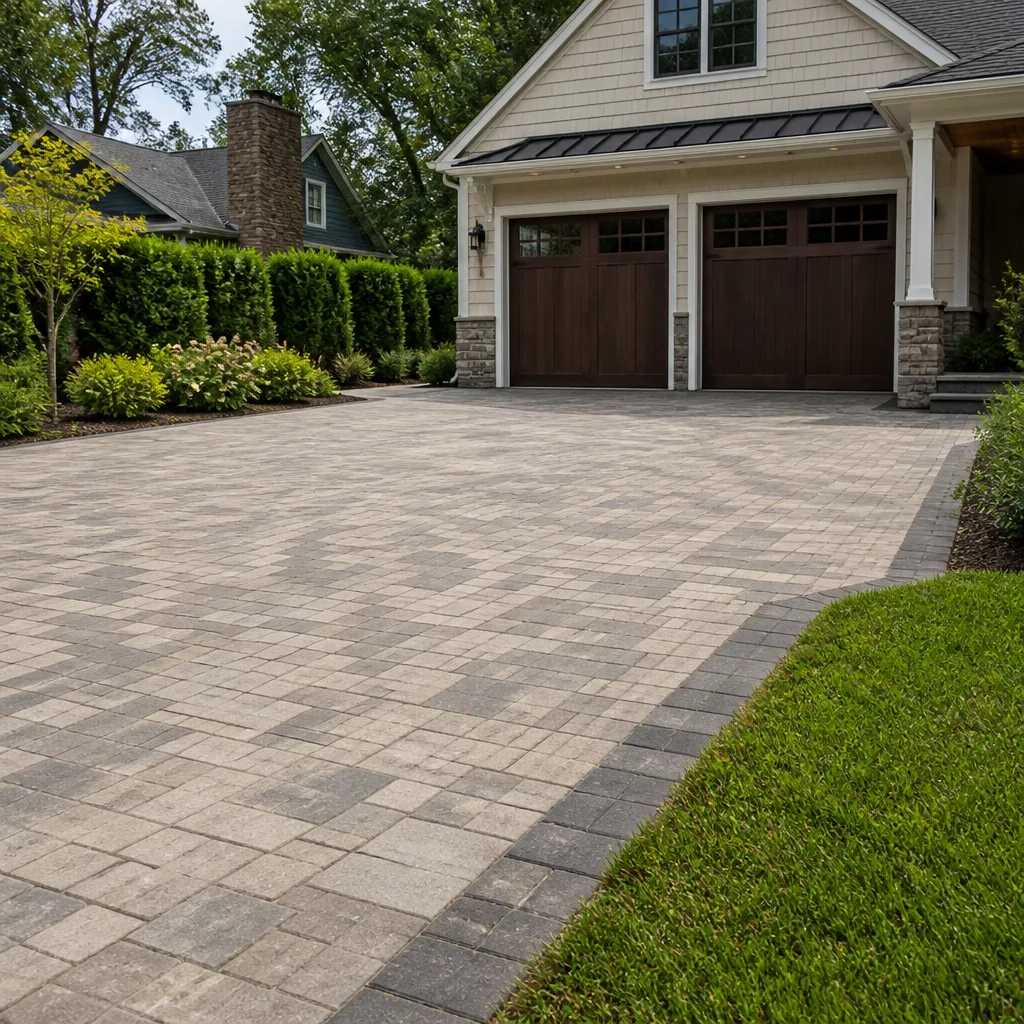

Table of Contents
- Why Your Address Determines Everything: LA’s Jurisdiction Maze
- Permits: What Actually Requires One and What Los Angeles Looks For
- General Contractor, Design-Build, or Construction Manager: Which Do You Need?
- Why LA Soil Demands Engineering Most Bids Quietly Omit
- Realistic Timelines by Project Type in 2026
- How to Read a CSLB License Lookup and What the Numbers Mean
- What Construction Costs in Los Angeles: Real Price Ranges
- Common Mistakes to Avoid
Why Your Address Determines Everything: LA’s Jurisdiction Maze
Your ZIP code does not tell you which building department governs your home. The city of Los Angeles proper has its own Department of Building and Safety, known as LADBS. But drive fifteen minutes into Burbank, Glendale, Santa Monica, Culver City, or Pasadena, and you’re under a completely different authority with its own plan check process, its own inspectors, and its own interpretation of the California Building Code. A contractor who pulls permits in Los Angeles city every week can be entirely out of compliance doing the same kitchen remodel in Burbank.
What complicates this further in Los Angeles County is the unincorporated patchwork. Areas like Altadena, Marina del Rey, and parts of the San Fernando Valley exist outside any city government. They fall directly under Los Angeles County Public Works, which enforces county codes that sometimes differ from city codes on the same street. A single block can straddle two jurisdictions, and the rules for a hillside addition will differ from a flat-lot interior remodel even under the same department.
To determine your jurisdiction:
- Look up your address on the Los Angeles County Assessor’s portal. If it lists a city, that city’s building department governs you. If it lists “Los Angeles” as the assessed city but you live in an area like Topanga or Altadena, you’re likely in unincorporated county territory.
- Check for coastal zone overlays. The California Coastal Commission has authority over development in a band along the coastline. Homes in Pacific Palisades, Playa del Rey, or San Pedro may need a coastal development permit in addition to standard building permits, adding 2 to 6 months to approvals.
- Verify hillside and seismic hazard zones. Los Angeles maps liquefaction zones, fault rupture zones, and steep-slope areas. If your parcel falls within one, expect additional geotechnical review before any structural permit is issued.
- Visit your local building department in person or by phone. Most Los Angeles area departments have a planning counter where you can confirm what overlays apply to your exact parcel before you spend a dollar on drawings.
We’ve seen homeowners in Los Angeles spend $8,000 on architectural plans only to learn their backyard addition crossed into a coastal zone boundary that required a completely redesigned foundation. The fix costs nothing at the front end: verify jurisdiction first.
Permits: What Actually Requires One and What Los Angeles Looks For
The State of California and the City of Los Angeles require permits for any work that alters structure, plumbing, electrical, or mechanical systems. That includes kitchen remodels where you move a sink, bathroom remodels where you replace a shower valve, and any wall removal that affects load-bearing structure. Cosmetic work like painting, flooring replacement, and cabinet refacing generally doesn’t require a permit, but the line is thinner than most homeowners realize.
What Los Angeles building departments actually review when you submit plans:
- Structural calculations. Los Angeles seismic requirements are among the strictest in the country. Any wall removal, window enlargement, or addition requires an engineer’s stamp showing the structure can handle lateral forces.
- Title 24 energy compliance. California requires every permitted project to meet energy efficiency standards. That means insulation specs, window ratings, and lighting calculations done by a certified Title 24 consultant.
- Water and drain line sizing. Moving a kitchen sink or adding a bathroom triggers plumbing plan review. Los Angeles enforces specific pipe sizing and fixture unit calculations.
- Electrical load calculations. Adding a new circuit for a cooktop, EV charger, or ADU requires a load calculation showing your panel can handle the draw.
- Fire safety clearances. Hillside homes in Los Angeles brush zones face additional defensible-space and fire-resistant material requirements that flat-lot homes in the Valley don’t encounter.
The permit process in Los Angeles city now operates primarily through the LADBS online portal, though plan checks for structural work still happen in person at one of several regional offices. County areas have a separate e-permit system. Expect plan review to take 4 to 8 weeks for a kitchen or bath remodel, 8 to 12 weeks for a room addition, and longer if your plans get returned with corrections. Each round of corrections adds another 2 to 4 weeks. This is not a Los Angeles paperwork problem. It’s the reality of building in a seismically active region with a housing stock that ranges from 1920s bungalows to 1980s hillside framing.
If you’re planning a home remodeling project in Los Angeles, factor permit timelines into your schedule before you sign a contract. A contractor who promises to start demolition next week without permits has just told you they intend to work illegally.
General Contractor, Design-Build, or Construction Manager: Which Do You Need?
The title “contractor” gets thrown around loosely in Los Angeles, but three distinct roles exist, and choosing the wrong one for your project shape is a fast way to overspend or under-build.
General Contractor (GC). A GC holds a California Class B license and orchestrates the entire build: subcontractors, scheduling, inspections, and site management. They work from your architect’s plans and your engineer’s specifications. You pay them a markup (typically 15 to 25 percent in Los Angeles) on top of actual construction costs. A GC is right for you if you already have plans and want someone to execute them, or if your project involves multiple trades (framing, plumbing, electrical, tile, cabinetry) that need coordination.
Design-Build Firm. A design-build company handles design and construction under one contract. You work with their architect or designer, then their construction team builds what was designed. The advantage is single-source accountability: if the design has a problem, the builder can’t blame the architect because they’re the same company. The tradeoff is you’re locked into their design sensibility and their pricing with less competitive pressure. Design-build makes sense for whole-home remodels where you want one throat to choke and don’t want to manage separate design and construction contracts.
Construction Manager (CM). A CM acts as your agent, not your contractor. They advise on bids, review contracts, schedule subcontractors, and inspect work on your behalf for a fee (often 10 to 15 percent of project cost or a monthly retainer). They hold no construction risk and typically don’t hold subcontracts themselves. A CM is worth it if you’re building a large custom home in the Hollywood Hills or Bel Air where the construction budget runs into the millions and you want an expert advocate who isn’t financially motivated to inflate costs.
In our experience, Los Angeles homeowners doing kitchens, baths, or single-room additions almost always need a general contractor. The design-build model works better for whole-home or multi-room projects. The CM model is for estate-level custom builds. We can help you figure out which fits; our team offers general contracting in Los Angeles that walks you through the scope conversation honestly, even if the right answer is not us.
Why LA Soil Demands Engineering Most Bids Quietly Omit
Los Angeles sits on some of the most complicated soil in the country. The region has expansive clay that swells when wet and shrinks when dry, active fault lines, and entire neighborhoods built on ancient alluvial fans where soil bearing capacity changes dramatically within a single lot. The Hollywood Hills, Baldwin Hills, and Santa Monica Mountains add slope instability to the mix. This is not a general construction problem. It’s a Los Angeles construction problem, and it changes what a responsible bid must include.
Most contractor quotes you’ll receive in Los Angeles cover labor and materials. What they rarely include, and what you almost always need, is site-specific geotechnical work:
- Soils report. A geotechnical engineer drills or excavates on your parcel, tests the soil, and issues a report specifying foundation type, depth, and reinforcement requirements. On flat lots in established tracts like Westchester or Lakewood, a soils report may cost $2,500 to $5,000. On hillside lots in Mount Washington or Echo Park, expect $6,000 to $12,000.
- Foundation engineering. The structural engineer uses the soils report to design a foundation that won’t crack when the expansive clay beneath your home swells after a wet winter. This is why Los Angeles homes built on slabs often have post-tensioned foundations, and why hillside homes sit on caissons drilled deep into bedrock.
- Drainage design. Los Angeles Code requires site drainage plans that direct water away from your foundation. On sloped lots, this means retaining walls, area drains, and swales that add real cost many bids ignore until the inspector brings it up.
- Seismic retrofitting. If you’re adding a second story or cutting into existing structure, Los Angeles requires the remainder of the home to meet current seismic standards, which can trigger shear wall upgrades, foundation bolting, and moment frame installation in the existing portion of the house.
A bid that omits these line items is not a cheaper bid. It’s an incomplete bid. The costs will surface during plan check or inspection, and they will be added to your final bill. Mason Remodeling’s written price includes the engineering and geotechnical scope we can see after walking your property, and it stays a written price. No verbal estimates that grow on the final invoice.
Realistic Timelines by Project Type in 2026
Los Angeles permit backlogs have improved since the 2020-2022 surge, but plan check times remain slower than most homeowners expect. Here’s what we’re seeing across Greater Los Angeles in 2026 for common project scopes, assuming your contractor pulls permits promptly and plans pass on the first or second submittal.
Kitchen Remodel (No Structural Changes)
- Design and material selection: 4 to 8 weeks
- Permit approval: 3 to 6 weeks
- Construction: 6 to 10 weeks
- Total: 3 to 5 months
Bathroom Remodel
- Design and fixture selection: 3 to 6 weeks
- Permit approval: 3 to 6 weeks
- Construction: 4 to 8 weeks for a standard 5×8 bath, 8 to 12 weeks for a primary suite addition
- Total: 2.5 to 5 months
Room Addition (200-400 sq ft)
- Architectural and structural drawings: 6 to 12 weeks
- Soils report and foundation engineering: 3 to 6 weeks
- Permit approval: 8 to 16 weeks (hillside and coastal zones add 2 to 6 months)
- Construction: 3 to 5 months
- Total: 6 to 12 months
Whole-Home Remodel
- Design phase: 3 to 6 months
- Permitting: 2 to 4 months
- Construction: 4 to 9 months depending on size
- Total: 9 to 18 months
These are honest Los Angeles timelines. A contractor quoting a 6-week whole-home remodel is either lying or skipping permits. Either way, the project ends badly. When you remodel a bathroom in Los Angeles or take on a kitchen, build the permit wait into your planning, not your panic. It’s the normal path here.
How to Read a CSLB License Lookup and What the Numbers Mean
Every legitimate contractor in Los Angeles carries a California Contractors State License Board (CSLB) license. The license number is a six-digit identifier you can verify at cslb.ca.gov. What the lookup tells you matters more than the license number itself.
Step-by-step, here’s how to read it:
- Search the license number or business name. The CSLB database is free and public. If a contractor won’t give you their license number before you sign, walk away.
- Check the license status. It must read “Active.” “Inactive,” “Suspended,” or “Expired” means they cannot legally contract in California right now.
- Look at the classification. A “B – General Building” classification allows the contractor to frame, remodel, and coordinate a project across multiple trades. A “C” classification is for specialty trades only: C36 is plumbing, C10 is electrical, C54 is tile. A C54 tile contractor cannot legally pull a permit for your bathroom remodel if it involves moving a drain line. A B license covers general construction work that includes multiple trades.
- Verify workers’ compensation insurance. The CSLB listing shows whether the contractor carries workers’ comp coverage for employees. If they show no workers’ comp and someone gets hurt on your Los Angeles property, you can be held liable. Never waive this requirement for any contractor with employees.
- Check the bond status. California requires a $25,000 contractor’s license bond. The CSLB listing confirms whether it’s on file. The bond exists to compensate homeowners for specific violations, not general poor work, but an active bond is a minimum threshold for legitimacy.
- Look at the business address. If the license lists a PO box in Nevada and the contractor claims to be a Los Angeles local, that’s a signal worth investigating. Legitimate local contractors list a physical address.
Mason Remodeling operates under the Threshold Group family of home-service companies, founded in 2004. Every technician carrying our name is background-checked and identity-verified under what we call the Threshold Standard: you receive the technician’s name and photo before the visit, and they show a photo ID badge at your door. You’ll never wonder who’s walking up your driveway in Los Angeles.
What Construction Costs in Los Angeles: Real Price Ranges
Los Angeles construction costs run higher than national averages because of seismic code requirements, permit fees, labor rates, and material logistics. See our Construction Cost Breakdown: The Los Angeles Homeowner’s Reference for 2026 for detailed pricing. These are the ranges we see across Los Angeles County in 2026 for mid-range finishes on permitted work. Premium neighborhoods like Brentwood, Pacific Palisades, and Hancock Park trend toward the high end on labor, but material costs stay consistent county-wide.
Typical Los Angeles Project Cost Ranges
| Project Type | Low End | High End | Notes |
|---|---|---|---|
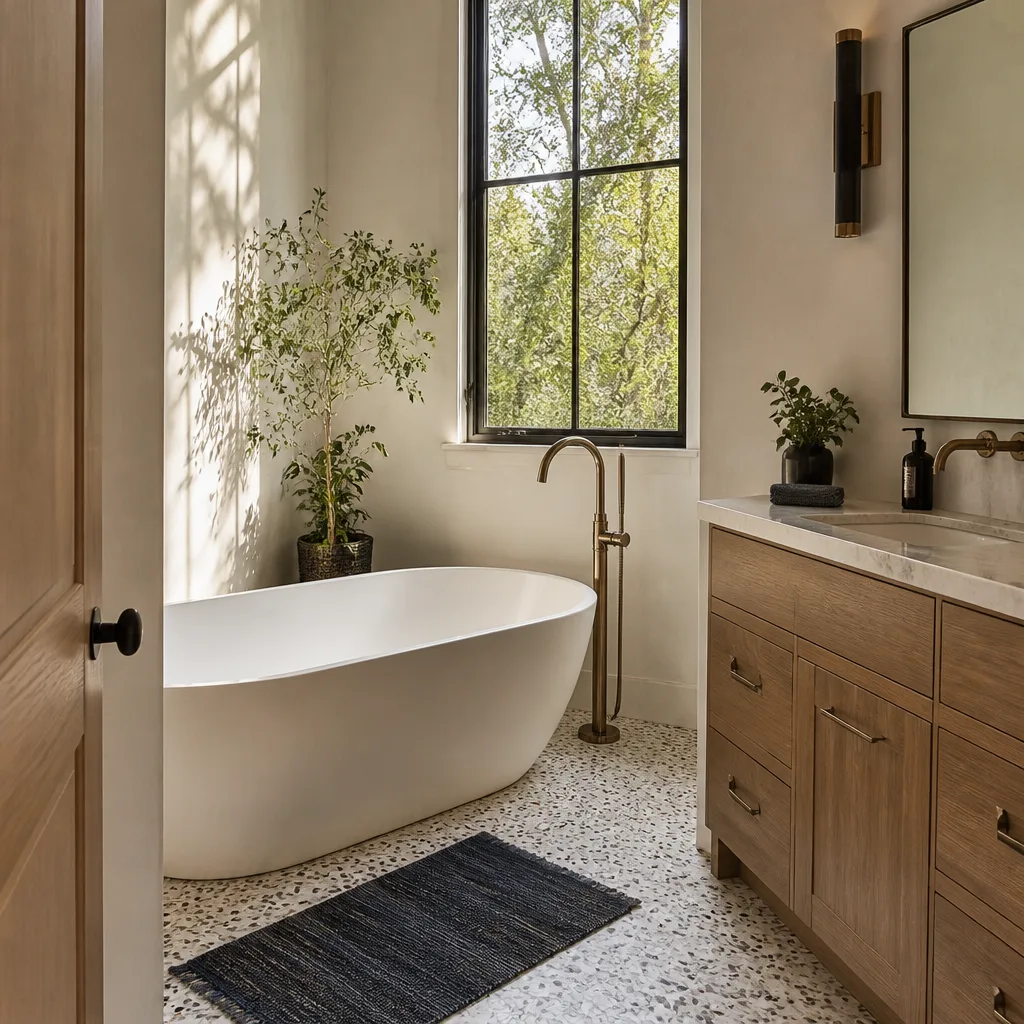
| Bathroom remodel (5×8, mid-range) | $22,000 | $45,000 | Includes permit, moving fixtures, tile, Schluter waterproofing, Kohler or Moen fixtures, and labor |
| Primary bath addition or major remodel | $45,000 | $90,000+ | Larger footprint, structural work, custom cabinetry, premium surfaces like Cambria or Silestone |
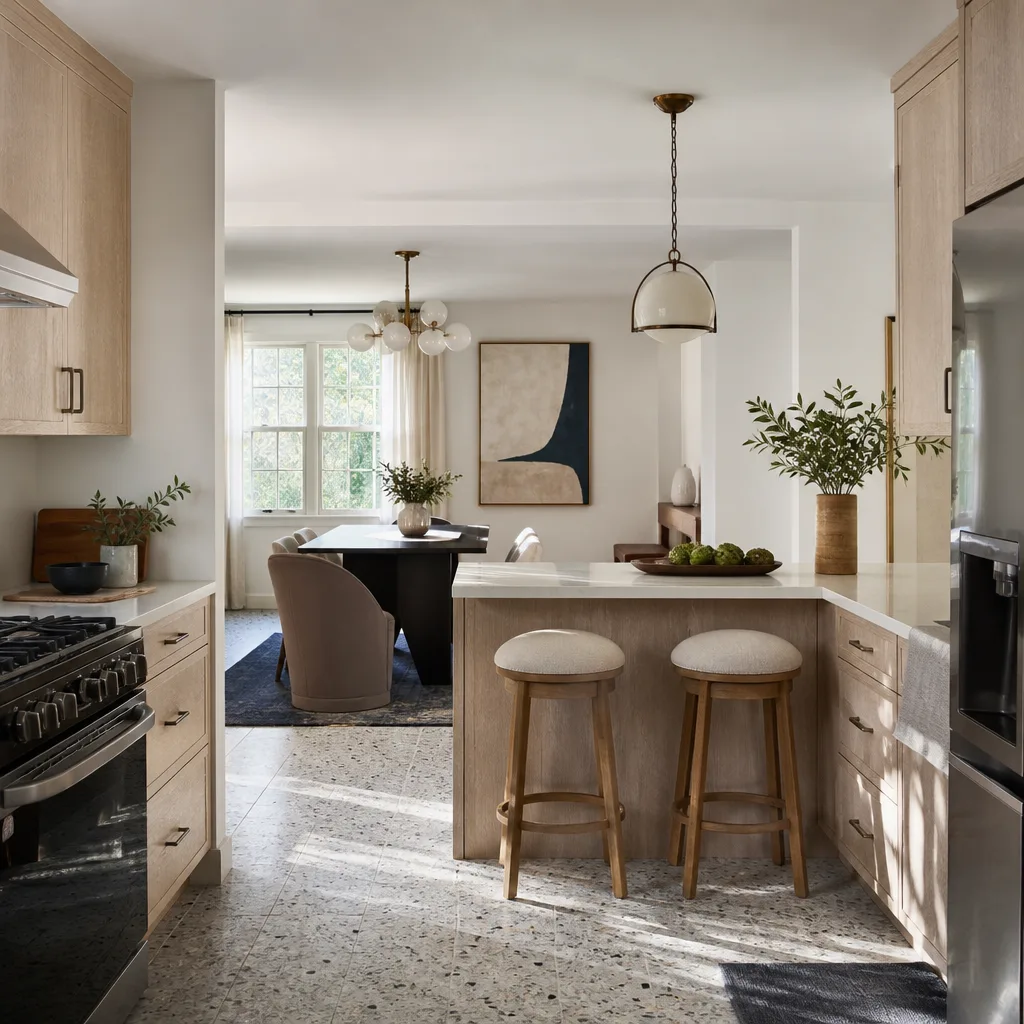
| Kitchen remodel (mid-range, 150-200 sq ft) | $55,000 | $110,000 | Includes permit, semi-custom cabinetry (KraftMaid or Wellborn), stone counters, new appliances, and full teardown. |
| Room addition (200-400 sq ft) | $80,000 | $180,000 | Includes foundation, framing, roof, electrical, HVAC tie-in, stucco or siding to match |
| Whole-home remodel (1,500-2,500 sq ft) | $180,000 | $450,000+ | Full gut or significant structural changes, multiple baths and kitchen, new systems |
| Deck or outdoor living space | $15,000 | $60,000 | Includes permits, footings, railings, and materials like Trex or pressure-treated lumber |
These numbers are for permitted, code-compliant work in Los Angeles. Unpermitted work costs less upfront and more when you sell, refinance, or file an insurance claim. We don’t do it, and you shouldn’t either. Our written price, delivered before any work starts, includes the permit, the engineering, and the materials. That’s the standard on every Mason Remodeling project, from a powder room refresh to a whole-home renovation.
Common Mistakes to Avoid
- Trusting the wrong jurisdiction. Homeowners in Los Angeles often assume LA city codes apply because their mailing address says Los Angeles, but they live in unincorporated county territory or a city like West Hollywood with its own codes. Verify before you design.
- Selecting materials before checking Title 24. California energy requirements affect window choices, insulation, and lighting. Homeowners who buy windows first, only to find they don’t meet Title 24, waste thousands.
- Ignoring the soils report. On Los Angeles hillside lots and in expansive clay zones, skipping the geotech report means foundation cracks within a few wet winters. The report is not optional.
- Hiring based on lowest bid alone. A Los Angeles bid that’s 30% below the field is omitting something: permits, engineering, insurance, or materials. The cheapest bid is usually the most expensive project.
- Starting demolition before permit issuance. Los Angeles inspectors can issue stop-work orders, and unpermitted work can trigger fines that compound. Your contractor should pull the permit and post it before any demo begins.
- Not verifying the CSLB license before paying a deposit. A deposit to an unlicensed “contractor” in Los Angeles is money gone with no recourse through the CSLB complaint process. Always verify.
- Failing to get a written change order process. In Los Angeles, where plan check corrections and field conditions routinely change scope, you need a written process for changes before work starts. Verbal agreements become disputes.
See the difference
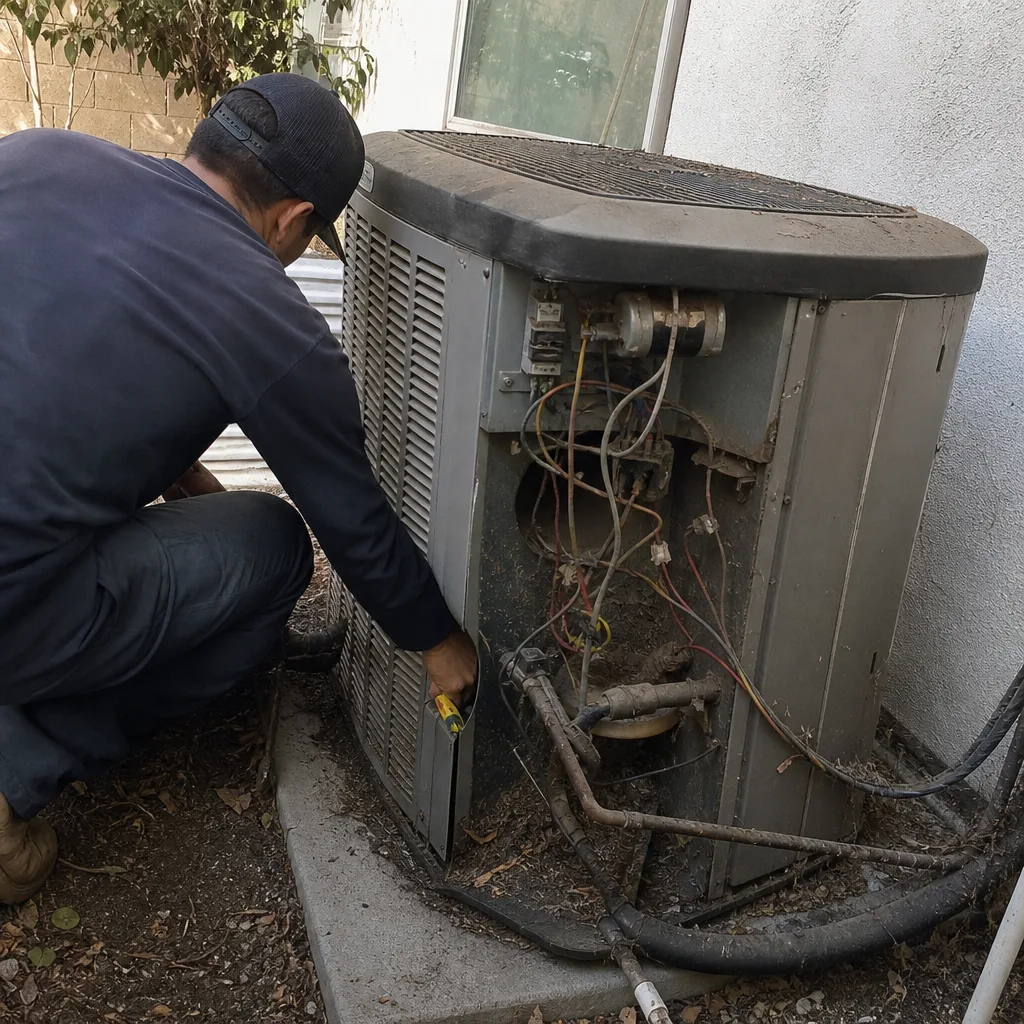 Before
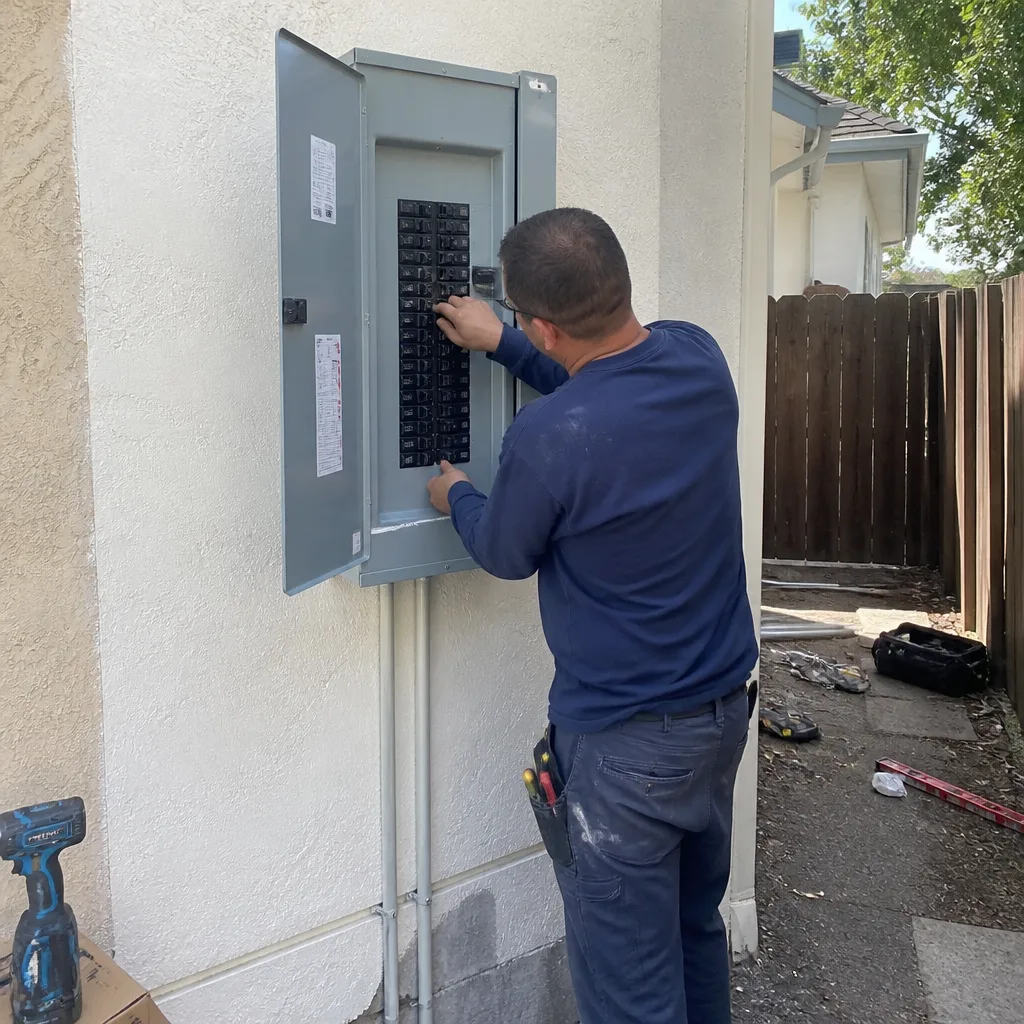 After
After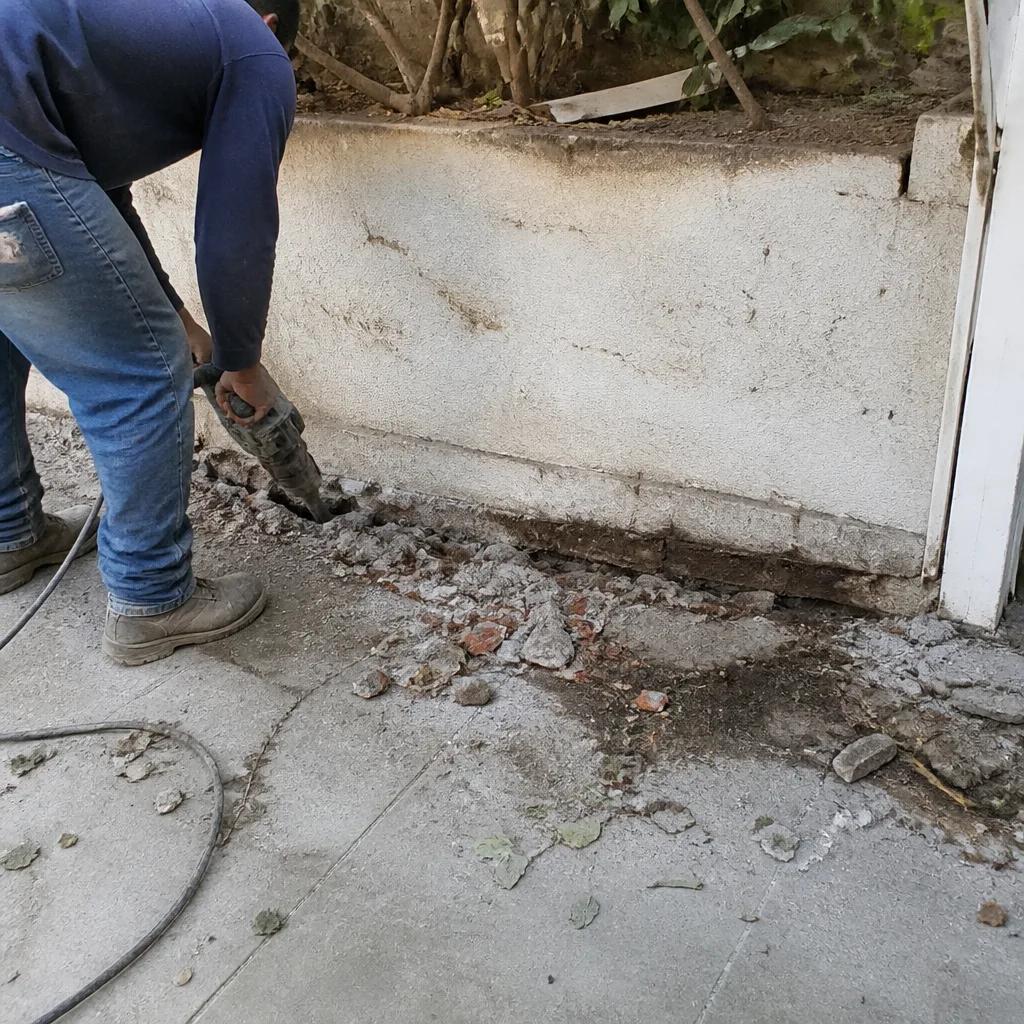 Before
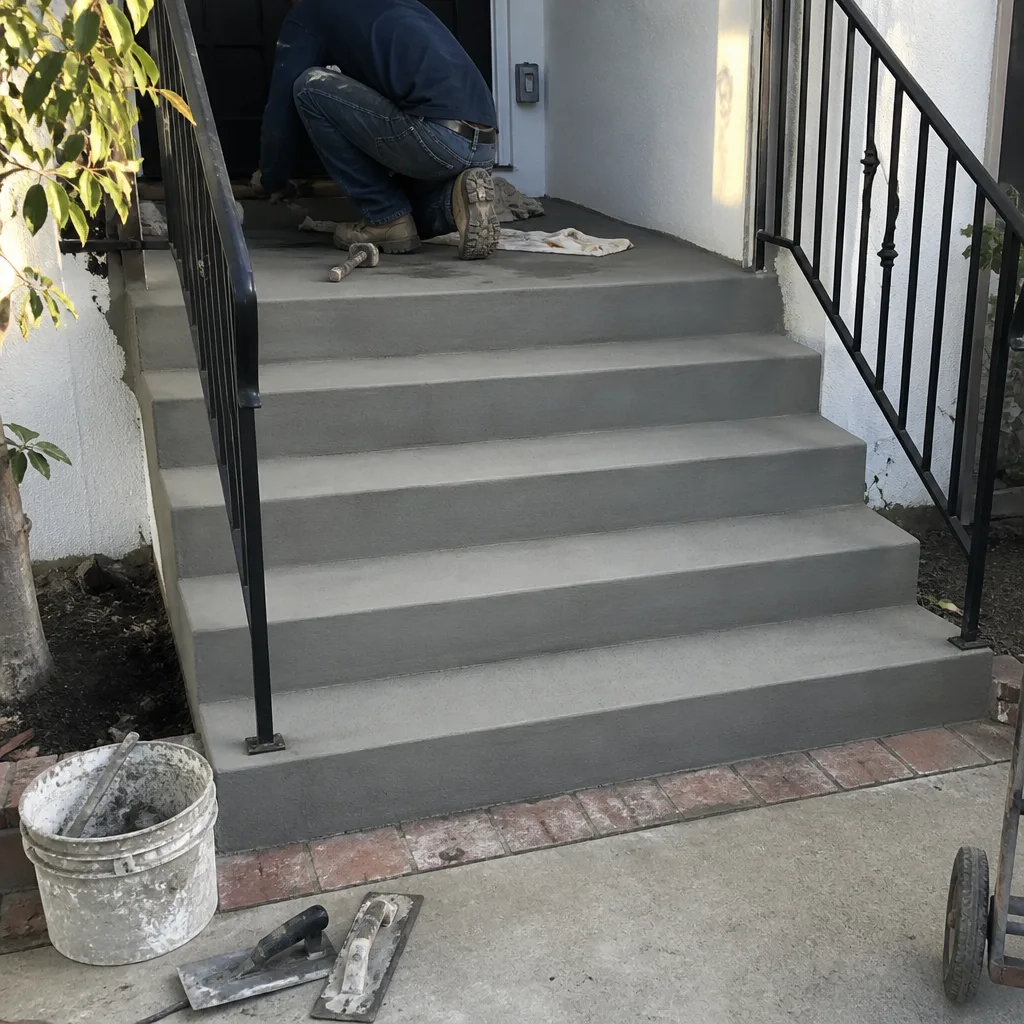 After
After Before
 After
AfterWhen to Call a Professional
If your project involves any structural work, any plumbing or electrical relocation, or any addition to the building envelope, you need a licensed general contractor with a current CSLB license and local Los Angeles experience. The threshold is honestly simple: if it requires a permit, it requires a professional. If your project is in a hillside zone, coastal zone, or pre-1960 home, that requirement becomes non-negotiable, and you need someone who has navigated those specific Los Angeles overlays before. Mason Remodeling offers free estimates in Los Angeles. Call (803) 680-2547 and you’ll reach a live person who can schedule a walkthrough at your property, answer your initial questions, and deliver a written price before any commitment.
Frequently Asked Questions
Yes, if you are moving plumbing, electrical, or structural walls. In Los Angeles, any modification to a load-bearing wall, any relocation of a sink or gas line, and any new electrical circuit triggers a permit requirement through LADBS or your local city’s building department. A cabinet-only refresh with no trade changes generally does not require one.
Most residential remodels see plan check approval in 4 to 8 weeks, while additions and hillside projects take 8 to 16 weeks or longer. Coastal zone projects in Los Angeles neighborhoods like Pacific Palisades or Playa del Rey can add 2 to 6 months for Coastal Commission review. Give us a call at (803) 680-2547 for a realistic timeline on your specific address.
General contractor markups in Los Angeles typically range from 15 to 25 percent on top of actual construction costs, but total project pricing depends on scope. A mid-range bathroom runs $22,000 to $45,000, a kitchen $55,000 to $110,000, and a whole-home remodel $180,000 and up. The written price you get before work starts is the price you pay, and that’s our standard on every project.
City permits are issued by incorporated cities like Los Angeles, Burbank, or Santa Monica, each with its own building department and inspection process. County permits apply to unincorporated areas like Altadena or Marina del Rey and are issued by LA County Public Works. The rules differ, and a contractor permitted in one jurisdiction may not be in compliance in another.
No. Unpermitted work in Los Angeles creates liability when you sell because you must disclose it, and buyers’ lenders often refuse to finance homes with unpermitted additions or remodels. You’ll also face trouble with insurance claims if unpermitted work fails. Permitted work builds value; unpermitted work builds risk. Call (803) 680-2547 if you’re unsure whether your past work was permitted.
Almost always, yes. Los Angeles expansive clay and hillside instability mean most structural additions require a geotechnical report specifying foundation design. Costs run $2,500 to $12,000 depending on your lot, and skipping it leads to foundation problems that cost far more to fix later.
The Bottom Line

Construction in Los Angeles is a navigation challenge before it’s a building challenge. The address you own determines which codes govern you, which permits you need, and which inspectors will sign off. The soil beneath your foundation demands engineering that honest bids include and cheap bids omit. The contractor you hire must hold an active CSLB license, carry workers’ compensation, and put every price in writing before work starts. Mason Remodeling has served Los Angeles since 2004 as part of the Threshold Group, with background-checked crews, written pricing, and a 365-Day Done Right Promise on every completed project. Explore more guides & resources on navigating Los Angeles construction. Call (803) 680-2547 for a free estimate.
Written by Isaac Pruett, Owner at Mason Remodeling, serving Los Angeles since 2004.