Last updated October 9, 2026
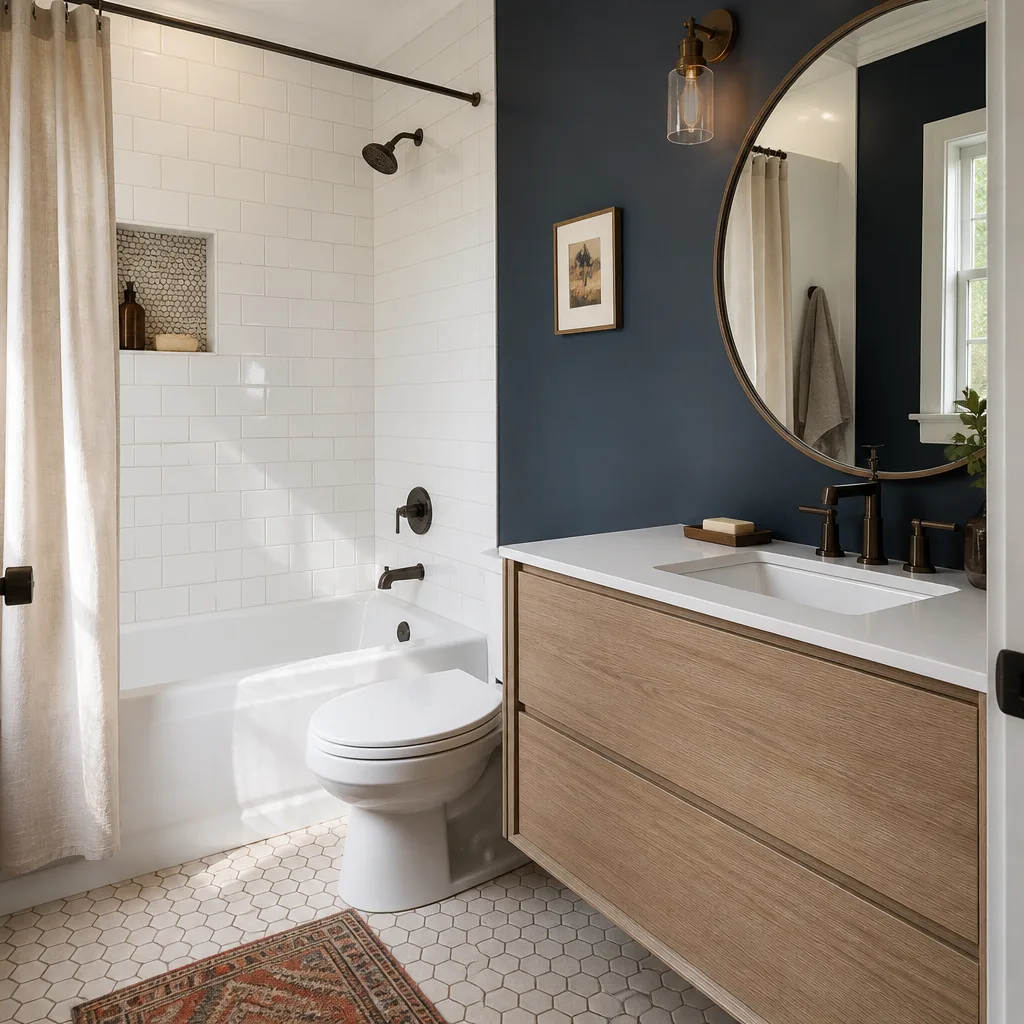
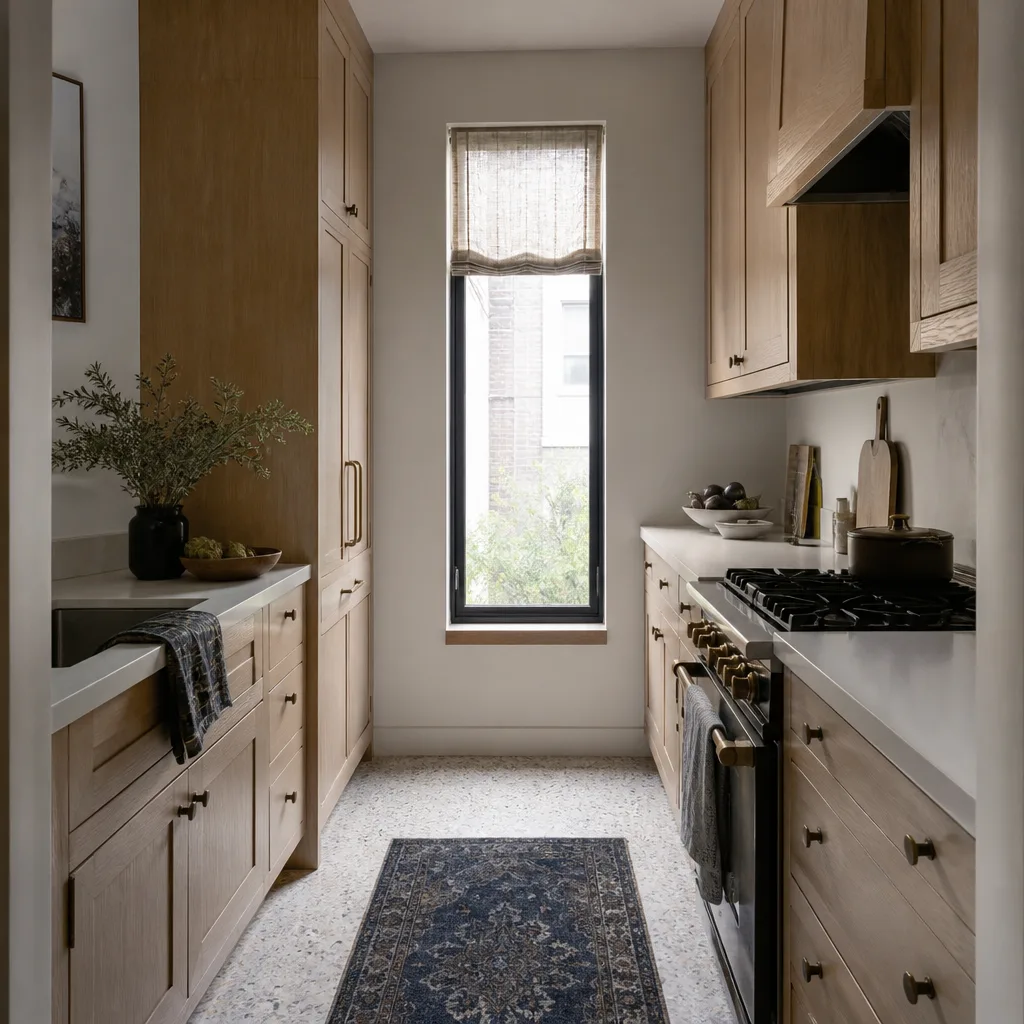
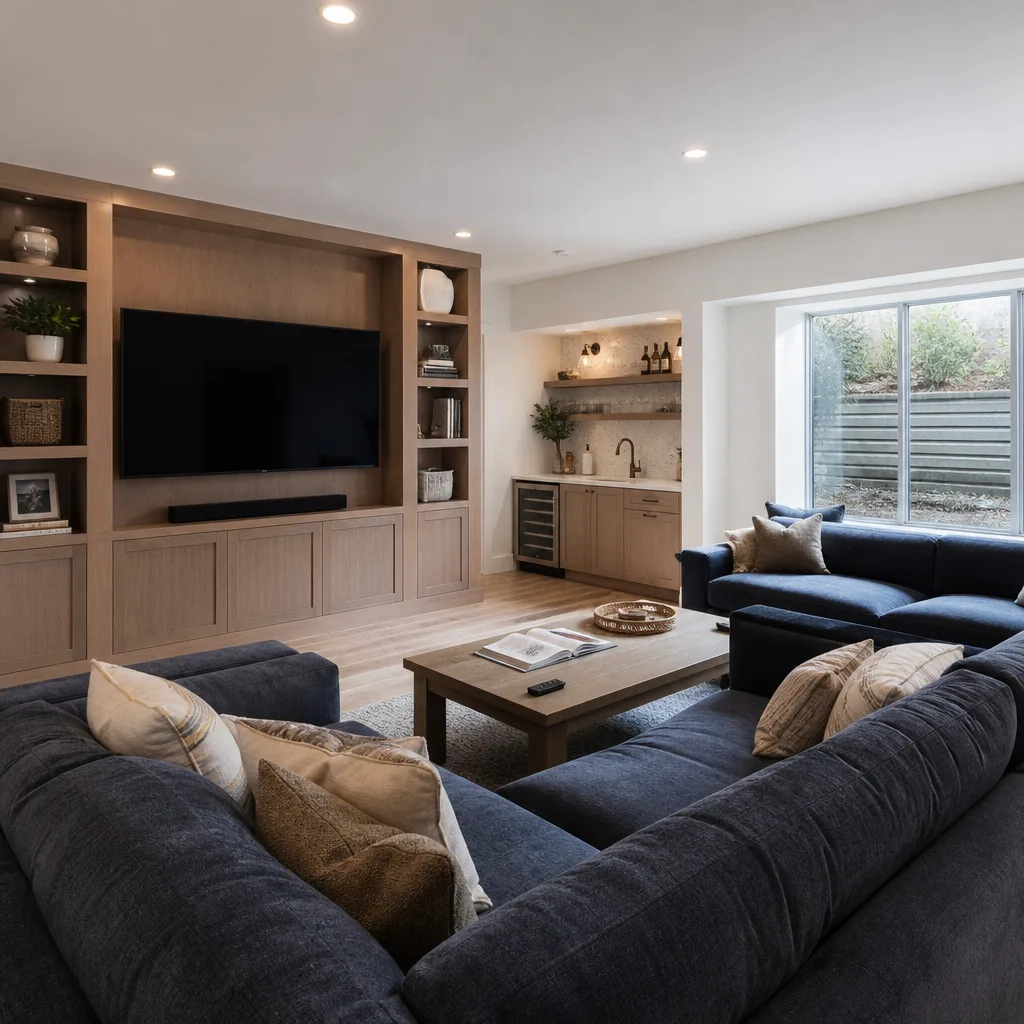
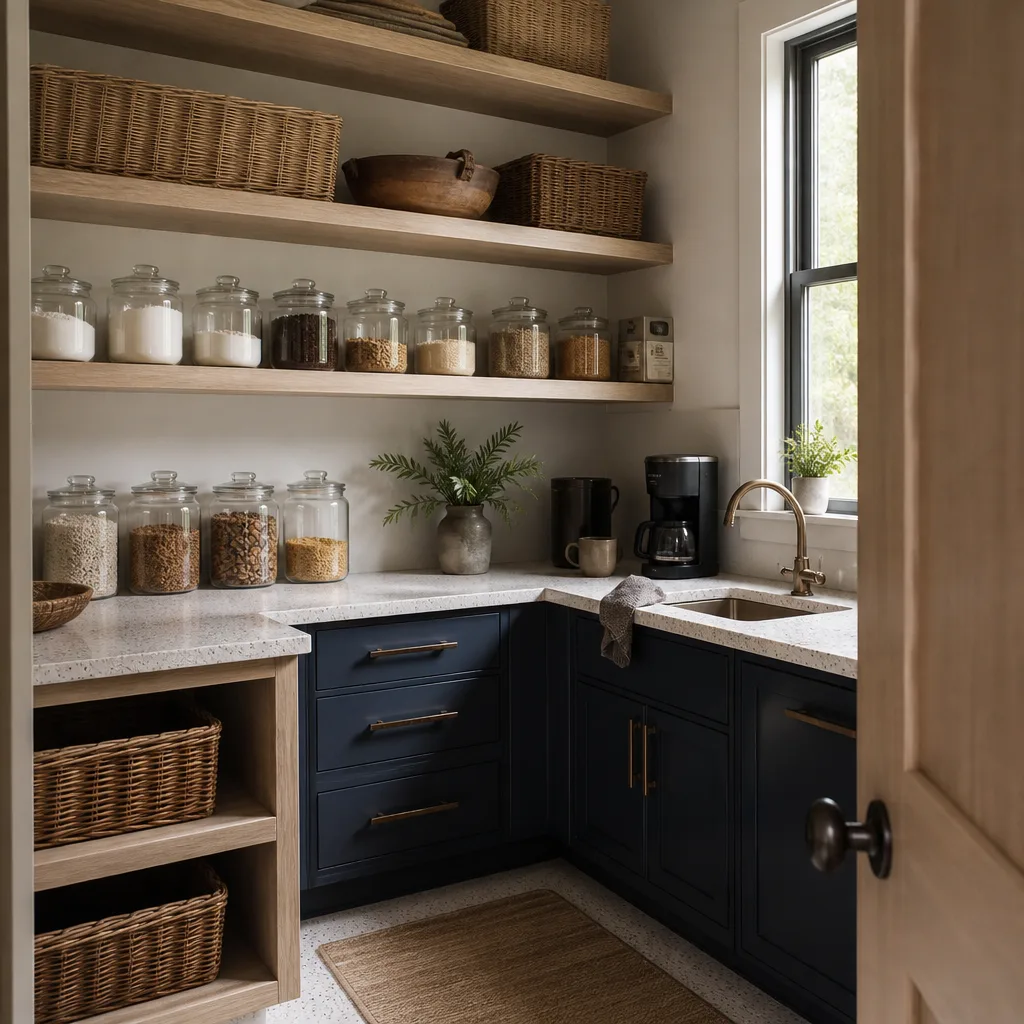
Free written scope consultation - allowances, timeline, and change-order rules on paper before a single trade is scheduled
The Complete Bathroom Remodeling Guide for Los Angeles Homeowners
Bathroom remodels are the single most common source of unpermitted work in California homes. When that work gets discovered during escrow, deals collapse. Buyers walk. Sellers are left holding an open permit violation and a bathroom that has to be torn open anyway. This Bathroom Remodeling guide walks you through what a Los Angeles bathroom remodel actually involves: the permits, the water-use rules, the asbestos risk in older homes, and what a realistic budget looks like. We’ve built and renovated bathrooms across Los Angeles since 2004, and the information here reflects what we see on real job sites, not what national home-improvement blogs recycle.
Quick Answer
A bathroom remodel in Los Angeles typically costs between $18,000 and $45,000 for a full gut renovation of a standard 5×8 bathroom, with permits adding $800 to $2,500 depending on scope. Most projects take 3 to 6 weeks once demo begins. The three LA-specific issues that catch homeowners off guard are Title 24 energy compliance, water-efficient fixture requirements under California plumbing code, and asbestos or lead abatement in homes built before 1980.
Styles & brands we work with
Table of Contents
- When a Los Angeles Bathroom Remodel Needs a Permit
- Title 24 Compliance: What It Actually Means for Your Bathroom
- Asbestos and Lead in Pre-1980 Los Angeles Homes
- California Water-Efficient Fixture Requirements
- What a Bathroom Remodel Costs in Los Angeles in 2025
- The Real Timeline: From First Call to Final Inspection
- Who’s Coming Into Your Home: Crew Verification in Bathroom Projects
- Common Mistakes to Avoid
- When to Call a Professional
- Frequently Asked Questions
When a Los Angeles Bathroom Remodel Needs a Permit
Most homeowners assume any bathroom work requires a permit. That is not true. But the line between permitted and unpermitted is where Los Angeles homeowners get into trouble, both with the city and later with buyers.
Cosmetic work does not require a permit. Replacing the vanity, swapping out a toilet for a new one in the same location, installing a new faucet, painting, reglazing a tub, or replacing a mirror are all exempt. You are not changing the structure, the plumbing layout, the electrical wiring, or the ventilation.
What does require a permit in Los Angeles:
- Moving any plumbing fixture. If the toilet, sink, or shower is changing location, that is a plumbing permit. The drain lines and supply lines move, and the city wants to inspect the work.
- Adding a new bathroom. Converting a closet or bumping out a wall to create a new bathroom always requires a permit, plus plan check.
- Opening walls to run new electrical. Adding a dedicated circuit for heated floors, a new exhaust fan with a humidity sensor, or relocating switches means an electrical permit.
- Changing the layout of load-bearing walls. If your remodel involves removing or cutting into a wall that carries structural weight, you need a structural permit and likely an engineer’s letter.
- Replacing the bathtub or shower pan. This is the one that surprises people. A new waterproofing system in a shower or tub surround is a plumbing fixture change and triggers a permit in Los Angeles.
In our experience, the most common unpermitted scenario is the “quick tub-to-shower conversion” that a handyman does in three days. The homeowner saves money up front. Five years later, they list the house. The buyer’s inspector flags the unpermitted shower pan. Escrow stalls. The seller either redoes the work with permits or credits the buyer thousands. The $3,000 they saved becomes a $12,000 problem.
If you are planning any bathroom work in Los Angeles and you are not sure whether it needs a permit, call the Department of Building and Safety. Or call a licensed general contractor who pulls permits as standard practice. A real contractor will tell you the truth, not what you want to hear. As general contractors in Los Angeles, we always pull permits when the scope requires them, and we tell you clearly when they are not needed. Come back to Mason Remodeling home here.
Title 24 Compliance: What It Actually Means for Your Bathroom
Title 24 is California’s energy code. Most homeowners hear “Title 24” and think solar panels or insulation. In a bathroom remodel, Title 24 compliance is simpler and more specific: it is about lighting, ventilation, and sometimes water heating.
A bathroom remodel triggers Title 24 requirements in California when you are pulling a permit for work that touches the lighting or electrical system. That covers most gut renovations. If you are just swapping a vanity light fixture, you are generally fine. If you are rewiring, adding recessed lights, or installing a new exhaust fan, Title 24 applies.
What Title 24 requires in a Los Angeles bathroom:
- High-efficacy lighting. All permanently installed light fixtures must be high-efficacy. In practice, that means LED bulbs or integrated LED fixtures. Incandescent or halogen bathroom lighting will not pass inspection in a permitted remodel.
- Exhaust fan with a humidity sensor or occupancy sensor. California code requires bathroom exhaust fans to be controlled by a humidistat, occupancy sensor, or timer. A basic on/off switch does not meet code in a permitted remodel. This is a change from what many older Los Angeles homes have.
- Fan must vent to the outside. No venting into the attic, which is common in pre-1980 LA homes. The fan needs a duct run to an exterior vent. This is a common source of inspection failures.
- Minimum airflow of 50 CFM. The fan must move at least 50 cubic feet per minute. For larger bathrooms, you need more. A 100-square-foot bathroom with a large shower should have a 100 CFM fan.
- Water heater changes may trigger a heat pump requirement. If your remodel includes replacing the water heater and it serves the bathroom, California’s 2023 energy code may require a heat pump water heater in certain situations. This adds $1,000 to $3,000 to the project but qualifies for utility rebates through LADWP.
The practical lesson: if you are hiring a contractor who says they will “handle everything” but cannot explain what Title 24 requires in your bathroom, they are not pulling permits. That is the tell. A permitted Los Angeles bathroom remodel will always include LED lighting, a properly vented exhaust fan with a sensor, and a clear plan for meeting code. The difference between a contractor who builds to code and one who does not is not visible in photos. It shows up on the permit history when you sell.
Asbestos and Lead in Pre-1980 Los Angeles Homes
Los Angeles has one of the oldest housing stocks of any major US metro. Tens of thousands of homes in neighborhoods like West Adams, Silver Lake, Echo Park, and the San Fernando Valley were built between 1920 and 1978. That means two things in a bathroom remodel: asbestos and lead.
Asbestos was used in vinyl sheet flooring, floor tile backing, drywall joint compound, popcorn ceiling texture, and pipe insulation through the late 1970s. In an LA bathroom built before 1980, any of these materials could contain asbestos. You cannot tell by looking at it. The only way to know is to test it.
How to test for asbestos in your Los Angeles home:
- Hire a certified asbestos inspector to take samples. Costs $200 to $400 for a bathroom.
- Samples go to a lab. Results take 24 to 48 hours.
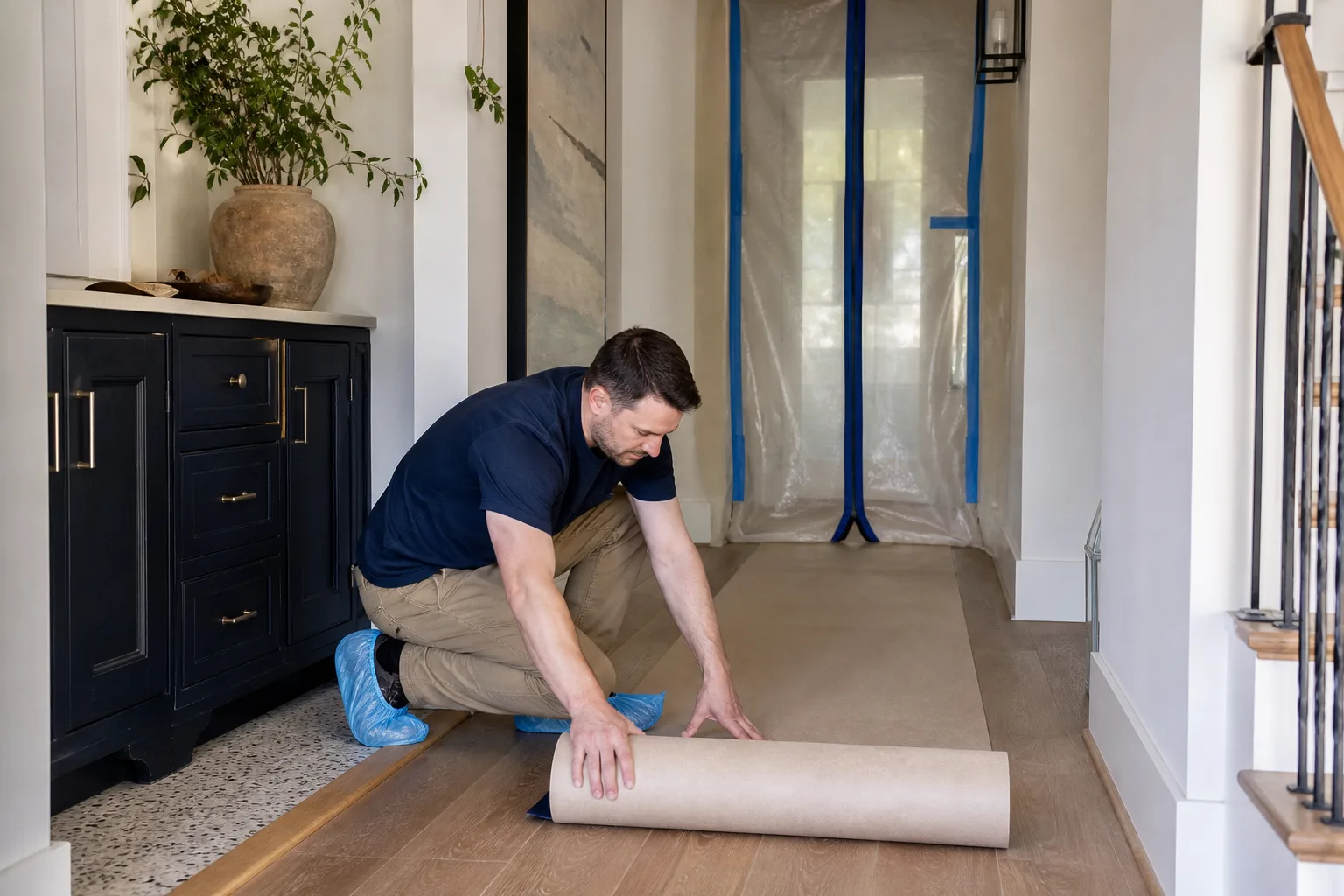
- If asbestos is present, a licensed abatement company removes it before demo. The bathroom is sealed off with negative air pressure. Workers wear protective suits.
- Abatement for a single bathroom typically costs $1,500 to $4,000 and adds 3 to 5 days to the timeline.
The alternative is what we unfortunately see too often: a demo crew tears out old flooring without testing. Asbestos fibers go airborne. The entire house is now contaminated, and the cleanup costs ten times what testing and abatement would have cost. Do not skip this step if your home was built before 1980.
Lead paint is a separate issue. Homes built before 1978 commonly have lead paint on walls, trim, and doors. If your remodel involves sanding, cutting, or disturbing painted surfaces, the EPA’s Renovation, Repair, and Painting (RRP) rule applies. Contractors doing this work must be RRP-certified. They use containment, HEPA vacuums, and specialized cleaning. If a contractor says lead paint is not a concern because your home “looks fine,” find a different contractor.
The good news: neither issue is a reason to avoid remodeling an older Los Angeles home. It just means budgeting realistically. A $25,000 remodel in a 1955 home might be a $27,500 remodel once testing, abatement, and containment are included. That is the price of doing it safely, and it is cheaper than the alternative.
California Water-Efficient Fixture Requirements
California has the strictest water-efficiency requirements for plumbing fixtures in the country. You cannot just buy any toilet or showerhead and install it in a Los Angeles bathroom remodel. The state and the city both have rules, and they are enforced at inspection.
California plumbing code fixture requirements:
- Toilets: 1.28 gallons per flush (gpf) maximum. This is the state standard. Los Angeles does not have a stricter local rule for toilets. You cannot legally install an older 1.6 gpf toilet in a permitted remodel.
- Bathroom faucets: 1.2 gallons per minute (gpm) maximum. Most new faucets from major brands meet this. Verify before buying.
- Showerheads: 1.8 gpm maximum. This is the California standard. It dropped from 2.5 gpm several years ago. Many homeowners worry about shower pressure. Modern compliant showerheads use air induction and larger spray faces to compensate. We recommend testing a showerhead at a showroom before committing. Brands like Kohler, Moen, and Grohe all make compliant models that perform well.
- WaterSense certification. While California sets the flow rates, look for the EPA WaterSense label as well. LADWP and other Southern California utilities offer rebates for WaterSense toilets and showerheads. A WaterSense toilet can qualify for a $50 to $100 rebate through LADWP, depending on current program terms.
The performance question is real. A 1.8 gpm showerhead is noticeably different from a 2.5 gpm showerhead if you buy a cheap one. High-quality models from Toto and Grohe use larger spray droplets and better pressure compensation. In our remodel work, we guide clients through this because the last thing you want is to spend $30,000 on a new bathroom and hate the shower.
If you are shopping for a bathroom remodel in Los Angeles and a contractor quotes you a showerhead or toilet that does not meet California code, that is a red flag. They are either misinformed or planning to skip the permit. Neither is acceptable.
What a Bathroom Remodel Costs in Los Angeles in 2025
Los Angeles bathroom remodel costs are higher than the national average for several reasons: labor rates, permit fees, and the age of the housing stock. Here is what we tell Los Angeles homeowners to expect based on the scope of work they want.
| Remodel Type | Typical Los Angeles Cost | What’s Included |
|---|---|---|
| Cosmetic refresh | $8,000 – $15,000 | Vanity replacement, new toilet, new faucet and showerhead, paint, mirror, lighting. No walls opened, no plumbing moved. |
| Mid-range remodel | $18,000 – $30,000 | New tub or shower with tile surround, new vanity and countertop, new flooring, new exhaust fan, new lighting, new toilet. Some plumbing reconfiguration. Permit required. |
| Full gut renovation | $30,000 – $50,000+ | Complete demo, new waterproofing system, new plumbing and electrical as needed, high-end tile, custom vanity, new tub or walk-in shower, heated floors, all new fixtures. Multiple permits. |
| Adding a new bathroom | $35,000 – $70,000+ | Everything in a full gut renovation, plus framing, new drain and supply lines, new electrical circuits, and plan check. Cost depends heavily on whether you are adding square footage or converting existing space. |
These ranges reflect what we see on actual Los Angeles job sites, not national averages. The difference is LA-specific: permits cost more, older homes have more surprises behind the walls, and labor rates in Southern California are among the highest in the country.
What moves the price:
- Tile quantity and type. A basic ceramic tile surround might cost $2,200 installed. A large-format porcelain with custom layout can run $6,000 or more. Natural stone is higher still.
- Waterproofing method. A Schluter strip – the metal trim that seals the edge where tile meets flooring – is part of a modern waterproofing system that costs more than traditional methods but is widely considered the standard for a shower that will not leak. We use full waterproofing systems on every shower we build.
- Vanity source. A stock vanity from a big-box store runs $400 to $900. A semi-custom vanity from KraftMaid or Wellborn runs $1,500 to $4,000. Custom cabinetry from a local shop starts around $3,500 for a double vanity.
- Countertop material. Cultured marble is the budget option. Quartz from Cambria, Silestone, or Caesarstone is the mid-range and high-end standard, running $75 to $150 per square foot installed.
- Asbestos or lead abatement if your home is pre-1980. Budget $1,500 to $4,000 extra.
Every project we quote includes a written price before any work starts. Not a range that tightens later, not a verbal number that grows. A written line-item price. If you are comparing bathroom remodeling contractors in Los Angeles, the single most important question is whether the price is in writing before you sign anything. Learn about whole-home remodeling options here.
The Real Timeline: From First Call to Final Inspection
A Los Angeles bathroom remodel timeline is longer than most homeowners expect. The actual construction is only part of it. Here is the sequence we walk every client through:
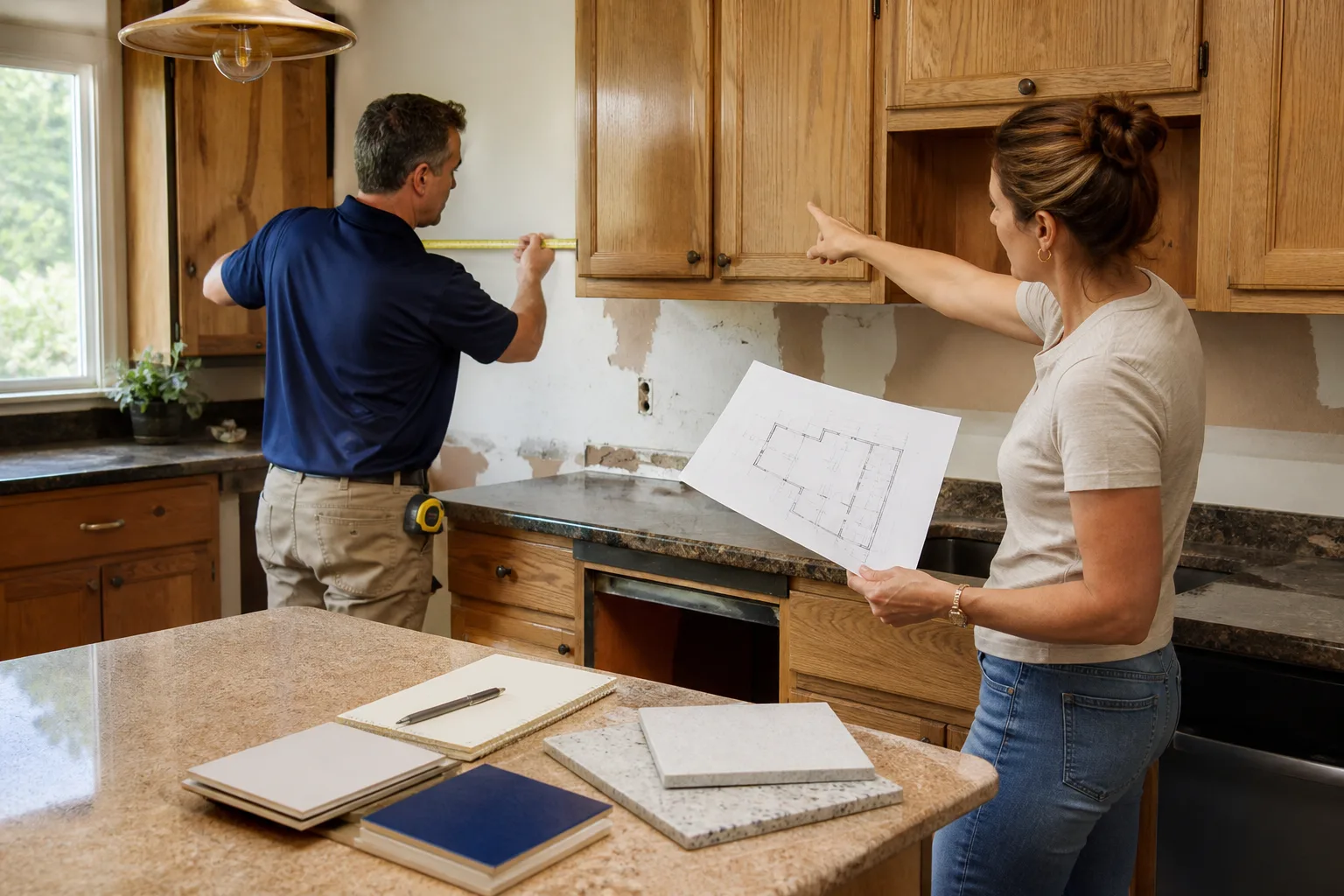
- Design and scope definition: 1 to 2 weeks. You decide what you want. We measure, document existing conditions, and talk through options. This is where good contractors tell you what will not work and why.
- Written estimate and contract: 3 to 5 days. We deliver a written price. You review it. Once signed, we schedule.
- Permit application: 1 to 4 weeks. Los Angeles Department of Building and Safety processing times vary. Simple over-the-counter permits can be same-day. Plan checks for structural or new-bathroom work take longer. This is not within any contractor’s control.
- Material ordering: 1 to 3 weeks. Tile, vanities, and fixtures need to arrive before demo starts. We do not start demo until materials are in hand. You do not want to live without a bathroom while waiting for a backordered vanity.
- Demo and rough-in: 3 to 5 days. This is when walls open, plumbing and electrical get relocated, and the shower pan gets built.
- Inspections: spread across the project. Rough-in inspection before walls close. Final inspection after everything is done. Los Angeles inspectors are thorough, which is a good thing.
- Tile and finishes: 1 to 2 weeks. Tile work takes time. Rushing tile work is how you get lippage, uneven grout lines, and leaks.
- Final inspection and walkthrough: 2 to 3 days. Inspector signs off. You walk the project. We fix anything that is not right.
Total: a standard gut renovation of one bathroom takes about 6 to 8 weeks from contract to completion in Los Angeles. Some projects go faster. Some take longer if surprises appear, and in an older LA home, surprises are not rare. We would rather tell you 6 to 8 weeks and finish in 6 than tell you 3 weeks and finish in 8.
Who’s Coming Into Your Home: Crew Verification in Bathroom Projects
A bathroom remodel is different from a kitchen remodel or a roofing project in one way that matters more than people admit: workers are in the most private room in your home. They are where you shower. Where your children bathe. Where you are most exposed. A kitchen remodel happens in a public space. A bathroom remodel requires a different level of trust.
This is why we run every Mason Remodeling project through the Threshold Standard, a named verification process that is not a background-check form we file away. Here is what it means in practice:
- Every crew member is background-checked and identity-verified before being assigned to a job. Not just the lead carpenter. Every person who will stand in your bathroom.
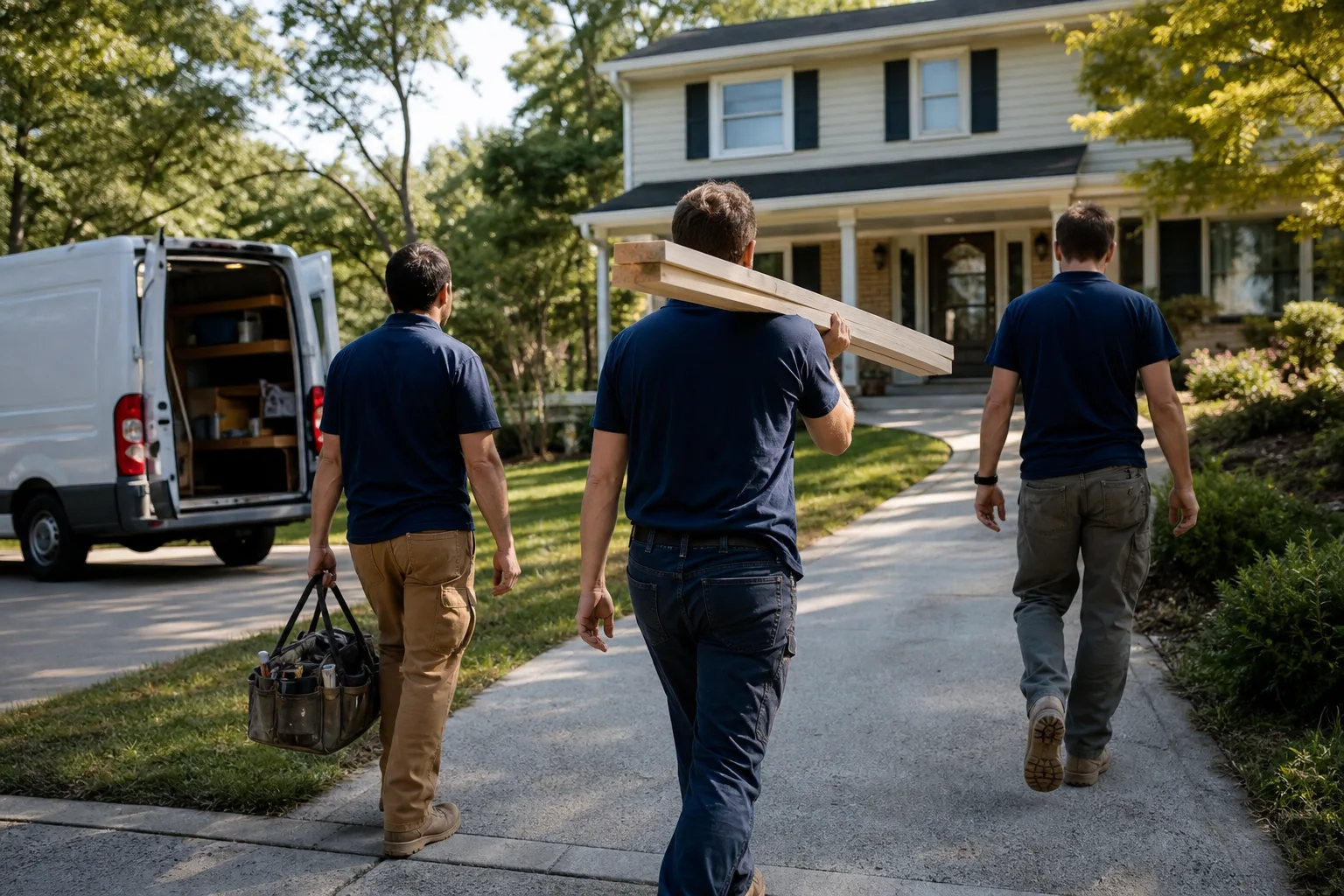
- You receive the name and photo of every technician before they arrive. You know who is coming before they ring the bell.
- Every crew member arrives in a clean, marked uniform and shows a photo ID badge at the door. You can match the face at your door to the photo we sent you.
This is not standard in the Los Angeles remodeling industry. Most contractors cannot tell you who will show up at your door on a Tuesday morning. We built this process because our clients have told us, for twenty years, that the hardest part of a remodel is not the cost. It is opening the door to strangers. The Threshold Standard exists so you never have to wonder.
Isaac Pruett, our owner, has been running Mason Remodeling in Los Angeles since 2004. The verification process we use now grew out of questions our clients asked in that first decade: who are these people, what are their names, and how do I know they are who they say they are. The process exists because those questions deserved a real answer.
Some homeowners exploring larger renovations also ask us about alternative construction methods, including prefab and modular options from companies like Dvele, Mighty Buildings, and Boxabl, as covered in The Complete Guide to Construction in Los Angeles. Those systems have a role in some projects, particularly accessory dwelling units and new construction. For an existing bathroom inside a 1950s or 1960s Los Angeles home, traditional remodel methods remain the most practical and cost-effective approach in our experience.
Common Mistakes to Avoid
- Skipping the permit because “it’s just a bathroom.” The most expensive mistake in an LA remodel. Unpermitted work shows up at inspection when you sell. It always costs more to fix later than to do right the first time.
- Not testing for asbestos in a pre-1980 home. Demo without testing can contaminate your entire house. A $300 test becomes a $30,000 cleanup. Test first, always.
- Choosing a contractor based on the lowest bid. The lowest Los Angeles bathroom bid is almost always missing something: permits, waterproofing, proper venting, or profit margin. That contractor will find the money somewhere, usually in the quality of work you cannot see.
- Ordering fixtures online without checking California compliance. That $89 showerhead you bought online is probably 2.5 gpm and not legal in California. Check flow rates before you buy.
- Venting the bathroom fan into the attic. This is how attics rot in Los Angeles. Fan must vent to the outside, through a proper duct and exterior termination.
- Starting demo before all materials arrive. A backordered vanity or tile can leave you without a working bathroom for weeks. We do not start demo until materials are in our warehouse.
- Assuming the timeline from a national blog applies to LA. Los Angeles permit times, inspection schedules, and the age of the housing stock all add time. Budget for it.
When to Call a Professional
A bathroom remodel in Los Angeles is not a DIY project when it involves moving plumbing, opening walls, touching electrical, or building a new shower pan. The risks are not cosmetic. A poorly waterproofed shower leaks into the framing and subfloor. A poorly vented bathroom grows mold inside the walls. An unpermitted remodel becomes a legal and financial liability when you sell. If your project involves any of those items, call a licensed contractor who pulls permits, builds to California code, and gives you a written price before work begins. For The Complete General Contractor Guide for Los Angeles Homeowners and a free estimate, call Mason Remodeling at (803) 680-2547. We will tell you honestly what your project needs, what it costs, and what the permit process looks like.
Frequently Asked Questions
A full gut renovation of a standard bathroom in Los Angeles typically costs between $18,000 and $45,000, with permits adding $800 to $2,500. A cosmetic refresh can run $8,000 to $15,000. Exact pricing depends on materials, whether plumbing moves, and the age of your home. Call (803) 680-2547 for a written estimate specific to your bathroom.
You need a permit if you are moving plumbing fixtures, changing the shower pan, opening walls for electrical work, or altering load-bearing walls. Swapping a vanity, toilet, faucet, or light fixture in the same location does not require a permit. If you are not sure, call the LA Department of Building and Safety or a contractor who pulls permits.
Title 24 is California’s energy code. It applies to your bathroom remodel when you are pulling a permit for electrical or lighting work. It requires LED lighting, an exhaust fan with a humidity or occupancy sensor, and exterior venting. A permitted remodel in Los Angeles must meet these standards.
You cannot tell by looking. Homes built before 1980 may have asbestos in flooring, drywall compound, or pipe insulation. Hire a certified asbestos inspector to take samples before any demo begins. Testing costs $200 to $400 for a bathroom. Abatement, if needed, adds $1,500 to $4,000 and several days to the timeline.
California code requires toilets at 1.28 gallons per flush or less, bathroom faucets at 1.2 gallons per minute or less, and showerheads at 1.8 gallons per minute or less. Look for WaterSense certification to qualify for LADWP rebates. Kohler, Moen, Grohe, and Toto all make compliant fixtures that perform well.
A standard gut renovation takes 6 to 8 weeks from contract to completion. Permits take 1 to 4 weeks depending on scope. Materials should be ordered and received before demo starts. A cosmetic refresh can take 2 to 3 weeks. A project adding a new bathroom takes longer, typically 8 to 12 weeks.
Not if you hire a contractor who provides a written, line-item price before work begins. The only legitimate reason a price changes during a remodel is a discovery: rotted subfloor, old wiring that needs replacement, or something hidden behind the walls. In older Los Angeles homes, discoveries happen. A good contractor tells you about them immediately and gets your written approval before doing additional work. Mason Remodeling delivers a written price on every project before any work starts, and we never change it without your written sign-off.
The Bottom Line
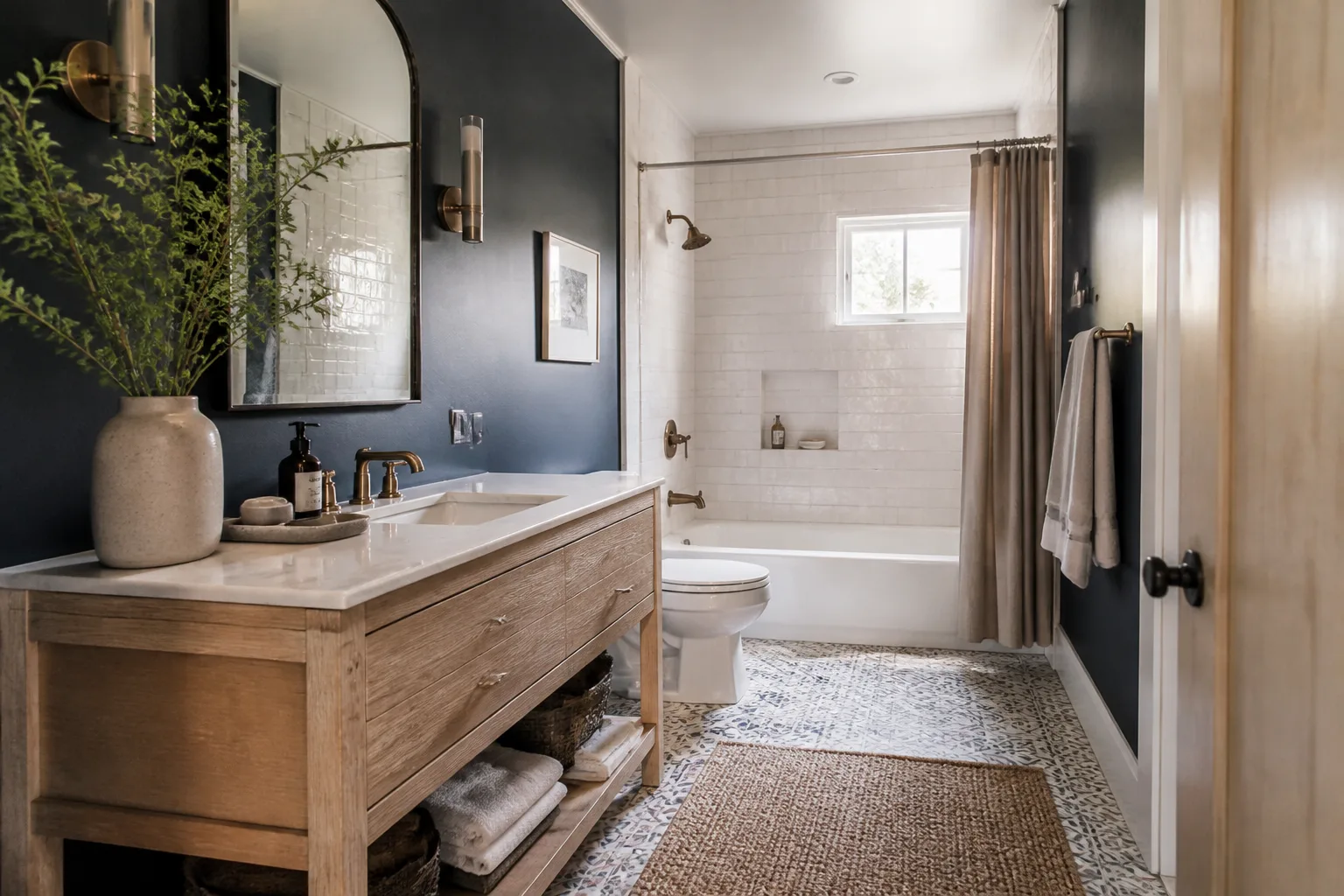
A bathroom remodel in Los Angeles is not the same as a bathroom remodel anywhere else. Title 24 energy code, California water efficiency rules, LADWP rebate programs, LA permit requirements, and the asbestos and lead risks in pre-1980 homes all change what you need to know and what you will pay. The contractors worth hiring are the ones who explain all of it without being asked. They pull permits. They test for asbestos. They build to code. They give you a written price and a written guarantee. They tell you exactly who is coming into your home and prove it with a name and a photo before the door opens. That is the standard a Los Angeles bathroom remodel deserves, and you can find more guides & resources on our blog.
Written by Isaac Pruett, Owner at Mason Remodeling, serving Los Angeles since 2004.
See the difference
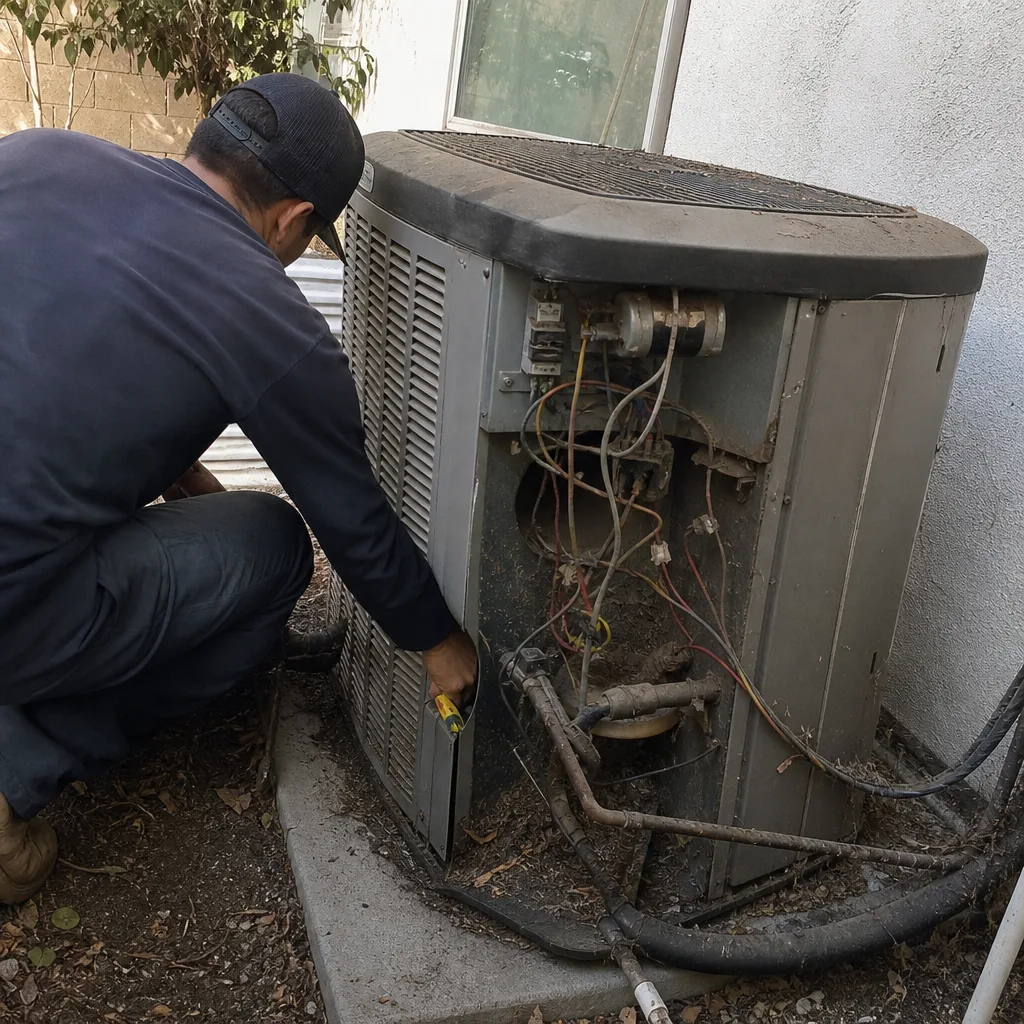 Before
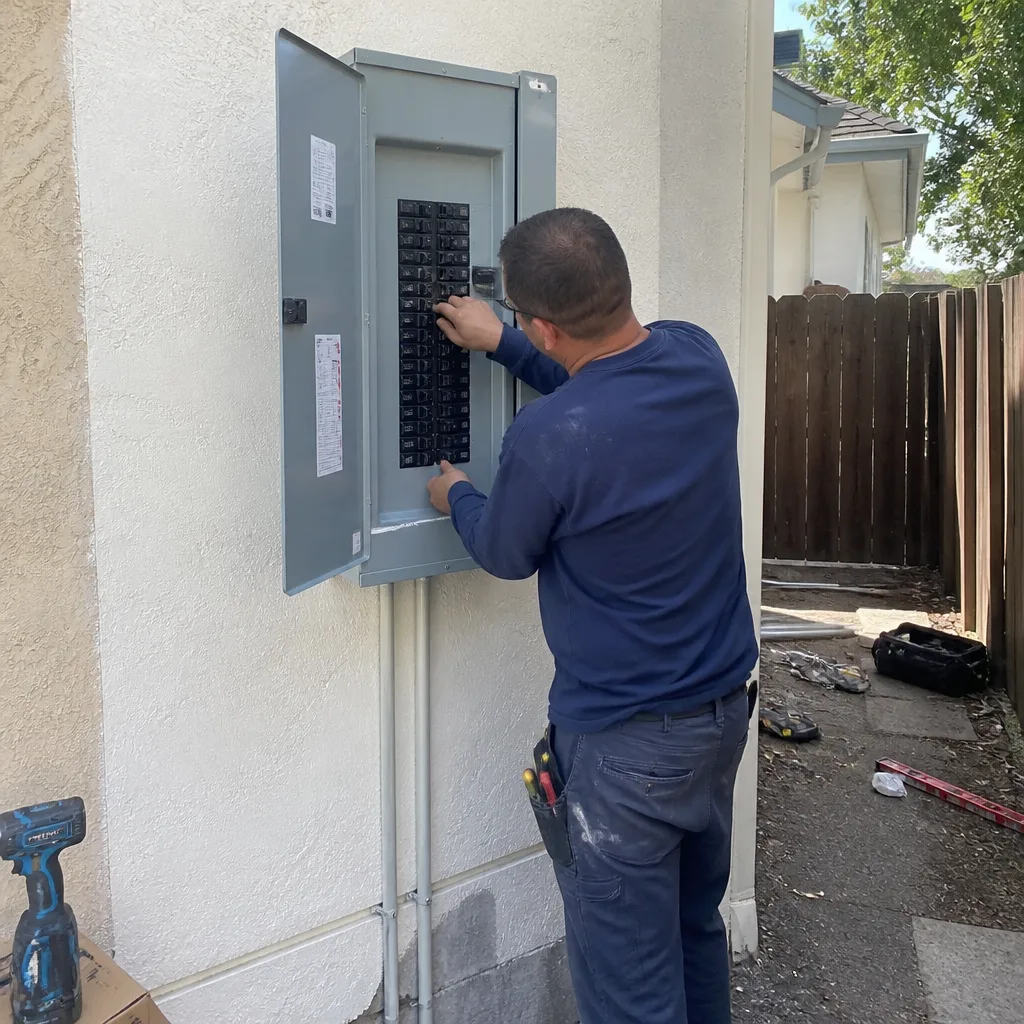 After
After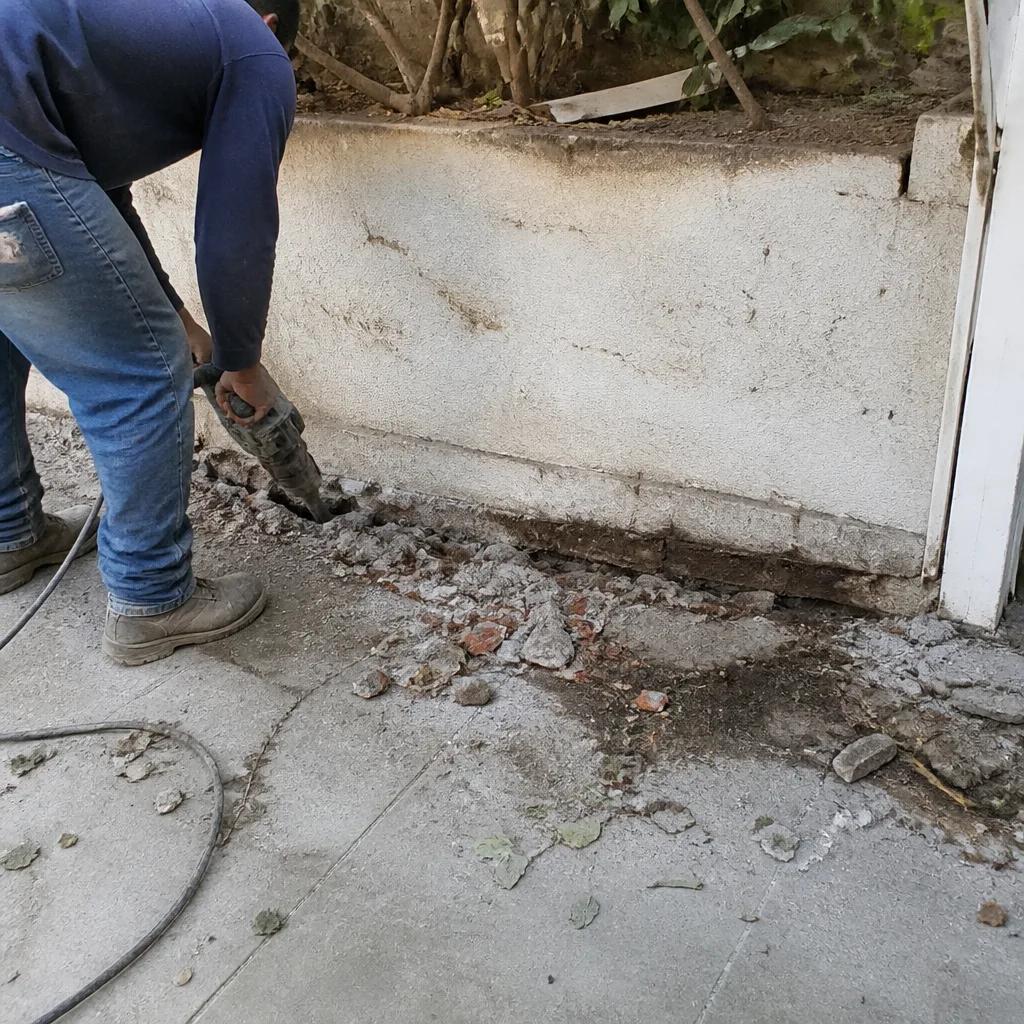 Before
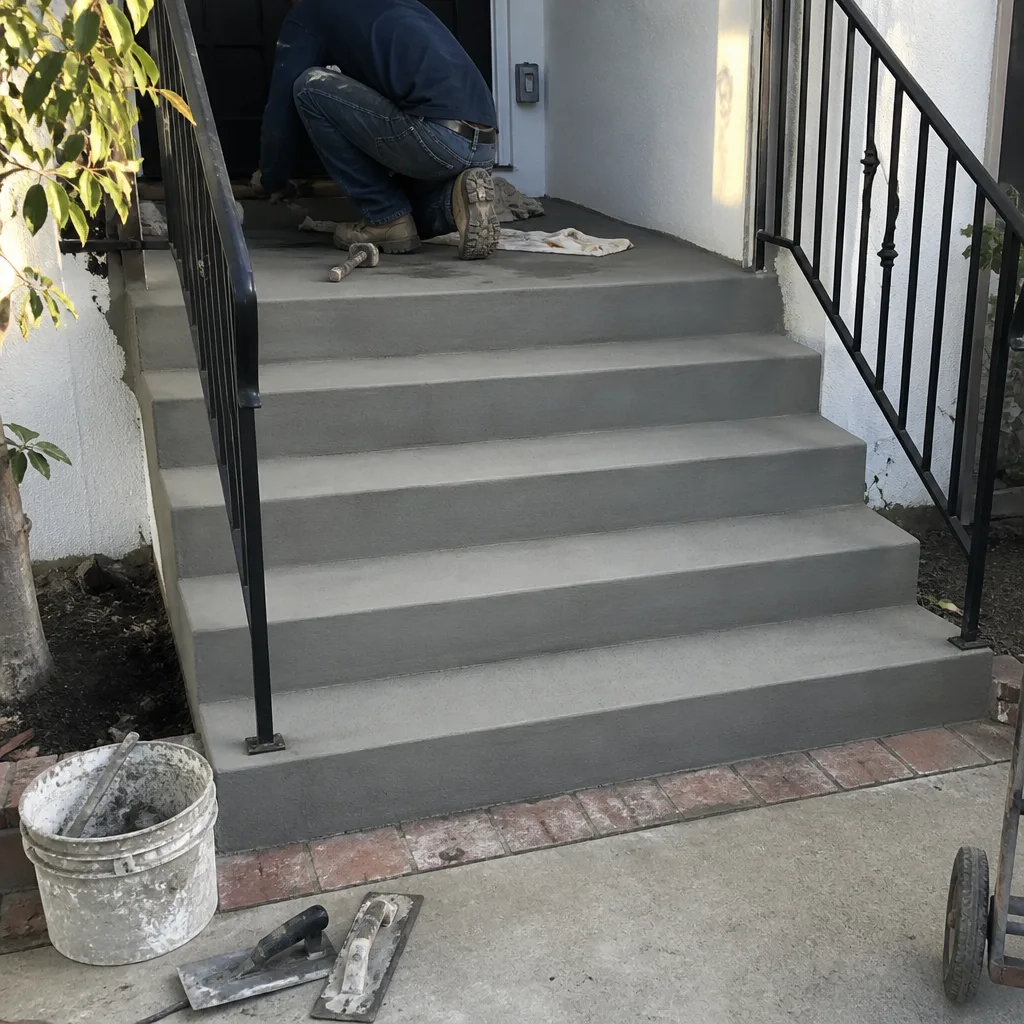 After
After Before
 After
After