Last updated October 9, 2026





Free written scope consultation - allowances, timeline, and change-order rules on paper before a single trade is scheduled
The Complete General Contractor Guide for Los Angeles Homeowners
Los Angeles issued over 140,000 building permits in a single recent year, and the city’s Department of Building and Safety can place a stop-work order on your project for a code gap your contractor missed on day one. Most hiring guides treat finding a general contractor like a personality contest, but for The Complete Guide to Construction in Los Angeles, this one doesn’t. This one doesn’t. It maps the full Los Angeles process: permits, seismic codes, HOA layers, CSLB verification, and the crew-roster question that matters more than any portfolio photo. By the end, you’ll know exactly how to sequence a remodel in Los Angeles so nothing blindsides you after the contract is signed.
Quick Answer
To hire a general contractor in Los Angeles, verify their California CSLB license, check their workers’ compensation coverage, confirm they understand LA’s tiered permit system and seismic retrofit requirements, and get a written price before any work starts. Mason Remodeling provides General Contractor services with written pricing on every project and verifies every crew member by name and photo before they arrive. Call (803) 680-2547 for a free estimate.
Styles & brands we work with


Table of Contents
- How LA’s Tiered Permit System Affects Your Project
- How to Run a CSLB License Check in Under Two Minutes
- Seismic Retrofit Requirements for Pre-1980 LA Homes
- HOA Approval Timelines in Los Angeles Neighborhoods
- Why a Verified Crew Roster Matters in LA
- Written Pricing: What It Looks Like and Why It Protects You
- What a Real Workmanship Guarantee Covers
- What General Contracting Costs in Los Angeles
How LA’s Tiered Permit System Affects Your Project
Los Angeles doesn’t have one permit process. It has three, and which one your project lands in changes your start date, your budget, and your contractor’s workload. The city’s Department of Building and Safety (LADBS) routes permits through over-the-counter review, plan check, or full review depending on scope.
Over-the-counter permits are the fastest. Simple work like re-roofing, window replacements of the same size, and minor electrical or plumbing swaps can often be approved the same day or within a few days. These projects typically clear in under a week and add a few hundred dollars in fees.
Plan check permits apply when your project changes structure, square footage, or building systems. A kitchen remodel that moves plumbing lines, a bathroom that relocates a wall, or an addition all require plan check. Expect two to six weeks for first-pass review in Los Angeles, and longer if the reviewer sends comments back. Budget $1,500 to $5,000 in plan check fees depending on project size.
Full review is for complex projects: hillside construction, properties in wildfire hazard zones, or anything touching a historic overlay. These can take months. A contractor who has worked LA’s review pipelines knows which details trigger delays and which details reviewers flag most often. That experience is worth money, not because it makes the process cheaper, but because it keeps a six-week review from turning into a six-month one.
Before signing any contract, ask your contractor which tier your project falls into and what their last three projects in that tier looked like on the timeline. A straight answer tells you they’ve done it before. A shrug tells you something else.
How to Run a CSLB License Check in Under Two Minutes
California requires every contractor working on projects over $500 in labor and materials to hold a license from the Contractors State License Board. That’s the floor. The CSLB check is the first thing you do, and it’s faster than reading a Yelp review.
Here’s the exact process:
- Go to cslb.ca.gov and click “Check a License.”
- Enter the contractor’s name or license number. The license number should appear on their website, their truck, and their business card. If it doesn’t appear anywhere, that’s your first red flag.
- Confirm the license status says Active. Not “Suspended,” not “Expired,” not “Revoked.” Active.
- Check the classification. For general contracting work, you want a “B – General Building” classification. A contractor holding only a “C” specialty license (like C-36 plumbing) cannot legally pull a permit for a whole-home remodel.
- Scroll to the workers’ compensation line. It should say “This license has workers’ compensation insurance.” If it says “exempt,” that means the contractor has no employees and is claiming exemption. Fine for a solo operator. Not fine if they’re sending a crew to your house.
- Look at the bond status. Every licensed contractor in California must carry a $25,000 contractor’s bond. If the bond is canceled, the license is suspended even if the status line hasn’t updated yet.
We tell every Los Angeles homeowner the same thing: run this check yourself. Don’t take the contractor’s word for it. Don’t accept a screenshot. The CSLB database updates in real time and takes ninety seconds to search. In a city where unlicensed contracting is a persistent problem, this single step eliminates the majority of bad actors before they ever reach your door.
Seismic Retrofit Requirements for Pre-1980 LA Homes
If your Los Angeles home was built before 1980 and your remodel touches load-bearing walls, you’re about to meet LA’s seismic retrofit requirements. This is the part of LA remodels that The Complete Home Remodeling Guide for Los Angeles Homeowners would flag early, and it’s the part that catches homeowners off guard in the middle of a project.
Los Angeles sits on a network of fault lines, and the city has retrofit ordinances that apply to specific building types: soft-story apartments, non-ductile concrete buildings, and single-family homes with cripple walls or unbolted foundations. When your remodel opens up a load-bearing wall, the LADBS plan reviewer will evaluate whether the existing structure meets current seismic standards. If it doesn’t, your project scope expands. That’s not a contractor upselling you. That’s code.
The most common triggers we see in Los Angeles:
- Foundation bolting: Pre-1980 homes often lack bolts connecting the sill plate to the foundation. If your remodel exposes this area, the city may require bolting and added plywood shear panels. Budget $4,000 to $10,000 depending on access and foundation type.
- Cripple wall bracing: Short wood walls between the foundation and first floor are common in older LA homes. Unbraced, they can collapse in an earthquake. Retrofitting them typically runs $3,000 to $8,000.
- Load-bearing wall removal: If you’re opening up a kitchen or living room and a wall has to go, a structural engineer designs a beam and post system to carry the load. Engineer drawings cost $1,500 to $4,000. The beam itself and installation add $5,000 to $15,000 depending on span and finishes.
- Chimney reinforcement: Older masonry chimneys in LA often fail current seismic bracing requirements. If your remodel touches the area around a chimney, expect a retrofit requirement. Costs range $3,000 to $7,000.
A contractor who does Los Angeles remodels knows these triggers before demolition starts. They price them into the initial written quote. A contractor who doesn’t know them will “discover” them mid-project, and your budget takes the hit. Ask any prospective contractor this exact question: “What seismic requirements apply to my project based on my home’s year and construction type?” If they pause, keep looking.
HOA Approval Timelines in Los Angeles Neighborhoods
In a city with as many planned communities and condo complexes as Los Angeles, HOA approval is often the step that takes longer than the actual remodel. If your home falls under an HOA, sequencing matters, and doing it in the wrong order can cost you months.
The mistake we see most often: a homeowner signs a contract with a general contractor in Los Angeles, puts down a deposit, and then submits their project to the HOA architectural review committee. The committee meets monthly. The committee asks for revisions. The committee wants three copies of the plan, a color sample board, and a letter from the structural engineer. Now the contractor’s schedule has shifted by sixty days, and the homeowner is paying for a slot that isn’t being used.
The correct sequence looks like this:
- Pull your HOA’s governing documents before you contact any contractor. Look for the architectural guidelines section. Note the approval timeline, the application requirements, and whether there’s an expedited path for interior-only work.
- Submit your preliminary design to the HOA the moment you have a scope of work, even if it’s a rough one. Many LA HOAs allow pre-review comments before the formal application.
- Get HOA approval in writing before signing any contractor contract. Approval emails are fine. Verbal approvals are worthless if a new board member disputes the record.
- Check your HOA’s contractor rules. Some LA HOAs require contractors to file certificates of insurance naming the HOA as an additional insured. Others restrict work hours, parking, dumpster placement, or elevator use for condo buildings. Your contractor should handle this paperwork, but you need to know the rules exist.
In neighborhoods like Brentwood, Pacific Palisades, and parts of the Valley with active HOAs, architectural review committees meet once a month and some pause entirely in December. A January contract signing with a March HOA hearing means an April or May start date. Plan for it.
Why a Verified Crew Roster Matters in LA
Los Angeles has a lot of subcontractor churn. A general contractor prices your project, then subs out the framing to one crew, the tile to another, and the drywall to a third. Most homeowners never know who is walking through their door on any given Tuesday. That’s a problem in a city where you likely won’t recognize the faces on your own property.
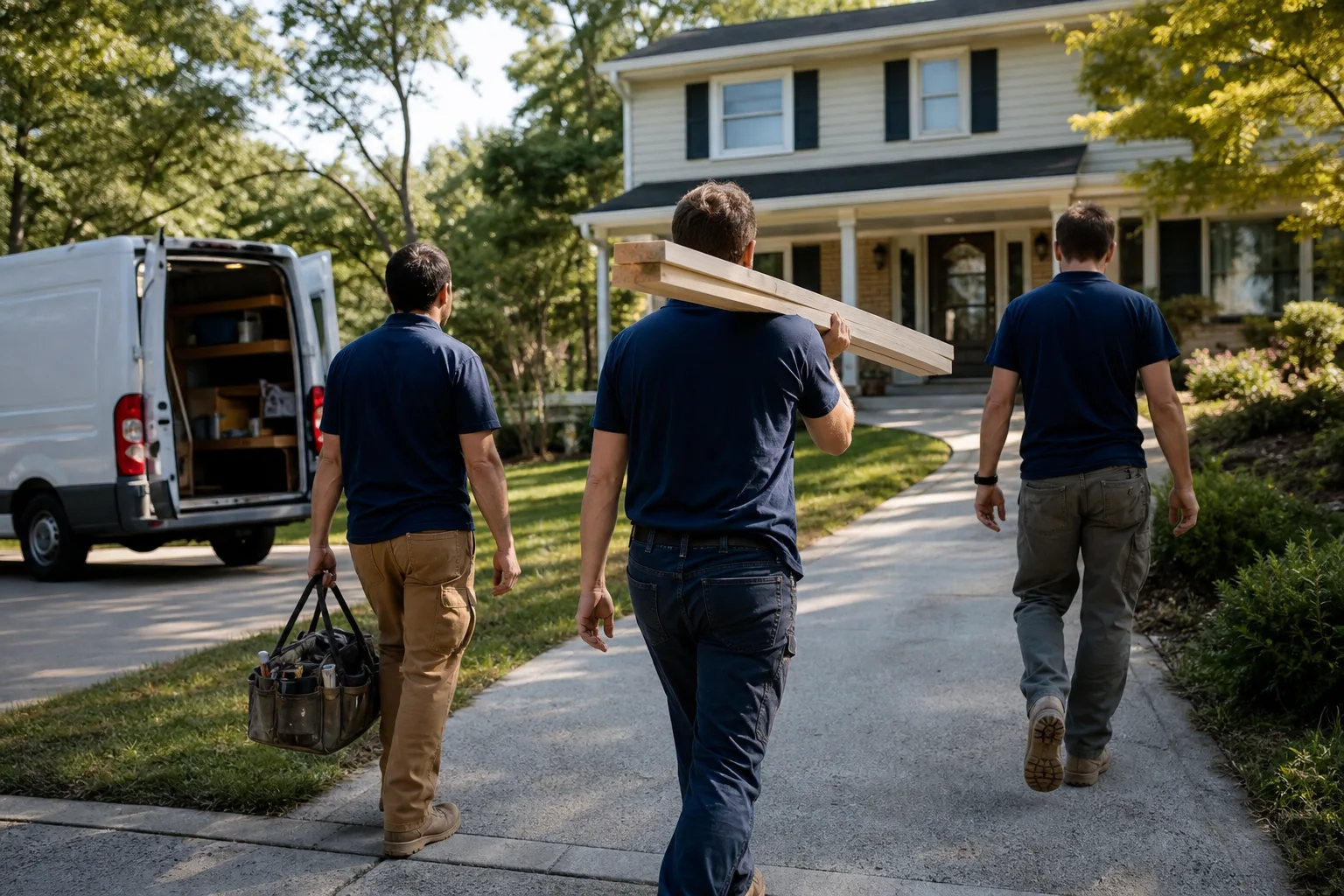
This is where a verified crew roster changes everything. At Mason Remodeling, every crew member goes through The Threshold Standard before they ever arrive at a Los Angeles home. Each technician is background-checked and identity-verified. You receive the technician’s name and photo before the visit. When they arrive, they’re in a clean marked uniform and they show a photo ID badge at the door before stepping inside.
For homeowners who are often home alone, parents with young children, or older adults, this is not a formality. It’s a security decision. You should know who is on your property by name, not by company. You should be able to check a photo against a face before you open the door. If your contractor cannot tell you who is coming tomorrow and how you’ll recognize them, that’s an answer in itself.
Ask any Los Angeles general contractor this: “Will I receive the names and photos of every person who will work in my home before they arrive?” The good ones say yes without hesitating. The rest start explaining why it’s not necessary.
Written Pricing: What It Looks Like and Why It Protects You
In Los Angeles, the single biggest source of homeowner disputes is not quality. It’s price changes. A verbal estimate of $45,000 becomes a final bill of $62,000, and the homeowner has no leverage because nothing was ever written down.
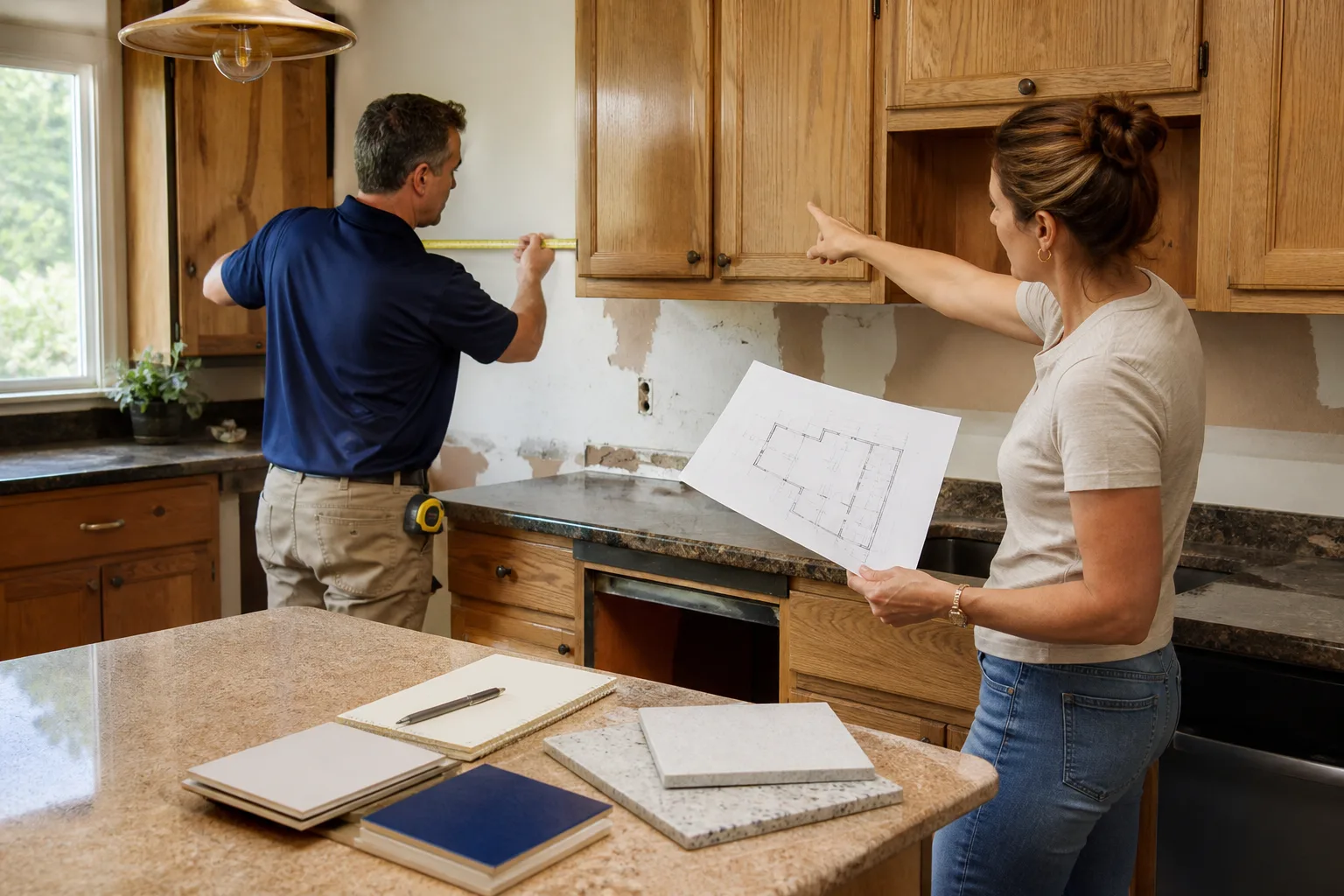
Written pricing is a line-item document that breaks down your project into specific categories: demolition, framing, plumbing, electrical, tile, cabinetry, countertops, fixtures, finishes, and general conditions. Each line has a dollar figure. The document states what is included, what is excluded, and what allowances exist for materials you haven’t selected yet. It also states the payment schedule and the conditions under which the price can change.
Mason Remodeling delivers a written price on every project before any work starts. This applies to every general contracting job, every bathroom remodel, and every whole-home remodel we do in Los Angeles. No verbal estimates that grow. No surprise invoices at the end. If the scope changes because you add something, that’s a change order, and it’s written and signed before the extra work happens.
When you’re comparing bids, look at what’s missing as much as what’s there. A low bid that omits permits, dumpster fees, or finish materials isn’t a lower price. It’s a partial quote. A written price from a Los Angeles contractor should itemize enough that you can compare it line by line against another written price. If it doesn’t, ask for more detail before you sign.
What a Real Workmanship Guarantee Covers
A workmanship guarantee is only as good as its terms. In Los Angeles, you want a guarantee that states exactly what is covered, what is excluded, and for how long. Vague promises like “we stand behind our work” are worth nothing if the tile cracks six months after installation.
Here’s what to look for:
- Coverage period: The guarantee should state the term plainly. Mason Remodeling’s 365-Day Done Right Promise covers workmanship for 365 days from the completion date. If something is not right within that year, we make it right at no cost to you.
- What is covered: Installation defects, material failures on products we supplied, and work that does not meet the agreed scope. The guarantee should say this in writing.
- What is excluded: Damage from misuse, modifications made by others, normal wear and tear, and issues with homeowner-supplied materials. These exclusions are standard and reasonable, and they should be stated plainly.
- Return visit policy: If a repair or installation fails, Mason Remodeling provides a free second visit. No charge, no dispute process, no conditions. This should be in the guarantee language, not promised verbally.
Every completed project through Mason Remodeling is covered by a written guarantee with clearly stated terms. That’s not a promotion and it’s never waived. When you’re evaluating other Los Angeles contractors, ask to see a copy of their guarantee before you sign. If they can’t produce one, the conversation about what happens if something goes wrong is going to be a short one.
What General Contracting Costs in Los Angeles
Los Angeles construction costs run higher than the national average, driven by labor rates, permit fees, and material logistics in a dense urban market. Here are realistic ranges based on current LA pricing for common project types:
| Project Type | Typical Range | Notes |
|---|---|---|
| Bathroom remodel (mid-range) | $18,000 – $35,000 | Includes fixture replacement, tile, vanity, and lighting |
| Bathroom remodel (full custom) | $40,000 – $80,000 | Layout changes, custom cabinetry, high-end surfaces |
| Kitchen remodel (mid-range) | $35,000 – $70,000 | Cabinet refacing or stock cabinets, quartz counters |
| Kitchen remodel (full custom) | $75,000 – $150,000 | Layout changes, custom cabinetry, premium appliances |
| Whole-home remodel (1,500 sq ft) | $150,000 – $350,000 | Scope-dependent; seismic retrofit may add $10k-$20k |
| Room addition (400 sq ft) | $120,000 – $200,000 | Includes foundation, framing, roofing, and finishes |
These are planning numbers, not quotes. Your actual price depends on your home’s condition, your neighborhood’s permit requirements, and your material choices. Partners like Cambria and Techo-Bloc offer spec-grade materials that hold up better than big-box alternatives in LA’s sun and seismic conditions, but they come at a corresponding price. Get a written estimate for your specific project before you budget around any range.
Common Mistakes to Avoid
- Signing before the CSLB check. Running a license check takes ninety seconds. Skipping it means you might be hiring an unlicensed contractor, which voids your legal protections in California.
- Sequencing HOA approval after contract signing. Your contractor’s schedule moves the moment you sign. If the HOA takes two months to approve, you’re paying for a slot you aren’t using. Get HOA sign-off first.
- Accepting a verbal estimate. In Los Angeles, verbal estimates are how $45,000 projects become $62,000 bills. Written pricing or nothing.
- Ignoring seismic retrofit triggers. Pre-1980 homes with load-bearing wall changes will face retrofit requirements. If your contractor doesn’t flag this before demolition, it becomes a mid-project surprise.
- Not asking who is coming to the property. Subcontractor churn is real in LA. Know the names and faces of the people working in your home before they arrive.
- Assuming the lowest bid covers everything. Missing line items for permits, dumpsters, and finish materials are not savings. They’re deferred costs that land on the final bill.
- Skipping the guarantee document. A verbal “we stand behind our work” has no teeth. Ask for the written guarantee before you sign anything.
See the difference
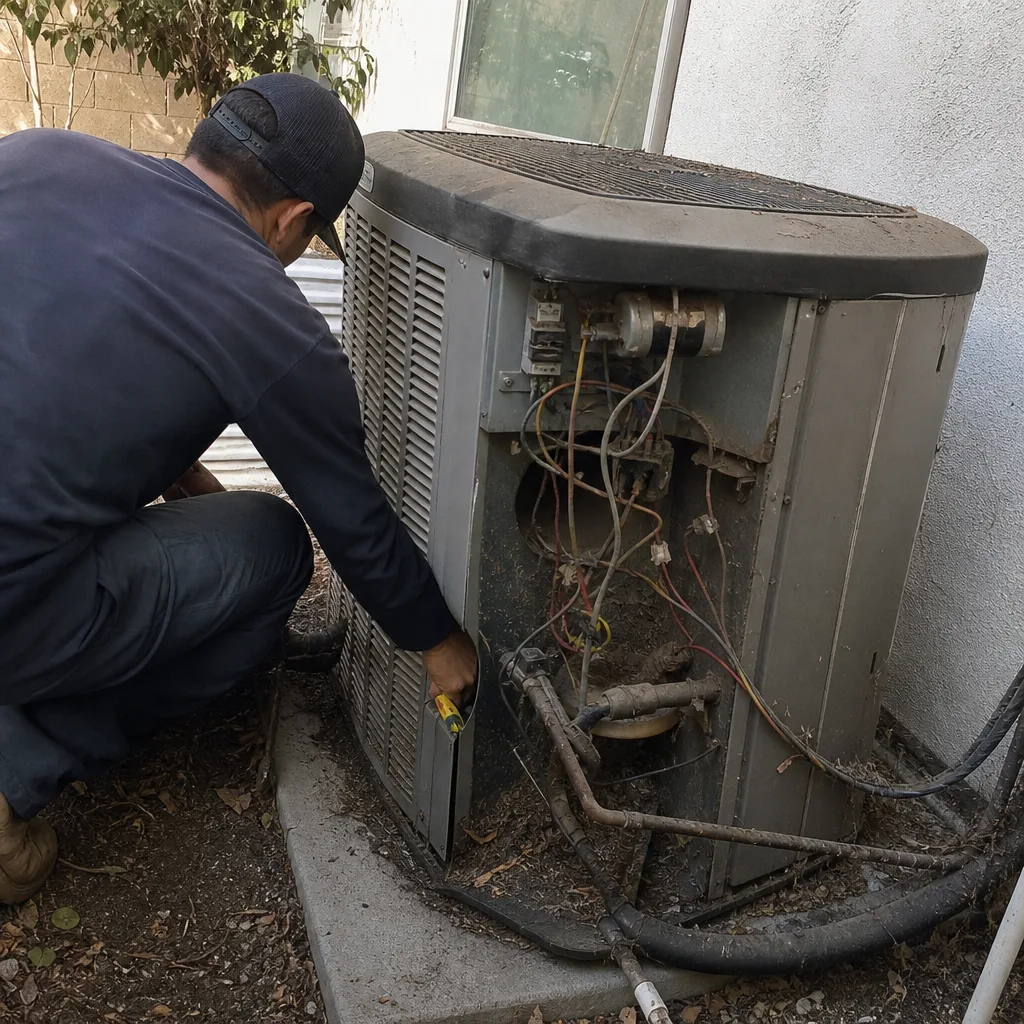 Before
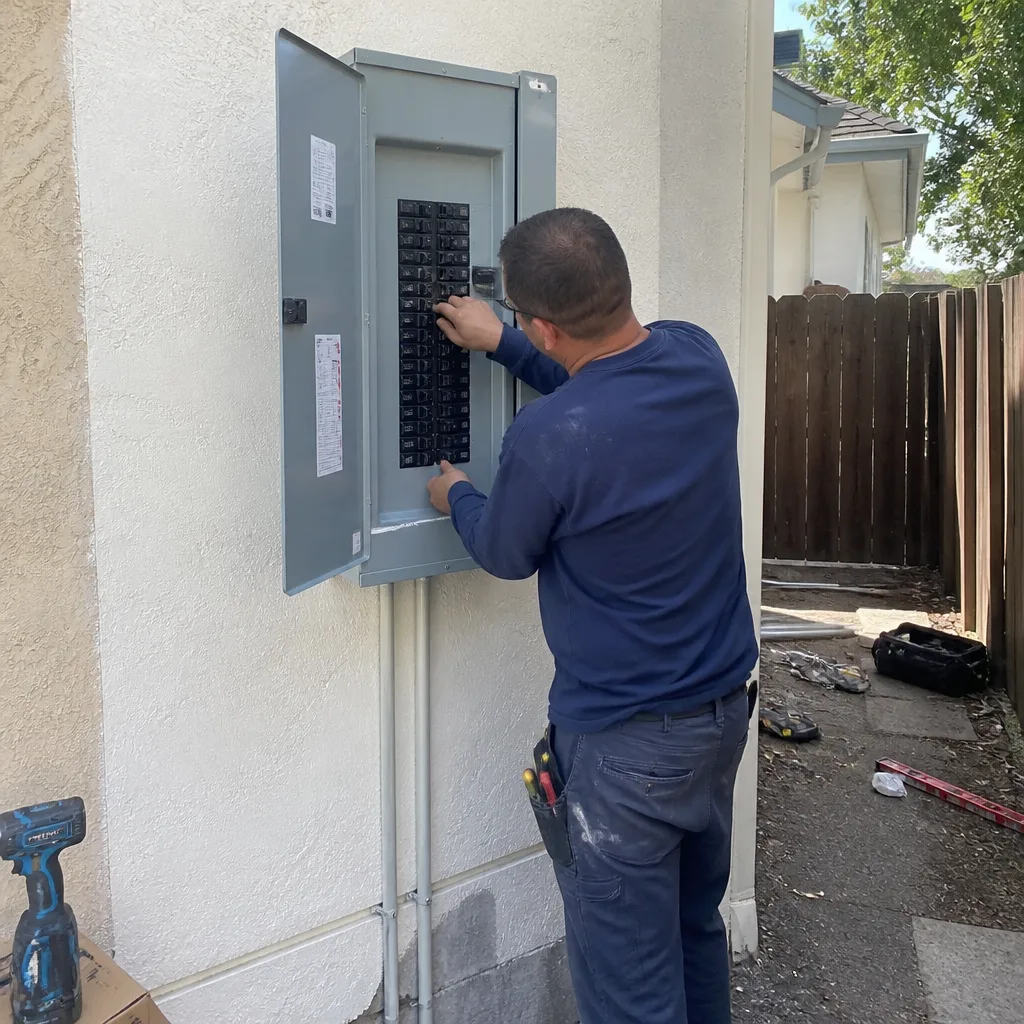 After
After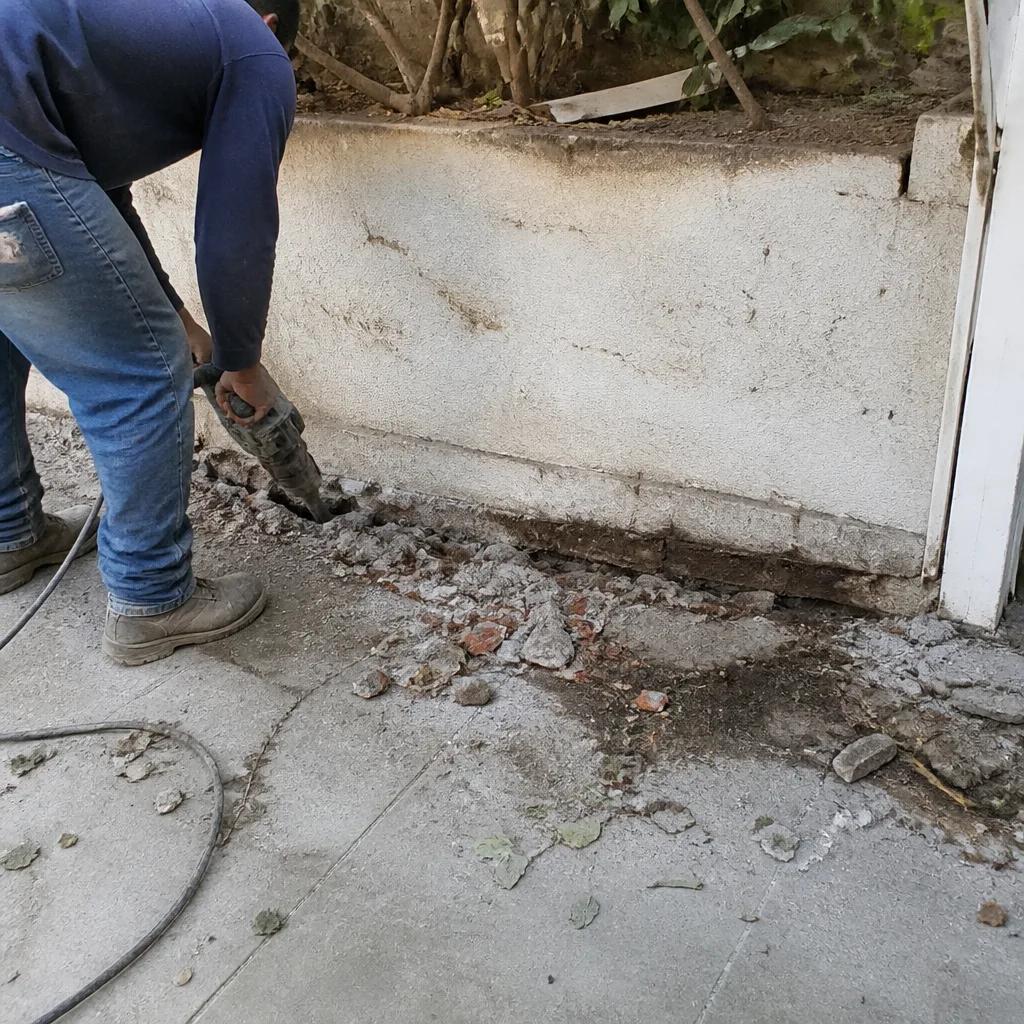 Before
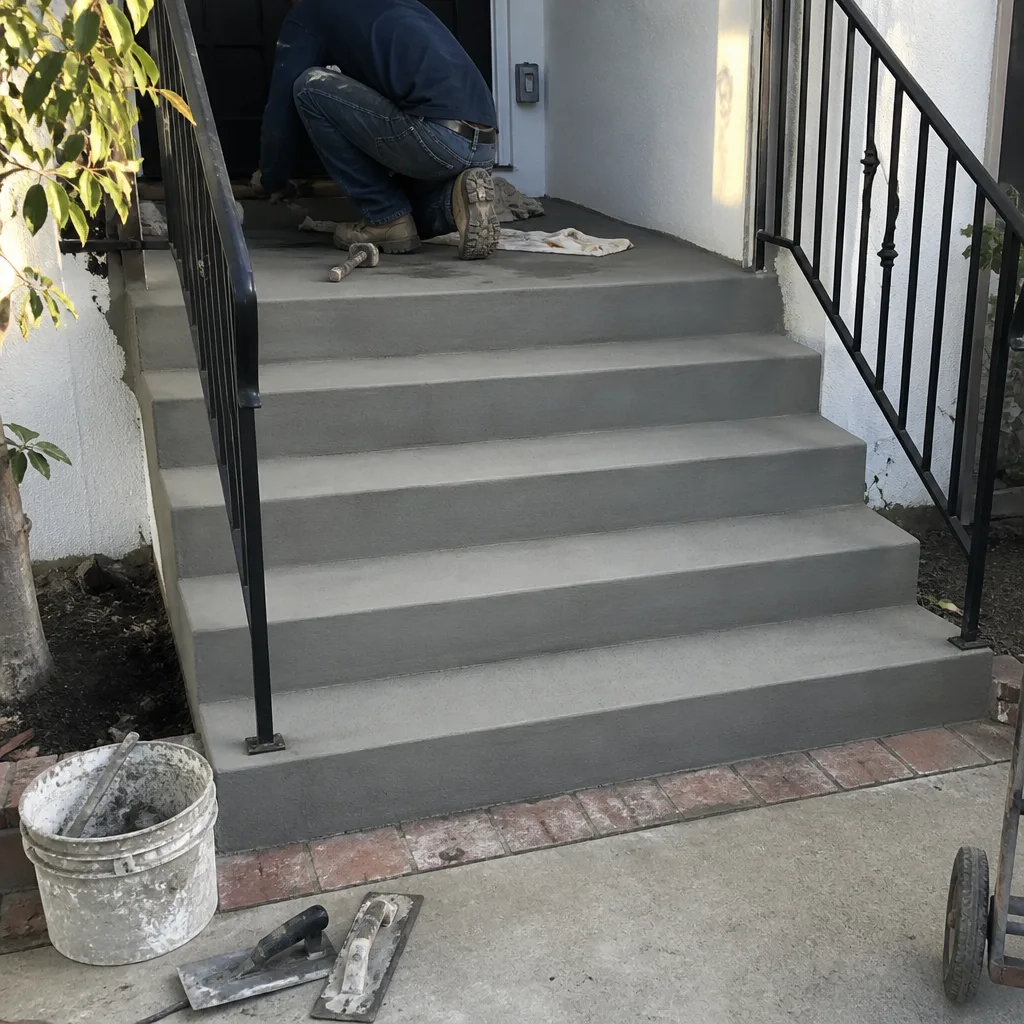 After
After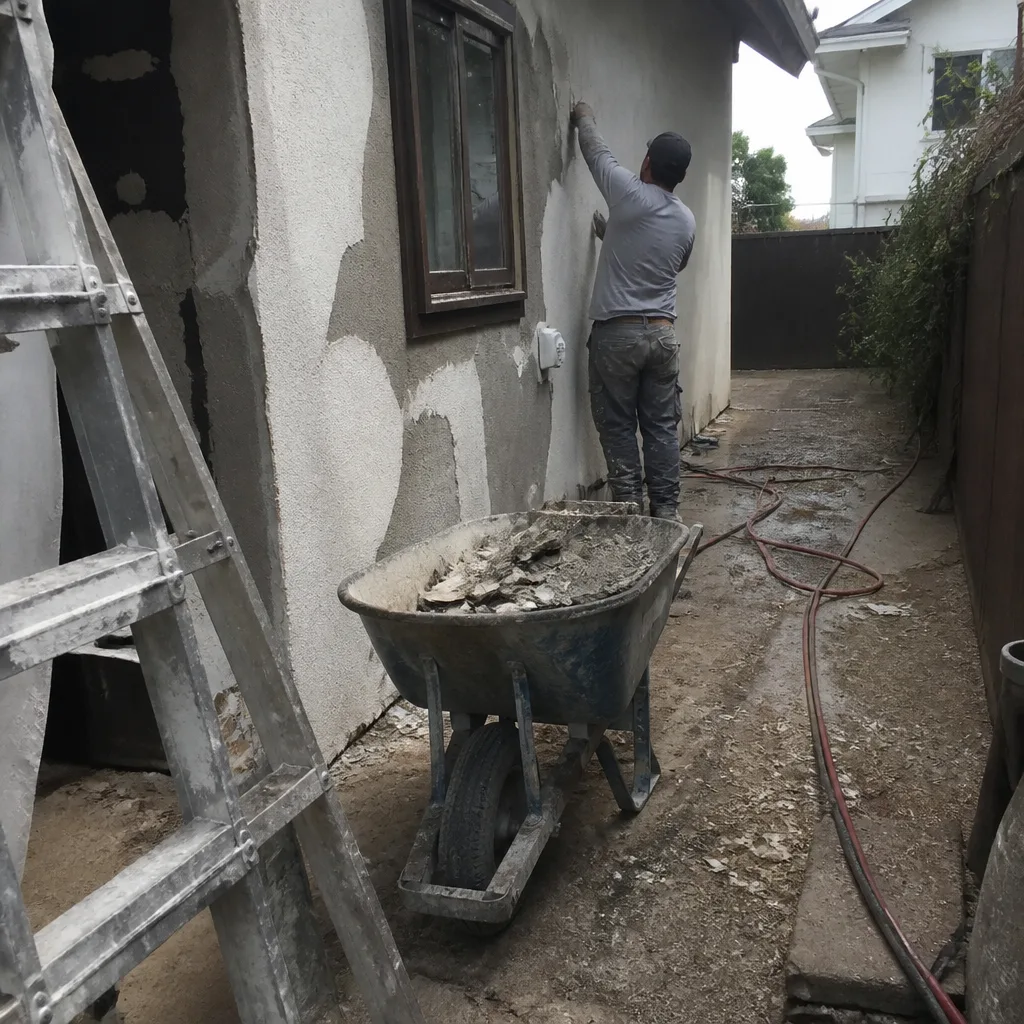 Before
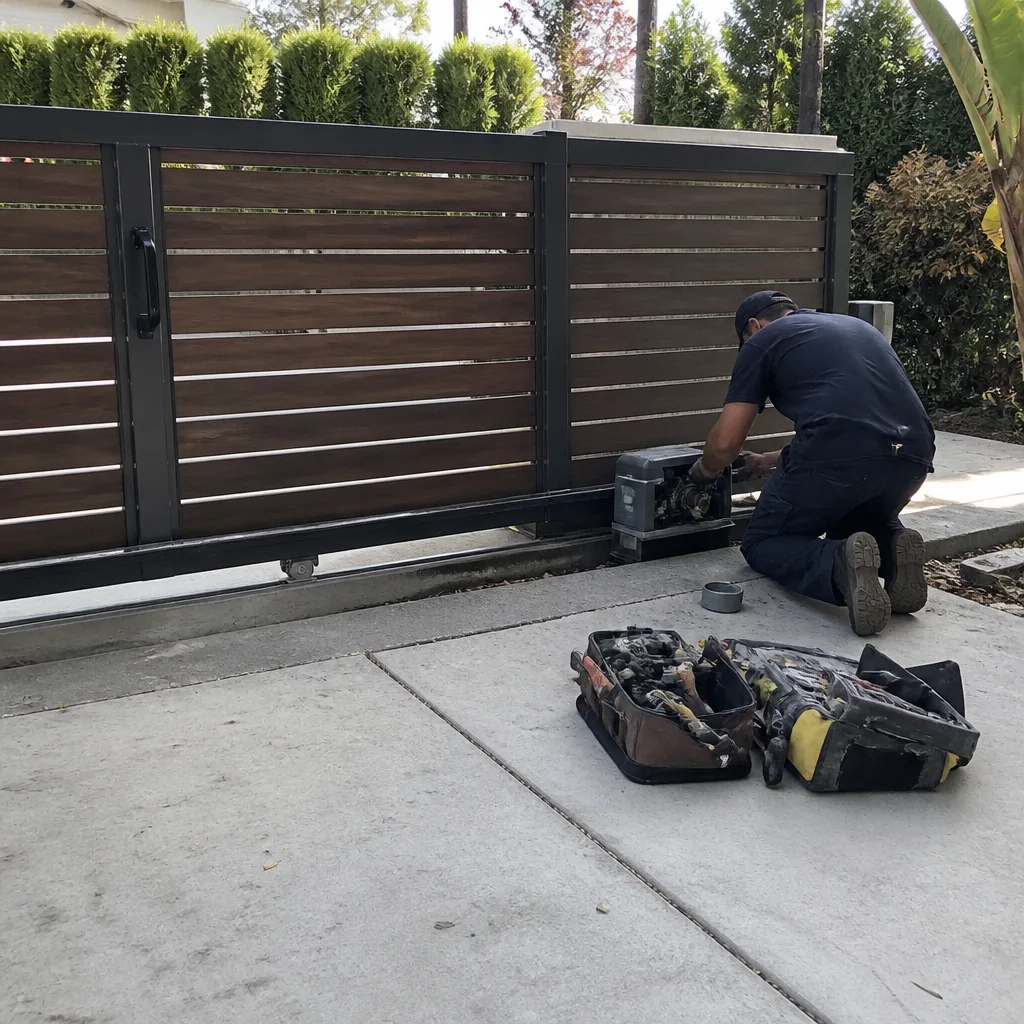 After
AfterWhen to Call a Professional
You should call a licensed general contractor in Los Angeles when your project requires a building permit, touches any structural element, or involves work you cannot safely or legally do yourself. That includes any remodel that moves plumbing or electrical lines, removes or modifies load-bearing walls, adds square footage, or changes your roofline. It also includes whole-home remodels, bathroom remodels with layout changes, and any work on a pre-1980 home that may trigger seismic retrofit requirements. If your project falls into any of these categories, don’t wing it. Mason Remodeling offers free estimates in Los Angeles. Call (803) 680-2547 to schedule yours, and you’ll get a written price before any work starts.
Frequently Asked Questions
Go to cslb.ca.gov, click “Check a License,” and enter the contractor’s name or license number. Confirm the status is Active, the classification is B – General Building, workers’ compensation coverage is active unless the contractor is a solo operator claiming exemption, and the $25,000 contractor’s bond is in place. The whole process takes under two minutes.
Over-the-counter permits can be approved the same day or within a few days for simple projects like re-roofing or same-size window replacements. Plan check permits for remodels that change structure or systems typically take two to six weeks for first-pass review. Full review projects, like hillside work or historic properties, can take months. Call (803) 680-2547 to get a realistic timeline for your specific project.
Bathroom remodels in Los Angeles typically run $18,000 to $80,000 depending on scope. Kitchen remodels range $35,000 to $150,000. Whole-home remodels of a 1,500-square-foot home run $150,000 to $350,000. These are planning numbers. Mason Remodeling provides written estimates specific to your project. Call (803) 680-2547 to schedule a free estimate.
Yes, if the remodel moves plumbing lines, changes electrical wiring, or alters walls. Even fixture swaps can require a permit in some cases, particularly for water heater replacements or any change to gas lines. A licensed general contractor determines exactly which permits your project needs and handles the application. If a contractor tells you no permit is needed, get a second opinion before proceeding.
A general contractor holds a “B – General Building” license and can manage projects involving multiple trades. A specialty contractor holds a “C” license for a single trade, like C-36 plumbing or C-10 electrical. For a remodel that touches multiple systems, you need a B-licensed general contractor to pull the permit and coordinate the work.
A written price should only change if you change the scope. When Mason Remodeling delivers a written price for a Los Angeles project, that price holds unless you add or modify work, in which case a signed change order documents the adjustment before the extra work happens. Surprise invoices at the end are a sign you didn’t have a written price in the first place. Call (803) 680-2547 for a written estimate on your project.
The Bottom Line
Hiring a general contractor in Los Angeles is a process with more layers than most homeowners expect: permits, seismic codes, HOA approvals, license verification, and crew vetting. The contractors who handle these layers well are the ones who price them into the initial written quote and explain them before demolition starts. Verify the CSLB license. Sequence the HOA approval before you sign. Ask about seismic triggers on pre-1980 homes. Demand a written price and a written guarantee. And know the names of the people coming to your door. Get those five things right and your remodel in Los Angeles stays on budget, on schedule, and out of stop-work territory. For more guides & resources, explore our blog.
Written by Isaac Pruett, Owner at Mason Remodeling, serving Los Angeles since 2004.