Last updated October 9, 2026
Free written scope consultation - allowances, timeline, and change-order rules on paper before a single trade is scheduled
Construction Cost Breakdown: The Los Angeles Homeowner’s Reference for 2026
The national average for a kitchen remodel quoted on most home improvement sites is roughly $25,000. In Los Angeles, that number gets you a cosmetic refresh. A full gut remodel in an average LA home starts closer to $80,000 once permits, MEP work, and finish materials are accounted for. This guide is built for Los Angeles homeowners who want real 2026 numbers, not national fluff.
Quick Answer
Construction costs in Los Angeles run 20% to 40% above national averages, driven by local labor rates, permit fees, seismic requirements, and material logistics. A mid-range kitchen remodel in LA typically lands between $65,000 and $110,000, a bathroom between $28,000 and $55,000, and a whole-home remodel between $180 and $350 per square foot. Your final number depends on scope, existing conditions, and whether the bid is fixed-price or allowance-based.
Styles & brands we work with
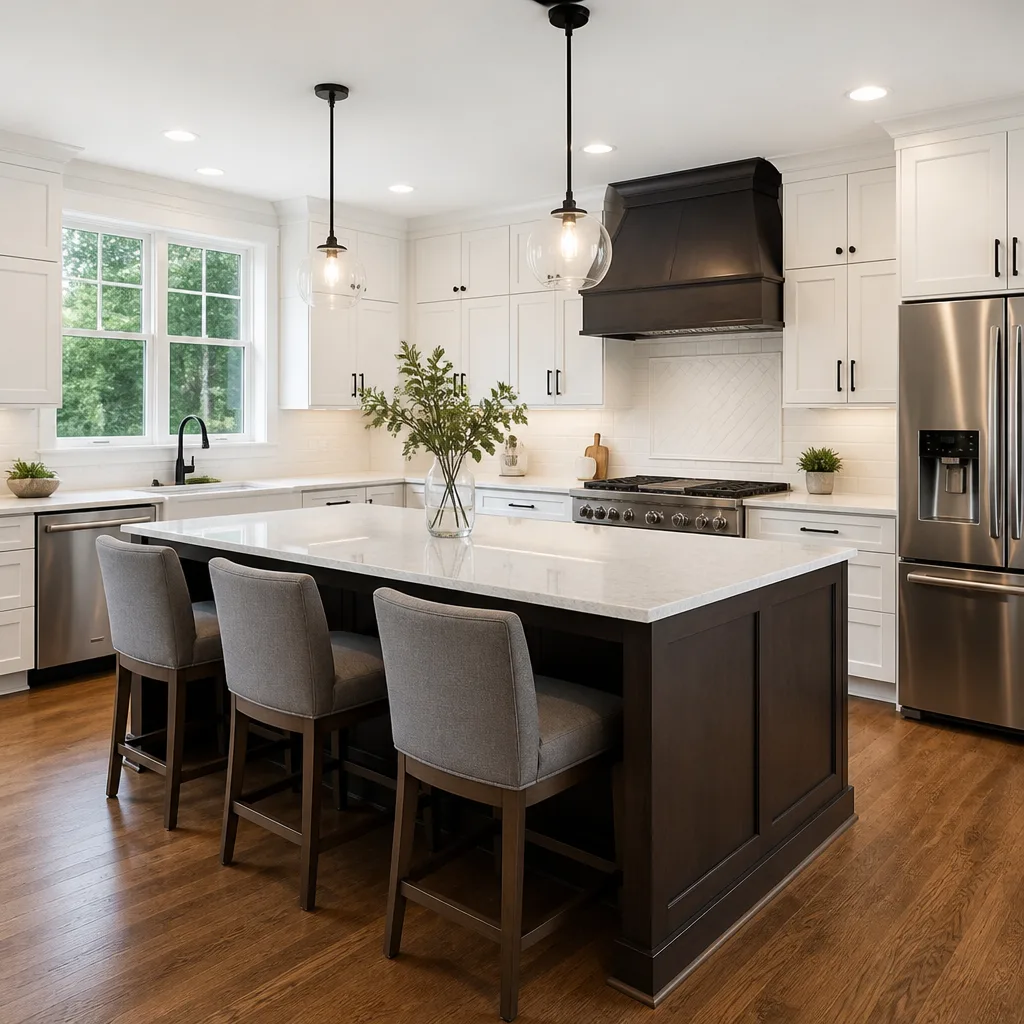
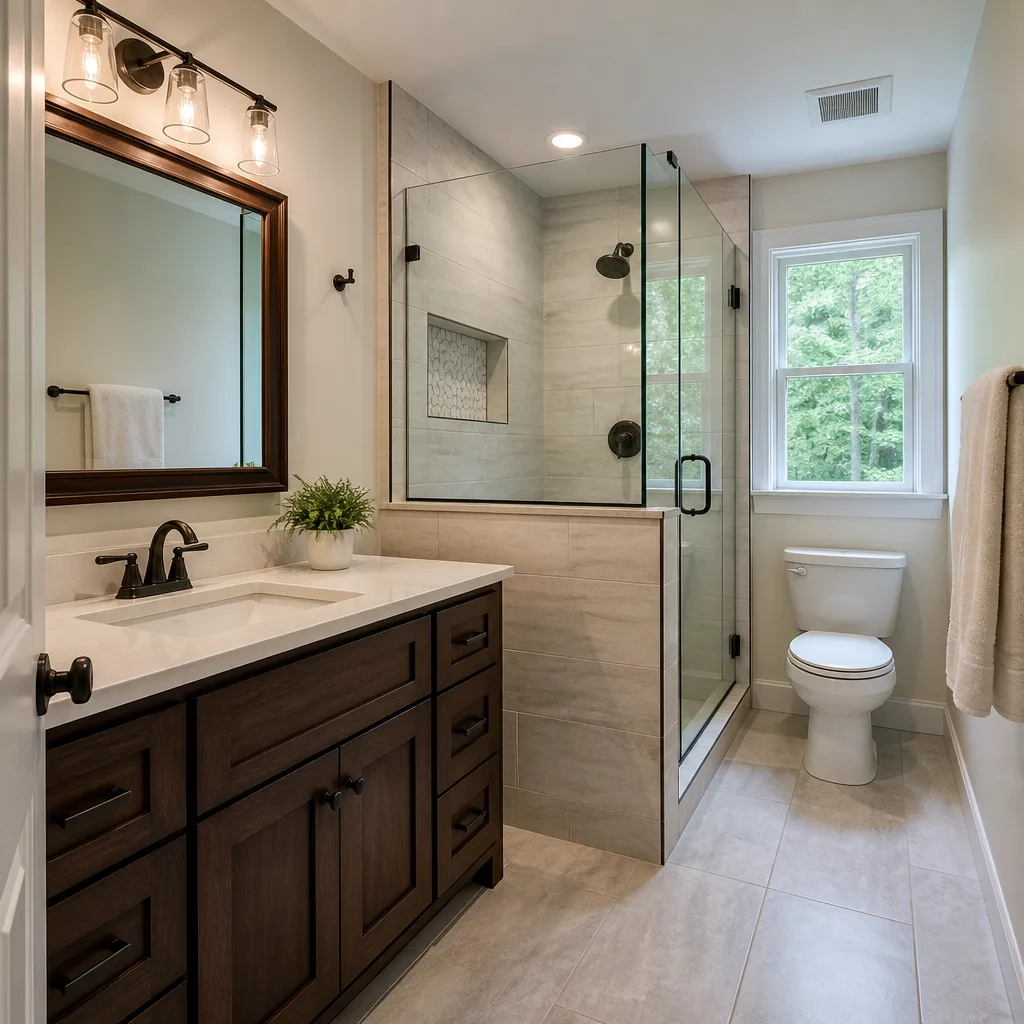
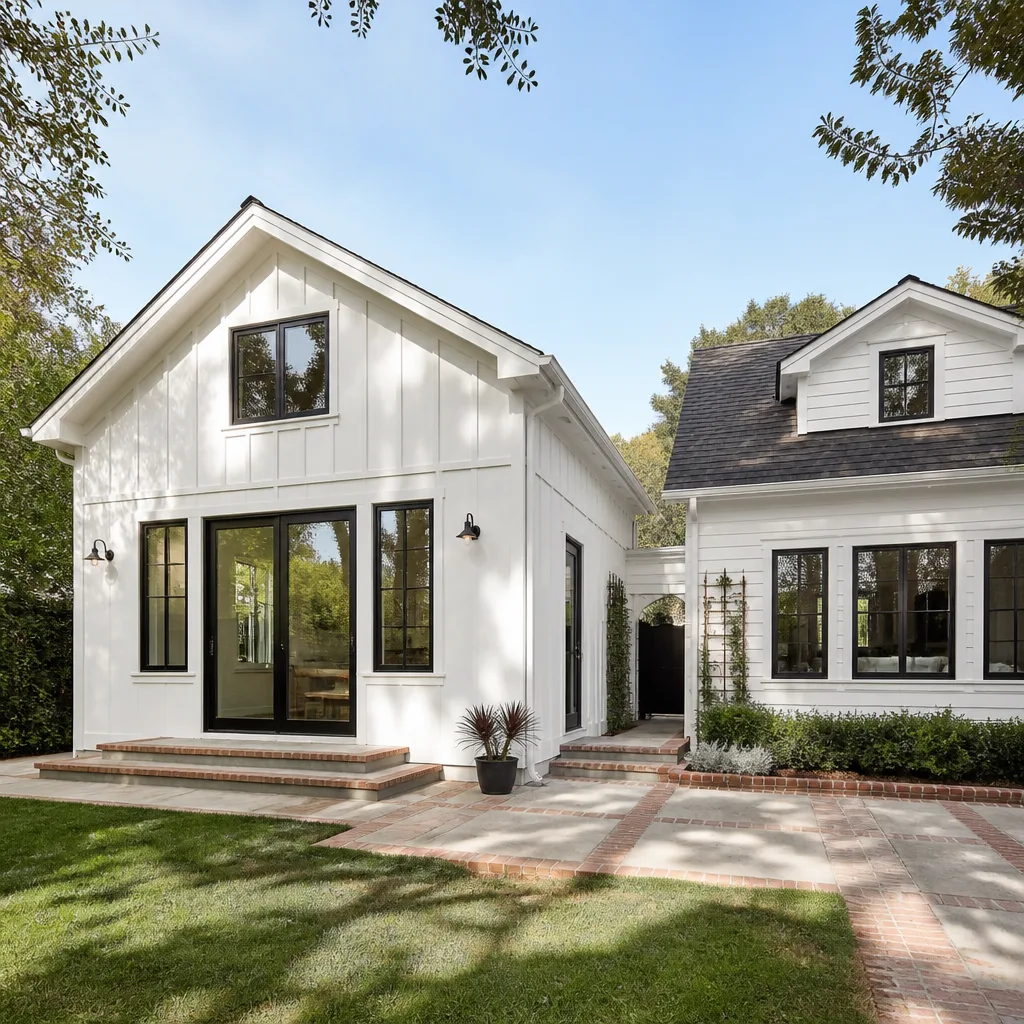
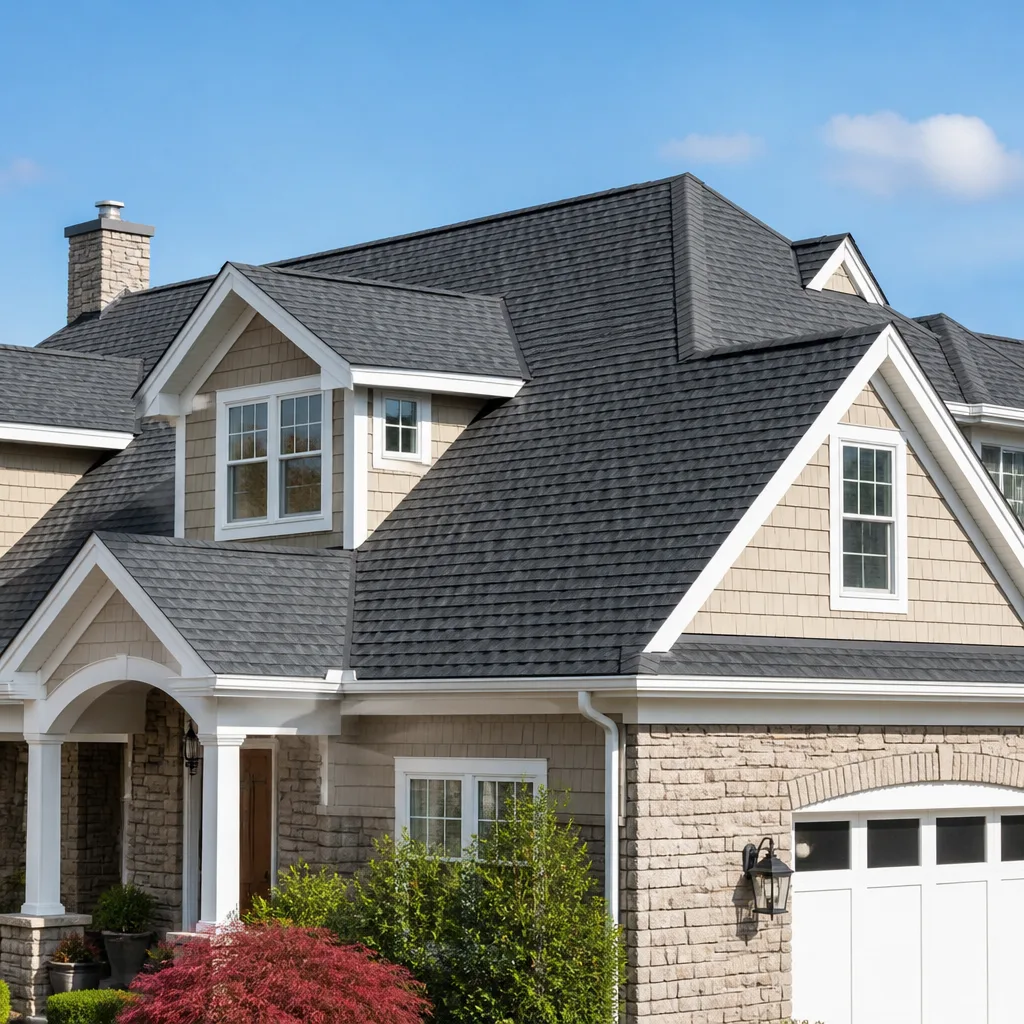
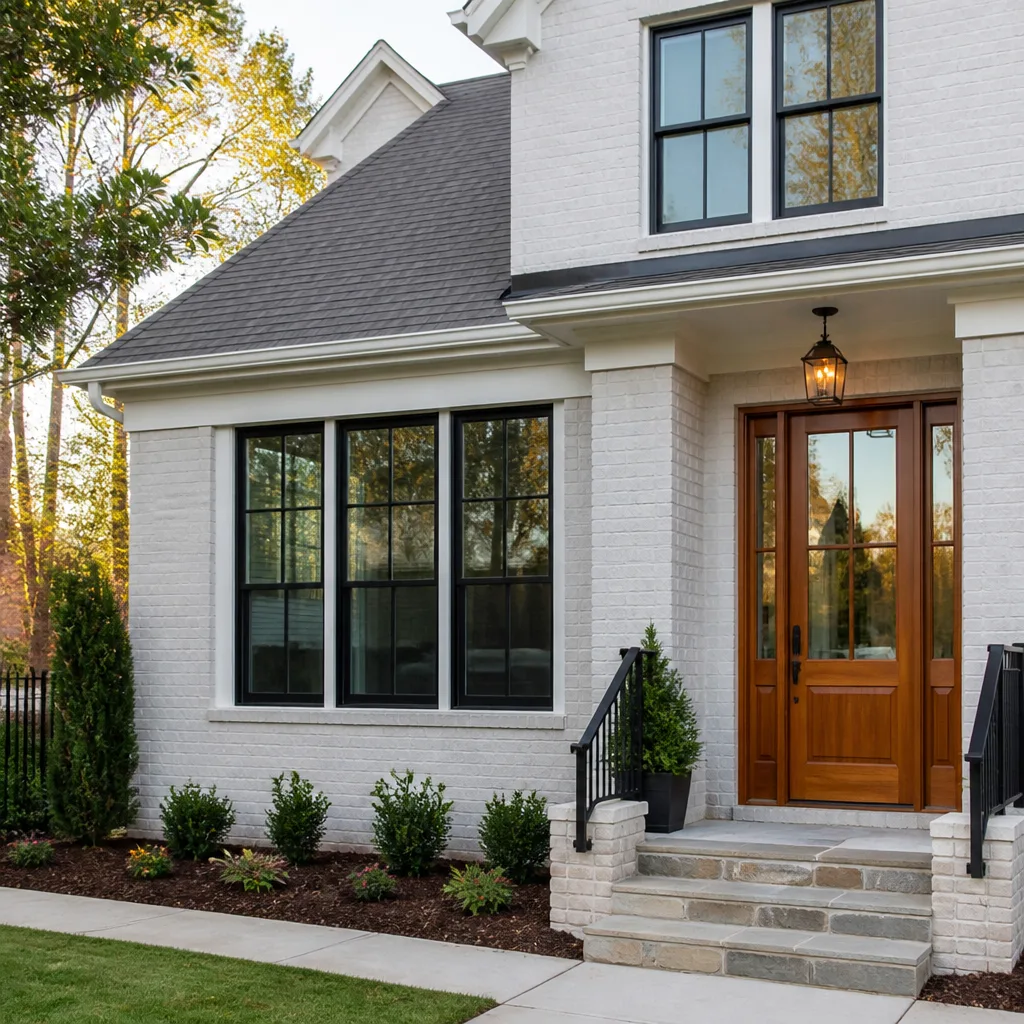
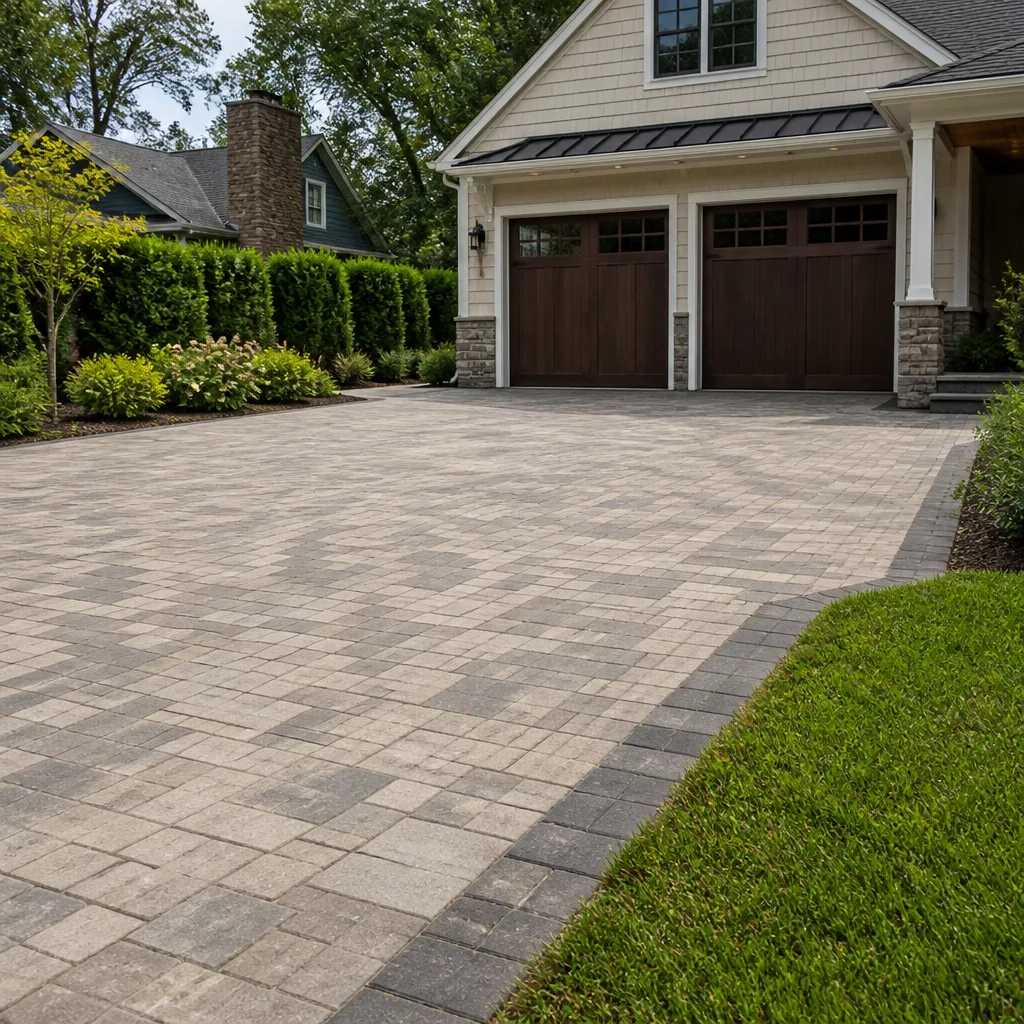
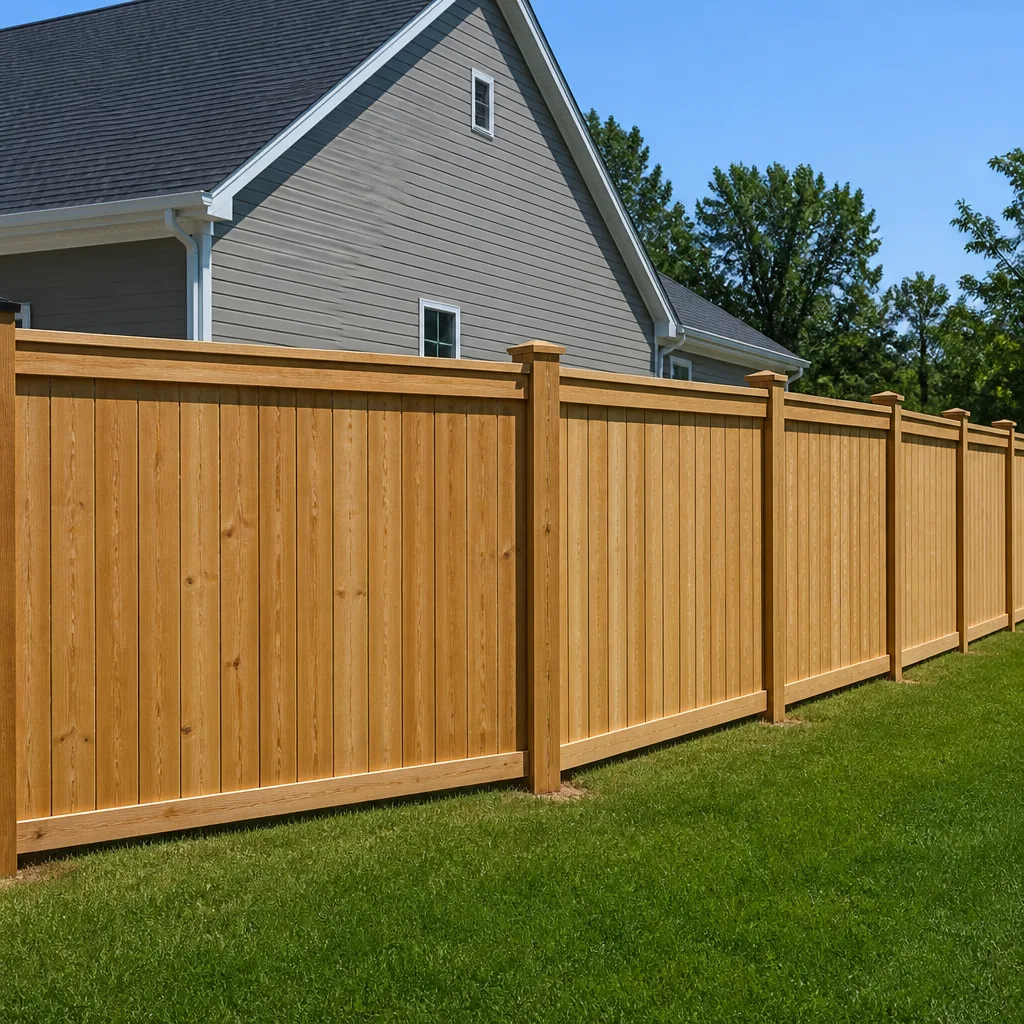
Table of Contents
- Kitchen Remodel Costs in Los Angeles: 2026 Line Items
- Bathroom Remodel Costs in Los Angeles: What You’ll Actually Pay
- ADU Construction Costs in Los Angeles: The Real Numbers
- Whole-Home Remodel Costs: Per Square Foot Reality
- Permit Fees, Plan Check, and the Cost of Doing Business in LA
- Why Contractor Bids Differ by Tens of Thousands of Dollars
- Hillside Access, Seismic Retrofits, and Pre-1980 Homes
- Fixed-Price Bids vs. Allowance-Based Bids: What Protects You
Kitchen Remodel Costs in Los Angeles: 2026 Line Items
We’ve bid kitchens in Los Feliz, Sherman Oaks, and West Adams over the past two decades, and the numbers hold a fairly consistent pattern. A functional mid-range kitchen remodel (not a cosmetic refresh, not a luxury overhaul) sits between $65,000 and $110,000. Here’s where the money goes.
| Line Item | Typical LA Range | What It Includes |
|---|---|---|
| Demolition and disposal | $3,000 – $6,500 | Cabinet removal, flooring tear-out, hauling; landfills fees in LA County are higher than most cities |
| Rough plumbing and electrical | $8,000 – $18,000 | Moving sink lines, upgrading circuits to code, adding outlets, GFCI protection |
| Drywall, plaster, insulation | $4,000 – $9,000 | Repairing walls after electrical work; older LA homes often have lathe-and-plaster that costs more to patch |
| Cabinet hardware and installation | $15,000 – $35,000 | Mid-grade lines like KraftMaid or Wellborn; custom cabinetry starts at $40,000 and climbs |
| Countertops | $5,000 – $12,000 | Quartz from Cambria or Silestone; natural stone adds 20 – 30% |
| Flooring | $4,000 – $10,000 | Tile, engineered wood, or LVP over 200 – 300 square feet |
| Fixtures and sink | $2,500 – $6,000 | Faucet from Kohler or Moen, undermount sink, disposal |
| Permits and plan check | $2,500 – $6,500 | LA Department of Building and Safety fees; see the permits section below |
| Project management and markup | $8,000 – $20,000 | What a general contractor charges to coordinate trades, inspect work, and take responsibility |
These ranges assume your home was built after 1980. If your kitchen is in a 1920s bungalow in Highland Park or a 1950s ranch in the Valley, add 15% to 25% for unknowns behind the walls. Galvanized pipes, cloth-wrapped wiring, and non-standard framing all get discovered once the drywall comes down.
Bathroom Remodel Costs in Los Angeles: What You’ll Actually Pay
A full bathroom remodel in Los Angeles typically runs $28,000 to $55,000 in 2026. A powder room or half bath lands between $12,000 and $22,000. Here’s the breakdown for a standard 5×9 full bathroom.
- Demo and waterproofing: $2,500 – $5,000. This includes tearing out the old tile, properly installing a Schluter strip (the metal trim that seals the edge where tile meets flooring), and waterproof membrane work.
- Plumbing rough-in: $3,000 – $7,500. Moving a drain line, replacing the shower valve, and bringing supply lines to code.
- Tile work: $4,500 – $12,000. This swings wildly based on tile choice and whether you’re doing a walk-in shower, tub surround, and floor.
- Vanity and countertop: $2,500 – $6,000. Pre-fabricated versus custom, with a Cambria or Silestone quartz top adding $1,500 to $3,000.
- Fixtures: $2,000 – $5,000. Kohler, Moen, Toto, or Grohe. A rainfall shower head and thermostatic valve add real cost.
- Glass shower enclosure: $1,500 – $3,500 for a standard semi-frameless unit.
- Electrical: $800 – $2,500 for new lighting, exhaust fan, and dedicated GFCI circuits.
- Permits: $1,200 – $3,000 depending on whether plumbing is relocated.
Bathroom remodels are where we see the biggest spread between bids. The low bid often excludes waterproofing details, glass enclosures, or electrical work. Those three items collectively account for $6,000 to $12,000 of cost, which is why an “apples to apples” comparison requires reading the scope line by line.
ADU Construction Costs in Los Angeles: The Real Numbers
Detached ADUs in Los Angeles are running $350 to $550 per square foot in 2026. That means a 500-square-foot one-bedroom ADU lands between $175,000 and $275,000 turnkey. Garage conversions come in lower at $120,000 to $180,000 because the shell already exists. Here’s what drives those numbers.
- Site work and foundation: $25,000 – $45,000 for a detached unit. This includes excavation, forming, concrete, and utility trenching.
- Framing, roofing, and exterior: $40,000 – $70,000. Lumber costs have stabilized, but LA’s fire zone requirements in hillside areas push roofing materials toward Class A products from GAF, CertainTeed, or Owens Corning.
- Plumbing and electrical infrastructure: $20,000 – $40,000. Tying into the main sewer line or running a new electrical subpanel from the street side can add significantly.
- Interior finishes: $40,000 – $75,000 for a compact kitchen, full bath, flooring, drywall, and lighting.
- Permits, plan check, and school fees: $15,000 – $35,000. LAUSD developer fees alone can exceed $10,000 on a new ADU.
The gap between $175,000 and $275,000 comes down to two factors: whether the ADU is detached (requiring full foundation and utility runs) or a conversion (using existing structure), and whether finish materials are builder-grade or specification-grade. A homeowner in Reseda converting a garage with KraftMaid cabinets in the kitchen will land at the lower end; a detached unit in Woodland Hills with Cambria countertops and Toto fixtures lands at the top.
Whole-Home Remodel Costs: Per Square Foot Reality
A whole-home remodel in Los Angeles costs $180 to $350 per square foot in 2026. That is a wide range, and it exists because “whole-home remodel” is not a standardized scope. Here’s how to interpret it for your home.
At $180 per square foot, you’re getting cosmetically updated surfaces: refinished floors, new paint, new fixtures, light electrical work, and a refreshed kitchen and bathroom. The studs, insulation, plumbing, and wiring stay as they are. For a 2,000-square-foot home, that’s about $360,000.
At $350 per square foot, you’re getting a structural and systems overhaul: new electrical panel and wiring, repipe, insulation upgrades, seismic retrofitting, new windows and doors, new HVAC, and complete reconfiguration of interior walls. That same 2,000-square-foot home runs $700,000. The difference is not markup. The difference is what gets opened up and replaced.
Los Angeles homes built before 1980 frequently have galvanized supply pipes, ungrounded electrical systems, and no wall insulation. A whole-home remodel is often the most cost-effective time to fix all three, because the walls are already open. Waiting means paying for access a second time.
Permit Fees, Plan Check, and the Cost of Doing Business in LA
Los Angeles is one of the most expensive cities in the country to pull a building permit; our Construction Permits, Codes & Inspections in CA: What You Need to Know explains why. LADBS fees are calculated on project valuation, and most homeowners who haven’t permitted a project before are surprised by the total. A kitchen remodel with a minor layout change triggers plan check fees, permit issuance fees, and possibly a prescriptive design review. Total LADBS cost typically lands between $2,500 and $6,500 for a standard kitchen or bath. A whole-home remodel or ADU runs $15,000 to $35,000 including plan check.
Then there are the soft costs most guides omit: a meter spot from DWP if your electrical service changes, a Sewer Lateral Certificate from LA Sanitation if you’re connecting to the sewer line, and possible clearance from the Cultural Heritage Commission if your home is in a Historic Preservation Overlay Zone. These are not hypothetical. We’ve seen a single missing Sewer Lateral Certificate add three weeks and $4,000 to a bathroom remodel in Westchester.
Why Contractor Bids Differ by Tens of Thousands of Dollars
Two contractors can bid the same kitchen in the same Los Angeles zip code and come back $40,000 apart. The homeowner assumes the low bidder is hungrier or more efficient. What’s usually happening is that the low bid is omitting line items the high bid includes. Here are the most common omissions, in our experience.
- Permits: The low bidder says, “We can do this without permits.” That saves you $3,000 to $8,000 today. It also risks a stop-work order, a fine, and a disclosure problem when you sell.
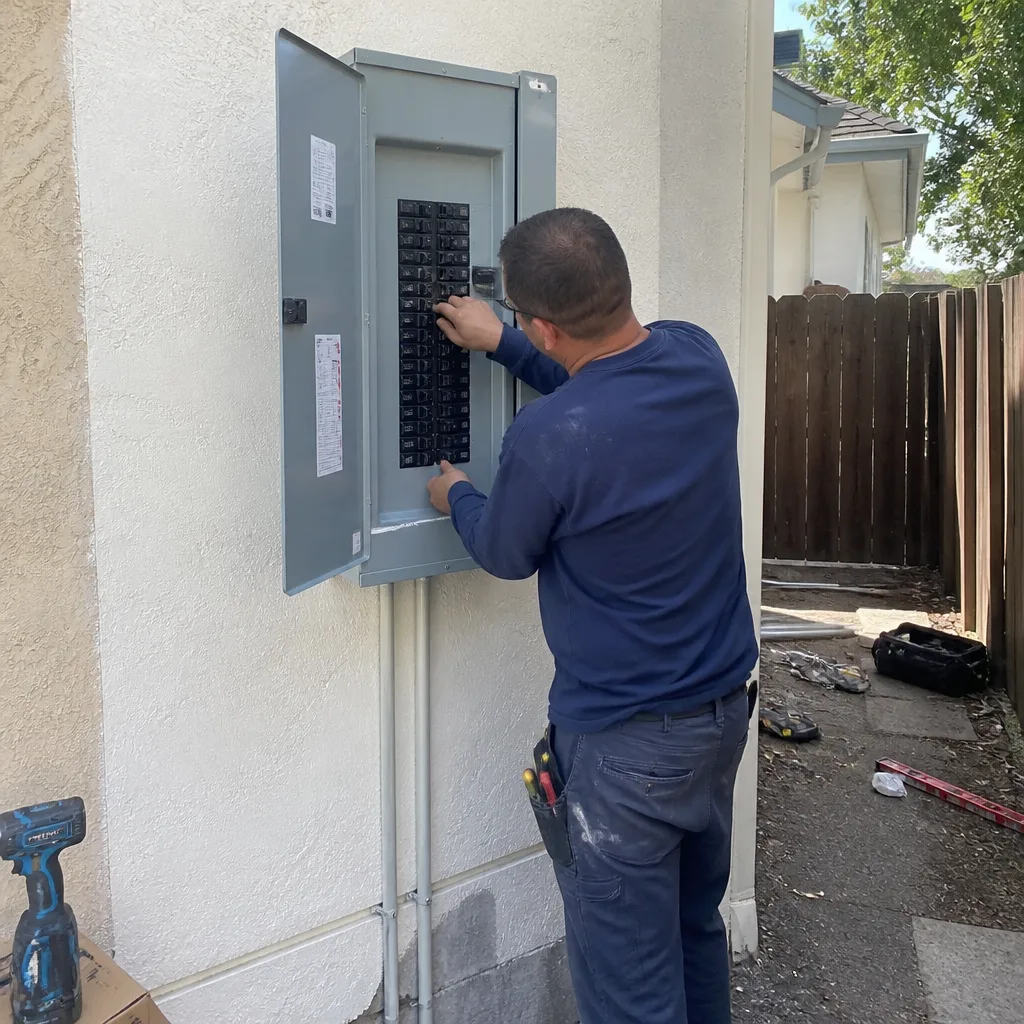
- Electrical upgrades: Older LA homes need a panel upgrade or new circuits to support a modern kitchen. That’s $2,500 to $6,000 that the low bid quietly excludes.
- Plaster repair, not drywall: Many pre-1940 homes in LA have lathe-and-plaster walls. Patching them costs more than drywall, and the low bid assumes drywall.
- Demo and hauling: LA County landfill fees are real. The low bid may leave demo debris for you to handle.
- Finish materials: Allowance-based low bids set finishes at $8,000 when a realistic budget is $16,000. You will pay the difference.
- Project management: The low bid assumes the trades will manage themselves. They will not.
The high bid is not always the “honest” one, but it is usually the one that includes the work you actually need. The right move is to ask every bidder to price the same written scope, line by line, using the same material allowances. Then compare the line items, not the total.
Hillside Access, Seismic Retrofits, and Pre-1980 Homes
Los Angeles has construction warning signs every homeowner should know that simply do not exist in most of the country. If your home is on a hillside in Echo Park, Silver Lake, or Mount Washington, expect a hillside access surcharge of 5% to 15% on top of the base bid. That covers the labor of carrying materials up stairs or slopes where trucks can’t reach, plus the engineering and shoring required when you cut into a sloped lot.
Seismic retrofitting-covered in our Construction Emergency Preparedness Guide for Los Angeles Homes-is a separate line item that often gets triggered by renovation scope. When you open up walls and ceiling during a remodel, LADBS may require you to address unbraced cripple walls, missing anchor bolts, or soft-story conditions. A standard retrofit for an average 1,200-square-foot home runs $8,000 to $15,000. You may also qualify for the California Earthquake Authority retrofit grant, which can offset some of this cost.
For pre-1980 homes, asbestos and lead testing is mandatory in California before any renovation disturbs suspect materials. Popcorn ceilings, sheet vinyl flooring, and mastic adhesive commonly contain asbestos. Lead paint is present in roughly 90% of homes built before 1950 in LA. Testing runs $800 to $1,500. Remediation, if needed, adds $3,000 to $20,000 depending on scope. Contractors who don’t mention testing are cutting a corner that California law does not allow.
Fixed-Price Bids vs. Allowance-Based Bids: What Protects You
In an LA market where material costs have been volatile since 2021, the structure of your bid matters as much as the number. Allowance-based bids work like this: the contractor gives you a base price, then allocates “allowances” for cabinetry, tile, flooring, and fixtures. If your selections exceed the allowance, you pay the difference. This is not inherently dishonest, but it shifts risk to you. Here’s the sequence that protects the homeowner.
- Get the allowances in writing with dollar figures. “Cabinetry: $12,000.” If the allowance is vague or missing, the number is not real.
- Ask whether the allowance covers materials only or materials plus installation. Installation labor on tile and cabinetry is significant, and the allowance may only cover the product.
- Ask what happens when a material is backordered. In LA, imported stone and custom cabinetry regularly slip by 4 to 8 weeks. A fixed-price bid should specify what happens to price if the specified material becomes unavailable.
- Compare fixed-price bids on equal scope. Mason Remodeling’s standard is a written price before any work starts, on every project, no allowances, no surprise invoices. That structure protects you when material costs move mid-project.
Fixed-price bidding puts the risk of material volatility on the contractor. That is a real advantage in Los Angeles, where a quartz shortage or a tariff adjustment can move countertop pricing by 15% between bid and installation.
Common Mistakes to Avoid
- Comparing bids by total price without comparing scope. A $65,000 kitchen bid that excludes permits, electrical, and finish allowance overages is actually more expensive than a $75,000 bid that includes everything.
- Skipping the contingency budget. Set aside 10% to 15% for what’s behind the walls. In LA homes, the walls hide galvanized pipes, cloth wiring, and unpermitted prior work more often than not.
- Believing a “permit-free” remodel saves money in the long run. Unpermitted work shows up on disclosure forms when you sell. Buyers in LA increasingly walk from homes with unpermitted remodels.
- Underfunding finish allowances. If the allowance says $8,000 for kitchen cabinets, visit a showroom and price what you actually want before signing. Most homeowners spend 40% above the initial allowance number.
- Not confirming crew verification. You’re welcoming strangers into your home for weeks, not hours. Ask what the contractor’s process is for identity checks, background screening, and how you’ll know who’s coming before they arrive.
- Ignoring material lead times. KraftMaid cabinetry runs 8 to 12 weeks from order in LA. Cambria quartz runs 3 to 5 weeks. Order sequences matter, and a bid that doesn’t account for lead time will stall.
- Signing without a written guarantee. A verbal “we stand behind our work” is worth nothing. A written guarantee with stated terms, duration, and exclusion list is worth the paper it’s printed on.
See the difference
 Before
 After
After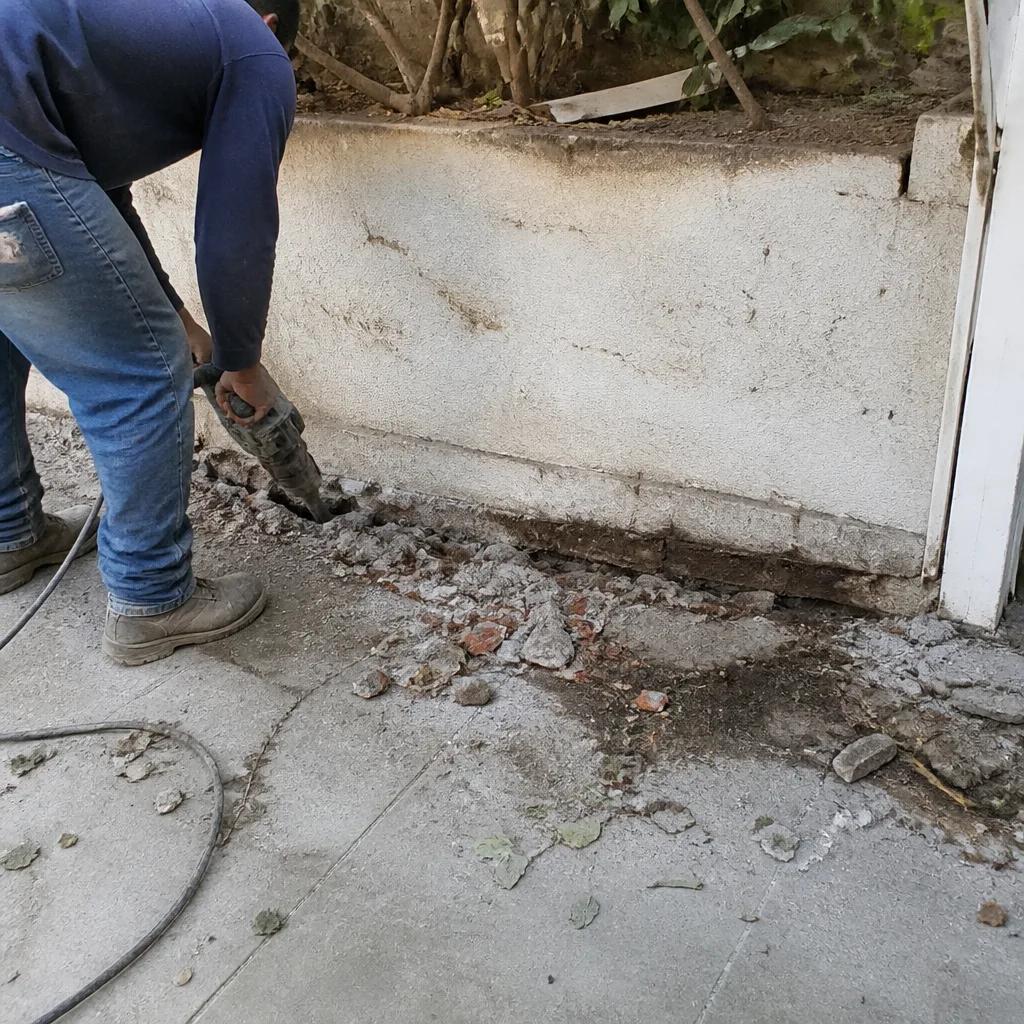 Before
 After
After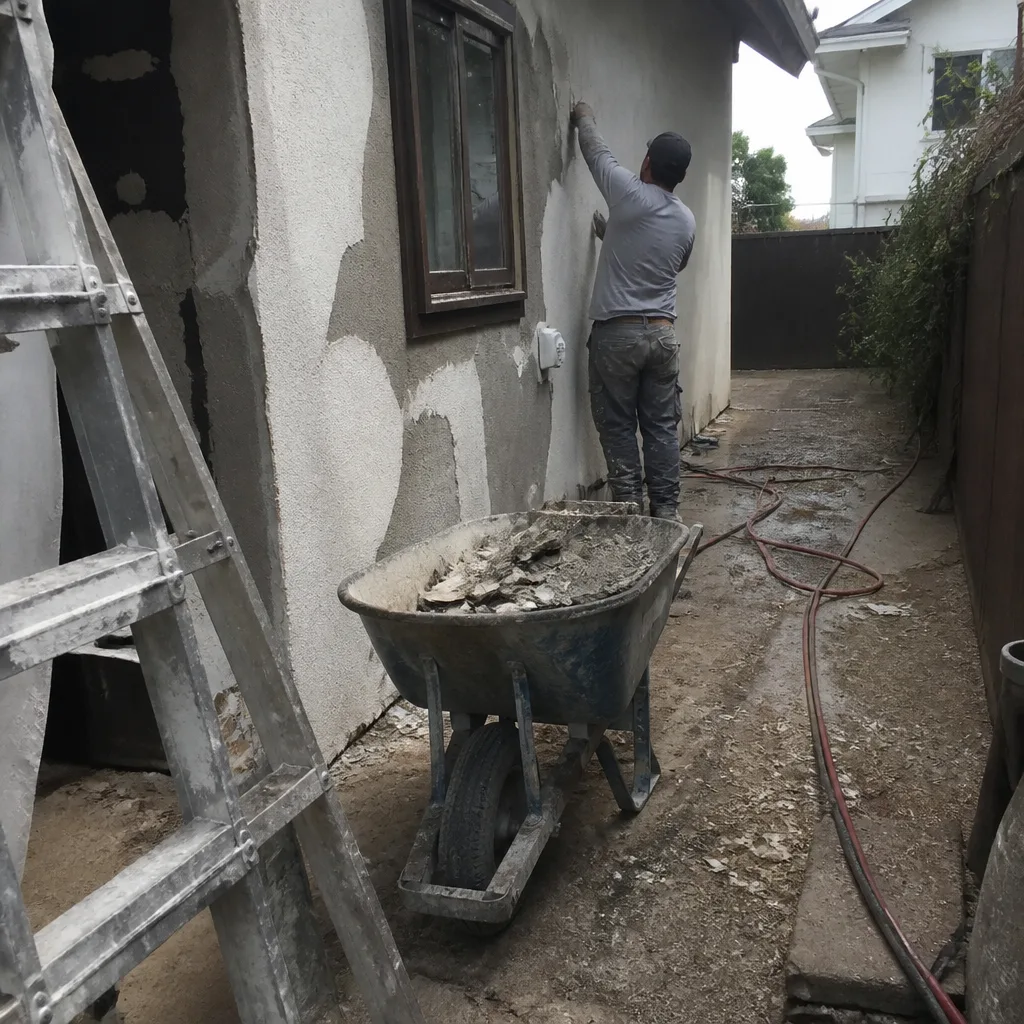 Before
 After
AfterWhen to Call a Professional
You should bring in a licensed general contractor when the scope involves structural changes, plumbing or electrical relocation, or work behind finished walls. In Los Angeles, that covers almost everything beyond paint and fixture swaps. Hillside properties, pre-1980 homes with suspect materials, and any project touching a load-bearing wall are non-negotiable professional territory. If you’re unsure, a credentialed contractor can walk the property and tell you honestly whether the job is DIY-safe before you commit to anything. Mason Remodeling offers free estimates in Los Angeles. Call (803) 680-2547 and ask for a written line-item bid on your project.
Frequently Asked Questions
A mid-range kitchen remodel in Los Angeles costs $65,000 to $110,000 in 2026, including permits, labor, and mid-grade finishes. A cosmetic refresh with painted cabinets and new counters runs $25,000 to $45,000. Call (803) 680-2547 for a written quote specific to your kitchen.
A full bathroom remodel in Los Angeles costs $28,000 to $55,000 in 2026, while a powder room or half bath runs $12,000 to $22,000. The spread depends on waterproofing scope, tile complexity, and whether plumbing lines are relocated.
Detached ADUs in Los Angeles cost $350 to $550 per square foot in 2026, meaning a 500-square-foot unit lands between $175,000 and $275,000 turnkey. Garage conversions run $120,000 to $180,000.
It depends on the bid structure. Fixed-price bids protect you from material cost increases and scope-related change orders. Allowance-based bids shift finish material risk to you. Mason Remodeling delivers a written price before any work begins, on every project, every time. Call (803) 680-2547 to discuss your project.
Yes, if the work involves structural changes, plumbing or electrical relocation, or changes to the building envelope. LADBS permit fees typically range from $2,500 to $6,500 for a kitchen or bathroom and substantially more for ADUs or whole-home remodels.
A standard kitchen remodel takes 8 to 14 weeks from demolition to final inspection, with permit plan check adding 2 to 6 weeks before work begins. Custom cabinetry and imported stone can extend timelines significantly.
The Bottom Line
Los Angeles construction costs are higher than national averages for specific, structural reasons: labor rates, permit fees, seismic requirements, older housing stock, and the logistics of building in a dense, regulated market. The most reliable path to a predictable project is a fixed-price bid from a contractor who puts everything in writing before work begins, verifies crews before they arrive, and backs the work with a written guarantee; see our more guides & resources for additional homeowner tools. Get three bids, compare line items, and set aside contingency.
Written by Isaac Pruett, Owner at Mason Remodeling, serving Los Angeles since 2004.