Last updated October 9, 2026






Free written scope consultation - allowances, timeline, and change-order rules on paper before a single trade is scheduled
Home Remodeling Maintenance Schedule: What to Do and When
Most homeowners assume a fresh remodel means years of worry-free living. The reality is more complicated. A newly remodeled home has what builders call “break-in periods” for nearly every material: caulk cures and then cracks, grout settles and then shifts, new roofing expands and contracts through its first Los Angeles summer. And here’s what catches people off guard: most manufacturer warranties on new windows, roofing, and waterproofing require documented annual inspections. Skip one year and the warranty voids silently, with no notice from anyone. This guide maps out a maintenance calendar built around how materials actually age, with Home Remodeling Warning Signs Every Homeowner Should Know covered alongside the seasonal advice you’ll find everywhere else.
Quick Answer
A remodeled home needs inspections at 90 days (HVAC filters, caulk joints), 6 months (settlement walkthrough), and 12 months (grout, waterproofing, warranty documentation). In Los Angeles, schedule exterior checks for October – November before the dry wind season and February – March before the heaviest rains. Keep a dated file of every inspection; most material warranties require this proof to remain valid.
Styles & brands we work with






Table of Contents
- Why Remodeled Homes Need a Different Schedule
- The 6-Month Settlement Inspection
- 12-Month Material Checkpoints
- Los Angeles Seasonal Considerations
- Warranty Documentation That Protects Your Investment
- The Printable Annual Checklist
- Common Mistakes to Avoid
- When to Call a Professional
Why Remodeled Homes Need a Different Schedule
A stock home settles into a rhythm over decades. A remodeled home is a patchwork of new and old materials meeting for the first time, and those seams are where problems start. New drywall expands and contracts at a different rate than the 60-year-old studs it’s screwed into. Fresh grout absorbs moisture differently than the cured grout in the rest of the house. The maintenance calendar for a remodeled home has to account for this adjustment period.
At Mason Remodeling, our Home Remodeling team has walked through hundreds of post-renovation inspections in Los Angeles, and the pattern is consistent: the first 12 months are when moisture problems, joint cracks, and fastener issues emerge. After that first year, a remodeled home transitions to a standard maintenance schedule. But missing the early checkpoints means small problems become structural ones, and warranty claims get denied for lack of documented care.
Think of it this way: a new car requires a break-in oil change. A newly remodeled home requires the equivalent of that first service visit, and it’s not optional if you want the warranties to stick.
The 6-Month Settlement Inspection
This is the step competitors miss, and it’s the one that saves the most money. Around the six-month mark after a remodel, your home has gone through one full cycle of seasonal expansion and contraction. Fasteners that were tight on day one may have loosened. Joint compound may have developed hairline cracks where new drywall meets old plaster. Caulk beads may have pulled away from tub surrounds or window frames.
A professional settlement inspection catches these issues before they become water intrusion. In Los Angeles, where humidity swings between coastal fog and inland dry heat, the movement is more pronounced than in more stable climates. A bathroom remodeled in March will behave differently by September.
Here’s what should be checked at six months:
- Every caulk joint where two materials meet: tub-to-tile, countertop-to-backsplash, window frame-to-interior wall. If you can slide a business card behind the bead, it’s failing.
- Grout lines in any newly tiled area, especially shower floors and kitchen backsplashes. Look for hairline cracks or powdery residue.
- Cabinet door alignment. New cabinets settle as the wood acclimates; hinges may need a quarter-turn adjustment.
- Paint and drywall joints around new windows and doors, where the most significant differential movement occurs.
- Exterior flashing and caulking around any new penetrations: vents, electrical entries, plumbing stacks.
If you’re doing this check yourself, photograph everything. If you’d rather have a trained eye, a general contractor who does home remodeling in Los Angeles can perform the walkthrough in under an hour and give you a written report for your warranty file.
12-Month Material Checkpoints
At the one-year mark, the break-in period is largely over, but this is when you confirm that everything held. It’s also when several critical warranty deadlines hit. Set aside a Saturday and work through this list methodically.
Caulk and grout: This is the year-one reapplication window. Even high-quality caulk will have shrunk or cracked in at least a few spots. A tube of color-matched caulk and an hour of work prevents water from reaching the substrate. Grout, especially in shower pans, should be sealed at the 12-month mark if it wasn’t sealed at installation.
HVAC filters: If your remodel included any drywall work, the first few months ran construction dust through your system. Replace filters at 90 days after construction, then again at the 12-month mark. Los Angeles air quality makes quarterly replacement a sensible habit regardless.
Waterproofing membranes: Shower pan liners, window flashing, and exterior vapor barriers need a visual inspection at 12 months. Look for discoloration on ceiling drywall below bathrooms, and check that exterior grade slopes away from the foundation in all four directions.
Exterior paint inspection: This gets its own check at 24 months, but a 12-month glance at south-facing and west-facing walls in Los Angeles is smart. Those sides take the most UV punishment. Note any bubbling, peeling, or chalky residue so you can plan for recoating before the substrate is exposed.
Roof and gutter check: New roofing needs at least a visual check at 12 months. In Los Angeles, check after the first Santa Ana event. Look for lifted shingles, displaced tiles, and any debris buildup in valleys where water should flow freely.
Los Angeles Seasonal Considerations
Los Angeles doesn’t do four seasons in the traditional sense. It does two distinct weather patterns that matter for home maintenance, and the timing matters more than most people think.
October – November: The dry wind season. This is Santa Ana territory – hot, dry, and windy for days at a time. For a remodeled home, this is the window to check attic ventilation and any wildfire-rated materials installed during the remodel. Embers travel far in dry wind conditions, and your vents are the most vulnerable entry point. Walk the exterior and check that vent screens are intact, weather stripping around new doors hasn’t dried out, and any exterior caulking hasn’t pulled away from the dry air exposure. This is also the right time to schedule any exterior painting or sealing work, since the dry conditions are ideal for curing.
February – March: The rain season. Los Angeles rain is infrequent but intense when it arrives. February and March are when drainage problems show themselves. After the first significant rain, walk the perimeter of your home and look for standing water anywhere within five feet of the foundation. Check that new downspouts are directing water at least four feet away from the house. Inspect window flashing on the windward sides – the sides that face the storm – for any sign of water penetration. And check any new hardscaping, including Belgard pavers if that was part of your project, to confirm that the base hasn’t settled and created a low spot that directs water toward the house instead of away from it.
The sequence matters: dry-season preparation in October, rain-season verification in February. Reverse those and you’re reacting to damage instead of preventing it.
Warranty Documentation That Protects Your Investment
Here’s the part most people get wrong: a warranty is not a guarantee. It’s a conditional agreement, and the conditions typically require you to prove you maintained the product. Roofing manufacturers want evidence of annual inspections. Window manufacturers want proof of cleaning and lubrication. Waterproofing system makers want installation photos and inspection records.
What you need to keep, starting the day your remodel is completed:
- The original contract and scope of work. This establishes what was installed and when.
- Every manufacturer warranty card, even if you never mailed it in. The document itself matters more than the registration.
- Photos of the project at each phase. This is your evidence if a claim requires proving installation quality. In our experience at Mason Remodeling, photos of the waterproofing under a tile shower pan have settled more warranty disputes than any contract language.
- Receipts for any maintenance products you buy: caulk, sealant, HVAC filters. These prove the maintenance schedule.
- The contractor’s written warranty. Our projects in Los Angeles include a written guarantee with clearly stated terms, including what’s covered, what’s excluded, and for how long. That document should be in the same file, not tucked in a drawer somewhere.
Storage matters less than you’d think. A dedicated binder, a cloud folder, or a fireproof safe all work. What matters is that the file exists and that you can lay hands on it within a day. When you sell the home, transferable warranties add measurable value – a buyer paying Los Angeles prices wants to know the roof, windows, and waterproofing are still covered. Organized warranty documentation is a negotiating asset.
One thing worth noting: some warranties are void if work is done by someone other than the original installer or a manufacturer-approved contractor. Read the fine print before you schedule any repairs in that first year, and call your remodeler first. The 365-Day Done Right Promise on our projects covers any workmanship issue within a year of completion at no cost, which is a better first call than a stranger with a tool belt.
The Printable Annual Checklist
This checklist is designed so you don’t have to hire anyone to complete the inspection phase. Print it, tape it inside a cabinet door, and work through it once a year, or explore our more guides & resources for deeper dives. It takes about two hours.
Interior checks:
- Run water in every sink, shower, and tub. Check under each for drips or water stains.
- Flush every toilet and watch for any rocking or water at the base.
- Open and close every window and door. Note any sticking, sagging, or gaps.
- Check all caulk and grout joints in wet areas. Mark any cracks with painter’s tape for repair.
- Test every GFCI outlet by pressing the test and reset buttons.
- Replace HVAC filters if they’ve been in service for 90 days or more.
- Look at ceiling corners and around recessed lights for any discoloration that suggests moisture.
Exterior checks:
- Walk the full perimeter. Look for cracks in stucco, gaps in siding, or pulling away of trim.
- Clear all gutters and downspouts. Confirm downspouts discharge at least four feet from the foundation.
- Check all exterior caulking around windows, doors, vents, and utility entries. Recaulk anywhere it’s cracked or shrinking.
- Inspect roof from the ground with binoculars: missing tiles, lifted shingles, sagging areas.
- Check that soil grade slopes away from the house in all directions. Add soil where erosion has created low spots.
- Test exterior lights and any new hardscaping like pavers or retaining walls for movement.
This is the inspection phase only. If any item fails, that’s when you decide whether it’s a DIY fix or a call to a professional. Most caulk and grout work is homeowner-friendly. Flashing, waterproofing, and structural movement are not.
Common Mistakes to Avoid
- Ignoring the six-month settlement window. Fastener migration and joint movement happen early, and catching them at six months means a $20 fix instead of a $2,000 water intrusion repair. Los Angeles temperature swings make this window non-negotiable.
- Assuming the contractor will call you about warranties. No remodeler tracks manufacturer warranty deadlines for you. The annual inspection requirement is on the homeowner, and missing it voids coverage with zero notification.
- Storing warranty documents somewhere you’ll never look again. If it takes you more than five minutes to find your roof warranty, you effectively don’t have one when a claim is needed.
- Waiting until you see a problem to do the inspection. The whole point of the schedule is to catch problems before they show themselves as water stains or cracks. By the time you see the symptom, the damage is already done.
- Skipping the HVAC filter changes after a remodel. Construction dust shortens the life of a new HVAC system faster than anything else. The first filter swap at 90 days post-construction is not optional.
- Doing exterior checks in the wrong season. Checking drainage in October doesn’t tell you anything about how the house handles February rain. Schedule checks to match the weather patterns they’re designed to catch.
- Ignoring the south and west walls. Los Angeles sun is brutal on those exposures. Paint that looks fine on the north side may be failing on the west side. Check the sun-facing sides first, not last.
When to Call a Professional
Some items on the maintenance schedule are genuinely DIY-friendly: caulk, grout, filters, visual inspections. Others are not. Call a professional if you find water stains on a ceiling anywhere below a bathroom or roof, if you see cracks wider than a quarter-inch in foundation or stucco, if a door or window suddenly sticks in its frame with no humidity change, if you smell mildew in any enclosed space, or if you see any electrical fixture behaving oddly after a rain. These are signals that something behind the surface is wrong. Mason Remodeling offers free estimates in Los Angeles, and a trained walkthrough costs you nothing to schedule. Call (803) 680-2547 to book one.
See the difference
 Before
 After
After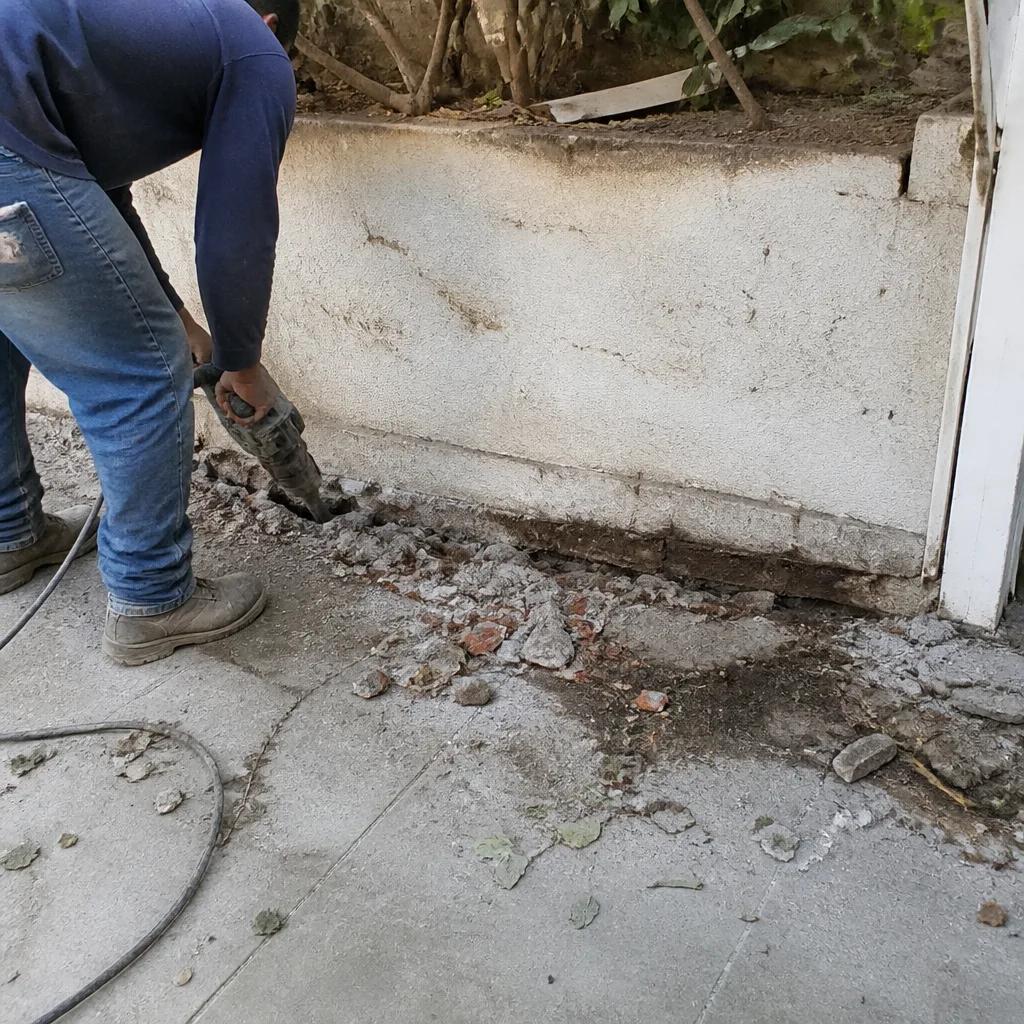 Before
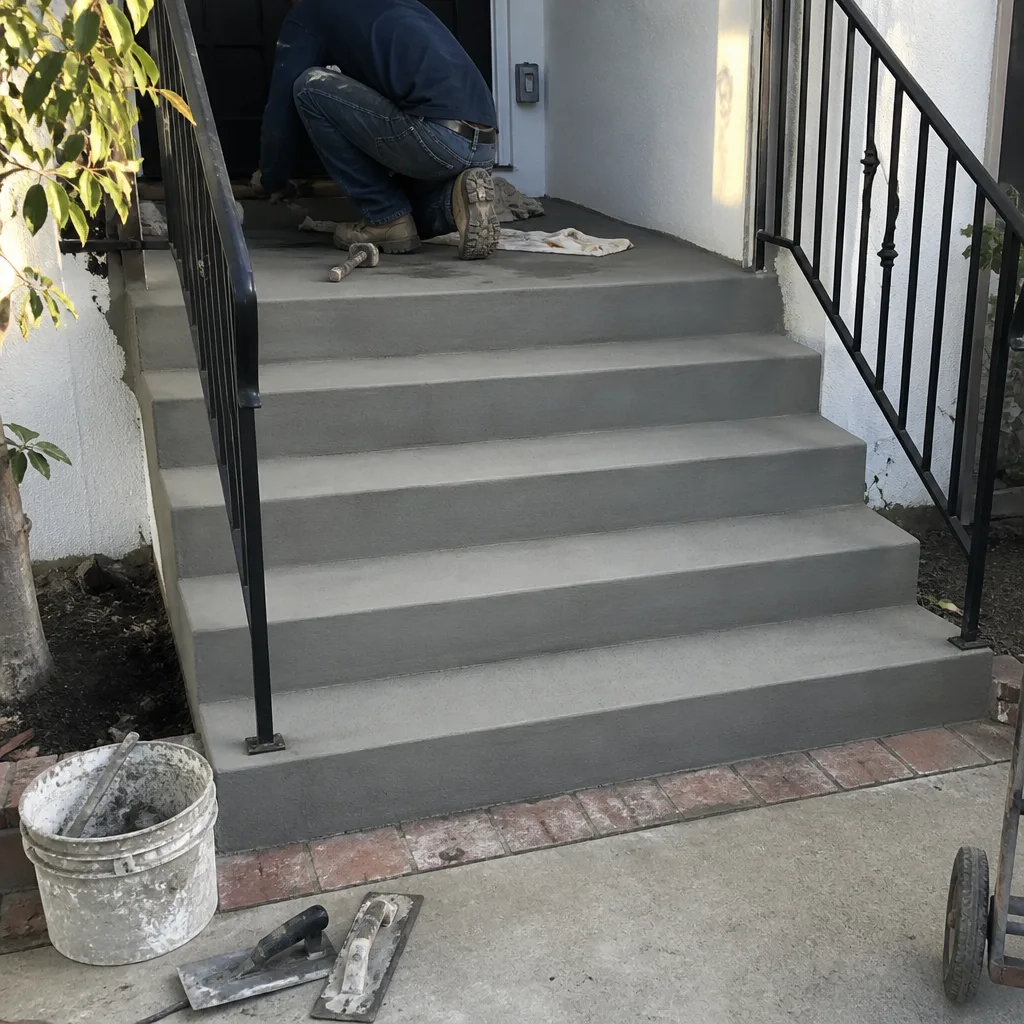 After
After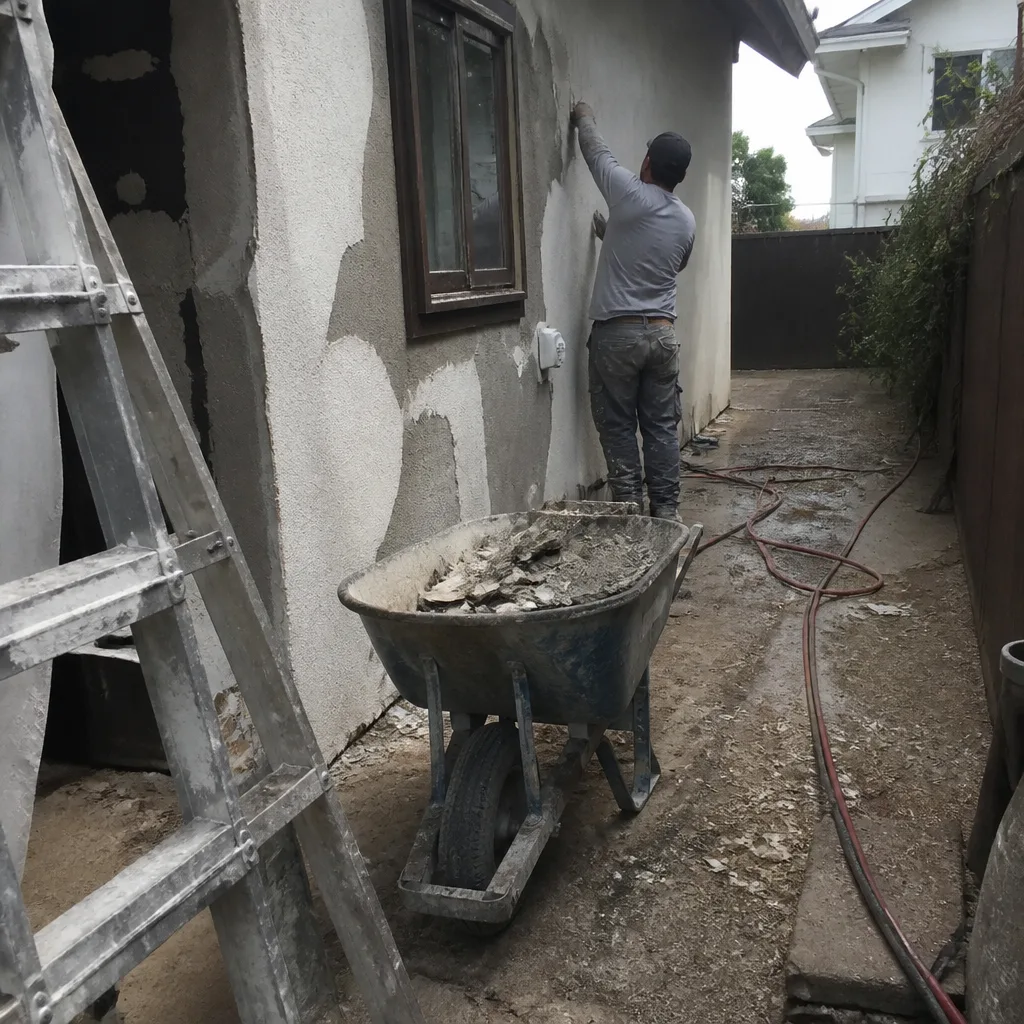 Before
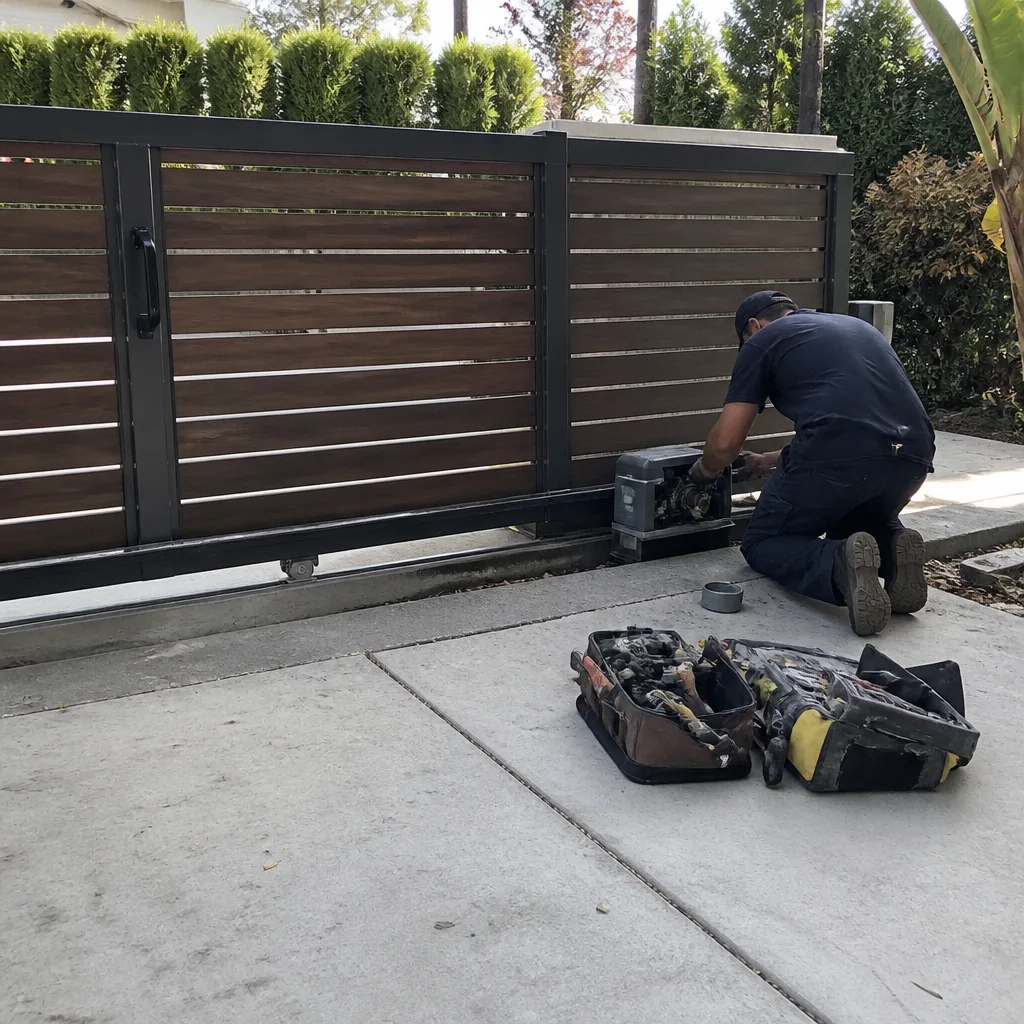 After
AfterFrequently Asked Questions

Do the first inspection 90 days after project completion, focusing on HVAC filters, caulk joints, and any visible settling cracks. The critical professional walkthrough happens at the six-month mark.
Yes. Most roofing, window, and waterproofing manufacturers void their warranties if you cannot show proof of annual inspection and maintenance. A one-page dated checklist with a few photos is sufficient evidence.
Roofing, window, and siding warranties from manufacturers like GAF and CertainTeed generally transfer automatically or with a small fee. Workmanship warranties from contractors typically stay with the original purchaser unless stated otherwise in writing. Check each document; transferable warranties add measurable value at resale in Los Angeles.
In almost every case, yes. The issues caught in a six-month walkthrough – loose fasteners, failing caulk, early joint movement – are inexpensive to fix early and expensive to fix late. A walkthrough costs a fraction of any water intrusion repair.
The October – November Santa Ana dry wind season stresses caulking, exterior paint, and attic vents. The February – March rain season tests drainage, flashing, and waterproofing. Schedule your exterior checks to land in those windows, not in the months between.
The inspection phase is designed for homeowners to complete. The repair phase is where you decide what needs professional attention. Call (803) 680-2547 if anything on your checklist raises a concern – an estimate is free.
The Bottom Line
A remodeled home asks for more attention in its first year than a stock home asks in any three. The six-month settlement inspection, the 12-month material checkpoints, the Los Angeles seasonal timing, and the warranty documentation file are the four things that determine whether your investment holds its value. Skip any one of them and you’re gambling with water intrusion, voided warranties, or both. Do the work on schedule and your remodeled home settles into a long stretch of low-maintenance years. Print the checklist, mark your calendar for the six-month walkthrough, and keep the paperwork where you can find it in a hurry.
Written by Isaac Pruett, Owner at Mason Remodeling, serving Los Angeles since 2004.