Last updated October 9, 2026






Free written scope consultation - allowances, timeline, and change-order rules on paper before a single trade is scheduled
Home Remodeling Warning Signs Every Homeowner Should Know
Most homeowners believe the biggest risk in a remodel is bad tile work or a leaky shower pan. The truth is uglier and more expensive. The most dangerous warning signs in a home remodel aren’t visible on the job site at all. They’re contractual and procedural red flags that appear before the first tool is unpacked. In Los Angeles, where remodeling costs run higher than almost anywhere in the country and code enforcement is famously strict, getting this wrong means absorbing costs your contractor should have carried. Contractors who pressure you to pull your own permit, accept cash-only draws, or skip a written contract aren’t cutting corners. They’re transferring all legal liability to you before work begins. This guide walks through every warning sign worth knowing, from the first estimate to the final walkthrough, and you can find more guides & resources on our blog.
Quick Answer
The most serious home remodeling warning signs are procedural, not cosmetic: a contractor who asks for more than 10% down before work starts, pressures you to pull your own permit, works without a written contract, or uses unlicensed subcontractors is setting you up to absorb all financial and legal liability if anything goes wrong. A legitimate remodeler puts the price in writing before work begins, carries the proper license and insurance, and verifies every crew member before they reach your door.
Styles & brands we work with



Table of Contents
- Pre-Construction Red Flags: What to Spot Before You Sign
- Contract Language That Should Stop You Cold
- The Allowance Trap: How Vague Line Items Inflate Costs by 20 – 40%
- Down Payment Requests Above 10% Are a CSLB Violation
- The Unlicensed Subcontractor Problem Hidden in Plain Sight
- In-Construction Red Flags: What to Watch Once Work Begins
- Mid-Project Health Check: The 25%, 50%, and 75% Verification Points
- What Los Angeles Homeowners Face That Other Markets Don’t
Pre-Construction Red Flags: What to Spot Before You Sign
Before any demolition starts, a contractor’s paperwork tells you more about how the job will go than any portfolio photo ever will. We’ve walked into too many Los Angeles homes where the homeowner had already signed something they didn’t fully understand. The most common pattern we see involves verbal promises that never make it onto paper. If a contractor says they’ll “take care of the permits later,” that’s a red flag, not a favor. In Los Angeles, pulling permits after work begins triggers stop-work orders, fines, and in some cases, mandatory tear-out of finished work. The city’s Department of Building and Safety doesn’t negotiate.
Here are the pre-construction red flags that should end a conversation immediately:
- No written contract offered. A verbal agreement in California is nearly impossible to enforce when a dispute arises. If a contractor won’t put the scope, price, and timeline in writing, walk away.
- No proof of license or insurance shown proactively. A legitimate contractor offers this before you ask. A contractor who gets defensive when you ask for it is hiding something.
- Pressure to sign same-day. Good remodelers don’t use time pressure. A written quote should be valid for weeks, not hours.
- Payment in cash only. Cash-only requests often signal unreported income, no workers’ compensation insurance, or both. If a worker is injured on your property and the contractor lacks workers’ comp, the claim can land on your homeowner’s insurance.
- No physical business address. A PO box and a cell phone are not a business. You want to know where to find someone if the work fails.
Mason Remodeling has operated in Los Angeles since 2004 as part of the Threshold Group family of home-service companies. Every project starts with a written price delivered before any work begins. That’s not a promotion. It’s standard. If you’re comparing bids and one contractor won’t put the price in writing, treat that as a disqualifying event, not a negotiating point.
Contract Language That Should Stop You Cold
A remodel contract is not a formality. It’s the document that determines who pays when the job goes sideways. In Los Angeles, where the average kitchen remodel runs between $30,000 and $80,000 and a whole-home remodel can exceed $200,000, the stakes are high enough that contract language deserves the same scrutiny as the design itself. Most homeowners skim the scope of work and skip the indemnification clauses, dispute resolution terms, and payment schedules. That’s exactly where the risk lives.
Three contract provisions should stop you cold:
- An “allowance-heavy” scope. See the next section for the full breakdown, but in short: if the contract lists more than a handful of material allowances instead of specific products, the final price will move.
- No completion date or a vague timeline. “Reasonable time” is not a date. Los Angeles homeowners routinely lose months to projects that stall because the contract never committed to a schedule. A real contract states a start date, a completion date, and what happens if either is missed.
- A lien waiver clause that’s missing or one-sided. If the contract doesn’t require the contractor to provide lien releases from subcontractors and suppliers as payments are made, you risk a mechanic’s lien on your home even after you’ve paid in full. In California, a sub who never got paid by the GC can file a lien against your property. You pay twice or fight in court.
Ask for a plain-language explanation of every clause. A contractor who can’t explain the contract in plain English either doesn’t understand it or doesn’t want you to. Both are reasons to walk. The right remodeler will walk you through the payment schedule, the change-order process, and the warranty terms before you sign anything.
The Allowance Trap: How Vague Line Items Inflate Costs by 20 – 40%
Here’s the trick most guides miss. A contractor who wants to win your job on price will bid low and bury the real cost in “allowances.” An allowance is a budget placeholder for a material that hasn’t been selected yet. The line might read “tile allowance: $2,000” or “fixture allowance: $1,500.” That sounds fine in the estimate. But the allowance number is almost always set below what the homeowner actually wants, and when the real selection happens, the difference becomes a change order.
In Los Angeles, where material costs for kitchens and baths run consistently above the national average, a bid padded with allowances can understate the true project cost by 20% to 40%. Here’s how it plays out:
- The contractor quotes a kitchen remodel at $45,000 with $8,000 in combined allowances for cabinets, counters, and fixtures.
- The homeowner selects cabinets that cost $12,000 installed. The allowance was $4,000. That’s an $8,000 change order.
- The homeowner selects quartz counters that cost $6,500 installed. The allowance was $2,500. Another $4,000.
- Fixtures run $8,000 installed. The allowance was $1,500. Another $6,500.
- The final price: $63,500, roughly 41% above the original quote, and the homeowner didn’t upgrade anything exotic.
The fix is simple: demand specificity. A real bid names the products. Not “mid-grade cabinets” but KraftMaid or Wellborn. Not “quartz countertops” but Cambria or Silestone, with the color and edge profile noted. Mason Remodeling delivers a written price on every project before any work starts, with allowances minimized and materials specified up front. You can’t budget against a placeholder. You can only budget against a written price that names what you’re buying.
Down Payment Requests Above 10% Are a CSLB Violation
California law is clear on this, and most homeowners don’t know it. The Contractors State License Board (CSLB) caps the down payment a licensed contractor may request at the lesser of $1,000 or 10% of the total project cost. If a general contractor in Los Angeles asks for 25%, 30%, or 50% down before work begins, that’s not aggressive billing. It’s a state violation, and it’s one of the strongest early indicators that you’re dealing with a contractor who either doesn’t know the law or doesn’t care to follow it. Neither is acceptable on a six-figure project.
This rule exists for a reason. Contractors who collect large up-front payments have reduced incentive to finish quickly and increased incentive to take on additional jobs to cover cash flow. A contractor who can’t float material costs for a week or two is running on your money, and that’s a structural problem you can’t fix mid-project. In Los Angeles, where the average remodel takes two to six months depending on scope, the payment schedule matters as much as the total price-read How Long Does General Contractor Take? Timelines and What to Expect for a deeper look.
The legitimate payment structure ties draws to completed milestones: specific percentages paid when demolition is done, when rough plumbing and electrical pass inspection, when drywall is up, when finishes are installed. Each draw should be preceded by a walkthrough and followed by lien releases from any subs or suppliers who worked during that phase. Mason Remodeling follows this structure on every Los Angeles project, with a written price delivered before any work begins and the payment schedule spelled out in the contract from day one.
The Unlicensed Subcontractor Problem Hidden in Plain Sight
Most homeowners check their general contractor’s license and stop there. That’s a mistake. In Los Angeles, many remodelers hold a valid GC license but routinely hire unlicensed subcontractors for plumbing, electrical, and tile work. The GC’s license does not extend to the unlicensed sub. When an unlicensed worker is injured on your property, when their work fails an inspection, or when they cause damage to a neighboring unit (common in LA’s dense hillside and multiplex construction), the legal exposure can land on you.
Here’s the specific mechanism. California law holds that a contractor who uses unlicensed subcontractors cannot enforce the contract against the homeowner. But the homeowner’s protection ends there. If the unlicensed worker files a workers’ compensation claim and the GC doesn’t have coverage for them, the worker can pursue the homeowner’s policy. If the unlicensed sub’s faulty work causes a water leak that damages the unit below, the homeowner’s insurance takes the hit. You didn’t hire the unlicensed sub. But you’re the one with the property and the insurance policy.
Ask your contractor, in writing, whether every subcontractor who will work on your home is licensed for their specific trade and covered by workers’ compensation. Ask for the names. A contractor who hesitates is telling you something. Mason Remodeling applies The Threshold Standard to every crew member: background-checked, identity-verified, and introduced by name and photo before the visit. You’ll know who is coming to your door and you’ll see a photo ID badge when they arrive. Every Mason Remodeling location is independently owned and operated and holds to Threshold Verified standards on every job.
In-Construction Red Flags: What to Watch Once Work Begins
Pre-construction red flags are about the paperwork. In-construction red flags are about behavior. Once your Los Angeles remodel is underway, you’ll see patterns that tell you whether the project is on track or heading toward a stall. Some of the most telling signs are easy to miss if you’re not on site regularly. Make a point of visiting the job at least twice a week, and watch for these:
- Unexplained crew changes. Different crews every week, or entirely new faces with no introduction, often means the contractor is juggling jobs and slotting your project where it fits. You should be told who is coming and when. Mason Remodeling sends the technician’s name and photo before every visit, and the crew arrives in clean marked uniforms with photo ID badges at the door.
- Skipped inspections. If your contractor tells you an inspection “isn’t needed” for work that clearly requires one (electrical, plumbing, structural), stop the job. In Los Angeles, the Department of Building and Safety requires inspections at multiple stages. Skipping them voids your permit and can force a teardown of finished work.
- Long unexplained gaps with no work. Every job has weather days and material lead times. But a pattern of three-day absences followed by a rushed day of work suggests the contractor is overextended. In Los Angeles, where subcontractor availability tightens every summer, a GC without reliable crews will stall.
- Change order requests that feel routine. Some change orders are legitimate. Rot discovered after demolition. A code upgrade required by the inspector. But a contractor who issues change orders every week for items that were in the original scope is either bidding low to win the job or managing poorly. Both are your problem.
The best defense is a written scope of work and a payment schedule tied to milestones. When a change order comes, compare it to the contract. If the item was already covered, say so in writing. If it’s genuinely new work, get the price in writing before authorizing it. Every Mason Remodeling project includes a written price before any work starts, no surprise invoices, no verbal estimates that grow on the final bill.
Mid-Project Health Check: The 25%, 50%, and 75% Verification Points
Most homeowners wait until the final walkthrough to inspect the work. By then, the drywall is up, the tile is set, and the leverage is gone. The time to catch problems is during construction, while the contractor still has crews on site and money withheld. Here’s a three-point health check to run at specific completion milestones:
- At 25% completion (demo done, rough framing and plumbing underway): Verify that all permits are posted on site and that the work visible matches the permit scope. Confirm that any change orders issued so far are in writing and signed by both parties. Check that lien releases from any paid subcontractors have been provided. If any of these are missing, stop work until they’re resolved.
- At 50% completion (rough electrical, plumbing, and mechanical work is done, drywall is going up): This is the point of maximum visibility. Walk the site and look at studs, wiring runs, pipe connections, and HVAC ductwork. Take photos. Confirm that any rough-in inspections have been signed off by the city. Once drywall covers this work, you’ll never see it again, and problems hidden here become expensive repairs later.
- At 75% completion (finishes going in: cabinets, tile, fixtures, paint): Verify that the products installed match what was specified in writing. Check cabinet brand names, countertop material, fixture models. Confirm that any material switches were documented as change orders with adjusted pricing in writing. A contractor who swaps a Kohler fixture for a knockoff and doesn’t tell you is violating the contract.
At each of these points, withhold the next payment until the checks pass. Payment is your only real leverage. Once you’ve paid ahead of the work, that leverage is gone. If any of these checks reveals a problem, document it in writing to the contractor before releasing the next draw. A reputable remodeler will welcome the checks. A problematic one will resist them.
What Los Angeles Homeowners Face That Other Markets Don’t
Los Angeles is a specific market with specific remodeling risks. The city’s building codes are stricter than most of California’s, and its enforcement is inconsistent in ways that create traps for homeowners. A contractor who works routinely in Los Angeles knows which inspectors require what, which neighborhoods have additional overlay requirements, and which materials hold up to the local climate. A contractor from outside the market often doesn’t, and the homeowner pays for the learning curve.
The climate matters more than most people expect. Los Angeles homes face intense UV exposure on the west and south sides, which degrades exterior materials faster than homeowners from other regions expect. Our dry summers shrink wood framing and cause stucco cracks that get worse when the winter rains arrive. Hillside homes in Silver Lake, Echo Park, and Mount Washington carry additional structural and drainage requirements that flat-lot homes in the Valley don’t. A General Contractor in Los Angeles who doesn’t know these patterns by neighborhood is going to make errors that show up after the project is done.
Permit timelines in Los Angeles also run slower than almost anywhere in the country. Simple permits that take a week in other cities can take six to eight weeks here. A contractor who doesn’t account for LA’s permit timelines in the project schedule is going to stall. When we plan a Bathroom Remodeling in Los Angeles, the permit application goes in before the demo date is set. The sequence matters.
Material lead times also run differently in LA. High-end fixtures from Kohler or Toto often have 6 to 12 week lead times, and quartz from Cambria or Silestone can run similarly. A contractor who doesn’t order early will stall mid-project. That’s not a supply chain excuse. That’s a planning failure. Ask at contract signing whether long-lead items have been ordered and when they’re scheduled to arrive. If the answer is vague, push for specifics.
Common Mistakes to Avoid
- Signing a contract without reading the payment schedule. If the draws don’t match actual completion milestones, you’re financing the contractor’s other work. Tie every payment to visible, verifiable progress.
- Accepting verbal quotes as binding. In Los Angeles, a verbal quote is worth nothing when a dispute starts. Get the written price before any work begins, every time.
- Pulling your own permit because the contractor asked you to. In California, the person who pulls the permit assumes legal responsibility for the work. A contractor asking you to pull the permit is transferring liability to you. Never do it.
- Skipping the license and insurance check. A valid CSLB license and current insurance are minimum requirements, not nice-to-haves. Verify the license on the CSLB website and ask for a certificate of insurance naming you.
- Not verifying who is coming to your home. You should know the name and face of every person who will enter your property. Mason Remodeling sends the technician’s name and photo before the visit. If your contractor won’t tell you who is coming, that’s a red flag.
- Paying in full before the final inspection passes. The final draw should be contingent on a passed final inspection and a completed punch list. Pay a contractor in full before the city signs off, and you’ve lost your last piece of leverage.
See the difference
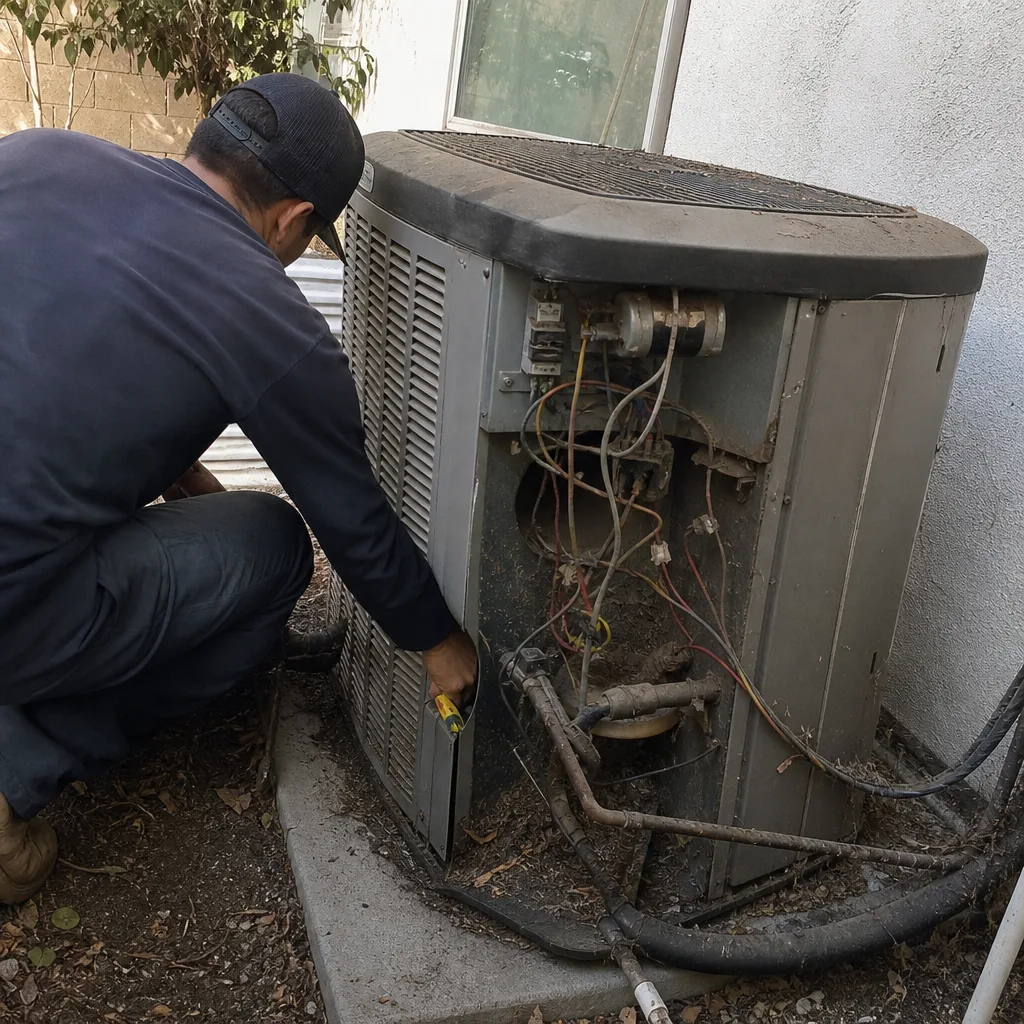 Before
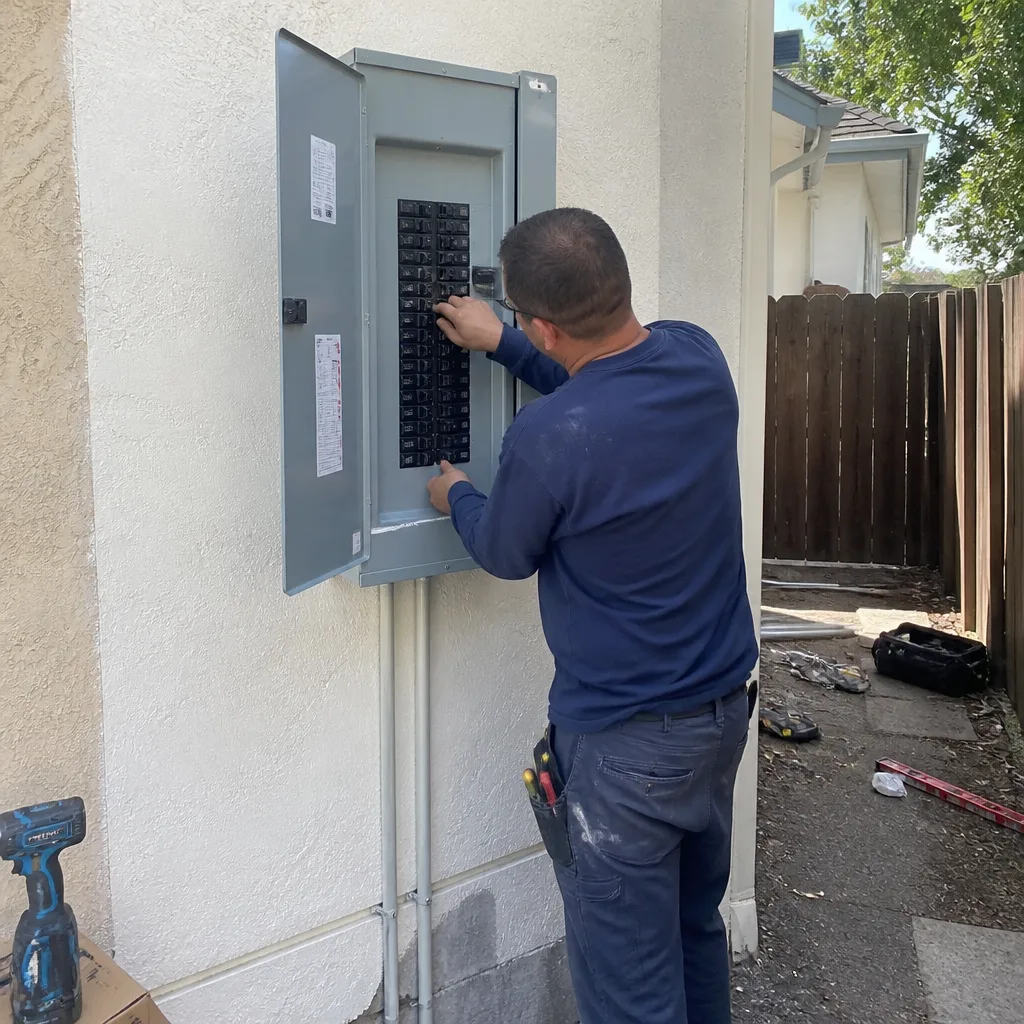 After
After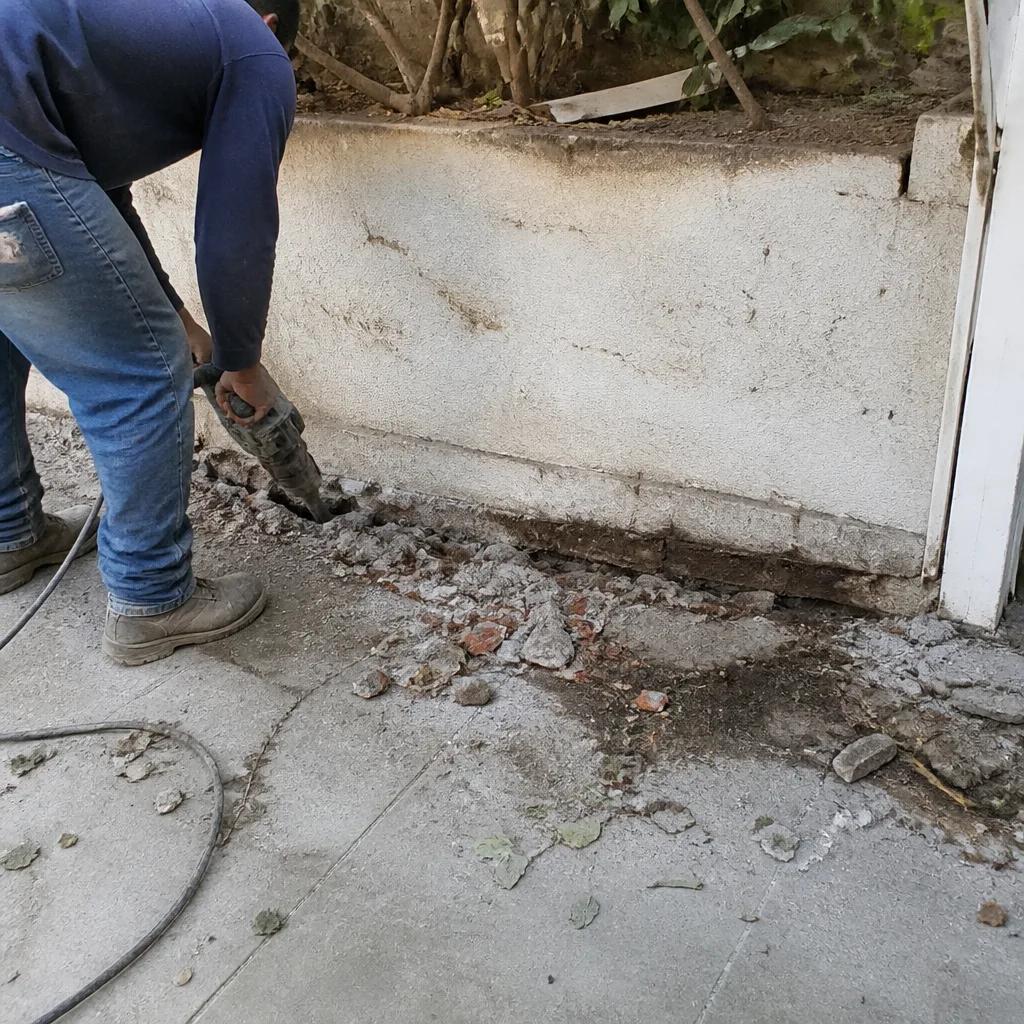 Before
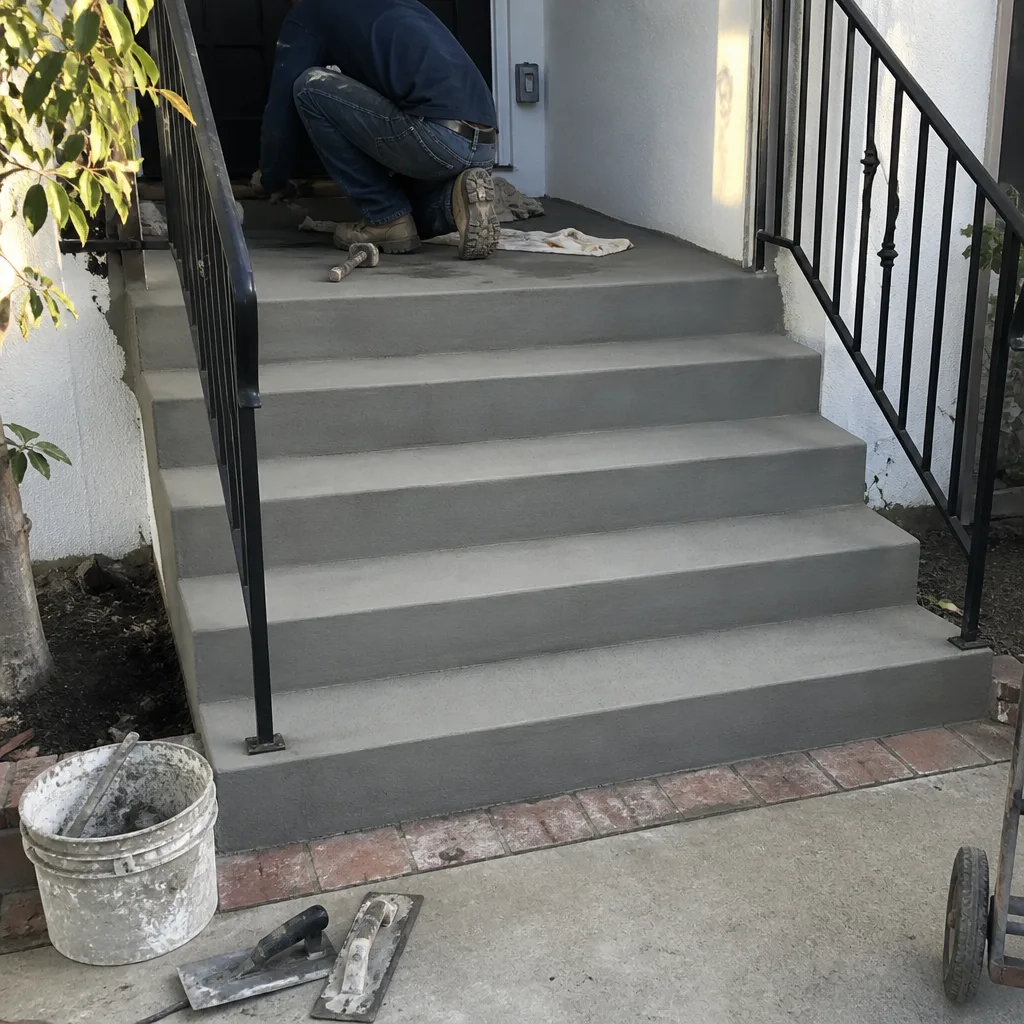 After
After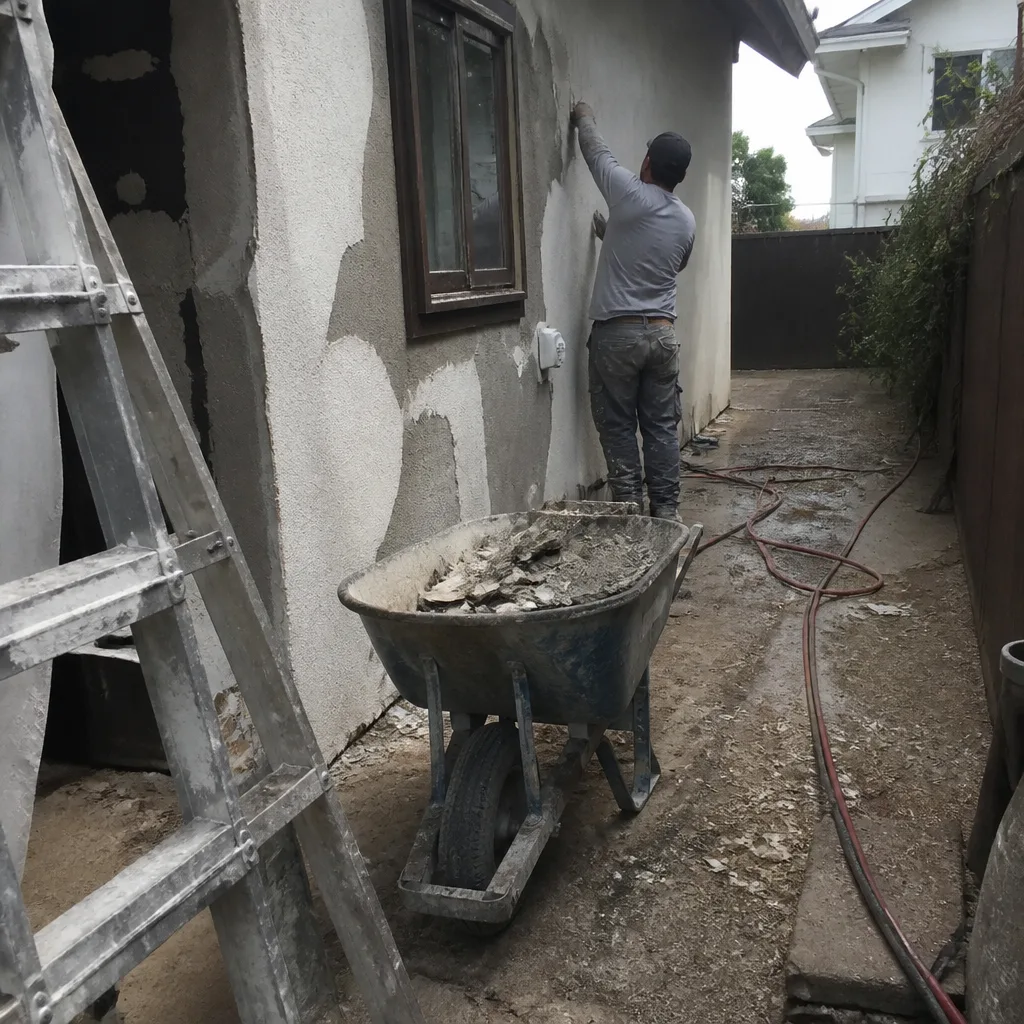 Before
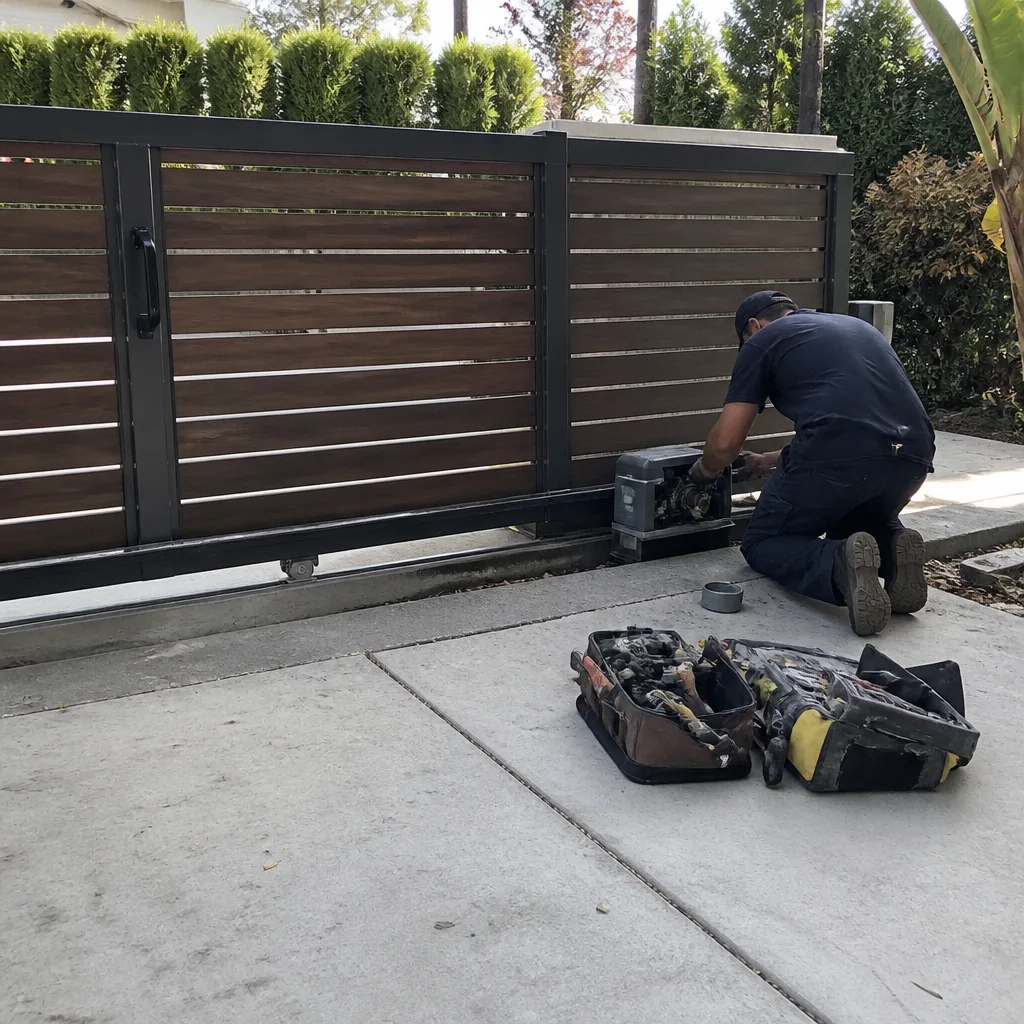 After
AfterWhen to Call a Professional
Any of the red flags above is enough reason to pause a project and get a second opinion. But some situations call for a professional immediately: a contractor asking for more than 10% down, a contractor who pressures you to pull your own permit, a bid built on vague allowances that don’t name materials, or a contractor who cannot or will not verify the license and insurance status of every sub on the job. None of these resolve themselves, and waiting makes each one more expensive to fix. If you’re anywhere in the Los Angeles area and you want a written price before any work starts, Mason Remodeling offers home remodeling in Los Angeles with full transparency on cost, crew, and timeline. Call (803) 680-2547 for a free estimate. A live person answers every call, 24 hours a day, 7 days a week.
Frequently Asked Questions

The biggest red flag is a contractor who won’t put the price in writing before work begins. A written price is the foundation of every other protection: without it, you have no baseline for change orders, no enforceable scope, and no way to hold the contractor to the number you agreed on. Call (803) 680-2547 for a free estimate with a written price from Mason Remodeling.
No. California law caps the down payment for a home improvement contract at the lesser of $1,000 or 10% of the total project price. A contractor asking for 50% down is violating CSLB regulations, and that request alone is enough reason to end the conversation.
Ask the general contractor for the sub’s name and license number, then verify the license on the CSLB website. Also ask for proof of workers’ compensation coverage. A legitimate contractor will provide this without hesitation. If the GC won’t identify the subs, treat that as a red flag.
Material allowances are budget placeholders for products that haven’t been selected yet, like “tile allowance: $2,000.” The risk is that the allowance is set below what the homeowner actually selects, and the difference becomes a change order that can inflate the final cost by 20% to 40%. Demand that your bid name the specific products instead.
In Los Angeles, a bathroom remodel typically runs $20,000 to $50,000, a kitchen remodel $35,000 to $80,000, and a whole-home remodel $150,000 to $300,000 or more, depending on scope and material choices. See How Long Does Bathroom Remodeling Take? Timelines and What to Expect for timeline guidance. The only way to know your project’s real cost is a written line-item bid. Call (803) 680-2547 to schedule a free estimate with Mason Remodeling.
At 25% completion, verify permits are posted and change orders are in writing. At 50%, inspect rough electrical, plumbing, and framing before drywall covers it. At 75%, confirm that installed products match the written specifications. Withhold the next payment at each point until the checks pass.
The Bottom Line
The warning signs that matter most in a home remodel are the ones you can see on paper, not the ones you can see on the wall. A contractor who asks for more than 10% down, builds the bid on vague allowances, pressures you to pull your own permit, or uses unlicensed subs is creating risk that lands on you. In Los Angeles, where project values are high and code enforcement is demanding, these risks compound. The contractor you choose should put the price in writing before work starts, verify every crew member before they arrive, and back the work with a written guarantee. Anything less is a sign to keep looking. Mason Remodeling has served Los Angeles since 2004. If you want a written price and a crew you can verify by name and photo before they reach your door, call (803) 680-2547.
Written by Isaac Pruett, Owner at Mason Remodeling, serving Los Angeles since 2004.