Last updated October 9, 2026

Free written scope consultation - allowances, timeline, and change-order rules on paper before a single trade is scheduled
The Complete Home Remodeling Guide for Los Angeles Homeowners
Los Angeles has over 40 distinct neighborhood overlay zones that can restrict exterior finishes, window sizes, and even the color of a front door. Most homeowners don’t discover this until after permits are already filed with LADBS, and that discovery usually arrives with a stop-work order attached. This Home Remodeling guide walks through the full Los Angeles remodeling process: permits, energy code, the surprises hiding inside older walls, and how to vet a contractor before you hand over a deposit.
Quick Answer
Remodeling a home in Los Angeles means navigating LADBS permitting, Title 24 energy compliance, HOA architectural review, and the structural realities of homes built between 1920 and 1975. A full kitchen remodel typically runs $45,000 to $90,000, a bathroom $25,000 to $55,000, and a whole-home renovation $150,000 to $400,000 depending on scope. The fastest path to a successful project is getting a written price before work starts and verifying your contractor’s CSLB license before signing anything; for more guides & resources, see our blog.
Styles & brands we work with
Table of Contents
- The Los Angeles Permit Pathway: LADBS and Beyond
- Title 24 Energy Compliance: What Actually Triggers It
- Older L.A. Homes: What’s Hiding in the Walls
- HOA Architectural Review: The Parallel Timeline
- Contractor Vetting: The California-Specific Checklist
- What Remodeling Costs in Los Angeles Right Now
- How Long a Remodel Takes in L.A.
- Budgeting for Unknowns: The Reality Line Item
The Los Angeles Permit Pathway: LADBS and Beyond
Los Angeles is not one permitting jurisdiction. The City of Los Angeles operates under LADBS, but if you live in Santa Monica, Culver City, Pasadena, Burbank, Glendale, or any of the other incorporated cities inside the county, you’re dealing with a completely separate building department with its own forms, fees, and review timelines. What takes 4 weeks in LADBS can take 10 weeks in Santa Monica. That difference ripples through your entire project schedule.
Here’s the step-by-step pathway for a typical L.A. interior remodel:
- Determine your jurisdiction. Enter your address on the LADBS website. If it doesn’t come up, you’re in a separate municipality and need that city’s building department instead.
- File for plan check. Most remodels that move walls, alter plumbing, or change electrical load require plan check review, not just an express permit. Budget 3 to 6 weeks for first-round comments in LADBS.
- Respond to corrections. Almost every first submission gets a correction letter. A good draftsperson or architect anticipates the common ones: Title 24 energy calculations, egress clearances, and structural details on load-bearing changes.
- Pay fees and pull the permit. LADBS calculates fees off a table tied to project valuation. Expect anywhere from $800 to $5,000 depending on scope.
- Schedule inspections. For kitchens and baths, you’ll typically need rough framing, rough plumbing, rough electrical, insulation, and final inspections. Each requires 24-48 hours notice in LADBS, longer in neighboring cities.
In our experience, we’ve seen more delays come from the plan-check correction loop than from any other single step. Homeowners who submit without a Title 24 energy report attached usually get bounced back a week later with a note that reads like a foreign language. We recommend working with someone who has filed in your specific jurisdiction at least a dozen times.
Title 24 Energy Compliance: What Actually Triggers It
Title 24 is California’s building energy code, and it applies to more remodels than most homeowners realize. The trigger isn’t just “major renovation.” When you alter a certain percentage of a home’s conditioned floor area, or when you replace windows, or when you change HVAC equipment, Title 24 compliance calculations are required before LADBS will issue your permit.
Here’s what Title 24 typically means for your Los Angeles remodel:
- Window replacements must meet specific U-factor and SHGC ratings. Coastal zones near Santa Monica and Venice have different requirements than inland zones like Woodland Hills or Pasadena, because the climate data changes.
- Kitchen remodels that add or reconfigure more than a threshold of square footage trigger whole-dwelling energy modeling. You may need to upgrade attic insulation or duct sealing as a condition of approval.
- Bathroom remodels that add exhaust fans or change lighting require high-efficacy fixtures and often demand occupancy sensors or dimmers.
- HVAC changes bring the biggest budget surprises. Replacing a furnace in Los Angeles now means meeting minimum efficiency standards, and if your ductwork is in an uninsulated attic (very common in L.A.), you may be required to seal and insulate those ducts as part of the permit.
Budget for a Title 24 energy consultant. These specialists charge $300 to $800 per report, and that’s an expense worth paying before your plan check submission, not after the first correction letter. We’ve watched a $600 energy report save $15,000 in avoided change orders because it caught compliance issues during design instead of during inspection.
Older L.A. Homes: What’s Hiding in the Walls
Los Angeles has one of the largest stocks of pre-1975 housing in the country. Mid-century ranch houses in the Valley, Spanish-style bungalows in Mid-City, craftsmans in Pasadena: these homes share a set of conditions that remodelers in newer markets never see. And those conditions have price tags.
Asbestos. If your home was built before 1980, assume asbestos is present in drywall joint compound, flooring glue, popcorn ceilings, or HVAC duct wrap. Testing costs $250 to $800. Abatement, if required, adds $3,000 to $15,000 depending on scope.
Galvanized steel pipe. Homes built before 1970 often have galvanized supply lines that have corroded from the inside. The pipe looks fine from outside and flows like a clogged artery. If you’re opening walls in a kitchen or bath, plan to replace exposed galvanized with copper or PEX. Budget $2,000 to $8,000 depending on how much of the house is affected.
Knob-and-tube wiring. Common in homes built before 1940, especially in older neighborhoods like Echo Park, Silver Lake, and South L.A. It’s not inherently unsafe if undisturbed, but LADBS will not let you tie new work into it, and many insurers require replacement if it’s exposed during a remodel. Full rewire: $12,000 to $30,000 for a typical 1,500-square-foot home.
Post-and-beam framing surprises. Mid-century homes often used dimensional lumber in ways that don’t match modern span tables. A wall you assume is non-load-bearing might be doing more work than the architect’s original drawings suggest. Budget for extra structural engineering, around $1,500 to $4,000, and the possibility of adding beams or footings.
The homeowner who budgets 15 to 20 percent above their remodel quote for “opened-wall discoveries” is rarely disappointed, as our Construction Emergency Preparedness Guide for Los Angeles Homes explains. The one who budgets 5 percent usually ends up with a stalled project and a difficult conversation with their lender.
HOA Architectural Review: The Parallel Timeline
If you live in an HOA community in Los Angeles, you have two permitting processes running at the same time: the city’s and your HOA’s. They don’t talk to each other, and they don’t share deadlines. Most slowdowns happen because homeowners start HOA review after city permits are approved, discovering they’ve already designed something the HOA will reject.
Here’s the standard HOA architectural review process in Los Angeles:
- Submit your design package. Most HOAs require architectural drawings, material samples, color swatches, and a written description of scope. Some require contractor license and insurance documentation before review begins.
- Wait for the board or committee meeting. Many L.A. HOAs only review architectural requests at monthly or even quarterly meetings. Miss the deadline by a day and you wait another month.
- Receive conditions or a rejection. HOAs in Los Angeles commonly restrict window styles, exterior paint colors, roof materials, fence heights, and even satellite dish placements. Some HOAs require specific roofing products that carry a CertainTeed or Owens Corning approval rating.
- Appeal or revise. This round is where weeks become months. A resubmission might need another meeting cycle.
The fix is simple: start HOA review the same week you hire your architect or draftsperson. Run both timelines simultaneously. A practical rule we use: whatever your city permit timeline looks like, add 4 to 8 weeks for HOA if you start them at the same time. Add 12 to 16 weeks if you don’t.
Contractor Vetting: The California-Specific Checklist
California has stronger contractor licensing laws than most states, but enforcement is passive. The burden is on the homeowner to verify before signing. Here’s the checklist we recommend to every Los Angeles homeowner, whether they hire us or someone else:
- Verify the CSLB license. Go to cslb.ca.gov and search the license number. Confirm the name on the license matches the name on your contract. Confirm the license classification matches the work: B for general building, C-36 for plumbing, C-10 for electrical.
- Check the license status. A suspended or expired license means you have no recourse through the CSLB if something goes wrong. This takes 60 seconds and eliminates a surprising number of bids.
- Request a workers’ compensation certificate. In California, if an uninsured worker is injured on your property, you can be held liable. A legitimate contractor carries workers’ comp and will provide the certificate without hesitation. The certificate should come directly from the insurance carrier, not from the contractor.
- Ask for a lien waiver process. California mechanics lien law is aggressive. Subcontractors and suppliers who aren’t paid can file liens against your property even if you paid the general contractor in full. A professional remodeler should have a process for collecting lien releases from every sub and supplier before final payment.
- Get the price in writing before work starts. This is the point where many Los Angeles projects go wrong. A verbal estimate is not a contract. A professional contractor provides a written scope of work with a fixed price, a payment schedule tied to milestones, and a written guarantee with stated terms. If someone won’t put the number in writing, walk away.
Mason Remodeling has operated in Los Angeles since 2004, and every one of our projects follows this standard: a written price delivered before any work begins, never as an upgrade, never as a favor. We also verify every crew member and send you the technician’s name and photo before arrival, a process we call the Threshold Standard.
What Remodeling Costs in Los Angeles Right Now
Labor and material pricing in Los Angeles runs 15 to 25 percent above the national average, driven by high demand, long material lead times, and the cost of doing business in the region; see our Construction Cost Breakdown: The Los Angeles Homeowner’s Reference for 2026 for deeper analysis. Here are the ranges we see for Los Angeles projects in 2024 and 2025, priced for mid-grade finishes:
- Kitchen remodel (full gut, 150-200 sq ft): $45,000 to $90,000
- Bathroom remodel (full gut, 5×8 to 8×10): $25,000 to $55,000
- Primary suite addition (400-600 sq ft): $150,000 to $350,000
- Whole-home remodel (1,500-2,500 sq ft): $150,000 to $400,000
- Interior paint and flooring (1,500 sq ft): $15,000 to $40,000
- Roof replacement (1,500 sq ft home): $18,000 to $45,000, depending on material and pitch
These ranges assume permits, standard structural work, and mid-range finishes from suppliers we work with regularly, including KraftMaid and Wellborn for cabinetry, Cambria and Silestone for countertops, and Kohler and Moen for plumbing fixtures. High-end finishes push the top of each range up by 30 to 50 percent.
For a deeper breakdown, see our Home Remodeling in Los Angeles page, which includes line-item pricing by room.
How Long a Remodel Takes in L.A.
The largest time variable in Los Angeles is not construction speed. It’s the permit and review pathway we covered earlier. Here’s a realistic timeline for a typical kitchen or bath remodel, from decision to final inspection:
- Design and drafting: 4 to 8 weeks
- Title 24 energy report: 1 to 2 weeks
- LADBS plan check: 3 to 6 weeks (longer in Santa Monica or Pasadena)
- HOA review (if applicable): 4 to 8 weeks, run in parallel with plan check
- Construction: 6 to 12 weeks for a kitchen or bath, 4 to 8 months for a whole-home remodel
- Inspections and corrections: 1 to 3 weeks
Total for a kitchen or bath: roughly 4 to 6 months from first phone call to final inspection. For a whole-home remodel: 7 to 14 months. Anyone promising dramatically faster timelines in the Los Angeles market is either skipping permits (a serious liability) or setting you up for disappointment.
Budgeting for Unknowns: The Reality Line Item
The most expensive mistake a Los Angeles homeowner can make is treating their remodel quote as a final number. In our experience, every project over $50,000 in an older home encounters at least one condition that no amount of pre-planning could have predicted: a rotted sill plate behind a shower, a pipe that was already failing, a section of wiring a previous owner installed incorrectly.
Here’s a practical budgeting framework:
- Homes built after 1990: Set aside 5 to 10 percent of project cost for unknowns.
- Homes built between 1950 and 1990: Set aside 10 to 15 percent.
- Homes built before 1950: Set aside 15 to 25 percent, especially if you’re opening walls or moving plumbing.
When we deliver a written price to our Los Angeles clients, we include a contingency line item with a defined dollar amount, not a vague percentage buried in the fine print. If the contingency isn’t used, you don’t pay it. If it is used, you see exactly where every dollar went, in writing, before a single tool is unpacked. That’s the standard on every General Contractor in Los Angeles project we take on.
Common Mistakes to Avoid
- Starting HOA review after city permits are approved. You’ll add 8 to 16 weeks to your timeline and may have to redesign work you already paid to have drawn. Start both processes in the same week.
- Skipping the Title 24 energy report before plan check submission. LADBS will bounce your application back and you’ll lose 1 to 2 weeks from a submission you could have gotten right the first time.
- Assuming your home is “recent enough” to be free of asbestos. Los Angeles homes built into the early 1980s can contain asbestos in drywall compound and flooring. Test before you demo, not after.
- Paying a large deposit before verifying the CSLB license. California caps down payments at 10 percent or $1,000, whichever is less, by law. Anyone asking for more than that before work starts is breaking the rules.
- Accepting a verbal estimate as a contract. If the price isn’t written down and signed by both parties, you don’t have a price. You have a conversation.
- Overlooking the lien waiver process. In California, paying your general contractor doesn’t protect you from a sub or supplier who wasn’t paid. Ask about lien releases before you sign.
- Budgeting zero dollars for unknown framing conditions. Every Los Angeles remodeler has stories about the wall that wasn’t supposed to be load-bearing. Set aside a real contingency line item.
See the difference
 Before
 After
After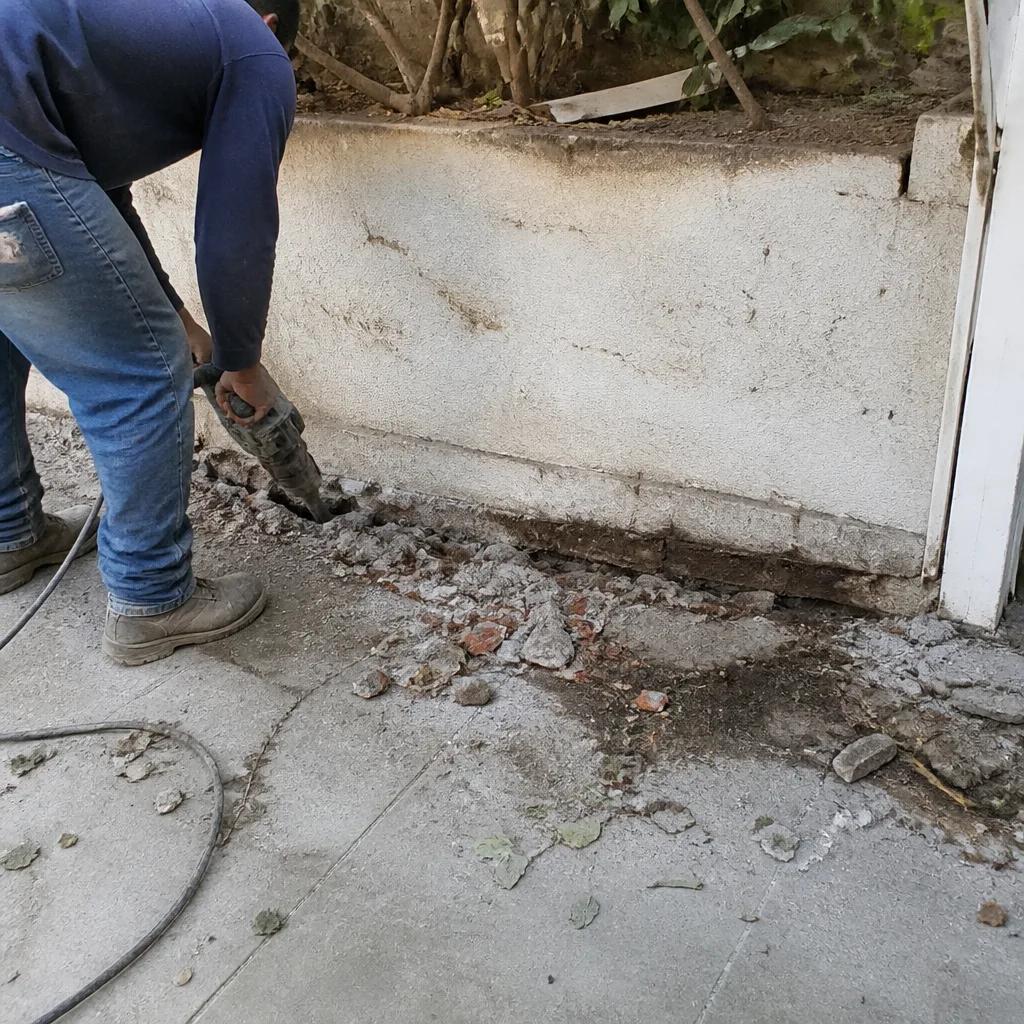 Before
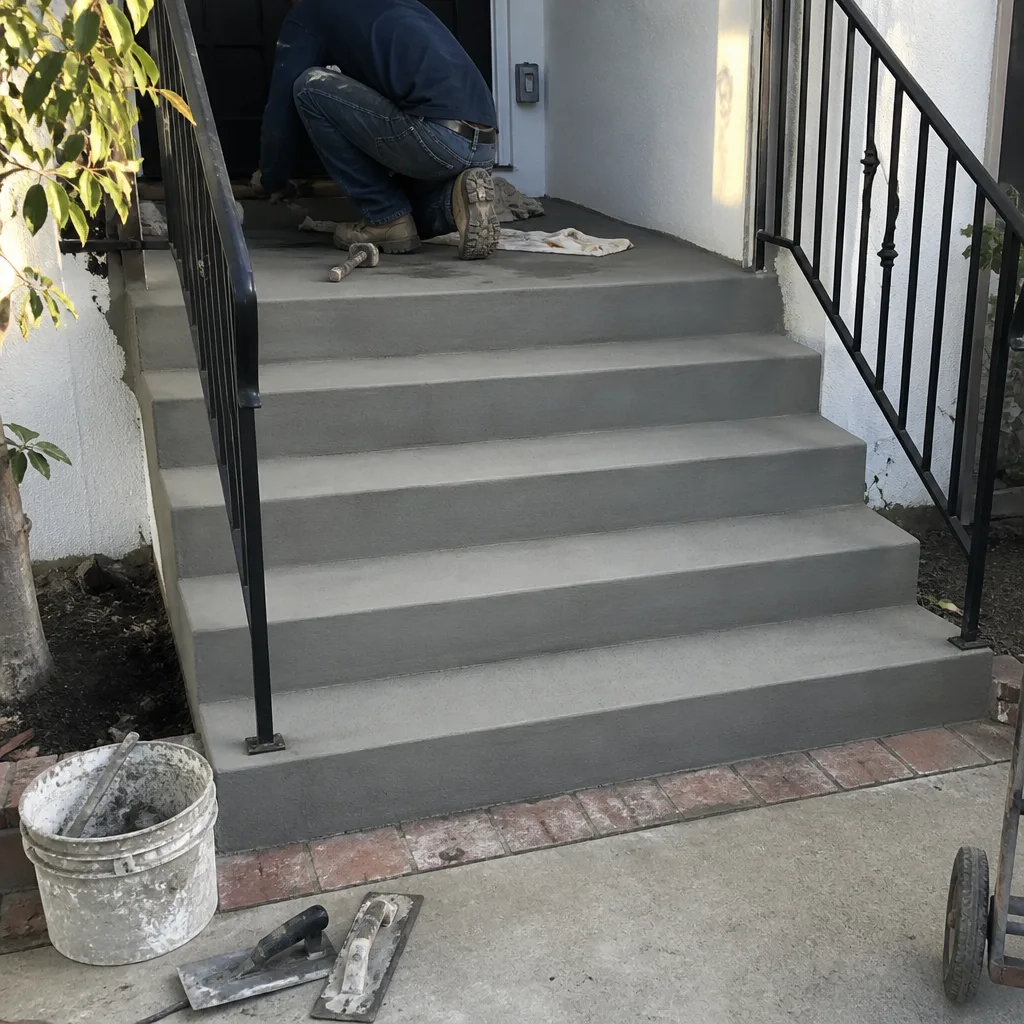 After
After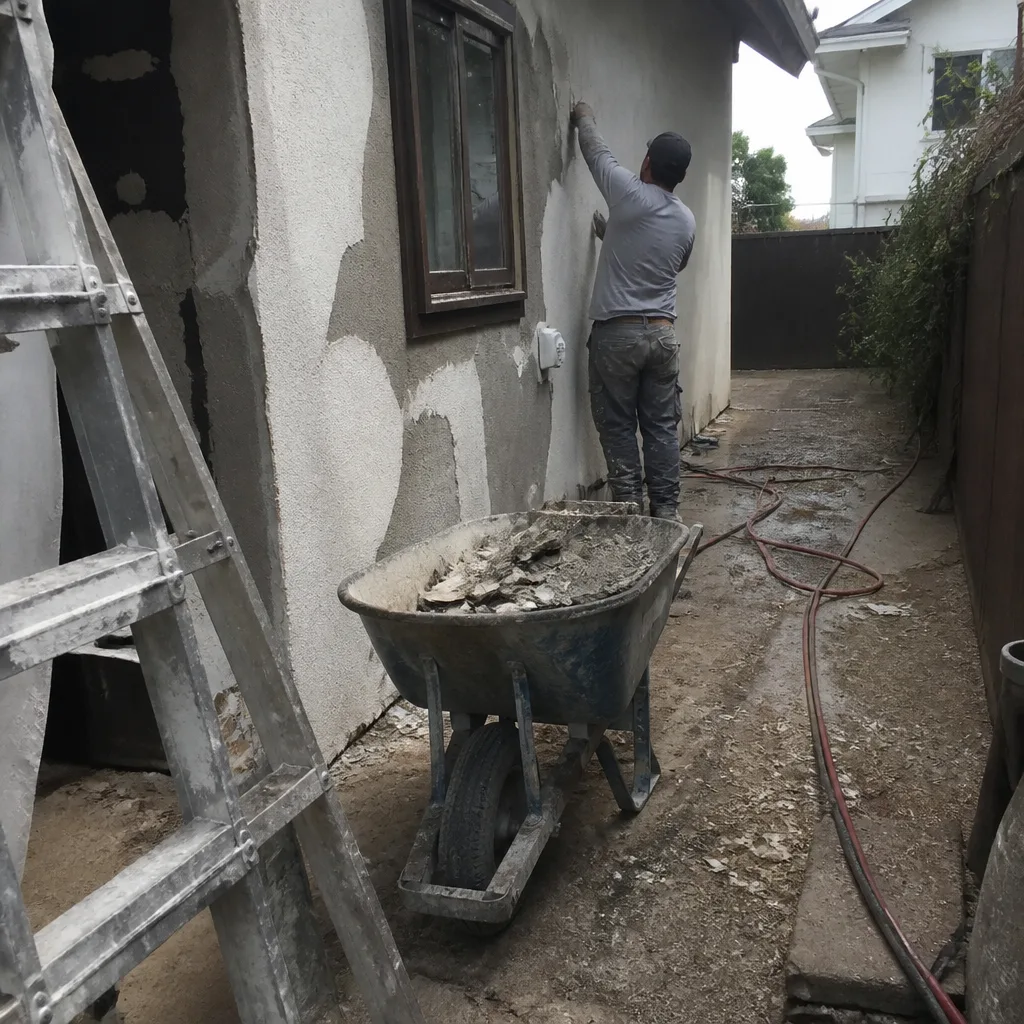 Before
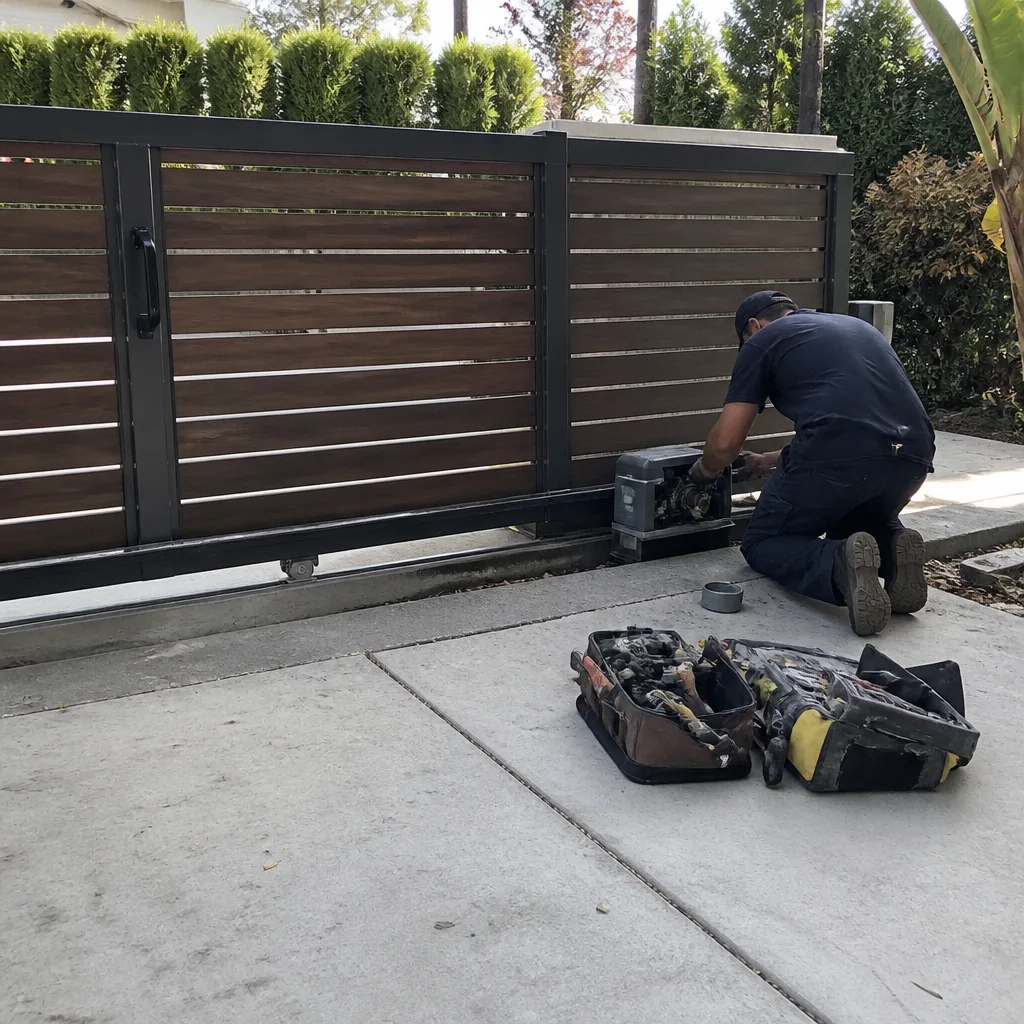 After
AfterWhen to Call a Professional
Some projects genuinely need a licensed contractor from day one: any work that moves walls, changes plumbing or electrical, or requires a permit from LADBS or your local jurisdiction. That’s not a DIY-friendly gray area. If you’re uncertain whether your project triggers Title 24, whether that wall is load-bearing, or whether your HOA requires architectural review, get a professional answer before you start. Mason Remodeling offers free estimates in Los Angeles – call (803) 680-2547 to talk through your project, your timeline, and what a written price should include.
Frequently Asked Questions
A kitchen remodel in Los Angeles typically costs $45,000 to $90,000, a bathroom $25,000 to $55,000, and a whole-home renovation $150,000 to $400,000 depending on square footage, finish level, and the condition of the existing structure. These ranges reflect L.A. labor rates and material pricing, which run well above the national average. Call (803) 680-2547 for an exact written quote on your project – estimates are free.
Yes, if you’re moving walls, changing plumbing or electrical, replacing windows, or altering HVAC, you need a permit from LADBS or your local jurisdiction, and Santa Monica, Culver City, and Pasadena each have their own separate building departments with different timelines. Working without a permit creates liability for resale and can result in a stop-work order. Call (803) 680-2547 if you’re unsure whether your project triggers a permit – we’ll tell you straight.
Title 24 is California’s energy code, and it applies when your remodel alters conditioned floor area beyond a threshold, replaces windows, or changes HVAC equipment, requiring a compliance report before your permit can be approved. The requirements vary by climate zone, so a home in Santa Monica faces different standards than one in Woodland Hills. Call (803) 680-2547 for guidance on whether your project triggers Title 24 and what it will add to your budget.
Most kitchen and bath remodels in Los Angeles take 4 to 6 months from design start to final inspection, with permit plan check consuming 3 to 6 weeks and construction taking 6 to 12 weeks. Whole-home remodels run 7 to 14 months. HOA review and plan-check corrections are the two biggest timeline variables. Call (803) 680-2547 to get a realistic timeline for your specific project and location.
It should not, if you received a written price before signing, and a professional contractor delivers a fixed scope with a defined contingency line item and a written change-order process for anything outside that scope. Mason Remodeling delivers a written price on every project before any work begins, never as an upgrade or a favor, so you know your number before a tool is unpacked. Call (803) 680-2547 to get your written quote.
Verify the CSLB license at cslb.ca.gov, confirm the license classification matches the work, request a workers’ comp certificate directly from the insurer, and ask about the lien waiver process before making final payment. California caps down payments at 10 percent or $1,000, whichever is less. Mason Remodeling meets every one of these standards on every Bathroom Remodeling in Los Angeles project, and we send you the technician’s name and photo before arrival.
The Bottom Line
Remodeling in Los Angeles is more complex than in most markets because of the regulatory stack: LADBS or separate municipal departments, Title 24 energy compliance, HOA overlay review, and the structural surprises common in pre-1975 homes. The homeowners who succeed are the ones who start HOA review early, budget 10 to 25 percent for unknowns, verify their contractor’s license before signing, and demand a written price on paper before work starts. Mason Remodeling has worked this way since 2004, and every project we complete in Los Angeles carries a written price, a written guarantee, and the Mason Remodeling home standard of crew verification. For a free estimate and a direct answer about your project, call us at (803) 680-2547.
Written by Isaac Pruett, Owner at Mason Remodeling, serving Los Angeles since 2004.