Last updated October 9, 2026







Free written scope consultation - allowances, timeline, and change-order rules on paper before a single trade is scheduled
General Contractor Warning Signs Every Homeowner Should Know
The most dangerous general contractors in Los Angeles aren’t the ones who show up late in a beat-up truck with no business card. Those are easy to spot. The ones who cost homeowners the most money are charming, articulate, and busy. They return calls quickly during the bidding phase, they dress well, and their price lands right in the sweet spot of “not too high to scare you off.” Their problems don’t surface until after your deposit clears, and by then, you’ve lost the only leverage you ever had: the ability to walk away. This guide-and our Home Remodeling Troubleshooting: Common Problems and How to Fix Them resource-walk you through the behavioral and contractual warning signs that predict bad outcomes, so you can spot them in the first week of talking to a contractor, not six months into a stalled project.
Quick Answer
The clearest warning signs of a bad general contractor in Los Angeles are a verbal or vague scope of work, a deposit request above California’s legal 10% or $1,000 cap, reluctance to show a CSLB license number, pressure to skip permits, and an unwillingness to put every change in writing. A good contractor volunteers all of these things without being asked. A bad one treats each request like an insult.
Styles & brands we work with





Table of Contents
- The Vague Scope of Work: The Single Highest-Risk Factor
- The Deposit Red Line: What California Law Actually Says
- License and Insurance Verification: How to Use CSLB Like a Pro
- Unlicensed Subcontractors: The Hidden Liability Trap
- Permit Pressure: When ‘We Don’t Need One’ Means Trouble
- Behavioral Red Flags During the Bid Process
- The Contract Itself: What Must Be In Writing
- Change Orders and Price Creep: How Small Projects Become Big Bills
The Vague Scope of Work: The Single Highest-Risk Factor
More remodeling disputes in Los Angeles trace back to a vague scope of work than to any other single cause, including price. Here’s why: the scope of work is the document that defines what the contractor is actually agreeing to do. When it’s vague, “replace bathroom vanity” can mean anything from a $400 swap at a big-box store to a $4,000 custom cabinet installation. Without specifics, the contractor keeps all the flexibility and you keep all the risk.
A legitimate scope of work reads like a specification sheet. It names the products by brand and model where possible (KraftMaid cabinetry, a Kohler faucet, a Wellborn vanity), states quantities, and describes the finish work in plain language. It says what happens to the old materials, who handles disposal, and whether the price includes surface prep, priming, and touch-up paint. It specifies what’s included and, just as important, what’s excluded.
In our experience at Mason Remodeling, homeowners who receive a detailed, line-item scope before signing almost never end up in the kind of dispute that lawyers get paid to sort out. The scope is the antidote to “I didn’t know that wasn’t included.” A good contractor wants you to know exactly what you’re buying. A contractor who resists putting details in writing is preserving the ability to charge you for them later.
What a Proper Scope of Work Includes
- Product specifications: brand, model, color, finish, and quantity for every material the contractor will supply.
- Labor description: what gets demolished, what gets built, what gets refinished, and in what sequence.
- Exclusions: a clear statement of what is NOT included, so there are no surprises when the invoice arrives.
- Site conditions: who protects floors, walls, and furniture, and who is responsible if something gets damaged.
- Cleanup and disposal: who hauls away the debris, and whether dumpster rental is in the price.
- Warranty terms: what’s covered, what’s excluded, and for exactly how long.
As a General Contractor in Los Angeles, we write scopes that run multiple pages for even a modest bathroom remodel. That’s not paperwork for its own sake. It’s the difference between a project that finishes on budget and one that finishes in small-claims court.
The Deposit Red Line: What California Law Actually Says
California Business and Professions Code Section 7159 is unambiguous: for home improvement projects, a contractor may not ask for a down payment of more than $1,000 or 10% of the contract price, whichever is less. If your project costs $25,000, the maximum legal deposit is $1,000, not $2,500. This applies to every contractor in Los Angeles County, no exceptions, no workarounds, no “that law applies to other people.”
When a contractor asks for 30% or 50% upfront, they’re not being aggressive in their cash management. They’re already out of compliance with state law before a single tool is unpacked. That tells you two things. First, they either don’t know the law (which means they’re not the professional they claim to be) or they know it and don’t care (which means they won’t honor other commitments either). Second, a large upfront deposit strips away your leverage if the work stalls. Once you’ve paid $15,000 of a $50,000 project and the crew stops showing up, you’re stuck. The contractor has your money and you have a half-finished bathroom.
At Mason Remodeling, we deliver a written price before any work starts, and our deposit schedule complies with California law on every project. We’ve seen too many Los Angeles homeowners hand over large deposits to contractors who then disappear for weeks, return with excuses, and eventually walk away entirely. The legal limit exists to protect you. A contractor who won’t operate within it doesn’t deserve your project.
License and Verification: How to Use CSLB Like a Pro
The California Contractors State License Board (CSLB) maintains a public database that most Los Angeles homeowners never check, and that’s a shame, because it takes about 90 seconds and it can save you from a six-figure disaster. Here’s what to do before you sign anything.
- Go to cslb.ca.gov and click “Check a License.” Enter the contractor’s license number (which should be on every ad, every business card, and every estimate they hand you).
- Verify the license is active. “Active” means the contractor has maintained their bond and insurance requirements. “Expired,” “Suspended,” or “Revoked” means they cannot legally work as a contractor in California.
- Check the license classification. A “B” license is for general building contractors. A “C-54” is for ceramic and mosaic tile. Make sure the classification matches the work you’re hiring for.
- Review the bond status and insurance certificate. The CSLB page shows whether the contractor carries workers’ compensation insurance. If they have employees and don’t carry workers’ comp, an injured worker can file a claim against your homeowner’s policy.
- Look at the disciplinary history. CSLB posts citations, suspensions, and arbitration awards. This is where you find out if other Los Angeles homeowners have already had the experience you’re trying to avoid.
This isn’t a formality. In Los Angeles, where construction is competitive and unlicensed operators advertise aggressively on social media, the license lookup is the single most reliable consumer-protection tool you have. Use it before you hand over a deposit, not after.
Unlicensed Subcontractors: The Hidden Liability Trap
Here’s a scenario that plays out every week in Los Angeles: a licensed general contractor wins your kitchen remodel, then quietly hires an unlicensed subcontractor to handle the electrical work, the plumbing, or the tile. The GC’s license is active and their bond is current. You check the box and feel protected. Then something goes wrong.
If an unlicensed subcontractor is injured on your property and they don’t carry workers’ compensation insurance, the legal pathway leads to your homeowner’s policy. Your insurance company may deny the claim on the grounds that you allowed unlicensed work on the property. You can be left personally liable for medical bills, lost wages, and legal fees, while the general contractor who hired the sub disappears into a corporate entity with no assets.
This is the liability trap that most homeowner guides don’t mention. A general contractor’s license doesn’t extend to the people they hire. If your GC can’t tell you who will show up at your door by name, and can’t confirm that every single worker on your property is covered by workers’ comp, you’re taking a risk you didn’t agree to.
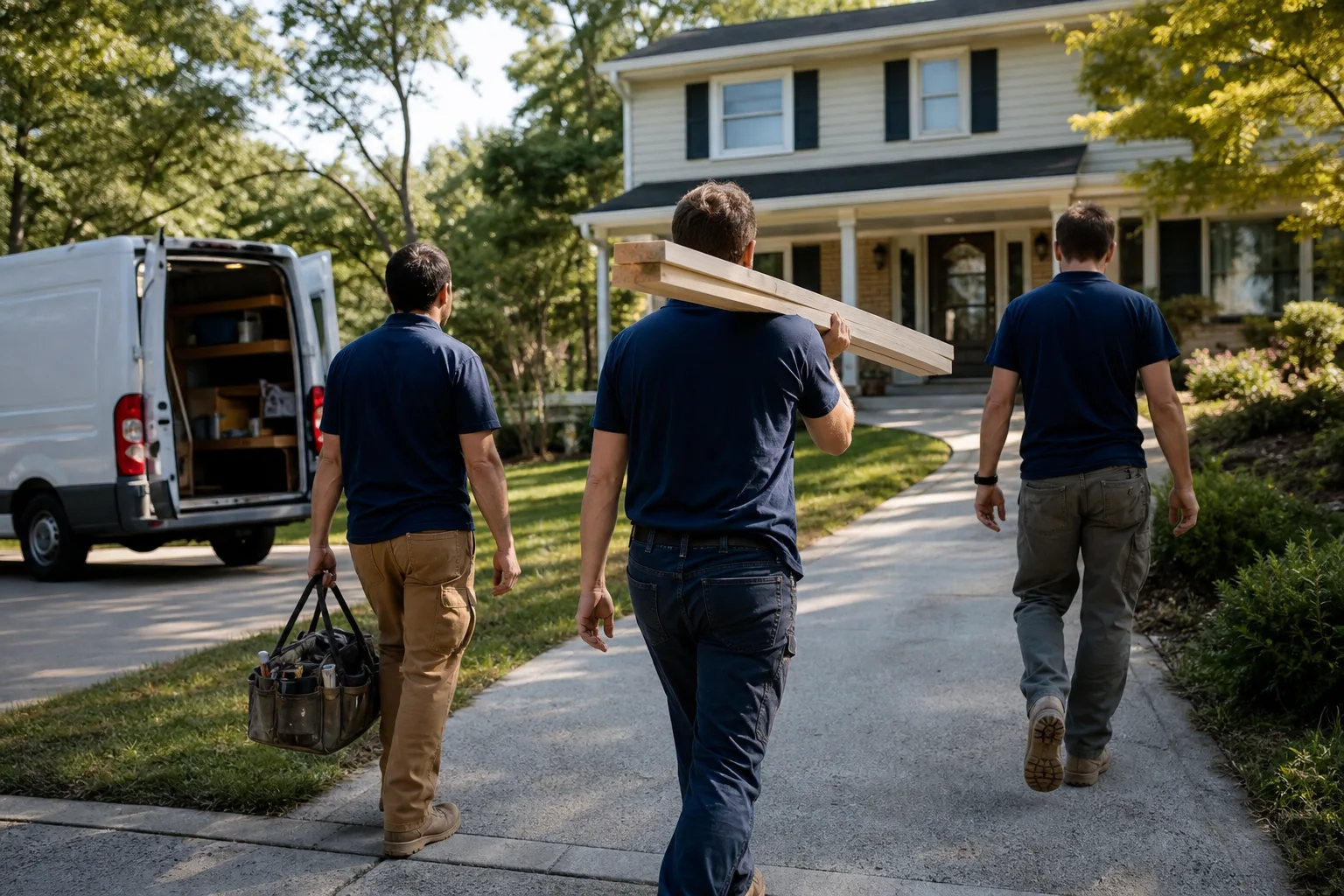
We handle this differently. As part of the Threshold Group family, Mason Remodeling operates under The Threshold Standard: every crew member is background-checked, identity-verified, arrives in a clean marked uniform, shows a photo ID badge at the door, and is introduced to the homeowner by name and photo before the visit. You know exactly who is coming to your Los Angeles home, and you can verify them the moment they arrive.
Permit Pressure: When “We Don’t Need One” Means Trouble
Every city in Los Angeles County has permitting requirements for remodeling work. Structural changes, electrical panel upgrades, plumbing relocations, and most water heater replacements all require permits. Yet the phrase “we can skip the permits to save you time and money” is still heard regularly in this market. It’s a red flag the size of a dumpster.
Unpermitted work creates three problems. First, if the work is done incorrectly, you have no city inspection standing between you and a dangerous installation. Second, your homeowner’s insurance may deny a claim related to unpermitted work, which means a water leak from an unpermitted bathroom remodel could be entirely your financial burden. Third, when you eventually sell the home, an astute buyer’s inspection will flag unpermitted changes, and you’ll either have to pay to bring the work up to code, reduce your asking price, or lose the sale entirely.
In Los Angeles, the Department of Building and Safety has been tightening enforcement on unpermitted work for years. The savings from skipping permits rarely survive the first insurance claim or resale negotiation. A contractor who suggests skipping them is asking you to bear all the risk of their shortcut while they keep the full fee.
A good contractor handles permits as a matter of course. Pulling permits costs money and adds a day or two to the timeline, but it’s the difference between a contractor who protects their client and one who protects only their own profit margin.
Behavioral Red Flags During the Bid Process
The way a contractor behaves before they have your signature is the most honest preview of how they’ll behave after. Contractors are on their best behavior during the bid, which means any red flags you see now will only get worse.
The Pressure Play
A contractor who pressures you to sign by Friday because “the price goes up next week” or “I have another client waiting for this slot” is using a classic manipulation tactic. Legitimate Los Angeles contractors quote jobs all year long. Material prices do fluctuate, but a one-week deadline is about closing, not about lumber futures. The moment you feel rushed, slow down. A good contractor would rather you take two extra weeks and start the job with full confidence than sign fast and regret it in month two.
The Vague Answer Pattern
Ask specific questions and watch the answers. “Who will be the project manager on site?” “What’s the exact sequence of work?” “When will you need the next payment?” A good contractor answers these directly. A bad one says “we’ll figure that out as we go” or changes the subject. In our experience, the vagueness you hear in the bid phase is always a preview of the vagueness you’ll hear when you’re asking why the project is three weeks behind.
The Unavailability Signal
If calling a contractor during the bid phase gets you voicemail for two days, imagine what happens when you have a problem six weeks into the project. A contractor who can’t return a call when they’re trying to win your business won’t return one when they already have your money. This is exactly why we built our phone system around a simple promise: a live person answers every call, 24 hours a day, 7 days a week. No call trees, no voicemail loops, no waiting until Monday morning. If you can’t reach a human at a contracting company before you hire them, that’s the loudest red flag there is.
The Contract Itself: What Must Be In Writing
Every Los Angeles homeowner should know what California law requires in a home improvement contract, because a contract that’s missing these elements is not just sloppy. It’s invalid.
What California Law Requires in Every Home Improvement Contract
- The contractor’s license number, printed on every page of the contract.
- A complete description of the work, including plans, specifications, and the scope of work described in the first section of this guide.
- A total contract price, stated as a single number. If the contractor can’t give you one total price, they should be able to explain why not, in writing.
- A payment schedule that shows the dollar amount of each payment and the specific milestone that triggers it. “Progress payments” with no defined milestones are a red flag.
- The approximate start date and completion date. These can be approximate, but they must exist.
- A notice of your right to cancel within three business days for most contracts signed at home.
- Change order procedures: a written statement that changes must be in writing and signed by both parties before the work begins.
We deliver a written price on every project before a single tool is unpacked. That’s not a courtesy. It’s the only way to run a construction business where the final bill matches the number the homeowner agreed to. If a contractor won’t put the price in writing, walk away. If they say “trust me” about anything that should be on paper, walk away faster.
Change Orders and Price Creep: How Small Projects Become Big Bills
The most common homeowner complaint we hear in Los Angeles is some version of this: “The contractor quoted $30,000 and the final bill was $58,000.” The gap wasn’t fraud, exactly. It was change orders. The contractor quoted a price that assumed builder-grade everything, and then every time the homeowner asked for something specific, a change order appeared. The result is a project that started affordable and ended painful.
Change orders aren’t inherently suspicious. On a real remodel, you’ll discover things behind the walls that no one could have predicted. The problem is when change orders become the business model. A contractor who habitually quotes low and then makes up the difference in change orders is not estimating. They’re bidding.
Here’s how to spot the pattern before you sign. Look at the product specifications in the original scope. If the quote doesn’t name specific products, or if every named product is the cheapest possible option, the change orders are built into the strategy. If the quote for a Bathroom Remodeling in Los Angeles project doesn’t tell you what brand of tile, what brand of fixtures, and what grade of cabinetry you’re getting, you’re about to find out after the contract is signed, one change order at a time.
Our approach is different. We give you the written price for the scope you actually asked for, with the products you actually specified. Mason Remodeling has specification-grade material partnerships across cabinetry, surfaces, and fixtures, giving you access to KraftMaid, Wellborn, Kohler, Moen, and other professional-grade products in one place. The price you see is the price for the project you described, not a starting point for negotiation.
Common Mistakes to Avoid
- Signing before seeing a written scope of work. A verbal description of “we’ll redo the bathroom” is not a contract. It’s a blank check. If the contractor won’t put the details in writing, they’re protecting their flexibility, not your budget.
- Paying more than $1,000 or 10% as a deposit. In California, that’s the legal maximum. Any contractor asking for more is already violating state law, and you should treat that as disqualifying.
- Skipping the CSLB license check because “the contractor seemed nice.” Nice doesn’t cover the cost of an uninsured worker’s injury. Take the 90 seconds and check.
- Accepting a verbal quote and shaking on it. In Los Angeles construction, a verbal quote is worth exactly nothing when the final invoice arrives. The only number that matters is the one in writing, signed by both parties.
- Hiring the cheapest bid without asking why it’s cheap. Low bids are often low because they omit permits, assume builder-grade materials, or don’t include the finish work. The question isn’t “how much” but “how much for what, exactly.”
- Letting the contractor start without a signed contract and a payment schedule. Once work begins without paperwork, you’re operating on the contractor’s terms. You lose the ability to walk away cleanly, and you’ve handed them the upper hand in every disagreement.
- Not asking who will be on your property. Unverified workers on your property are both a safety issue and a liability issue. At Mason Remodeling, you receive the name and photo of every technician before the visit, plus a photo ID badge at the door. You should expect the same from any contractor you hire.
See the difference
 Before
 After
After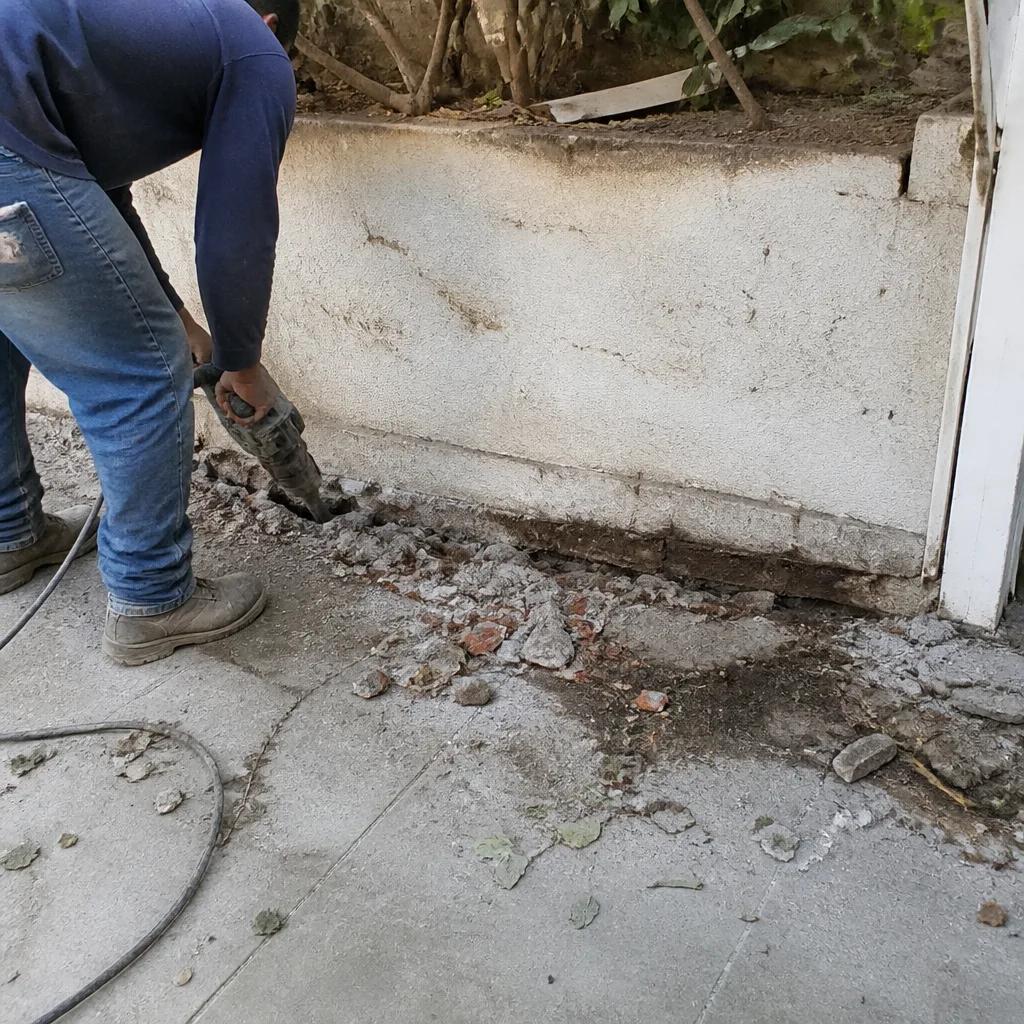 Before
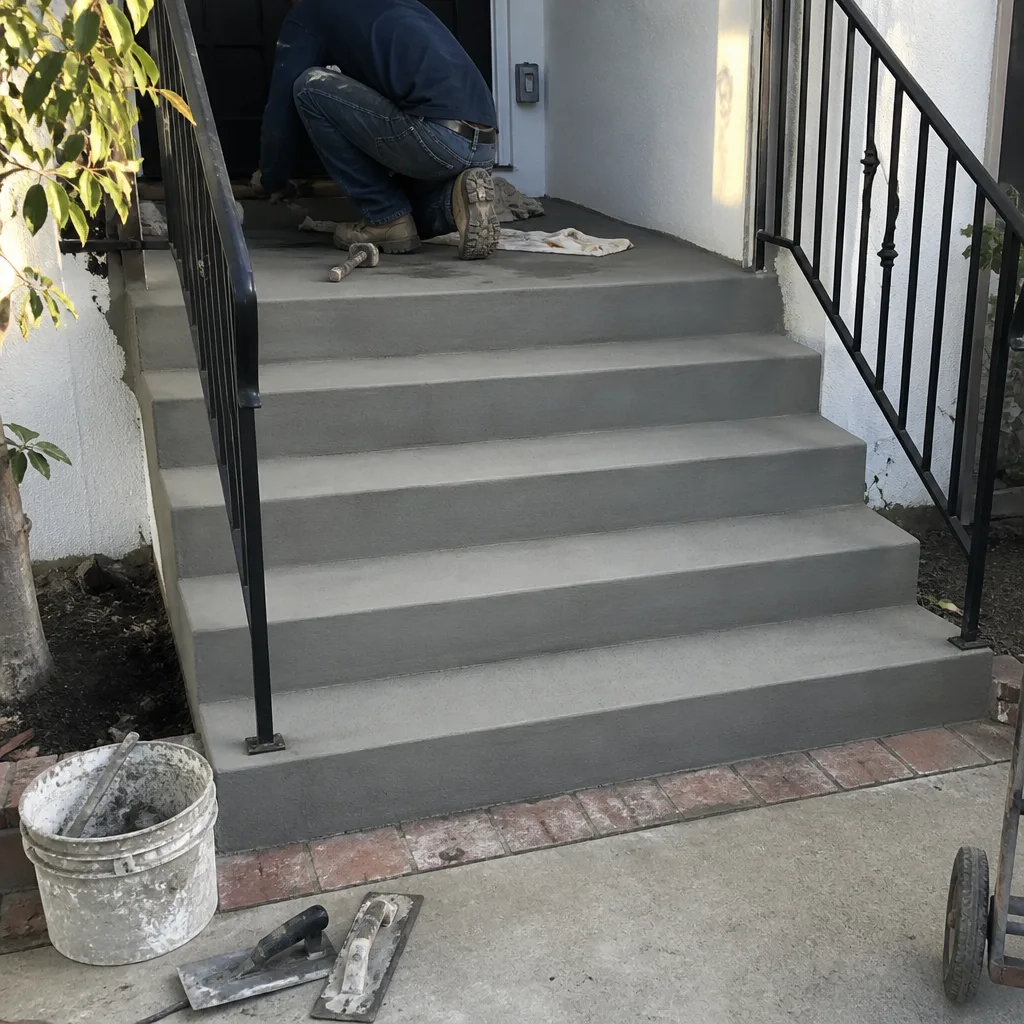 After
After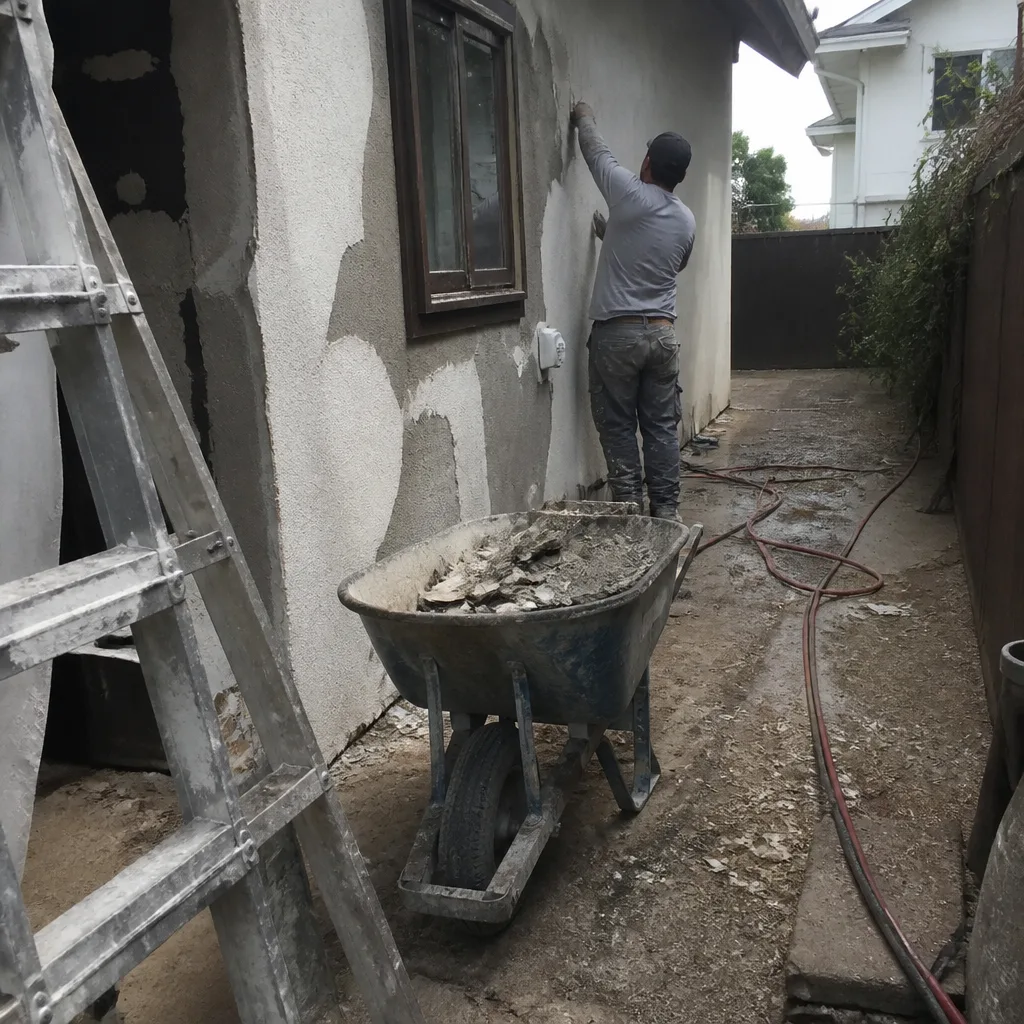 Before
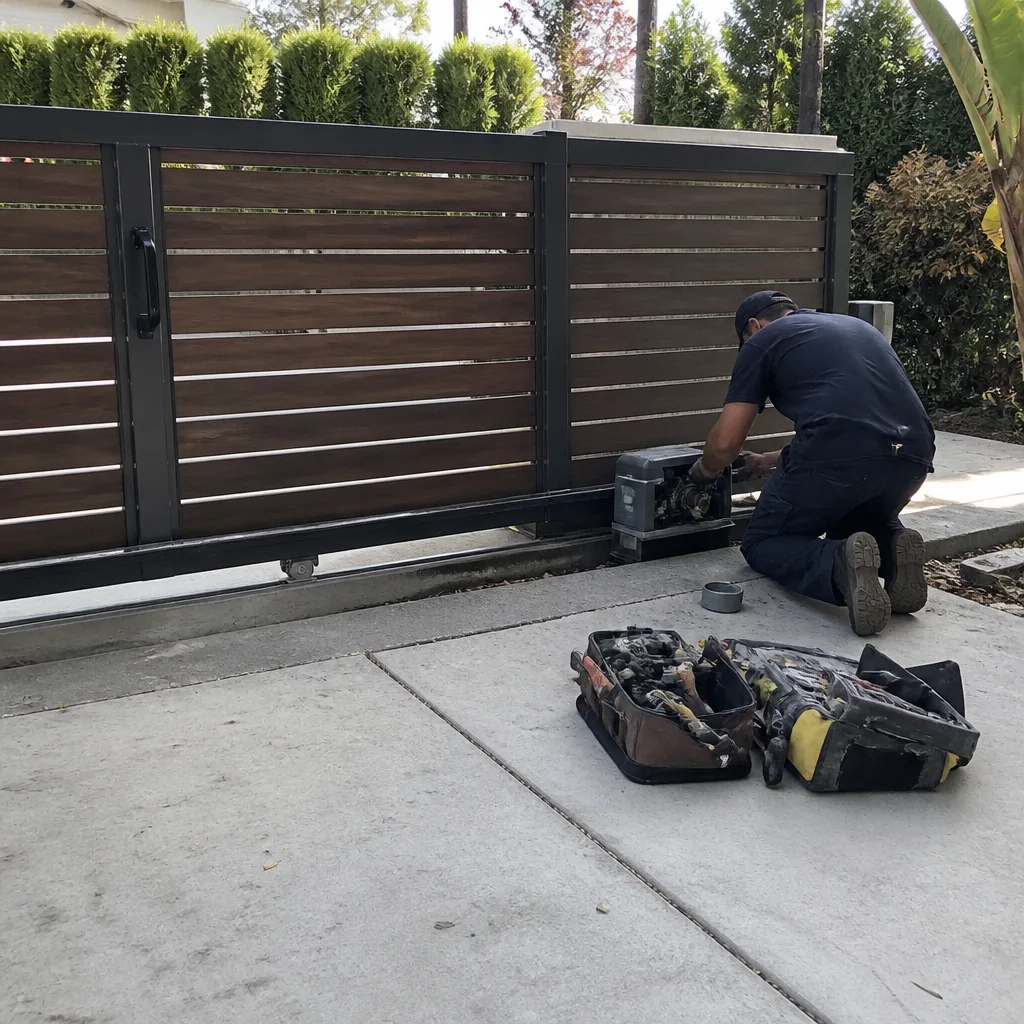 After
AfterWhen to Call a Professional
Some warning signs are only visible once work has already started. If you’re months into a project with no written change orders, if the crew stops showing up for days at a time with no explanation, if you discover unpermitted work already in progress, or if you’ve already handed over a deposit that exceeds California’s legal limit, you’re not in a do-it-yourself situation. You need a licensed, bonded contractor to assess what’s been done, identify what’s wrong, and give you an honest picture of what it will take to make it right. That’s a structural question, not a weekend project. If you’re in the Los Angeles area, Mason Remodeling offers free estimates for homeowners who want a second opinion from a contractor who puts everything in writing. Call (803) 680-2547 and we’ll walk you through it.
Frequently Asked Questions

The biggest warning sign is a vague or verbal scope of work. When the contract doesn’t specify products, quantities, and finish standards in writing, the contractor controls every pricing decision that follows. Call (803) 680-2547 if you want a second opinion on a scope you’ve already received.
In California, a contractor may not ask for more than $1,000 or 10% of the contract price, whichever is less. If your project is $25,000, the legal maximum deposit is $1,000. Any contractor asking for more is already out of compliance with state law.
No. Unpermitted work in Los Angeles can void your insurance coverage, create liability when you sell the home, and leave dangerous installations uncorrected. The savings from skipping permits never outweigh the risk.
Go to cslb.ca.gov and click “Check a License.” Enter the contractor’s license number to see the license status, bond and insurance information, workers’ compensation coverage, and any disciplinary actions or arbitration awards. This is a public record, free to check.
A California home improvement contract must include the contractor’s license number, a complete work description, a total contract price, a payment schedule with milestones, approximate start and completion dates, the right-to-cancel notice, and written change order procedures. If any of these are missing, don’t sign.
Some changes are normal when you open up walls and find conditions no one could predict. A 5-10% variance driven by written change orders is reasonable. A 50-100% increase driven by undefined prices and verbal approvals is not. The difference is always in the paperwork. If you’re not sure whether your project is on the right track, call (803) 680-2547 for an honest assessment.
The Bottom Line
A bad general contractor rarely looks like one at the start. They look busy, confident, and reasonably priced. The difference between a good contractor and a costly one shows up in the details: the written scope, the legal deposit, the CSLB verification, the permit handling, the contract terms, and the willingness to put everything in writing. Learn to check these things before you sign, and you’ll never be the homeowner describing a six-figure disaster to a lawyer. If you’re planning a Home Remodeling in Los Angeles, take the time to verify who you’re hiring. It costs 90 seconds now and save you years of regret.
Written by Isaac Pruett, Owner at Mason Remodeling, serving Los Angeles since 2004. For more guides & resources, visit our blog.