Last updated October 9, 2026






Free written scope consultation - allowances, timeline, and change-order rules on paper before a single trade is scheduled
General Contractor Maintenance Checklist for Los Angeles Homeowners
The most expensive repair call a Los Angeles homeowner makes is almost always traceable to a $200 maintenance item that was skipped the prior October. That skipped item is usually related to drainage, venting, or hillside retention, and by the time it becomes visible, the repair bill has multiplied tenfold. This guide walks through the calendar a Los Angeles house actually lives by: fire season, rainy season, and heat season. You’ll learn what a general contractor checks, what you can document yourself, and which issues need professional eyes before they become structural problems.
Quick Answer
A general contractor maintenance schedule for Los Angeles homeowners should be organized around three seasons: fire prep (late summer through fall), rain prep and post-rain inspection (fall through early spring), and heat stress checks (summer). The highest-priority items are drainage around the foundation, exterior wood trim and venting screens, stucco crack monitoring, retaining wall weep holes, and HVAC clearance. Most of these checks take under an hour each season, and documenting them creates a paper trail that insurance adjusters respect after a fire or flood claim.
Styles & brands we work with

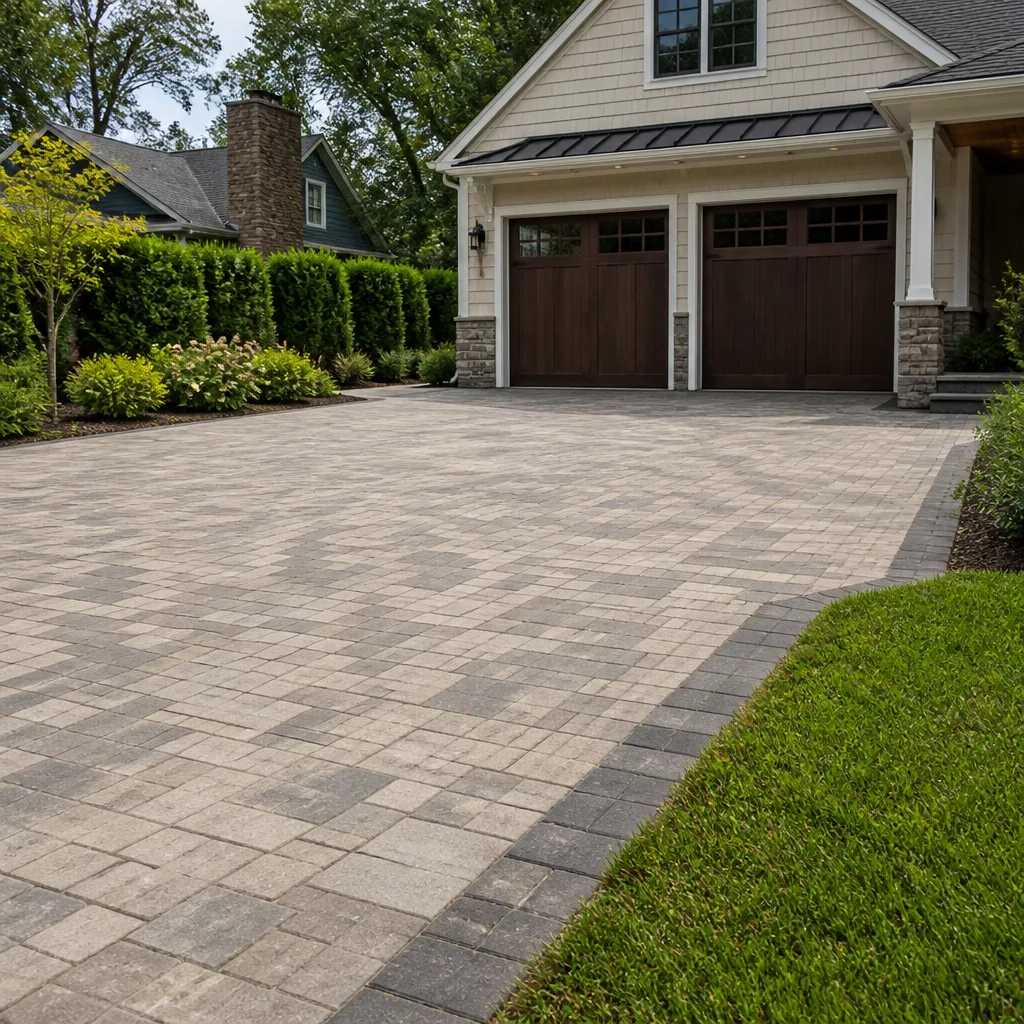
Table of Contents
- Fire Season Prep: What a Contractor Actually Checks
- Post-Rainy-Season Structural Checks Specific to Los Angeles
- Heat Season Stress Points on Older LA Homes
- How to Document Maintenance So Insurance Claims Hold Up
- Cosmetic vs. Structural Deferred Maintenance: How to Triage
- What Property Management Inspections Miss on Older LA Homes
- A Working Seasonal Schedule for Los Angeles Homeowners
- Common Mistakes to Avoid
- When to Call a Professional
- Frequently Asked Questions
Fire Season Prep: What a Contractor Actually Checks
Los Angeles fire season now stretches from roughly August through November, and in dry years it can bleed into December. The checklist items that actually matter are not the ones on generic home-maintenance blogs. A general contractor walking a Los Angeles property before fire season looks at five things first.
1. Attic Venting Screens
Embers enter homes through attic vents far more often than through windows or doors. The fix is simple: 1/8-inch metal mesh screening over every attic vent, including soffit vents, gable vents, and any roof-adjacent opening. What a contractor checks is whether the screen is metal (not fiberglass or plastic, which melt), whether it is fully secured with no gaps at the edges, and whether prior owners installed screens that have since rusted through near the coast or in canyon areas with salt air. In our experience on Mason Remodeling home inspections across Los Angeles, roughly one in three older homes has at least one vent with torn or missing screening.
2. Exterior Wood Trim Condition
Dry, cracked fascia boards, window trim, and eave details act as kindling when embers land. A contractor checks for peeling paint that exposes bare wood, dry rot at joints, and any gap between trim and stucco where embers can wedge. Homes in the San Fernando Valley and foothill communities like La Crescenta or Tujunga see faster trim degradation because of sustained dry heat, so inspection timing matters.
3. HVAC Clearances
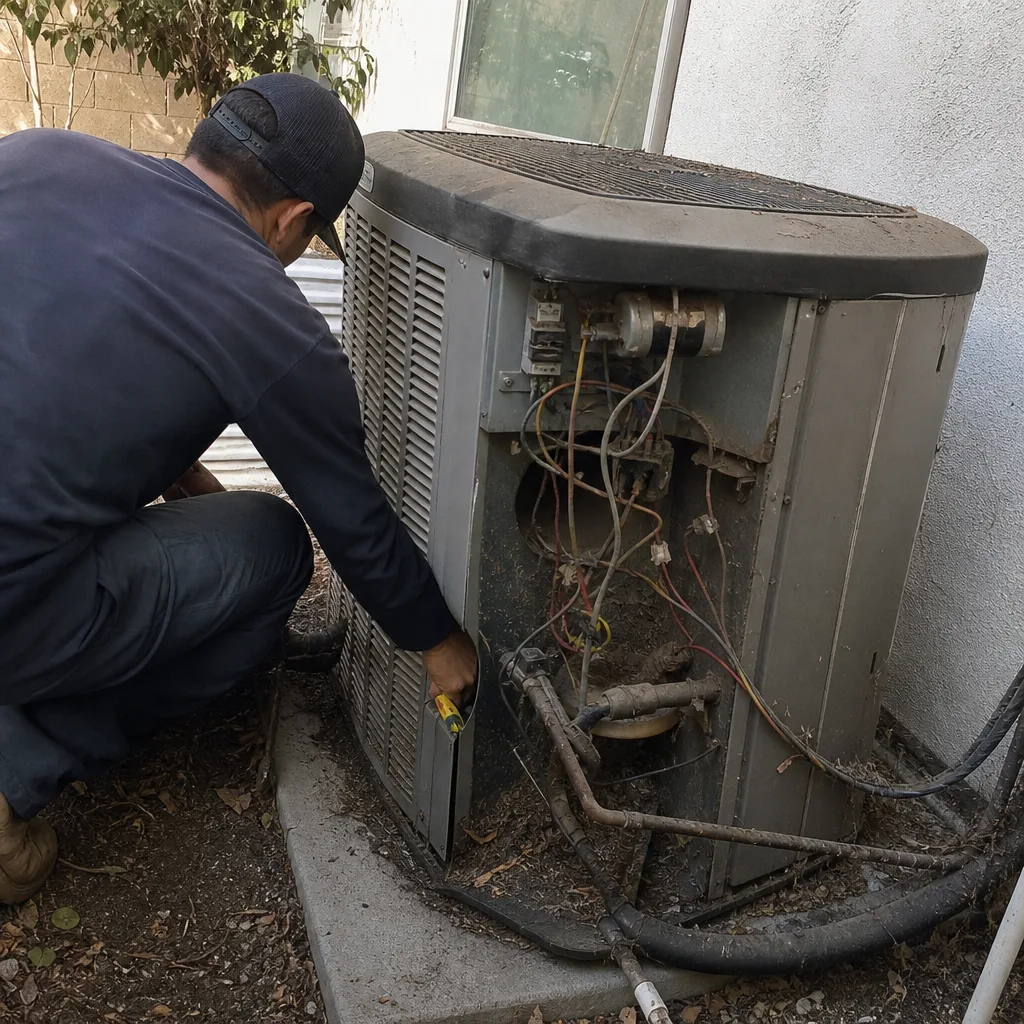
Condenser units sitting against the house with dead leaves, pine needles, or accumulated debris behind them create an ignition point. The clearance standard most Los Angeles contractors follow is a minimum of 18 inches of clear space on all sides of the unit. This also improves airflow efficiency, which reduces strain during the heat season that follows fire season.
4. Deck Attachment Points
Decks attached to the house with lag bolts into the rim joist can pull loose over years of expansion and contraction. Before fire season, a contractor verifies that attachment hardware is tight, that flashing above the ledger board is intact, and that no combustible debris has accumulated in the gap between deck boards. This is a structural safety item as much as a fire item, and it is one of the most commonly skipped checks on hillside homes.
5. Defensible Space Around the Structure
Los Angeles Fire Department guidelines call for a 5-foot ember-resistant zone around the house. That means no bark mulch against the foundation, no stacked wood against the wall, and no dead vegetation in planter beds that touch the structure. A general contractor can advise on hardscape adjustments, including paver options from Belgard or Techo-Bloc that hold up in fire-prone zones without creating fuel.
Post-Rainy-Season Structural Checks Specific to Los Angeles
Los Angeles gets most of its rain between December and March, often in short, intense bursts. The ground saturates quickly, drains slowly in clay-heavy soil zones, and everything the rain did to the house becomes visible in April. These are the checks a contractor performs after the rainy season ends.
Foundation Drainage and Soil Movement
After a wet winter, a contractor looks for three signs: soil pulling away from the foundation (indicating expansion followed by contraction), water staining on the foundation stem wall, and efflorescence (the white chalky mineral deposit left when water evaporates through concrete). In neighborhoods built on expansive clay, including parts of the mid-city and the eastern San Fernando Valley, seasonal soil movement is normal but must be monitored. When gutter downspouts discharge within three feet of the foundation, the problem is correctable before it becomes a structural issue.
Retaining Wall Weep Holes
Los Angeles hillside homes rely heavily on retaining walls, and every properly built retaining wall has weep holes: small openings near the base that let groundwater escape instead of building up behind the wall. After a rainy season, a contractor checks that weep holes are clear of soil, roots, and debris. A blocked weep hole means hydrostatic pressure builds behind the wall, which is the most common cause of retaining wall failure in Los Angeles. This is not a handyman-level check if the wall is over four feet tall or supports a driveway.
Stucco Cracks That Let Moisture Into the Wall Cavity
Hairline stucco cracks are cosmetic. Cracks wider than 1/16 of an inch, cracks that run diagonally from window or door corners, and cracks that have grown since the previous inspection are structural warning signs. In Los Angeles, where stucco is the dominant exterior finish on homes built from the 1920s through the 2000s, water intrusion through cracks causes dry rot in the framing behind the stucco. The repair is not caulking the crack; it is finding out whether moisture has already entered the wall cavity. A contractor uses a moisture meter to check, and the fix varies from patching to cutting out and replacing the affected stucco section.
Roof Flashing and Valley Inspection
Los Angeles roofs take a beating from UV exposure even when it is not raining. After the rainy season, a contractor checks flashing around chimneys, skylights, and plumbing vent pipes. Cracked sealant at flashing joints is the most common source of slow roof leaks that go unnoticed until the ceiling stains. On composition shingle roofs, the check includes looking for granule loss in valleys where water channels during storms.
Gutter and Downspout Function
This sounds basic, but Los Angeles homes often lack gutters entirely on certain elevations, and on homes that have them, the downspouts frequently discharge into planter beds that slope back toward the foundation. A contractor checks flow direction, verifies that splash blocks or extensions are in place, and confirms that no fountain effect is occurring at the base of the downspout where water spills over clogged gutters during heavy rain.
Heat Season Stress Points on Older LA Homes
Los Angeles heat season runs from roughly June through October, with September typically bringing the worst sustained temperatures. Older homes, meaning pre-1980 construction, were not designed for the heat cycles Los Angeles now experiences. The stress points are predictable.
Window and Door Frame Movement
Wood frames expand and contract through heat cycles, and on older Los Angeles homes with original wood windows, that movement can cause sashes to stick, locks to misalign, and caulking to crack. A contractor checks window operation in the spring before heat sets in, because a window that sticks in May will be completely immovable in September. The fix is usually planing or adjusting the sash, not replacement, unless the frame has dry rot.
Expansion Joint Failures in Hardscape and Concrete
Concrete driveways, walkways, and pool decks expand in Los Angeles heat, and without proper expansion joints, the concrete cracks or buckles. A contractor checks that expansion joints are clean and that concrete sections have room to move. On paver installations using products from Belgard or Unilock, the check is for edge restraint failure, where perimeter pavers shift outward and create gaps.
Attic Ventilation Adequacy
Most older Los Angeles homes are under-ventilated for the heat loads they now carry. Proper attic ventilation requires a balance of intake vents at the eaves and exhaust vents near the ridge. A contractor checks that insulation has not been pushed over soffit vents (a common mistake after insulation retrofits), that ridge vents are not blocked, and that no bathroom or kitchen exhaust fans discharge into the attic. High attic temperatures shorten the life of composition shingles and force air conditioning systems to work harder.
AC Condensate Drain Lines
During peak heat season, air conditioning condensate lines clog with algae and mineral buildup, especially in Los Angeles where water is hard. A contractor checks that the primary and secondary condensate drain lines are clear and that the overflow switch is functional. A clogged line causes water to back up into the air handler, and on older homes where the air handler sits in the attic, that means ceiling damage below.
How to Document Maintenance So Insurance Claims Hold Up
After a fire or flood event in Los Angeles, insurance adjusters ask for proof of maintenance. A verbal claim that “we had the roof checked last year” carries no weight. What carries weight is a dated, written record with photos. Here is the documentation system that works.
- Take date-stamped photos before and after every maintenance item. Your phone does this automatically, but take the extra step of saving photos to a dedicated folder or cloud album named by year and system (roof, drainage, exterior, etc.).
- Keep a one-page maintenance log. Each entry should include the date, the area checked, what was found, and what action was taken. A spiral notebook works; a shared digital note works better because it survives fires and floods.
- Save invoices from every professional visit. Even a $150 gutter cleaning invoice is evidence that the system was maintained. If the work was done by a general contractor, the invoice should describe the scope in detail, not just say “maintenance visit.”
- Photograph the condition of the house at least twice a year. A full exterior walk-around in April and October, shot from the same angles each time, creates a visual timeline that adjusters can compare against a post-loss inspection.
- Store records off-site. A house fire destroys the paper file in the garage. Cloud storage or a safety deposit box for critical documents, including the maintenance log and major repair invoices, is the standard practice we recommend to every Los Angeles homeowner we work with on general contractor services in Los Angeles.
The documentation threshold that matters is this: can you show that a reasonable homeowner in Los Angeles would have done the same maintenance? If the answer is yes, and you have the records to prove it, your claim position is fundamentally stronger.
Cosmetic vs. Structural Deferred Maintenance: How to Triage
Not every deferred maintenance item deserves the same urgency. The triage system a contractor uses separates cosmetic issues from structural ones, and the distinction determines whether you call a handyman or a licensed general contractor. For general contractor troubleshooting on common problems and how to fix them, see our dedicated guide.
Cosmetic Deferred Maintenance (Handyman Territory)
- Peeling interior paint. Annoying, but it does not threaten the structure. A handyman handles this.
- Hairline stucco cracks under 1/16 inch. Normal expansion cracks. Monitor them seasonally; patch with elastomeric sealant if they bother you.
- Sticking interior doors. House settling causes this. A handyman can plane the door; if multiple doors stick suddenly, that is a different problem (see structural below).
- Worn caulking around tubs and sinks. Cosmetic until water visibly penetrates. Handyman work.
Structural Deferred Maintenance (General Contractor Territory)
- Foundation cracks wider than 1/8 inch, or cracks that change seasonally. These require a structural evaluation, not a patch.
- Multiple doors or windows sticking at once. When several openings fail simultaneously, the house is moving in a way it should not. This is a foundation or framing issue.
- Water staining on ceilings below bathrooms or the roof. By the time staining is visible, the leak has been active for weeks or months. The damage behind the drywall is always worse than what you see.
- Retaining wall leaning or bulging. A retaining wall that has moved more than an inch from plumb is in active failure. This is not a repair; it is a rebuild.
- Floor slopes that change more than 1/4 inch over 10 feet. Los Angeles hillside homes settle over decades, but accelerating settlement requires a foundation specialist, not a floor patch.
The rule of thumb: if the issue affects water management, structural connection, or load-bearing elements, it belongs with a licensed contractor. If it affects only appearance or minor function, a handyman is the right call. Making the wrong call in either direction costs money: a contractor’s rate for cosmetic work is overpaying, and a handyman’s rate for structural work is delayed danger.
What Property Management Inspections Miss on Older LA Homes
Property management companies do routine inspections, but they are not builders. Their checklists cover visible, tenant-related items: working smoke detectors, functioning appliances, no obvious water leaks. What they miss on older Los Angeles homes is the stuff hiding inside walls, under the house, and behind the stucco.
1. Crawl Space Conditions
Older Los Angeles homes, particularly those built before 1960, sit on raised foundations with crawl spaces. Property managers rarely enter them, and tenant complaints never reference them. A contractor checks for standing water, dry rot on floor joists, termite damage, disconnected ductwork, and rodent entry points. A damp crawl space in a Los Angeles home is often the root cause of the musty smell that gets blamed on old carpet.
2. Electrical Panel Condition
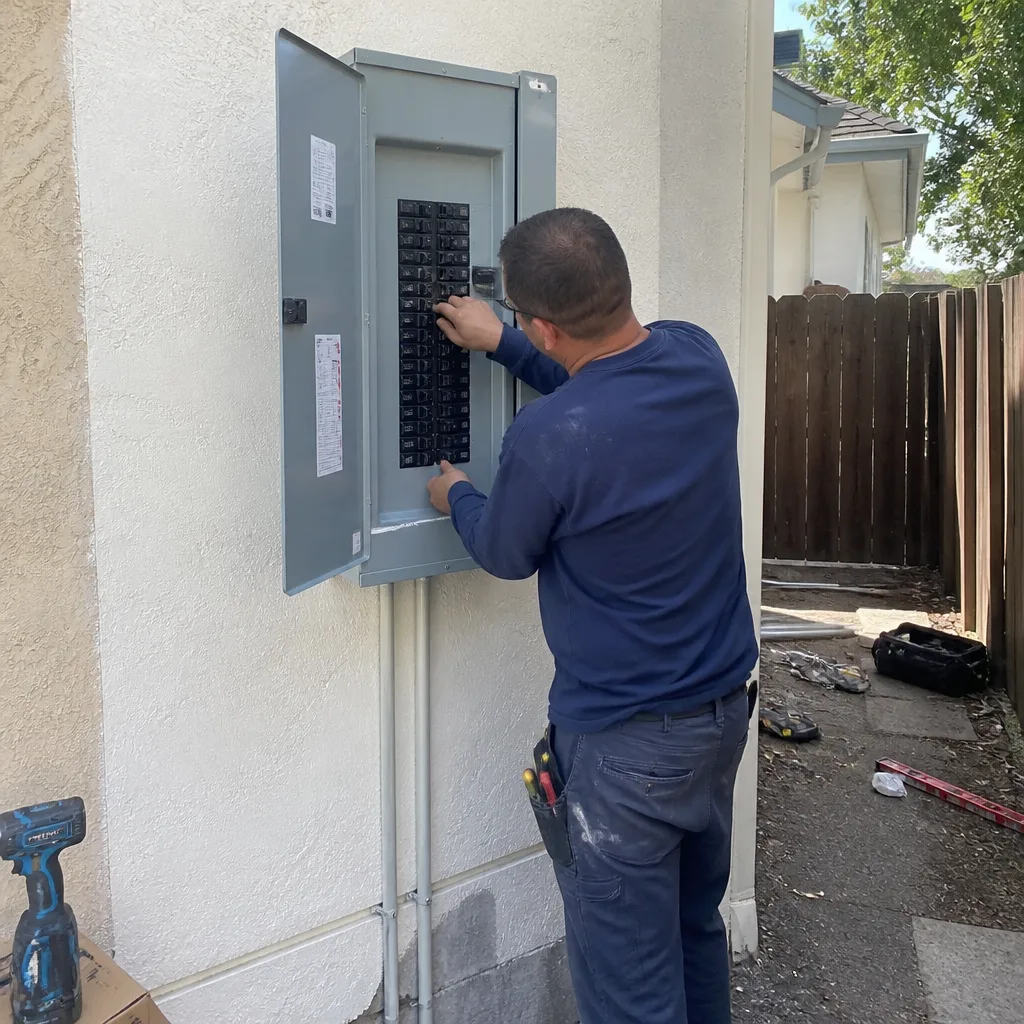
Los Angeles has thousands of homes still running original electrical panels from the 1950s and 1960s, including brands now known to be fire hazards. A property management inspection confirms the panel exists; a contractor checks for corrosion, double-tapped breakers, overheated bus bars, and whether the panel capacity matches the home’s current electrical load. Homes that have added air conditioning, electric vehicle chargers, or major appliances since the panel was installed are frequently overloaded.
3. Plumbing Supply Line Age and Material
Galvanized steel supply lines corrode from the inside out, and Los Angeles hard water accelerates the process. A property management inspection cannot see inside the pipes. A contractor who is already in the crawl space or at the water main can check flow rates, visible corrosion at connection points, and the presence of any polybutylene piping, which is a known failure material. Whole-home repipes are common on Los Angeles homes from the 1940s through the 1960s.
4. Attic Structural Framing Connection Points
Older Los Angeles homes sometimes have framing connections that were adequate in 1950 but do not meet current seismic standards. A contractor checks for missing hurricane ties or foundation anchor bolts, especially on homes that have not been retrofitted since the 1994 Northridge earthquake. This is a seismic safety item that property management inspections simply do not cover.
5. Exterior Paint as a Moisture Barrier
In Los Angeles, exterior paint is not decoration. It is the moisture barrier that protects wood siding and trim from winter rain. When paint fails and bare wood is exposed, rot begins within one rainy season. Property managers note paint condition as a curb appeal item; a contractor evaluates it as a structural protection item and recommends repainting windows in the schedule that aligns with Los Angeles weather patterns.
A Working Seasonal Schedule for Los Angeles Homeowners
Here is the maintenance calendar that matches how Los Angeles actually behaves, season by season. This is the schedule we recommend during home remodeling projects in Los Angeles, because it prevents the small issues from becoming remodel-scale problems.
March through April: Post-Rain Inspection
- Walk the foundation perimeter after a rain. Look for standing water within three feet of the house for more than 24 hours.
- Check all retaining wall weep holes and clear any blockages.
- Inspect stucco for new or widening cracks, especially at window and door corners.
- Check the attic for water staining on rafters or decking.
- Clean gutters and verify downspout discharge away from the foundation.
May through June: Pre-Dry-Season Repairs
- Complete any stucco repairs before the dry heat sets in, when patching materials cure properly.
- Adjust sticking doors and windows.
- Check AC condensate lines and clear them.
- Inspect attic ventilation and confirm insulation has not blocked soffit vents.
- Apply exterior paint touch-ups to bare wood before fire season.
July through September: Heat Stress Monitoring
- Check window and door operation monthly during peak heat.
- Monitor concrete and paver expansion joints for movement.
- Verify that AC systems are draining properly and that no water is visible around the air handler.
- Inspect exterior wood trim for drying and cracking.
October through November: Fire Season Prep
- Confirm attic vent screens are metal and intact.
- Clear all combustible debris from the 5-foot zone around the house.
- Check deck attachment points and flashing.
- Verify HVAC clearances and clear debris behind condenser units.
- Take the full exterior photo set for your documentation file.
December through February: Rainy Season Vigilance
- After each significant storm, check for water intrusion at windows, doors, and the foundation.
- Monitor retaining walls during and immediately after heavy rain.
- Keep gutters clear of leaves, especially if you live near mature trees in neighborhoods like Hancock Park or the Oaks.
- Check crawl space moisture after storms; a wet crawl space in January leads to rot by March.
Common Mistakes to Avoid
- Using a generic four-season checklist. Los Angeles does not have a winter freeze or a fall leaf season in the same way the East Coast does. A checklist built for Connecticut tells you to drain outdoor faucets before the freeze, which is irrelevant in most of Los Angeles, and it misses fire season entirely.
- Documenting nothing. The maintenance work only protects your insurance claim if you can prove you did it. An undated photo of a clean gutter is worth almost nothing to an adjuster.
- Caulking structural stucco cracks. Filling a structural crack with caulk traps moisture inside the wall cavity and accelerates rot. The crack needs to be evaluated, not hidden.
- Ignoring blocked weep holes. A blocked weep hole on a retaining wall is a five-minute fix that, when skipped, becomes a $30,000 wall replacement.
- Deferring paint on exposed wood. Bare wood in Los Angeles goes from sound to rotten in one rainy season. Paint is a maintenance item, not a cosmetic choice.
- Calling a handyman for structural work. Handymen are valuable for cosmetic and minor functional work, but when the foundation, framing, or drainage is involved, you need a licensed general contractor.
- Skipping the October photo set. The exterior documentation you take in October is the baseline your insurance claim will be compared against if fire or flood hits. Skipping it gives the adjuster room to argue about pre-existing conditions.
When to Call a Professional
Call a general contractor when you see foundation cracks wider than 1/8 inch, a retaining wall that has moved, water staining that appears or spreads after rain, multiple doors or windows sticking at the same time, or any sign that water is entering the wall cavity. These are not handyman items, and waiting on them never makes the repair cheaper. If you are unsure whether an issue is cosmetic or structural, a professional inspection answers that question definitively. Mason Remodeling offers free estimates in Los Angeles. Call (803) 680-2547 to schedule one, and the written price we provide covers the scope we discuss, before any work begins.
Frequently Asked Questions
A basic maintenance inspection in Los Angeles typically runs $150 to $350 depending on home size and whether any specialized equipment is needed, while more comprehensive structural evaluations on older or hillside homes can run $500 or more. Mason Remodeling provides free estimates, so call (803) 680-2547 to discuss what your home needs and get a written price before committing.
Twice a year is the right cadence for most Los Angeles homes: once in April after the rainy season, and once in October before fire season. Homes on hillsides, in canyon areas, or built before 1960 benefit from a third check in January or February if the winter has been unusually wet.
Most routine maintenance does not require a permit in Los Angeles, including painting, stucco patching, gutter cleaning, and minor trim repair. Structural repairs, retaining wall work, foundation work, and any electrical or plumbing changes do require permits. A licensed contractor will pull permits when they are required and will tell you before work begins.
A home inspection is a comprehensive evaluation typically done before a purchase, looking at every system for report purposes. A contractor maintenance check is a targeted walk-through focused on conditions that will cause damage if left unaddressed: drainage, water intrusion, structural movement, and fire hardening. The contractor check is about prevention, not transaction.
Repair is usually possible when the wall is structurally sound, the weep holes are functioning, and any movement is under one inch from plumb. Replacement becomes necessary when the wall is leaning noticeably, has visible bulging, shows soil movement behind it, or has cracked through multiple courses. Call (803) 680-2547 for a free evaluation, and we will give you a written assessment of whether repair or replacement is the right call.
Before fire season, clear the 5-foot zone around the house of combustible materials, verify that attic vent screens are metal and intact, check that exterior wood trim is painted and sealed, confirm at least 18 inches of clearance around HVAC condenser units, and inspect deck attachment points and flashing. Take date-stamped photos of everything once complete.
The Bottom Line
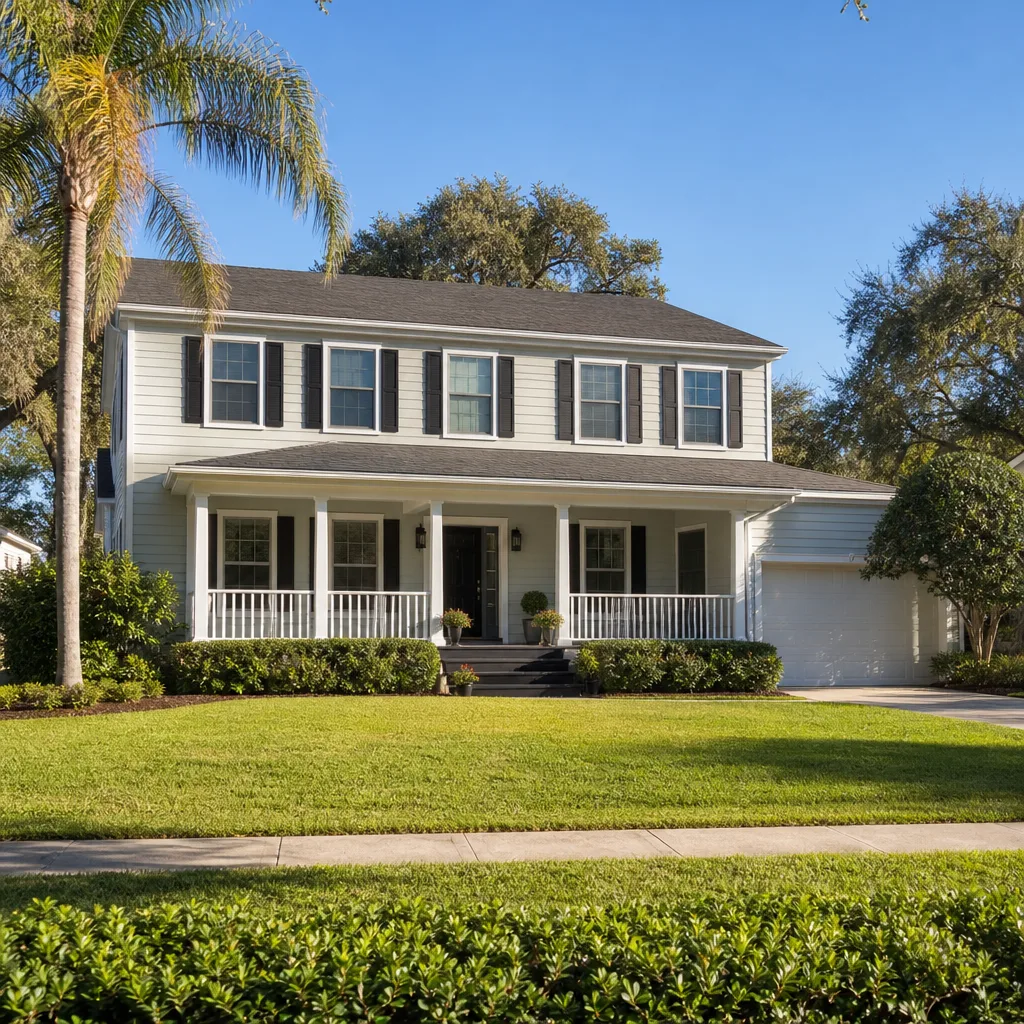
Los Angeles maintenance is not about following a generic seasonal checklist. It is about understanding the three seasons your house actually lives through: fire season, rain season, and heat season, and addressing each one on its own calendar. The work itself is usually simple: clear a weep hole, replace a vent screen, paint a fascia board, clean a gutter. What makes the difference is doing it on time, documenting it, and knowing when a cosmetic issue has crossed into structural territory. That is where a qualified general contractor earns the call, and where skipping the call costs far more than the inspection ever would. For more guides & resources on protecting your Los Angeles home, explore our blog.
Written by Isaac Pruett, Owner at Mason Remodeling, serving Los Angeles since 2004.
See the difference
 Before
 After
After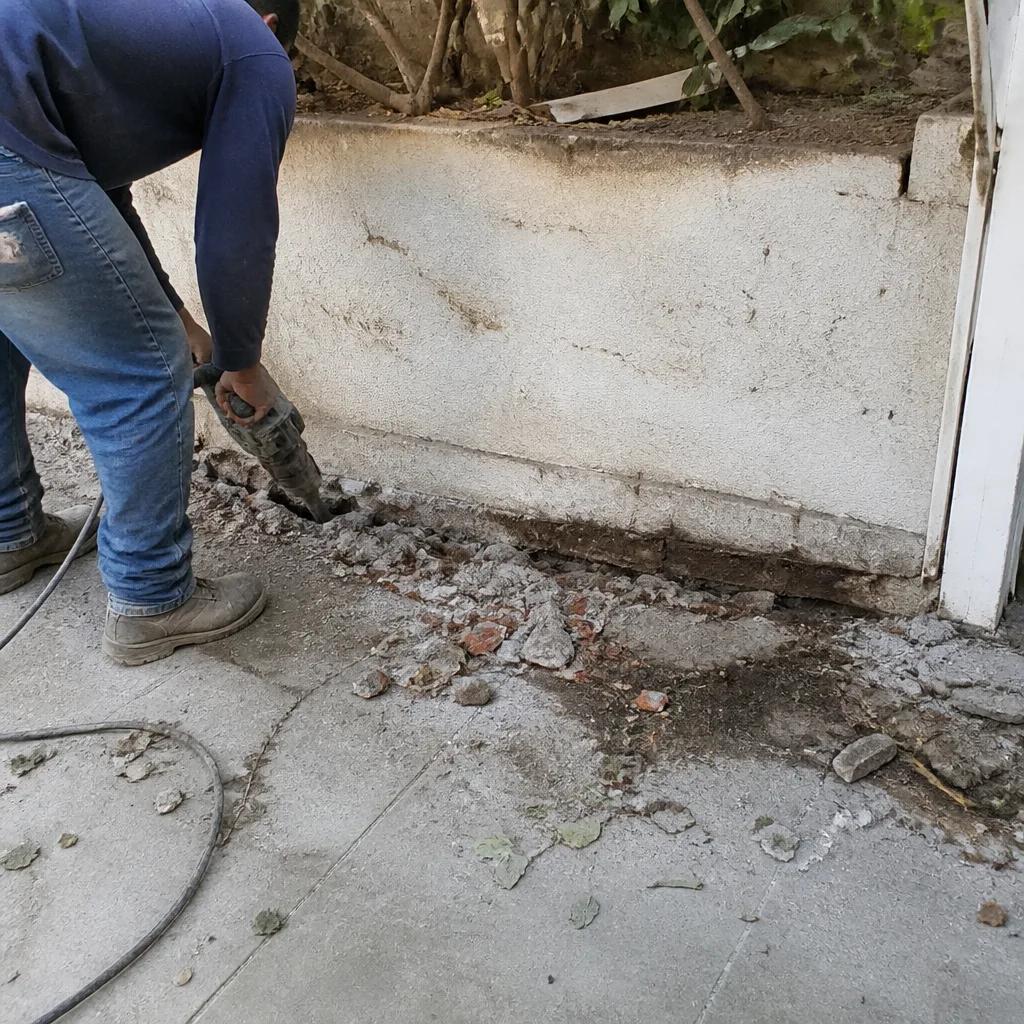 Before
 After
After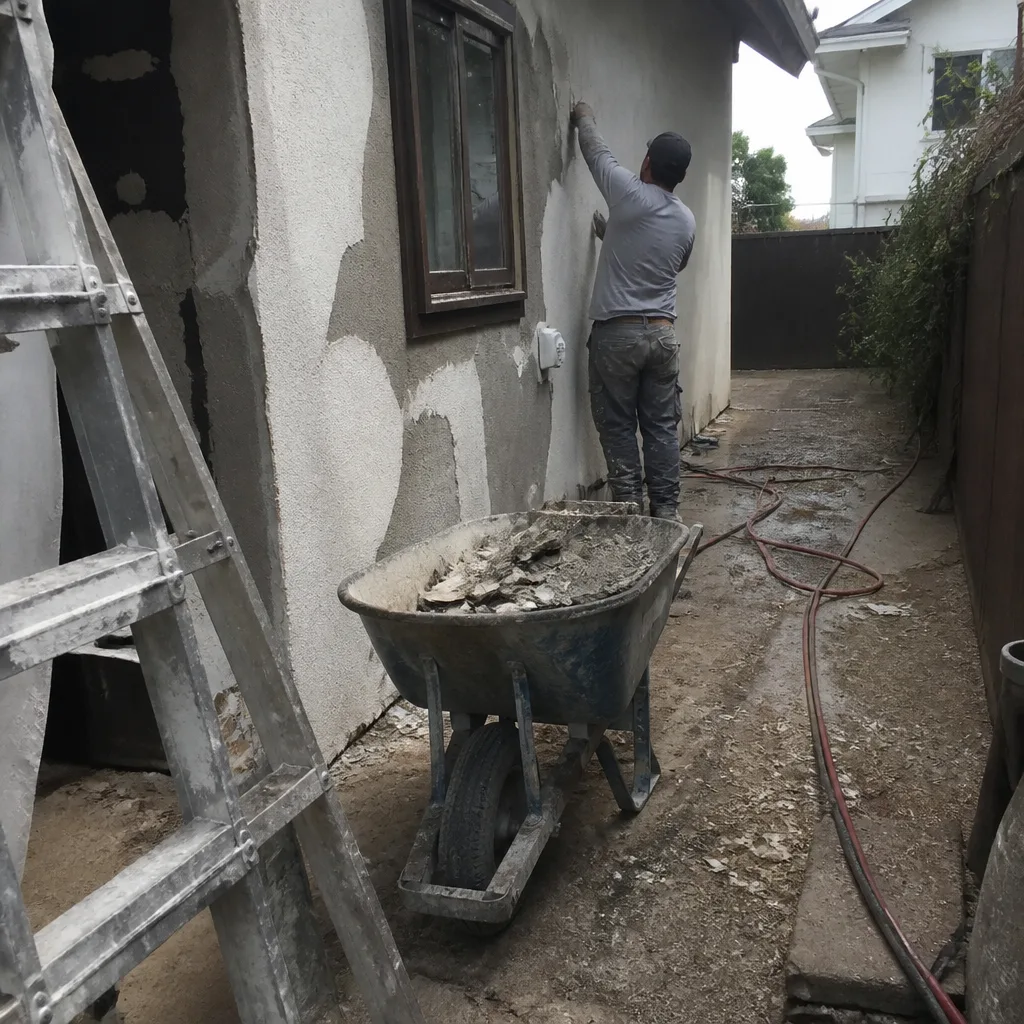 Before
 After
After