



Free written scope consultation - allowances, timeline, and change-order rules on paper before a single trade is scheduled
What’s Happening
A home renovation typically takes anywhere from a few weeks for a single bathroom to six months or more for a whole-home remodel, depending on the scope of work, permit timelines, and material lead times. The single biggest variable is how well the project was planned before the first tool was touched.
Most homeowners ask this question because a project they already started – or one they’re about to start – doesn’t have a clear timeline attached to it. That’s a real problem. A renovation without a defined schedule is one that tends to run indefinitely. Scope expands, decisions get deferred, crews get double-booked, and suddenly a “six-week kitchen” is still unfinished at month four. Understanding what actually drives a renovation timeline is the fastest way to protect your home, your budget, and your sanity before the first wall comes down.
Why It Happens

The scope wasn’t fully defined before work started
Vague instructions produce vague results. When a project kicks off without detailed drawings, a confirmed material list, and a permit application already in motion, the schedule is essentially invented on the fly. You’ll know this is your situation if your contractor is still asking you to “pick out tile” after framing has already started, or if the project description is something loose like “update the bathroom” rather than a line-item scope of work. Every decision made mid-project adds days. Sometimes weeks.
Permit timelines weren’t accounted for
Structural work, electrical, plumbing, and mechanical changes require permits in most jurisdictions, and permit reviews take time – sometimes a few days, sometimes several weeks. A contractor who didn’t factor permit lead time into the schedule will hit a hard stop the moment an inspector needs to approve rough-in work before walls close. If your project has suddenly gone quiet and no one can explain why, permit status is usually the first thing worth asking about.
Material lead times ran longer than expected
Custom cabinetry, specialty tile, and specific fixtures all carry lead times that can range from two weeks to four months. If those orders weren’t placed before demolition began, the project waits for the materials – not the other way around. You’ll recognize this pattern when work on your home has stopped and the explanation involves “waiting on a delivery.” With specification-grade lines like KraftMaid, Wellborn, Cambria, or Kohler, lead times are predictable when ordered correctly – and unpredictable when ordered late.
Change orders weren’t priced or scheduled before work changed direction
Every time the scope of a project changes after work starts, it creates a ripple. New work needs pricing, scheduling, and sometimes new permits. A project that accumulates unpriced changes mid-stream is one where the crew loses its rhythm, costs climb without warning, and the end date becomes a moving target. If you’ve heard “we’ll figure out the cost later” more than once on your current project, that phrase is likely adding time as fast as it’s adding dollars.
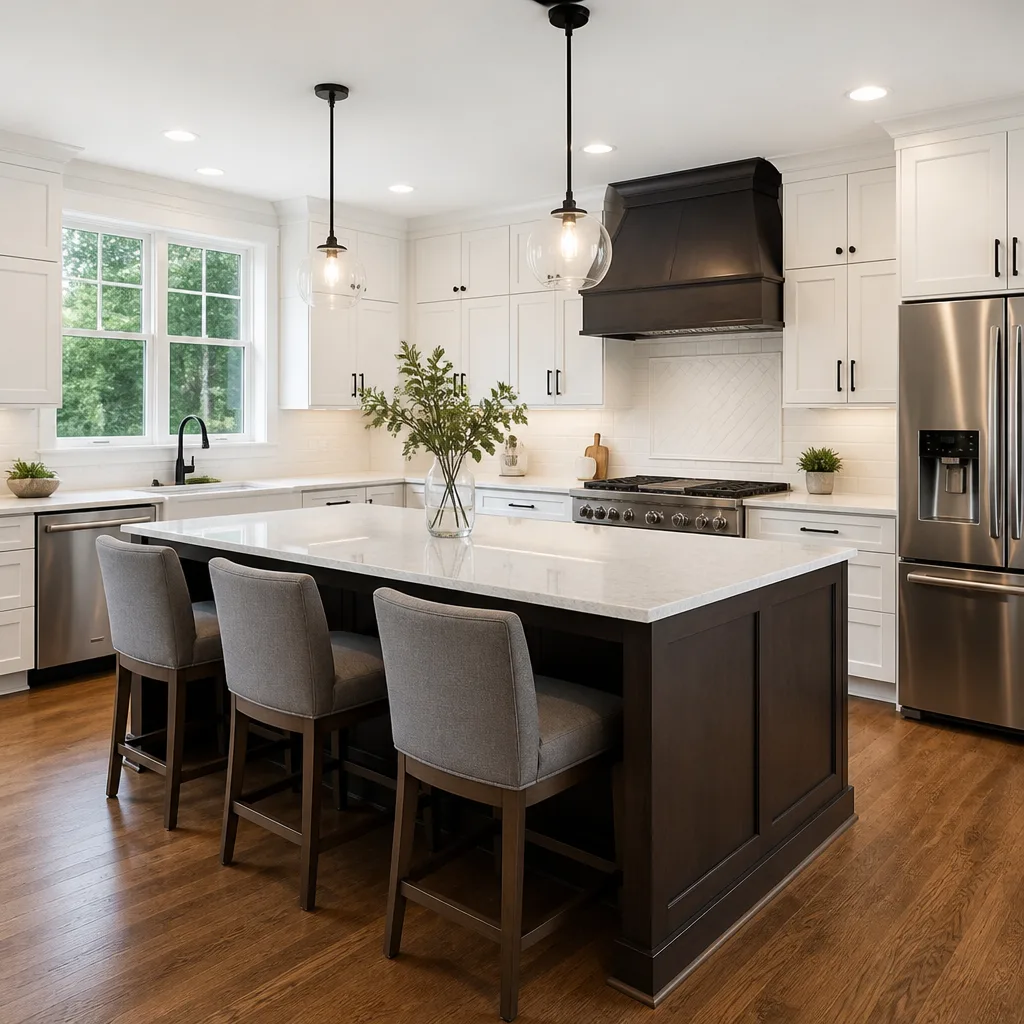
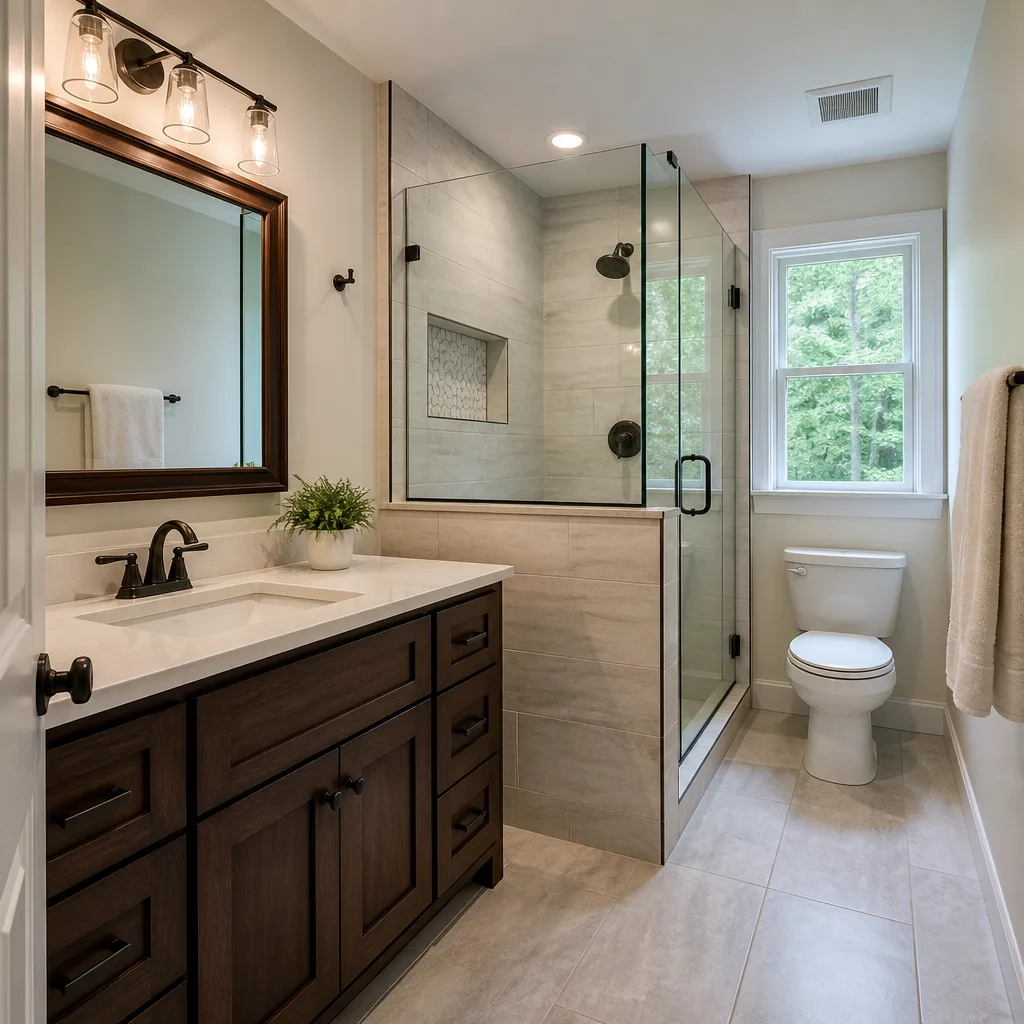
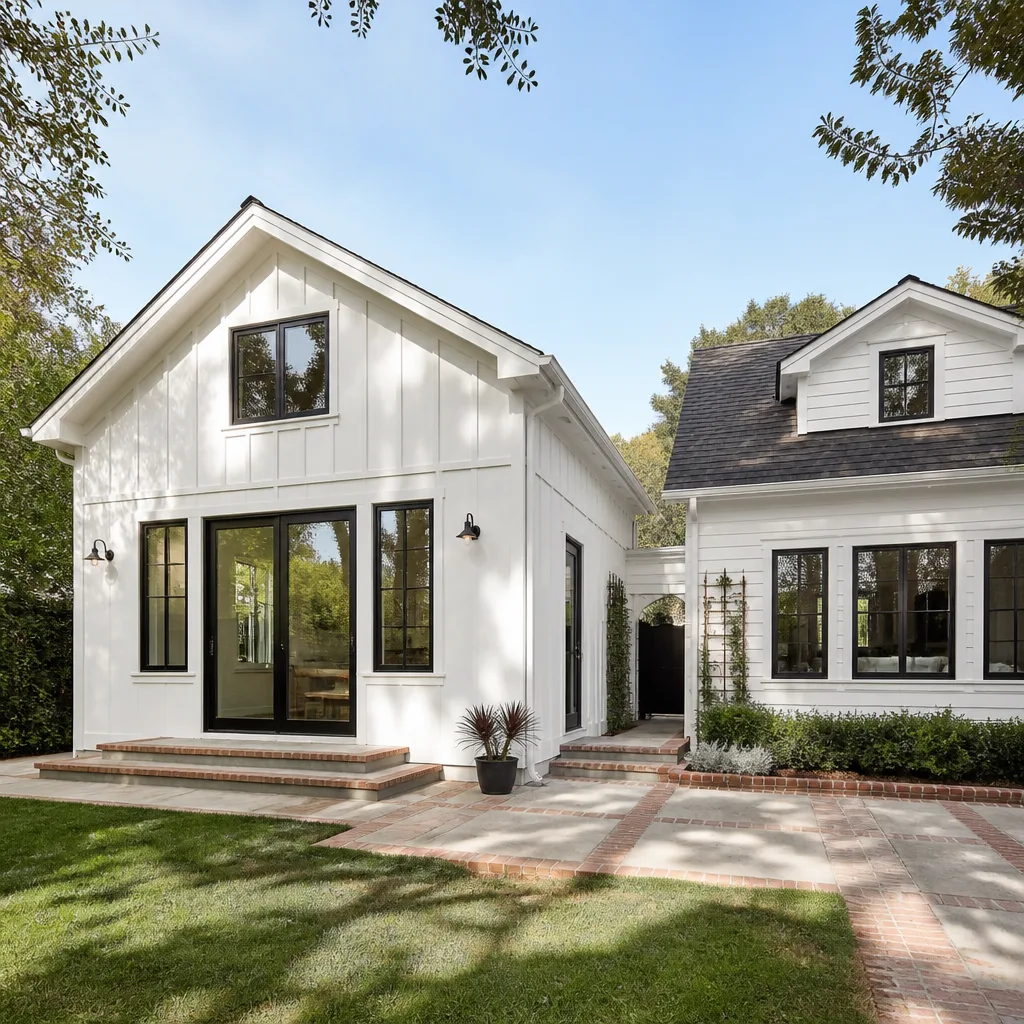
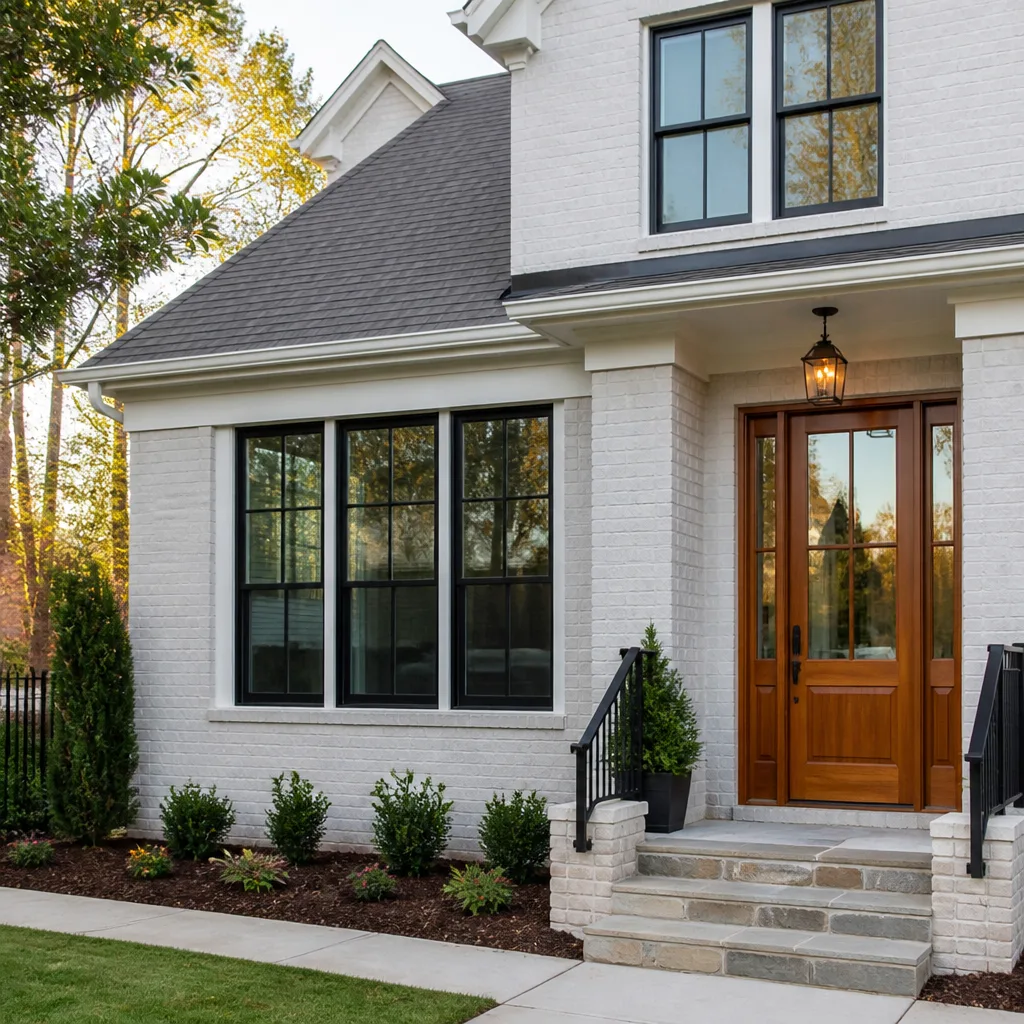
Styles & brands we work with


What to Do Right Now
- Write down what you actually know about your current timeline. When was the start date? What was the original completion date? What stage is the work at today? Having those dates in one place makes it much easier to diagnose where time was lost and what’s still ahead.
- Ask for a written schedule broken into phases. A legitimate general contractor can tell you, in writing, what work happens in what order and approximately how long each phase takes. If you can’t get that in writing, that’s diagnostic information in itself.
- Check permit status if you haven’t already. Permits are public records. Your local building department can tell you whether a permit was pulled for your project and what its status is. Work done without required permits can create serious problems at resale.
- Photograph where the project stands today. Before anything else moves or gets covered up, document it. Photos with timestamps protect you if there’s ever a dispute about what was done, when, and to what standard.
- Stop authorizing new work verbally. If your project is already off schedule and over budget, don’t approve additional changes out loud. Any new scope should come with a written price attached before the work starts – no exceptions.
See the difference
 Before
 After
After Before
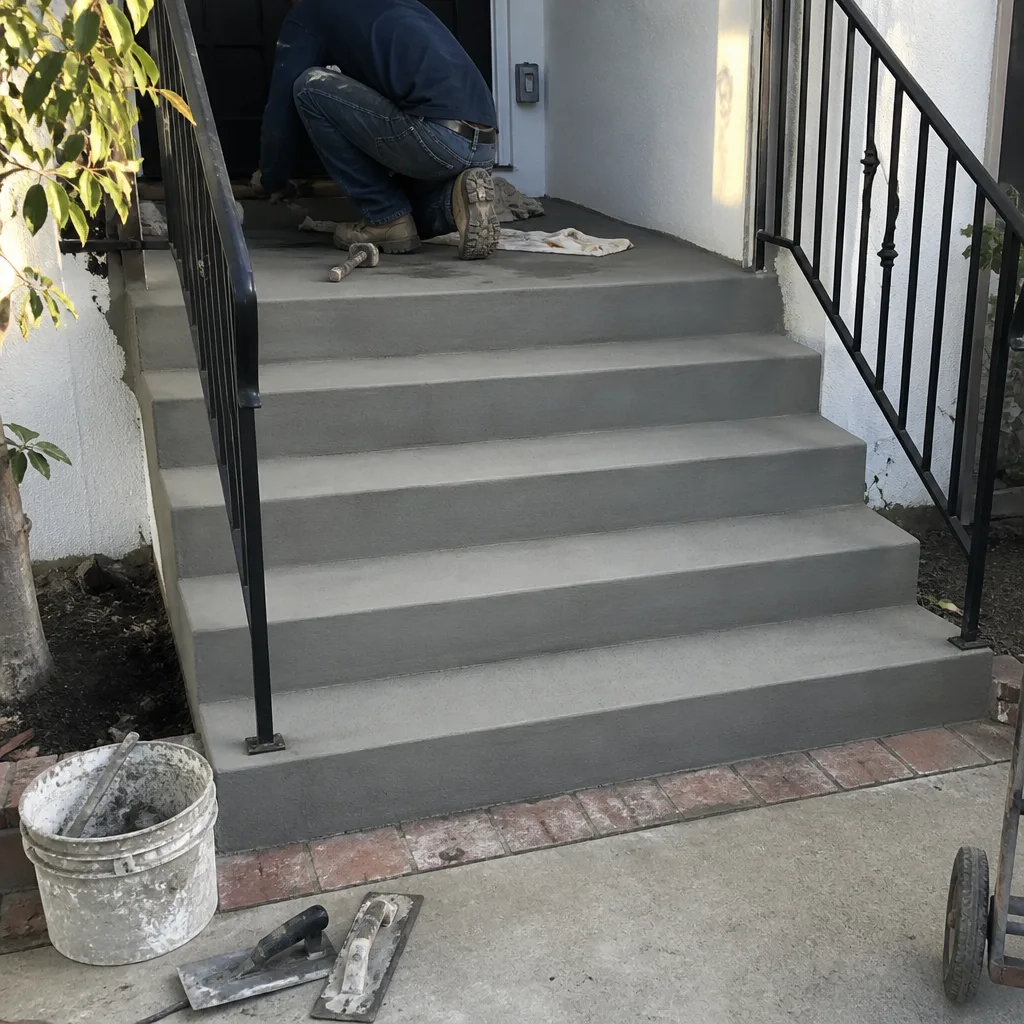 After
After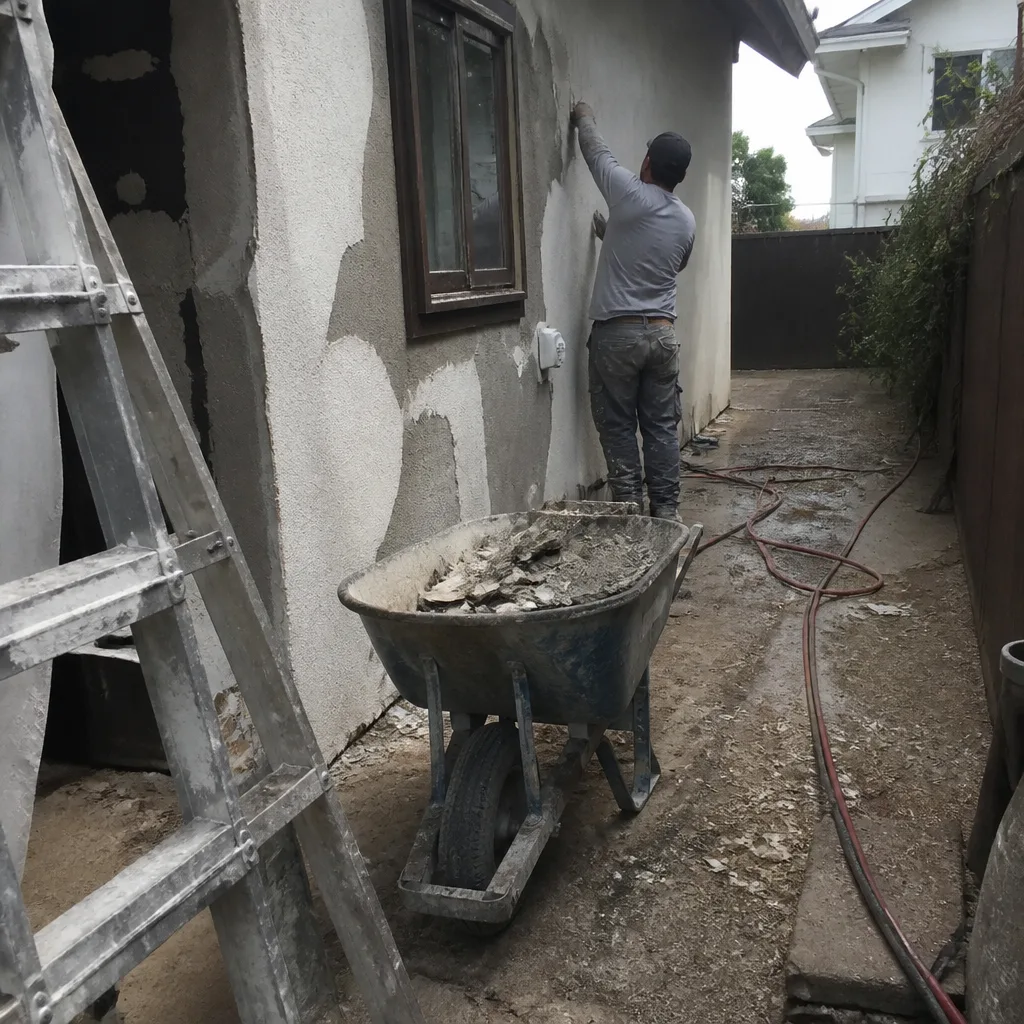 Before
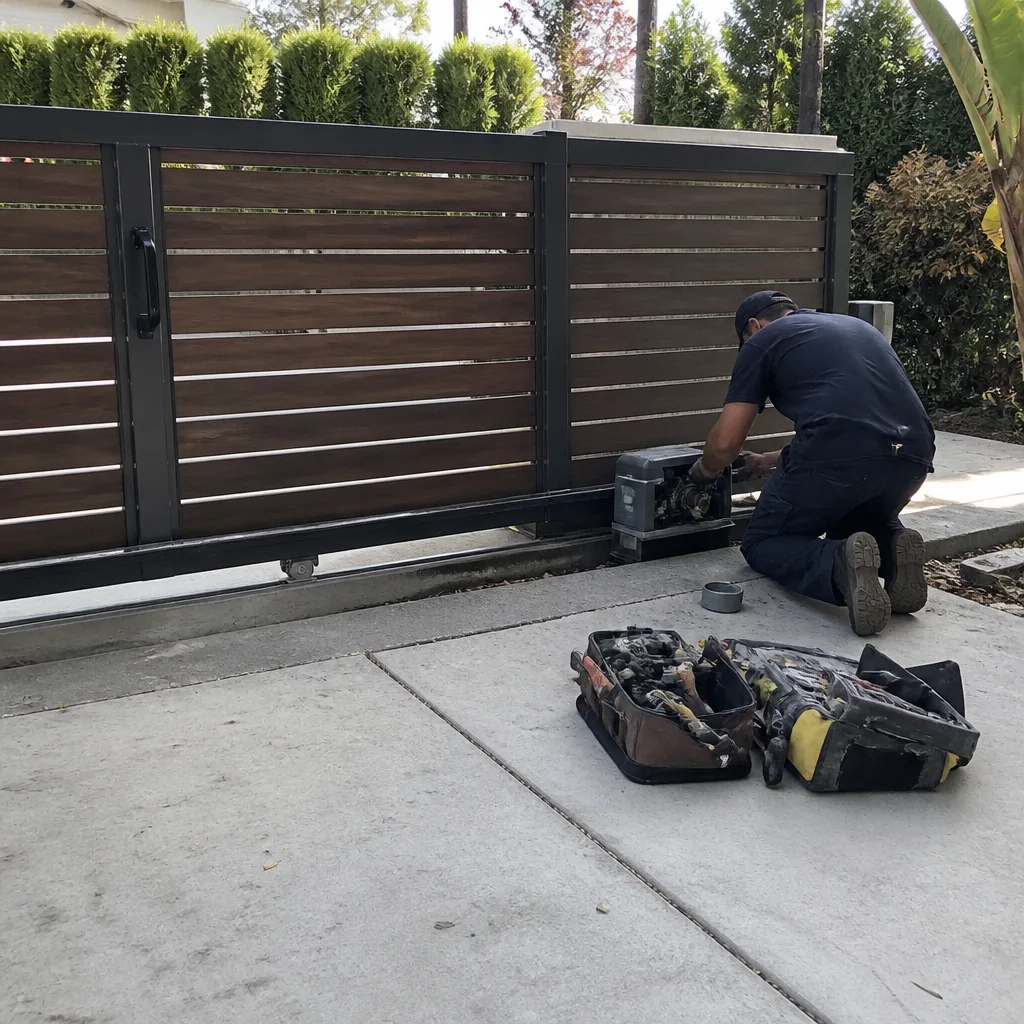 After
AfterHow We Fix It
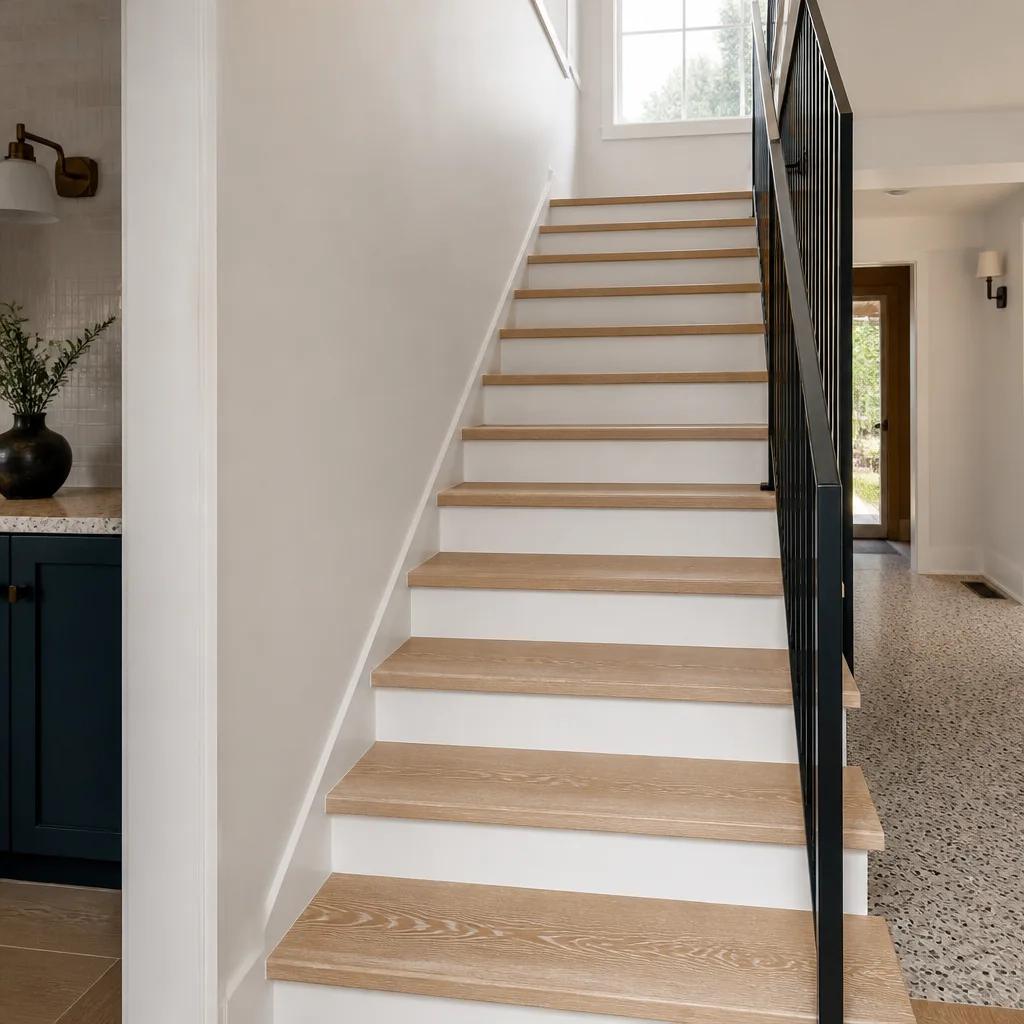
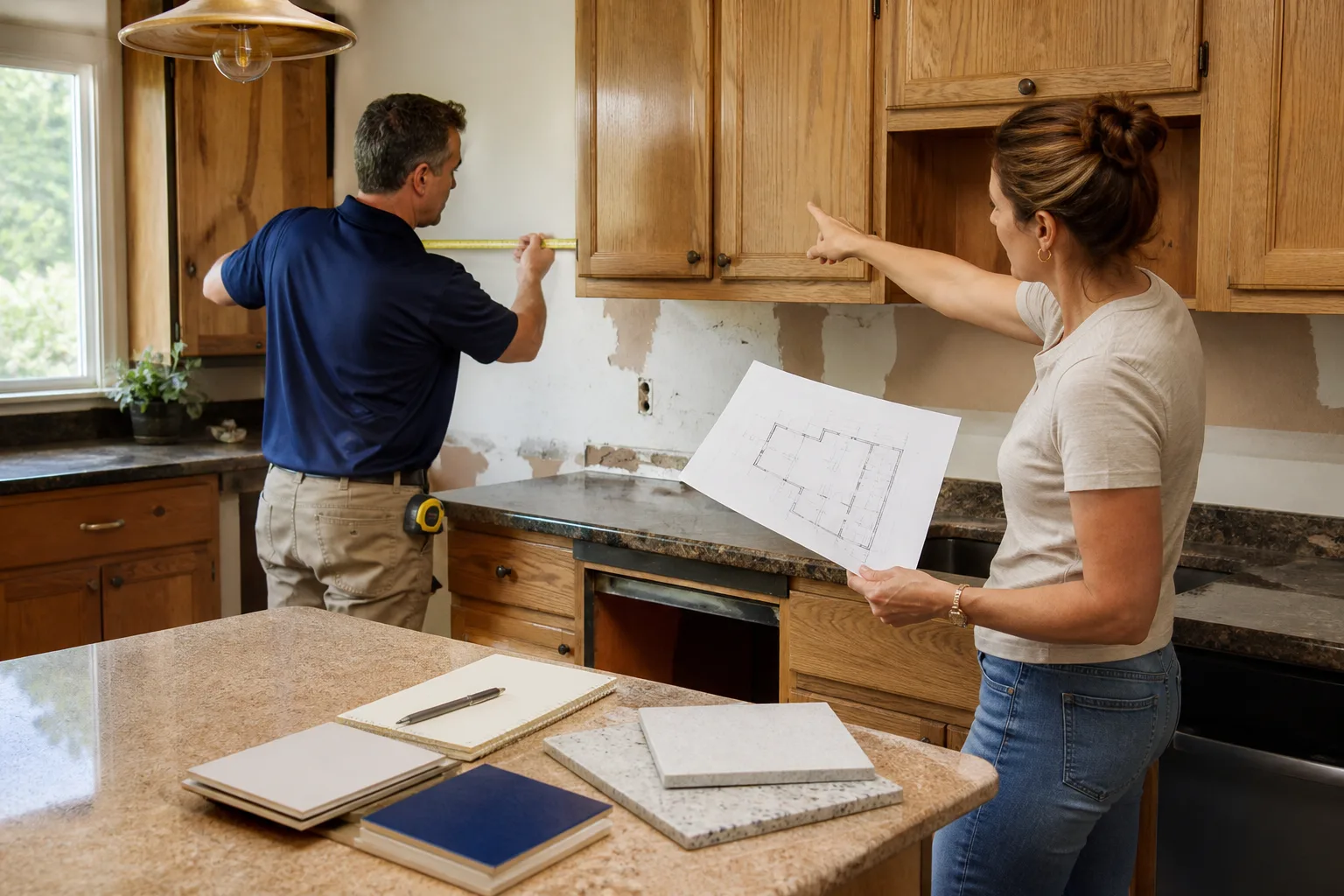
When your local Mason Remodeling team arrives, the first thing we do is listen – not sell. We walk the space with you, ask what the original plan was, and take an honest look at where things stand. From there, we put together a written scope and a written price before anything changes hands. That’s not a promotion; it’s how every Mason Remodeling project works, every time.
Depending on what we find, the right service is usually General Contracting for whole-home or multi-room work, or Bathroom Remodeling if the scope is contained to one space. We coordinate permits, material orders, and subcontractor scheduling as part of the job – not as extras. Every project is covered by the 365-Day Done Right Promise: if the work isn’t right within a year of completion, we come back and make it right at no cost. A timeline commitment and a written guarantee, in plain language, before the first nail goes in. Call (803) 680-2547 to get a free written estimate with an actual schedule attached.
Frequently Asked Questions
A straightforward bathroom remodel – new fixtures, tile, vanity, and lighting without moving walls or plumbing supply locations – typically runs two to four weeks of active work once materials are on site and permits are in hand. If walls are moving, plumbing is being relocated, or the space is being reconfigured, plan for four to eight weeks minimum. The biggest time saver is having every material selected and ordered before demolition begins.
A whole-home remodel usually runs four to nine months, with larger or more complex projects sometimes extending beyond that. The timeline depends heavily on how many rooms are in scope, whether the home is occupied during construction, structural work, and permit review cycles. Projects that are fully designed, permitted, and materially specified before work begins tend to finish closest to their original end date.
It depends on what’s exposed. Open framing, unsealed subfloor, incomplete plumbing, or unfinished electrical work left idle aren’t just inconvenient – they’re also potential safety and moisture risks, especially if the home is being lived in during construction. If anything structural or mechanical is open and unprotected, don’t wait. Call (803) 680-2547 and we’ll take a look at no charge and tell you honestly what the risk is.
Every project starts with a free written estimate, and we move through that step as fast as you need us to. Scheduling the actual work depends on the scope, permit requirements, and material lead times for your specific project – we’ll be straight with you about realistic start dates during the estimate visit. Call (803) 680-2547 to get that conversation started today; a live person answers every call, every day of the year.
Get It Fixed
Your local Mason Remodeling team handles general contracting, bathroom remodeling, and whole-home remodels with a written price before any work starts and the 365-Day Done Right Promise on every job. Call (803) 680-2547 or book online to schedule your free written estimate – a real person picks up every time.
Written by Isaac Pruett, Owner at Mason Remodeling, serving homeowners nationwide since 2004.
What Our Customers Say
"Basement refinish with egress window. Drywall finish is smooth and the electrician was tidy."
- Kyle S."Written scope, fixed price, and weekly updates. No change orders we hadn't agreed to."
- Carlos H."Bathroom gut job. Replaced the old tub with a walk-in shower and added a niche. Waterproofing was done properly with a flood test before tile."
- Greg L.