


Free written scope consultation - allowances, timeline, and change-order rules on paper before a single trade is scheduled
Silestone Kitchen Remodeling: The Los Angeles Owner’s Guide
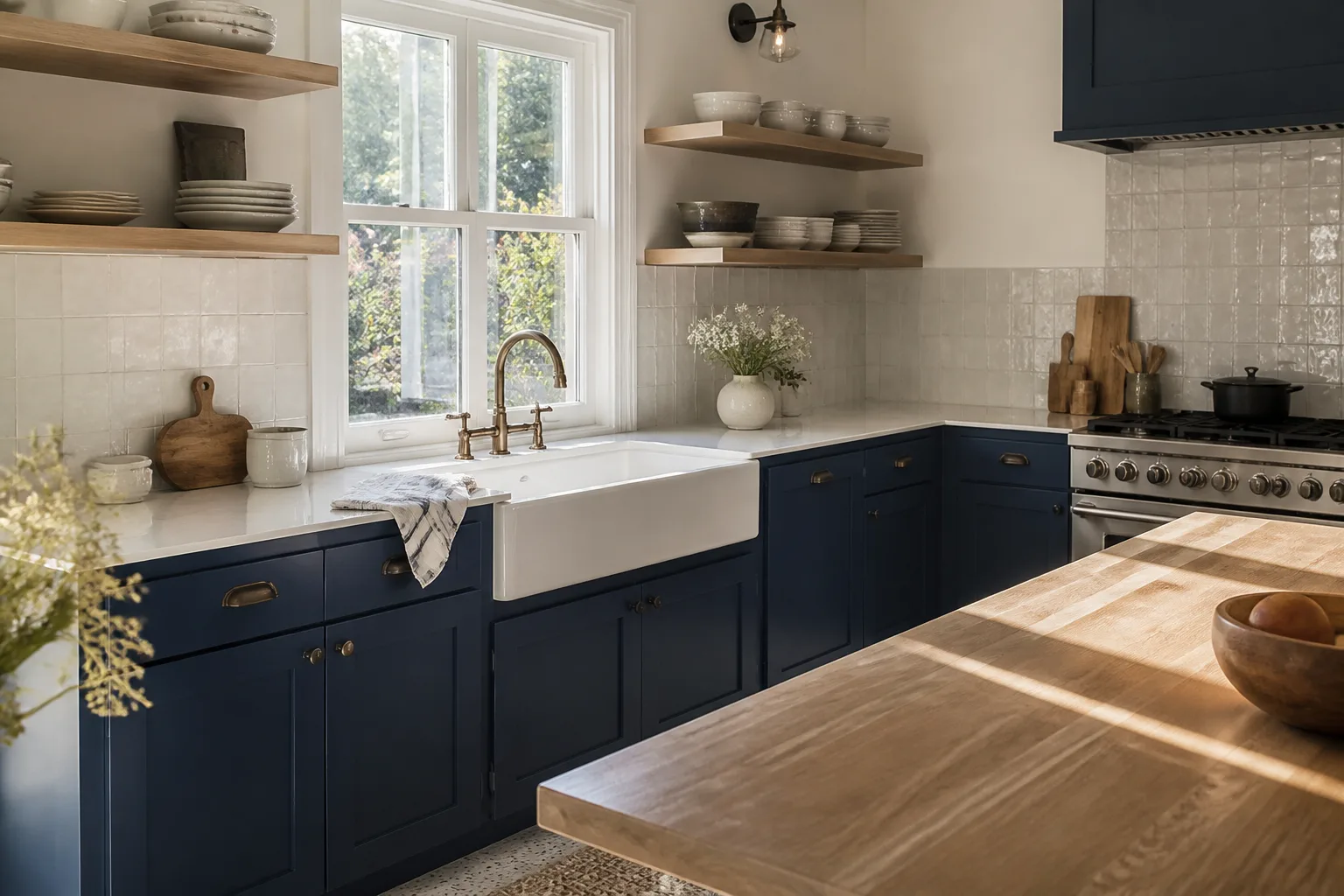
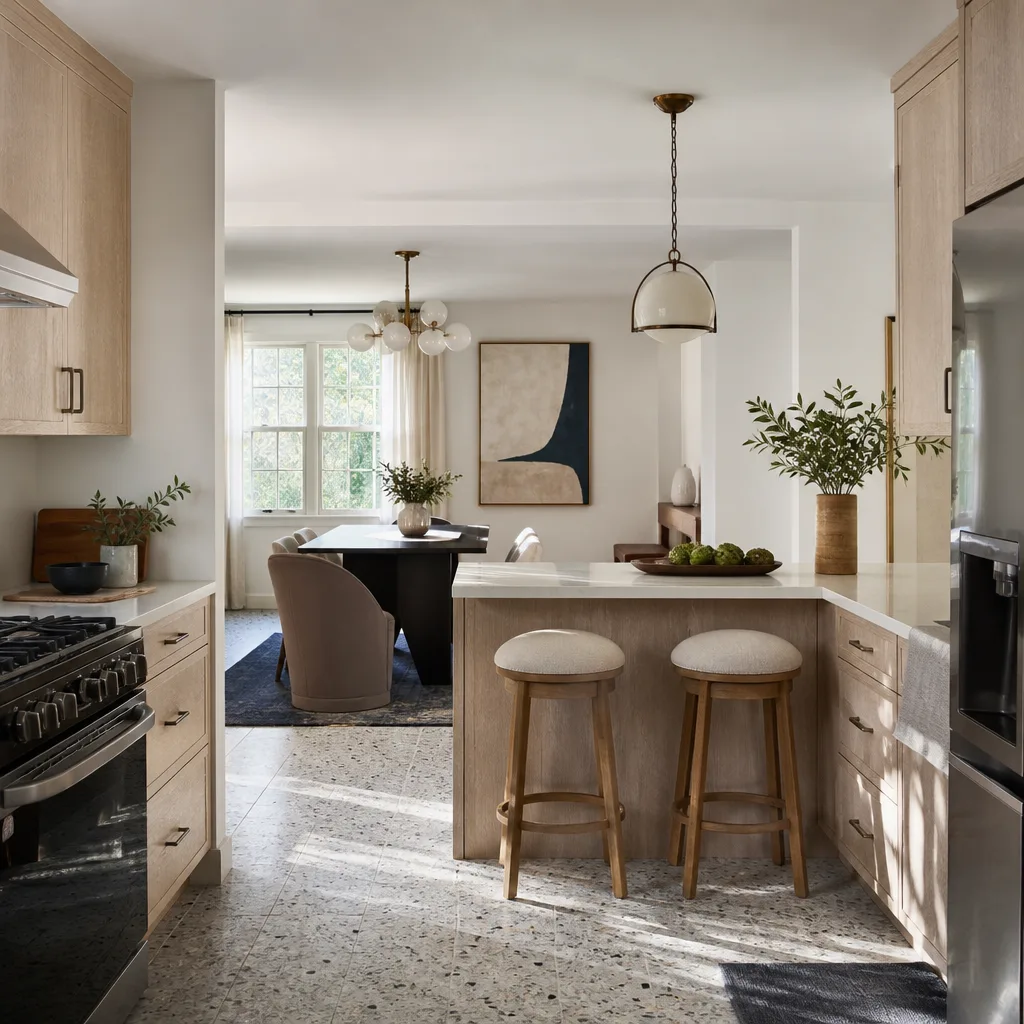
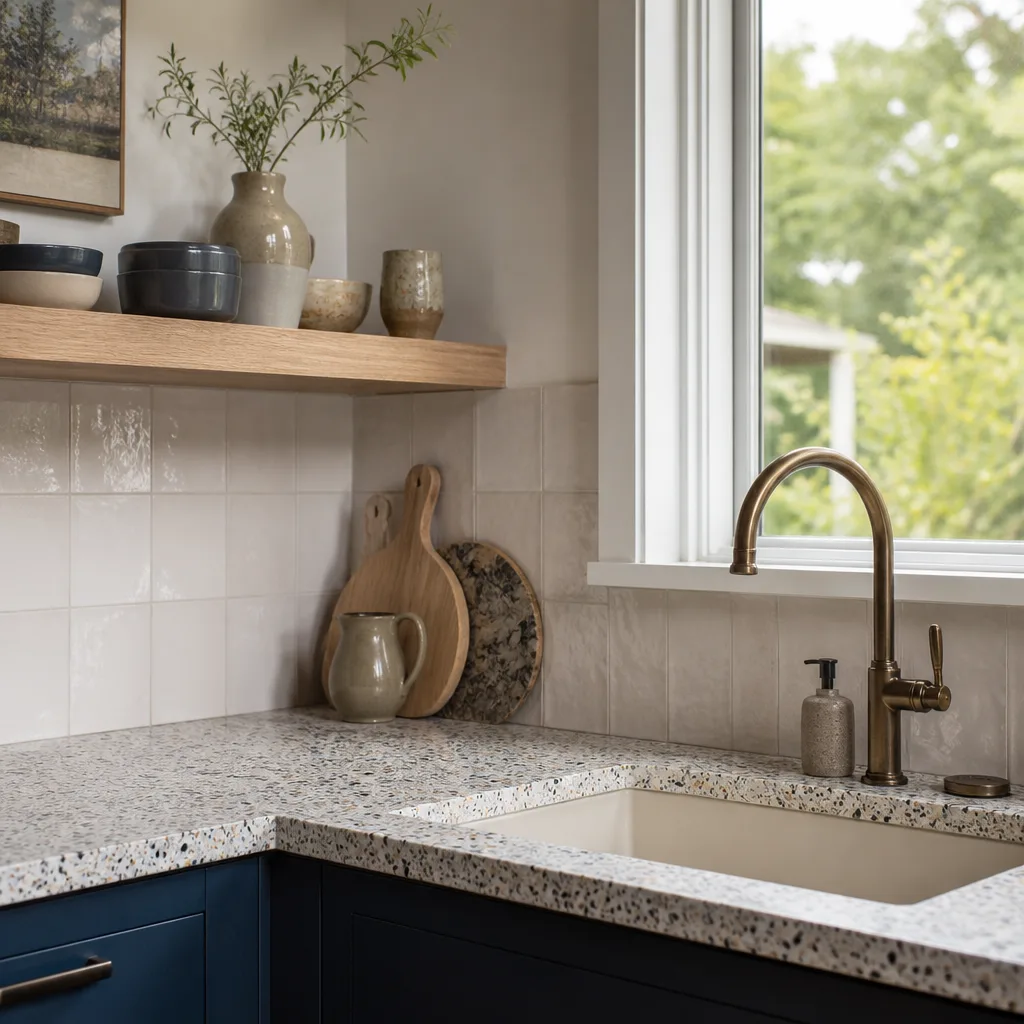
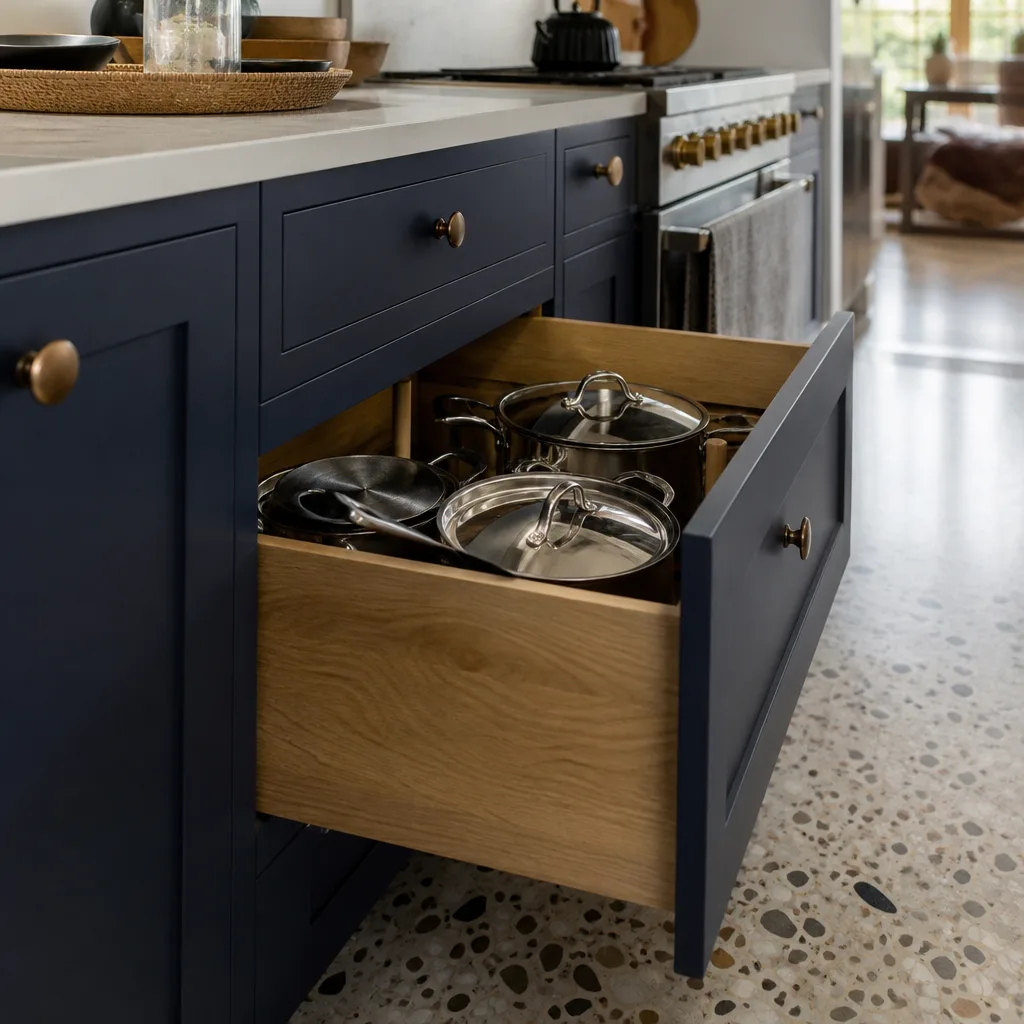
Silestone kitchen remodeling in Los Angeles typically runs $16,520 to $53,100 for a full project, with countertop installation alone landing between $2,360 and $7,670. We stock Silestone-compatible materials and can usually start your assessment the same week you call. Most Los Angeles homeowners reach out when a Silestone countertop has chipped at the edge, a seam has opened up, or an under-mount sink has started pulling away from the stone. Often the failure isn’t the Silestone itself, it’s the adhesive, the support structure, or an installation detail that was never done right in the first place.
We’re not affiliated with Silestone. We’re an independent Los Angeles remodeler who works with their product line regularly, and we know what holds up in this city’s kitchens and what doesn’t.
Which Silestone Models This Applies To
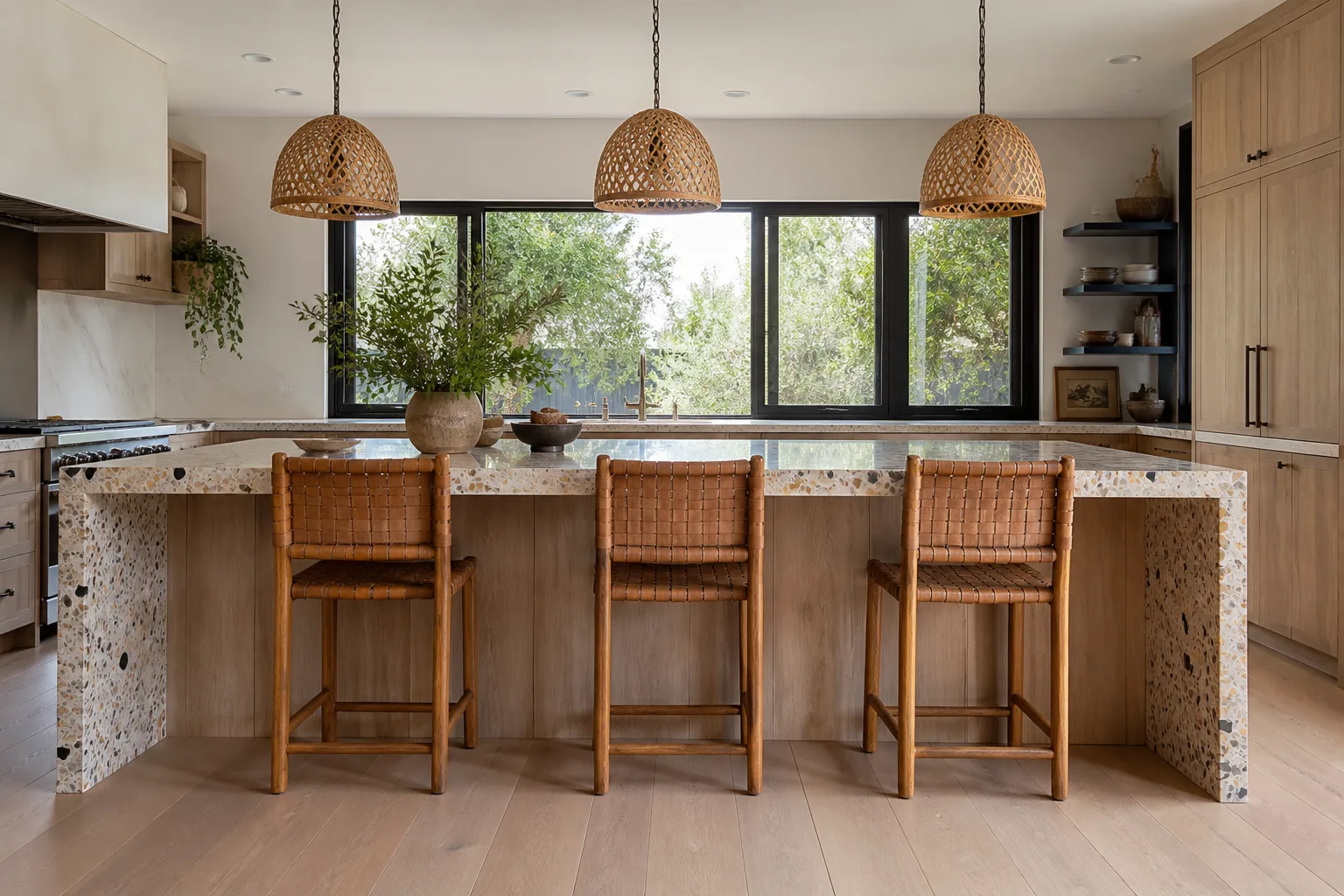
Silestone is a quartz surface made by Cosentino, and it comes in three finish profiles that affect how we approach a remodel. The standard polished finish is the most common in Los Angeles kitchens. Suede finishes have a matte texture that hides fingerprints but shows water spots if the sink area isn’t kept dry. The newer HybriQ+ line uses a resin blend that’s slightly more flexible, which matters when we’re cutting for an under-mount sink or a mitered edge on a kitchen island.
The compatibility gotcha most owners don’t know: Silestone slabs come in standard thicknesses of 12mm, 20mm, and 30mm (roughly 1/2″, 3/4″, and 1-1/4″). If your existing countertop is a 12mm slab and you’re replacing just one section, we can’t match a 30mm remnant to it without building up the substrate, and even then the edge profile will read differently. That’s why we ask for the product code from the underside of the slab before quoting. The code is printed on a label or etched into the stone near a corner, and it tells us the color series, the batch, and the thickness. For older Silestone installs from the 2000s, many colors have been discontinued, and we’ll talk honestly about whether a full replacement makes more sense than trying to patch a color that no longer exists.
On the OEM versus aftermarket question: Silestone doesn’t make “parts” like a faucet manufacturer does. The stone itself is the product. Everything else, the sink clips, the seam adhesive, the edge trim, those come from third-party suppliers we vet ourselves. We use the same installation components Cosentino specifies for certified fabricators, but we source them independently, which keeps your cost down without cutting corners on the materials that actually fail.
Styles & brands we work with


Signs Your Silestone Kitchen Remodeling Is Failing
- Chipped edge near the sink or dishwasher. Silestone is hard, but it’s brittle at thin edges. A dropped cast-iron pan or a dishwasher door that slams into the counter’s front lip will take a chip out. In older Los Angeles kitchens, we see this constantly where the counter overhangs the dishwasher opening by more than 3/4″ without proper support.
- Visible seam separation where two slabs meet. Quartz expands and contracts with temperature swings. Los Angeles kitchens without air conditioning, or with big south-facing windows, push that movement harder. A properly installed seam uses a color-matched adhesive with enough flex to absorb it. A seam that opens and shows a dark line was likely cut too tight or glued with rigid epoxy.
- Under-mount sink dropping or pulling away. This is the one we see most in homes built in the early 2000s. The sink was held with construction adhesive and a couple of clips that have since rusted or sheared. If the sink moves at all when you push down on it, stop using it and call us. A dropped sink full of water takes the plumbing with it.
- Water staining or darkening around the faucet base. Silestone itself doesn’t stain easily, but the caulk joint around the faucet deck does. Once that joint fails, water wicks under the faucet and sits against the cutout edge. Over time it softens the substrate and leaves a gray shadow in the stone that won’t come out with cleaner.
- Cracking along the back edge or at inside corners. Quartz needs a flat, continuous support underneath. If the cabinets settled or the installer shimmed unevenly, the slab bridges over the low spot and stress concentrates at the corner. Los Angeles is earthquake country, and a slab that’s already under tension from a bad install will crack when the ground moves.
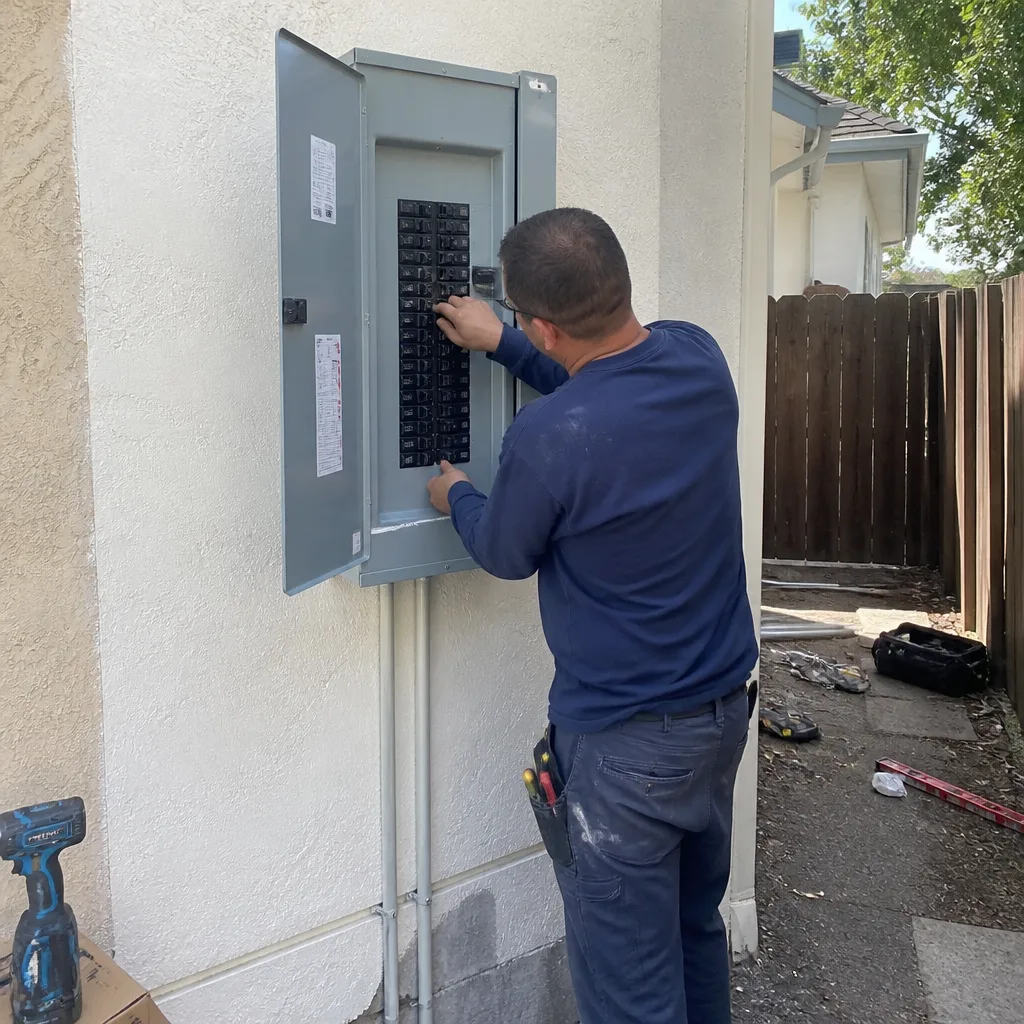
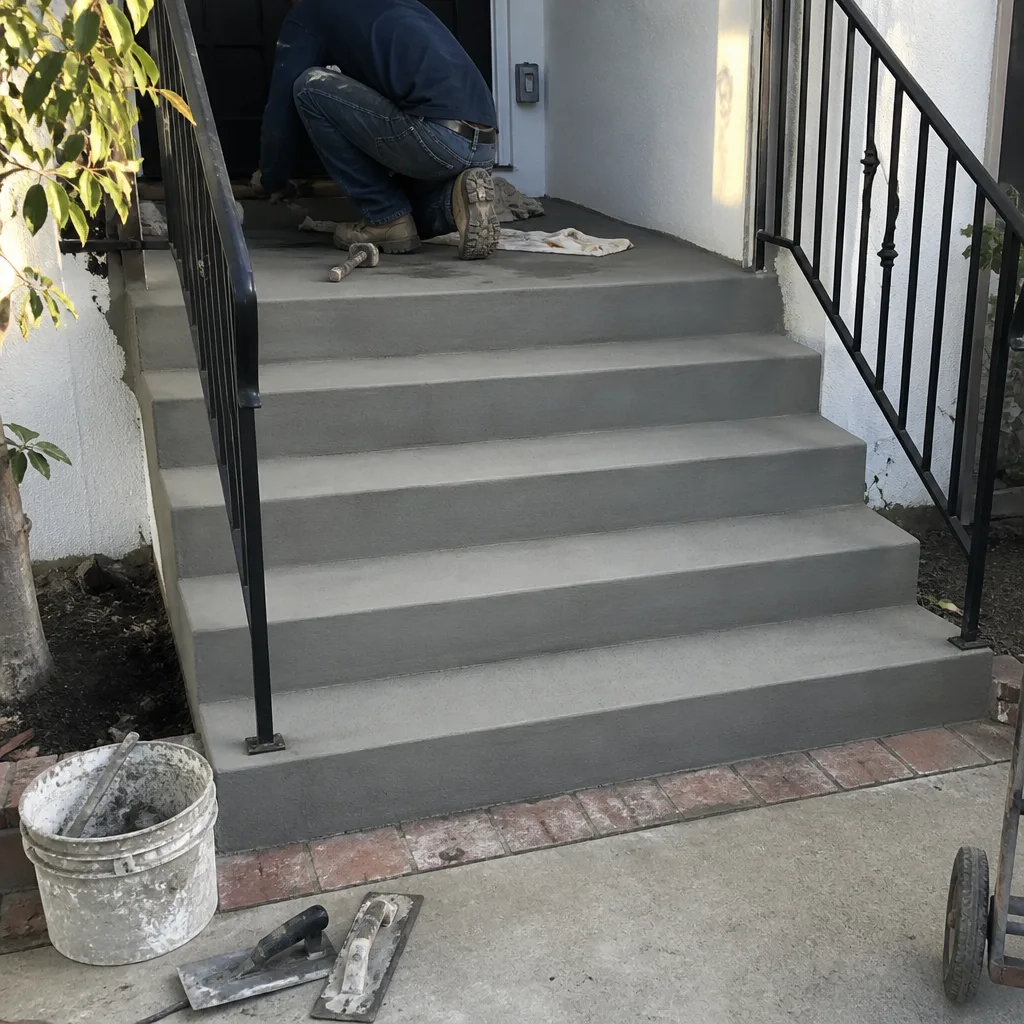
See the difference
 Before
 After
After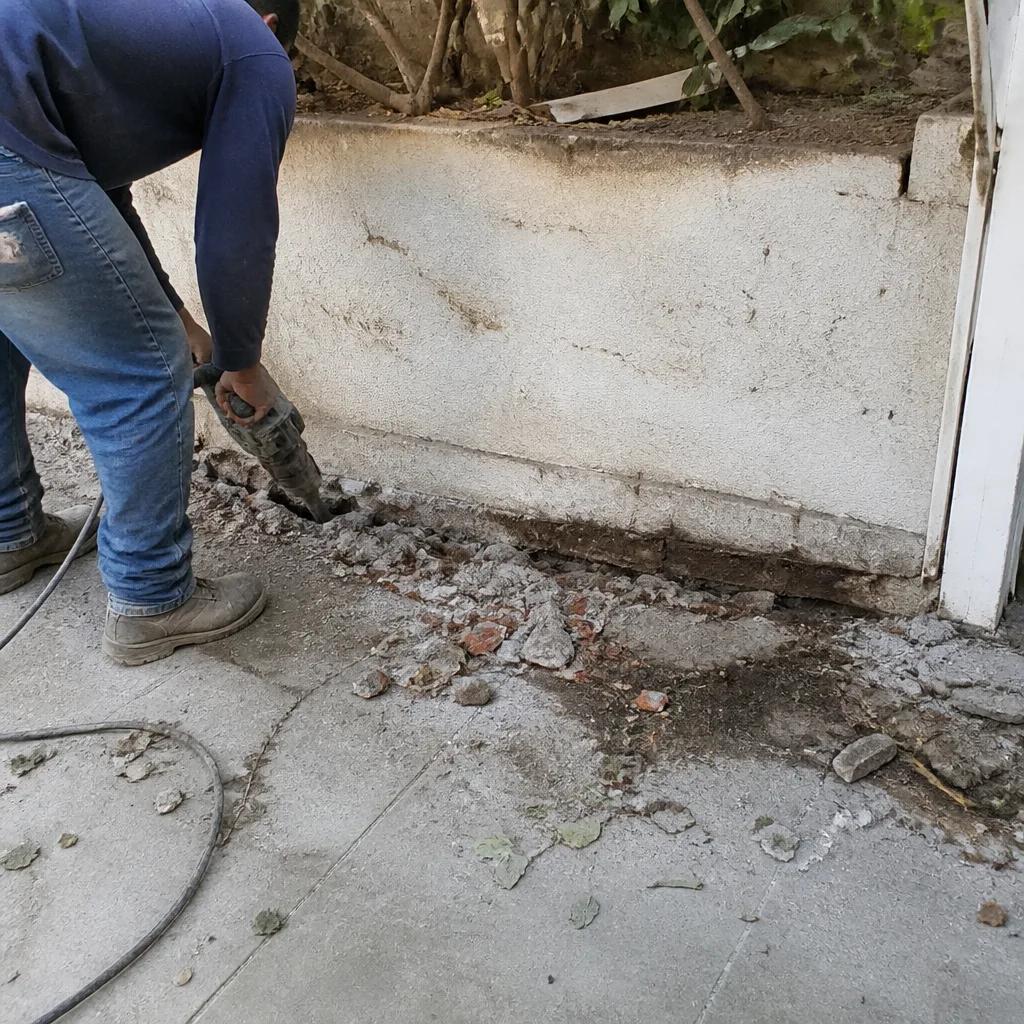 Before
 After
After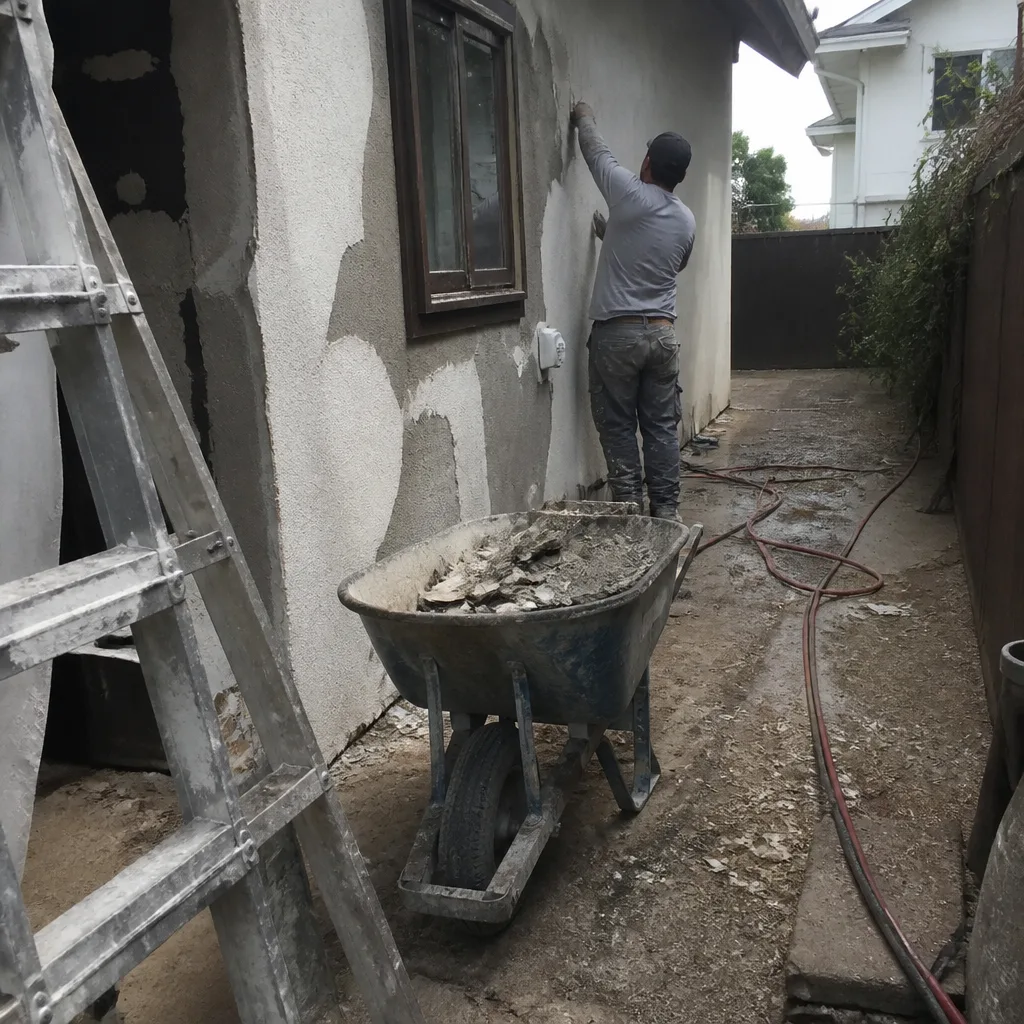 Before
 After
AfterReplacement Cost & What’s Included
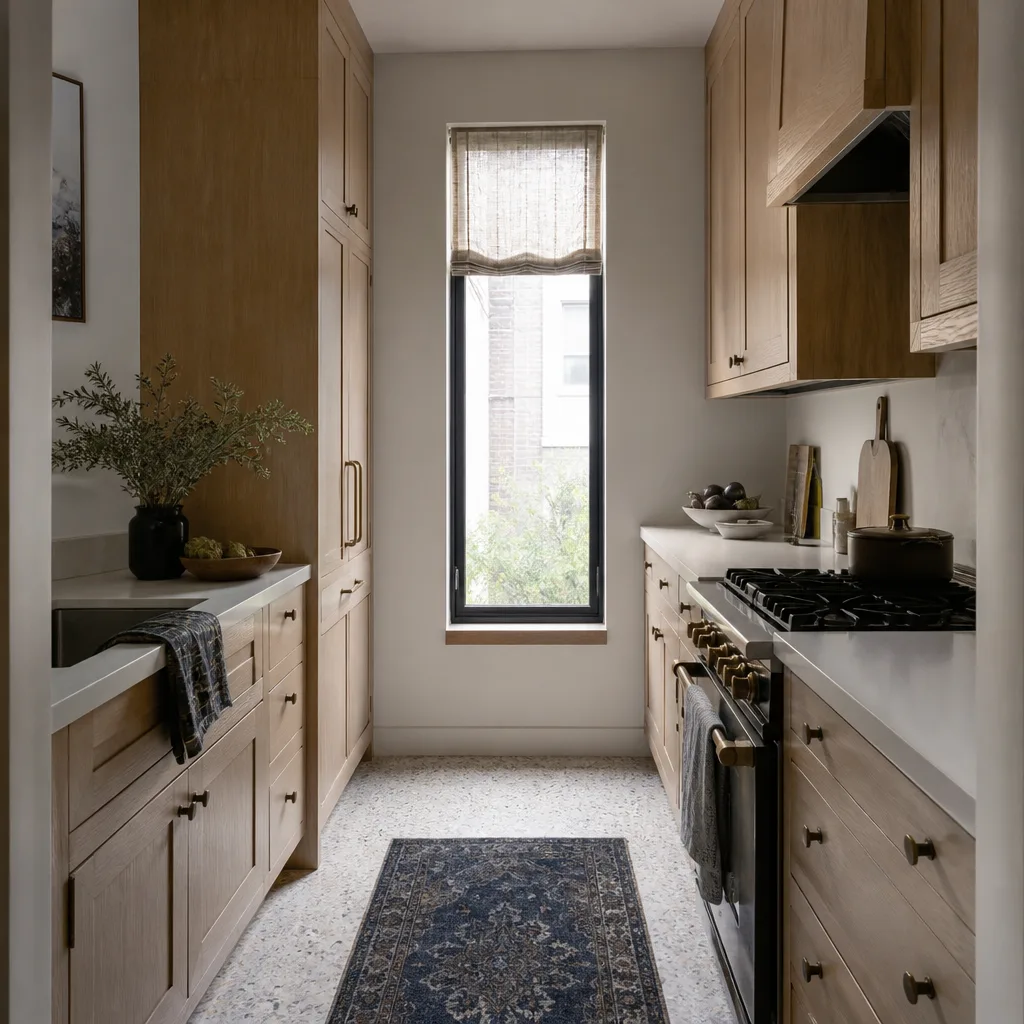
For Los Angeles kitchens, countertop installation runs $2,360 to $7,670 depending on slab size, edge profile, and whether we’re doing a straightforward replacement or reconfiguring the layout. A full kitchen remodel, including cabinets, countertops, backsplash, and fixtures, falls between $16,520 and $53,100 on the scale we use for pricing. Here’s the breakdown by scope:
- Countertop installation only: $2,360 – $7,670
- Cabinet installation (if you’re also replacing boxes): $4,720 – $15,340
- Backsplash installation: $945 – $2,950
- Kitchen island installation: $3,540 – $11,800
- Full kitchen remodel (combined scope): $16,520 – $53,100
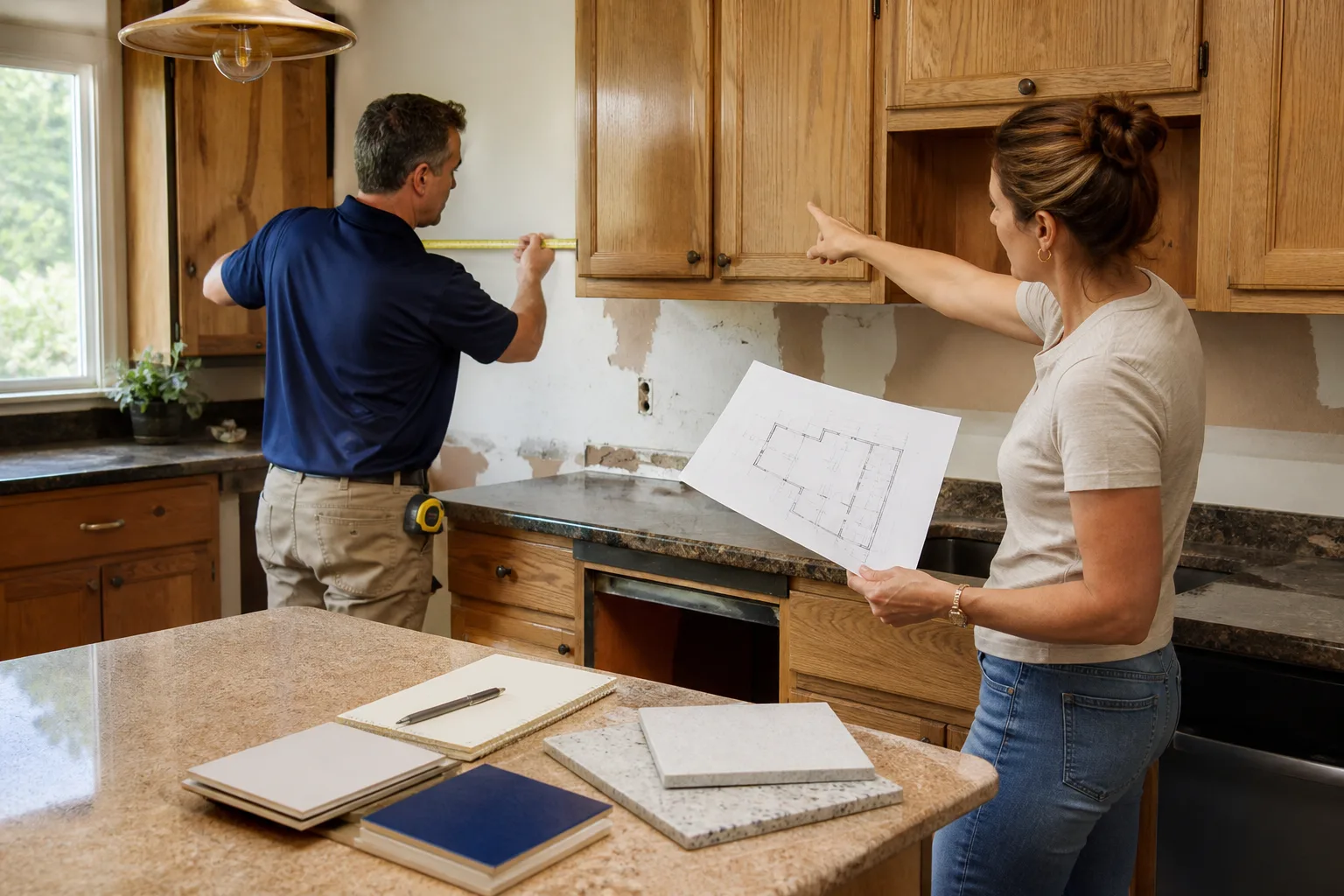
What drives the range on Silestone work specifically is slab thickness, edge detail, and how much demolition the existing install requires. A simple 20mm polished slab with a straight eased edge on a standard L-shaped kitchen is the low end. A 30mm island with a mitered waterfall edge, plus removing an old tile counter that fights back, pushes toward the top. Every quote we write includes the slab, fabrication, delivery, installation labor, sink cutout, plumbing disconnect and reconnect for the sink, and haul-away of the old surface. The written price you get before work starts is the price you pay. The workmanship warranty runs 365 days from completion, and if something isn’t right in that window, we come back and fix it at no charge.
DIY or Call Us?
You can safely check a few things yourself. Look under the sink and count the clips holding the basin. If you see fewer than four, or any that are rusted through, that’s the smoking gun. You can also tap along the slab with a knuckle and listen for a hollow sound, which tells you the stone isn’t fully supported. What you shouldn’t do is attempt to re-laminate an edge, re-glue a seam, or re-seat an under-mount sink. Quartz slabs weigh between 15 and 20 pounds per square foot, and a standard kitchen counter section is too heavy to lift safely without proper equipment and a second set of hands who know what they’re doing. A slab that shifts mid-repair cracks, and now you’re paying for a full replacement instead of a fix. If you’re unsure what you’re dealing with, call (803) 680-2547 and describe what you see. We’ll tell you over the phone whether it sounds urgent or whether it can wait.
FAQs
Silestone should last 25 years or more as a surface, assuming the install was done correctly and the slab has continuous support. In Los Angeles we see the most premature failures in kitchens with direct sun exposure and no window coverings, where thermal cycling stresses seams and adhesive joints faster than in shaded rooms. Isaac Pruett has pulled out 30-year-old Silestone that looked nearly new and 8-year-old slabs that were done badly and cracking at every inside corner.
Yes, small edge chips can be filled and color-matched by a fabricator with the right epoxy kit, and the repair typically holds up for years if the cause was a one-time impact. If the chipping is recurring, or the chip is on a radiused corner, the repair will likely fail again because the geometry concentrates stress at that point. Call (803) 680-2547 and send us a photo of the damage, and we’ll tell you straight whether a repair is worth it.
A countertop-only replacement in Los Angeles usually takes 3 to 7 days from template to installation, which includes final measurements, fabrication off-site, and a single-day install visit. A full kitchen remodel with cabinets, countertops, backsplash, and plumbing runs 4 to 8 weeks depending on how much structural work the space needs. We give you a written schedule before the job starts, and we don’t leave the project half-done to chase another one.
We don’t stock full slabs in our yard because Silestone colors are ordered per job to match your existing stone and ensure the batch is current. What we do keep on the truck are the commonly matched adhesives, color-matched caulks, sink clips, and the edge-polishing compounds we need for most repairs. For full replacements, we order the slab from our Los Angeles supplier network and it typically arrives within 3 to 10 business days.
No. The written price you approve before demolition is the price on the final bill. The only time we issue a change order is if you ask to expand the scope, and we put that in writing and get your sign-off before touching it. No surprise invoicing, no verbal estimates that grow.
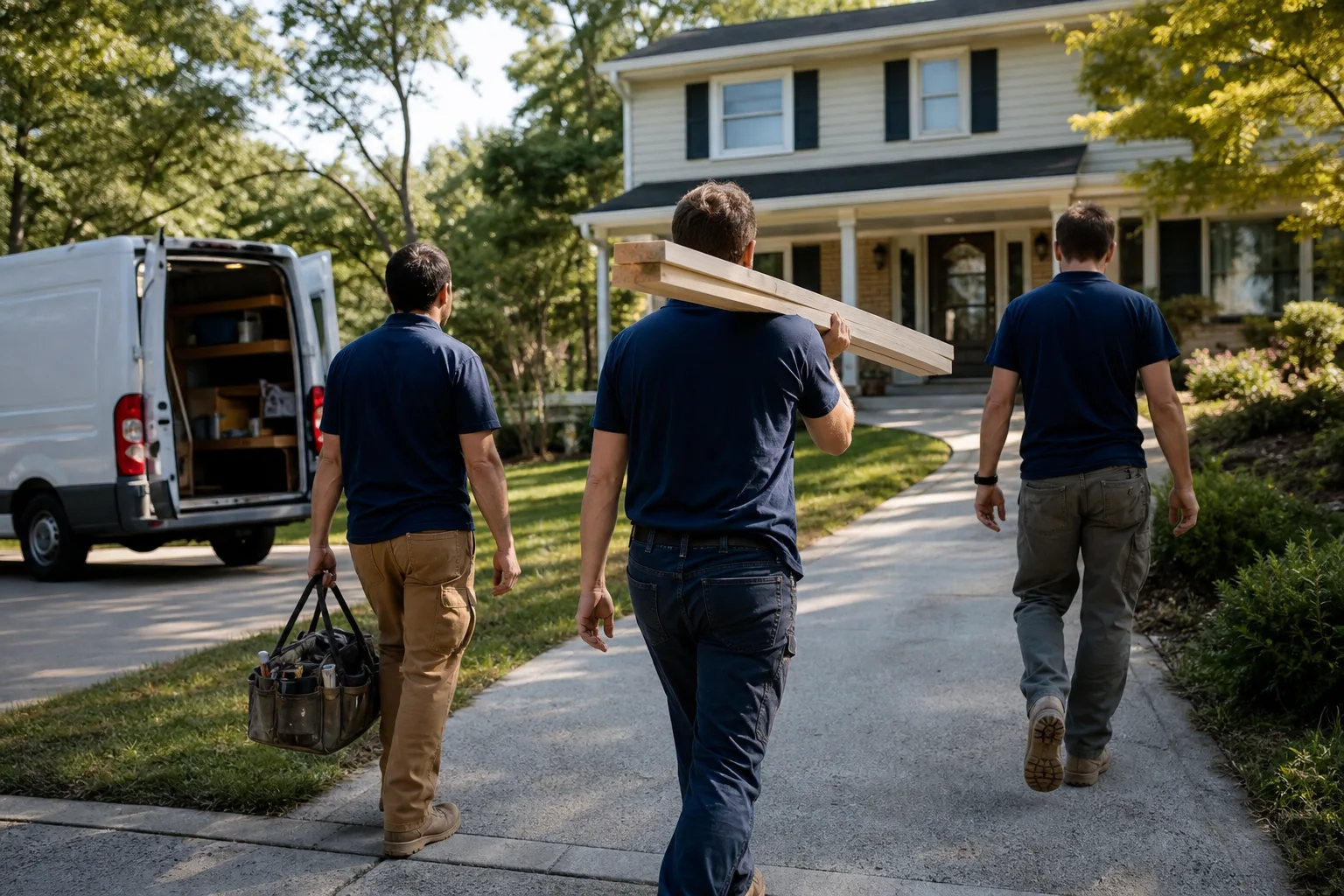
Know who’s coming, know what it costs, know it’s backed up – everything else is just noise. If your Silestone countertop has a seam opening, a chipped edge, or a sink that’s pulling away, call (803) 680-2547 for a free estimate. We’ll send you the name and photo of the technician before they arrive, and you’ll get a written price before any work begins.
Written by Isaac Pruett, Owner, Mason Remodeling at Mason Remodeling, serving Los Angeles and nearby areas.