Free written scope consultation - allowances, timeline, and change-order rules on paper before a single trade is scheduled
Quikrete Home Additions & ADU: The Los Angeles Owner’s Guide
If you’re pricing a Quikrete home addition or ADU in Los Angeles, the installed cost typically lands between $53,100 and $153,400, depending on square footage, foundation work, and finish level. We match the right Quikrete products to your specific build – footing bags, fast-setting mix, high-strength concrete, and masonry repair products – and we stock the common ones on our trucks so a pour doesn’t stall while someone runs to a supply yard. Most Los Angeles homeowners discover they need help when a previous pour starts spalling, a stem wall shows cracking, or they realize the ADU plans call for a mix spec their last contractor never verified. Mason Remodeling is an independent service provider, not affiliated with Quikrete, but we’ve built enough additions and ADUs across this city to know exactly which of their products hold up here and which ones need a substitution before the first bag is opened.
One thing we tell every homeowner before we talk numbers: nobody should be guessing on structural concrete. We verify the mix, the rebar schedule, and the cure before anything gets framed. That’s how you avoid a $40,000 fix on a $12,000 pour.
Which Quikrete Models This Applies To
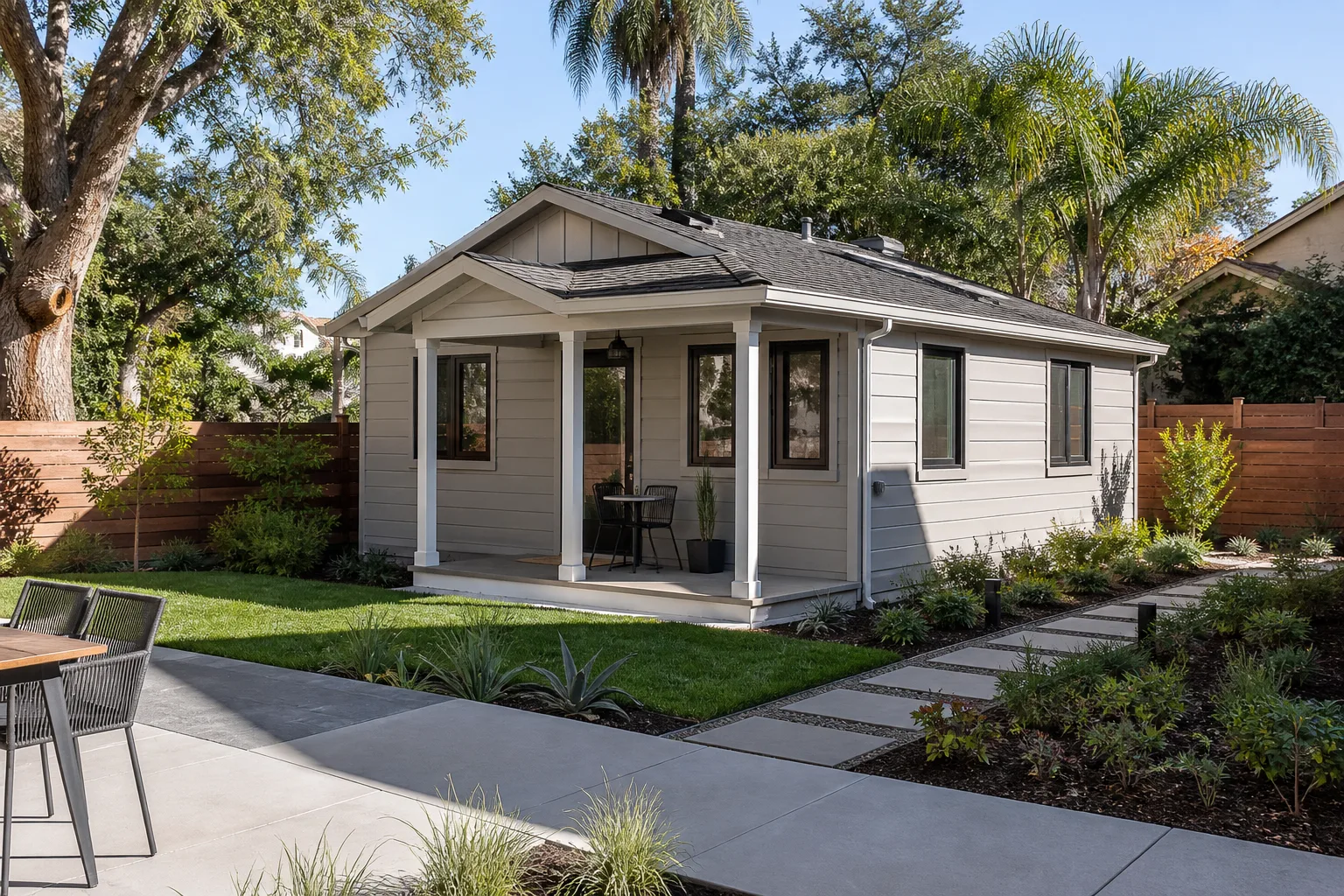
Quikrete’s lineup splits into a few families that matter for Los Angeles additions and ADUs. On the foundation and footing side, you’re working with Quikrete 5000, Quikrete Pro-Finish, or their fast-setting concrete mixes. For ADU slabs, we most often spec Quikrete 5000 for interior slabs and Quikrete Crack-Resistant Concrete for exterior patios and walkways where the sun cooks everything in August. On masonry walls, Quikrete Surface Bonding Cement and Quikrete Mason Mix are the standards, and Quikrete has a specific line of fast-setting repair products for tie-beam work.
Here’s the compatibility gotcha most Los Angeles homeowners never hear: Quikrete fast-setting products cure differently in our dry heat than in the testing conditions on the bag. A fast-set mix that gives you 20 minutes of working time in Ohio gives you maybe 12 to 15 minutes on a 95-degree August afternoon in the San Fernando Valley. You have to account for that in your pour plan or you’ll end up with cold joints exactly where you don’t want them. We adjust mix water and sequencing for LA conditions on every pour, which is why we don’t send someone out with a bag spec and a prayer.
On OEM versus aftermarket: for structural Quikrete products, there is no quality aftermarket equivalent worth using. Bagged concrete from a big-box store’s private label is not the same formulation, and on a foundation that’s a risk no one should take. For accessories – expansion joint material, curing compounds, bonding agents – we stock professional-grade equivalents that match or beat the Quikrete spec, and we’ll tell you when the brand name matters and when it doesn’t.
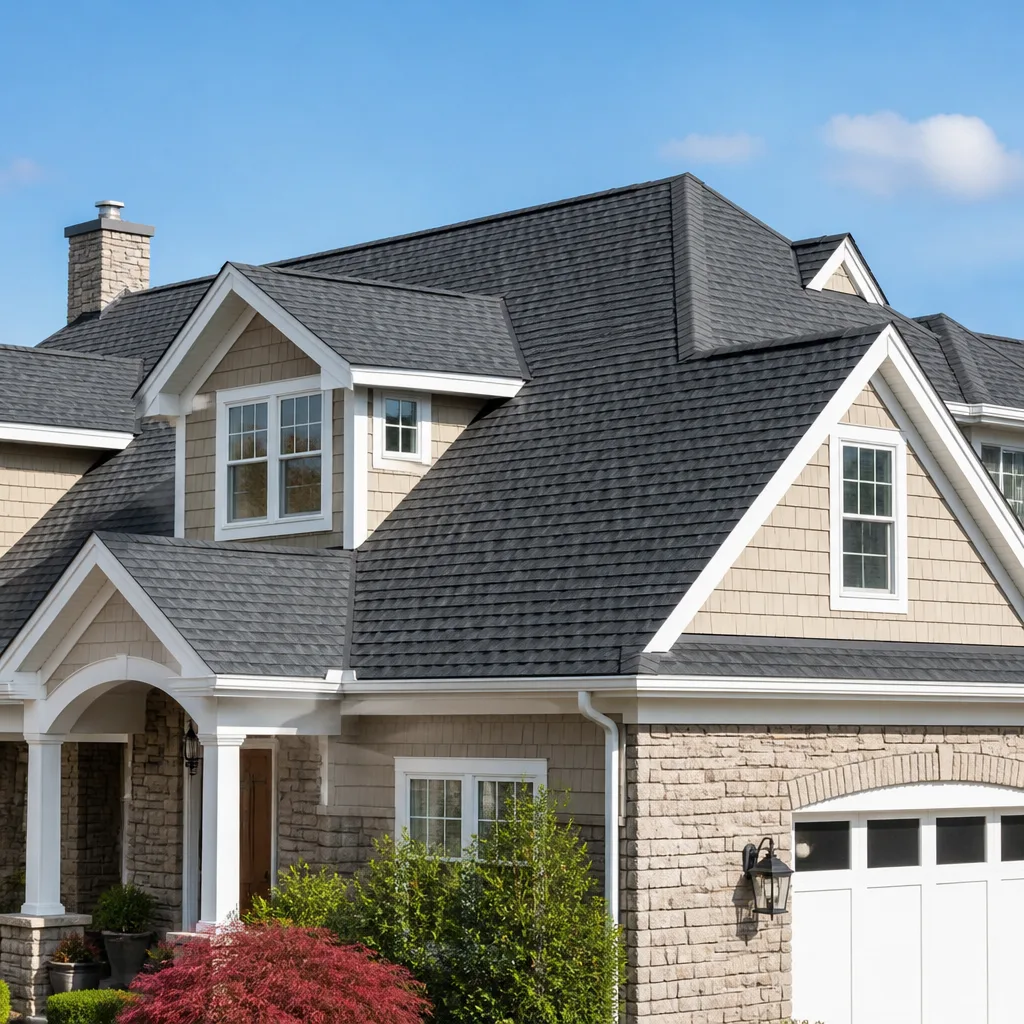
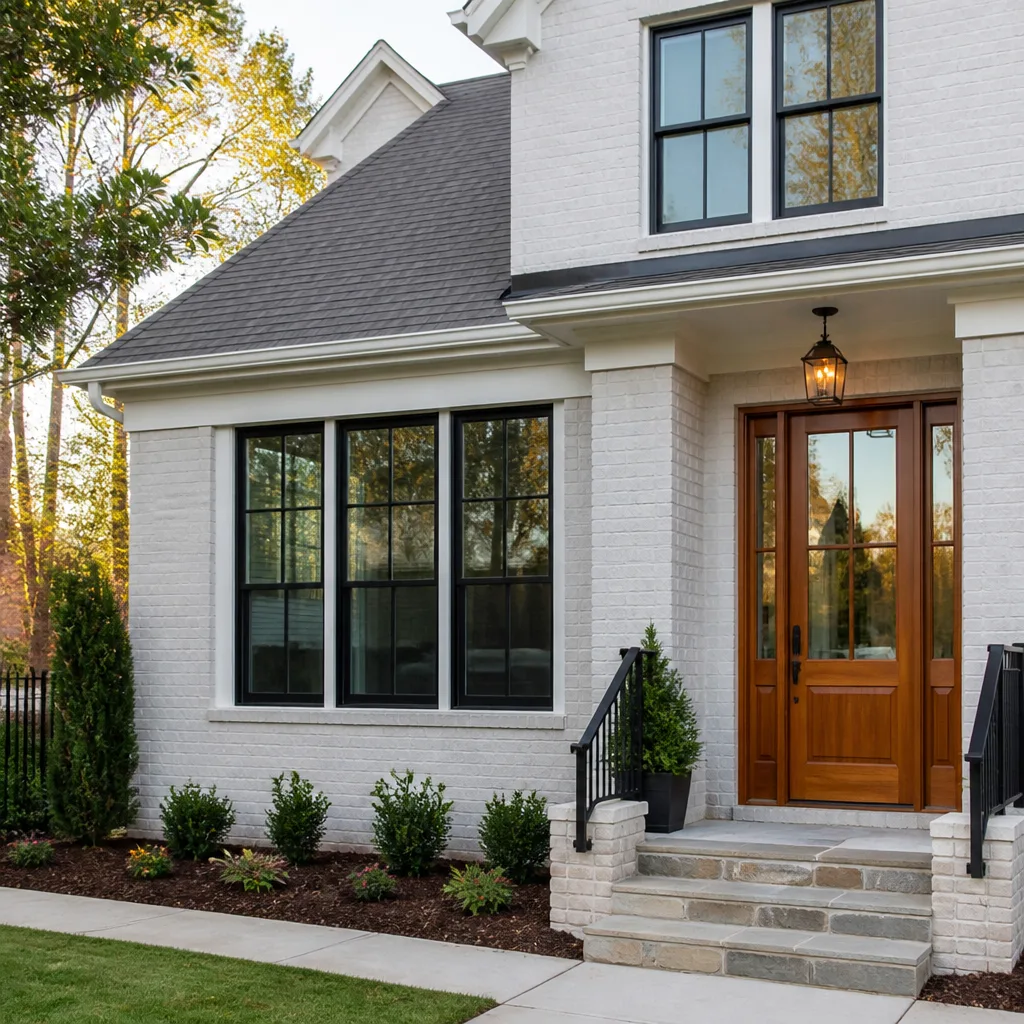
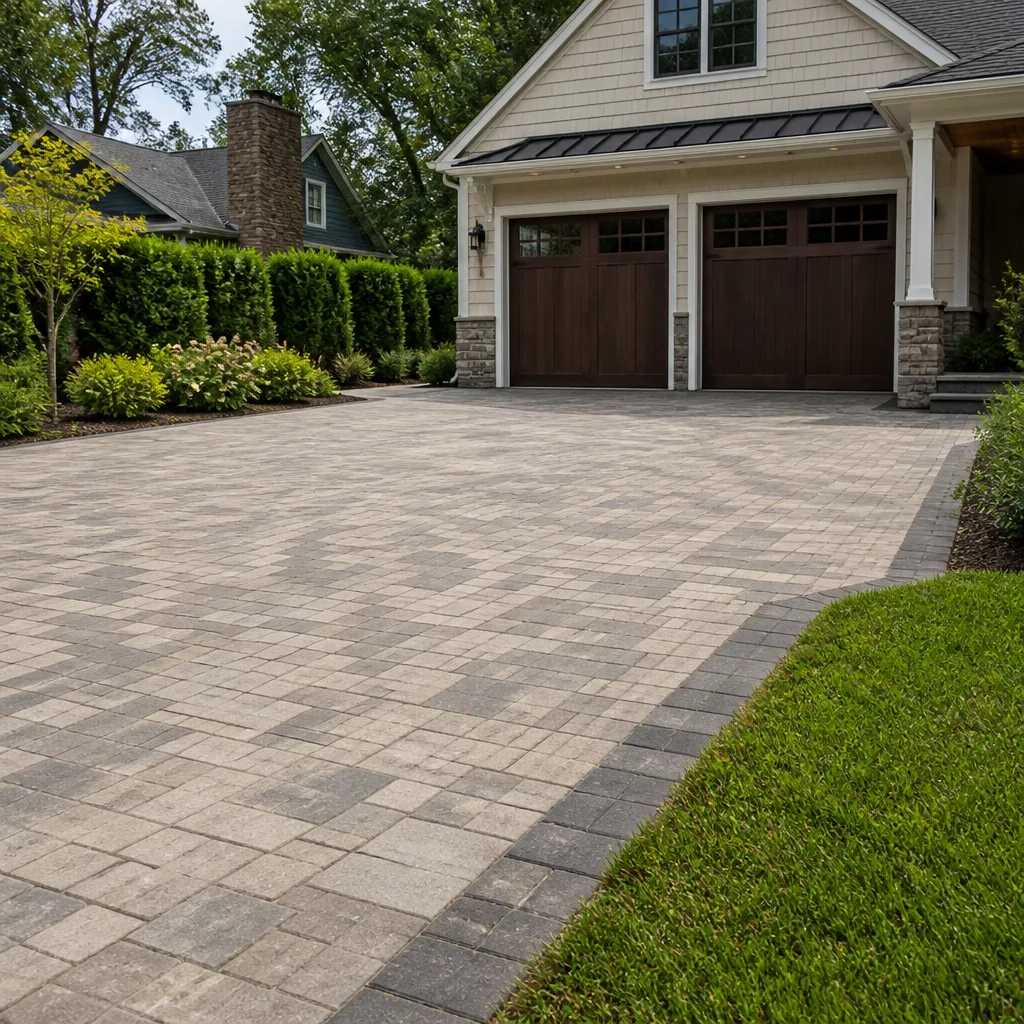
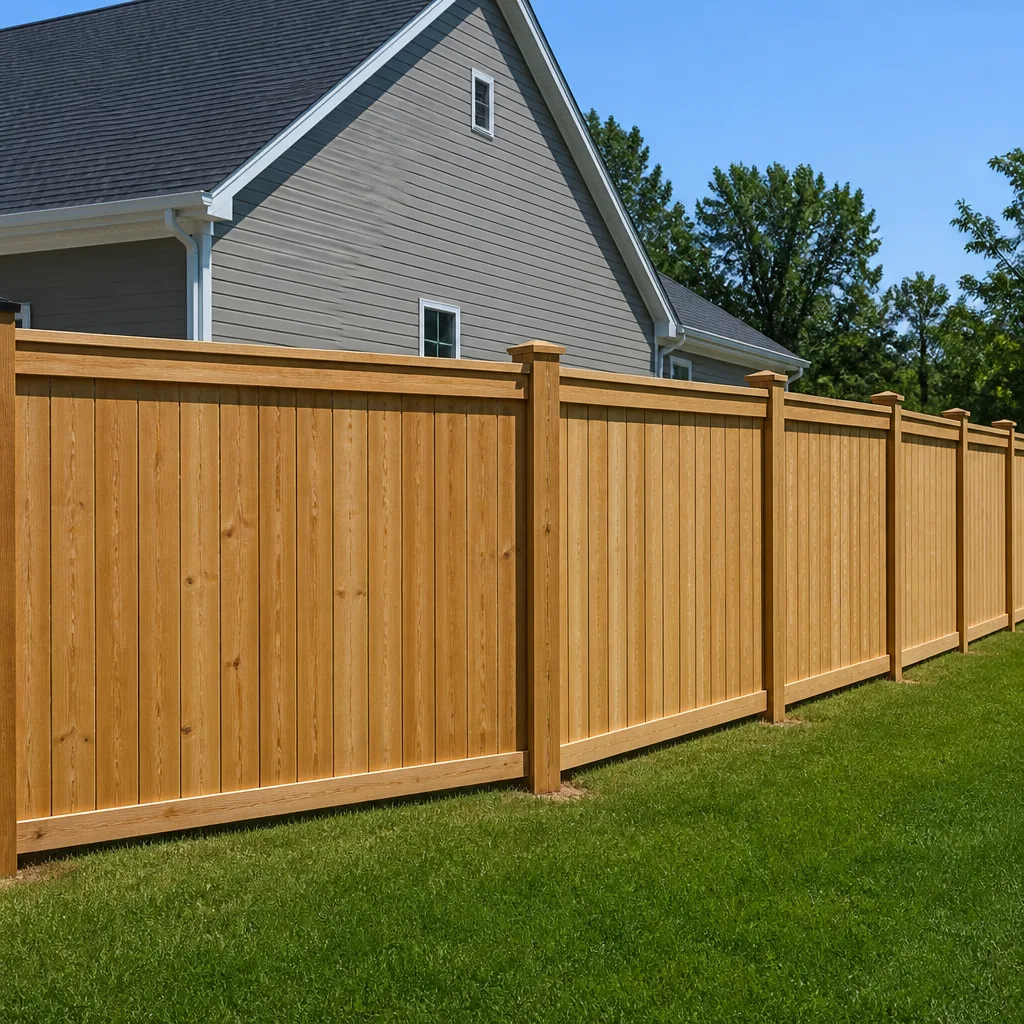
Styles & brands we work with
Signs Your Quikrete Home Additions & ADU Is Failing
- Hairline cracking across slab surfaces within the first year. This nearly always traces to either a too-fast cure in dry heat or missing control joints. The concrete shrank before it gained strength, and now it’s telegraphing the stress.
- Spalling or flaking at the top surface of a pour. In Los Angeles this usually means water sat on the slab during finishing, or the finisher worked bleed water back into the top layer. The top skin delaminates and starts coming apart in chips.
- Efflorescence – that white powdery bloom – on stem walls or retaining walls. Water is moving through the masonry and leaving mineral deposits behind. It’s not always structural, but it tells you there’s a moisture path somewhere, and in an ADU that means future problems behind finishes.
- Cold joints visible as a line where one pour stopped and another started. This is the classic sign of an under-planned pour. That seam is a weak point for water intrusion and future cracking, and in Los Angeles seismic movement will find it eventually.
- Crumbling or sanding at the edges of a footing or slab. The mix was likely over-watered at placement, which drops the final compressive strength below spec. Once edges start sanding away, the slab is degrading from the outside in.
See the difference
 Before
 After
After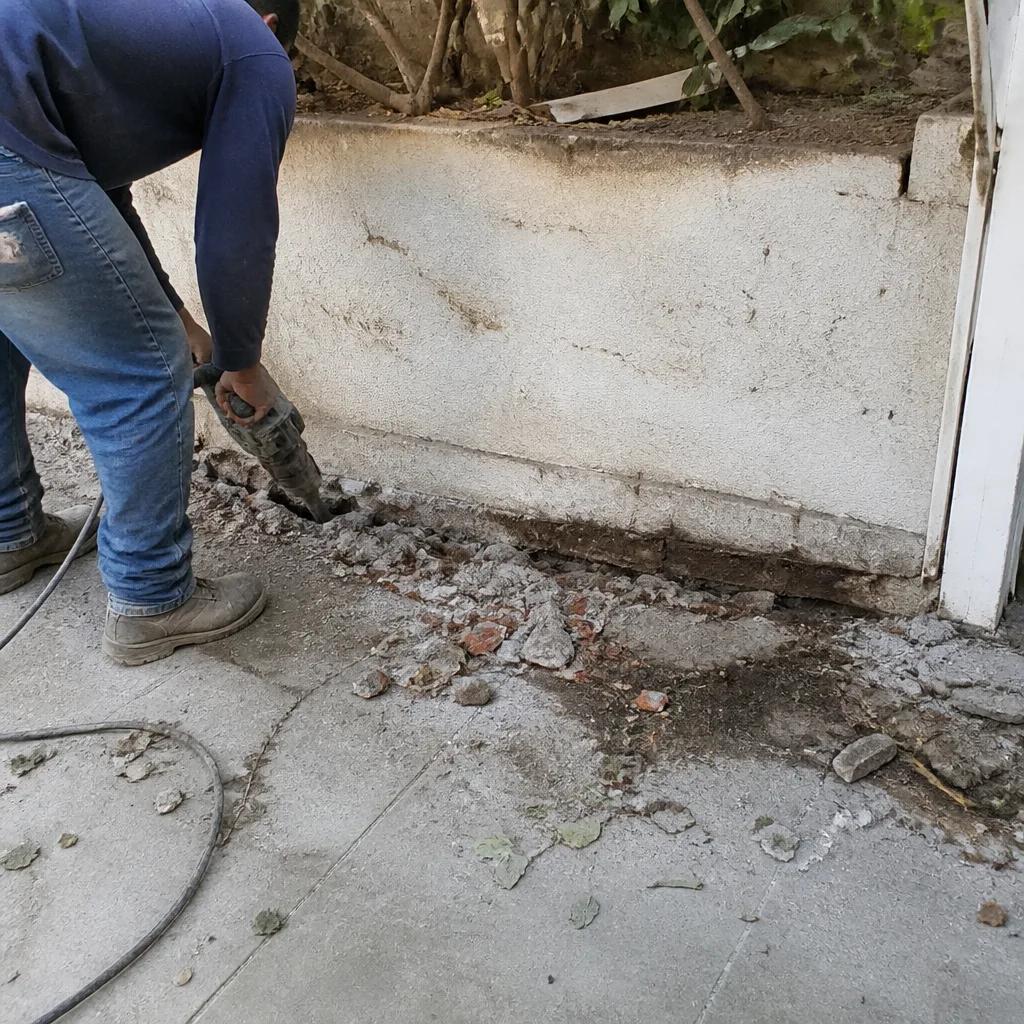 Before
 After
After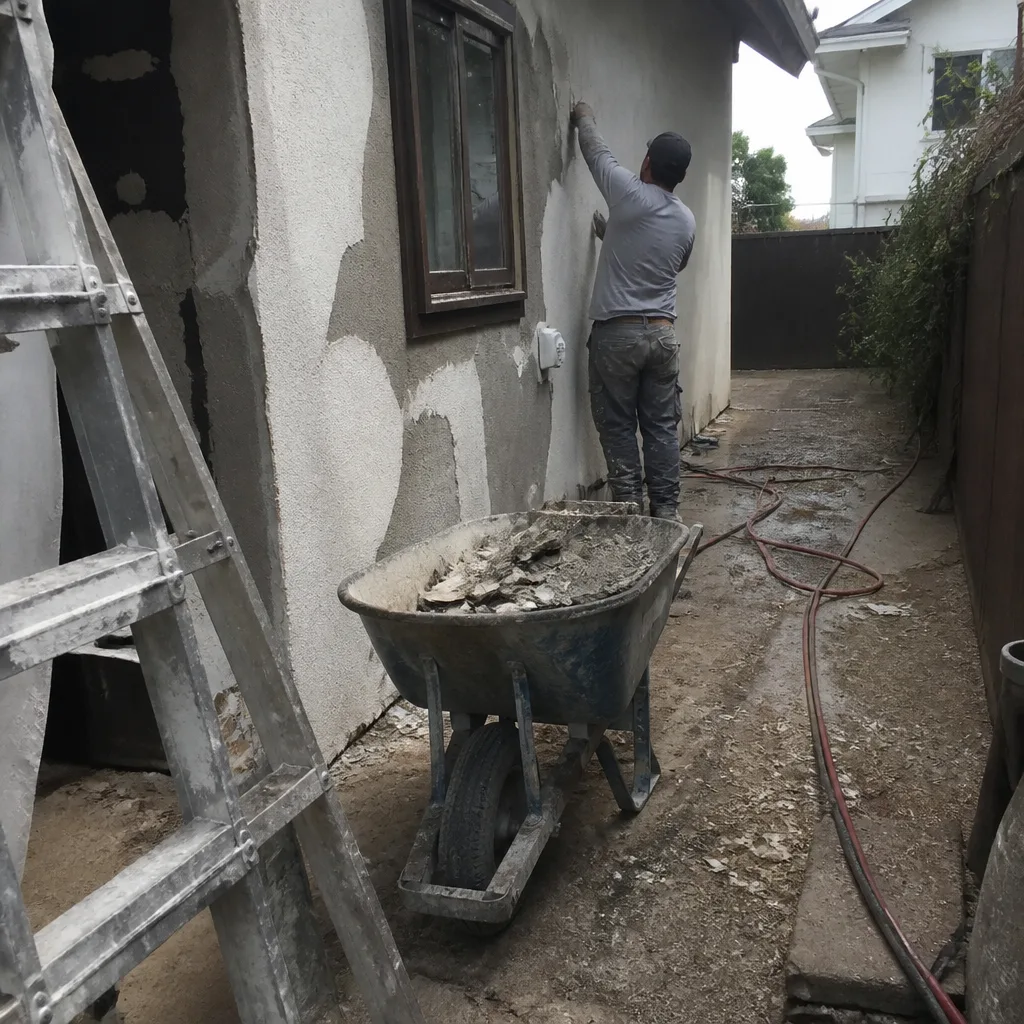 Before
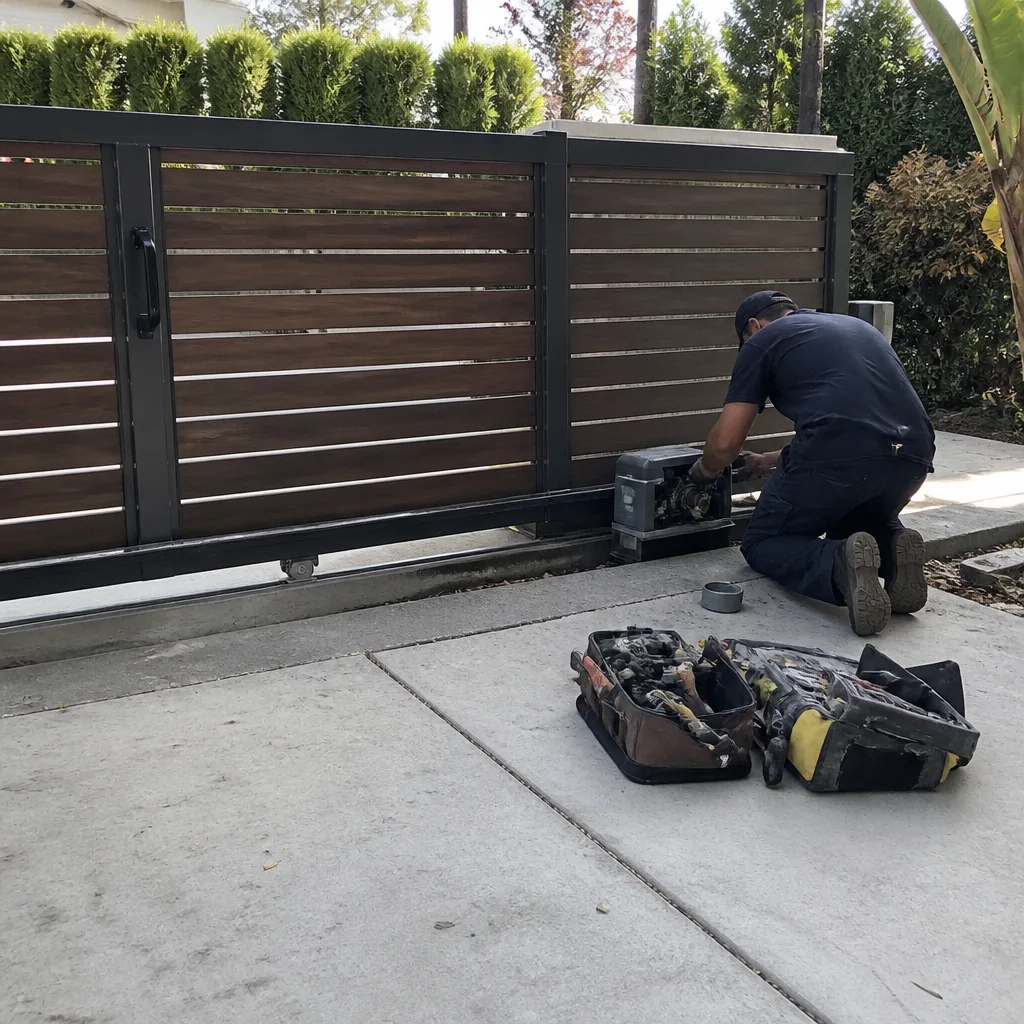 After
AfterReplacement Cost & What’s Included
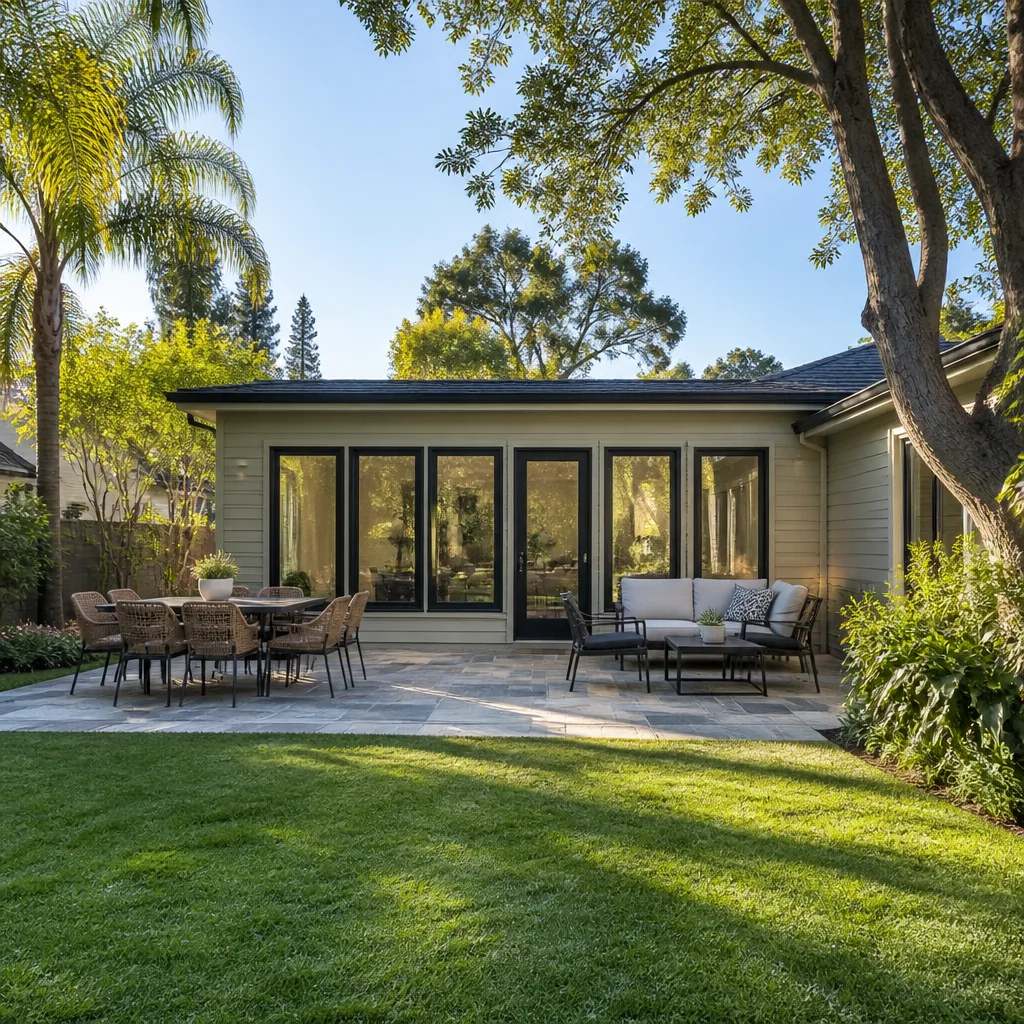
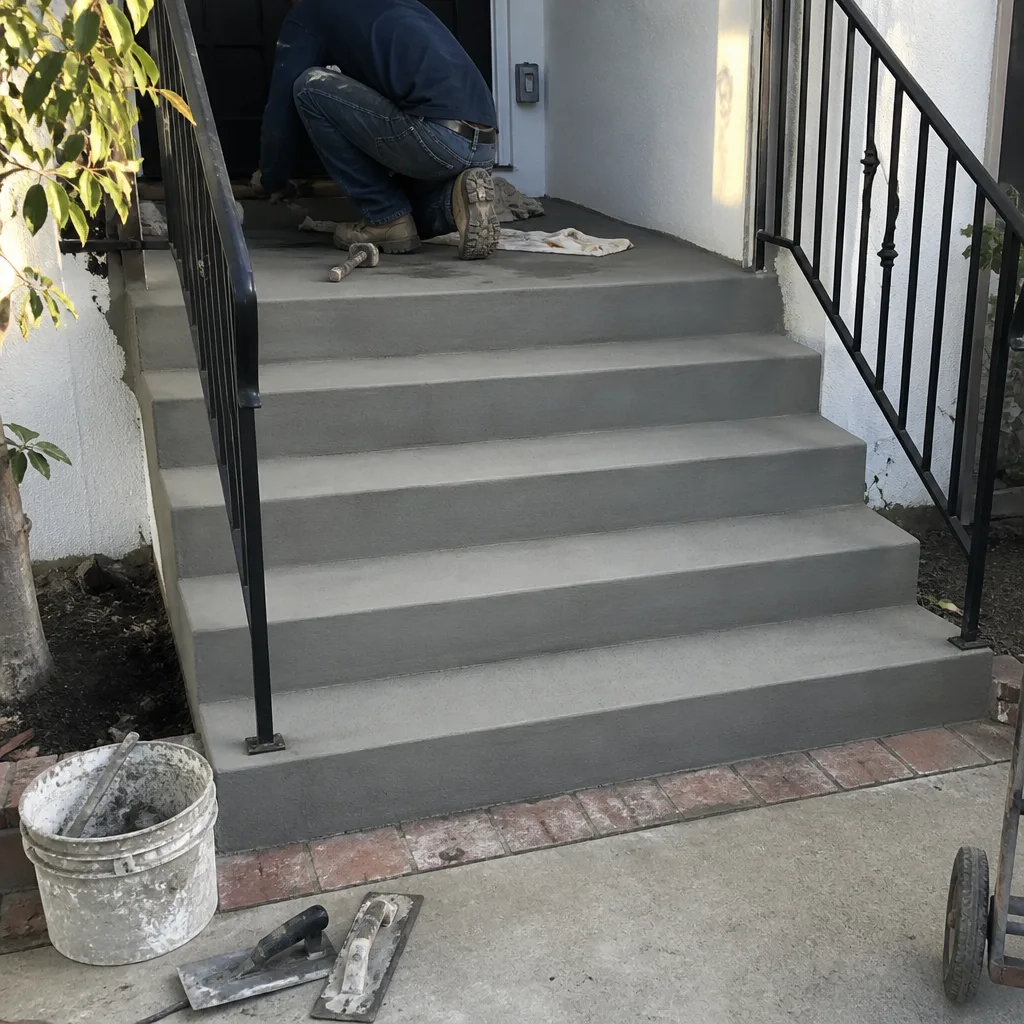
For a full Quikrete home addition in Los Angeles, installed pricing runs $53,100 to $153,400. That covers demolition of any failed concrete, forming, rebar, Quikrete product per spec, placement, finishing, and cure management. On the ADU side, total construction with Quikrete materials lands between $106,200 and $259,600 depending on size, utilities, and finish package.
What drives the range on concrete work specifically: access (a backyard pour that needs a pump costs more than a driveway pour), footing depth (Los Angeles building code wants deeper footings in expansive soil zones), and whether you’re matching existing finishes or starting clean. We give you a written price before any work starts – not a range, a number. You’ll see exactly what the Quikrete products cost, what labor costs, and what the guarantee covers. Every project gets the 365-Day Done Right Promise: if the work isn’t right within a year of completion, we make it right at no cost to you.
| Project Type | Typical Los Angeles Installed Range |
|---|---|
| Home Addition (Quikrete foundation/slab) | $53,100 – $153,400 |
| ADU Construction (full build) | $106,200 – $259,600 |
| Garage Conversion | $35,400 – $94,400 |
| Concrete Driveway Installation | $5,310 – $14,160 |
| Concrete Repair / Resurfacing | $470 – $2,125 |
DIY or Call Us?
Here’s the honest split. You can safely check your existing concrete for signs of trouble: look for the cracking patterns we listed above, check edges for crumbling, and note whether water pools anywhere after a rain. That’s diagnosis, and it’s free. What you should not do is attempt a structural pour yourself. Mixing and placing concrete for a footing, foundation, or ADU slab requires correct subgrade prep, rebar placement, form setting, and finishing timing – and getting any one of those wrong on a structural element in Los Angeles means a failed inspection, a tear-out, or a slab that cracks within two years. This is the part where the cheap bid wins and you pay twice. Isaac Pruett has seen too many DIY slab pours in the Valley that ended up as aggregate for the next one. Call (803) 680-2547 before you buy the first bag; we’ll tell you what actually needs doing and what it costs.
FAQs
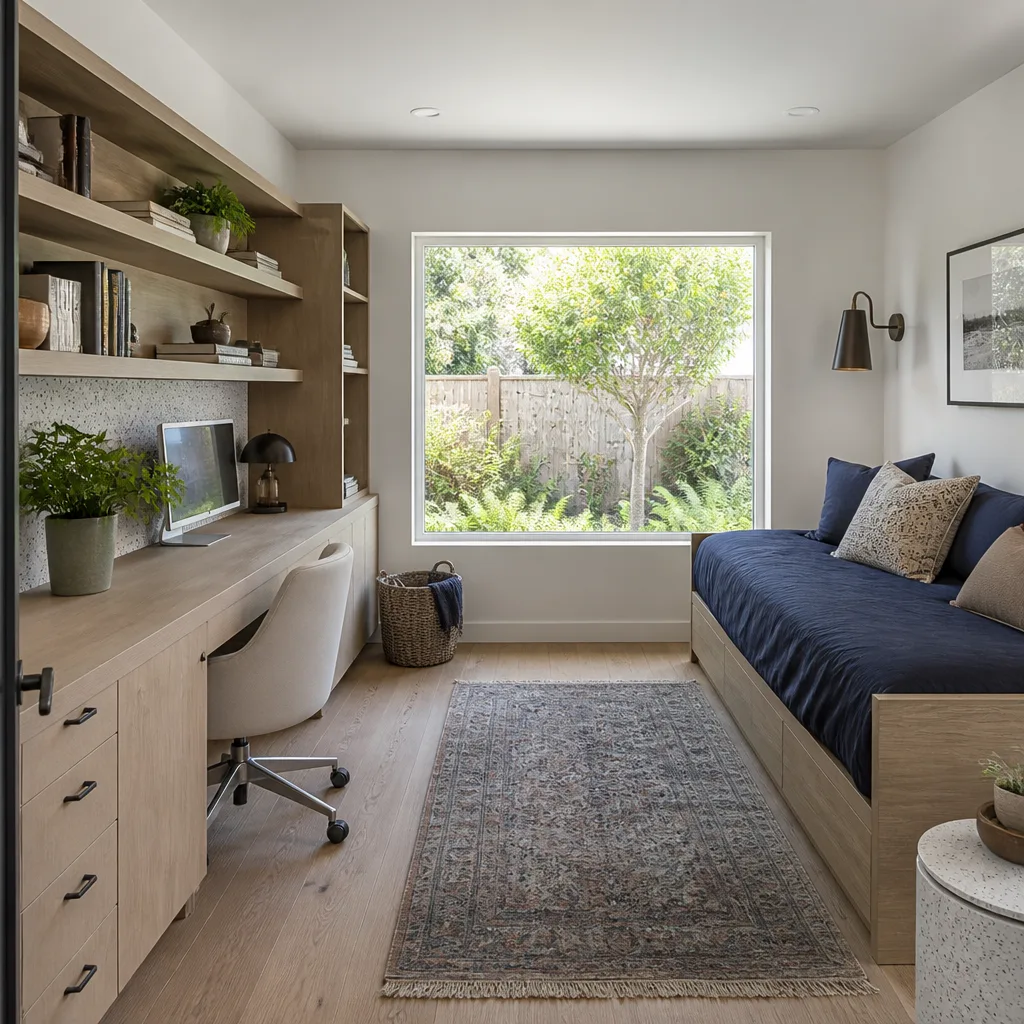
A properly placed and cured Quikrete slab in Los Angeles should last 30 to 50 years before showing significant wear, assuming the subgrade was compacted correctly and the mix was placed at the right water-cement ratio. The failures we see before year five are almost always installation errors, not product defects. Call (803) 680-2547 if your slab is cracking early – we’ll tell you what’s actually happening.
Yes, in many cases a cracked slab can be repaired with epoxy injection, polymer patching, or overlay systems, but the rule is simple: if the crack is structural (through the full depth, moving, or at a load point), repair buys time, not a solution. For active cracks in a foundation or footing, replacement of that section is the honest answer. We’ll assess it and give you a written repair plan before any work starts.
For a typical home addition or ADU foundation in Los Angeles, the concrete work itself runs two to four days: excavation and form setting day one, rebar and inspection day two, pour and finish day three, and striping or sealing day four depending on weather and cure requirements. Larger pours or difficult access can extend that. We’ll give you a schedule in writing with your price.
We stock the common Quikrete products for Los Angeles additions and ADUs on our trucks, including fast-setting concrete, 5000 PSI mix, crack-resistant mix, and surface bonding cement. For larger pours we order directly from our supply partners and stage the materials on site before the pour date, so you’re never waiting on a delivery. Call (803) 680-2547 and we’ll confirm what we have on hand for your project.
Know who’s coming, know what it costs, know it’s backed up – everything else is just noise. Whether you’re framing a room addition off the back of a 1920s bungalow in Highland Park or pouring an ADU slab in the San Fernando Valley, we’ll put the Quikrete spec in writing, introduce you to every technician by name and photo before they arrive, and stand behind the work for 365 days after completion. Call (803) 680-2547 for a free estimate on your home addition or ADU.
Written by Isaac Pruett, Owner, Mason Remodeling at Mason Remodeling, serving Los Angeles and nearby areas.