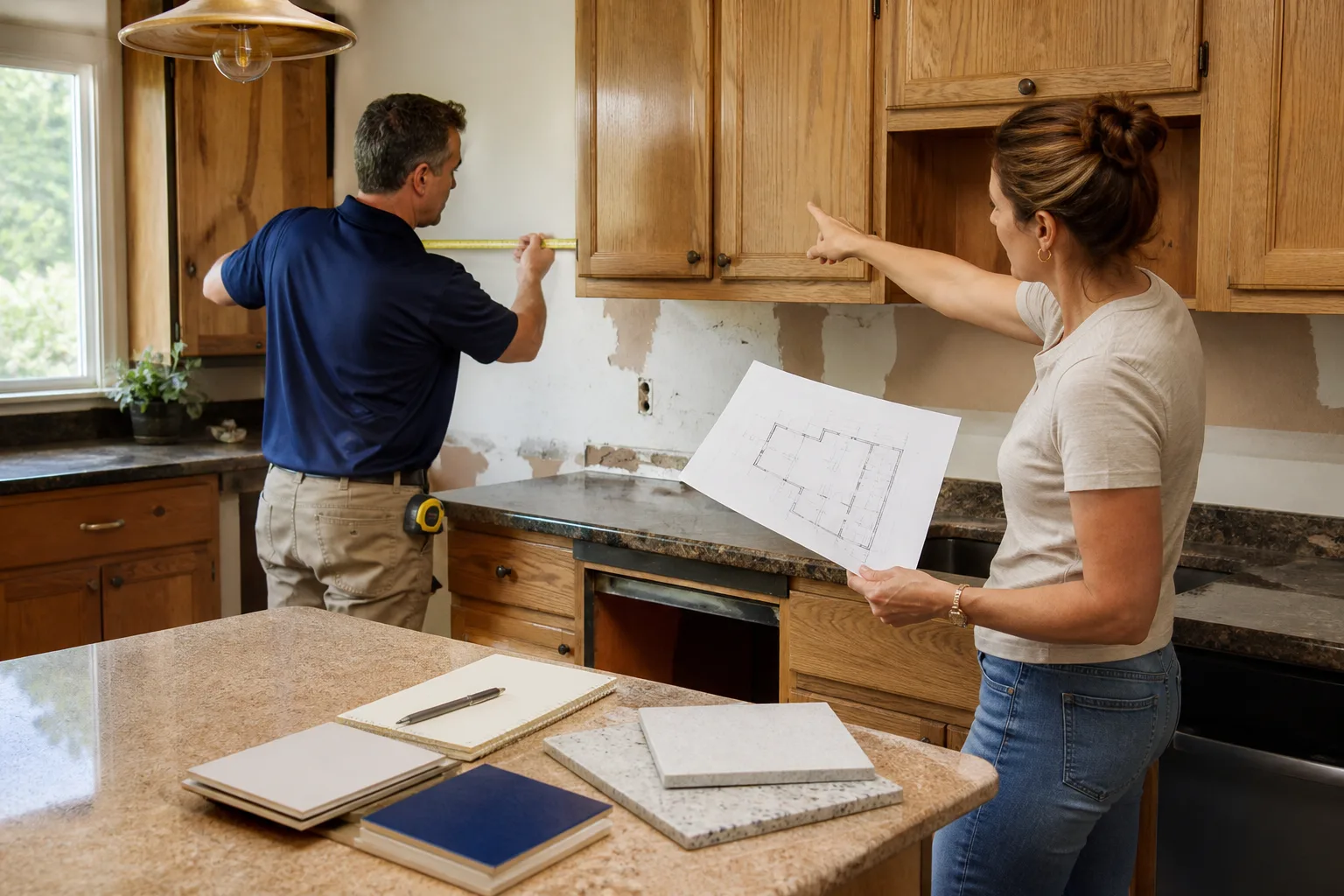
Free written scope consultation - allowances, timeline, and change-order rules on paper before a single trade is scheduled
James Hardie Windows & Doors: The Los Angeles Owner’s Guide
We stock and install James Hardie-compatible windows and doors across Los Angeles, with most replacement projects running $5,310 to $17,700 installed depending on size, series, and whether we’re swapping hardware, glass, or the full unit. We can typically match your part within one visit. Most owners discover a problem the same way: a window that no longer locks square, a door that drags along the threshold after years of dry LA heat and Santa Ana wind cycles, or exterior trim pulling away from the frame where the Hardie trim board meets the rough opening.
James Hardie makes the fiber cement siding and trim that surrounds your windows and doors, not the window units themselves. That distinction matters. When we talk about James Hardie windows and doors in Los Angeles, we’re usually talking about the trim system around them: HardieTrim boards, corner pieces, and the flashing details that keep water out of the wall cavity. The window or door inside that trim may be Milgard, Andersen, Marvin, or a builder-grade unit from the original construction. Our job is to replace whichever part failed and make the whole assembly watertight again. Isaac Pruett has been doing exactly this across LA for the better part of two decades, and he’ll tell you the Hardie trim usually fails before the window does. That’s a Southern California specific problem: our sun breaks down exterior caulk faster than any other market in the country.
Which James Hardie Models This Applies To
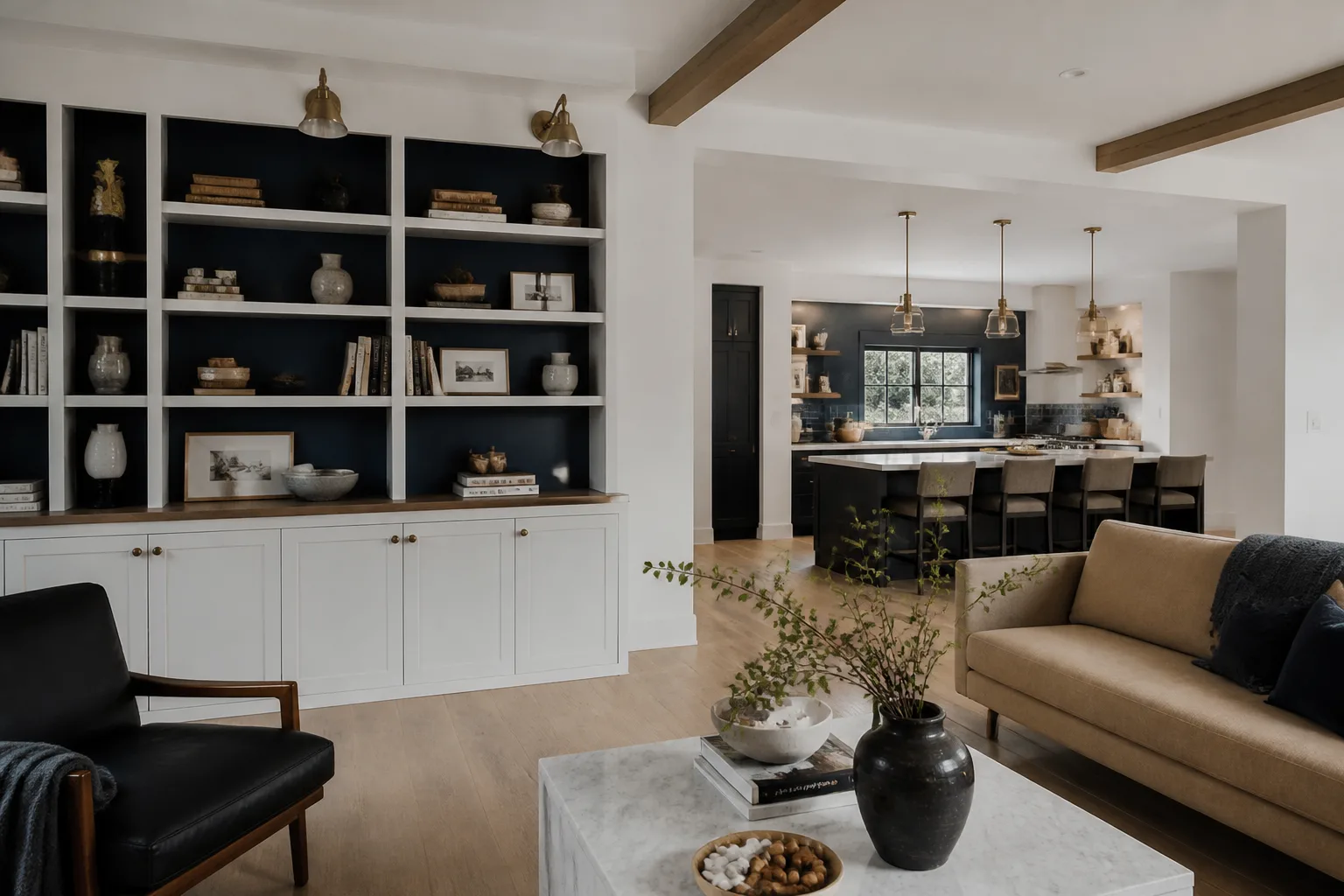
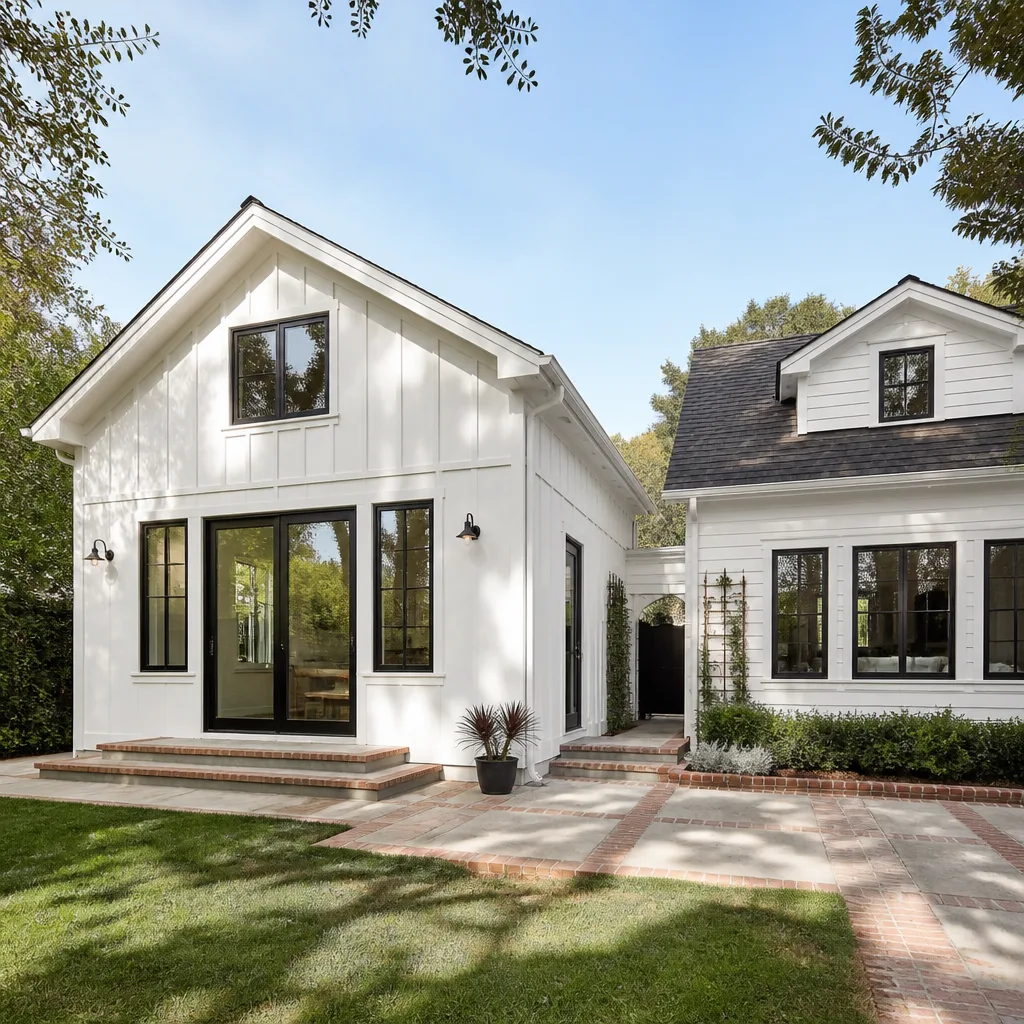
James Hardie’s product lines relevant to window and door work break down into three groups: HardiePlank lap siding (the horizontal boards most LA homes have), HardiePanel vertical siding (common on mid-century and contemporary rebuilds), and HardieTrim boards (the 4/4 and 5/4 thickness boards used as window casing, door casing, corner trim, and fascia). Inside those lines, the two textures you’ll find on Los Angeles homes are Smooth and Cedarmill, which is the wood-grain finish. The part number matters less than the texture and thickness match, because a Smooth 5/4 trim board installed next to Cedarmill siding looks like a patch job, and that’s not how we leave a house.
On the OEM versus aftermarket question: James Hardie is the OEM, period. We install genuine HardieTrim and HardiePanel board, not generically-labeled “fiber cement trim” from a big-box store. The aftermarket fiber cement products sell for 15 to 20 percent less, but we’ve seen inconsistent density and edge flaking within five years. That’s not a risk worth taking on a Los Angeles house where the trim is the first line of defense against spore-friendly moisture. One more compatibility gotcha: HardieTrim boards are 3/4″ thick (actual), while older wood trim boards on pre-1990 LA homes are usually 3/4″ nominal, meaning they measure 11/16″ or less. If the original trim was wood and you’re switching to Hardie, the reveal changes slightly. We account for that before the first cut, not after. The easiest way to identify what you have: look for the laser-printed product code on the back of any removed piece, or check for the HardieZone HZ10 designation, which is the spec for all of Southern California.
Styles & brands we work with
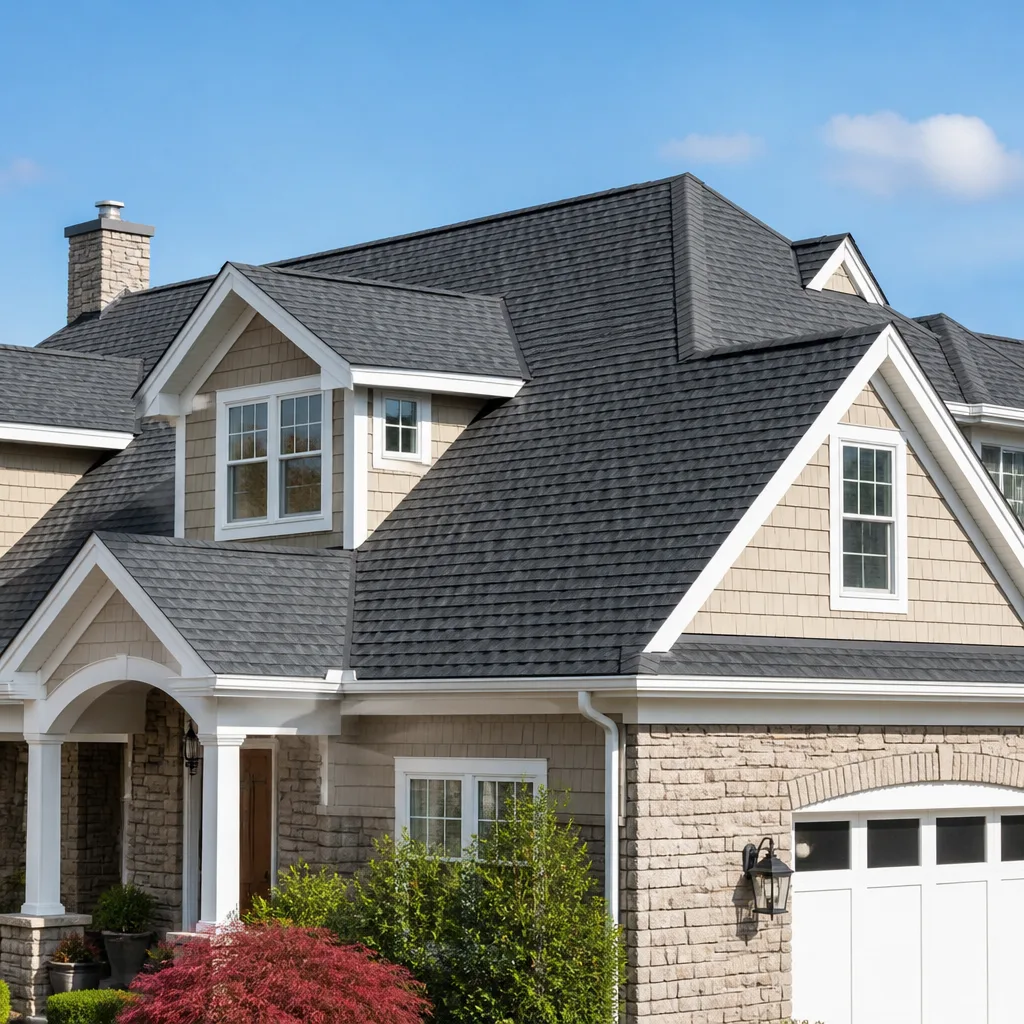
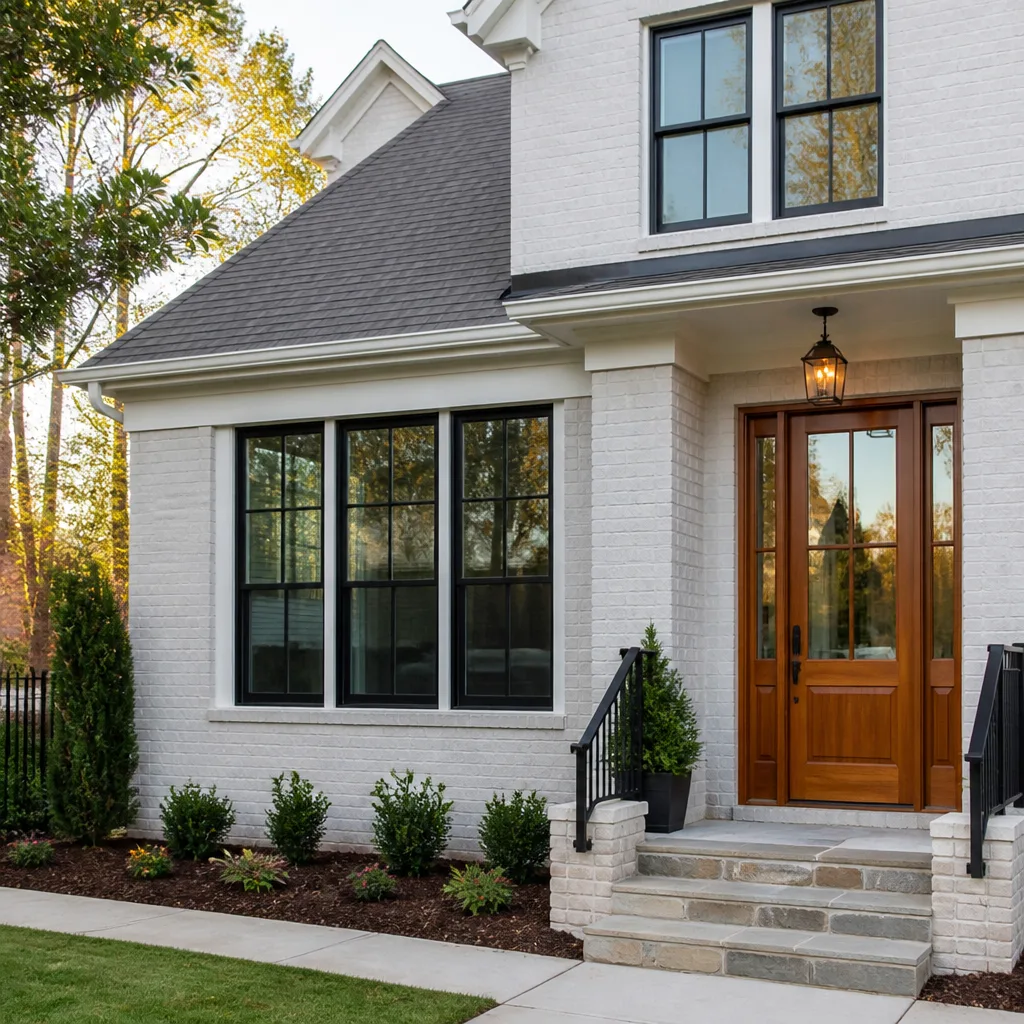
Signs Your James Hardie Windows & Doors Is Failing
- Caulk lines at the trim edge are cracked, pulling away, or missing. In LA’s dry heat, exterior caulk lasts 3 to 7 years before it starts failing. The crack itself isn’t the issue; the water that gets behind it is. Once moisture sits against the trim edge, the fiber cement starts to swell at the cut edges.
- Water stains on interior drywall below a window or beside a door. That stain means water has already made it through the wall assembly. The entry point is almost always a failed flashing detail where the Hardie trim meets the rough opening, not the window unit itself.
- HardieTrim boards feel soft, crumbly, or flake when pressed. Fiber cement should feel dense, like a chalkboard. If it gives under thumb pressure at the bottom edge, moisture has been wicking up from grade or from sprinkler overspray. Los Angeles irrigation systems short-cycling every morning are a common culprit.
- The window or door no longer latches smoothly. When the trim and the surrounding siding flex independently from the frame, the rough opening shifts. Doors start dragging at the top strike plate; windows bind at the latch. The trim may look fine while the assembly is moving behind it.
- You can see daylight at the corner joints where trim boards meet. HardieTrim expands and contracts with temperature swings, and Los Angeles sees a 40-degree spread between January nights and August afternoons. Gaps at miters are normal after a decade. Left open, they channel water straight to the sheathing.
See the difference
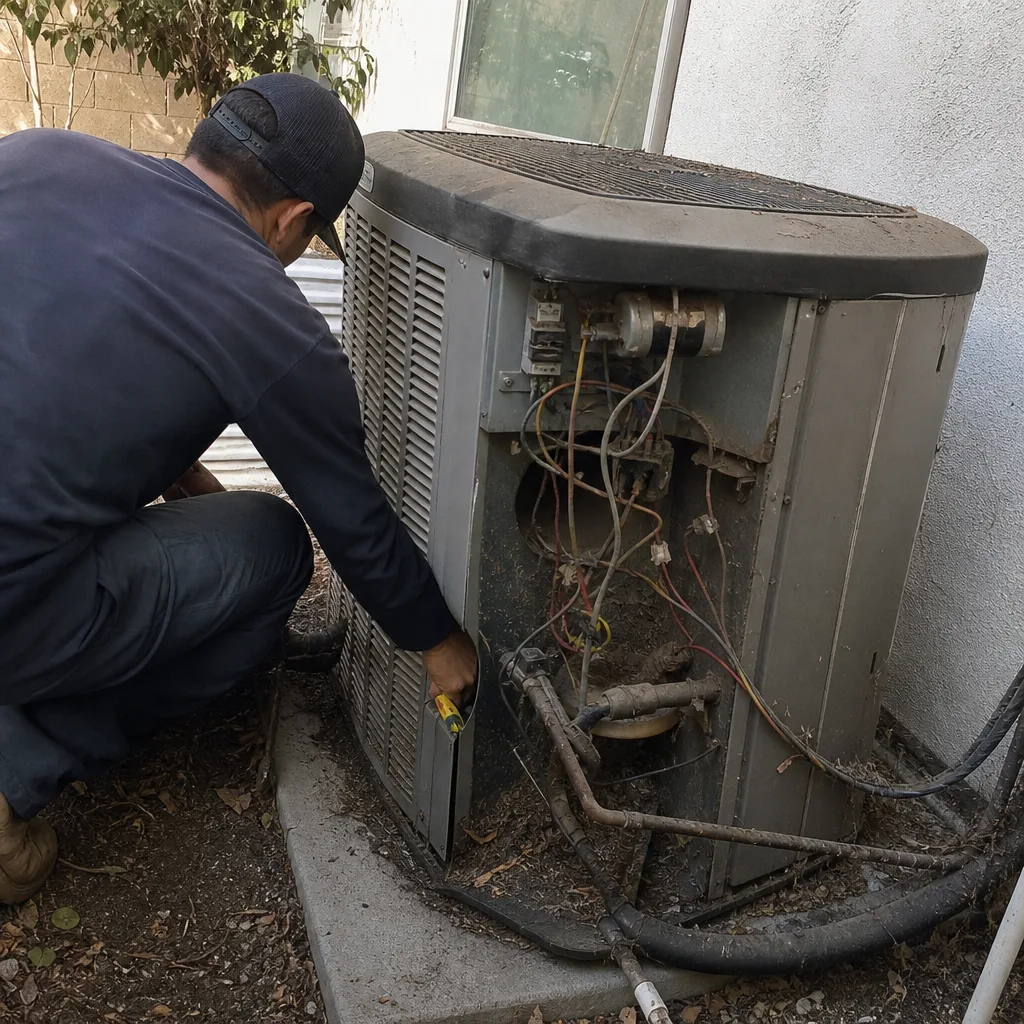 Before
 After
After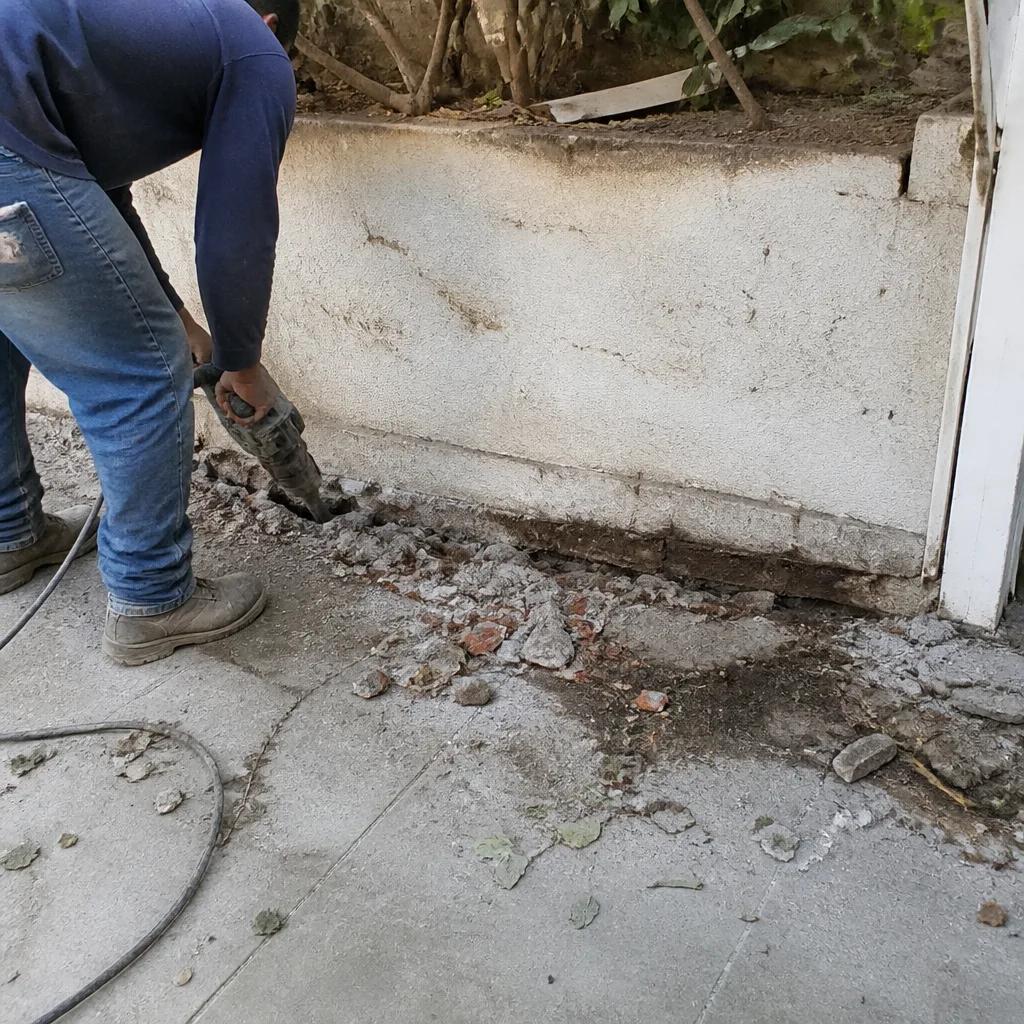 Before
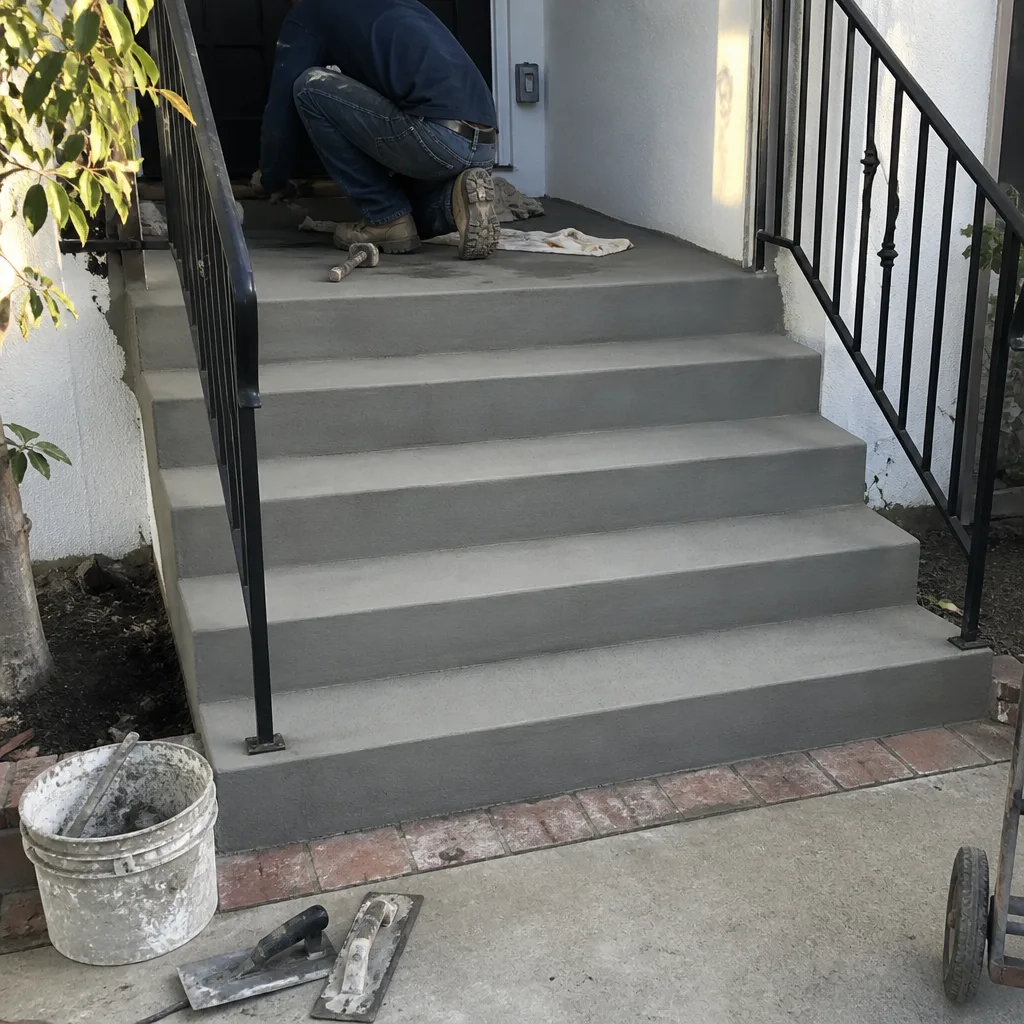 After
After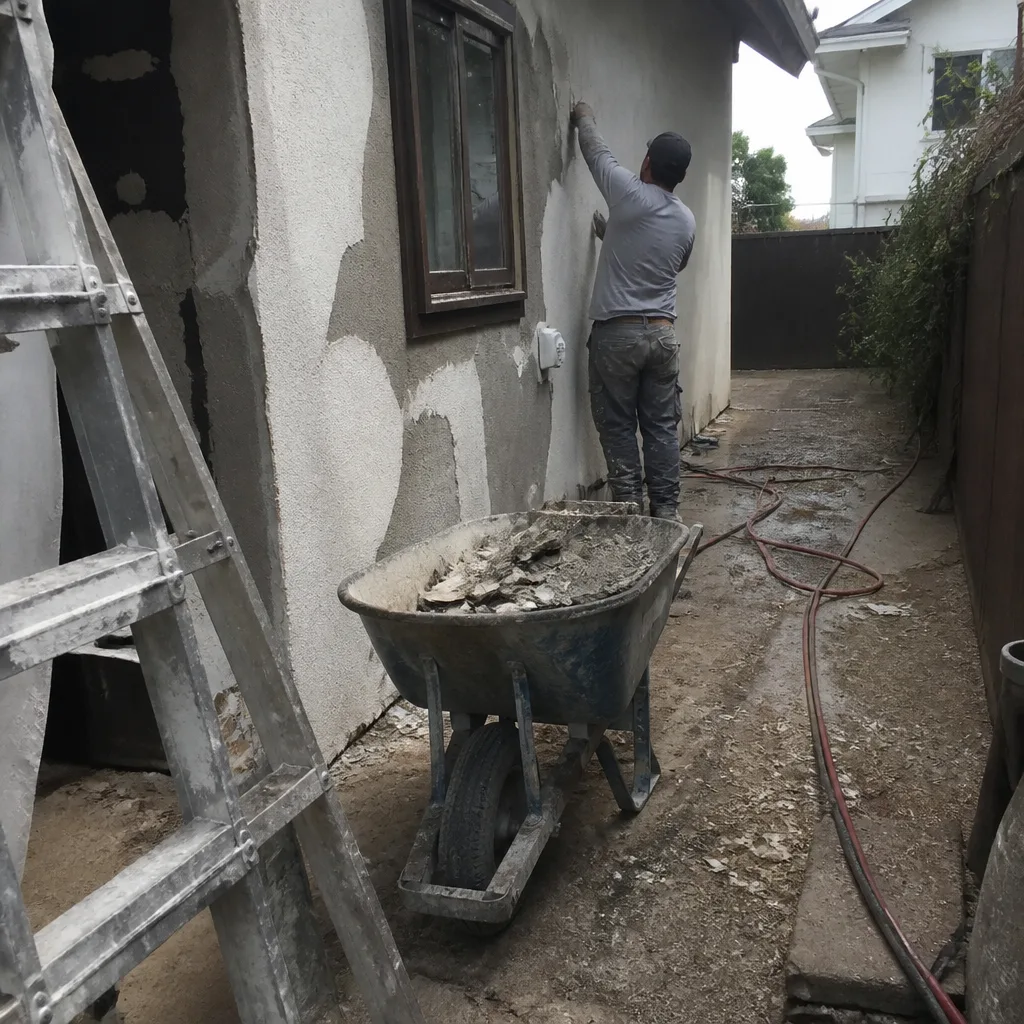 Before
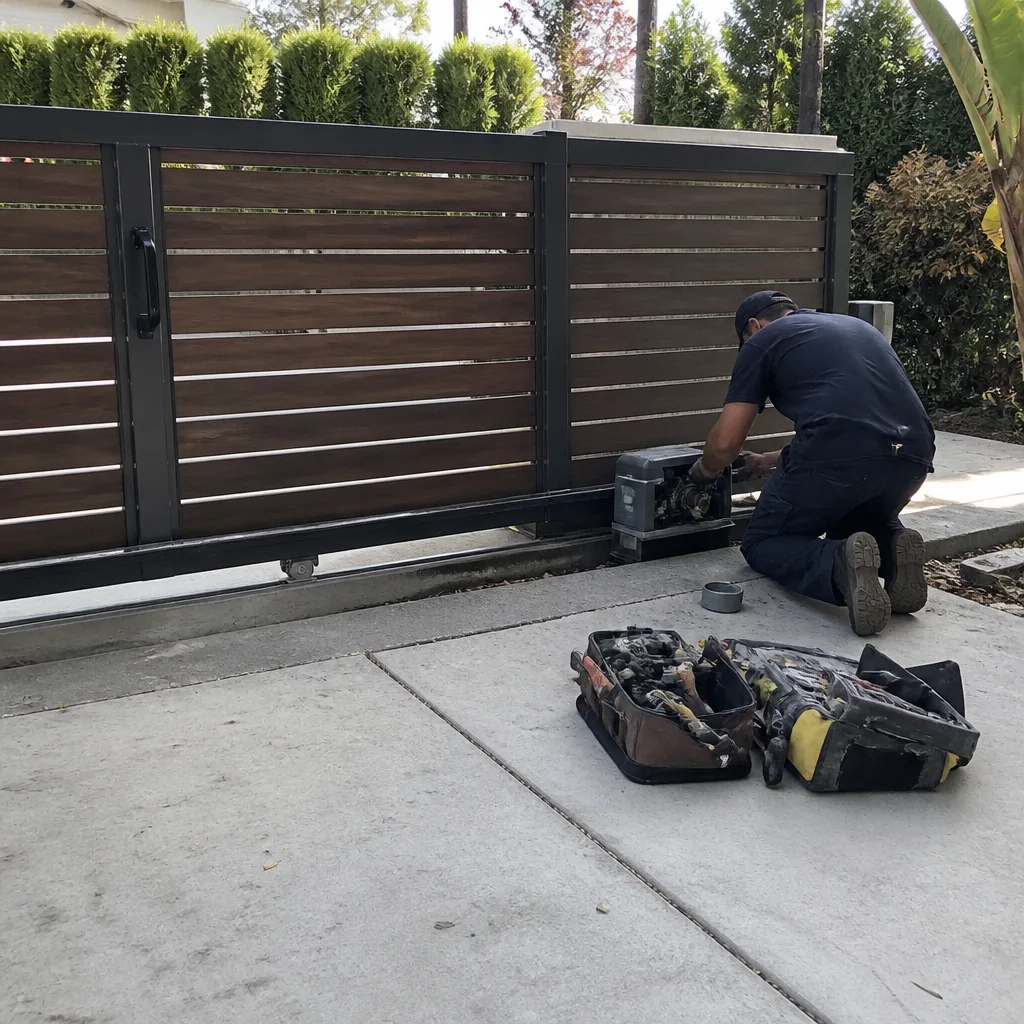 After
AfterReplacement Cost & What’s Included
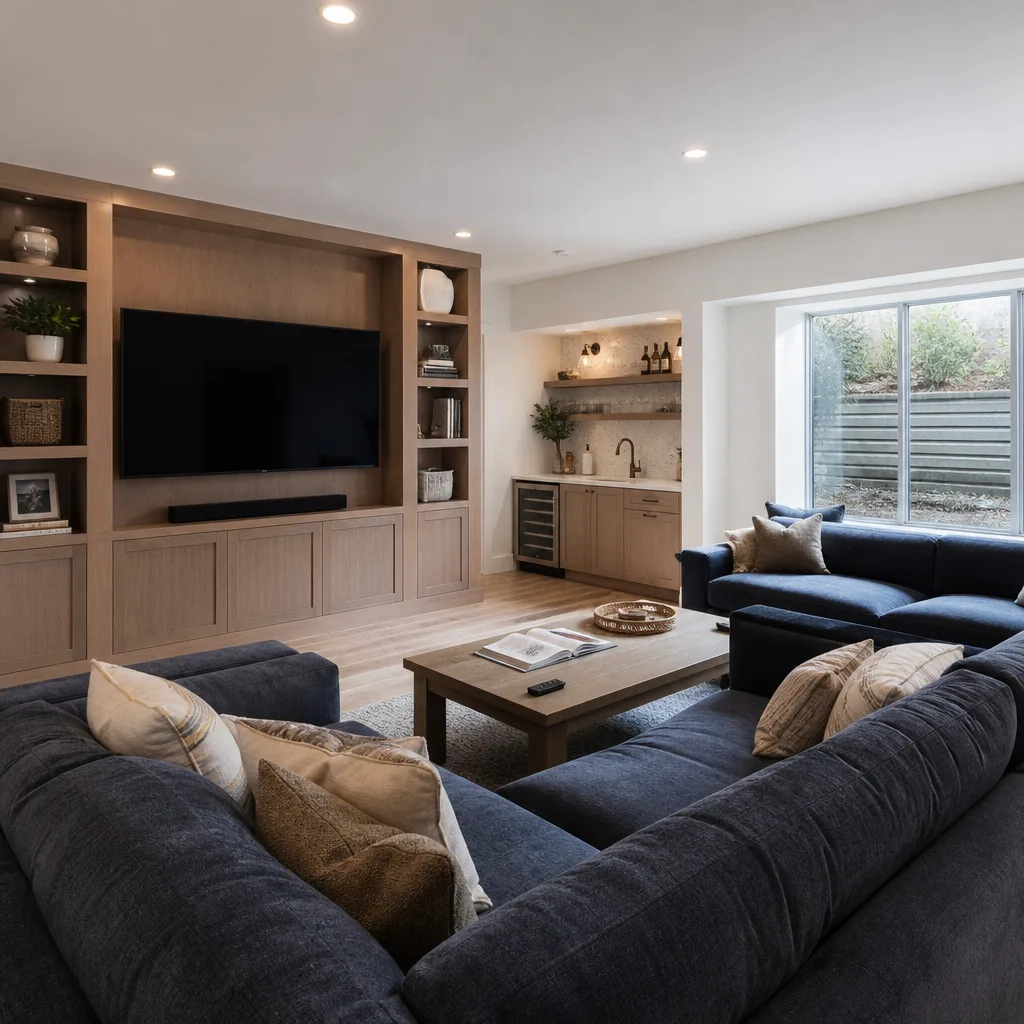
For James Hardie window and door trim replacement in Los Angeles, expect $5,310 to $17,700 installed. The spread comes down to how much linear footage of trim is involved, whether we’re doing one opening or wrapping the entire elevation, and the access conditions. A single window with one failed trim board and localized rot repair lands at the lower end. A sliding glass door assembly where the entire surround needs tear-out, new HardieTrim, flashing, and repainting goes toward the upper end. If the window or door unit itself has failed, not just the trim around it, window replacement in Los Angeles runs $5,310 to $17,700 as a standalone.
Every quote is written, not verbal. You’ll see the board-foot count, the labor, the disposal, and the paint or caulk spec before we start. No change orders unless you change the scope. The workmanship is covered under a written guarantee for 365 days from the completion date, and if something is not right in that window, we return and fix it at no charge. That’s the 365-Day Done Right Promise, and it’s on every job we do in Los Angeles.
Here’s how typical projects land:
- Single window trim repair, one board: $470 – $825
- Full window surround replacement, trim only: $945 – $2,950
- Door trim replacement with flashing correction: $710 – $2,360
- Whole-elevation Hardie trim replacement: $4,130 – $10,620
- Window unit replacement with Hardie trim integration: $5,310 – $17,700
DIY or Call Us?
A homeowner can safely do two things: inspect the caulk lines and check for soft trim by pressing along the bottom edge of the boards. That’s a 10-minute walk around the house, and it tells you whether you have a developing problem or an active leak. What we do not recommend is pulling trim boards off to check the flashing behind them on a wall that faces afternoon sun. Once you break that seal, you are now a roofer’s cousin, which is to say you’ve opened a wall to the elements and committed to finishing the job right that same day. That’s how the cheapest bid wins, then the homeowner calls us in July when the interior stain appears.
Fiber cement trim is not dangerous to handle, but it is heavy, it snaps at long lengths, and the dust from cutting it is silica-heavy. That’s a respiratory hazard, not a scraped-knuckle situation. We use HEPA capture on every cut. If your trim failure has progressed to the point where the rough opening is exposed, you need a professional to assess whether the sheathing and framing are still sound. That’s the part you cannot see from the outside. Call (803) 680-2547 for a free estimate, and we’ll tell you exactly what we found and what it costs to fix it, in writing, before any work starts.
FAQs
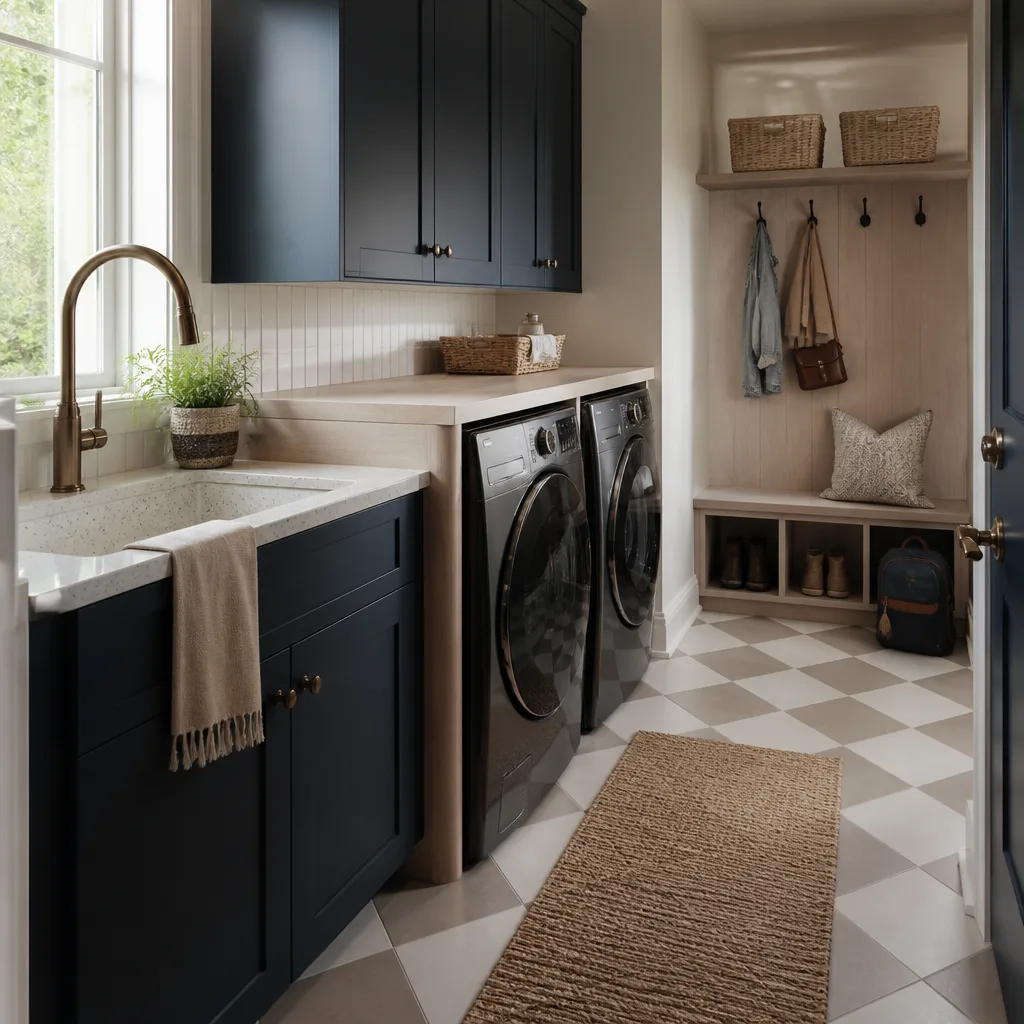
The HardieTrim and siding around your windows and doors should last 30 to 50 years in Los Angeles if the caulk lines are maintained every 3 to 5 years. The window or door unit itself, depending on brand, typically lasts 20 to 30 years. Most exterior failures we see are not the Hardie product failing, but the caulk and flashing holding it in place, because our sun and irrigation patterns are harder on sealants than any other climate factor. If your trim is soft at the bottom edge, the time to call is now, not after the next rain season. Call (803) 680-2547 for a free assessment.
Yes, if the damage is localized to one board and the board itself is still dimensionally solid, we can cut out the damaged section, install a matching HardieTrim replacement piece, and re-flash the joint. If multiple boards on one elevation are soft, flaking, or pulling away, a full surround replacement is cheaper in the long run than piecemeal patching that leaves seams and mismatched paint. We’ll show you the difference with prices for both options. Call (803) 680-2547 and we will walk you through it.
Most single-opening trim replacements take one day from tear-out to final caulk. A full elevation wrapping three or more windows and a door typically takes two to three days, including paint and cleanup. We schedule the work around Los Angeles weather windows so the rough opening is never left exposed overnight. The speed depends on whether we find structural repair once the trim is off, and if we do, we stop, show you photos, and give you a written cost before continuing. Estimates are free at (803) 680-2547.
We stock common Smooth and Cedarmill HardieTrim boards in 4/4 thickness on our trucks for standard Los Angeles window and door surrounds, along with the flashing and sealants we use on every job. Unusual profiles, thicker 5/4 board, or custom color-matched paint finishes may add a day or two for ordering. We’ll tell you at the estimate visit what we can do same-day and what needs a supply run, so you’re never surprised by the timeline. Call (803) 680-2547 to schedule your free estimate.
Written by Isaac Pruett, Owner, Mason Remodeling at Mason Remodeling, serving Los Angeles and nearby areas.