Free written scope consultation - allowances, timeline, and change-order rules on paper before a single trade is scheduled
James Hardie Home Additions & ADU: The Los Angeles Owner’s Guide
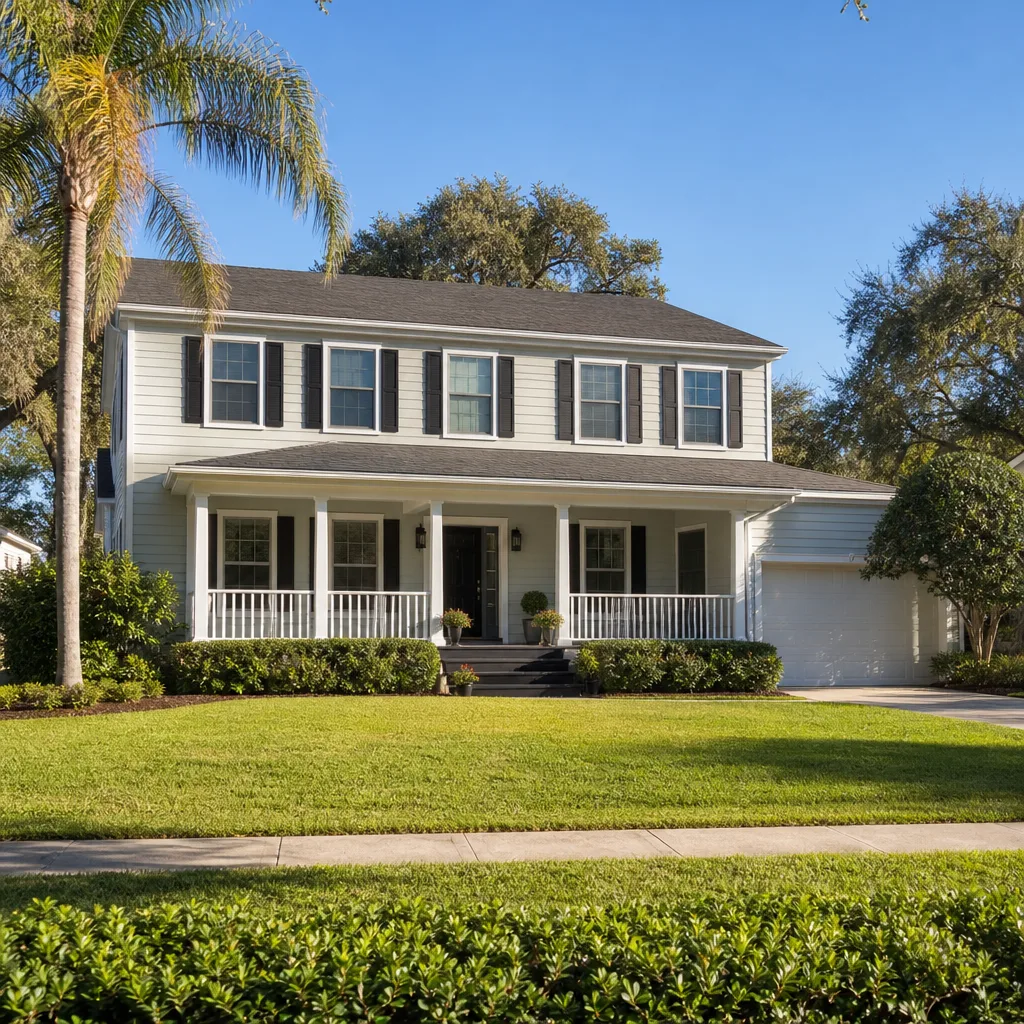
A full James Hardie-clad home addition or ADU in Los Angeles typically runs $53,100 to $153,400 installed, with most projects landing between $85,000 and $120,000 depending on square footage, foundation work, and how much of the existing structure has to be tied in. If your current siding, trim, or the framing behind it is failing, that’s usually where we get called first: a soft spot near the roofline, a HardiePlank that’s begun to separate at the seam, or a corner trim board that’s swollen and pulling away from the wall. We stock and install James Hardie-compatible siding, trim, and weather barrier materials, and we can match what’s already on your home or upgrade the whole addition to current Hardie spec.
Most Los Angeles homeowners discover a problem the same way: the paint starts bubbling along the bottom edge of the siding, or a crack opens up where the ADU meets the main house and water gets in during the first real rain. By the time it’s visible from the street, there’s usually more going on behind the wall than anyone wants to admit. That’s the moment to call. Mason Remodeling is an independent contractor and not affiliated with James Hardie, but we’ve been installing and repairing their product lines across Los Angeles for two decades.
Which James Hardie Models This Applies To
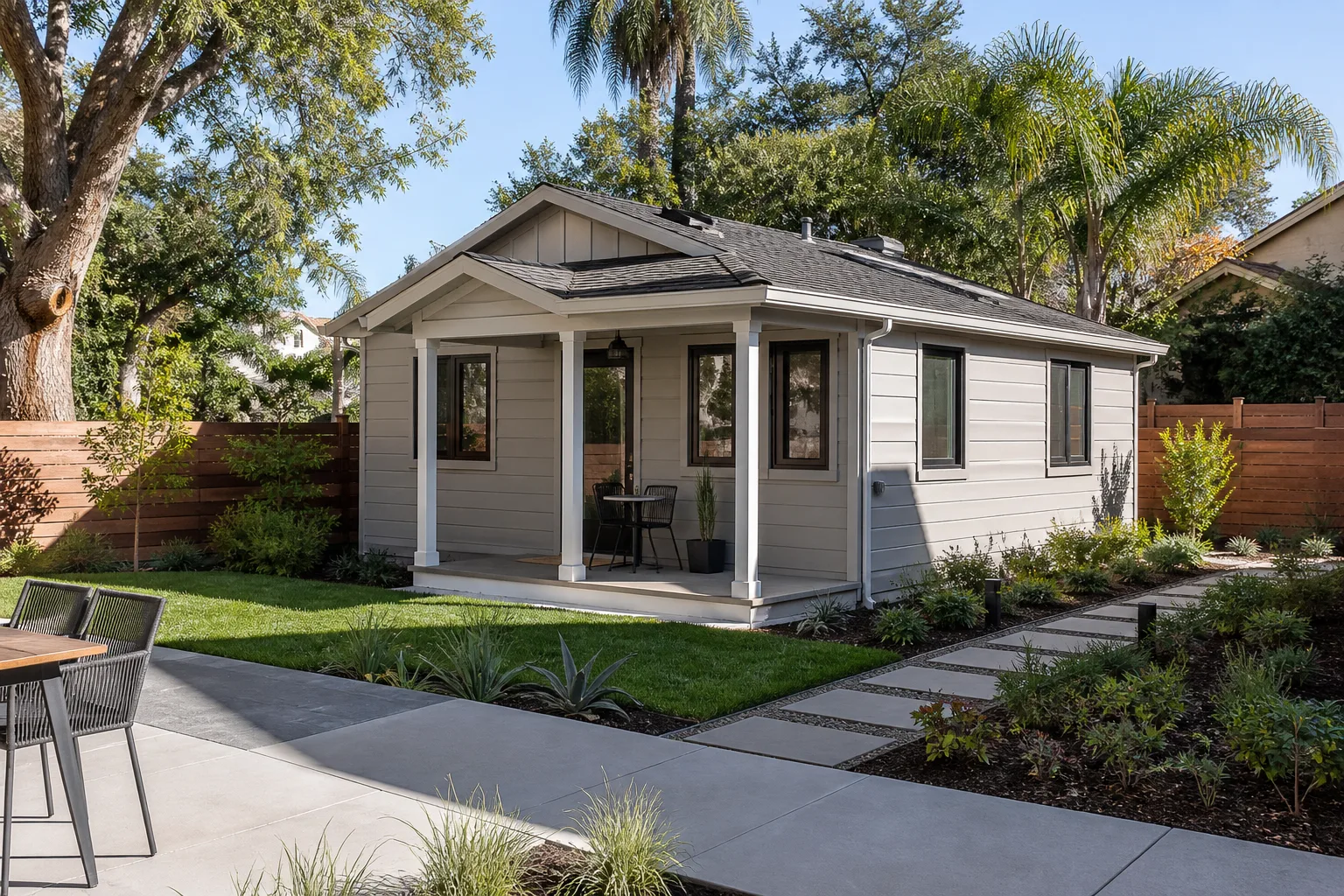
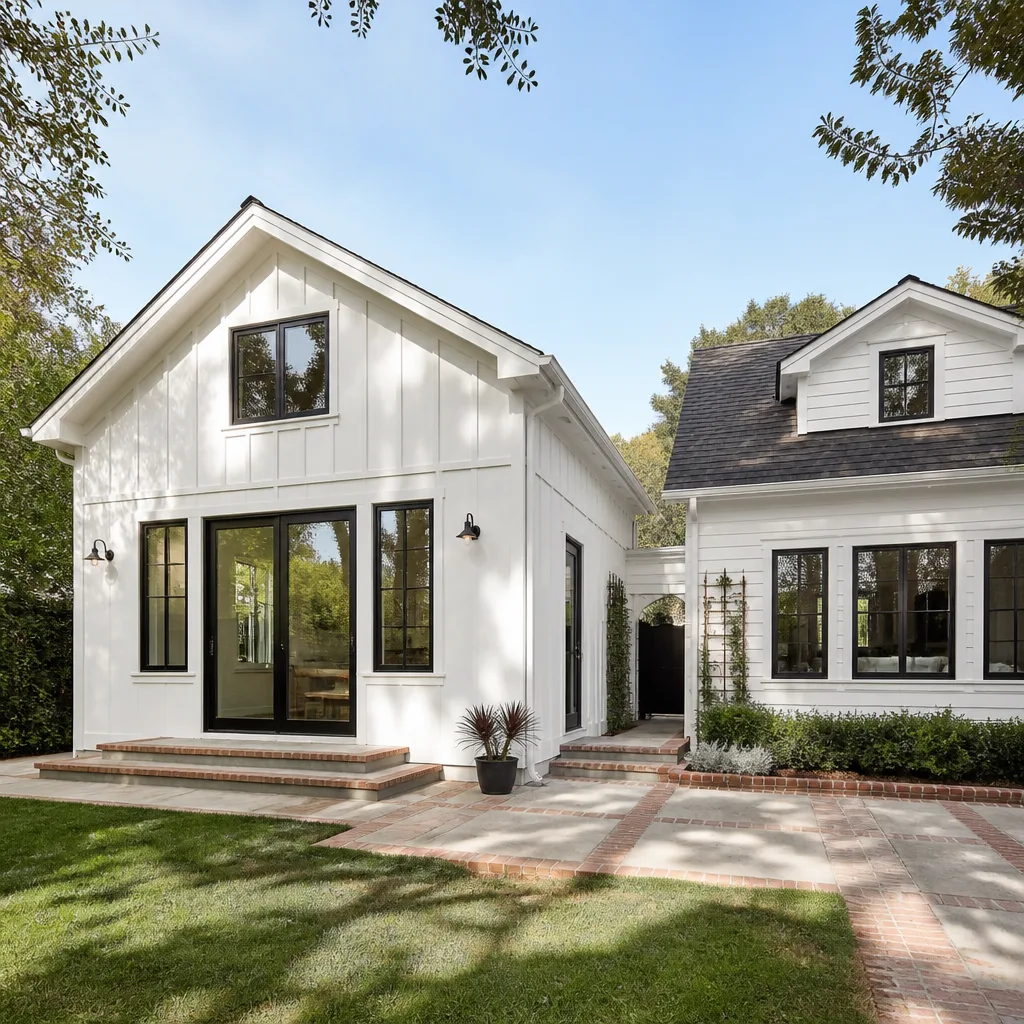
James Hardie makes a few different siding products, and the part you need depends on which one your home or ADU was built with. The most common in Los Angeles is HardiePlank lap siding, which comes in 5/16-inch thickness in widths from 4 to 8 inches, with the reveal you choose changing the look. HardiePanel vertical siding is the other big one, used a lot of second-story additions and modern ADUs, and it comes in 4×8, 4×9, and 4×10 sheets at 5/16 or 1/2 inch. HardieTrim boards, HardieSoffit, and HardieShingle round out most installs.
The gotcha is that older James Hardie product, installed before about 2005, used a different nail pattern and often a different texture than what’s on the shelf at the lumber yard today. If you can’t find the original install date, check the back of a removed piece: current product is stamped with the Hardie name and a plant code near the edge. If it’s blank or faded beyond reading, you’re looking at first-generation material and you’ll want us to measure the thickness and texture before ordering replacements. On OEM versus aftermarket: for James Hardie specifically, we almost always recommend OEM. The aftermarket cement-board alternatives don’t match the factory finish, and the color-matched factory primer on real Hardie trim and siding is what keeps a repair from looking like a patch job.
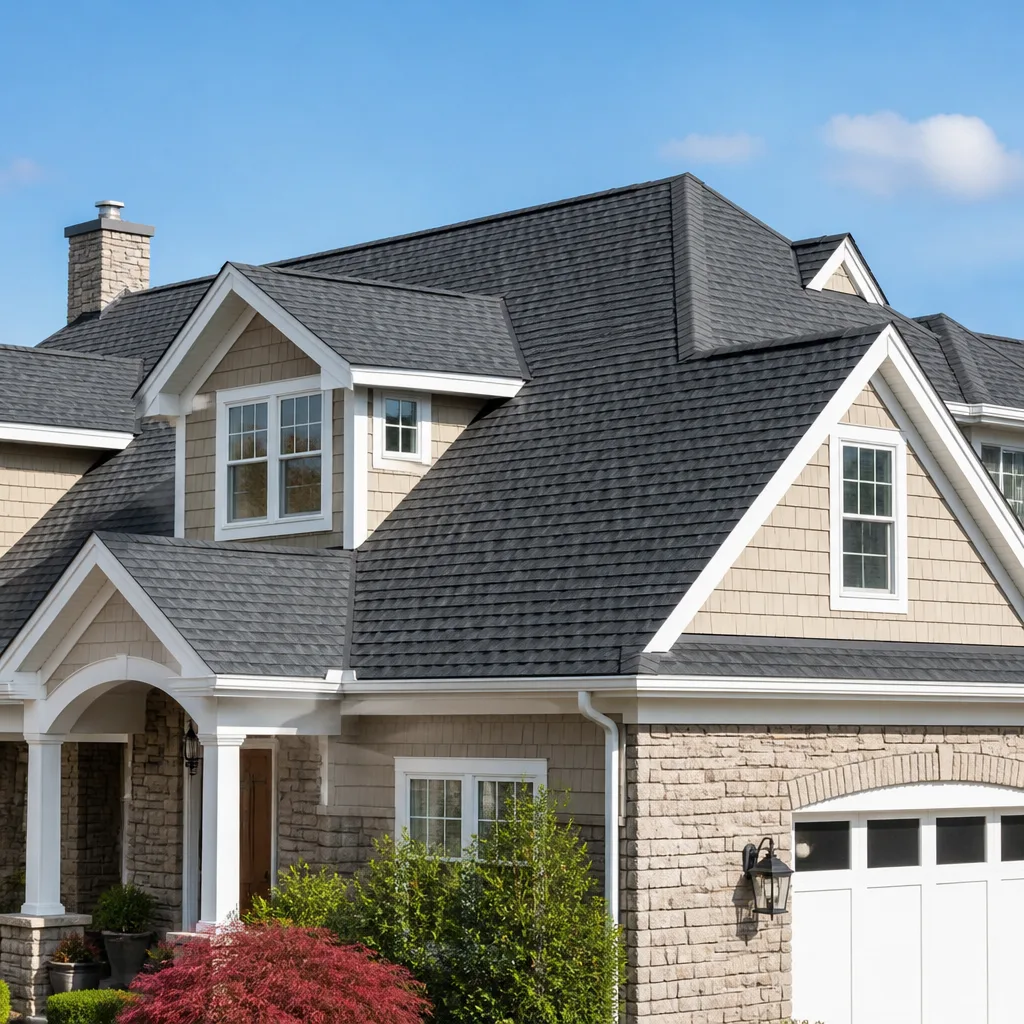
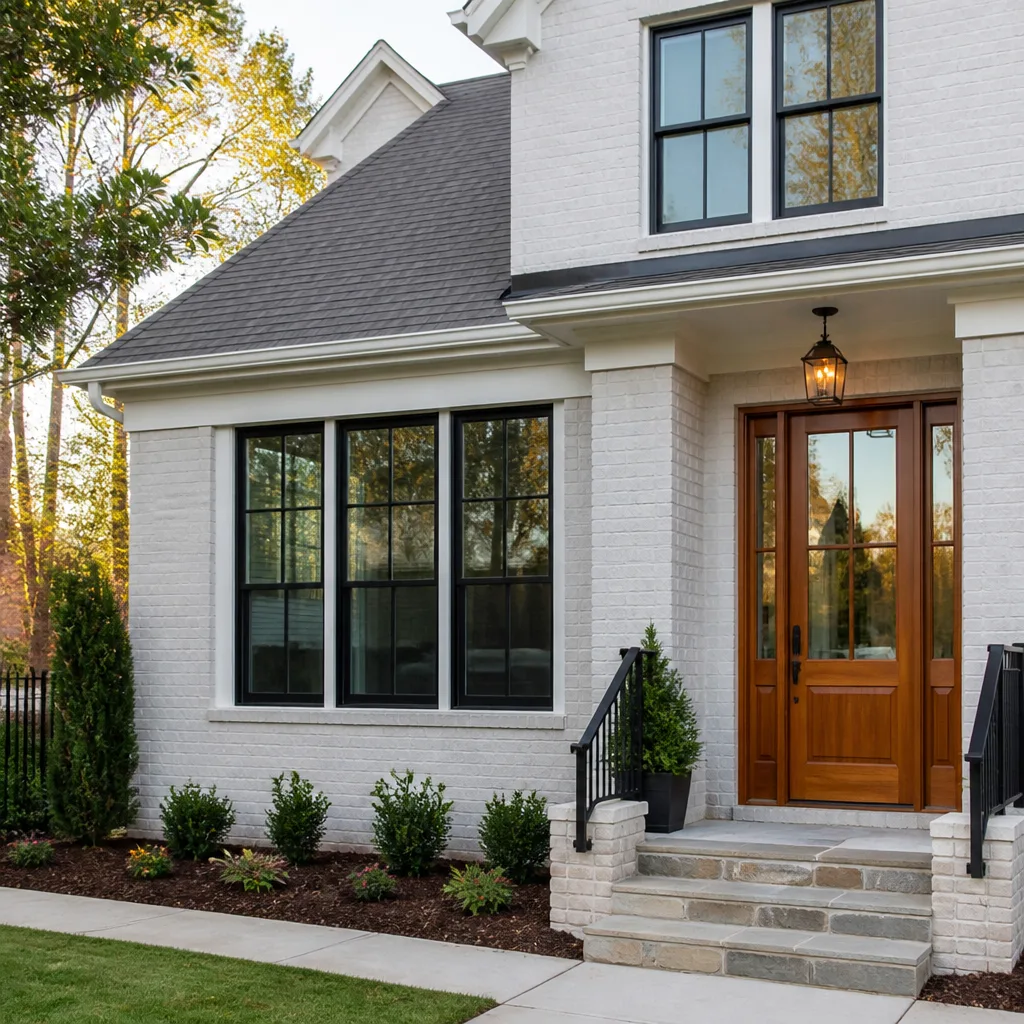
Styles & brands we work with
Signs Your James Hardie Home Additions & ADU Is Failing
- Swollen or soft trim boards at the corners and roofline. This is almost always water getting behind the trim because the original installer didn’t flash the top edge. Once the board swells, it never goes back, and the sealant joint fails a little more every season. In Los Angeles, the culprit is usually sprinkler overspray, not rain.
- Cracked or broken siding panels, especially around windows and doors. Fiber cement is tough, but point loads from bad window flashing or a shifting foundation will crack it. A crack at the corner of a window is the classic sign that the rough opening wasn’t trimmed out to Hardie’s stated gap specs.
- Paint peeling in a straight horizontal line along the bottom edge of the siding. That’s wicking: the siding is pulling moisture up from grade because the bottom edge sits too close to soil or concrete. Hardie’s install spec calls for a 6-inch clearance from grade, and a lot of Los Angeles additions from the 90s and early 2000s were set at 2 inches or less.
- Gaps opening at the horizontal seams between boards. James Hardie lap siding is meant to be installed with a small gap that gets caulked or flashed, but when the gap widens on one side only, it usually means the wall framing behind it has settled or the original nails missed the stud on that end. The board will eventually crack at that nail line.
- Visible rust stains or dark streaks below the nail heads. If the original installer used standard fasteners instead of the specified hot-dipped galvanized or stainless nails, you’ll see rust bleeding through the paint. Once that starts, the fastener is corroding inside the board, and replacement is a matter of time.
See the difference
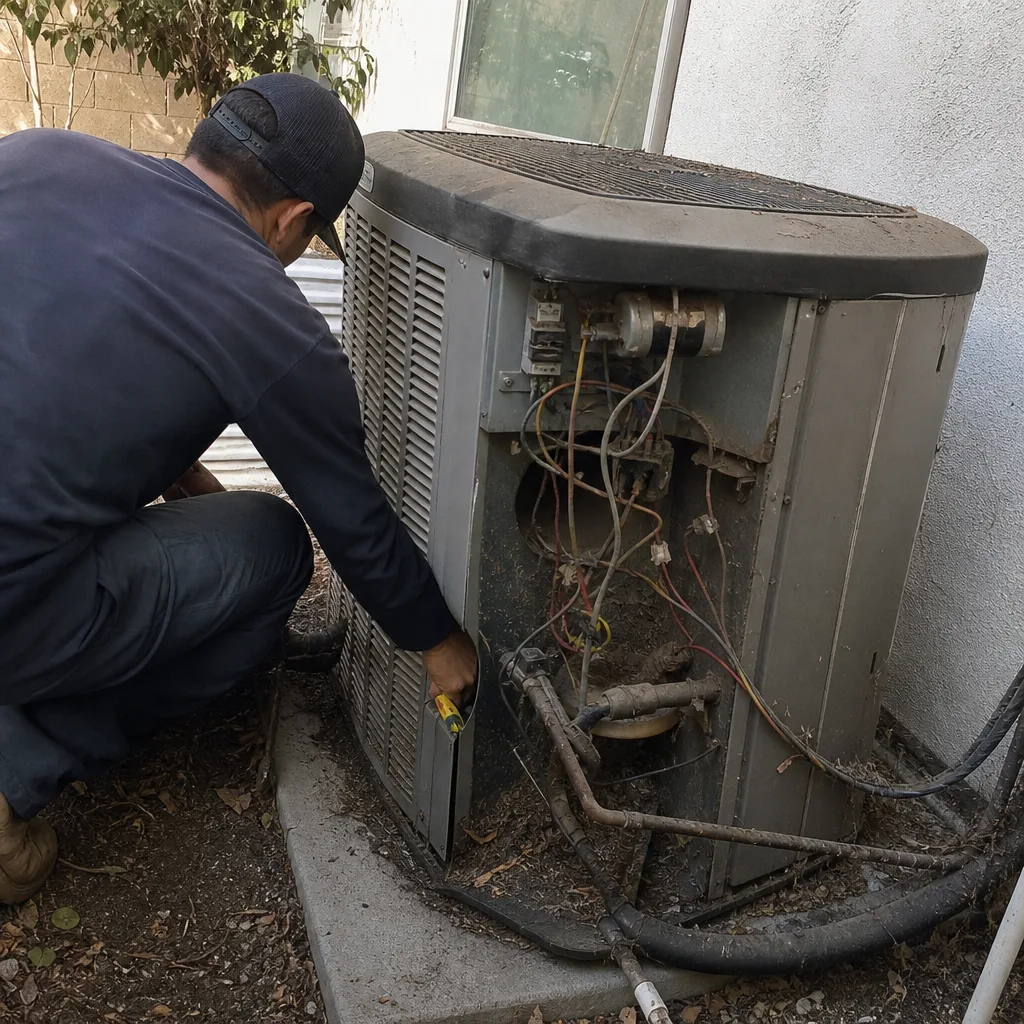 Before
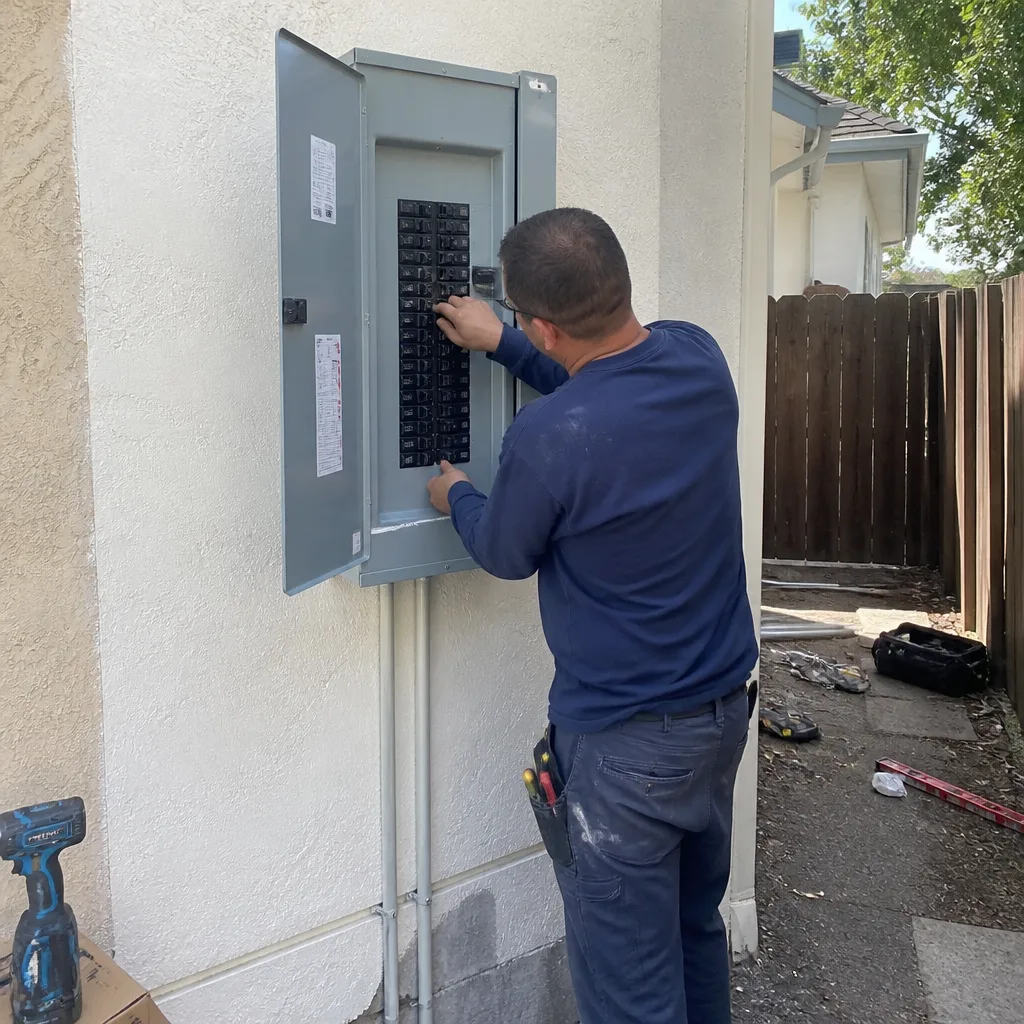 After
After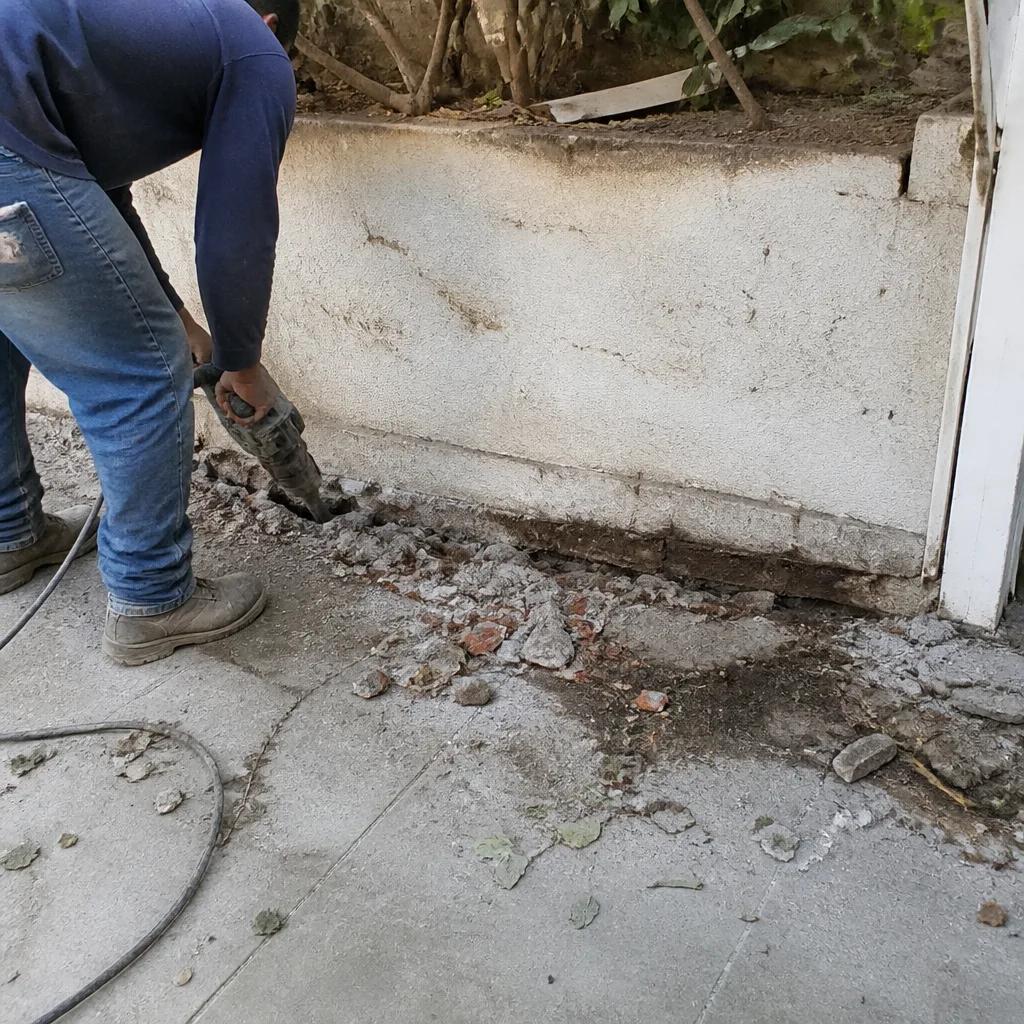 Before
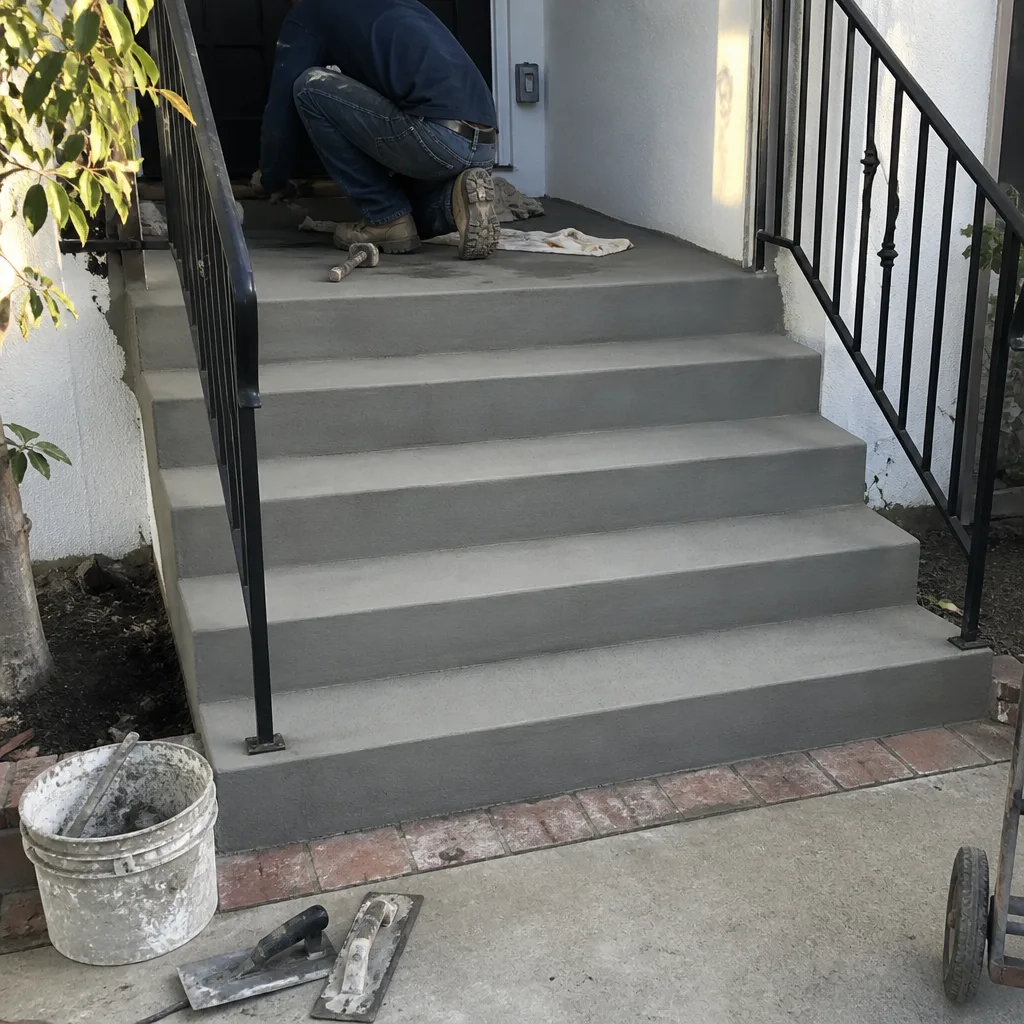 After
After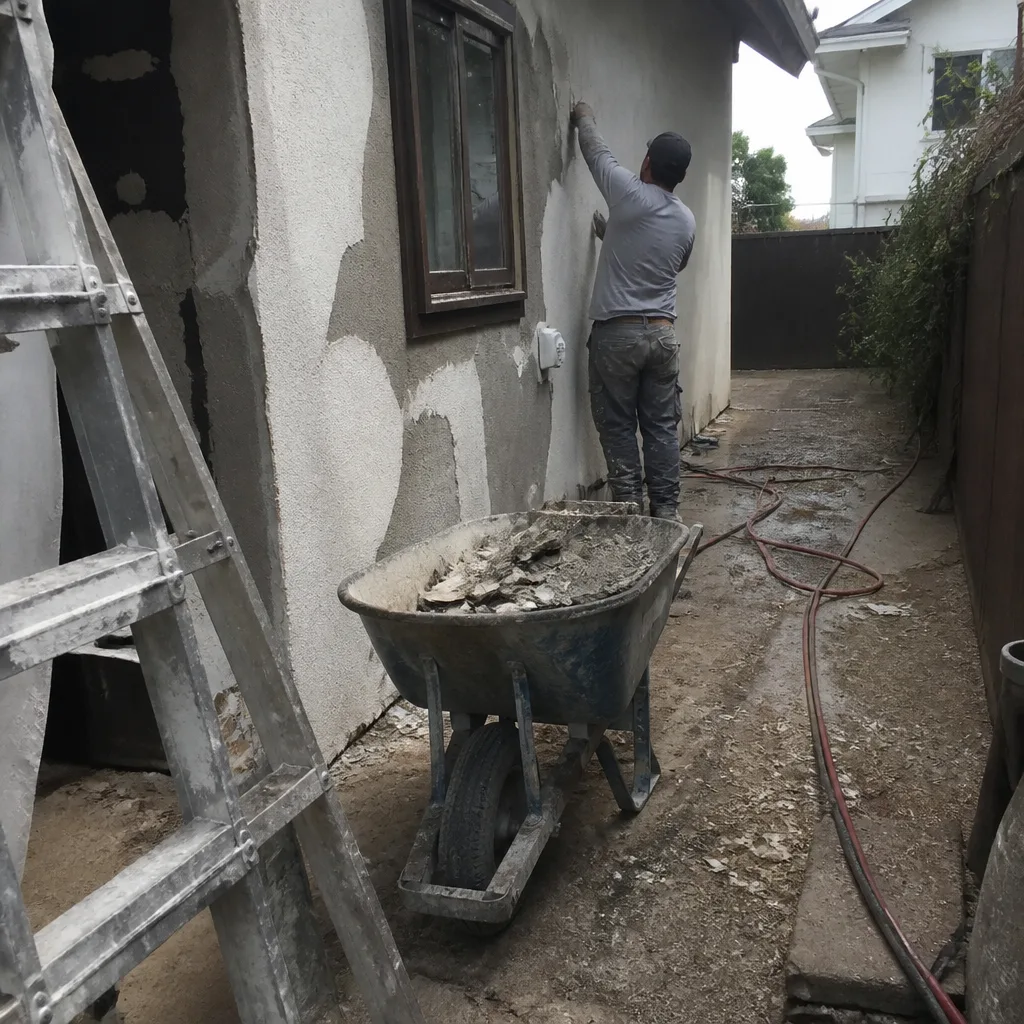 Before
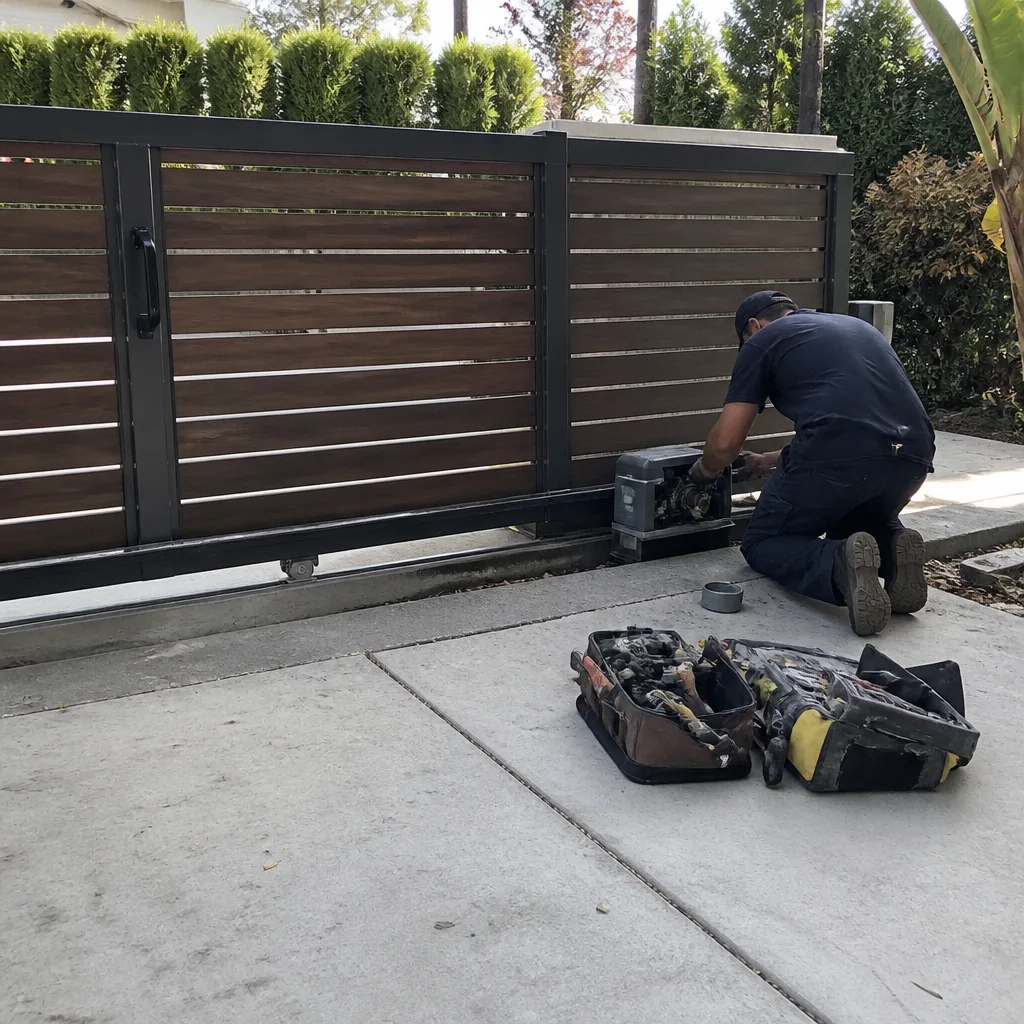 After
AfterReplacement Cost & What’s Included
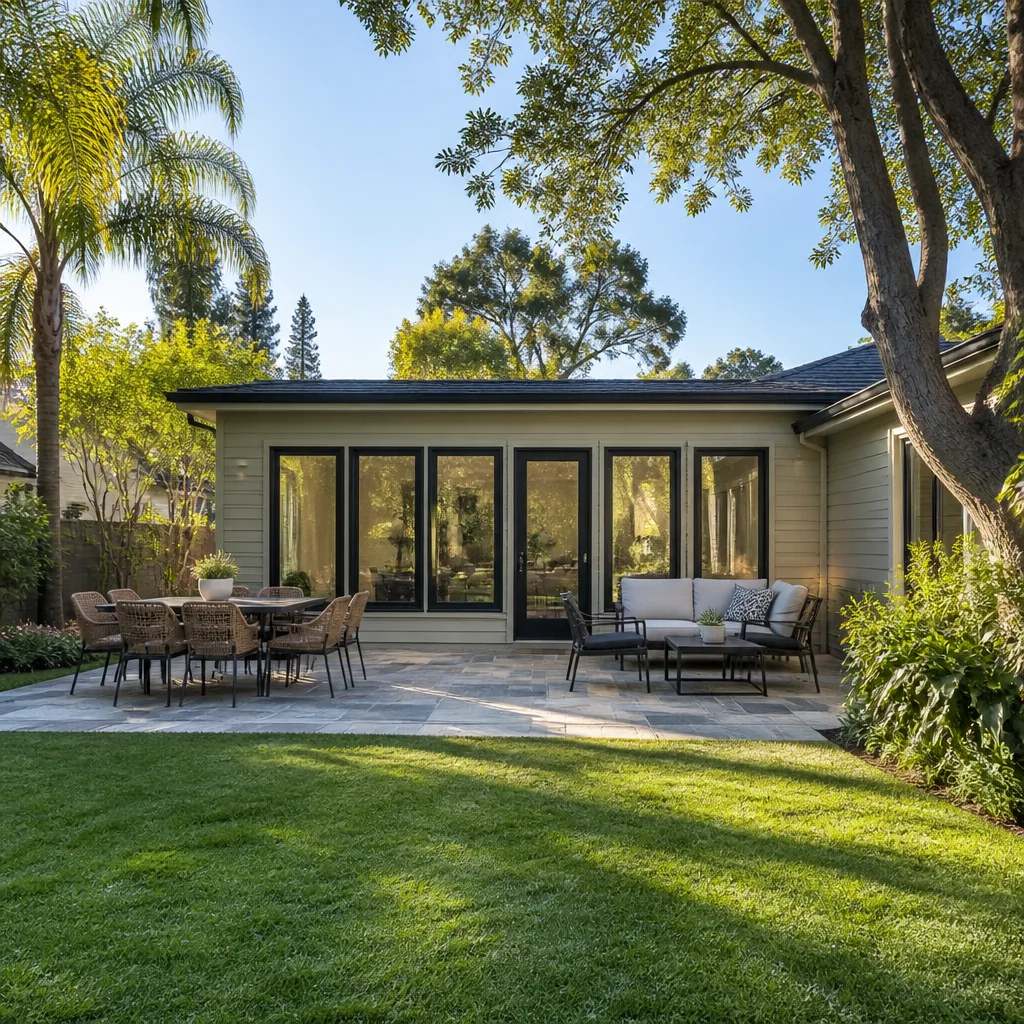
A full James Hardie-clad home addition or ADU in Los Angeles runs $53,100 to $153,400, but that’s the whole structure: permits, foundation, framing, electrical, plumbing, drywall, and the Hardie siding and trim system on the outside. If what you need is siding repair, trim replacement, or recladding an existing addition, the numbers are smaller: most siding repair jobs at one elevation run $1,500 to $6,000, and a full re-side of a 400-square-foot ADU is usually $9,000 to $18,000 depending on access and how much trim and flashing has to be rebuilt.
Here’s what drives the range: height and access (a second-story gable means scaffolding, and scaffolding is a line item), the condition of the framing behind the siding (we don’t know until we open it up, and we’ll show you what we find before we proceed), and whether you want seamless color-matched Hardie trim or the standard primed boards. Every estimate is written, line-item, and delivered before any work starts. No change orders without your signed approval first. The workmanship warranty on siding replacement is 365 days from the completion date, in writing, with the terms spelled out.
| Project Type | Typical Los Angeles Range |
|---|---|
| Full home addition with Hardie siding | $53,100 – $153,400 |
| ADU construction (Hardie-clad) | $106,200 – $259,600 |
| Re-side existing ADU (400 sq ft) | $9,000 – $18,000 |
| Siding repair, one elevation | $1,500 – $6,000 |
| HardieTrim corner/roofline replacement | $700 – $2,500 |
You’ll get a written price before any work starts, every time. That’s not a promotion and not a favor. It’s how we’ve done business since 2004.
DIY or Call Us?
Truthfully, there’s not much about James Hardie siding repair that a homeowner should attempt on a ladder. Fiber cement is heavy: a 12-foot HardiePlank board weighs around 30 pounds, and when you’re holding it against a wall with one hand and driving nails with the other, it will fight you. The nails have to land on studs, the bottom edges have to sit on the right flashing, and the gaps have to be right or you’ll be doing the same repair in two years. Also, cutting fiber cement without proper dust control puts silica in your lungs, and that’s a documented respiratory hazard, not contractor scare talk.
What you can safely check: walk around the addition or ADU and look at the bottom edge of the siding. If it’s closer than 6 inches to soil or paving, flag it. Look at the trim boards where they meet the roof. If you see cracked caulk, take a picture. That’s useful information for us, and it helps us give you a faster, more accurate estimate over the phone. For anything involving cutting, removal, or ladder work, that’s our job. Call (803) 680-2547 and we’ll come look.
FAQs
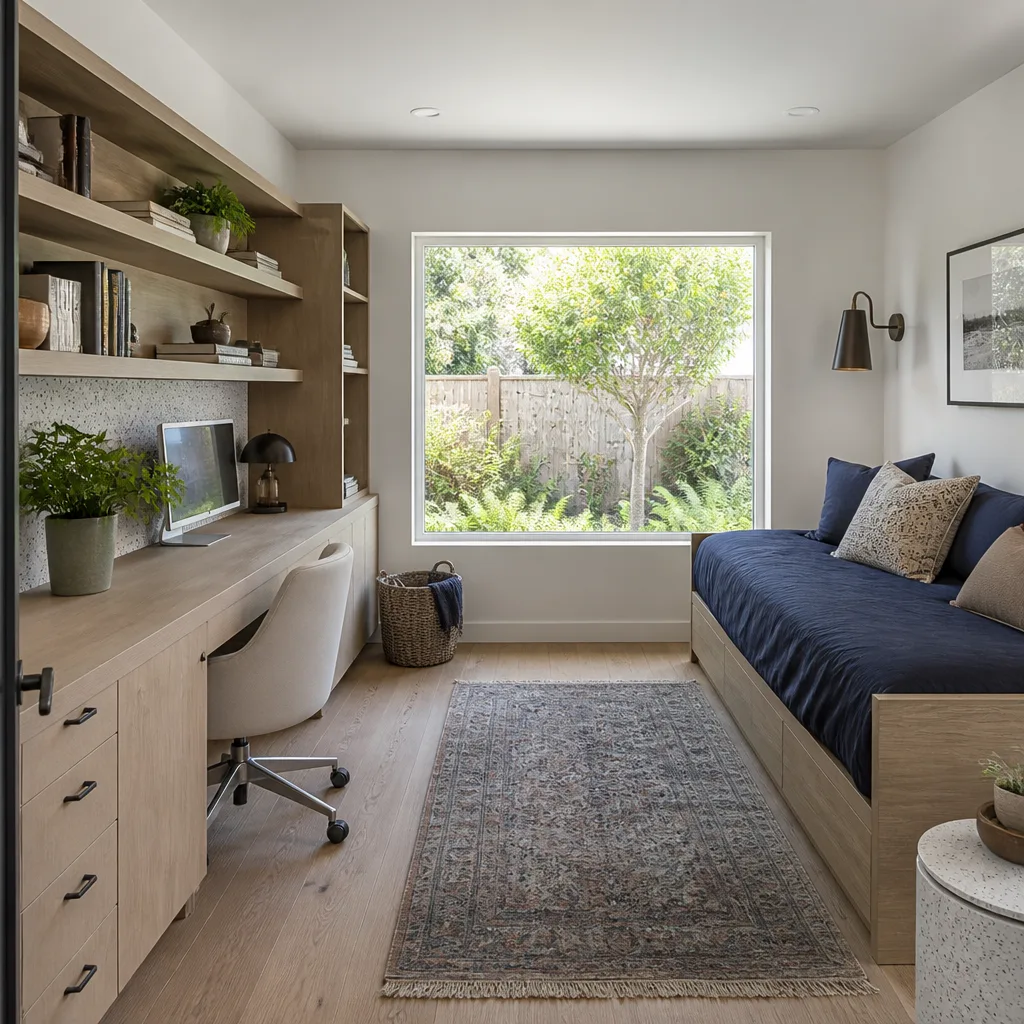
James Hardie siding carries a 30-year non-prorated product warranty, and in Los Angeles’ dry climate it typically outlives that easily. What fails first is almost never the siding itself. It’s the installation details: clearance from grade, flashing at windows, fastener choice. A correctly installed Hardie exterior in Los Angeles should go 40 years or more with repainting every 15 years or so.
Small chips and hairline cracks can be patched and painted, and we do that when it’s appropriate. But any crack that goes through the full thickness of the board, any water damage at the bottom edge, and any area where the fasteners are corroding means that board comes out and a new one goes in. Patching a failed board just hides the problem until the water damage spreads. Call (803) 680-2547 if you’re not sure which situation you have – a photo will often tell us everything.
Most single-elevation repairs are done in one day. A full re-side of a 400-square-foot ADU in Los Angeles typically takes 3 to 5 working days, including tear-off, any framing repairs we find, new flashing, and the James Hardie siding and trim installation. Painting adds a day or two depending on weather. You’ll get a schedule in writing before we start.
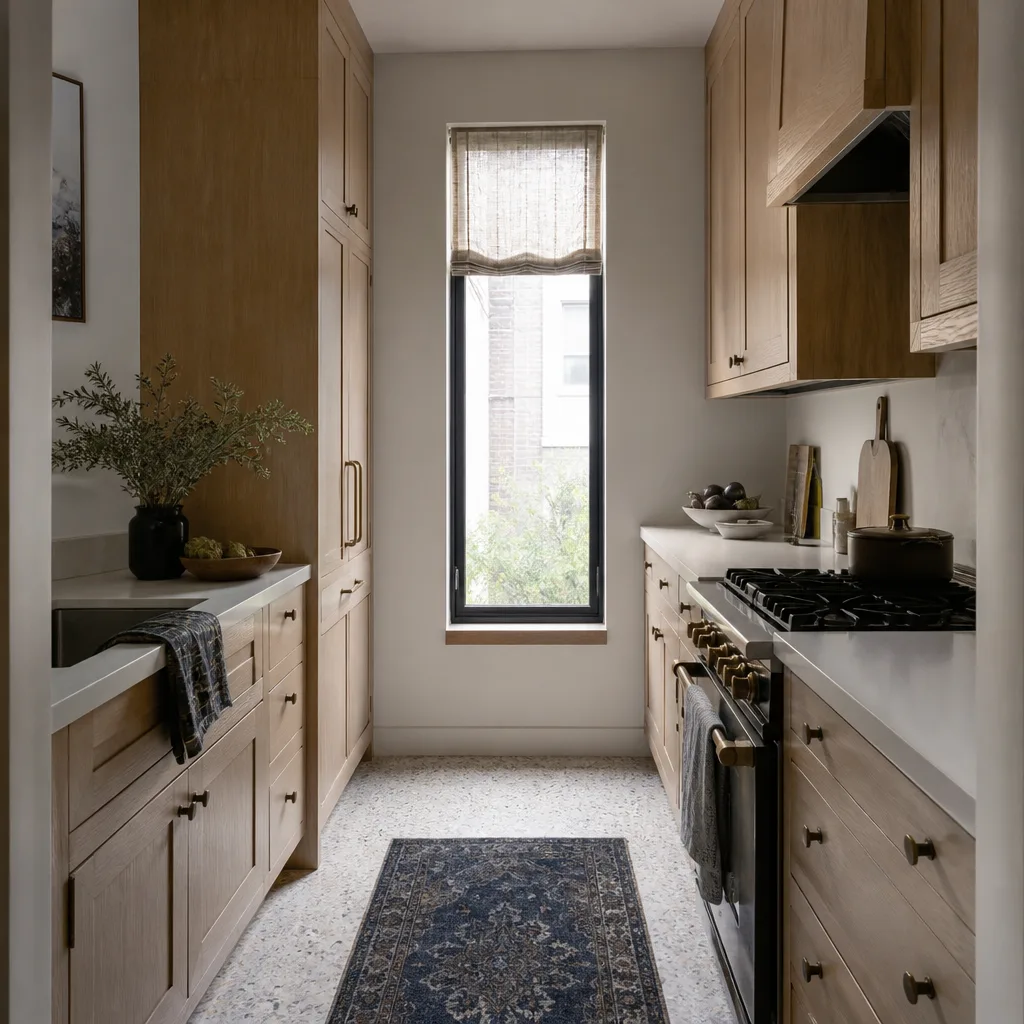
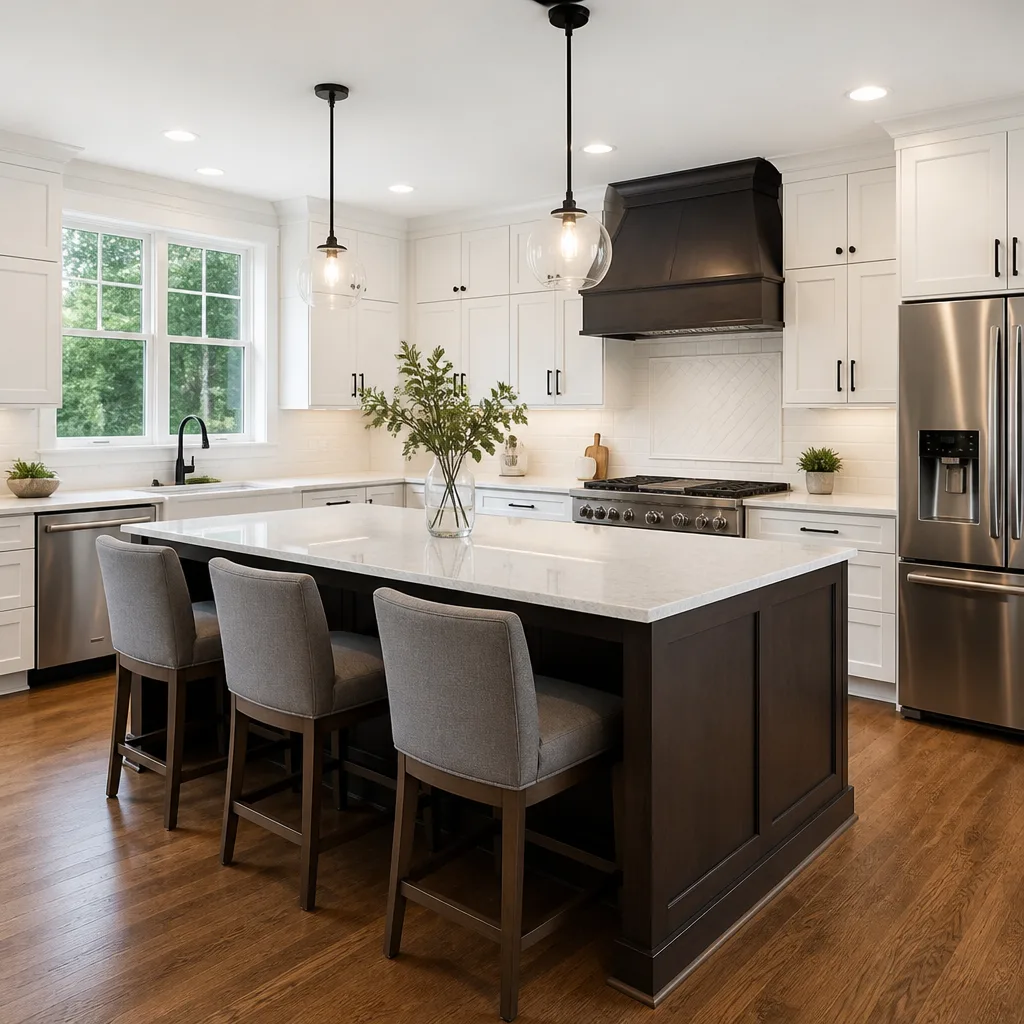
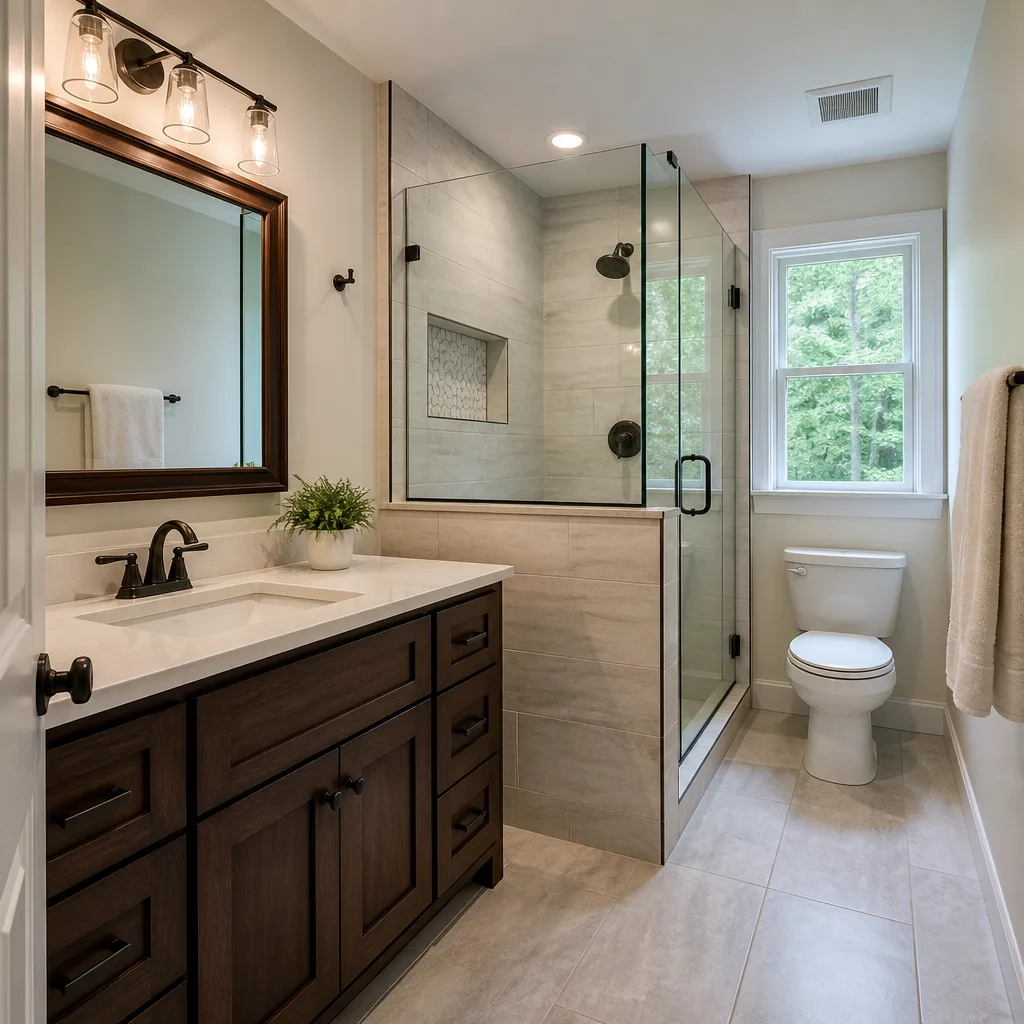
We keep the most common HardiePlank lap sizes, HardiePanel sheets, and HardieTrim boards on hand in our Los Angeles stock, along with the correct flashing and fasteners. If you have a less common texture or width, we’ll order it from our supplier and have it on site within a few days. We also carry KraftMaid, Cambria, and Silestone lines for interior work that often accompanies an ADU or addition project.
If the siding, trim, or flashing work we install fails within 365 days of the completion date, we return and make it right at no cost to you. That includes labor and materials. The terms are written out in your guarantee document before we start, including what’s covered, what’s excluded (normal settling, repainting, damage from impact or sprinklers), and for how long. No fine print surprises.
Know who’s coming, know what it costs, know it’s backed up. Everything else is just noise. Call Mason Remodeling at (803) 680-2547 to schedule a free estimate on your James Hardie addition or ADU project in Los Angeles.
Written by Isaac Pruett, Owner, Mason Remodeling at Mason Remodeling, serving Los Angeles and nearby areas.