Free written scope consultation - allowances, timeline, and change-order rules on paper before a single trade is scheduled
James Hardie Fence Installation: The Los Angeles Owner’s Guide
James Hardie fence installation in Los Angeles typically runs $4,130 to $10,620 for a standard residential property, and we stock HardieBacker-compatible fiber cement fence panels and trim boards on our trucks for most common sizes. If your Hardie fence is leaning, cracked at the post line, or showing white chalky mineral deposits at the base, you’re not imagining it – fiber cement fence boards fail in predictable ways here, mostly from irrigation overspray and soil movement. Here’s what that means for your fence, what a proper replacement actually costs, and how we handle it.
Most Los Angeles homeowners find out their James Hardie fence failed the hard way: they see a panel swinging loose after a Santa Ana wind event, or they notice the bottom edge crumbling where sprinklers have been hitting it for six years. One section starts to pull away from the post, then the next, and suddenly the whole run looks tired. The good news is that fiber cement fencing can be replaced section by section without tearing out the entire property line – if you know which product series you have and what’s compatible.
Key takeaways:
- James Hardie fence installation in Los Angeles costs $4,130 – $10,620 installed, depending on linear footage, post condition, and whether existing posts can be reused.
- We’re an independent installer – we stock James Hardie-compatible materials but aren’t affiliated with James Hardie Corporation.
- Fiber cement fence failure in LA is almost always moisture at the base or post rot, not the Hardie board itself giving out mid-panel.
- Written price before any work starts. Every time. No surprises on the final invoice.
Which James Hardie Models This Applies To
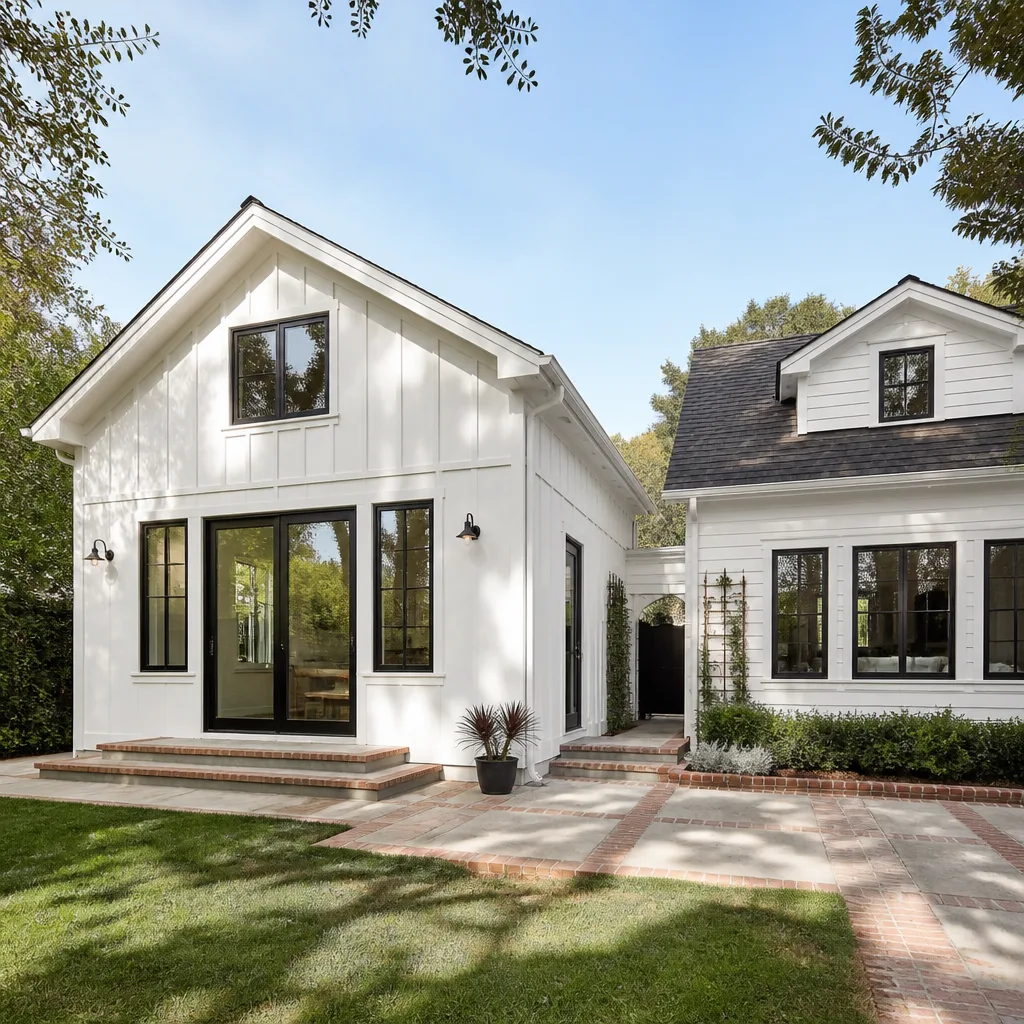
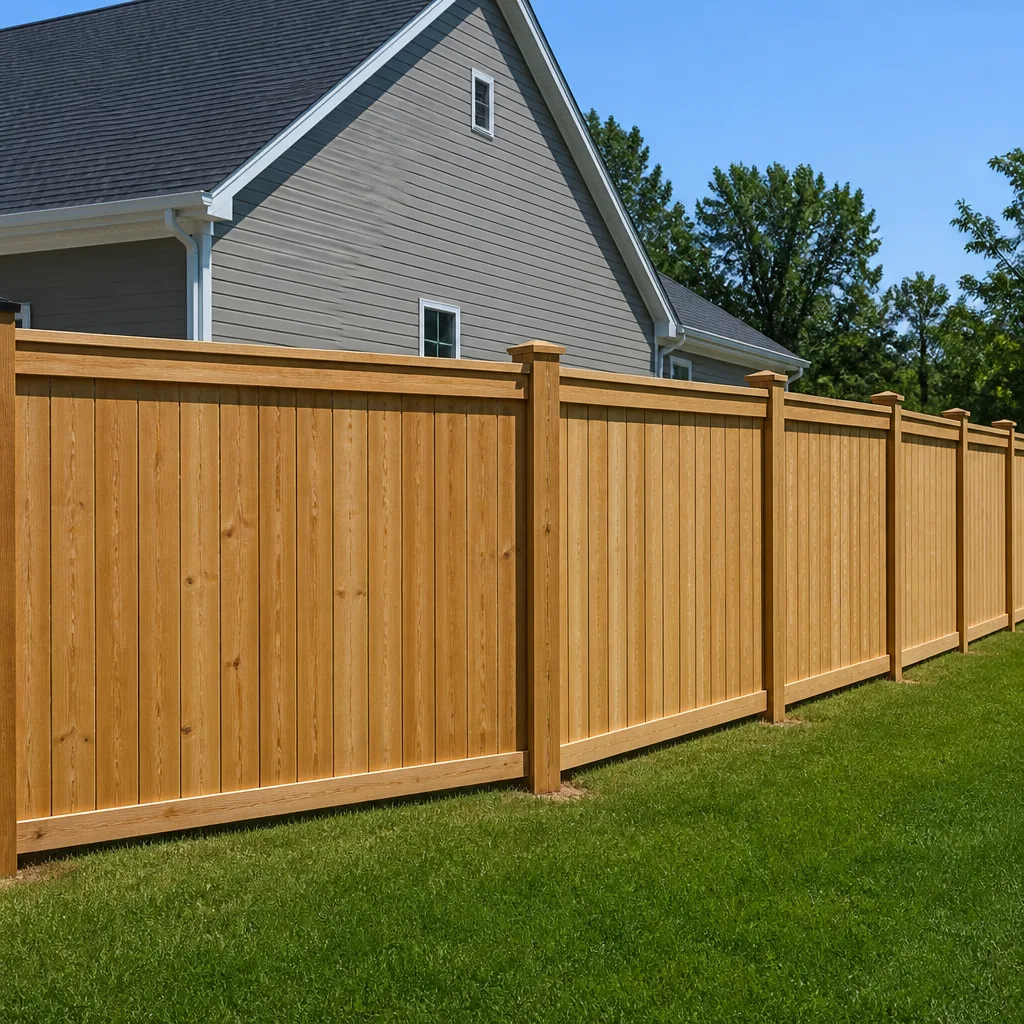
James Hardie doesn’t sell a pre-assembled fence kit – the fence panel itself is typically HardiePlank lap siding or HardiePanel vertical siding, cut and installed as fence boards on a wood or steel post frame. That’s the first compatibility gotcha: if your fence was built with actual James Hardie siding material used as fence boards, you need to match the siding profile and thickness, not look for a “Hardie fence” part number that doesn’t exist.
The most common setup we see in Los Angeles is HardiePlank HZ5 lap siding in 8.25-inch exposure, 5/16-inch thickness, painted and installed horizontally or vertically on 4×4 pressure-treated posts. Some homeowners have HardiePanel 4×8 sheets cut down as solid privacy panels. If your boards say “HardiePlank,” “HZ5,” or “Zone 10” on the back or along the lower edge, we can match them. If the label is gone, measure the board thickness with a tape – 5/16-inch is the standard; 7/16-inch is the heavier HardiePanel. Getting this measurement right before ordering saves you a wasted delivery day. For OEM versus aftermarket: Hardie doesn’t make a separate fence line, so “OEM” here means genuine HardiePlank or HardiePanel. Some aftermarket fiber cement boards from other manufacturers have slightly different expansion rates and won’t sit flush against existing Hardie boards. We spec genuine Hardie material for patch work and full runs – the cost difference is marginal, and the color and texture match is exact.
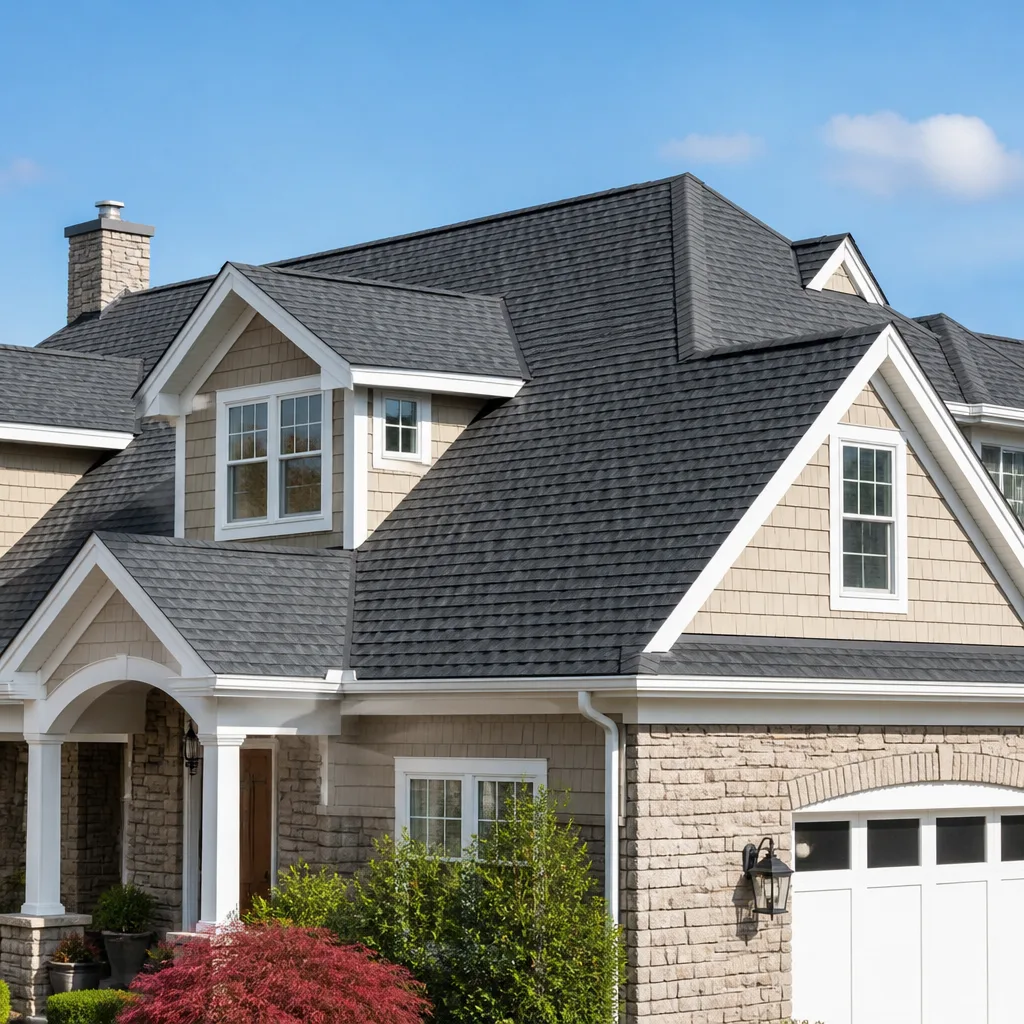
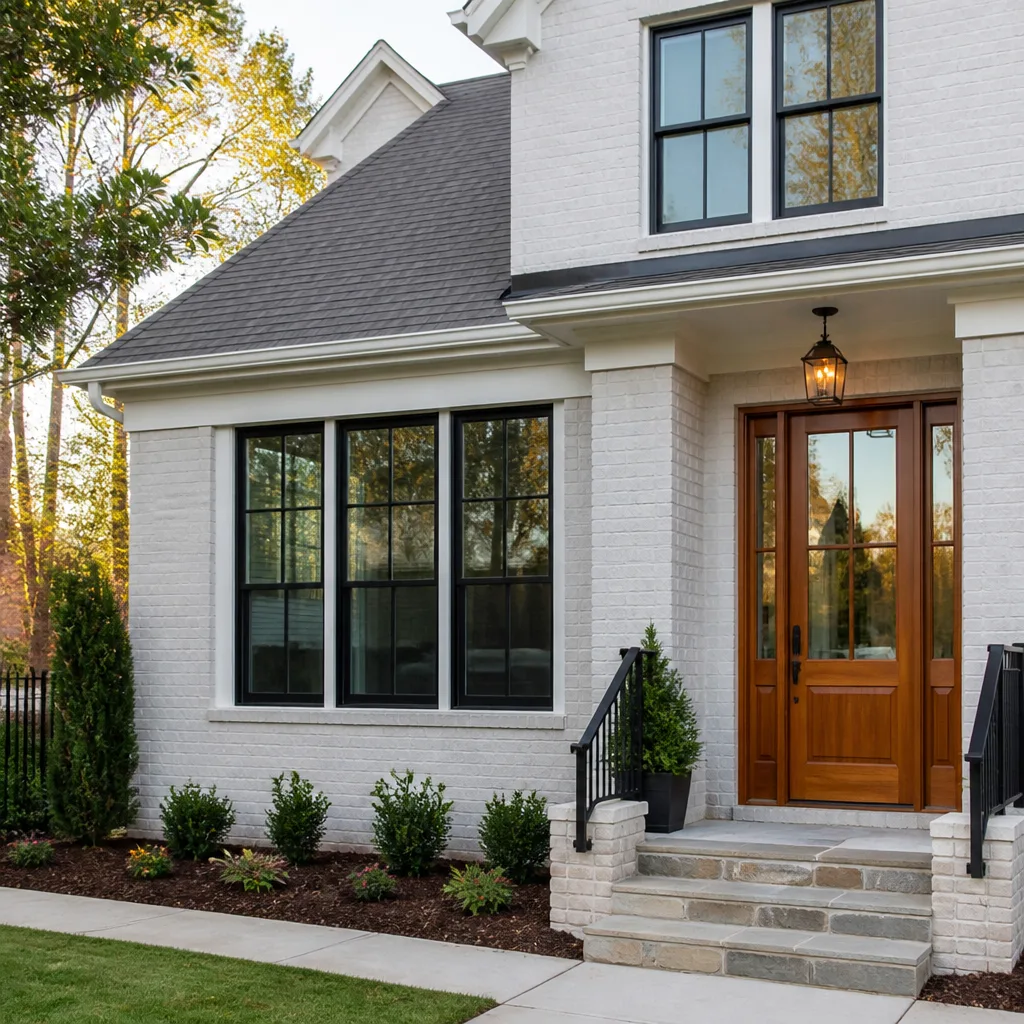
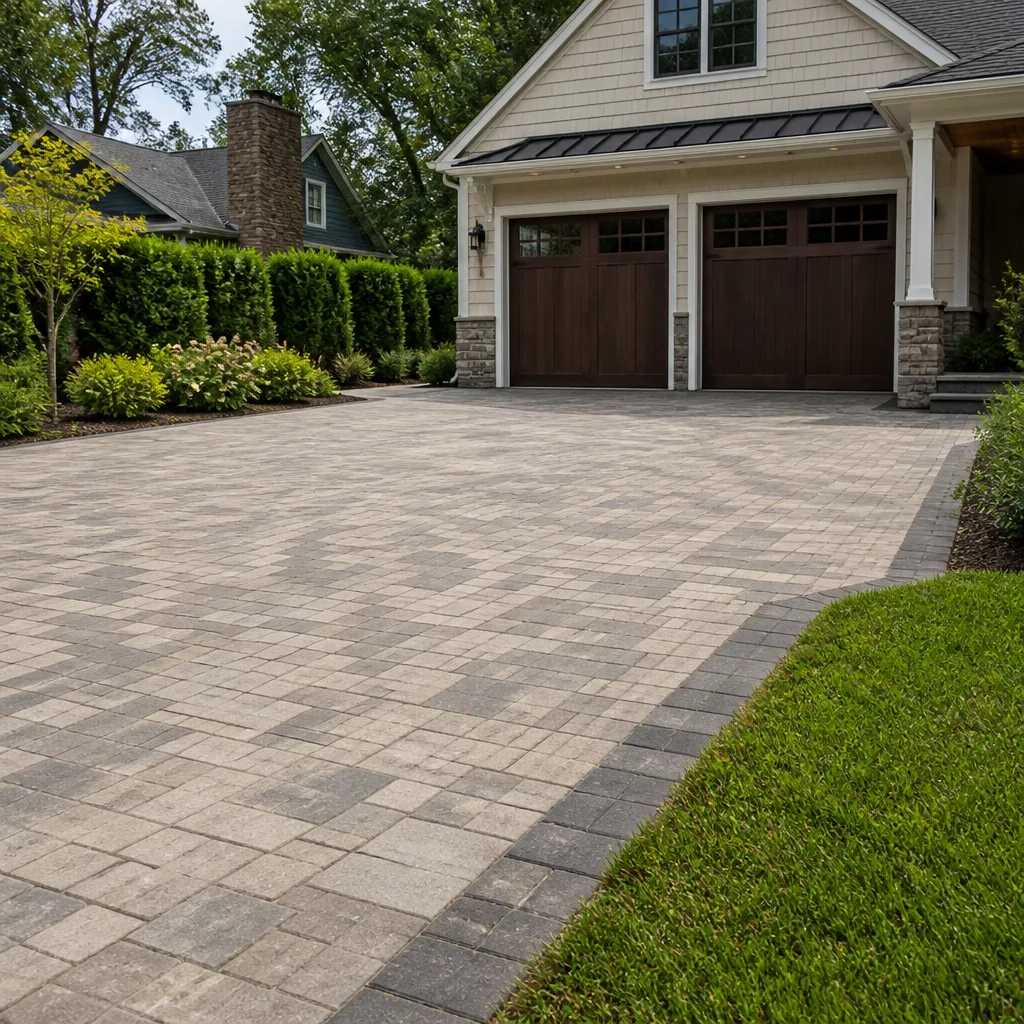
Styles & brands we work with
Signs Your James Hardie Fence Installation Is Failing
- Chalky white or gray crust along the bottom edge. This is efflorescence – water wicking up through the cut edge because the board was never sealed or primed on the bottom. In Los Angeles, sprinkler overspray does this in 3 – 4 years. The board swells, then crumbles.
- Leaning posts with boards still intact. The Hardie boards are fine; the pressure-treated post below ground has rotted or shifted in LA’s expansive clay soil. We replace the post and rehang the existing boards when this happens – no need to buy new panels.
- Cracked or shattered corners near post fasteners. Fiber cement doesn’t tolerate over-tightened screws or nails driven too close to the edge. As the board expands and contracts through LA’s 40-degree summer temperature swings, hairline cracks at fastener points widen into breaks.
- Gaps appearing between boards that were once tight. This is usually post movement or the original installer didn’t leave the 1/8-inch expansion gap Hardie specifies for field joints. The boards themselves haven’t shrunk – they never do. The structure beneath them moved.
- Soft, swollen areas that feel spongy when you press them. Fiber cement should feel rock solid. If it doesn’t, the core has been waterlogged long enough to break down the cement binder. This is replacement territory, not a paint-and-pray fix.
See the difference
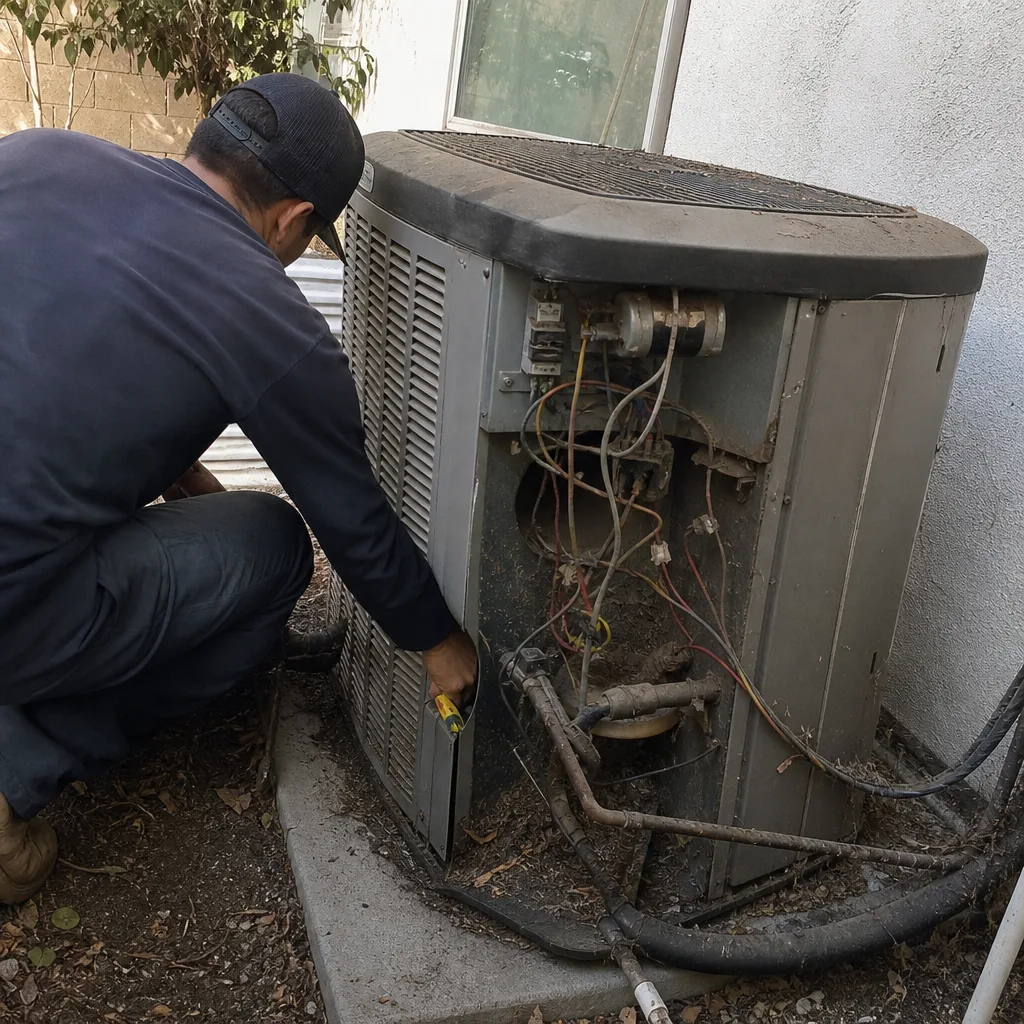 Before
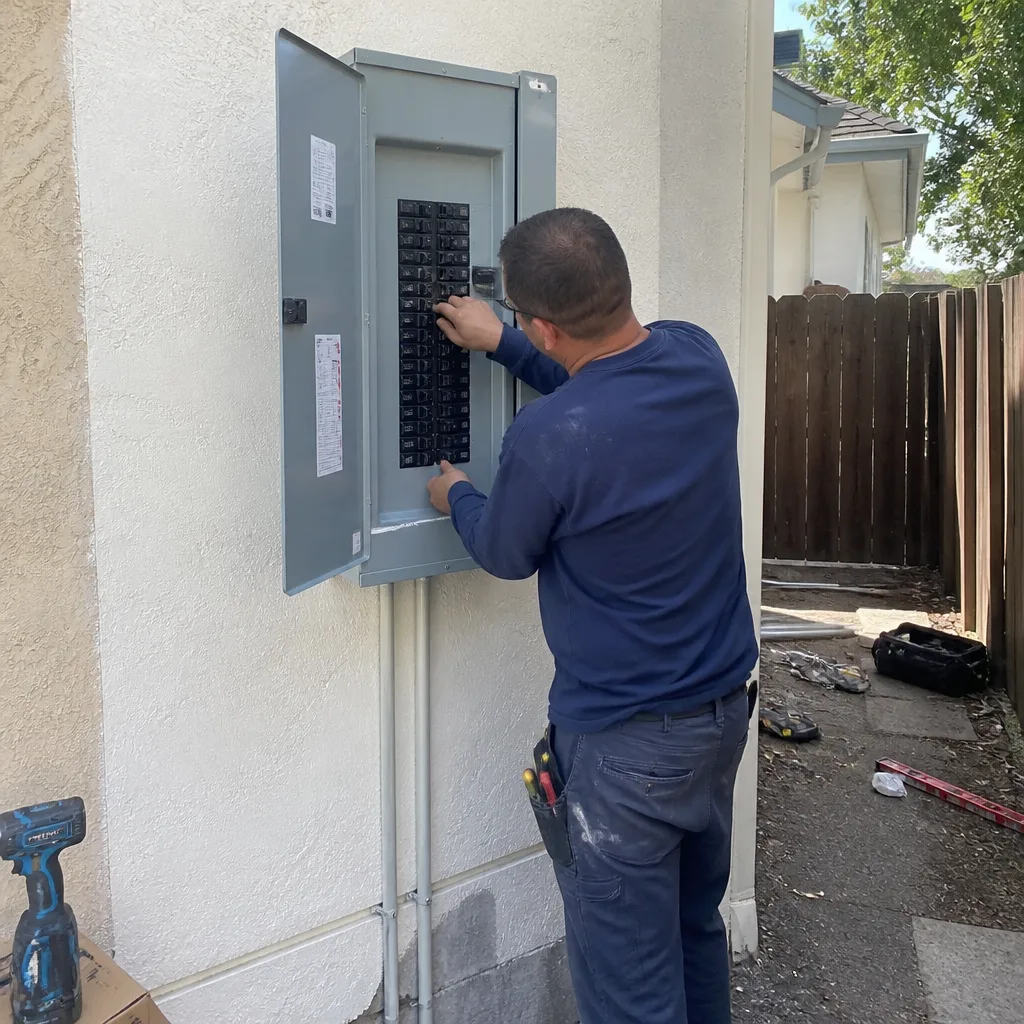 After
After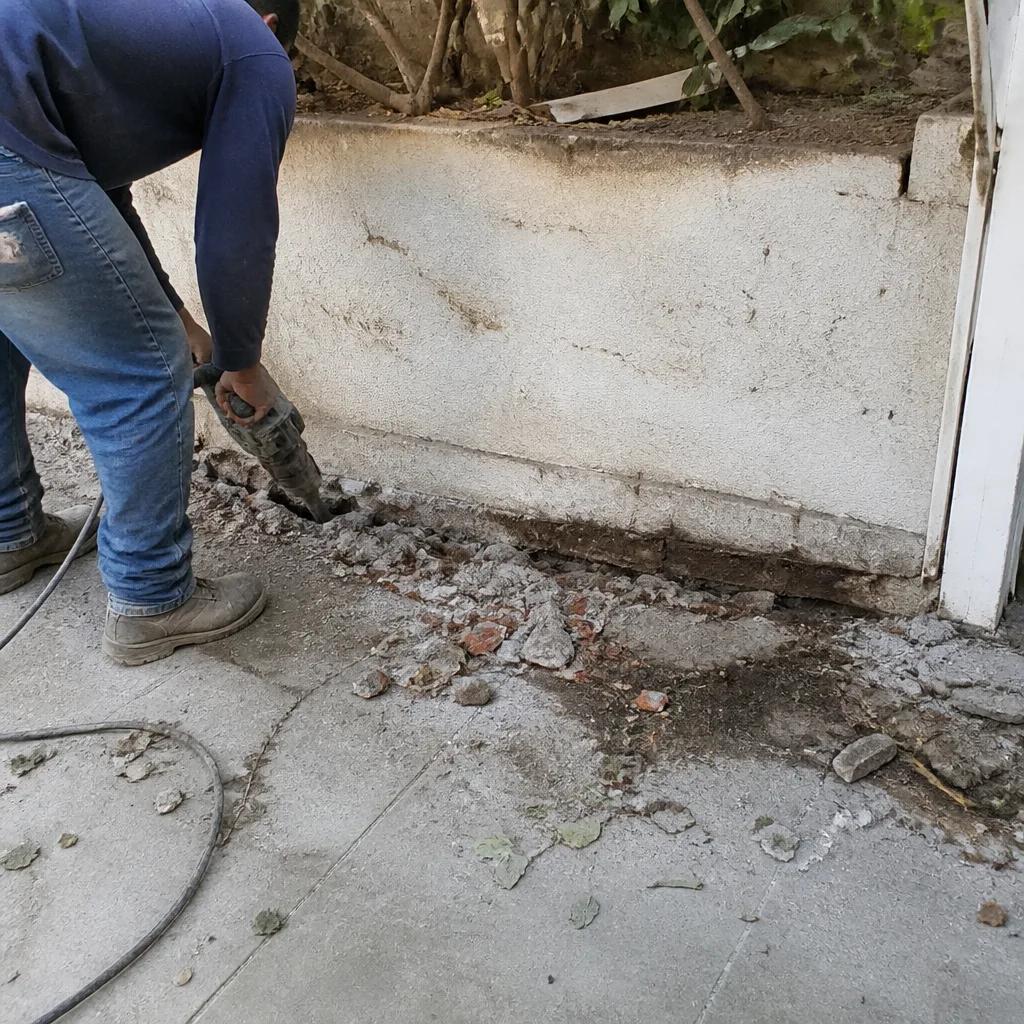 Before
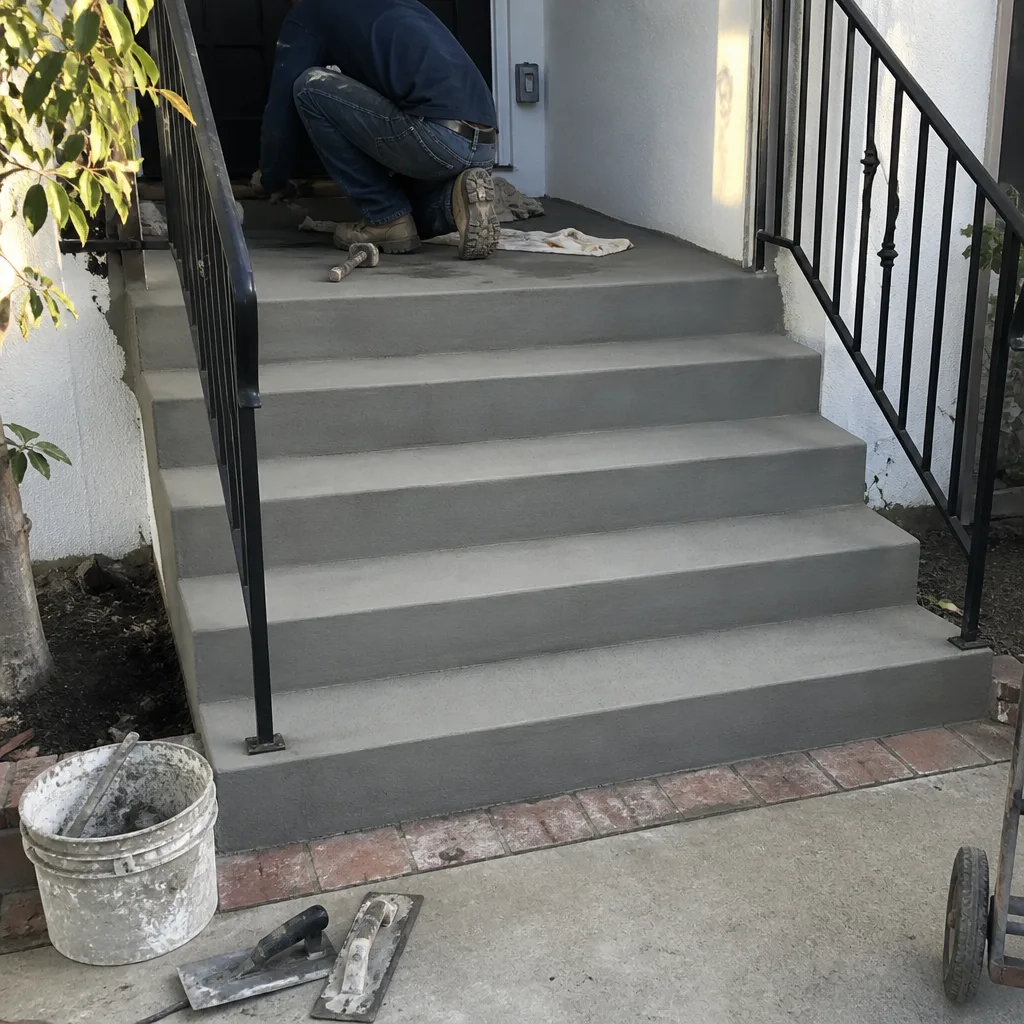 After
After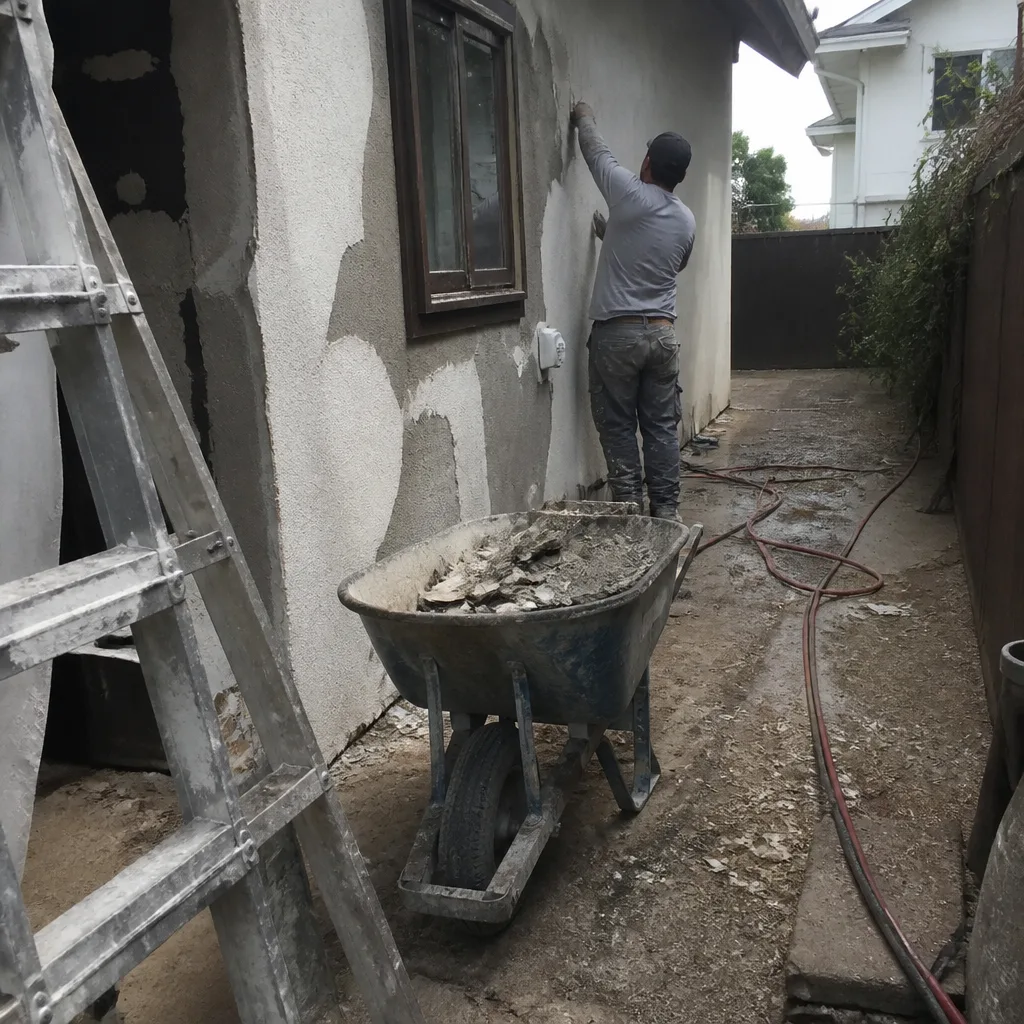 Before
 After
AfterReplacement Cost & What’s Included
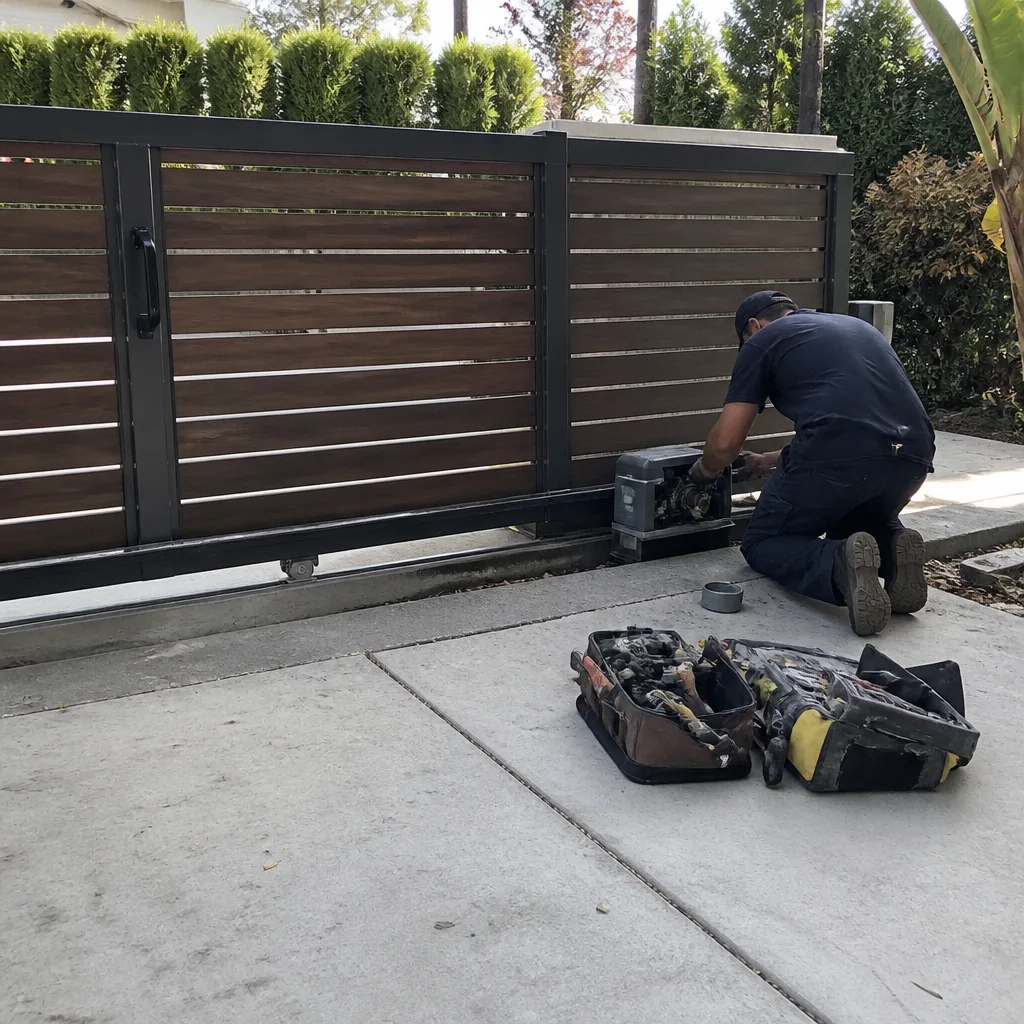
For a full James Hardie fence installation in Los Angeles, you’re looking at $4,130 to $10,620. That range assumes a typical 60 – 120 linear foot fence with materials, labor, and debris haul-off included. What moves you along that range is linear footage first, then post condition. If the posts are solid, we rehang new Hardie boards on the existing frame and you’ll land near the lower end. If every post has to be dug out and re-set in concrete, the price climbs.
Here’s the line-item breakdown so you know what’s in the number:
- Materials: $1,800 – $4,200 (HardiePlank or HardiePanel, trim, fasteners, post hardware, concrete, paint or factory-finished boards)
- Labor: $1,700 – $4,900 (removal of failed sections, post replacement if needed, board installation, fastening, touch-up painting)
- Debris haul-off: $250 – $600 (old fiber cement and rotted posts legally disposed of)
- Permit and inspection, if applicable: $380 – $950 (Los Angeles requires a permit for fences over 6 feet, and some hillside zones have additional review)
Every Mason Remodeling fence installation includes a written line-item price before we start, and the work is covered by our 365-Day Done Right Promise. If something isn’t right within a year of completion, we come back and make it right at no cost to you. That’s not a verbal assurance – it’s written on the paperwork. Isaac Pruett has spent nearly twenty years remodeling homes across Los Angeles, and the standard he holds on a fence job is the same one he holds on a full kitchen gut.
DIY or Call Us?
What you can safely check yourself: walk the fence line and note which boards are crumbling, where the gaps are, and whether posts wobble when you push them. Take photos. That information gets us to an accurate quote faster when you call.
What goes wrong with DIY fiber cement fence replacement: cutting Hardie board produces silica dust, and doing it with a circular saw and no dust control is a lung hazard. Getting the bottom clearance wrong – Hardie requires a minimum 2-inch gap above grade and at least 1 inch above any hardscape – leads to the exact same efflorescence failure you’re trying to fix. And if a post is rotted below soil line, you’re digging into Los Angeles clay, dealing with old concrete footings, and hoping you don’t hit a gas line or irrigation pipe that the last installer never marked. For a board that’s intact and just needs a fastener re-set, fine. For post replacement or multi-section work, call (803) 680-2547 and get a written price. You’ll know exactly who’s coming and what it costs before anyone touches your fence.
“Know who’s coming, know what it costs, know it’s backed up – everything else is just noise.”
FAQs
James Hardie fiber cement fence boards themselves can last 30 – 50 years when properly installed with sealed edges and proper ground clearance. The fence structure – posts and rails – typically lasts 10 – 15 years in Los Angeles soil conditions. If the posts rot, the Hardie boards often outlive them, which is why post replacement is a common mid-life service we do. Call (803) 680-2547 and we’ll assess what’s actually failing on your fence line.
Yes, in many cases. Cracked corners at fastener points can be patched with high-build elastomeric caulk and repainted. Boards with edge efflorescence but an intact core can be saved by re-cutting the bottom edge, sealing it, and re-hanging with proper clearance. Boards that are swollen, soft, or shattered need replacement. We’ll tell you which category yours falls into – estimates are free.
A typical 60 – 120 linear foot fence replacement in Los Angeles takes 2 – 4 working days. Post replacement adds a day because concrete needs to set before we rehang boards. Weather rarely delays fiber cement work – Hardie board installs fine in heat and light rain. If your project involves a permit for height over 6 feet, LA City plan check can add 1 – 3 weeks before work starts. Call (803) 680-2547 for a timeline specific to your property.
We keep common HardiePlank HZ5 profiles and HardiePanel sheets on our trucks for typical Los Angeles fence jobs, plus matching trim and paint. Specialty widths, factory-finished colors, or large runs get ordered from our suppliers and typically land in 3 – 5 business days. We also carry materials from partner brands like KraftMaid and Cambria for larger remodel work, so if your fence project turns out to be part of a bigger backyard or exterior remodel, we can handle it without multiple contractors.
Written by Isaac Pruett, Owner, Mason Remodeling at Mason Remodeling, serving Los Angeles and nearby areas.