Free written scope consultation - allowances, timeline, and change-order rules on paper before a single trade is scheduled
Cambria Windows & Doors: The Los Angeles Owner's Guide
If you have a Cambria window or door that's cracked, fogged, sticking, or leaking, we stock Cambria-compatible glass units, hardware, weatherstripping, and full window and door replacements across Los Angeles. Installed pricing for window replacement in Los Angeles typically runs $5,310 – $17,700 depending on size, frame material, and whether it's a retrofit or new-construction opening. Door repairs and replacements fall into a similar range, with most single-door swaps landing between $3,500 and $9,400. Most owners discover the failure the hard way: a window that won't lock before leaving for work, a sliding door that grinds on its track, or a utility bill that climbs because the seals gave out months ago.
We're an independent Los Angeles contractor, not a Cambria subsidiary. That matters because we're free to source the exact OEM part when it's the right call, and a quality aftermarket equivalent when it's the smarter spend. Isaac Pruett, our owner, has spent two decades remodeling homes across Los Angeles, and he'll tell you the same thing he tells every homeowner on the first call: know who's coming, know what it costs, know it's backed up, everything else is just noise.
Which Cambria Models This Applies To
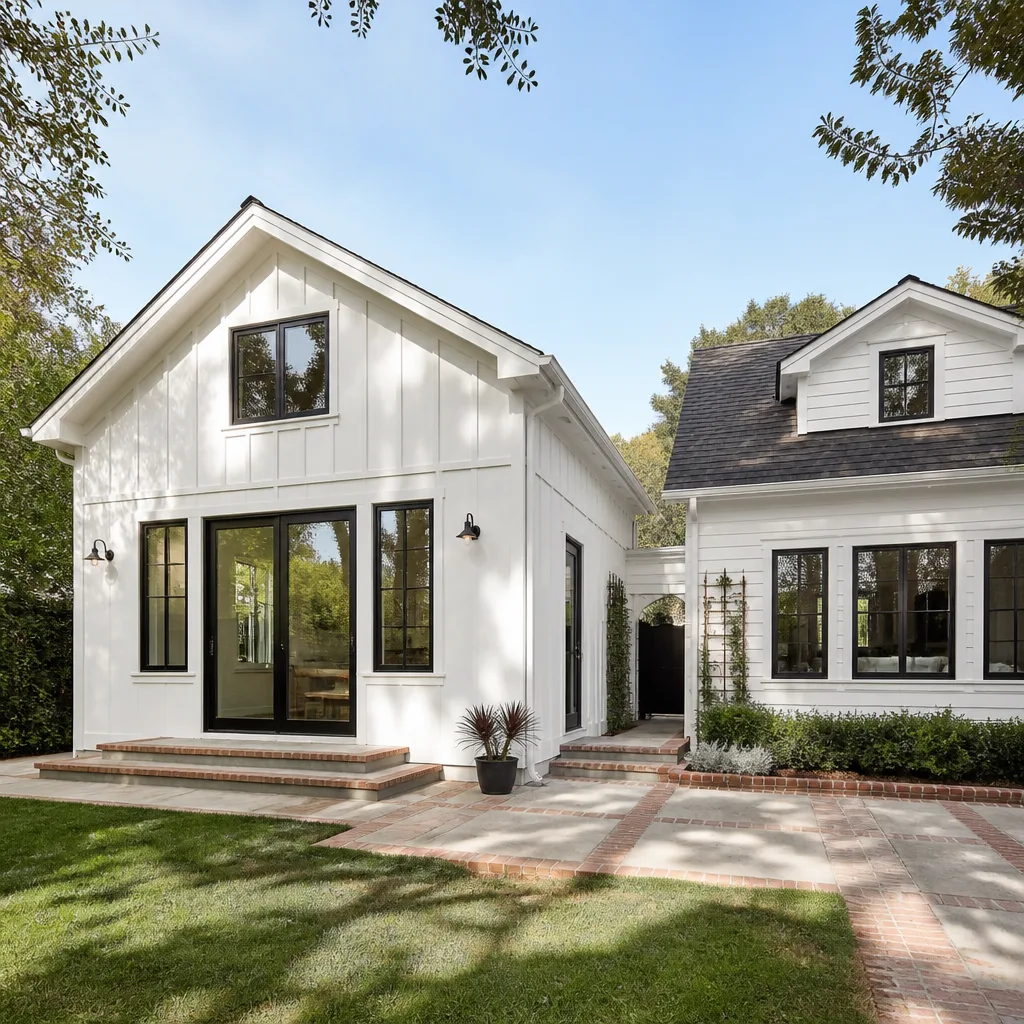
Cambria's residential window and door lines vary by the year the home was built or the unit was installed. In Los Angeles, we see three main categories: the early-2000s aluminum-frame windows common in Sylmar, Pacoima, and the northeast Valley; the vinyl retrofit units that went into thousands of stucco homes during the 2010s; and the newer fiberglass and aluminum-clad lines in hillside and coastal builds from the last five to eight years.
The fastest way to identify what you have is the AAMA sticker, usually on the inside of the sash or the door edge, which lists the series number, glass type, and manufacturing date. If the sticker is gone, measure the visible glass, not the frame. A window sold as a “36-inch” unit is typically 35-1/2 inches of glass with a frame that fits a 36-inch rough opening. Mixing up those two measurements is the single most common reason a homeowner orders the wrong replacement in Los Angeles.
On the OEM-versus-aftermarket question: Cambria-branded glass packages are worth the cost when the window is under an active transferable warranty or when the home is in a coastal zone requiring specific Low-E coatings for California Title 24 compliance. For most mid-home vintage windows, a certified aftermarket insulated glass unit (IGU) with matching thickness and gas fill performs identically at 30-40% less. We walk through that decision on every estimate, in plain numbers, before any work starts.
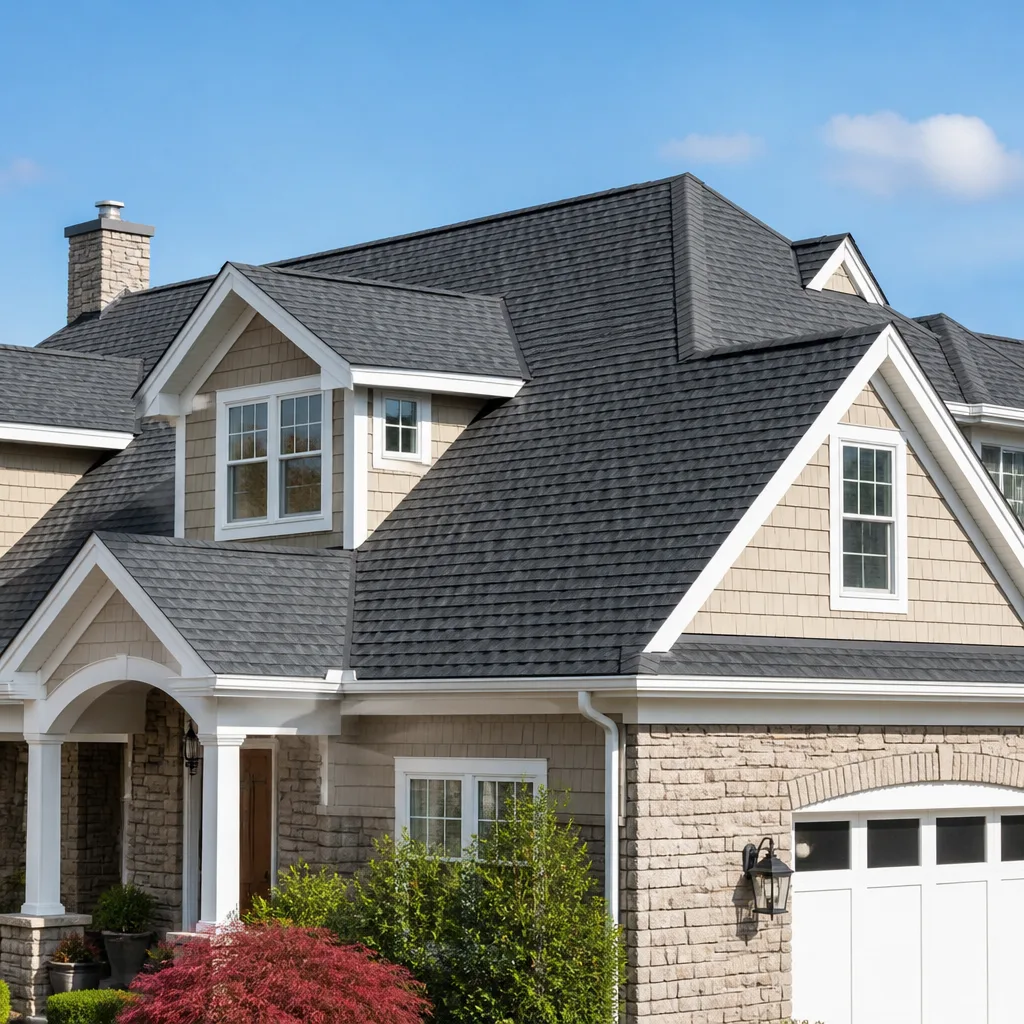
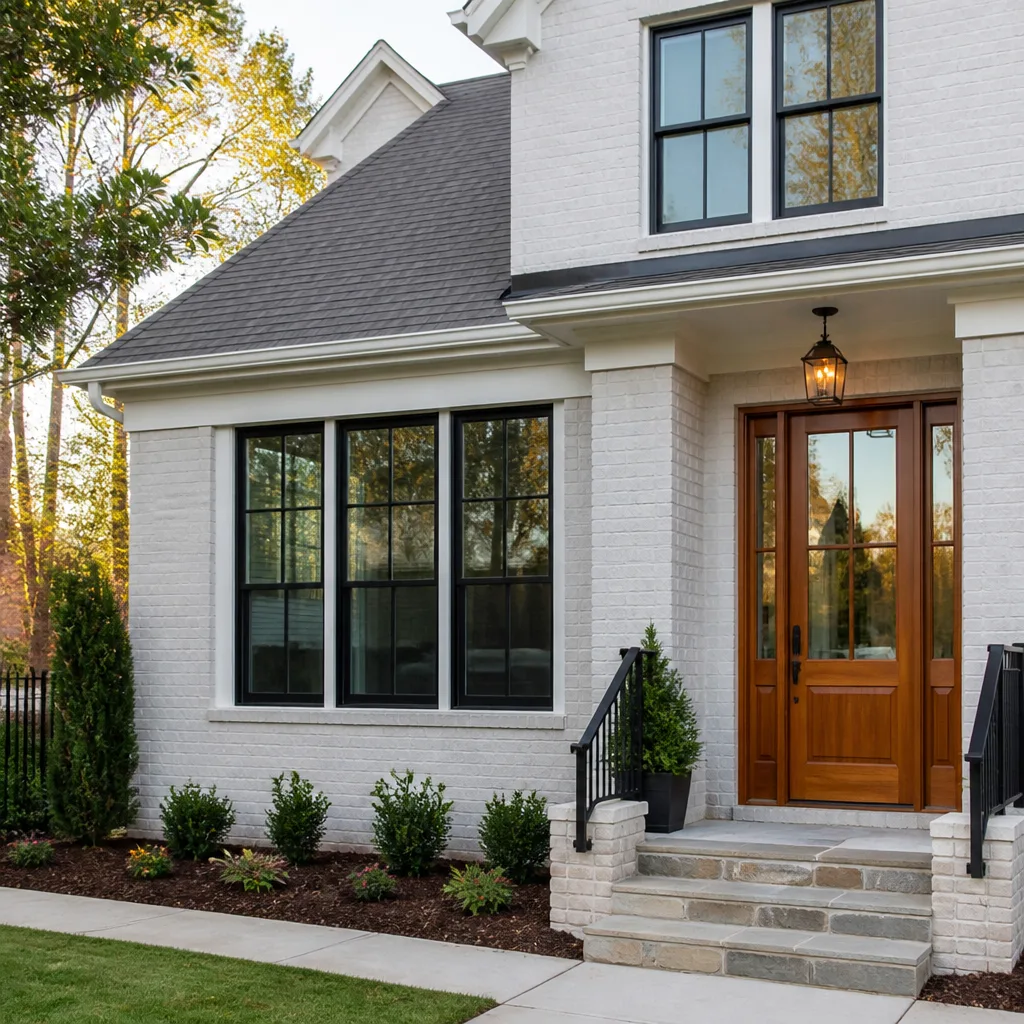
Styles & brands we work with
Signs Your Cambria Windows & Doors Is Failing
- Condensation between the panes. When the seal on an insulated glass unit fails, argon or krypton gas escapes and moist air gets pulled in. The fog is the tell, and in Los Angeles the summer-to-winter swing through the passes accelerates seal fatigue faster than most owners expect.
- Sticking or grinding when opening and closing. On sliding doors, this usually means the rollers have seized or the track has warped after years of sun exposure on a south-facing wall. On hung windows, worn balance springs or a sagging frame are the typical culprits.
- A lock that no longer engages. Frame shifting in Los Angeles's expansive soils will take a window or door out of square by a quarter inch, which is enough that the keepers and latches miss each other. The window still looks fine, but it isn't secure.
- Drafts or a jump in the utility bill. Failed weatherstripping on older Cambria units lets conditioned air leak around the sash. If your July LADWP bill climbed with no other change, walk the perimeter of each window and door with the back of your hand on a breezy day.
- Visible water staining below a window or door threshold. That stain means the flashing or the sill pan failed at some point. By the time it shows on interior drywall, the leak has been active for months, and the fix is usually more than a bead of caulk.
See the difference
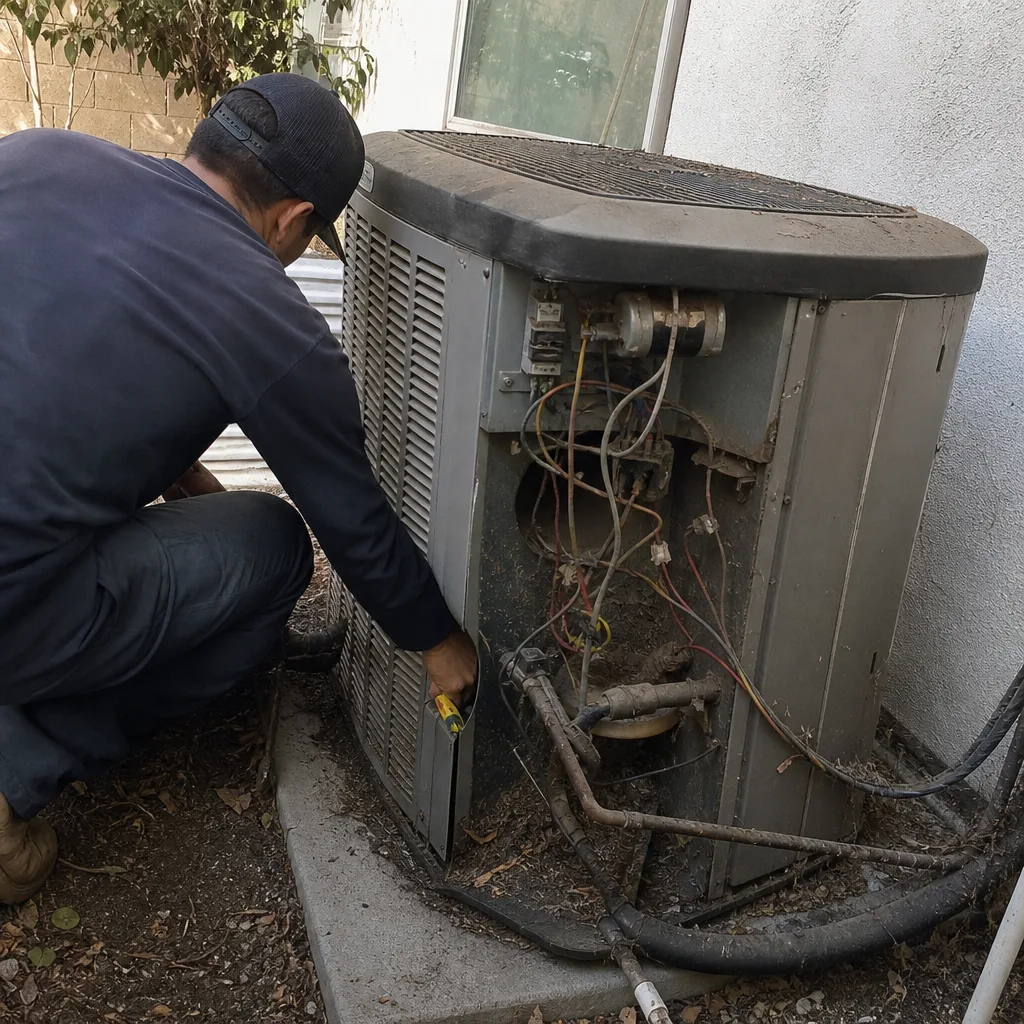 Before
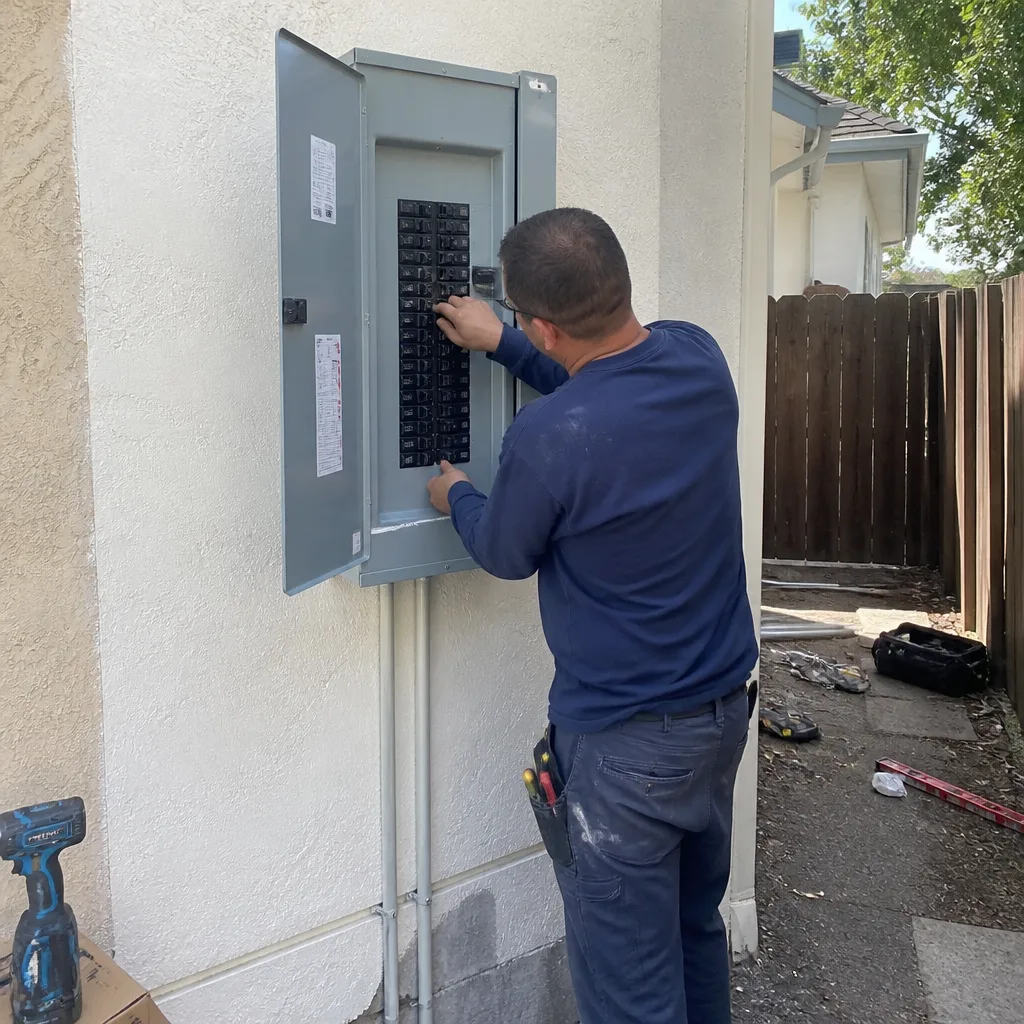 After
After Before
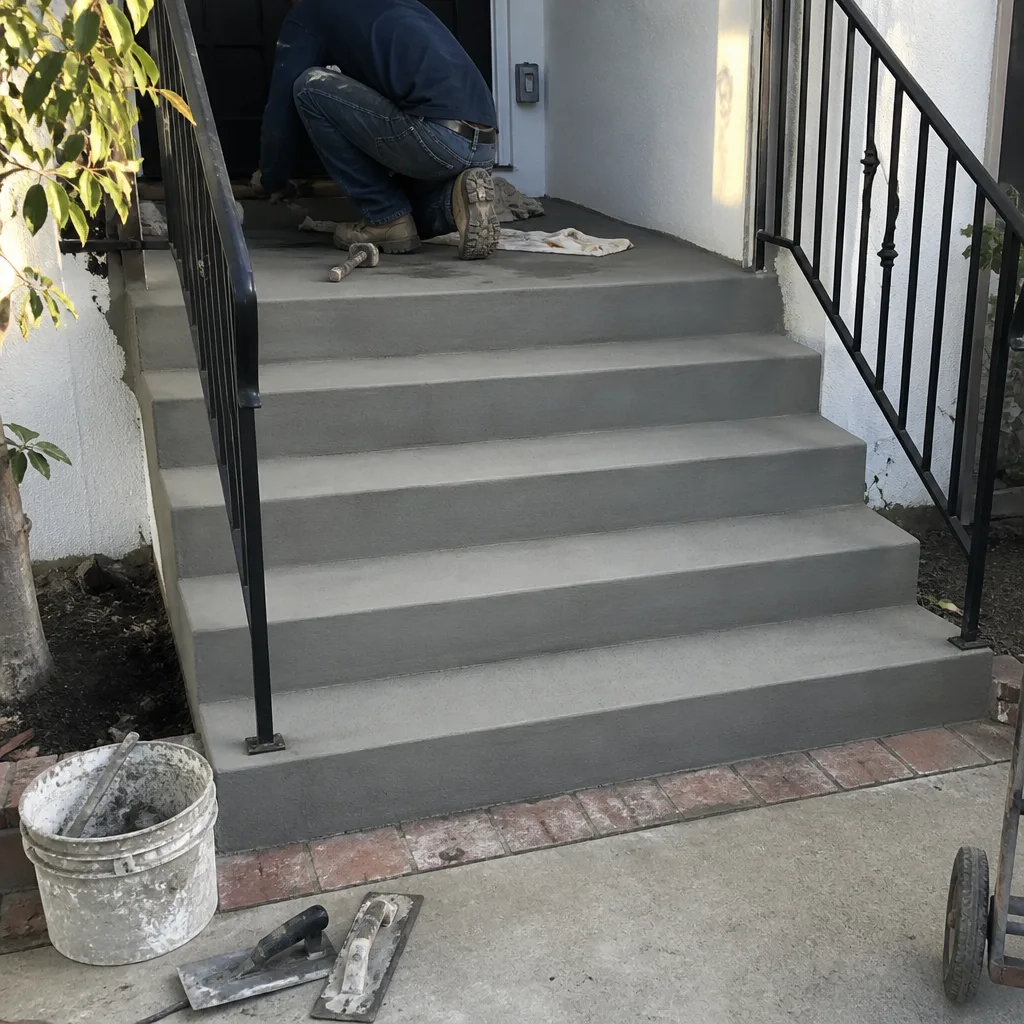 After
After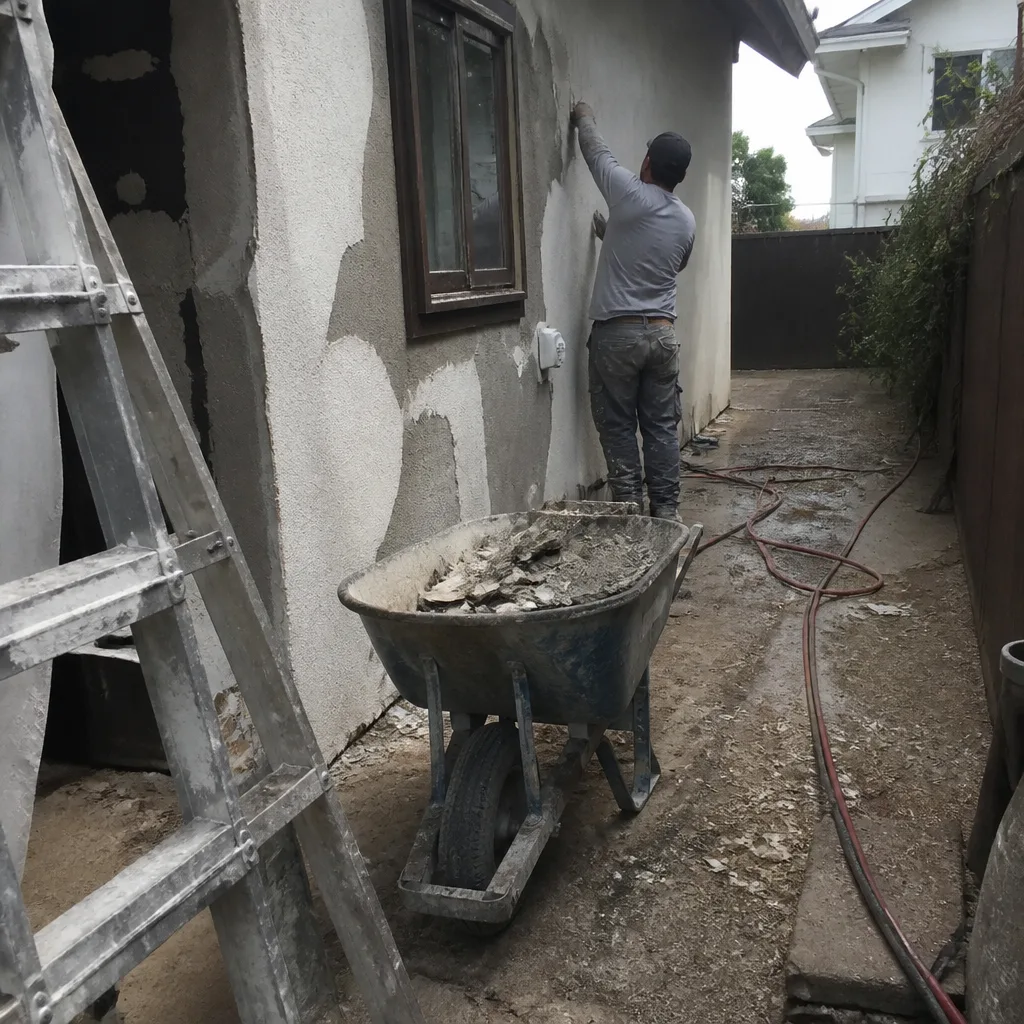 Before
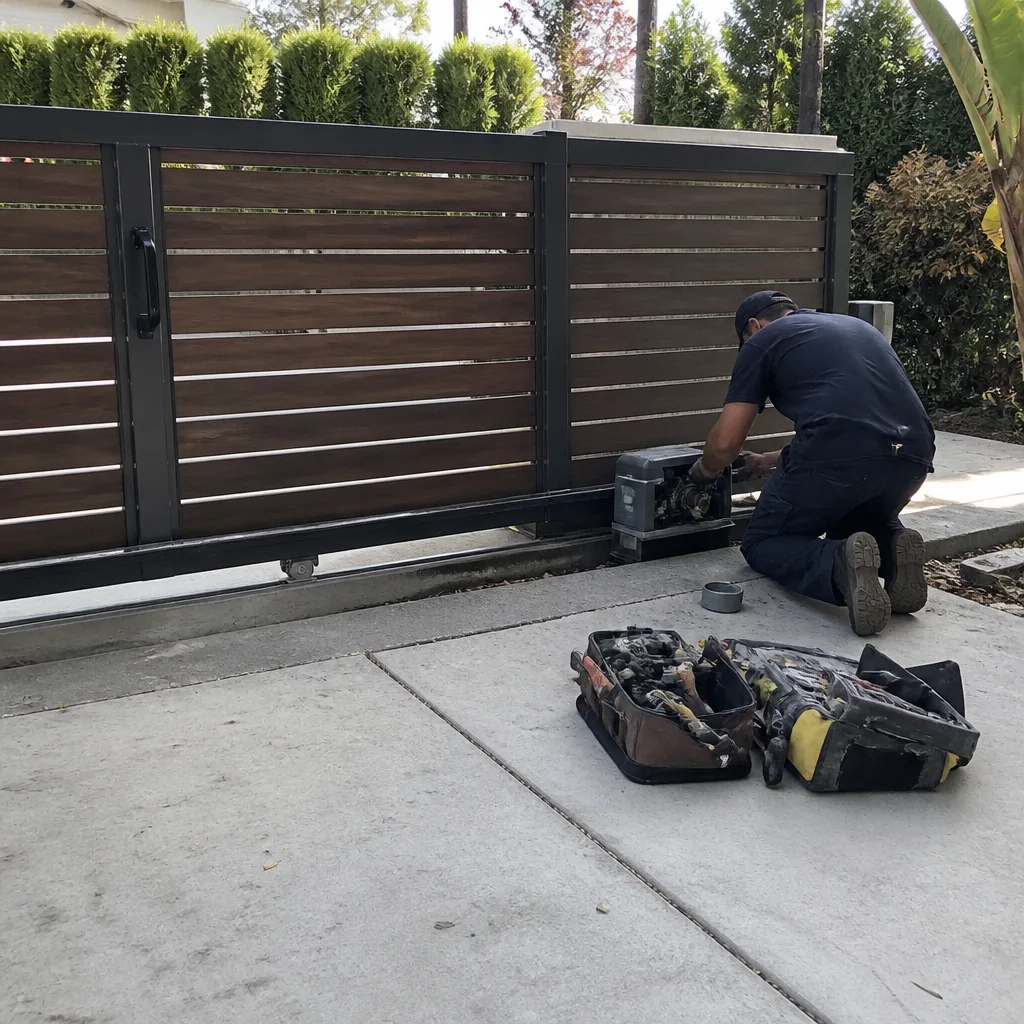 After
AfterReplacement Cost & What's Included
Window replacement on a Cambria-equipped Los Angeles home runs $5,310 – $17,700 installed, with the spread driven by three things: whether the opening is standard or custom, whether the home needs retrofit (insert) or full-frame removal, and what glass package Title 24 requires for that elevation. A straightforward retrofit single-hung with standard Low-E is on the low end. A full-frame picture window with tempered glass and new interior casing lands on the high end.
Every estimate includes the part, labor, haul-away of the old unit, and a written line-item price before we begin. No allowances, no “we'll see what we find” pricing. If the job changes scope, you get a new written price before that change starts. The workmanship is covered by our 365-Day Done Right Promise: if an installation fails within a year of completion, we return and make it right at no charge. That's not a promotion. It's the standard on every project we take.
DIY or Call Us?
Honest answer: replacing a failed window or door is not a weekend project for most Los Angeles homeowners, and for a specific reason. Working with oversized tempered glass on a ladder, or pulling a 200-pound sliding door off its track, is how people get seriously hurt. We recommend a trained professional handle the removal and installation.
What you can safely do is diagnose. Note which window, what the failure looks like, and whether it happens at a certain temperature or time of day. Take a photo of the sticker if it's still legible. Then call us at (803) 680-2547 and describe what you're seeing. A live person answers, 24/7, no phone tree. We'll tell you over the phone whether this sounds like a repair or a replacement, and what the likely range is for your part of Los Angeles before anyone books a visit.
FAQs
In Los Angeles weather, expect 20 – 30 years from a quality window frame, but only 10 – 15 years from the insulated glass seal, especially on south and west elevations. The sun and the Santa Ana temperature swings are harder on seals than rain ever is. Call (803) 680-2547 for a free evaluation if yours are in that window.
Yes, in many cases. If the frame is square, the hardware is intact, and only the glass seal has failed, we can replace the insulated glass unit (IGU) alone for roughly $350 – $900 per window, which is far less than full replacement. If the frame has shifted or dry rot is present, a full replacement is the honest fix. We'll tell you which one applies to your unit before quoting anything.
A standard retrofit window swap takes two to four hours per window, including clean-up. A full-frame replacement or a sliding door replacement typically runs four to six hours. Most multi-window Los Angeles jobs finish in one to two working days, and we schedule around your household's routine, not ours.
We keep the most commonly needed items on our trucks across Los Angeles: weatherstripping sets for standard Cambria series, sash locks and keepers, roller assemblies for sliding doors, and a range of standard-size glass units. Custom glass and non-stock hardware are ordered and typically arrive within three to five business days. If we can fix it that day, we will. Call (803) 680-2547 and describe the part; we'll tell you straight what we carry and what needs an order.
If you need parts for other brands throughout your Los Angeles home, we also stock and source components for KraftMaid, Silestone, and Kohler. One call covers most of the house.
For a free estimate on any Cambria window or door repair or replacement in Los Angeles, call (803) 680-2547. A live person answers, every time, and you'll get a written price before any work begins.
Written by Isaac Pruett, Owner, Mason Remodeling at Mason Remodeling, serving Los Angeles and nearby areas.