Free written scope consultation - allowances, timeline, and change-order rules on paper before a single trade is scheduled
Atlas Driveway & Pavers: The Los Angeles Owner’s Guide
If you own an Atlas paver driveway or patio in Los Angeles, replacement parts and matching pavers are available through Mason Remodeling, with most repairs or section replacements completed in one or two visits. Typical Atlas-compatible paver repair work in Los Angeles runs $413 to $2,360 depending on how many pavers failed, what the base layer looks like, and whether drainage needs correcting. Most owners discover a problem the same way: a paver shifts underfoot, a corner cracks off near the driveway edge, or water starts pooling where it never pooled before.
You’re here because something Atlas-made or Atlas-installed stopped doing its job, and you want to know if it can be matched, what it costs, and who can fix it without making the problem worse. That’s exactly what this page covers. We’re an independent Los Angeles contractor, not a division of Atlas, and we stock and install Atlas-compatible driveway and paver components.
Which Atlas Models This Applies To
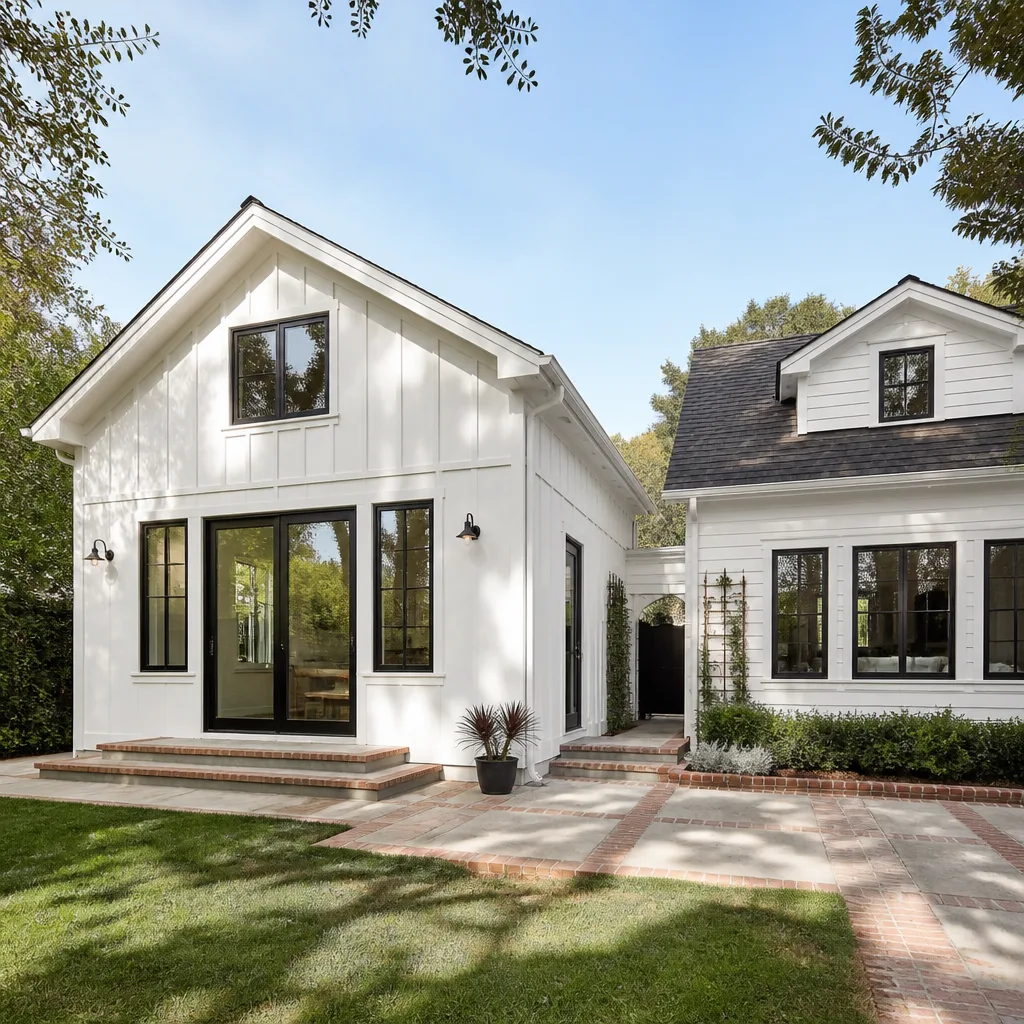
Atlas pavers in Los Angeles typically fall into two camps: interlocking concrete pavers (the most common, used for driveways and patios) and larger format slab pavers used for walkways and pool decks. The trick is identifying what you have before ordering a single replacement unit. Flip over a loose paver and look for a stamped code on the underside, usually a two or three letter mold identifier plus a color batch number. If the stamp is gone, measure the paver: Atlas interlocking units in LA are commonly 60mm or 80mm thick, and a standard 4×8 paver actually measures 3 7/8 inches by 7 7/8 inches to leave room for joint sand.
Color is where most matching jobs go wrong. Atlas color batches shift slightly between production runs, and Los Angeles UV exposure lightens pavers faster than most owners expect. A brand new “Sonora Tan” paver will not blend seamlessly into a five year old driveway of the same named color. For section replacements, we sometimes pull pavers from a less visible area (behind a gate, under a planter) and lay the new units there, moving the older, sun-worn pavers into the visible repair zone. It’s the kind of detail that comes from doing paver work in LA for nearly two decades.
OEM Atlas pavers are generally still available through West Coast distributors, but lead times in Los Angeles run three to six weeks for non-stock colors. Quality aftermarket equivalents from suppliers like Belgard and Techo-Bloc – both brands we work with daily – often match close enough for field repair on large areas. For small, visible patches, we order OEM and wait. For a 200 square foot section where you’re going to re-sand anyway, aftermarket usually makes more financial sense.
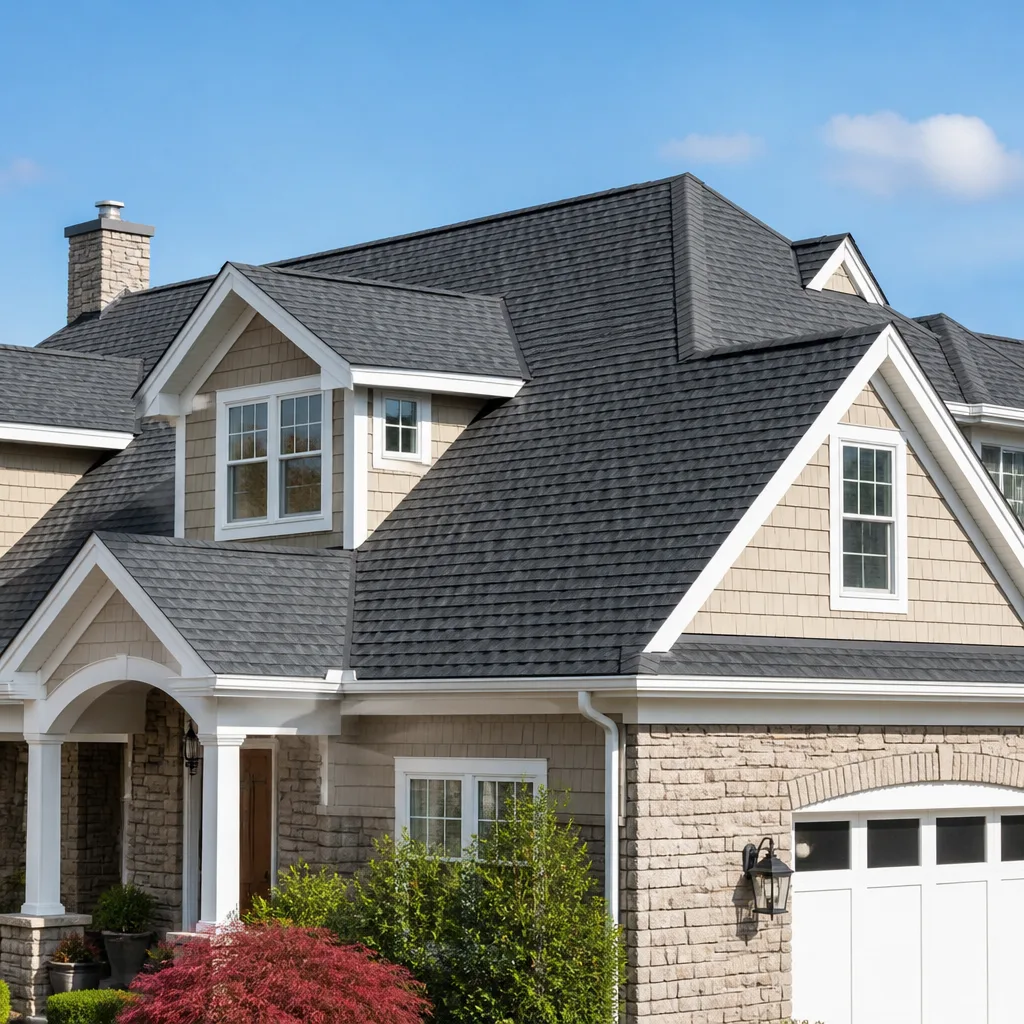
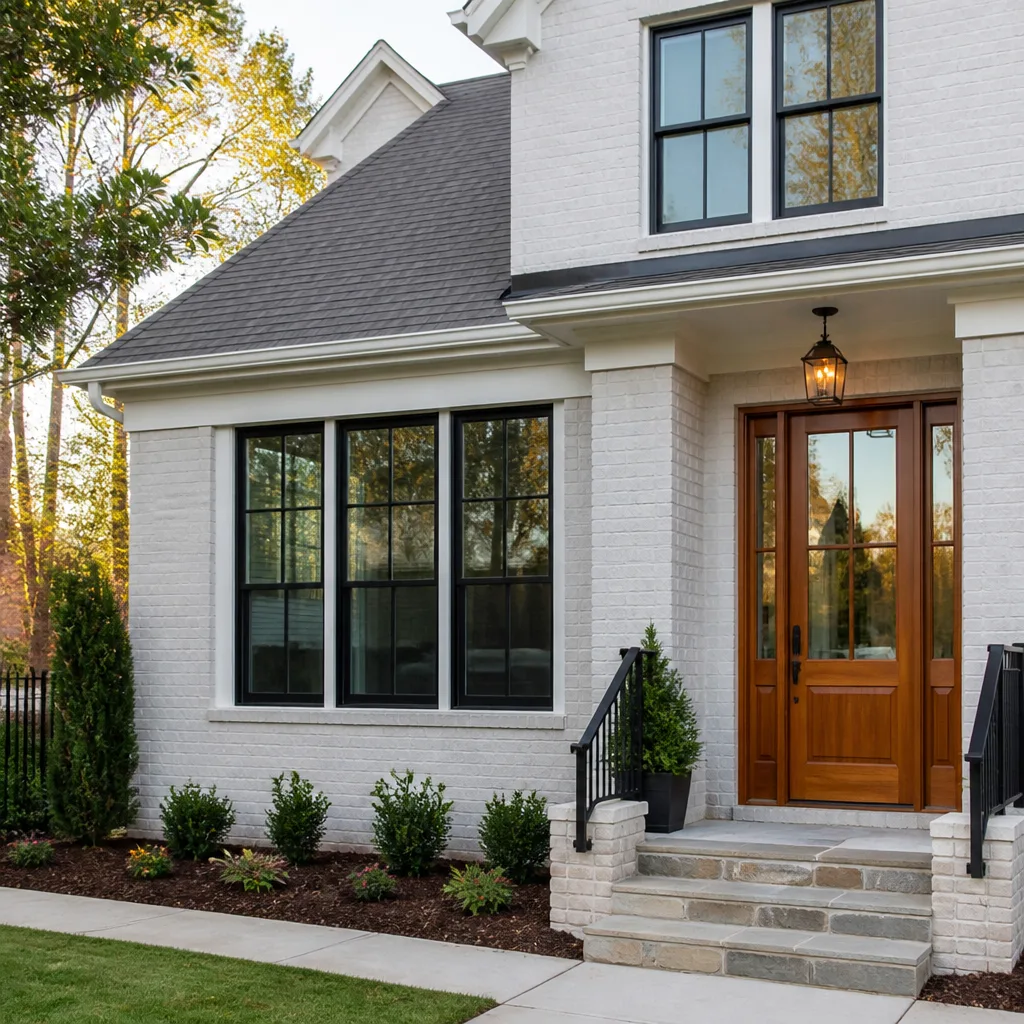
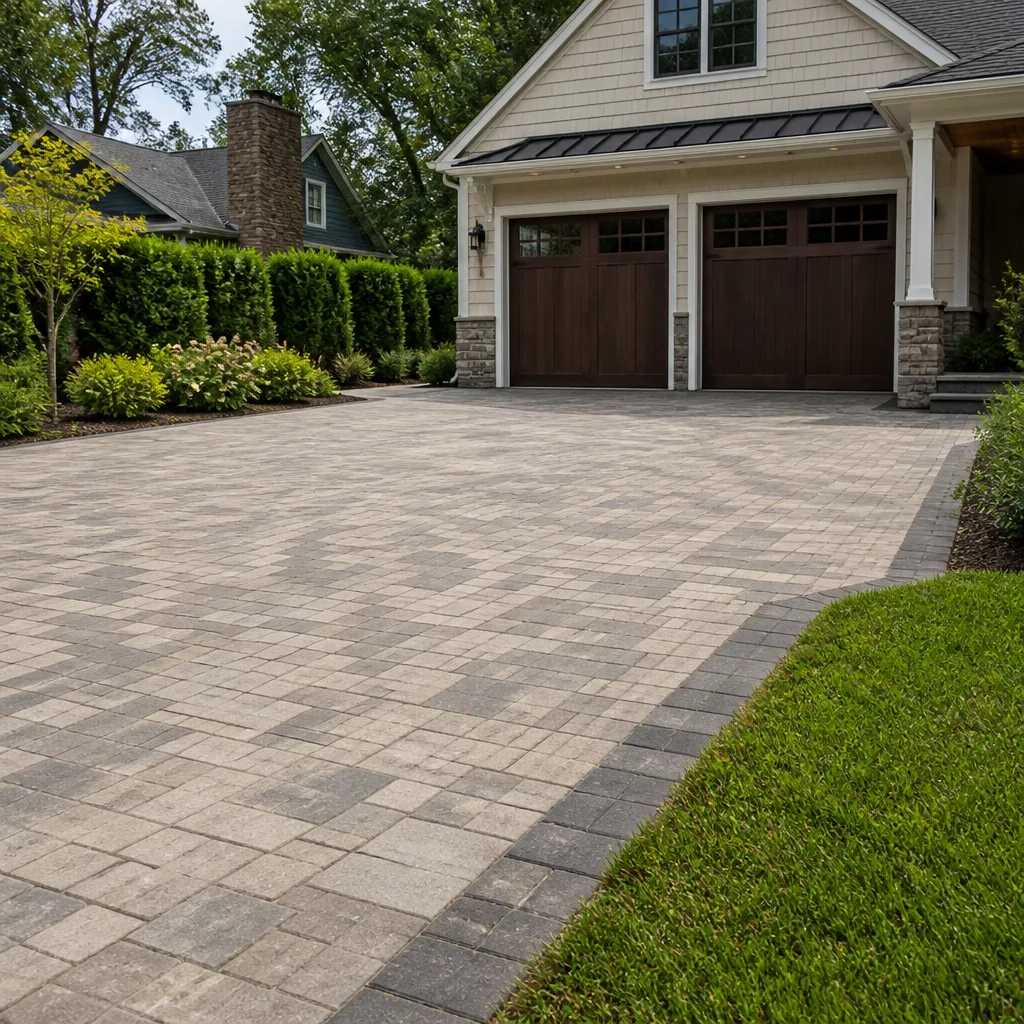
Styles & brands we work with
Signs Your Atlas Driveway & Pavers Is Failing
- Sunken pavers near the curb or gutter. This usually means the aggregate base underneath has eroded from water running under the edge. Los Angeles’s wet winters followed by long dry spells cause the soil to expand and contract, and the base layer slowly migrates. If left alone, the depression widens and neighboring pavers start to tip.
- Corner spalling or chipped edges. Paver edges break when the joint sand has washed out and pavers grind directly against each other. Once the sand is gone, every car tire or footstep applies pressure to an unprotected edge. This is a sand replacement issue more often than a paver failure.
- Wide or empty joints with weeds growing through. Los Angeles weed species like spurge and oxalis will colonize empty paver joints within a single season. Joint sand was either never polymeric or it has degraded. Re-sanding with polymer-modified sand fixes this and locks pavers in place, but the old sand needs to be blown out first, not just topped off.
- Pooling water after rain. Paver driveways are designed to drain through the joints, not across the surface. When water pools, the paver surface has shifted out of plane and the base is no longer graded correctly. In Los Angeles’s clay-heavy soils, this often means a local regrade under that section, not just a few replacement pavers on top.
- A paver that rocks or clicks when stepped on. One rocking paver is usually a broken corner underneath or a pocket of loose sand beneath that single unit. Multiple rocking pavers in one area signal base failure. The fix is pulling the section, repairing the base, and re-laying with fresh bedding sand.
See the difference
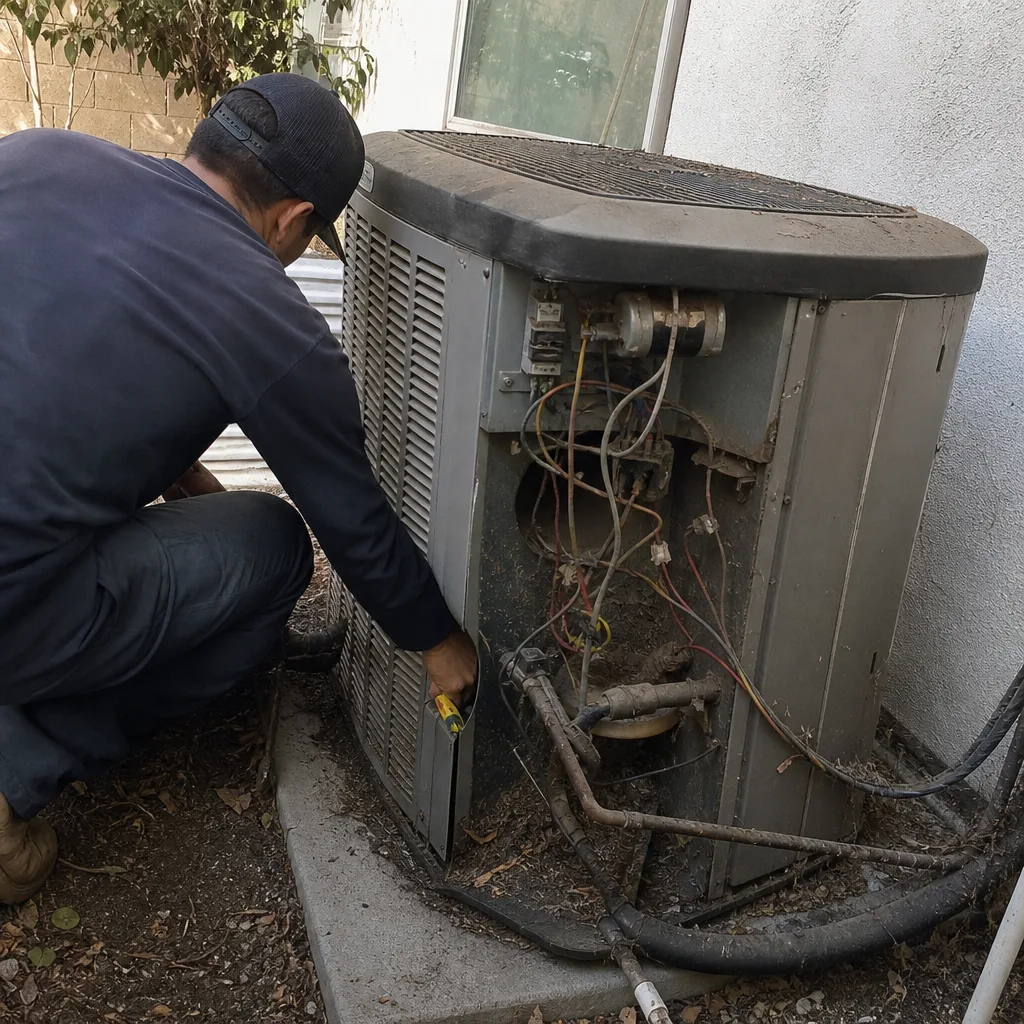 Before
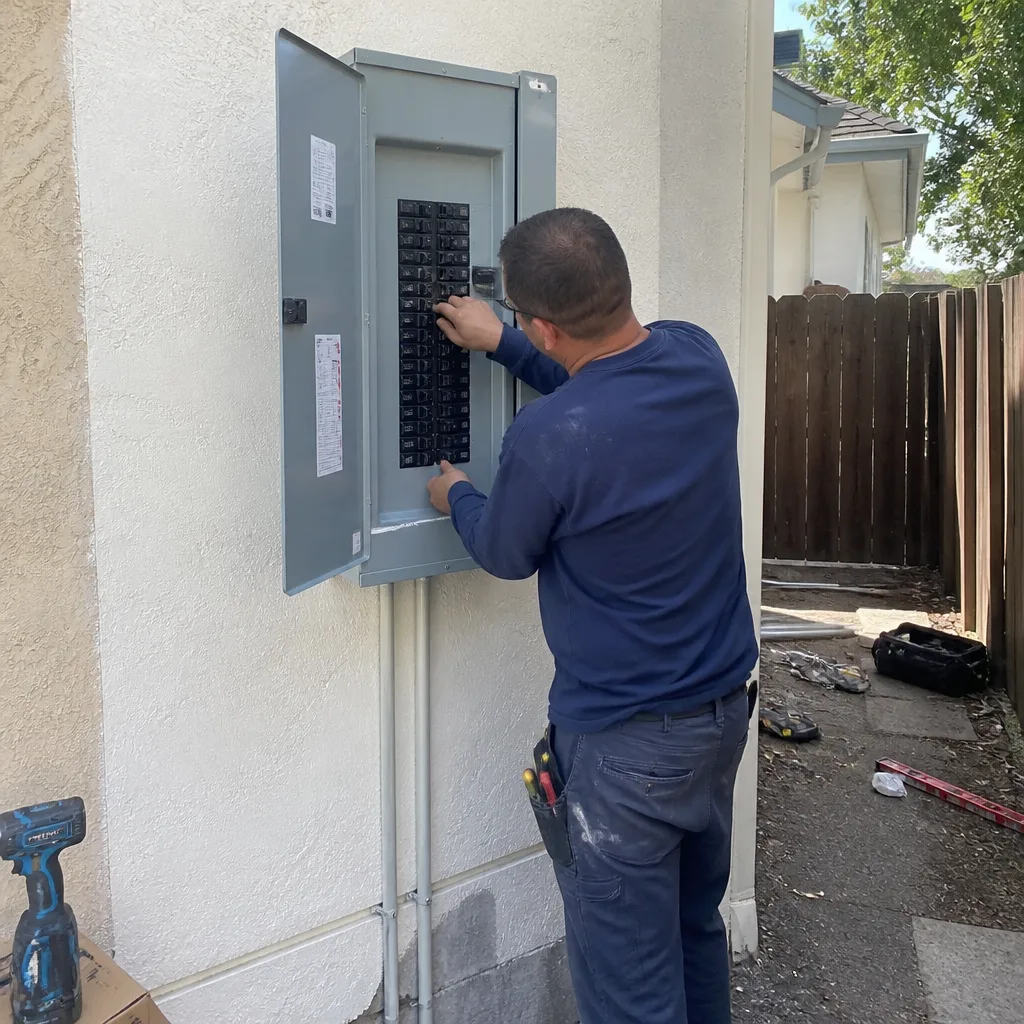 After
After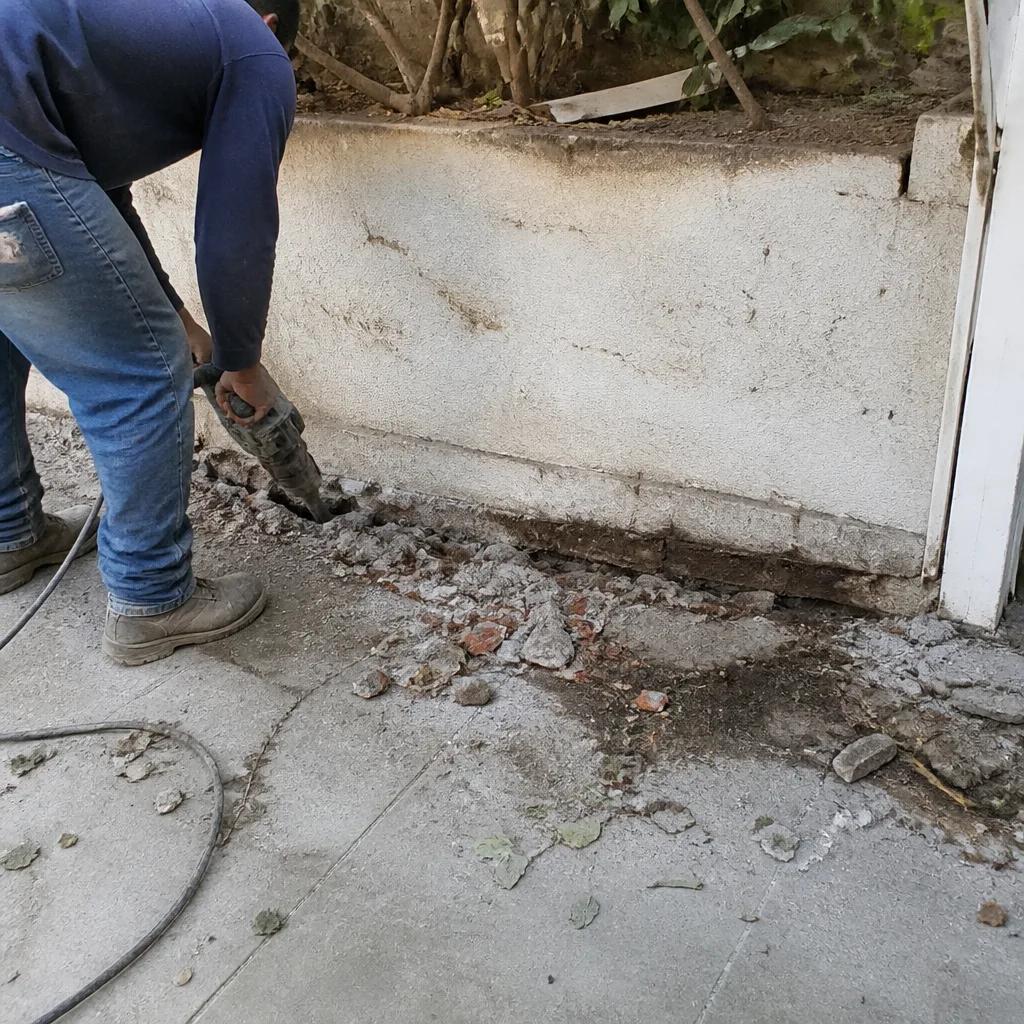 Before
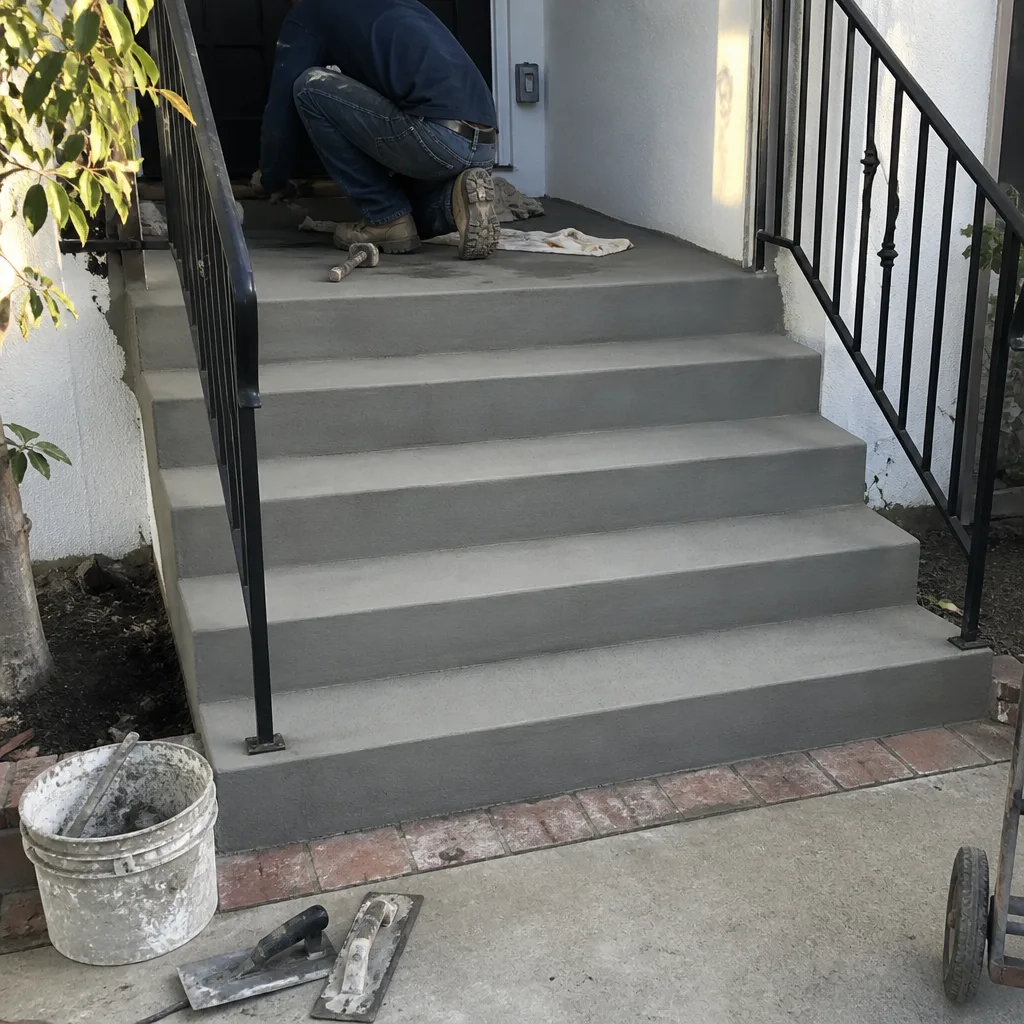 After
After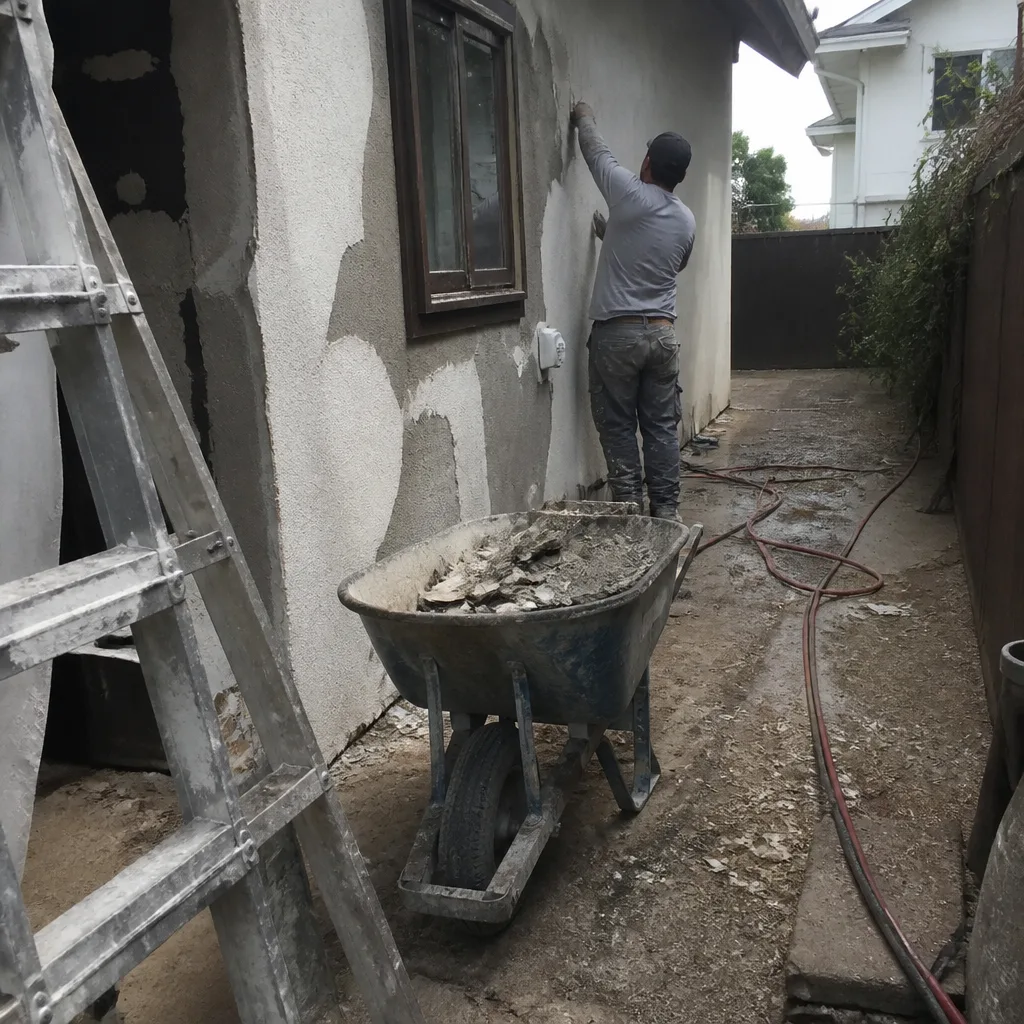 Before
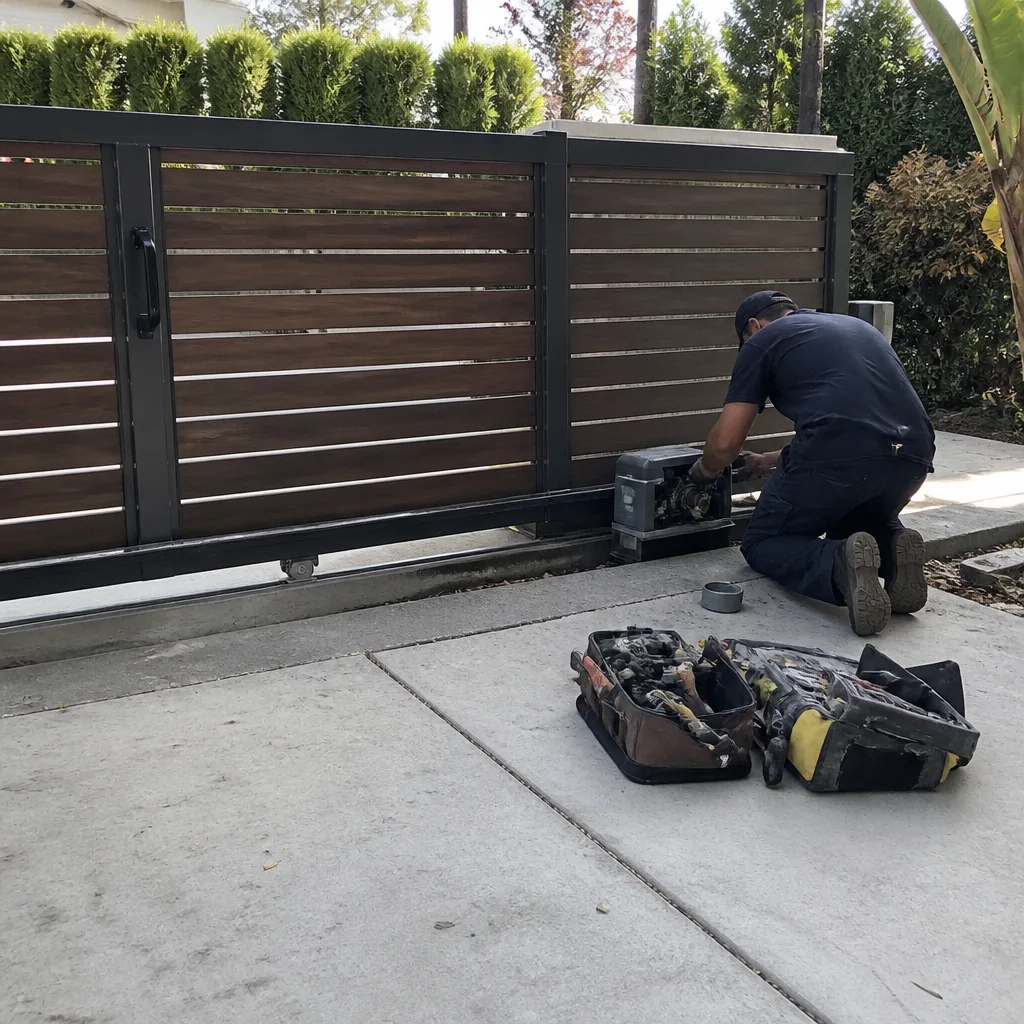 After
AfterReplacement Cost & What’s Included
Atlas paver repair and section replacement in Los Angeles typically runs $413 to $2,360 installed. Small repairs – under 20 square feet, usually patching a handful of cracked or spalled pavers with re-sanding – land at the lower end. Mid-range work covers a 40 to 80 square foot section with some base correction and new bedding sand. The upper end handles larger areas, drainage regrading, and OEM color-matching with the longer lead time that requires.
Every quote from Mason Remodeling includes the pavers, bedding sand, joint sand, haul-off of old material, and labor. The price we write is the price you pay – no change orders when we discover the base is worse than it looked, which does happen in Los Angeles more than people expect. The written price is delivered before any work starts, on every project, every time. That’s the standard we’ve held since 2004 as part of the Threshold Group family of home-service companies, and it’s not optional, not a promotion, and never waived.
Our 365-Day Done Right Promise covers every paver repair and driveway section replacement. If the work is not right within a year of completion, we come back and make it right at no cost to you. That promise is written into your guarantee, with coverage terms stated plainly, including what is covered, what is excluded, and for how long. If a repair fails, the return visit is free – no charge, no dispute process, no conditions.
DIY or Call Us?
You can safely check a few things before calling anyone. Pull up one loose paver and look at the bedding sand under it: if it’s damp and compacted, that’s normal; if it’s dry powder, the base has been drying out and shifting. Check the joint sand by running a screwdriver along the joint: if it drops in freely, the sand is gone. If it holds firm, the joints are still doing their job. Those two checks tell you whether you’re dealing with surface wear or base failure.
Where DIY paver repair goes wrong in Los Angeles is the base layer. If you replace pavers without fixing the base that caused the failure, you’ll be doing the same repair again in two years, and you’ll have spent money on pavers and sand twice. The other common mistake is buying the wrong paver thickness for a driveway: 60mm pavers are fine for patios, but driveway sections taking vehicle weight in Los Angeles’s clay soil usually need 80mm units. Getting that wrong means a new paver cracking within the first year.
Paver work is generally not dangerous in the way a garage spring is, but it is heavy, dusty work on your knees, and the base preparation is what separates a repair that lasts a decade from one that fails next winter. If you’d rather have us look at it, call (803) 680-2547. A live person answers, 24 hours a day, 7 days a week. We’ll schedule a free estimate and you’ll get a written price before any work starts.
FAQs
Atlas concrete pavers in Los Angeles typically last 25 to 40 years when the base was built right and the joints are maintained. Paver units themselves rarely “wear out” – what fails first is the base and the joint sand, which is why the same paver that’s structurally fine can be sitting in a dip.
No, a cracked or spalled paver cannot be repaired, but the good news is that individual pavers are replaceable without touching the rest of the driveway. The failed unit gets lifted out, a new matching paver gets set in fresh bedding sand, and the surrounding joints get re-sanded. Call (803) 680-2547 for an exact quote on your section.
Most Atlas paver repairs we do in Los Angeles take one day for small sections and two to three days for larger areas that need base correction and re-compaction. Polymeric joint sand needs 24 hours to cure before vehicle traffic, so we schedule that drying time into the plan rather than rushing it.
We stock common Atlas-compatible sizes and colors on our trucks – the 60mm and 80mm interlocking units in the grays and tans we install most often across Los Angeles. Specialty colors or larger format slabs usually come from our distributor, which is the same network we use for Belgard, Unilock, and Techo-Bloc materials. If you need a color match on an older Atlas installation, we’ll tell you upfront whether OEM is worth the wait or whether a quality equivalent will blend better. Call (803) 680-2547 and we’ll check stock on your specific paver while you’re on the phone.
Written by Isaac Pruett, Owner, Mason Remodeling at Mason Remodeling, serving Los Angeles and nearby areas.