
Mr-Glass General Contractor in Los Angeles: A Homeowner’s Guide
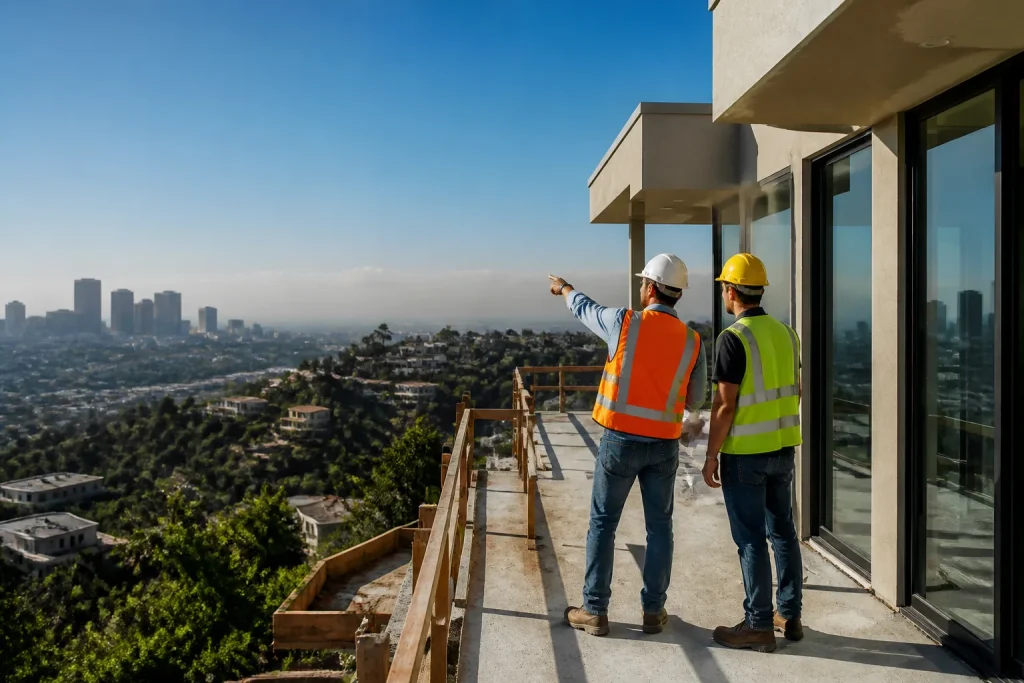
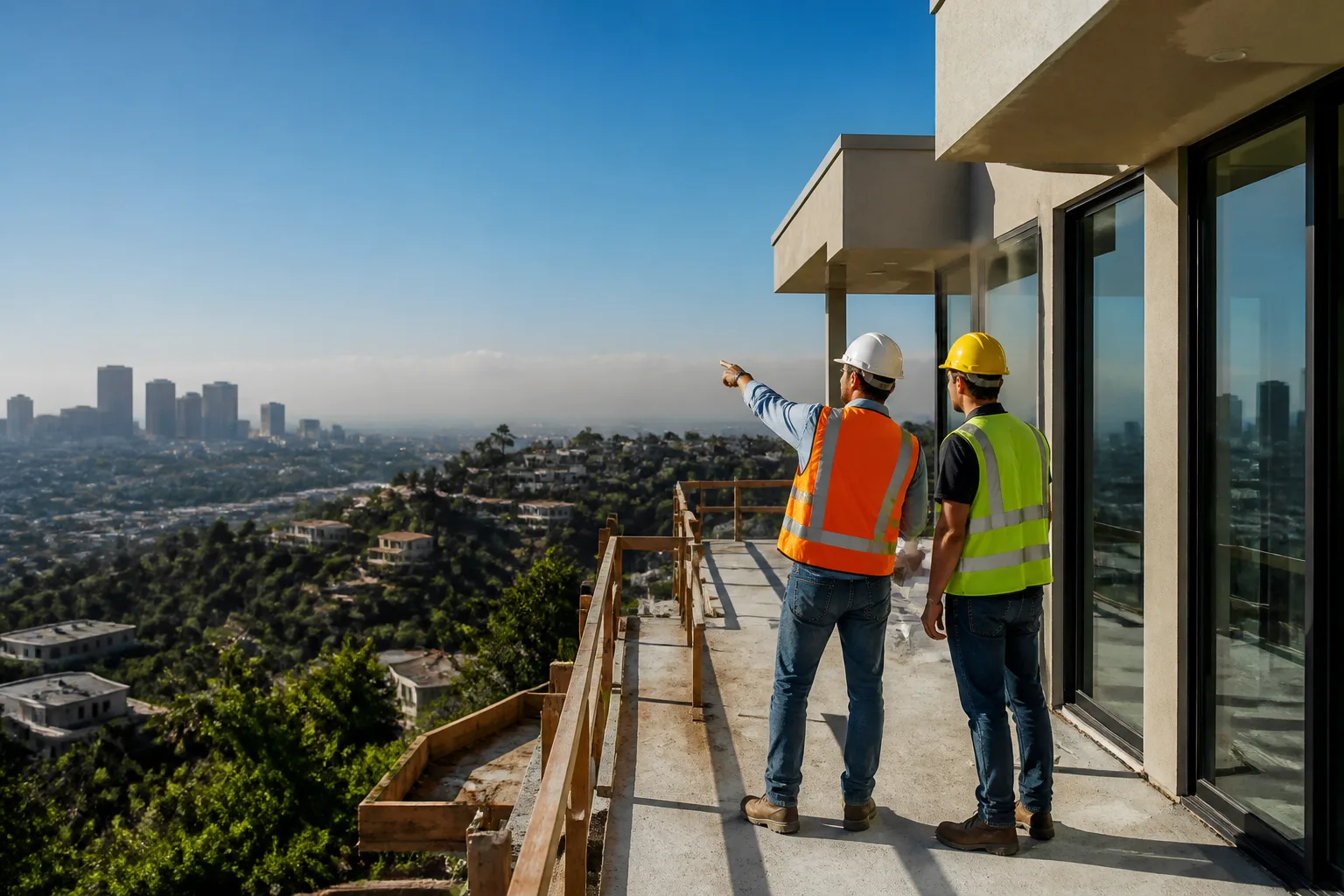
A glass railing that isn’t anchored to a properly prepared substrate isn’t a design feature. It’s a liability, and in California, it’s one that follows the homeowner through every future sale. We’ve walked onto too many Los Angeles job sites where beautiful frameless glass was sitting on framing that was never built to hold it. The glass was fine. The structure underneath was not. If you’re planning glass work that matters structurally, you need a general contractor involved before the first panel shows up. If you’d rather not sort through permitting and substrate prep yourself, call (803) 680-2547.
What Mr. Glass Actually Does, and Where a GC Fits In
Mr. Glass specializes in glazing that is structurally significant. Frameless shower enclosures, glass railings, balcony guards, partition walls, storefront-style interior glass. These are not window replacements. They are assemblies that carry load, resist lateral force, and interact with waterproofing in ways that no standalone glass installer is licensed to handle alone in Los Angeles.
Here’s the reality from the field: a glass company measures, fabricates, and installs glass. That’s their trade, and a good one does it beautifully. But before that glass arrives, someone has to make sure the curb under a shower enclosure is sloped correctly and waterproofed. Someone has to verify the balcony edge can carry the railing load. Someone has to pull the permit that covers the structural work. That someone is a general contractor.
In our experience, the projects that go smoothly in Los Angeles are the ones where the GC and the glazing subcontractor talk before demolition starts, not after. We coordinate substrate prep, framing, waterproofing, and code compliance so the glass installation happens on schedule and passes inspection the first time.
Which Mr. Glass Products Trigger Structural Review Under LA Building Code
Not every glass job needs a structural engineer. But in Los Angeles, more of them do than homeowners expect. Los Angeles Department of Building and Safety (LADBS) reviews any glass installation that serves as a guard, barrier, or load-bearing partition. If you’re not sure whether your project qualifies, here’s a quick breakdown of what typically triggers review:
- Glass railings and balcony guards: Any railing protecting a drop of 30 inches or more must resist a 200-pound concentrated load applied in any direction and a 50-pound-per-linear-foot uniform load. Glass panels must be tempered or laminated safety glass. The anchors, not just the glass, have to be engineered and inspected.
- Frameless shower enclosures: The glass itself is rarely the structural concern. The curb, the waterproofing membrane behind the tile, and the substrate under the floor are. LADBS requires a shower pan inspection before tile and glass go in. Skip it, and you may be opening the wall later.
- Glass partitions and interior walls: Floor-to-ceiling glass dividers in remodeled homes can alter egress paths and require review under the California Residential Code, particularly if they create a new enclosed space.
- Balcony enclosures and wind screens: On hillside homes in Los Angeles, wind loads are not theoretical. Glass enclosures on exposed balconies in areas like Bel Air or Mount Washington can face uplift forces that require engineered connections to the structure.
We’ve used Quikrete products on more shower curb rebuilds and substrate pours than we can count. When the spec calls for a fast-setting base under a glass railing anchor or a shower curb, it’s a dependable product that inspectors across Los Angeles recognize.
Substrate, Waterproofing, and Framing: What Must Be Ready Before Glass Installation Day
The single most common failure we see with glass installations in Los Angeles is not the glass. It’s what’s behind it. Frameless shower glass is only as good as the waterproofing underneath the tile. A glass railing is only as strong as the blocking and anchors inside the wall or slab.
Here’s what we verify before a glazing crew ever sets foot on a Los Angeles job site:
- Shower curb and pan: The curb must be solid, level, and sloped toward the drain. The waterproofing membrane must extend up the walls and over the curb. LADBS requires a flood test of the shower pan. If that test wasn’t done and passed, we stop the glass.
- Glass railing anchors: Whether the railing mounts to a concrete deck, a wood-framed balcony, or a steel beam, the anchors need embedment depth and spacing that match the engineered drawings. You cannot just bolt a glass railing to a 2×4 rim joist and call it done.
- Wall framing behind fixed glass panels: Fixed panels that don’t hinge still carry wind load and lateral force. The framing behind them needs shear capacity. In older Los Angeles homes, that framing is often undersized for modern glass.
- Deflection limits: Glass is stiff. The structure it’s attached to is not. If the floor or wall flexes beyond the glass manufacturer’s deflection limit, the panel binds, cracks, or pops off its channel. We check deflection before the glass company finalizes measurements.
This is the part of the job that no one photographs for Instagram, but it’s the part that keeps the glass on the wall for twenty years.
The Permit Sequence for Glass Installation in a Bathroom or Balcony Remodel in Los Angeles
Los Angeles does not treat glass installation as an afterthought. For any remodel that touches structure, waterproofing, or guards, the permit sequence matters. Here’s the typical order we follow on a bathroom or balcony remodel involving Mr. Glass product categories:
- Step 1: Plan check. Submit drawings to LADBS. For a glass railing on a balcony, expect a structural detail sheet showing loads, anchors, and glass specifications. For a bathroom, the wet area waterproofing details go in with the plan set.
- Step 2: Rough inspections. Before tile and glass, LADBS inspects framing, blocking, and any shear or load-path elements. For showers, the pan flood test happens at this stage.
- Step 3: Waterproofing and lath inspection. Los Angeles requires a lath inspection for any tile or stone in a wet area before the setting bed goes in.
- Step 4: Final inspection. After glass is installed and all finishes are complete, the inspector verifies the final product matches the approved plans, including glass type and railing height.
We’ve handled this sequence in neighborhoods from Studio City to San Pedro. The process is predictable if the substrate is right. It becomes a nightmare when the glass sub shows up and the waterproofing was never inspected. That’s when walls get opened back up. Avoid it by sequencing glass last, after inspections, not before.
Questions to Ask Any Glazing Subcontractor About Construction Responsibility
When you meet with a glass company in Los Angeles, most will be honest about what they do and don’t handle. But the questions below separate the ones who will protect your project from the ones who will leave a gap between their scope and the next trade’s.
Ask these directly:
- “Who pulls the permit for the structural work surrounding your glass?” If the answer is “you do” or “the homeowner handles that,” you’ve found the gap. Glass-only permits do not cover the waterproofing or framing work LA requires.
- “Who verifies the substrate is ready before you measure?” A reputable glass installer wants a GC’s sign-off on waterproofing, deflection, and anchor readiness before they finalize measurements. If they’ll measure no matter what’s behind the wall, they’re installing on faith.
- “What happens if the glass cracks during installation or within the first year?” Tempered glass can shatter from edge damage that happens during transport or installation. Get the replacement terms in writing.
- “Do you carry liability coverage for structural glass work in California?” Glass railing failures are serious injury events. The installer’s coverage should match the risk. Skip this question and you’re assuming that risk yourself.
When to call a pro: if any part of your glass project touches a shower pan, a balcony edge, a load-bearing wall, or a permit counter, that’s the moment to bring in a general contractor. The glass sub installs glass. The GC owns the structure it hangs on. Those are two different jobs, and in Los Angeles, mixing them up is expensive.
Related services in Los Angeles: see our Bathroom Remodeling in Los Angeles and Home Remodeling in Los Angeles pages for how glass work fits into larger remodel scopes. Or start with our General Contractor in Los Angeles overview if you’re still in planning mode. And if you’re new to us entirely, the Mason Remodeling home page explains who we are and how we work.
The Bottom Line
Mr. Glass does glazing. The structure that glass attaches to is a general contractor’s job. In Los Angeles, that distinction carries code requirements, permit sequences, and real liability. Frameless shower enclosures need waterproofing inspections. Glass railings need engineered anchors and load-rated substrate. Every one of those glass applications involves construction work that LADBS will inspect, and that a glazing-only scope won’t cover.
If you’re planning glass work as part of a Los Angeles remodel and want the substrate done right before the glass arrives, Mason Remodeling offers free estimates. We’ll walk the site, tell you what’s ready and what isn’t, and give you a written price before any work starts. Call (803) 680-2547 to schedule yours.
Frequently Asked Questions
Yes. Any glass guard protecting a drop of 30 inches or more requires a building permit from LADBS, and the structural connections must be shown on approved plans. The permit covers the anchoring system and the glass specification, not just the panel itself. Call (803) 680-2547 if you’d like us to review what your project needs.
GC coordination for glass-related structural prep typically ranges from $2,500 to $8,000 depending on scope. A shower rebuild with waterproofing and substrate prep usually falls between $4,000 and $12,000, while balcony railing substrate and anchoring work runs $3,000 to $15,000 depending on what’s behind the wall. These are Los Angeles market ranges. Call (803) 680-2547 for a written, line-item price on your specific project.
Not with us. Mason Remodeling delivers a written price before any work begins, and that’s the price you pay unless you change the scope. We don’t do verbal estimates that grow on the final bill. If we find something unexpected during demolition in a Los Angeles home, we show you what we found, put the change in writing, and get your approval before we proceed.
The answer depends on what failed. If the glass itself is defective, the glazing company handles it under their warranty. If the substrate or waterproofing behind the glass failed, that’s on whoever built it. Mason Remodeling covers our workmanship for 365 days from the completion date through our Done Right Promise. If our work isn’t right within a year, we make it right at no cost. Call (803) 680-2547 to talk through what you’re seeing.
Written by the team at Mason Remodeling.
Need Construction Help?
Call Mason Remodeling - licensed & insured, here with fast after-hours help in Los Angeles.
(803) 680-2547