
CGI General Contractor in Los Angeles: A Homeowner’s Guide
CGI impact-resistant windows and doors in Los Angeles are a different conversation than they are in Miami. Here, homeowners install them for security, street-noise reduction, and insurance savings – not hurricanes. The mistake we see most often: an LA homeowner pays a premium for CGI glass, the contractor installs it without the documentation the insurer requires, and the expected premium discount never shows up. This guide covers what to ask before you sign, what the product lines actually differ in, and how Los Angeles permitting affects the job.
If you’re researching contractors and would rather talk through your specific opening sizes, call (803) 680-2547 for a free estimate. Otherwise, read on – this is the guide we wish every CGI-curious LA homeowner had before their first quote.
Why CGI in Los Angeles Is About Security, Sound, and Insurance – Not Storms
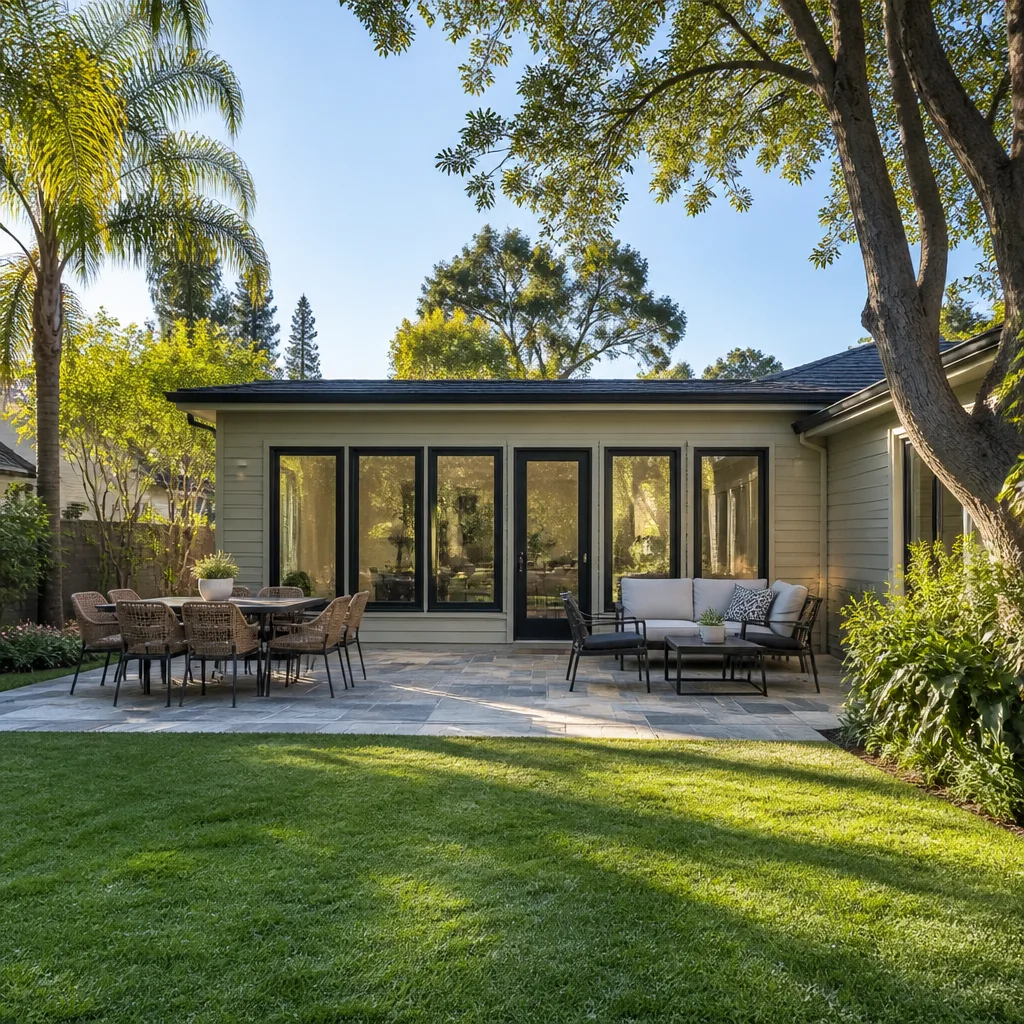
The conventional CGI pitch is built for hurricane zones. Los Angeles sits in a seismic zone, not a hurricane corridor, so the storm-protection framing doesn’t apply the same way. What does apply: an impact-rated window is a laminated glass unit that holds together when struck. That property translates directly to three things LA homeowners care about.
First, security. A laminated impact window won’t shatter into a pile of glass shards when hit with a crowbar, a rock, or a boot. It resists entry for a meaningful window of time, which is why LAPD crime-prevention literature frequently references laminated glass as a physical-deterrent layer. Second, sound attenuation. Streets like Ventura Boulevard, Pico, and Crenshaw carry constant traffic, and the same interlayer that holds the glass together also damps mid-frequency noise measurably better than standard annealed float glass. Third, insurance. Many California carriers offer premium reductions for documented, code-compliant impact glazing – but documentation is the operative word there.
The insurance angle deserves its own paragraph because it’s where we’ve watched homeowners get burned. A carrier doesn’t just want a receipt for “impact windows.” It wants the product spec sheet, the installation photos, the permit record, and the contractor’s written verification that the units were installed to the manufacturer’s specification. When a contractor skips the photo log or fails the final inspection, the insurer withholds the discount. The window still works. The investment math changes.
How to Vet a CGI General Contractor in Los Angeles Before the Quote
Most homeowners interview a contractor by asking about price and timeline. With CGI, there are three earlier questions that matter more. Ask them in this order.
- Which product lines do you install, and why did you choose them? A contractor who answers “whatever the supplier has” is not a CGI specialist. A contractor who can explain the difference between CGI’s TS and ES series – and which one fits an LA canyon home versus a condo on Wilshire – knows the material.
- How do you document the installation for insurance purposes? The answer should include photo documentation of the rough opening, the installed unit, the flashing, and the final trim. It should also include a written scope sheet matching the permit. If the contractor squints at this question, walk away.
- Do you pull the LADBS permit for every opening change, including like-for-like replacement? In Los Angeles, replacing a window in an existing opening may not require a full plan check, but it almost always requires a permit, especially in older stucco-frame homes. A contractor who suggests skipping the permit is trading your insurer’s future goodwill for a few hundred dollars of saved fees.
We’ve also learned to ask about lead times. CGI is not an off-the-shelf product at supply houses in the Los Angeles basin. Some sizes run 8 to 14 weeks from order to delivery. A written price and a locked product specification become your protection when your contractor gets tempted to substitute an in-stock non-impact unit to finish faster. We cover that more below.
CGI TS vs. ES Series: What an LA Homeowner Actually Needs
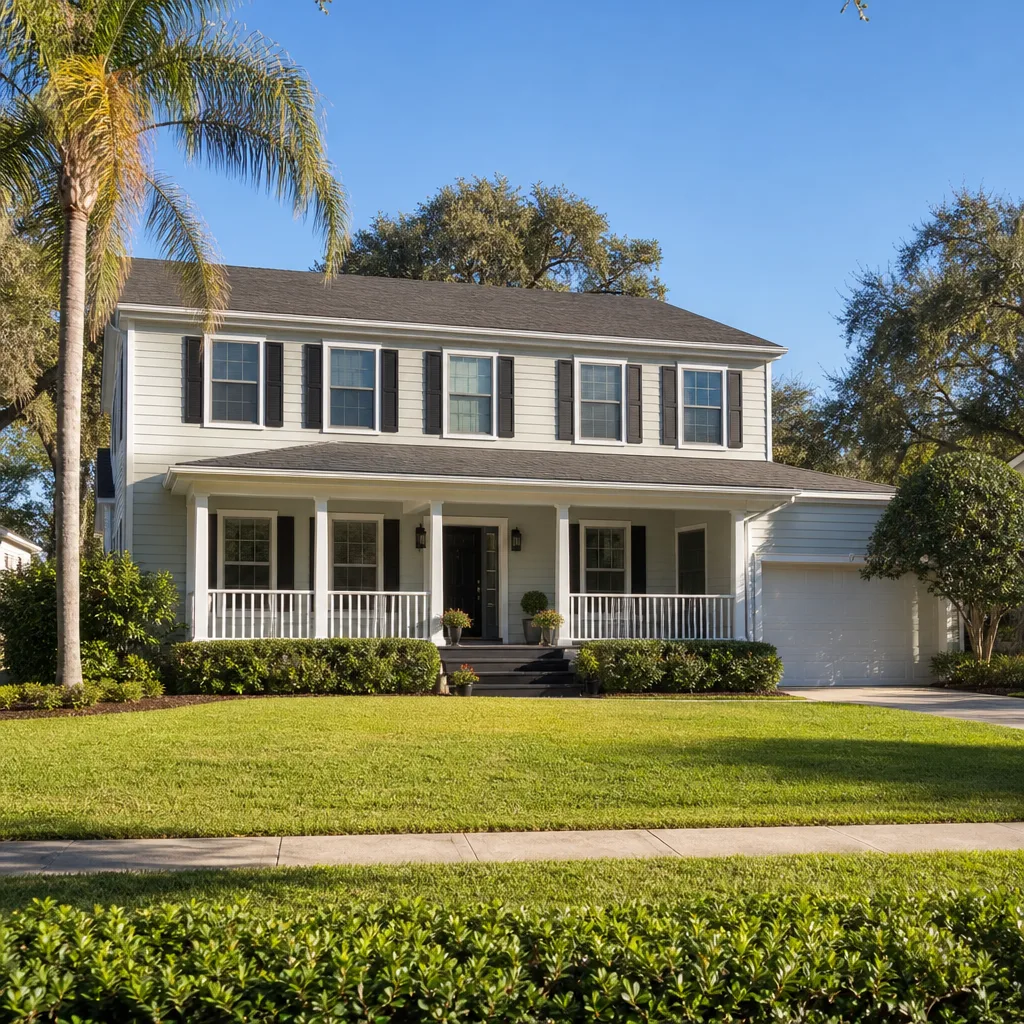
CGI manufactures two primary residential lines: the TS (Traditional Series) and the ES (Estate Series). The quick difference: ES is the heavier, structurally reinforced line designed for the highest wind zones and largest openings. TS is the slimmer-profile line that fills most replacement window and door applications in Southern California.
For the vast majority of Los Angeles homes – a 1920s Spanish Revival in Silver Lake, a 1950s ranch in the Valley, a mid-century post-and-beam in the Hills – the TS series is the correct specification. It delivers the impact rating, the laminated-glass sound damping, and the UV protection without the added frame weight of the ES line. The ES series matters when you’re doing a very large sliding-glass opening, a contemporary wall of glass, or an elevated deck condition where wind exposure calculates differently. Your contractor should be able to explain the engineering difference in plain language, not just hand you a brochure.
One more LA-specific note: UV is not a small factor here. Coastal and hillside homes get relentless sun exposure, and laminated impact glass does inherently block a meaningful percentage of UV – but the interlayer quality varies. Ask your contractor for the UV transmission spec on the specific make-up you’re being quoted, not just the “impact-rated” sticker. It affects furniture fade, floor finish, and interior comfort noticeably over a decade.
LADBS Permits and Older Stucco-Frame Homes: What the Process Actually Involves
Here’s the reality of replacing windows in the older stucco-frame housing stock that dominates Los Angeles from Mid-City to El Sereno: the rough opening is rarely square, the stucco reveal is often inconsistent, and the original flashing was probably insufficient when the house was built. None of this is a dealbreaker, but all of it affects how the CGI unit must be set.
The LADBS process for a standard window replacement is, in most cases, a straightforward alteration permit. A plan is not required for like-for-like size replacements, but an inspection is. The inspector checks the nailing flange or retrofit fin, the sill flashing, and the head flashing conditions. For large openings – a 12-foot slider, a picture window, a bi-fold – a structural plan check may be triggered, and the framing around the opening may need to be evaluated for the additional dead load of a heavier laminated unit.
This is where the contractor-quality gap becomes physical. A crew that knows LA stucco knows to cut the reveal cleanly, wrap the opening with the correct flashing sequence, and set the pan so water moves outward, not inward. A crew that doesn’t will caulk the outside, call it done, and leave you with a window that leaks around the sill in the first winter rain. We’ve pulled failed retrofit windows out of houses in the Fairfax district where the “flashing” was a bead of silicone over raw stucco. That’s not a window problem. That’s an installation problem.
Installation Quality Checkpoints You Can Observe Without Any Technical Background

You don’t need to be a builder to catch most bad CGI installations. Here are three checkpoints to watch while the crew is working, all visible from the inside of the house.
- Reveal consistency. The gap between the window frame and the surrounding stucco or drywall should be consistent around all four sides – within about an eighth of an inch. If it’s tight on one side and half an inch on the other, the unit is set out of square, and the hardware will bind within a few years.
- Flashing integration. At the sill, you should see a physical flashing material – metal or a proper self-adhered membrane – tucked under the bottom of the window and lapped over the stucco below. You should not see raw wood, exposed paper, or caulk doing the flashing’s job.
- Sill drainage. CGI units have weep holes at the bottom of the frame. They should be visible and unblocked after trim installation. Painters and finishers love to caulk over weeps; that traps water inside the frame and corrodes the hardware over time.
If you notice any of these three issues during the job, stop and ask the lead tech to explain what you’re seeing. A good contractor will walk you through it without defensiveness. A bad one will tell you not to worry about it. That distinction matters more than the brand sticker on the window. Pairing CGI units with a quality entry door manufacturer like Therma-Tru gives you a matched impact package, and we’ve found the same documentation discipline applies: if the hardware and frame aren’t spec’d correctly, the glass performance never reaches its tested rating.
Written Price, Locked Scope, and the CGI Lead-Time Problem
CGI units are not sitting in a warehouse in Commerce or Van Nuys waiting for your job. Many sizes are made to order, and the lead time can stretch past three months. During that window, raw material costs can move, freight can climb, and a contractor who quoted a verbal estimate can suddenly “need” to adjust the number. That’s the moment a written price becomes the difference between a fair transaction and a bait-and-switch.
At Mason Remodeling, the written price is delivered before any work begins, on every project, every time. It’s not conditional, not an estimate with asterisks, and not re-priced after demo starts. The scope lists the exact product, the exact glass make-up, the exact finish, and the exact number of openings. If a lead time pushes against a homeowner’s schedule, the conversation is about timing – never about substituting a different, cheaper product to hold the budget. That substitution is how homeowners in Los Angeles end up with “impact-rated” windows that aren’t CGI at all, and an insurer who won’t honor the discount.
We’ll also say this plainly: if your contractor won’t put the CGI spec sheet in the contract, they’re not selling you CGI. They’re selling you the idea of CGI. Ask for the model number and the impact rating in writing. If it’s missing, you’re not comparing prices anymore – you’re comparing honesty.
When to Call a Pro
Some jobs are genuinely DIY-able. Replacing a CGI window is not one of them. The glass units are heavy – a single 48-inch by 60-inch laminated picture window can weigh over 150 pounds. The lifts are awkward, the stucco cuts are unforgiving, and the flashing sequence has to be right on the first pass. Add a second story or a hillside drop-off and the risk calculation gets worse quickly.
If your home has original single-pane windows and you’re considering impact glazing as an upgrade path, our related services in Los Angeles include general contractor work, bathroom remodeling, and whole-home remodels. A CGI window package often pairs well with a broader renovation because you’re already opening walls and pulling permits. You might as well have one contractor, one permit set, and one inspection schedule.
The Bottom Line
CGI impact windows in Los Angeles are a smart investment when three conditions hold: the product is specified correctly for the opening and exposure, the installation is documented for insurance, and the contractor’s price is written before the job starts. When any one of those conditions fails, you’ve paid a premium for a product whose benefits never fully materialize. The contractor matters as much as the glass.
If you’re in Los Angeles and need help, Mason Remodeling offers free estimates. We’ll spec the right CGI series for your openings, pull the LADBS permit, document the installation properly, and put the price in writing before any work begins. Call (803) 680-2547 to schedule yours.
Frequently Asked Questions
For a standard TS-series replacement window, expect to pay roughly $1,100 to $1,900 per opening installed, depending on size, finish, and accessibility. Large ES-series sliders and bi-folds run $4,000 to $12,000 or more per unit. These are Los Angeles labor and permit market ranges – not national averages. Call (803) 680-2547 for an exact quote on your openings; estimates are free.
They can, but only if the installation is documented correctly. Your carrier will typically want the product spec sheet, the permit record, installation photos, and a written verification from the contractor that the units were set to manufacturer’s spec. A contractor who doesn’t provide that documentation is – even with perfectly installed windows – a contractor who didn’t finish the job. Ask about insurance documentation before you sign, not after the inspection.
In most cases, yes. Los Angeles Department of Building and Safety (LADBS) requires a permit for window replacement, even like-for-like sizes. Some small replacements may qualify for express permitting, but your contractor should confirm with LADBS for your specific address and opening sizes. A contractor who suggests skipping the permit is creating future problems for your insurance claim and your resale disclosure.
A typical 5-to-8 opening replacement takes 2 to 4 days on site, including stucco patching and interior trim. The lead time for the windows themselves is the longer variable – many CGI sizes run 8 to 14 weeks from order confirmation. Plan backward from that timeline, and make sure your contractor’s contract includes a locked product spec so the delay doesn’t become an excuse for substitution.
Written by the team at Mason Remodeling.
Need Construction Help?
Call Mason Remodeling - licensed & insured, here with fast after-hours help in Los Angeles.
(803) 680-2547