
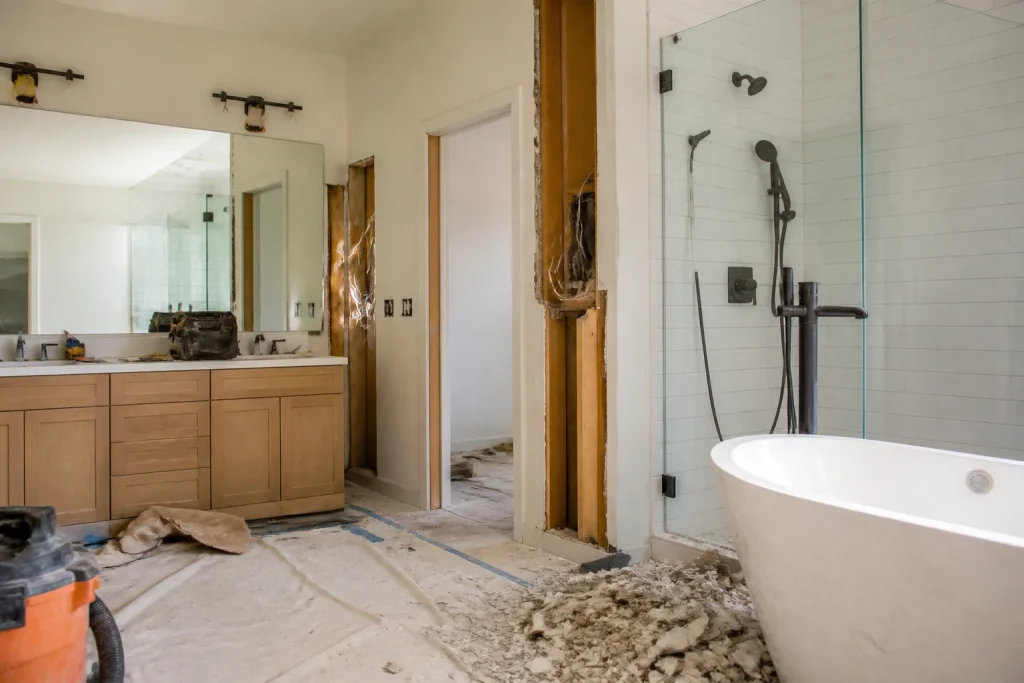
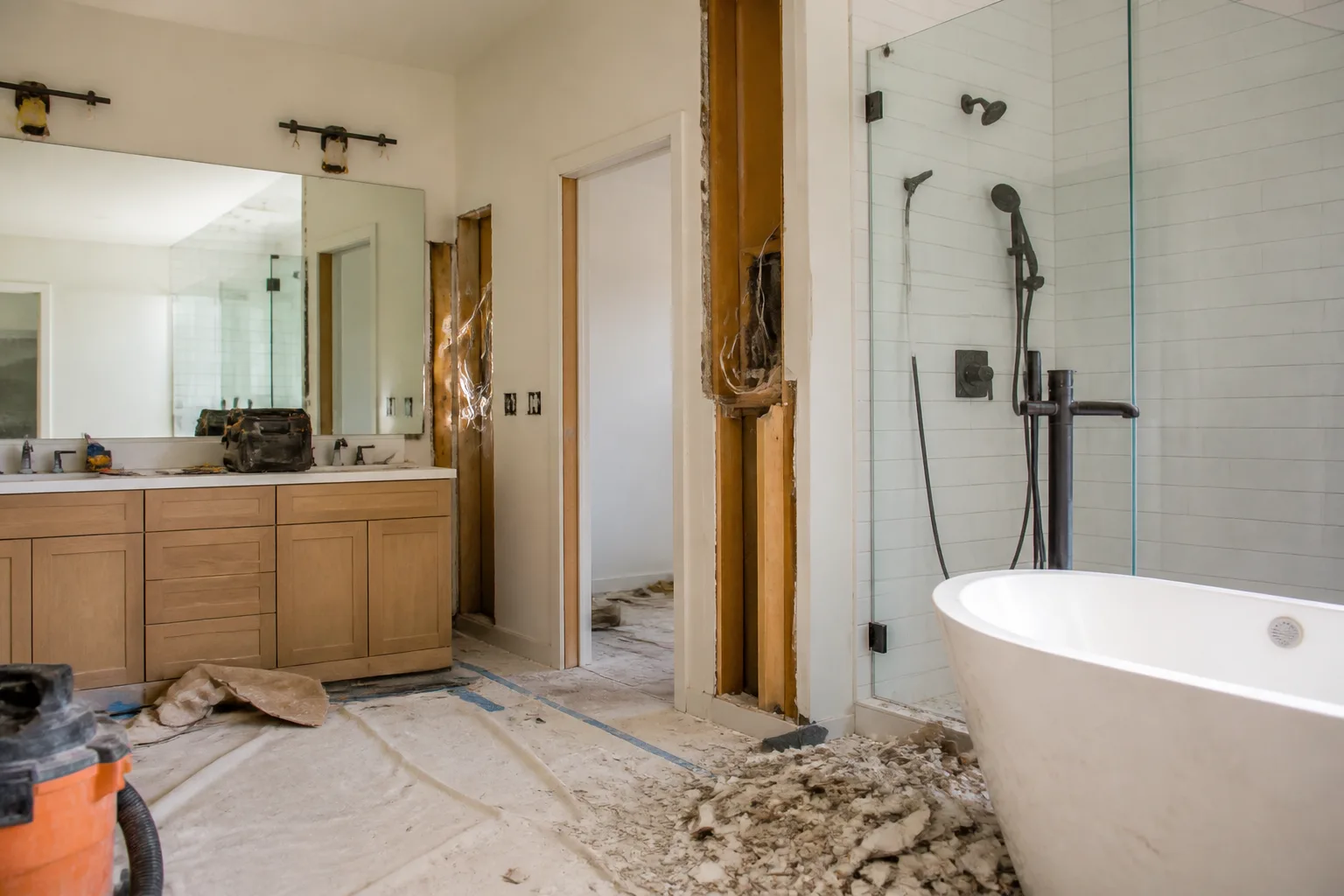
5 Mistakes to Avoid With Bathroom Remodeling
Most bathroom remodeling mistakes aren’t design failures. They’re sequencing failures. The wrong trade shows up at the wrong time, something gets covered up before it’s checked, and the rework never appears on the original quote. The most common bathroom remodel cost overrun we see in Los Angeles isn’t a surprise plumbing discovery. It’s a waterproofing step somebody skipped to save two days, discovered only after the tile is already set. Here are the five mistakes that actually cost homeowners money, mapped by when in the project they detonate.
Mistake #1: Locking In Tile Before Rough Plumbing Is Final
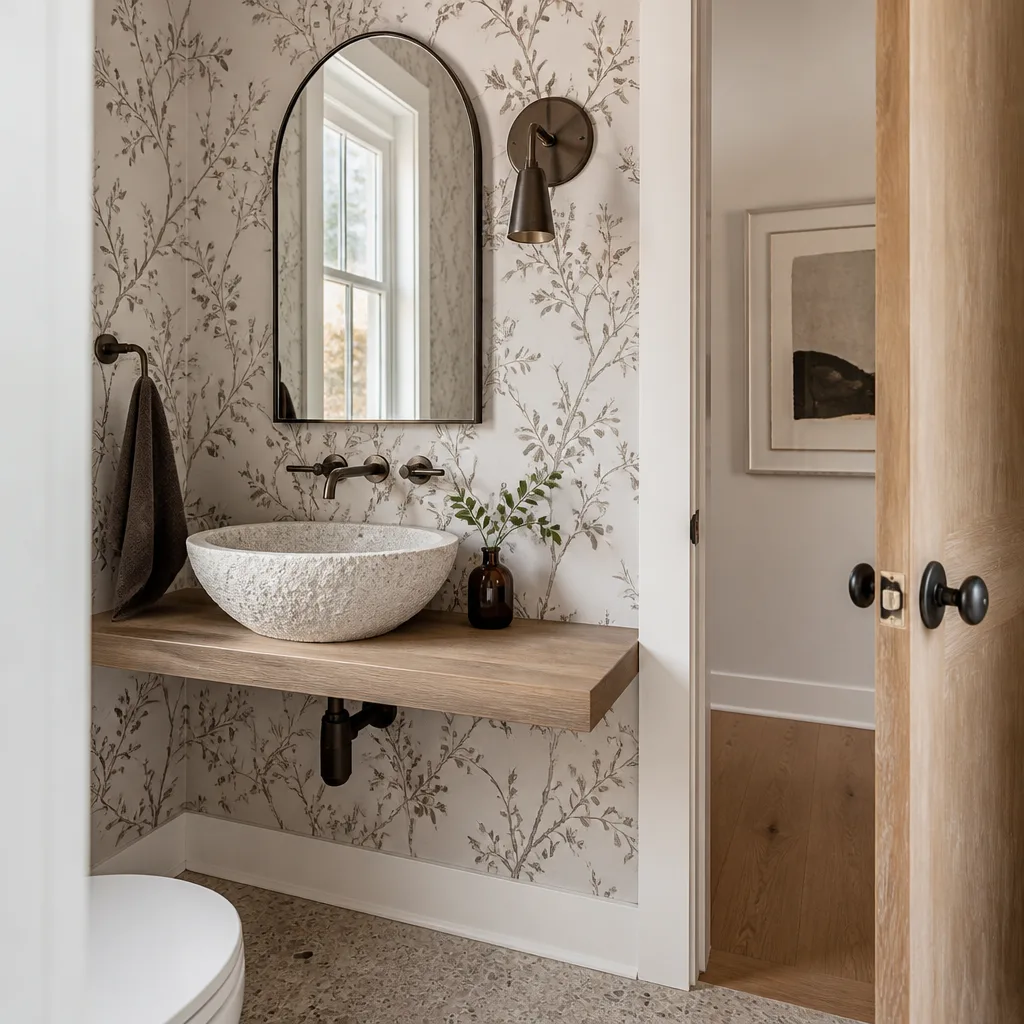
Tile selection feels like progress. You pick a pattern, order it, and suddenly the project feels real. But here’s what happens in Los Angeles’s older housing stock, where homes built in the 1920s through 1970s dominate neighborhoods like West Adams, Echo Park, and the San Fernando Valley. The moment you open a wall or floor, you find that the drain line isn’t centered where the tile layout assumed it would be. Or the supply lines for the vanity run through a spot that now needs to move six inches. If the tile is already ordered to fit the old footprint, you’re either living with an awkward cut line or paying to reorder.
The fix is simple to state and harder to execute: confirm rough plumbing relocations before you commit to material. A proper sequence runs plumbing first. Walls get opened, lines get moved, the shower valve gets set, and the inspector signs off. Then and only then does tile get measured and ordered. It doesn’t help that in LA’s pre-1980 housing stock we regularly find cast iron drain lines that have to be replaced rather than adjusted, which changes the floor build-up and the tile layout with it. When homeowners ask us what order a bathroom remodel should happen in, the answer is always: plumbing, inspection, then finishes.
We’re not saying tile selection shouldn’t happen early. It should. But lock in the tile after the rough plumbing is final, not before.
Mistake #2: Skipping the Waterproofing Inspection Before Tile Goes Up
Every shower waterproofing system on the market, whether it’s a liquid membrane, a sheet membrane, or a foam backer board system, has one thing in common. The manufacturer warranty is void if the waterproofing isn’t installed correctly, and the only way to prove it was installed correctly is to verify it before the tile is set. Tile is not waterproof. Grout is not waterproof. The waterproofing layer underneath is the only thing standing between your shower and the framing behind it.
This is the mistake we see bite Los Angeles homeowners hardest. A crew that’s behind schedule skips the flood test, the waterproofing inspection, or both. The tile goes up. Three years later, the baseboards on the other side of the wall are swelling and the homeowner learns that the manufacturer’s warranty won’t help because nobody can prove the membrane was ever intact. The repair isn’t a tile patch. It’s a full tear-out.
Before any tile is set in a wet area, the waterproofing needs to be verified, ideally with a flood test that holds water for 24 hours and a visual inspection of the membrane at every seam and corner. A written price should include this step, not bury it as an optional line item that a rushed crew can quietly skip. If a contractor tells you the flood test isn’t necessary, treat that the same way you’d treat a mechanic telling you the brake check isn’t necessary.
When to call a pro: waterproofing failure is not a caulk-and-paint situation. If you’re seeing stains on the ceiling below a bathroom, soft drywall, or tiles that sound hollow when tapped, you’re past the prevention stage. Call someone who can open the wall, find the exact point of failure, and rebuild the assembly correctly.
Mistake #3: Buying Fixtures Before Measuring the Rough-In
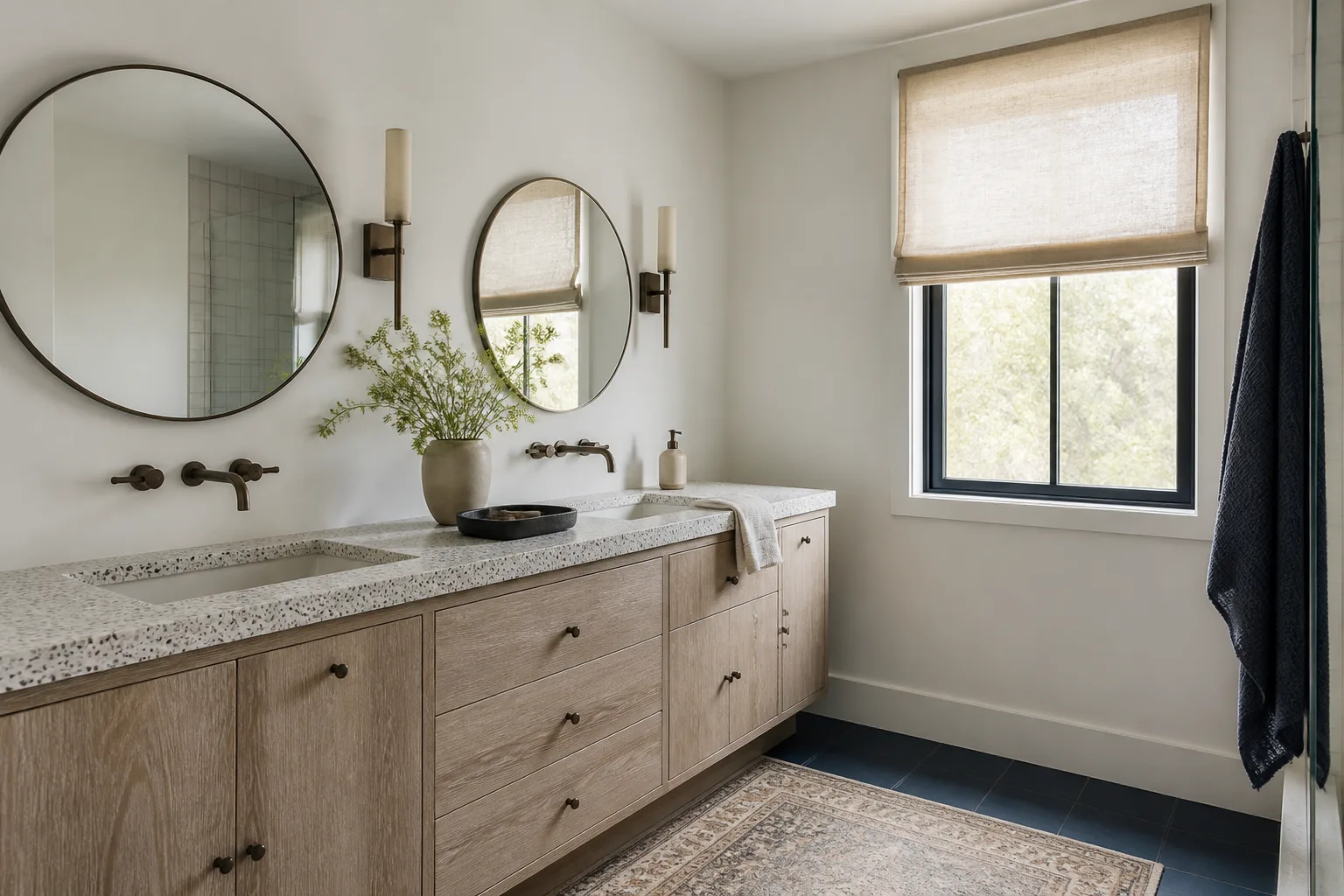
Fixture showrooms are dangerous places for a bathroom remodel. Everything looks good under showroom lighting, and the salesperson doesn’t know whether your existing toilet flange is 12 inches from the wall or 10. So homeowners buy a fixture package, bring it home, and find that the vanity they chose requires a rough-in of 18 inches when their plumbing is at 16. Or the wall-mounted faucet they ordered needs the supply lines at a height that puts them directly behind the mirror.
What follows is a cycle of returns, restocking fees, and delays. Meanwhile, the rest of the project stalls. In Los Angeles, where many homes have been remodeled in piecemeal fashion over decades, rough-in dimensions are all over the map. It’s not uncommon to find a bathroom where the toilet flange was moved once in the 1980s and the shower valve was moved again in the 2000s, and neither move matches the manufacturer’s spec sheet for a modern fixture.
The order that actually works: measure first, then choose. A contractor who knows what they’re doing will take rough-in measurements, write them down, and hand you a list of what will fit. Brands like Kohler and Moen publish dimensioned spec sheets for every fixture they make, and those spec sheets are non-negotiable. The fixture either fits the rough-in or it doesn’t. There’s no amount of shimming that makes a 10-inch rough-in toilet fit a 12-inch rough-in flange.
We recommend buying from a supplier who accepts returns without a restocking fee, or better yet, waiting to order until the rough plumbing is finalized. The savings in restocking fees alone usually covers the extra week of patience.
Mistake #4: Starting Demo Without a Written Price
Here’s a scenario we hear from homeowners all over Los Angeles, from Silver Lake to Sherman Oaks, more often than we’d like. A contractor gives a verbal estimate. It sounds reasonable. The homeowner says go ahead. Demo starts. A wall comes down. Suddenly there’s a structural issue, or the original quote was “just for the basics.” Now the price is creeping up and the homeowner is standing in a gutted bathroom with no leverage.
Once the drywall is gone, you’re not negotiating from a position of strength. You’re negotiating from a position of no walls.
The fix is painfully simple and somehow still resisted by a lot of people: get a written price before a single tool is unpacked. Not an email summary. Not a text. A written, line-item price that specifies what’s included, what’s excluded, and what happens if something unexpected is found. At Mason Remodeling, a written price is standard on every project, every time. It’s not optional. It’s not a favor. And it’s never waived. If a contractor who wants to start demo won’t put the price in writing, the only reasonable response is to find a contractor who will.
A real written price should cover the scope as agreed, state the allowances for finishes, and explain how change orders work if the homeowner decides to upgrade something along the way. It doesn’t have to be 40 pages. It has to be specific enough that you’d feel comfortable showing it to a lawyer or, better yet, to another contractor for a second opinion.
Related services in Los Angeles: this trap applies to every project type, not just bathrooms. The same no-written-price problem shows up in home remodeling in Los Angeles and general construction work across the city. If you’re planning a whole-home renovation, the stakes are even higher, and the written-price rule matters even more. Our general contractor services in Los Angeles include the same written-price standard on every job.
Mistake #5: Not Verifying Who Will Actually Do the Work

The company name on the contract matters less than the names of the people who’ll walk through your door. This one hits differently for homeowners who are often home alone, parents with young children, and older adults. You’re not just hiring a company. You’re giving a set of keys, or at least a door code, to a group of strangers. The fact that the company has a nice logo and a clean website tells you nothing about the individual holding the drill.
Ask the question directly: who is coming, and how will I know it’s them when they arrive? A reputable remodeler will answer without hesitation. In our case, every crew member is background-checked and identity-verified. Before the visit, you get the technician’s name and photo. At the door, they arrive in a clean, marked uniform and show a photo ID badge. We call this the Threshold Standard, and it’s not a promotional gimmick. It’s a named process, and it’s how we’ve operated since Mason Remodeling was founded.
If a contractor won’t tell you the names of the crew before the project starts, that’s a red flag. Not a dealbreaker on a commercial job site where there’s a site superintendent on site every day, but on a residential bathroom remodel where the crew is in your home while your kid is doing homework in the next room, it’s non-negotiable. You should know who is coming, and you should be able to verify that the person at the door is the person who was supposed to be there.
One quick anecdote from the field: we pulled a vanity out of a bathroom over in the Miracle Mile area last year, and behind it we found the previous contractor had left a whole set of tools, a half-empty energy drink, and a phone charger. The homeowner said the crew had been “sent by the company” and she’d never gotten a single name. She didn’t know who had been in her house, and she’d paid full price for the privilege. That’s the exact situation the Threshold Standard exists to prevent.
What These Five Mistakes Have in Common
Look at the list again and you’ll notice something. None of these are complicated design issues. None of them require a degree in architecture to understand. They’re all failures of process and order. Plumbing before tile. Waterproofing checked before it’s covered. Measurements before purchases. Written prices before demo. Names before keys. Every one of these is a sequencing problem, and every one is preventable with a contractor who respects the order of operations.
That’s the real difference between a contractor who does bathrooms occasionally and a company like Mason Remodeling that has specialized in bathroom remodeling in Los Angeles for more than two decades. The specialty isn’t that we know a secret trick for installing tile. It’s that we’ve seen every complication, in every order, and we know which one comes first without having to think about it.
One more thing worth saying. We’re not writing this because we want you to think every contractor in Los Angeles is untrustworthy. Most are fine. But “fine” isn’t a high enough bar for a project where the first mistake can cost five figures and leave your bathroom out of commission for an extra two months. The mistakes above are all real, they’re all common, and they’re all avoidable.
The Bottom Line
The bathroom remodel mistakes that cost the most money are almost never about picking the wrong tile color. They’re about getting the sequence wrong. Confirm rough plumbing before you order tile. Verify waterproofing before it gets covered. Measure rough-in dimensions before you buy fixtures. Get a written price before demo starts. And know exactly who will be doing the work, by name, before you let anyone through the door.
If you’re in Los Angeles and you’re planning a bathroom remodel, Mason Remodeling offers free estimates, written prices on every project, and the Done Right Promise: if the work isn’t right within a year of completion, we make it right at no cost to you. Call (803) 680-2547 to schedule your free estimate. A live person answers, 24 hours a day, seven days a week. No call trees, no voicemail loops, no waiting until Monday morning.
Frequently Asked Questions
The most expensive mistake is skipping waterproofing verification before tile is set. A waterproofing failure discovered after tile is installed requires a full tear-out, costs thousands of dollars, and voids most manufacturer warranties. The waterproofing step itself is relatively inexpensive compared to the cost of fixing it later.
If you’re concerned your bathroom might already have waterproofing issues, call (803) 680-2547 for an assessment. Estimates are free.
Get a written, line-item price before demo starts. A verbal estimate or a text message is not a price. The written scope should specify what’s included, what’s excluded, and how any necessary change orders will be priced and approved. If a contractor won’t put the price in writing, don’t let them start demo.
No. Wait until rough-in dimensions are confirmed before buying fixtures. Rough-in measurements vary from home to home, especially in Los Angeles’s older housing stock, and buying before measuring leads to returns, restocking fees, and delays. A good contractor will measure first and give you a list of what fits.
Ask for names and photos before the project starts, and verify ID at the door. Any reputable remodeler should be able to tell you exactly who is coming and how you’ll recognize them. At Mason Remodeling, every crew member is background-checked, identity-verified, and arrives in a uniform with a photo ID badge.
A full bathroom remodel in Los Angeles typically runs from $18,000 to $45,000 depending on size, materials, and the condition of the existing plumbing. A basic refresh with new fixtures and finishes can start around $12,000, while a high-end remodel with moving plumbing, custom tile work, and premium fixtures can exceed $60,000. The location of the bathroom within the home, the age of the building, and the condition of the subfloor all affect the final number. For an exact quote, call (803) 680-2547 to schedule a free estimate.
Written by the team at Mason Remodeling.
Need Construction Help?
Call Mason Remodeling - licensed & insured, here with fast after-hours help in Los Angeles.
(803) 680-2547