

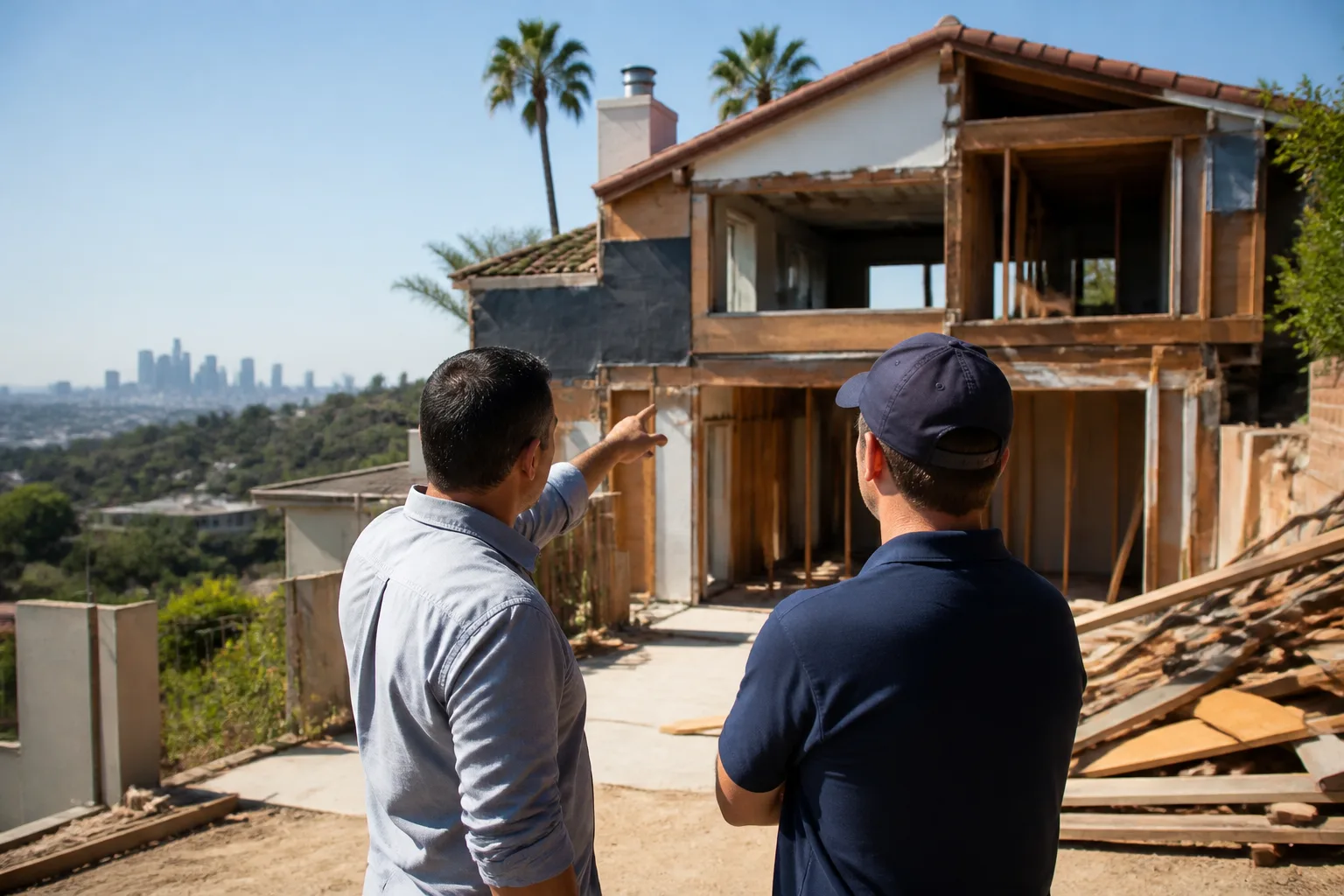
General Contractor: Repair or Replace? How Los Angeles Homeowners Decide
In Los Angeles, the repair-or-replace decision usually comes down to one number: 50%. If a repair costs more than half of what a full replacement would cost, replacement wins on the math almost every time. But that calculation only works if you know what a replacement actually costs in LA, not in the national averages most guides use. If you’d rather skip the analysis and get a straightforward answer from someone who has run these numbers for Los Angeles homes since 2004, call Mason Remodeling home at (803) 680-2547.
Here’s the problem we see all the time: a contractor who only does replacements will almost always recommend replacement. Not because they’re dishonest, but because that’s the work their company is built around. Same goes for a handyman who only patches things. If you want an honest answer, you need to understand the framework before you pick up the phone. That’s what this guide gives you.
Why the 50% Rule Is the Cleanest Starting Point (and How to Use It in LA)

Take the full replacement cost for whatever system or surface you’re dealing with. Now take the repair estimate. If the repair is over half the replacement number, you’re usually better off replacing. Here’s the plain logic: you’re spending significant money to extend the life of something that’s already past its midpoint. You get none of the warranty, none of the efficiency gains, and none of the resale value that a new installation brings, and you still face replacement costs in a few years.
Let’s put real Los Angeles numbers on it. A full bathroom remodel in LA typically runs $28,000 to $45,000 depending on finishes and square footage. If a contractor quotes you $16,000 to repair water-damaged subfloor, re-set tile, replace a rotted vanity, and re-seal the shower, you’re past the 50% line. You’re paying replacement-adjacent money for a repaired bathroom that still has aging plumbing behind the walls.
But here’s where Los Angeles diverges from national advice: the threshold shifts because our labor rates run 25 – 40% above the national average. A repair that looks like 35% of replacement cost in Ohio might be 55% here, because most of the repair bill is labor, not material. That’s why national guides mislead LA homeowners. Run the calculation with actual local quotes, not online averages.
What Los Angeles Material and Labor Costs Do to the Math
Contractor labor rates in Los Angeles County commonly run $85 to $150 per hour for licensed general contractors, compared to $55 to $90 in many Midwest and Southern markets. That single fact changes the repair-or-replace equation more than any other variable. Repairs are labor-heavy by nature: diagnosing the problem, accessing the damaged area, protecting the surrounding surfaces, and doing fussy detail work. Replacement spreads labor across a larger scope, which means the cost per square foot drops as the job gets bigger.
We saw this play out on a kitchen project in Silver Lake earlier this year. The homeowner had a 12-year-old tile floor with several cracked tiles and a failing mortar bed under a 20-square-foot section. The repair quote came in at $4,800, mostly labor for careful demolition, matching tile sourcing, and re-setting the bed. A full floor replacement with mid-grade porcelain was $7,200. The repair was 67% of replacement cost, on a floor that was already past the midpoint of its life. That’s a replacement, not a repair. The homeowner agreed, and we pulled the old floor in a day.
Material costs matter too, but they’re more predictable. Sheet goods, lumber, and drywall track national pricing fairly closely. It’s the labor component that makes LA the outlier. When you get a repair quote, ask the contractor to break out materials versus labor. If more than 70% of the quote is labor, run the 50% rule carefully, because it’s the labor that’s gone forever the moment the repair is done.
Permit Triggers: When a Repair Becomes a Replacement in the Eyes of the City
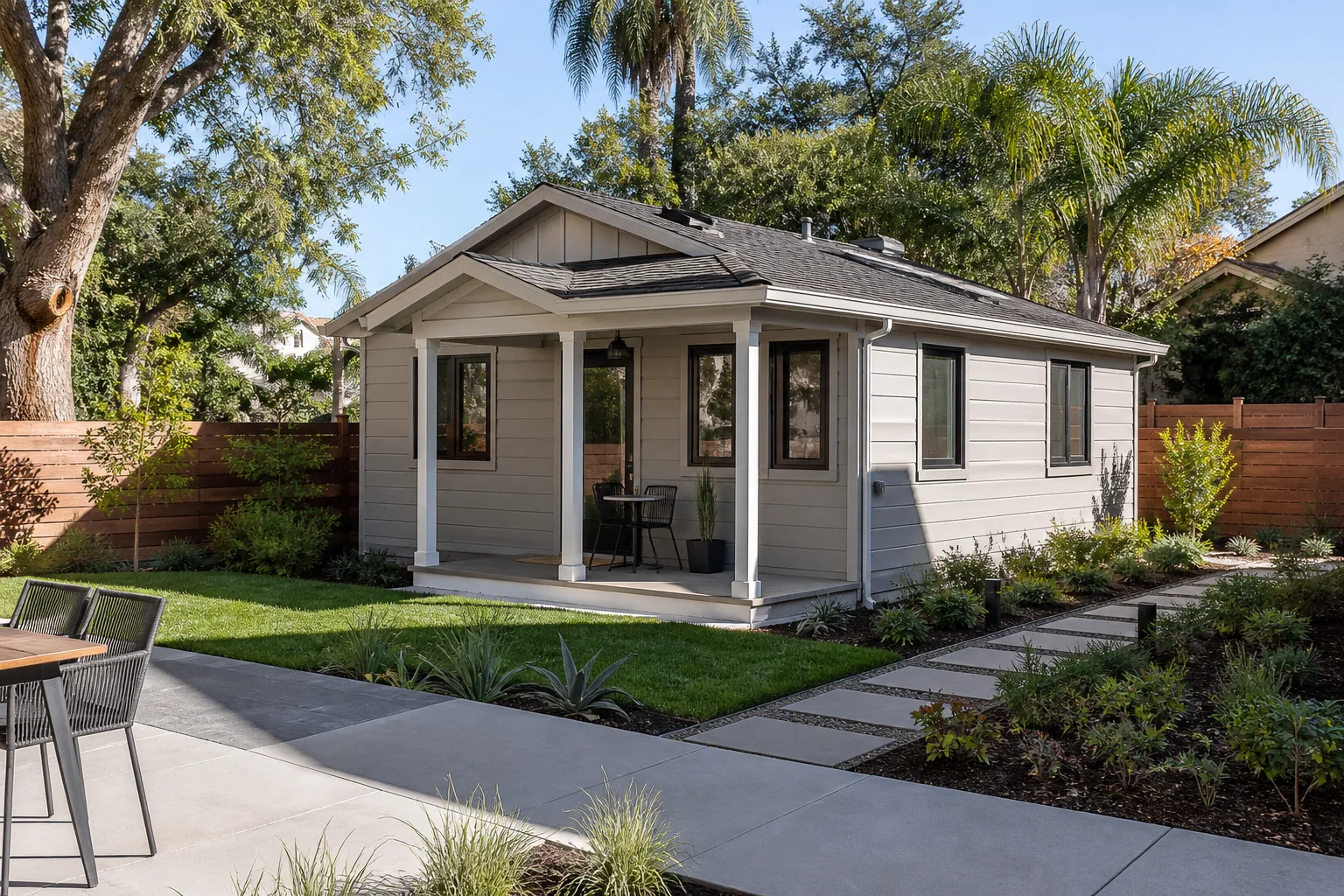
Los Angeles Department of Building and Safety (LADBS) rules draw a line that catches a lot of homeowners off guard. Small repairs, like replacing a few damaged tiles, patching drywall, swapping a faucet, or re-glazing a window, don’t require permits. But the moment the scope involves structural changes, moving plumbing or electrical, or altering the footprint of a space, it’s a permitted project.
Here’s the part that matters for your repair-vs-replace math: the same physical problem can sit on either side of the permit line depending on how you frame the work. A sagging section of floor joists under a bathroom is a repair if you sister two joists and leave everything else alone. But if the joist rot extends into the sill plate and you need to open the wall, now LADBS wants a permit. The added cost of plans, inspections, and the added timeline of a permitted project can push a “repair” past 50% of a targeted replacement before you even buy materials.
Some contractors will offer to do permitted-quality work without pulling permits to keep the price lower. That’s a trap. Unpermitted structural or systems work in Los Angeles comes up on disclosure forms when you sell, and it can stall a deal or knock your price down more than the permit would have cost. If a contractor tells you the work doesn’t need a permit and you’re not sure, call LADBS and ask. It costs nothing and takes ten minutes. Our General Contractor in Los Angeles page walks through the permit process honestly, including the projects where we insist on pulling permits even when the homeowner would rather not.
How Buyers in the Current LA Market Price Repairs vs. Replacements
Los Angeles buyers are unusually literate about construction costs, because our housing market has spent two decades forcing everyone to understand what a fixer actually costs. That changes what they penalize. A home with a 15-year-old roof that’s still functional reads as “deferred maintenance,” and buyers budget for it. A home with a visible patch job, like mismatched shingles or a single replaced window with a different frame color, reads as “cheap fixes and hidden problems,” and buyers deduct more than the repair cost.
The pattern holds across systems. Buyers in neighborhoods like Los Feliz and Studio City will accept an original 1950s bathroom that’s clean and functional. They’ll mentally add a remodel to their budget. But a bathroom with a recently re-glazed tub, partial tile replacement, and a new vanity reads as a flipper patch. The buyer’s math changes from “this house needs a bathroom remodel someday” to “this house has water damage someone tried to hide.”
If you’re repairing to sell, the invisible repairs are the ones worth doing: replacing a failing water heater, fixing a slow slab leak, repairing stucco cracking, re-sealing windows that actually leak. These don’t show, they pass inspection, and they keep a deal alive. Cosmetic patches that look like patches are worse than doing nothing. If you’re repairing to stay for five plus years, ignore resale and ask one question: will this repair last until I move? If the honest answer is no, replace it now and enjoy the new version yourself.
Why Written Scope Matters More in Repairs Than Replacements

Replacement projects have a clear finish line: the old thing is gone, the new thing is installed, and the contract specifies the product. Repairs are murkier. The contractor opens a wall and finds rot behind the rot, or discovers that the electrical work from a previous owner wasn’t to code, or learns that the drain line under the slab is cast iron and crumbling. Each discovery changes the scope, and each change is an opportunity for the bill to move.
This isn’t contractor dishonesty. Hidden conditions are exactly what they sound like: impossible to see until you open the wall. What separates a good contractor from a bad one in a repair scenario is how they handle the discovery. A good contractor stops work, shows you the condition in person, explains what the new scope requires, and gives you a written change order before proceeding. A bad one keeps working and tells you about the additional cost later, when the wall is already open and you’ve lost leverage.
This is why a written scope is non-negotiable for repairs, even small ones. The scope should state exactly what the contractor will do, what materials are included, what the price includes, and what happens if hidden conditions appear. Our company policy is a written price before any work starts, on every project including the small ones. Not an estimate, not a verbal number, a line-item written price. If a contractor won’t put a repair scope in writing, find another contractor.
When to Call a Pro
If the repair involves anything structural, anything behind a wall, anything that touches electrical or plumbing, or anything where water has been sitting for more than a few days, you need a licensed contractor. This is not the time for a handyman, and it’s not the time for YouTube research. The damage you can see is rarely the full extent of the damage that exists. Mason Remodeling has handled repair-vs-replace decisions in Los Angeles, and we walk homeowners through the 50% calculation honestly, even when the honest answer is “this repair is fine and you don’t need to hire us for anything bigger.”
Related Services in Los Angeles
If your repair-or-replace question involves a bathroom, start with our Bathroom Remodeling in Los Angeles page for LA-specific pricing ranges and permit realities. If the scope is bigger, see Home Remodeling in Los Angeles for how whole-home projects are priced and sequenced in this market.
The Bottom Line
The repair-or-replace decision in Los Angeles comes down to five questions: How much is the repair as a percentage of full replacement cost? Is most of that repair bill labor I’ll never recover? Does the repair trigger a permit, and does that change the math? How will this repair read to a buyer in five years? And does the contractor put the scope and price in writing before starting?
If the repair is under 50% of replacement, you need the work to last at least three years, and the scope is clearly written, repair often makes sense. If it’s over 50%, or the hidden-condition risk is high, or you’d be patching something you plan to replace within five years anyway, replacement is usually the smarter money.
If you’re in Los Angeles and you want help running this calculation on a real project, Mason Remodeling home offers free estimates. Call (803) 680-2547 and we’ll walk the property with you, give you honest numbers, and put everything in writing before you decide anything.
Frequently Asked Questions
Licensed general contractors in Los Angeles typically charge $85 to $150 per hour, or 15 – 20% of total project cost as a general conditions fee on larger jobs. Small repair jobs are usually quoted as a fixed price after an on-site visit, not hourly. Call (803) 680-2547 for a free estimate and a written line-item price on your specific project.
If the repair cost is over half of what a full bathroom remodel would cost, replacement is almost always the better financial decision. In LA, that threshold matters more because labor rates are high, so repairs quickly approach replacement cost. If the tile, subfloor, or shower pan is failing, a repair is usually a temporary fix on top of an aging system.
It depends on the scope. Minor repairs like patching drywall, replacing a few tiles, or swapping fixtures usually don’t need permits. Anything structural, any plumbing or electrical relocation, or any change to the building envelope requires an LADBS permit. When in doubt, call LADBS or ask a licensed general contractor to check for you before work starts.
Visible patch jobs often hurt more than they help, because LA buyers read mismatched repairs as signs of hidden problems. Invisible repairs, like fixing a slab leak or replacing a water heater, protect your sale price. If you’re staying in the home long-term, resale matters less than whether the repair will last until you move.
Written by the team at Mason Remodeling.
Need Construction Help?
Call Mason Remodeling - licensed & insured, here with fast after-hours help in Los Angeles.
(803) 680-2547