Free written scope consultation - allowances, timeline, and change-order rules on paper before a single trade is scheduled
James Hardie Roofing: The Los Angeles Owner’s Guide
If you’re holding a cracked or failed piece of James Hardie roofing, here’s what you need to know: we source and install James Hardie-compatible roofing parts throughout Los Angeles, and most swaps run between $710 and $2,950 installed depending on the part, accessibility, and how much surrounding material has to come off. We stock common replacement profiles on the truck, so a single damaged panel or trim piece often gets handled the same day we look at it. Most Los Angeles homeowners discover the problem the hard way: a leak shows up on the ceiling after a winter rain, or a chunk of fascia trim comes loose after a Santa Ana wind event, and suddenly the failed part is all they can see.
Which James Hardie Models This Applies To
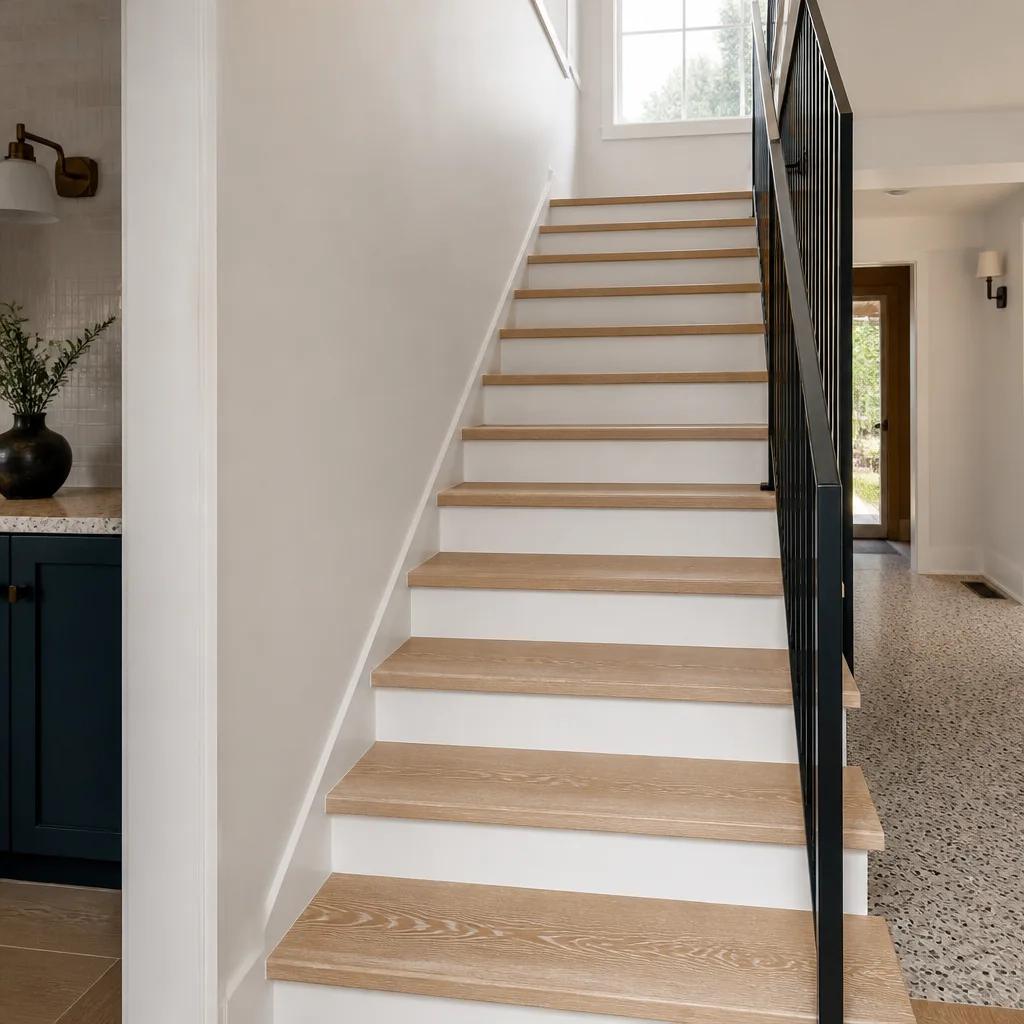
James Hardie’s roofing lineup in Los Angeles spans a few distinct product families, and the part you need depends on which one you’re working with. The HardieBacker cement board and HardieSoffit panels are the most common roofing-adjacent products we match, but HardieTrim boards and HardiePlank lap siding are frequently used as fascia and rake boards on Southern California homes, especially where roof edges meet stucco and need something that won’t rot or warp. Identification is straightforward if you know where to look: HardieBacker panels are stamped with the product name along the back edge, while HardieSoffit carries a printed pattern code on the face that specifies the vent profile and thickness, typically 1/4″ or 5/16″. Here’s the compatibility gotcha most people miss: HardieTrim boards are manufactured in both 3/4″ and 1″ thicknesses, and the 1″ profile used on many older Los Angeles fascia runs is not always stocked by big-box stores, which means homeowners end up with a 3/4″ substitute that sits proud of the roofline and looks wrong from the street.
On the OEM-versus-aftermarket question for James Hardie specifically: we recommend staying with genuine James Hardie material whenever the part is visible. The color-matched ColorPlus finish on HardieTrim and HardieSoffit is factory-applied and baked on; a generic fiber-cement equivalent painted in the field won’t match after two Los Angeles summers of UV exposure. For hidden components like backer board, a quality aftermarket cement board performs identically and saves real money. Mason Remodeling is an independent service provider; we’re not affiliated with James Hardie, but we’ve installed their products across Los Angeles long enough to know what matters and what doesn’t.
Styles & brands we work with
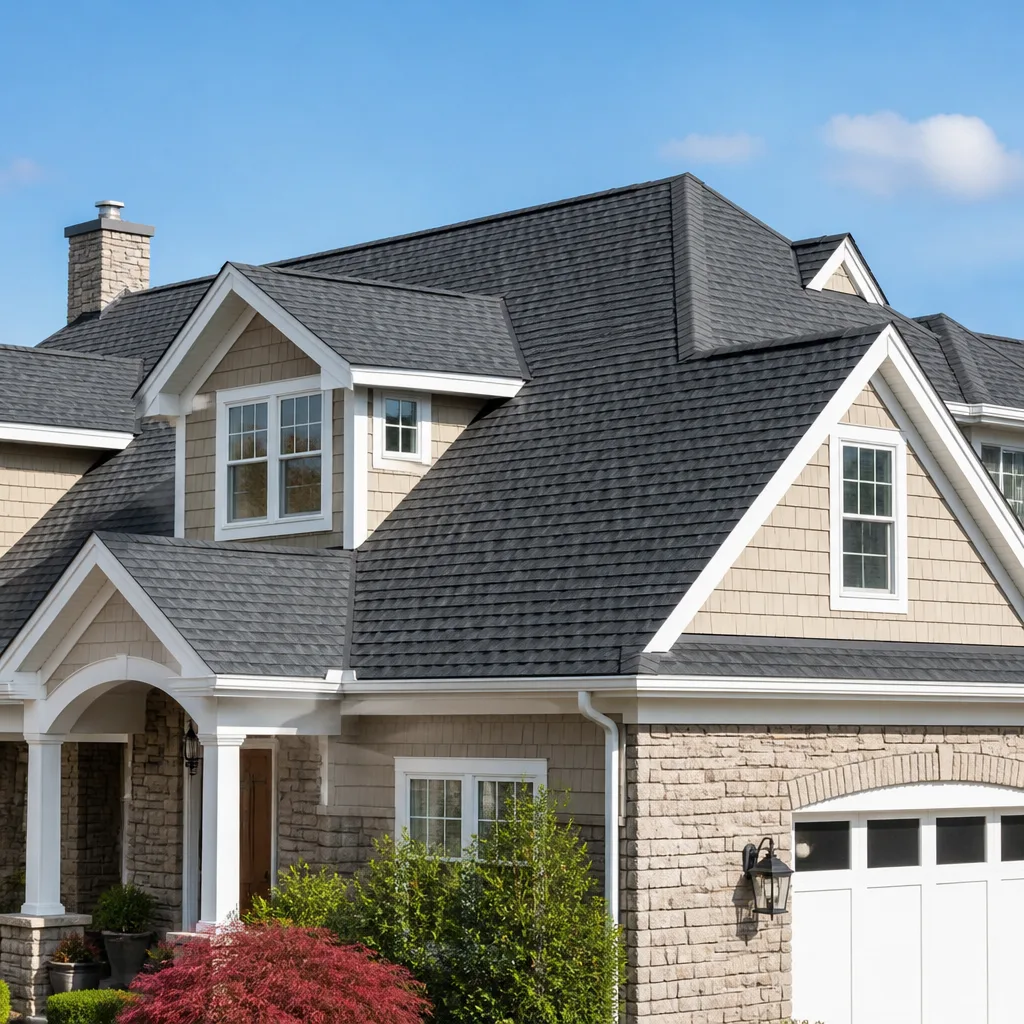
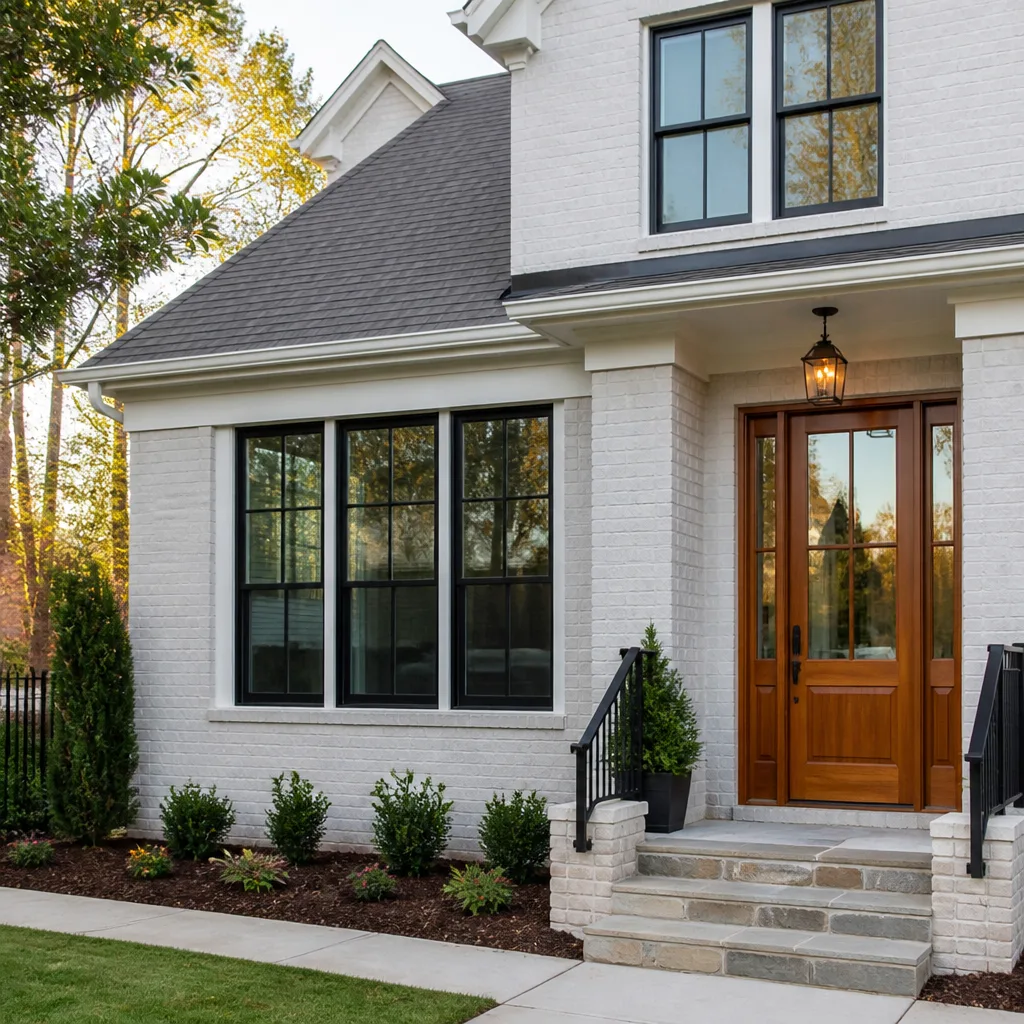
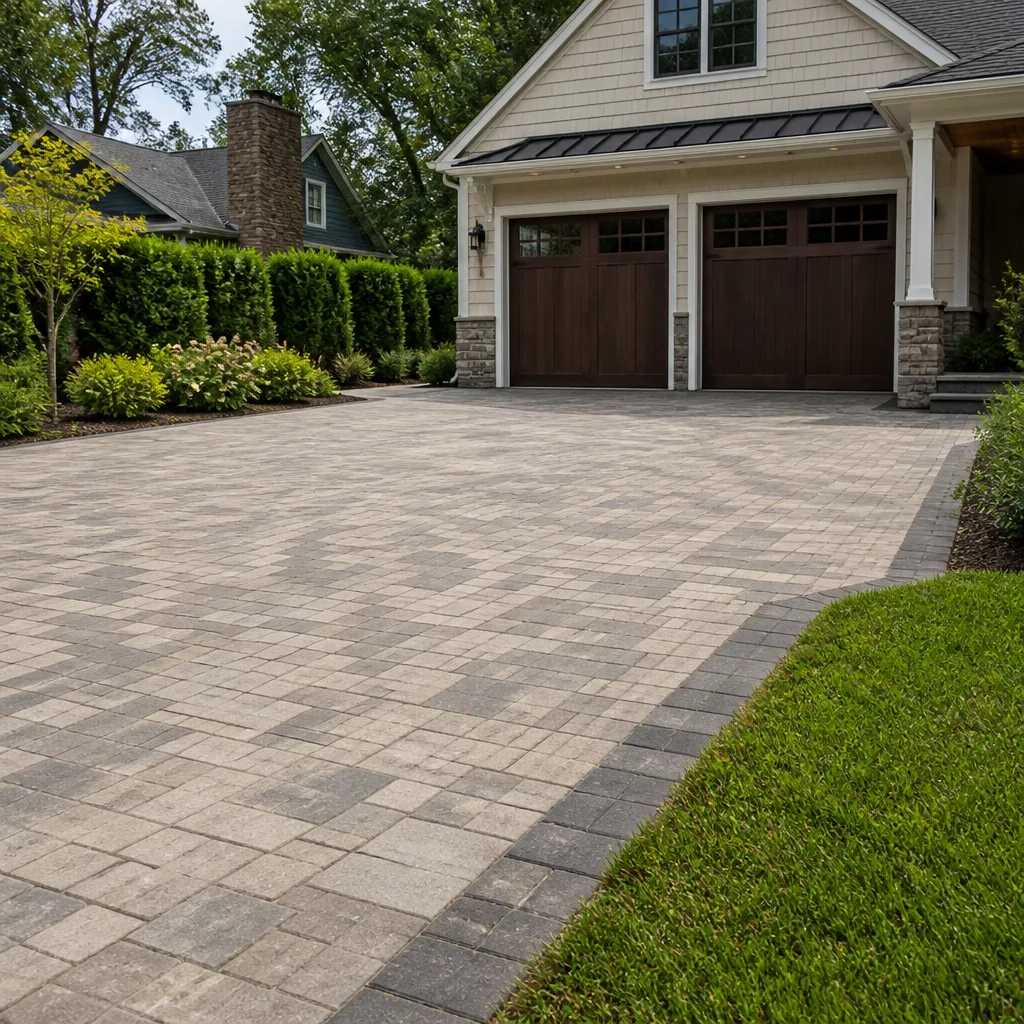
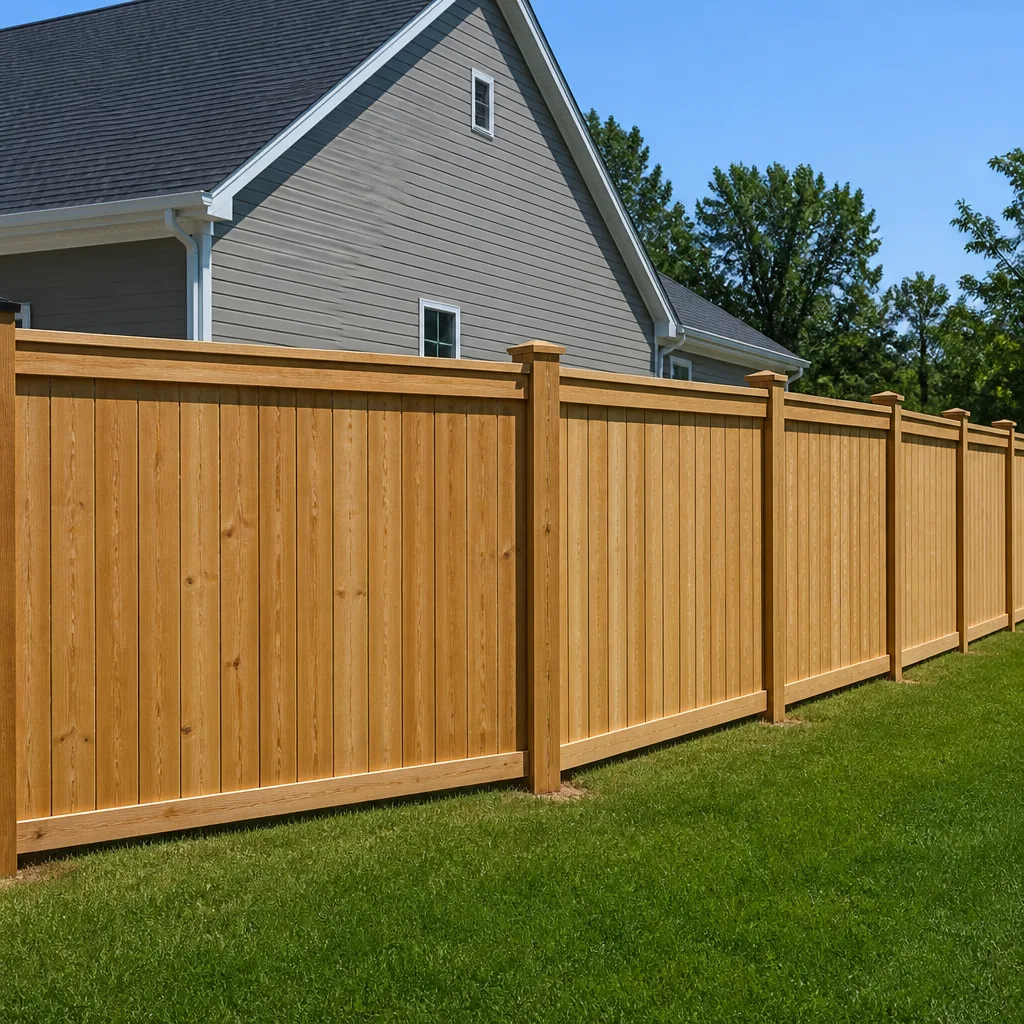
Signs Your James Hardie Roofing Is Failing
- Water staining on the underside of eaves or soffit panels. This is usually the first visible sign that a soffit panel has cracked or pulled away from the fascia, letting rainwater wick into the roof edge. In Los Angeles, it often shows up after the first real rain of the season.
- Crumbling or flaking edges on fascia boards. James Hardie fiber cement is durable, but repeated exposure to sprinkler overspray, which is common in Los Angeles yards, can cause the edges to soften and erode over time. If the edge looks fuzzy or chalky, the board has begun to fail.
- Gaps opening between roof trim and the wall line. When HardieTrim pulls away from the house, it’s rarely the board itself failing first; it’s the fasteners. In coastal-adjacent Los Angeles neighborhoods like Playa del Rey and San Pedro, salt air accelerates corrosion on standard nails, and the board slowly separates as the fasteners give out.
- Visible cracks running through soffit vent patterns. James Hardie soffit panels with the vented profile have repeated cutouts that create natural stress points. A panel that was over-driven during installation can crack along those vent lines within a few seasons, and once water gets in, the crack spreads.
- Roof leak that persists after the shingles were checked. If a Los Angeles roofer has already replaced shingles and the leak is still there, the culprit is often the roof edge transition: a failed backer board or a damaged trim piece channeling water behind the gutter line. We see this regularly in older homes in the Valley, where the original cement-board installs are now 20-plus years old.
See the difference
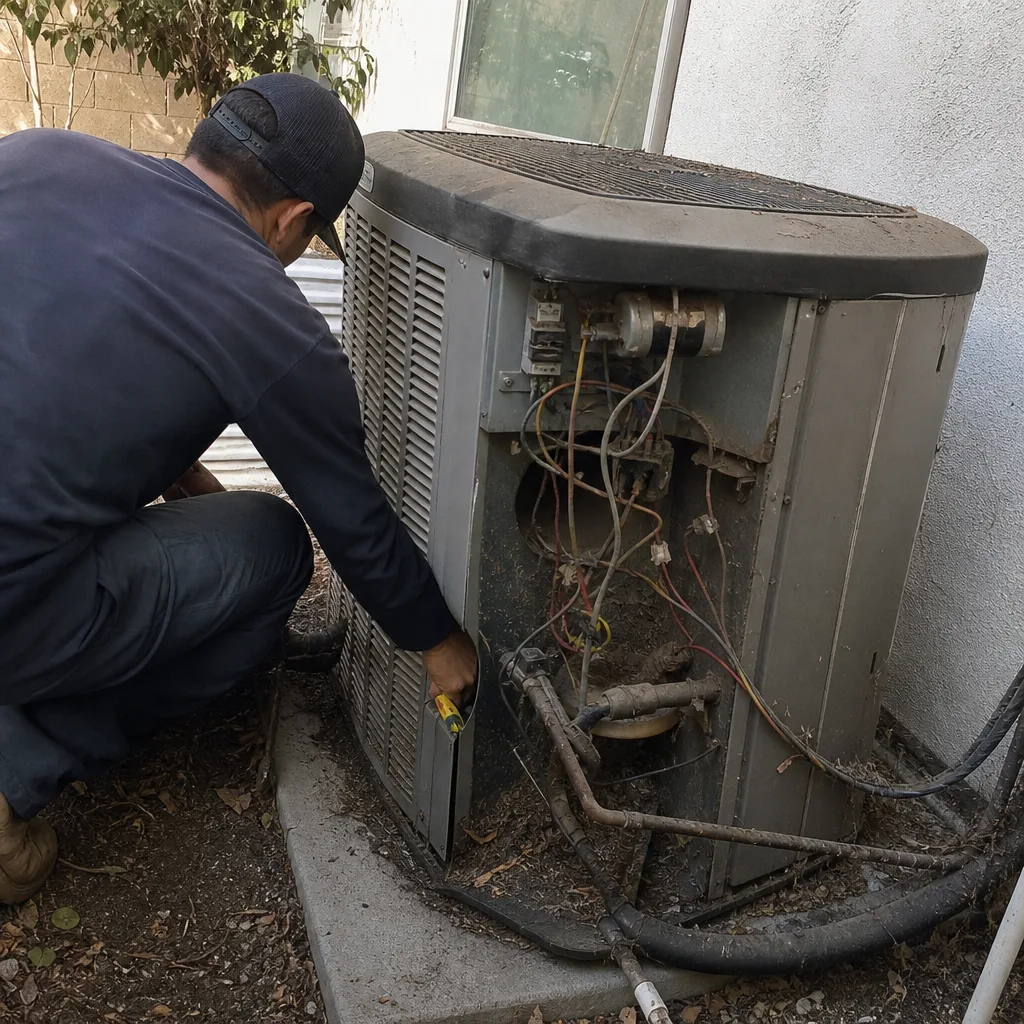 Before
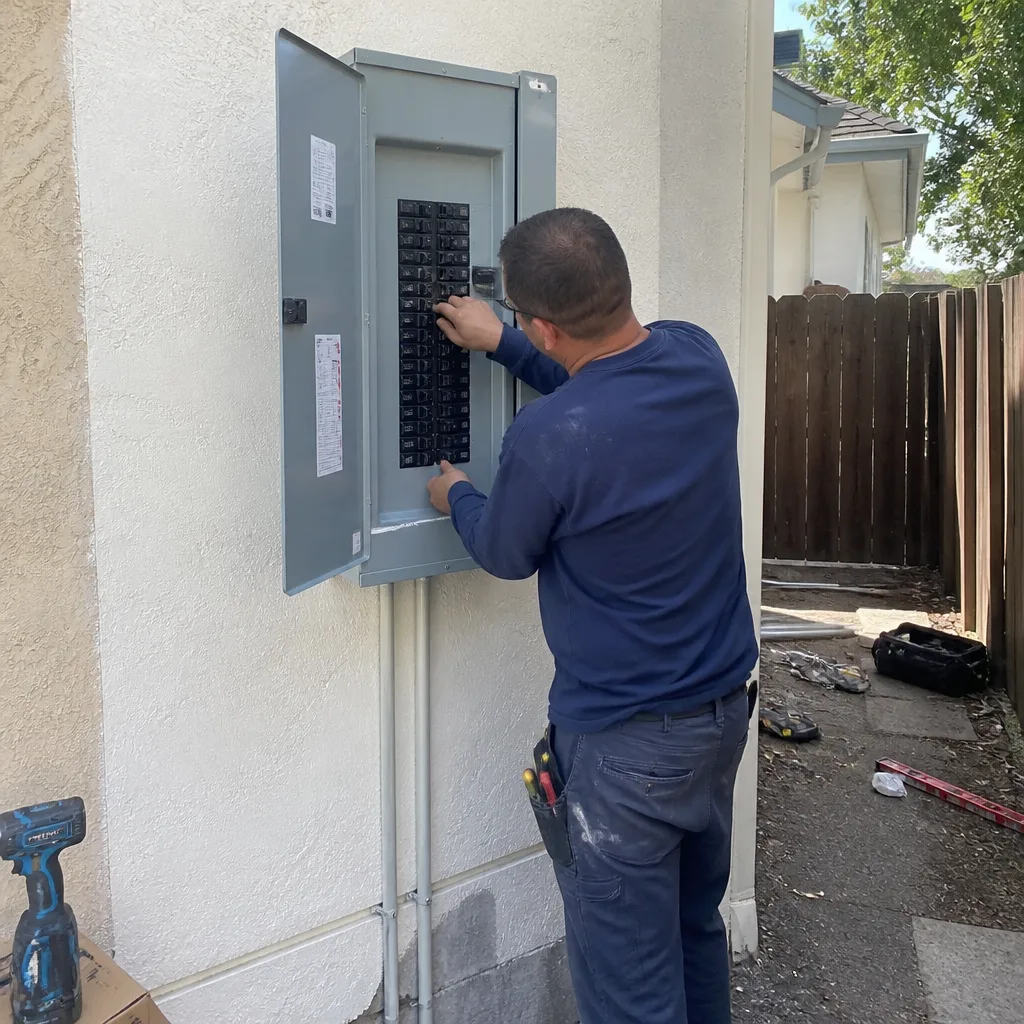 After
After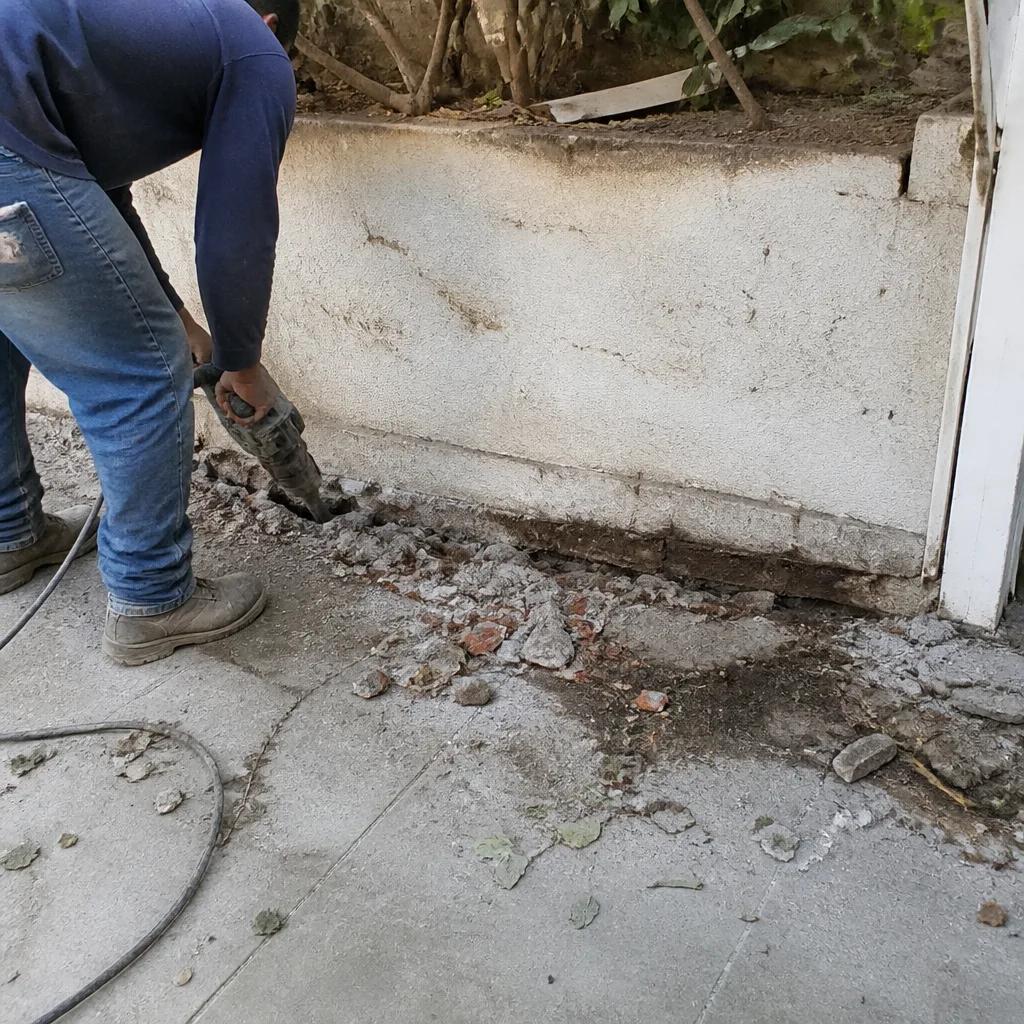 Before
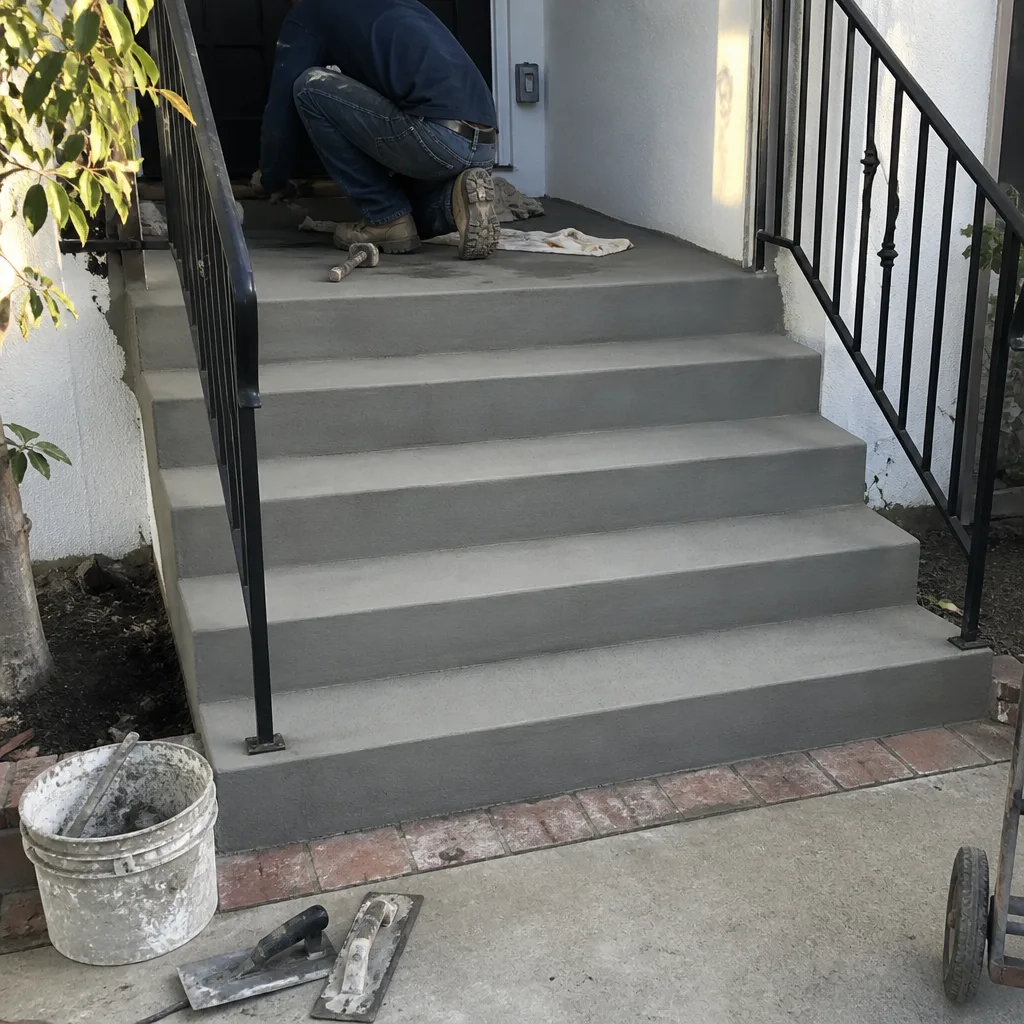 After
After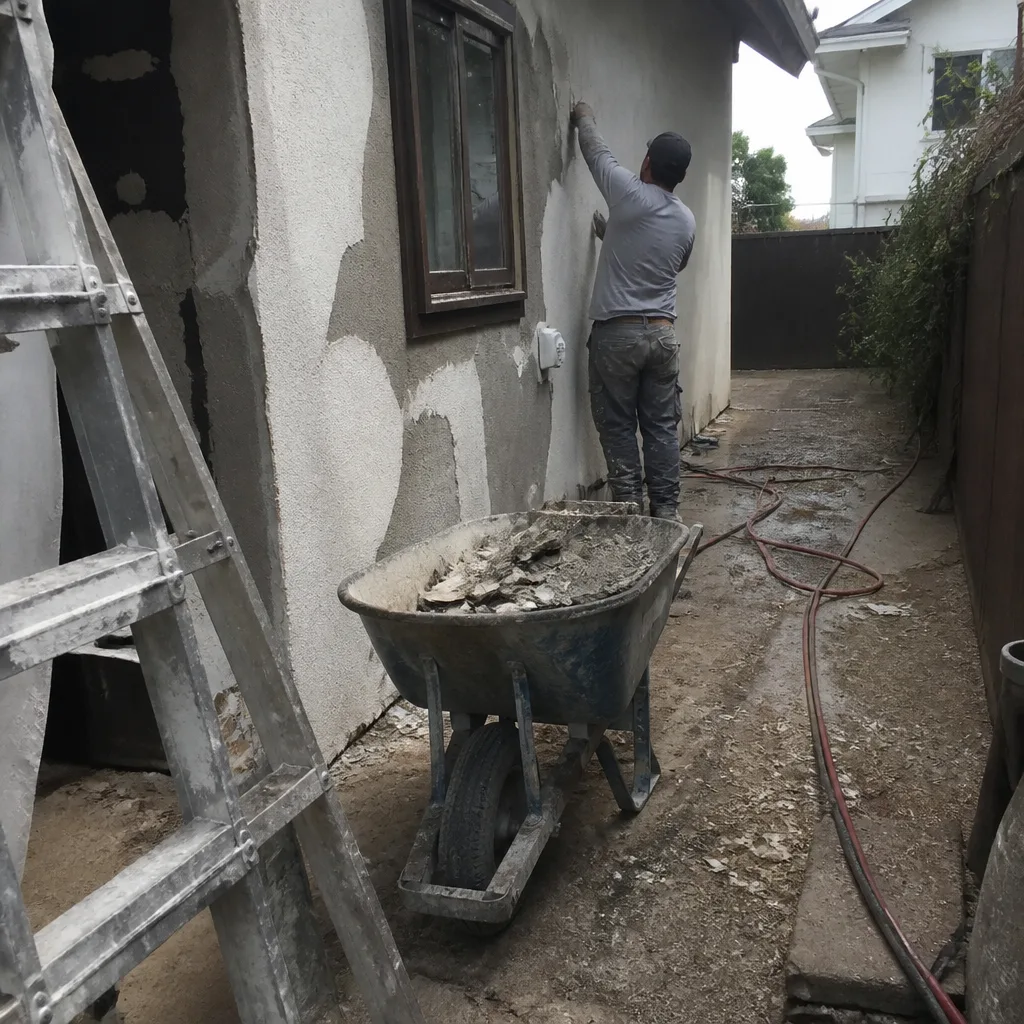 Before
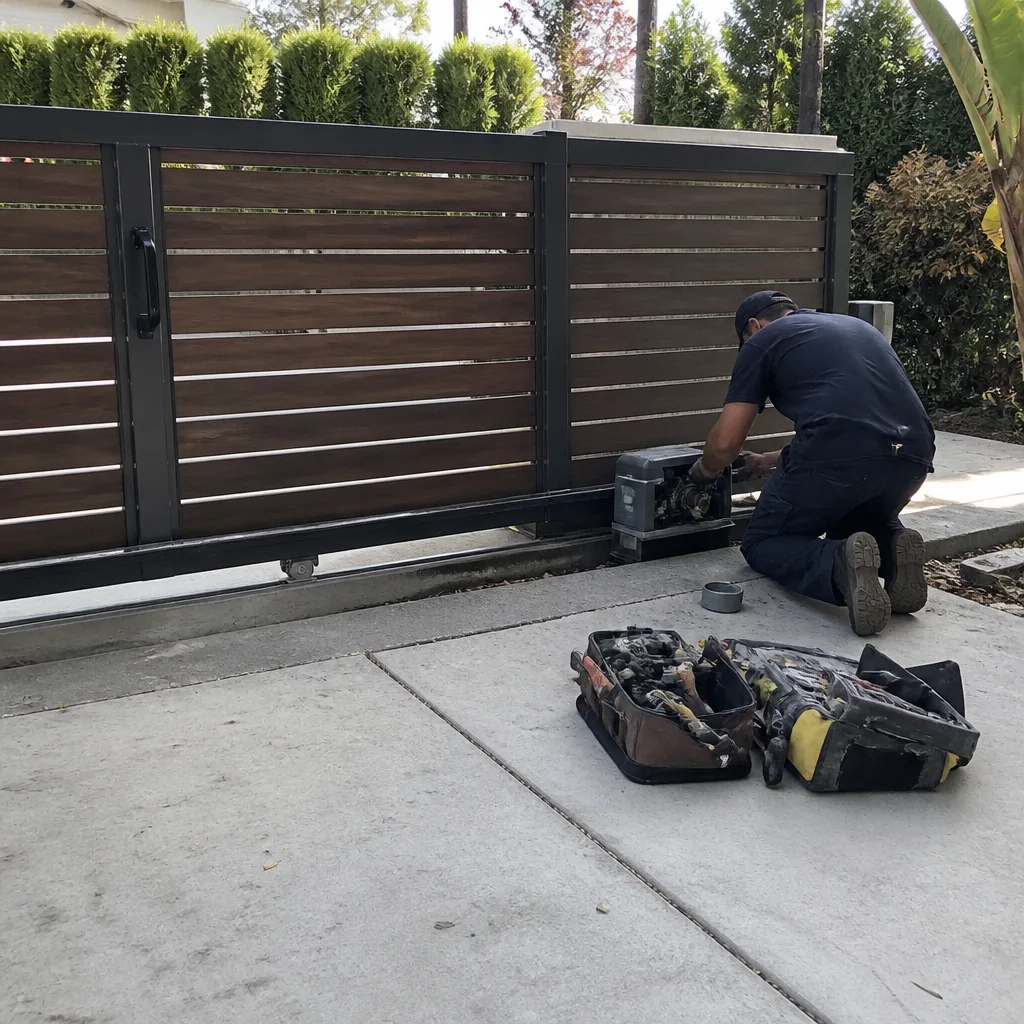 After
AfterReplacement Cost & What’s Included
For James Hardie roofing parts in Los Angeles, you’re typically looking at $710 to $2,950 installed. That range covers everything from a single fascia board swap on the lower end to a full soffit-and-trim replacement around the roof perimeter on the higher end. The main drivers are accessibility (a two-story roofline in the Hollywood Hills costs more to work on than a single-story ranch in the Valley), the number of linear feet being replaced, and whether we’re matching a ColorPlus finish that requires factory-order lead time. Every job gets a written price before work starts, with parts and labor broken out line by line so there’s no mystery on the final invoice. Our work comes with a written guarantee stating exactly what’s covered and for how long: 365 days from the completion date. If something’s not right within that window, we come back and fix it at no charge. As Isaac Pruett puts it, “Know who’s coming, know what it costs, know it’s backed up – everything else is just noise.”
DIY or Call Us?
There are things you can safely check on your own. Walk the roof line from the ground with binoculars and look for gaps, sagging panels, or visible cracks along fascia and soffit runs. You can also go into the attic on a sunny day and look for pinholes of light coming through the roof edge, which means the soffit or backer has opened up. What you should not do is get on a ladder and start prying off fiber-cement boards. James Hardie material is heavy and brittle; a 12-foot HardieTrim board that snaps mid-removal can take a serious chunk out of whoever is holding it, and working at roof height without proper tie-off is how Los Angeles emergency rooms see otherwise healthy homeowners every spring. If the part you’re looking at involves any roof-edge work or ladder time past the second rung, call us at (803) 680-2547 and we’ll put eyes on it. The estimate is free, and you’ll know exactly who’s showing up before they ring the bell.
FAQs
James Hardie fiber cement products typically last 30 to 50 years in Los Angeles when installed with proper clearances and fasteners, though the original 1990s-era installs we’re now seeing in neighborhoods from Sherman Oaks to Long Beach are showing signs of age mostly at the roof edge where water exposure is constant. The boards themselves usually outlast the fasteners; it’s the nails and screws that fail first.
For cracks and chips smaller than a half-inch, a fiber-cement patching compound can buy you a few more seasons in Los Angeles’s dry climate, but anything larger than that, or anything showing water penetration, should be replaced. Patching at the roof edge is a temporary fix; the material keeps moving with heat and moisture, and the patch will separate from the original board within a year or two.
Most single-part replacements, like one fascia board or a few soffit panels, are done in two to four hours including setup and cleanup. A full soffit-and-trim replacement around the roof line usually takes one to two days. We’ll give you a written time frame with your written quote before any work starts.
We stock the most common James Hardie replacement profiles in our Los Angeles service area, including 1/4″ and 5/16″ vented HardieSoffit and both 3/4″ and 1″ HardieTrim, so many swaps happen the same day we inspect. If you have a ColorPlus finish that requires a factory order for an exact match, we handle that ordering for you and let you know the lead time up front. We also maintain parts relationships for other brands you may have elsewhere in the house, like KraftMaid, Cambria, and Silestone, so the same team can address multiple product lines in one visit. Call (803) 680-2547 for an exact price on your part; estimates are free and there’s no obligation.
Written by Isaac Pruett, Owner, Mason Remodeling at Mason Remodeling, serving Los Angeles and nearby areas.