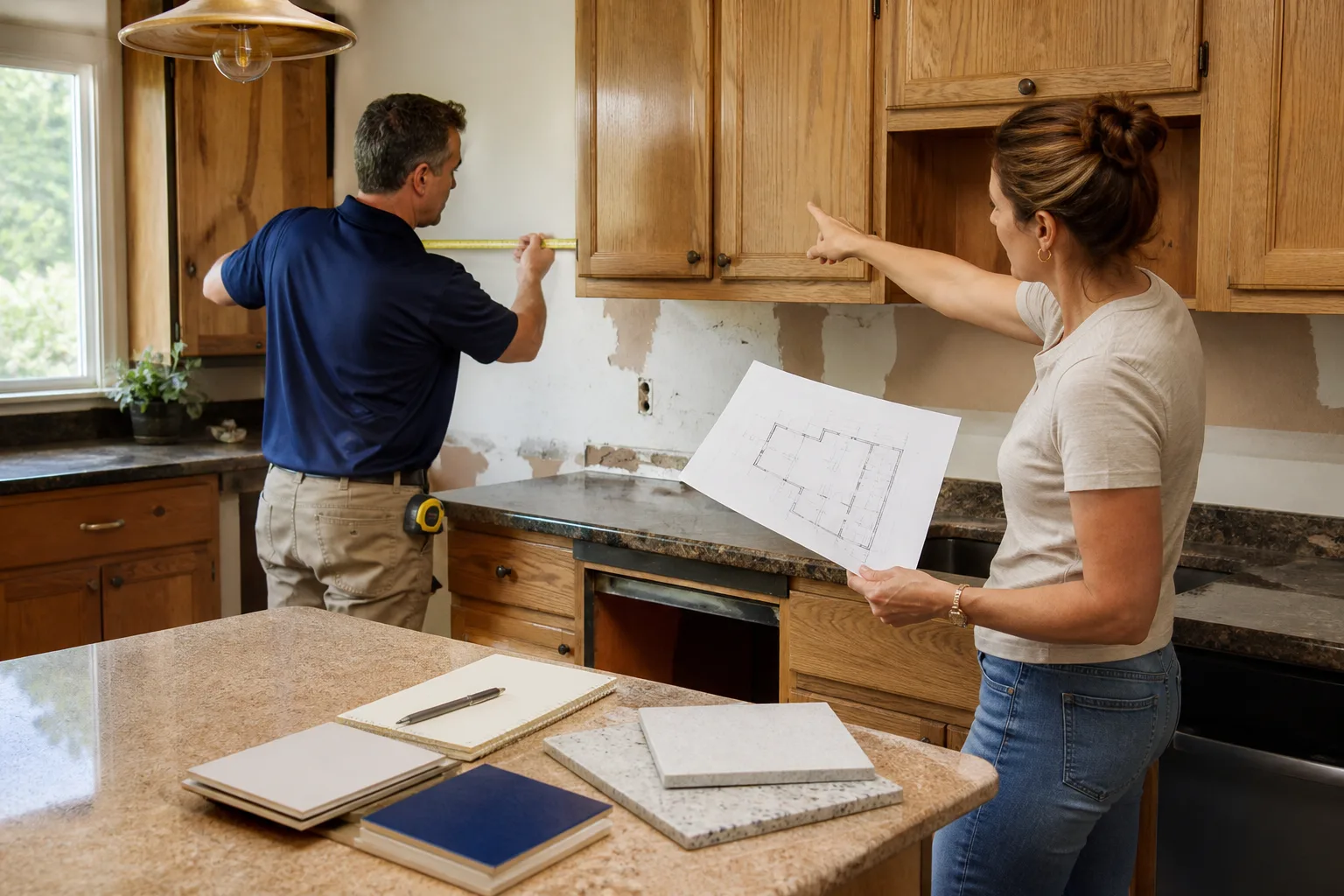
Free written scope consultation - allowances, timeline, and change-order rules on paper before a single trade is scheduled
Cover Fence Installation: The Los Angeles Owner’s Guide
We stock and install Cover-compatible fence systems throughout Los Angeles, with complete installations typically running $4130 – $10620 depending on footage, existing fence removal, and site access. Most owners realize something’s wrong when they notice the fence leaning off-level after a rain, or when a neighbor’s contractor mentions rot at the property line. You’re here because you want this handled right, not patched, and you want to know what it costs before anyone shows up.
Key Takeaways:
- Cover fence systems in Los Angeles run $4130 – $10620 installed, including removal of failed sections, new posts, hardware, and finish work
- We’re an independent installer, not affiliated with Cover, but we carry the hardware and fasteners that match Cover-style panel systems and know what fails first in this climate
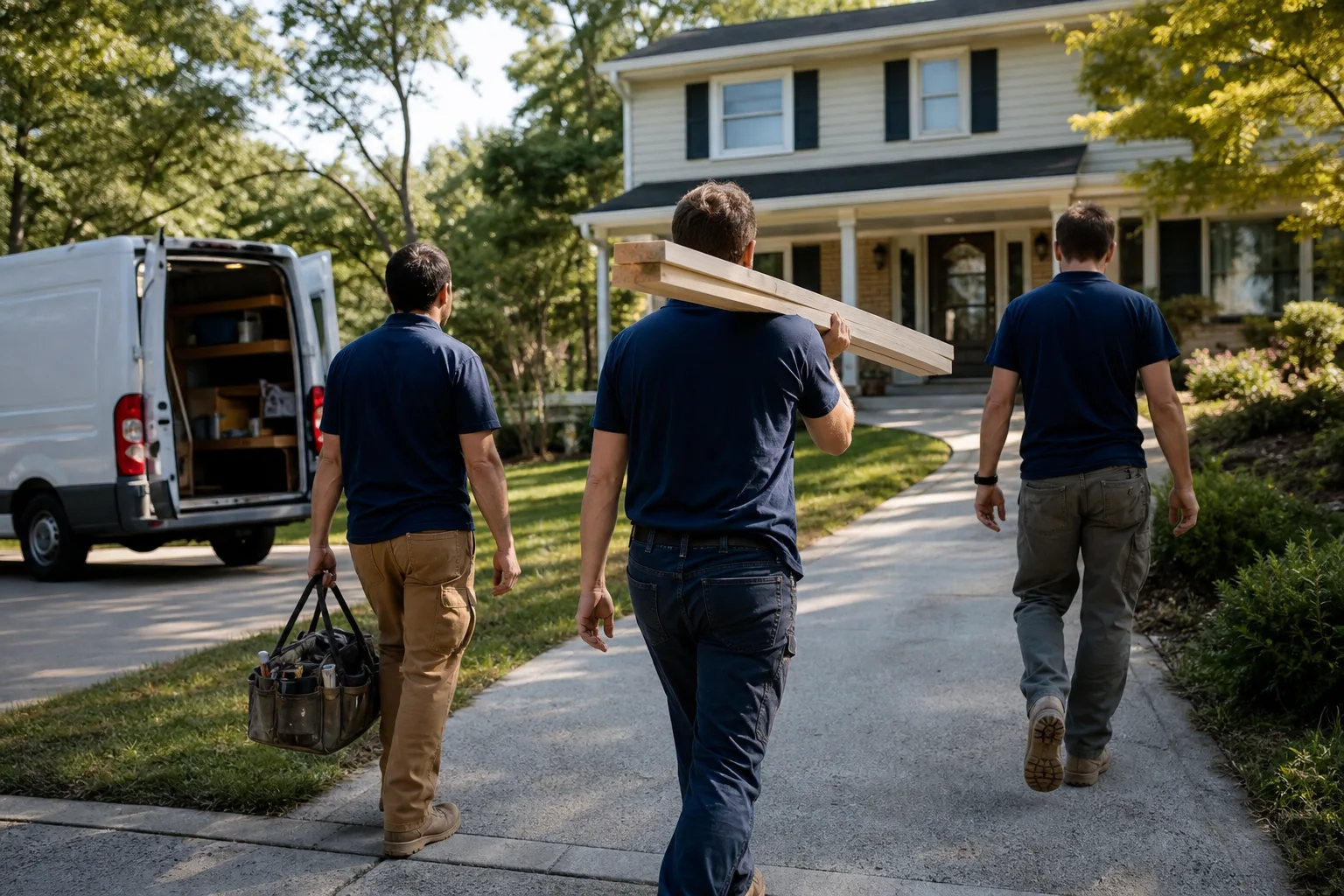
- Every crew member is verified under The Threshold Standard: name and photo sent to you before arrival, photo ID badge at the door, clean marked uniform
- Written price before any work starts, never a verbal estimate that grows later
- 365-Day Done Right Promise: if the installation isn’t right within a year, we make it right at no cost
Which Cover Models This Applies To
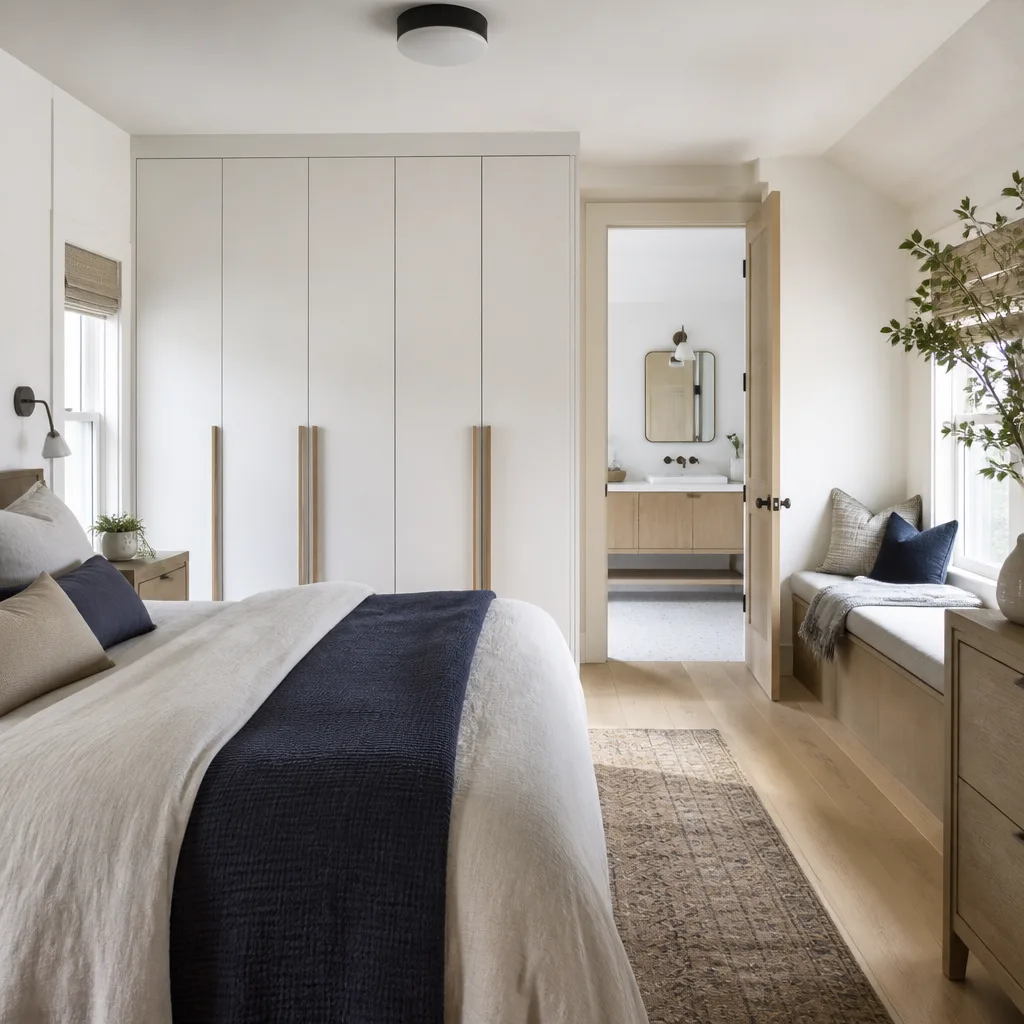
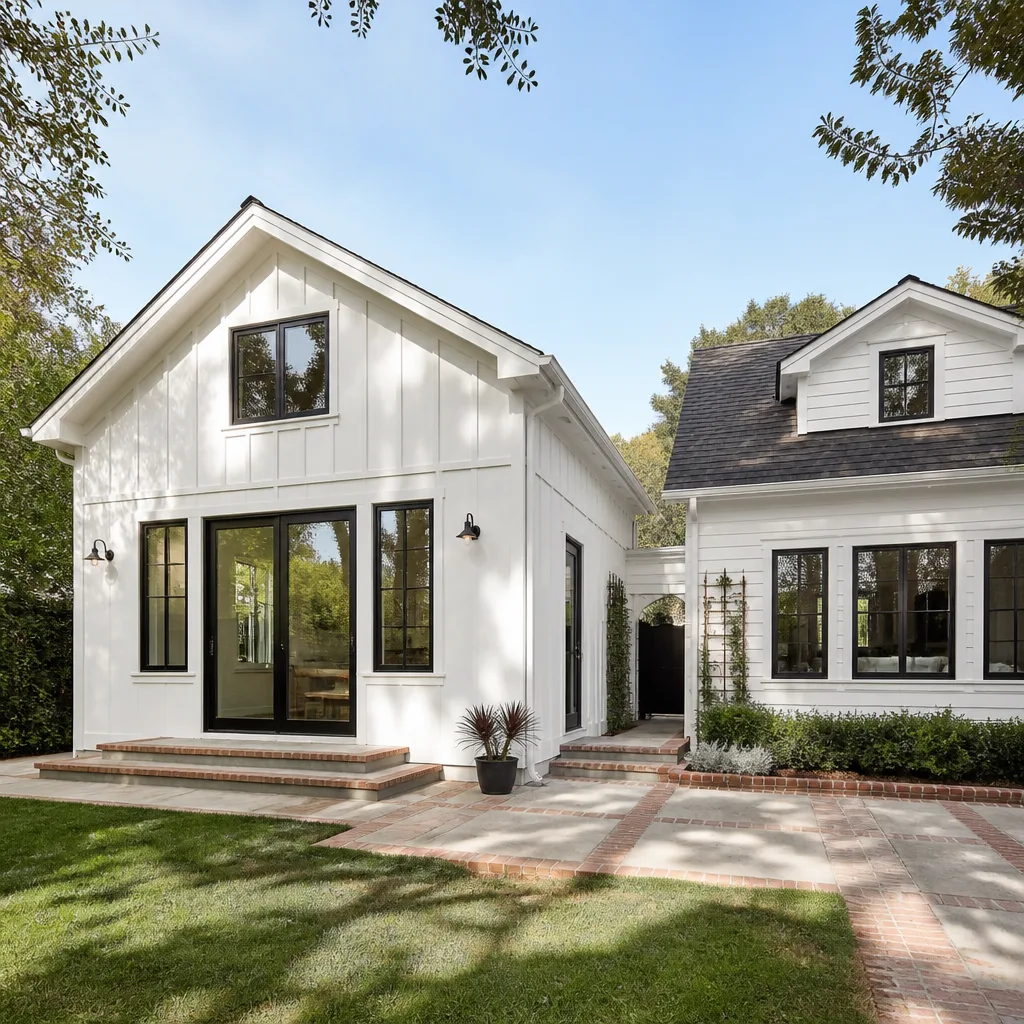
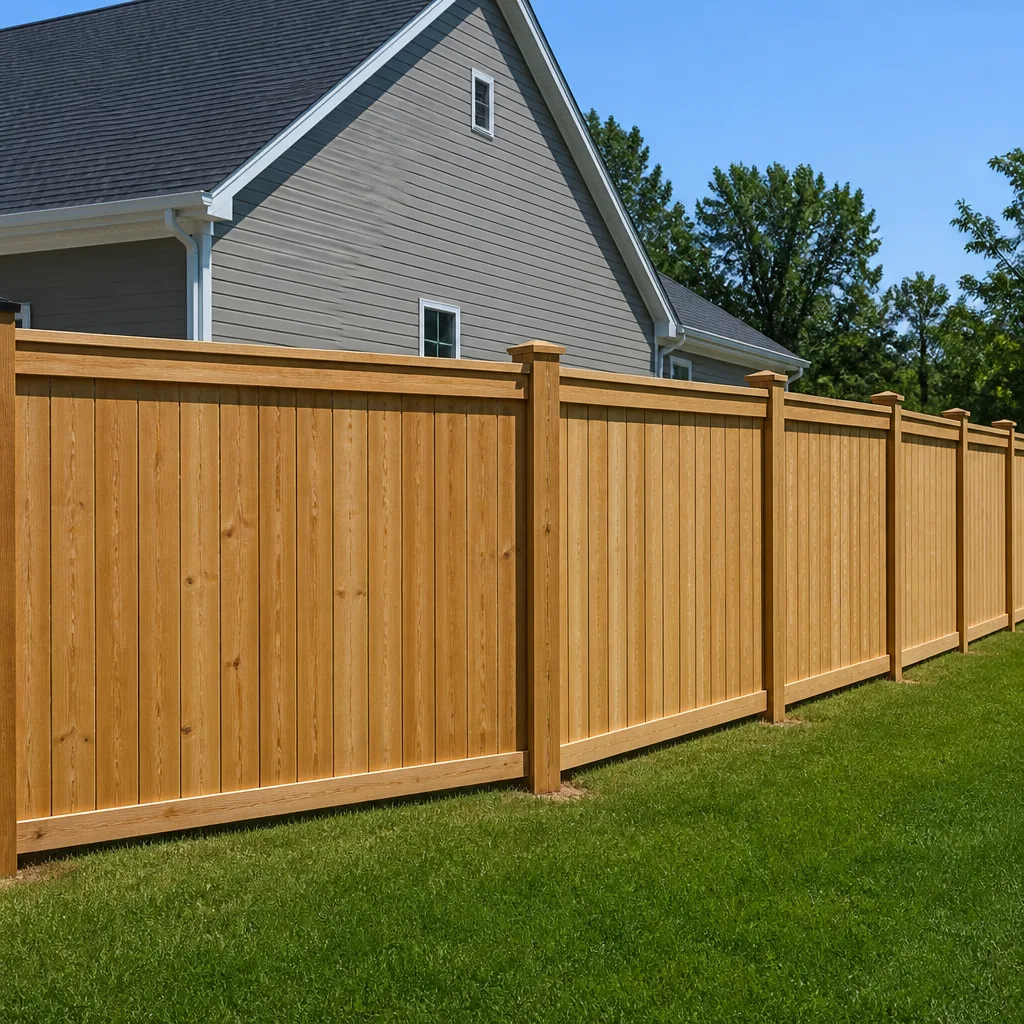
Cover fence systems in Los Angeles property lines tend to fall into a few categories: horizontal slat panel assemblies, vertical board-on-board designs, and mixed privacy-plus-lattice combinations. The weak point that determines compatibility for the panel itself is the spacing of the rail channels on the back face, because the hardware has to line up with those channels exactly. Off-the-shelf fencing hardware from a big box store often lands half an inch off from the receiving channel on Cover panels, which is why so many Los Angeles homeowners end up with fence panels that rattle after a repair by a less specialized crew. We carry the correct hardware profiles and check the panel channel spacing before bringing anything to the site.
If you’re matching a section that came with a spec sheet, the key identifiers are the panel thickness (typically 3/4″ to 1″ nominal), the distance between vertical supports, and whether the system uses a hidden fastener clip or a visible screw-through design. OEM hardware holds up well when it’s installed correctly, and we use it where the panel condition makes it worthwhile. Where Cover panels have cracked at corners or warped from sun exposure, a quality aftermarket equivalent sometimes makes more sense, but only if the thickness is matched. Panels that sit a different depth than existing adjacent sections will look like a patch job, not a repair. We’ve fixed enough of those across the Valley to know the difference matters.
One detail that catches Los Angeles owners off guard: the way morning marine-layer moisture behaves on unsealed panel edges. It isn’t the heat that does most of the damage out here. It’s the moisture that burns off by 10 a.m., and that moisture works into any cut edge that was never sealed. We address that during replacement by sealing all cut ends before setting the panel. That’s a step that gets skipped on a lot of jobs and it’s why the paint peels within two seasons.
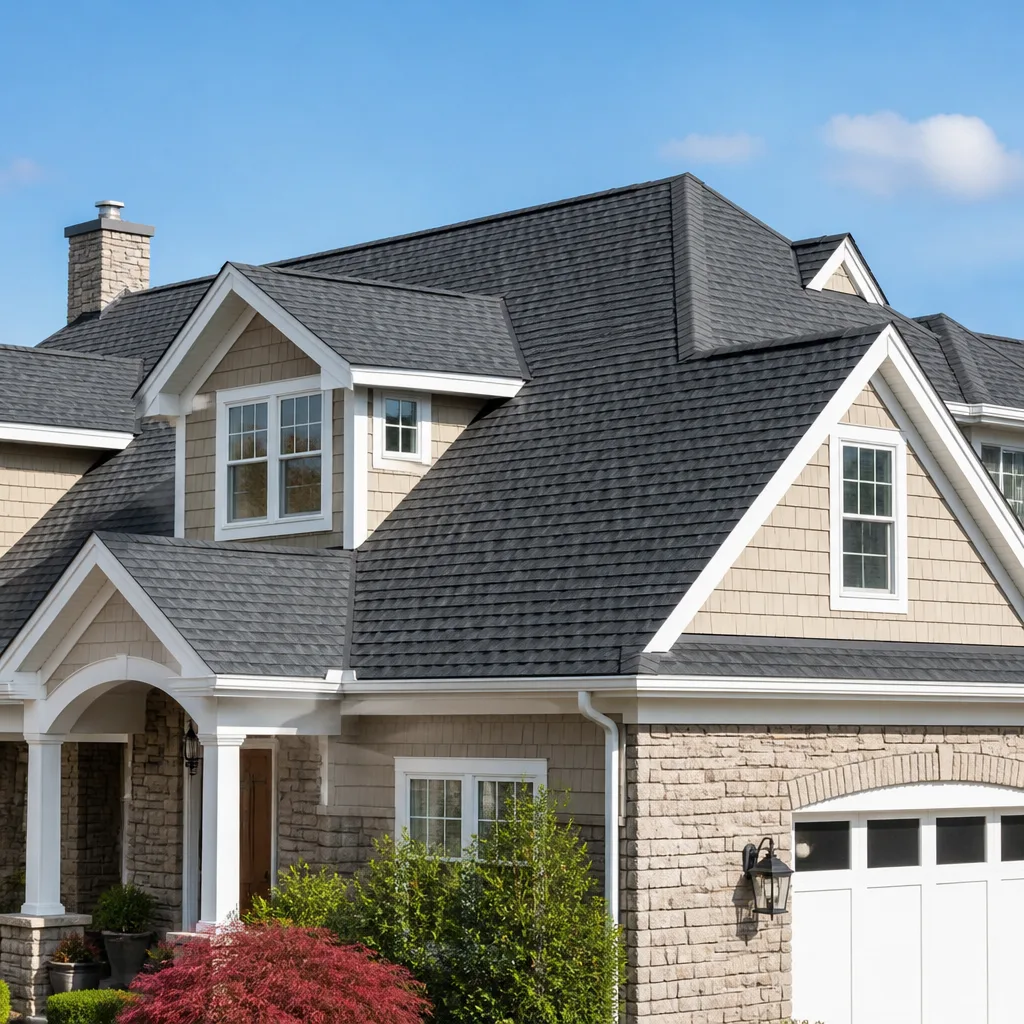
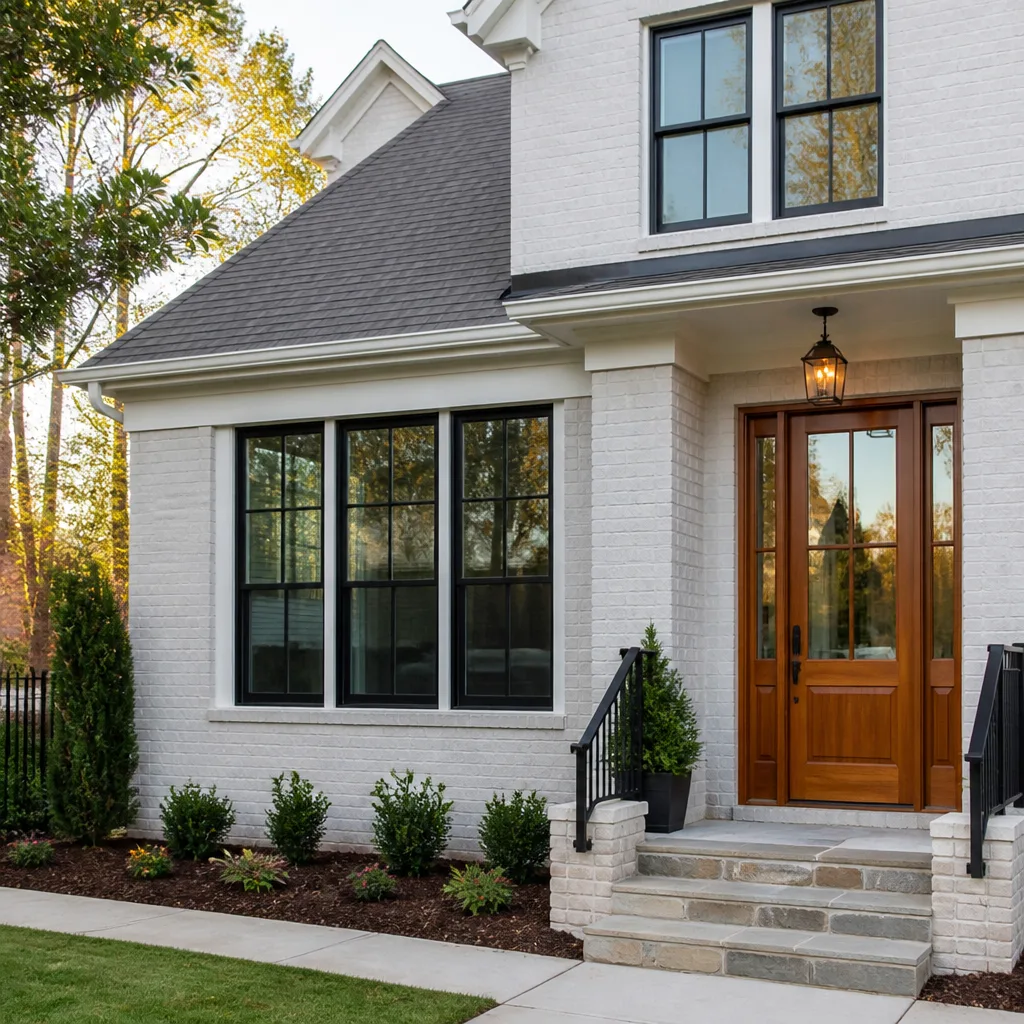
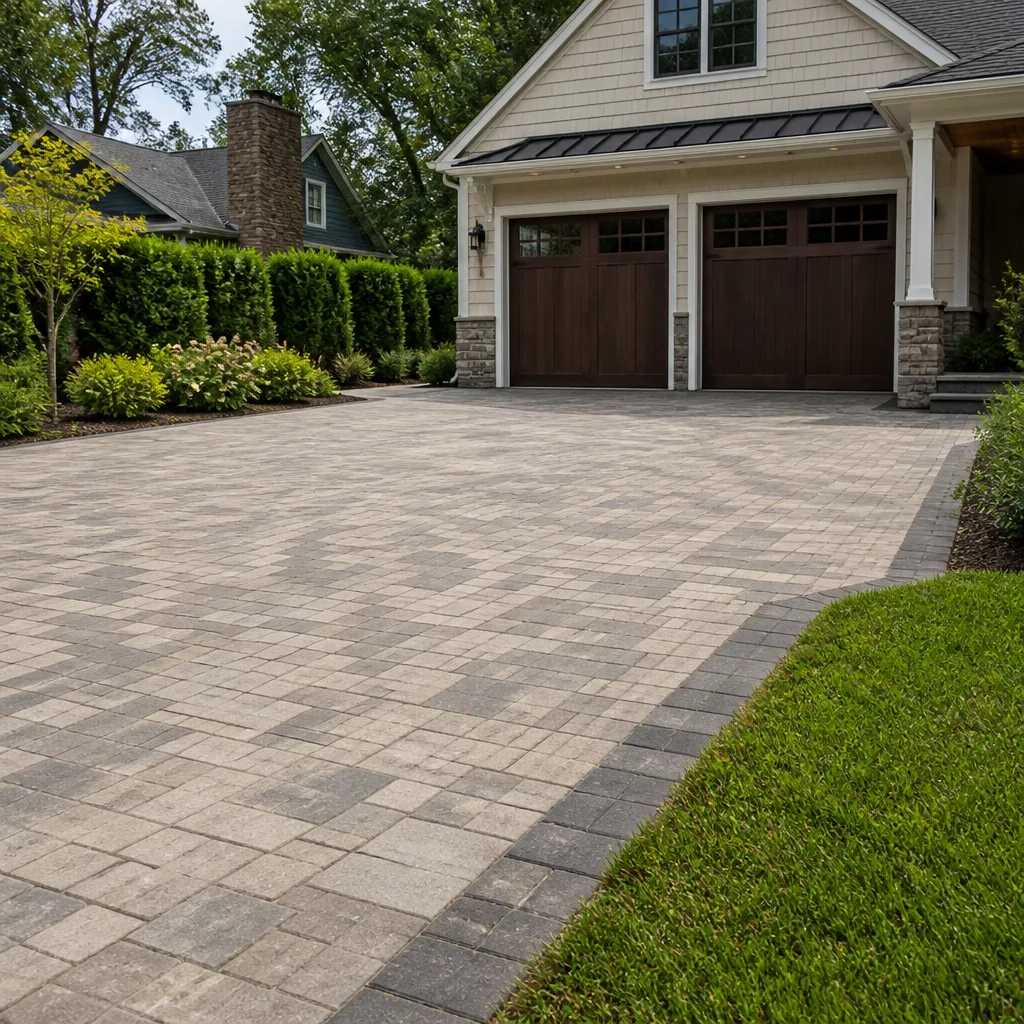
Styles & brands we work with
Signs Your Cover Fence Installation Is Failing
You know your fence better than anyone, but here’s what we see most often when we’re called out for a Cover fence that needs replacement, not just a quick fix. These are the signs homeowners in Los Angeles call us about.
- Panels pulling away from the top rail. The likely cause is sun-damaged fasteners that have lost their bite. If you see a gap at the top while the bottom stays tight, the panel is starting to cup from heat on one side, and that’s a structural change, not a loose screw.
- Rot at the base of fence posts, especially on the uphill side. Sprinkler overspray and drainage patterns are the usual culprit. In sections of the Valley with heavy clay soil, water sits against the post longer than it should. Rebuilding the gate post with stronger anchoring fixes it; just setting a new post in the same hole buys you two years at best.
- Horizontal panels sagging between supports. If a panel has a visible dip in the middle, that panel has already failed structurally. Sun exposure destroys the internal integrity of some composite and wood products, and straightening won’t fix it. The board is done.
- Gate latch no longer lines up with the post-side strike plate. This isn’t just a hinge problem. The post itself has moved, usually because the old post base wasn’t set deep enough in loose fill, which is common near the edges of properties that butt against older Los Angeles fence lines. The post has shifted over years of gentle pressure, and now the gate hangs awkward.
- Powdery white residue or cracking at the cut bottom edges of panels. This is water wicking up through an unsealed edge during rain season, then drying out and leaving mineral deposits. It means the bottom edge has been exposed for a while, and if you ignore it long enough, that bottom rail will split or the panel will lose its grip on the fasteners.
See the difference
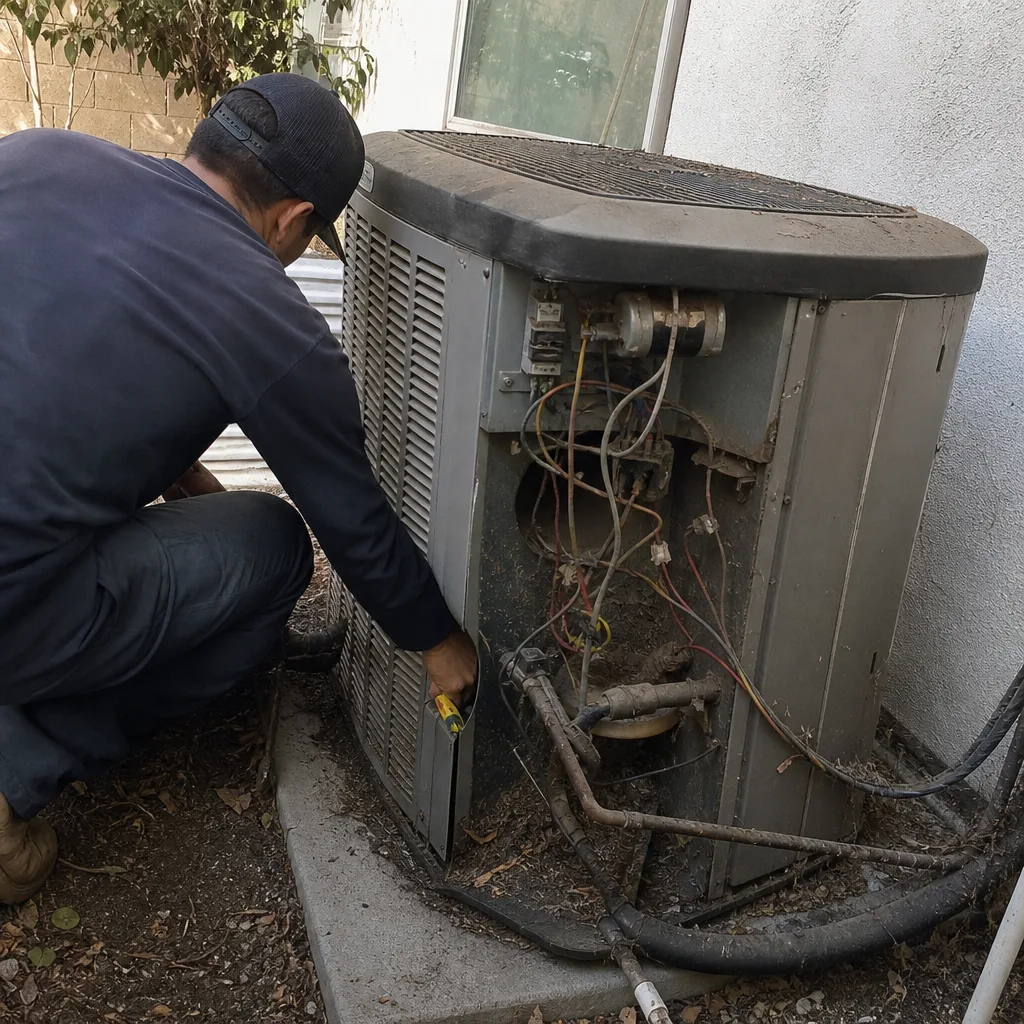 Before
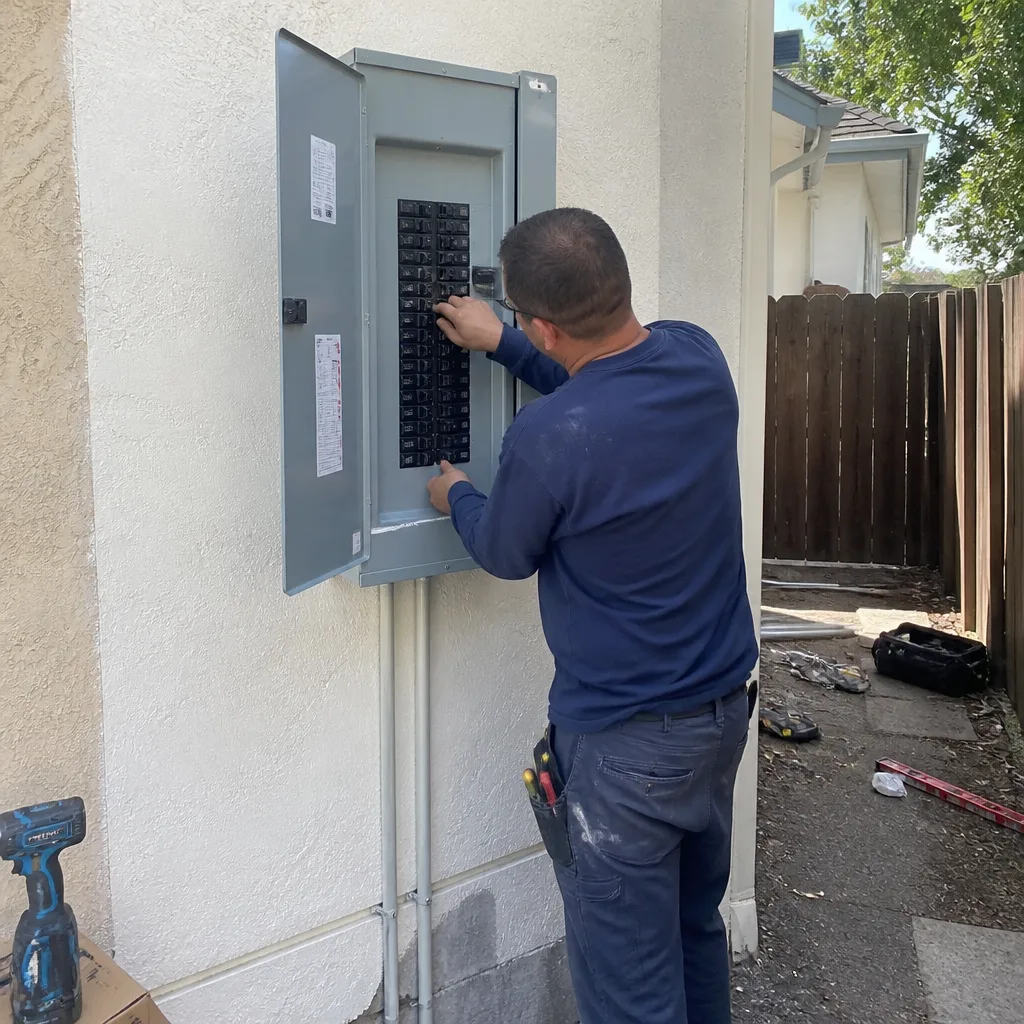 After
After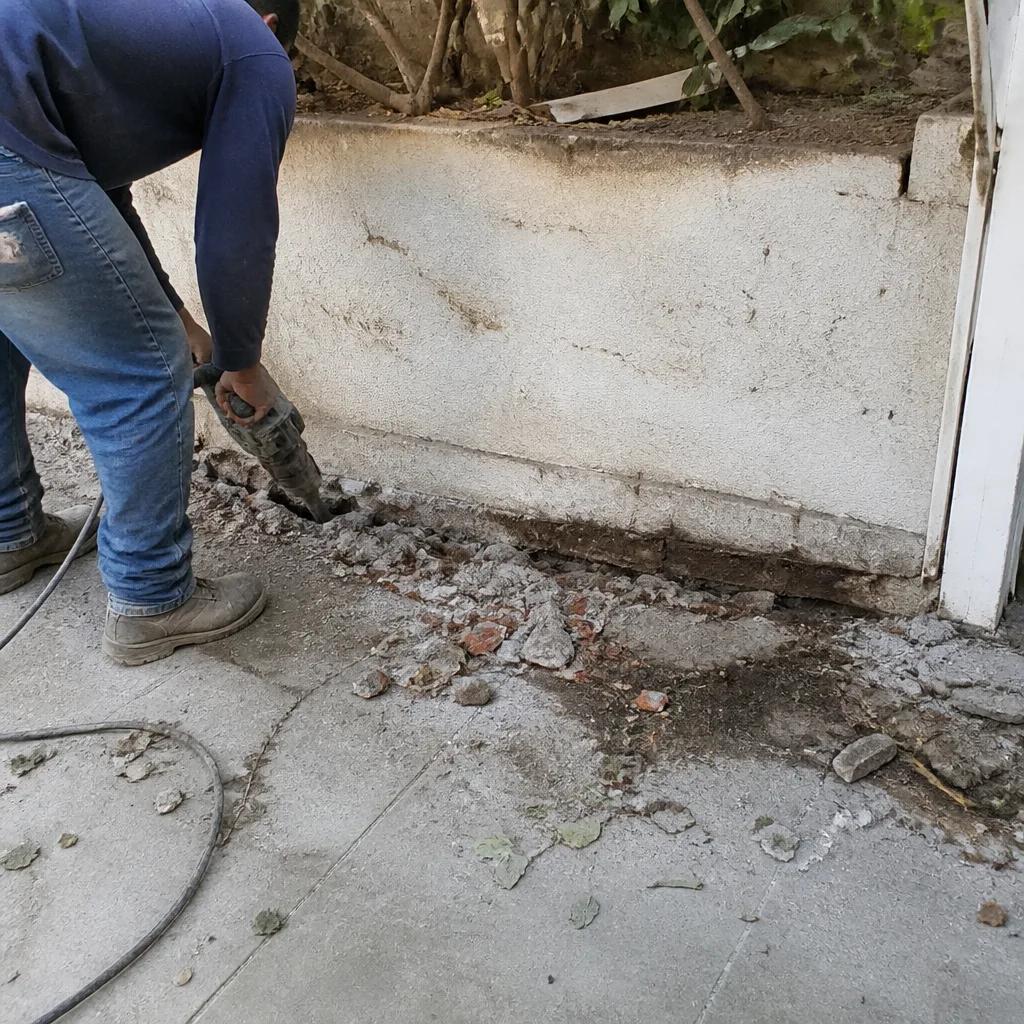 Before
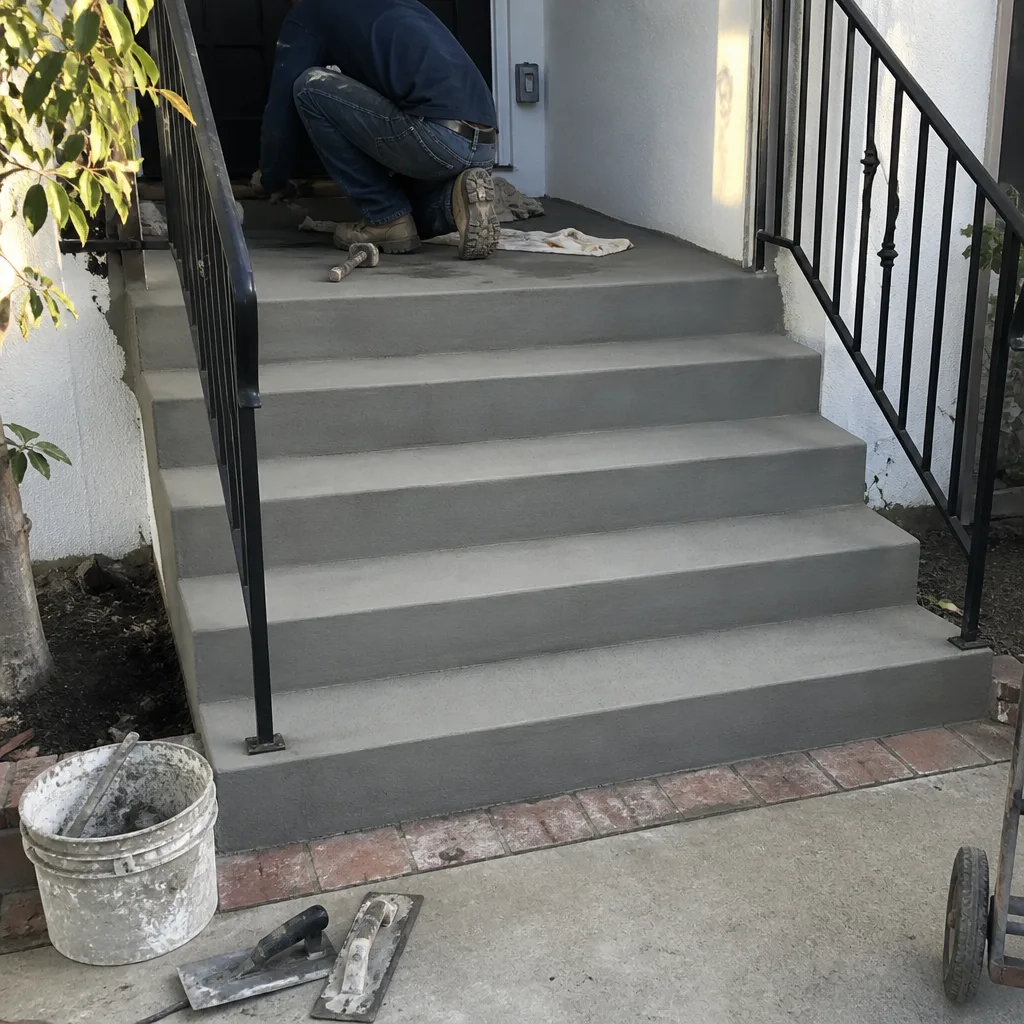 After
After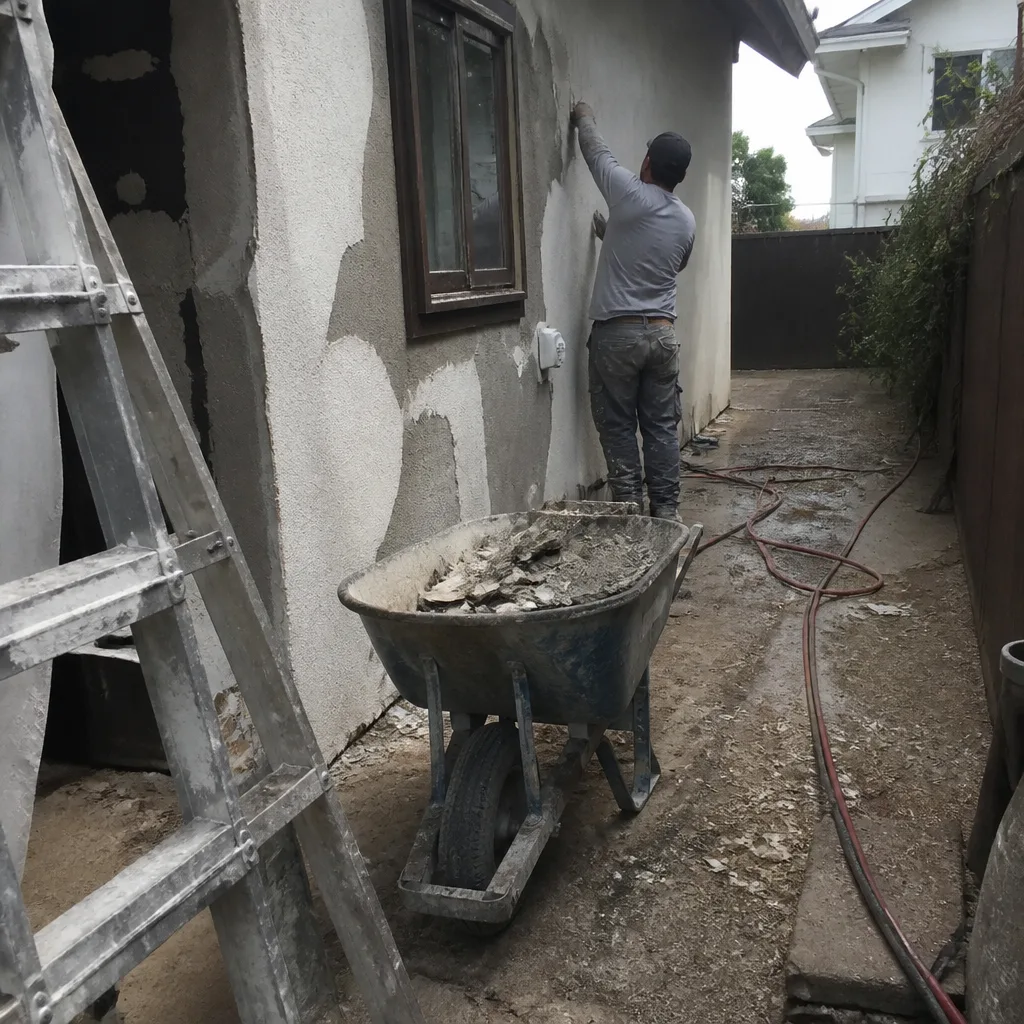 Before
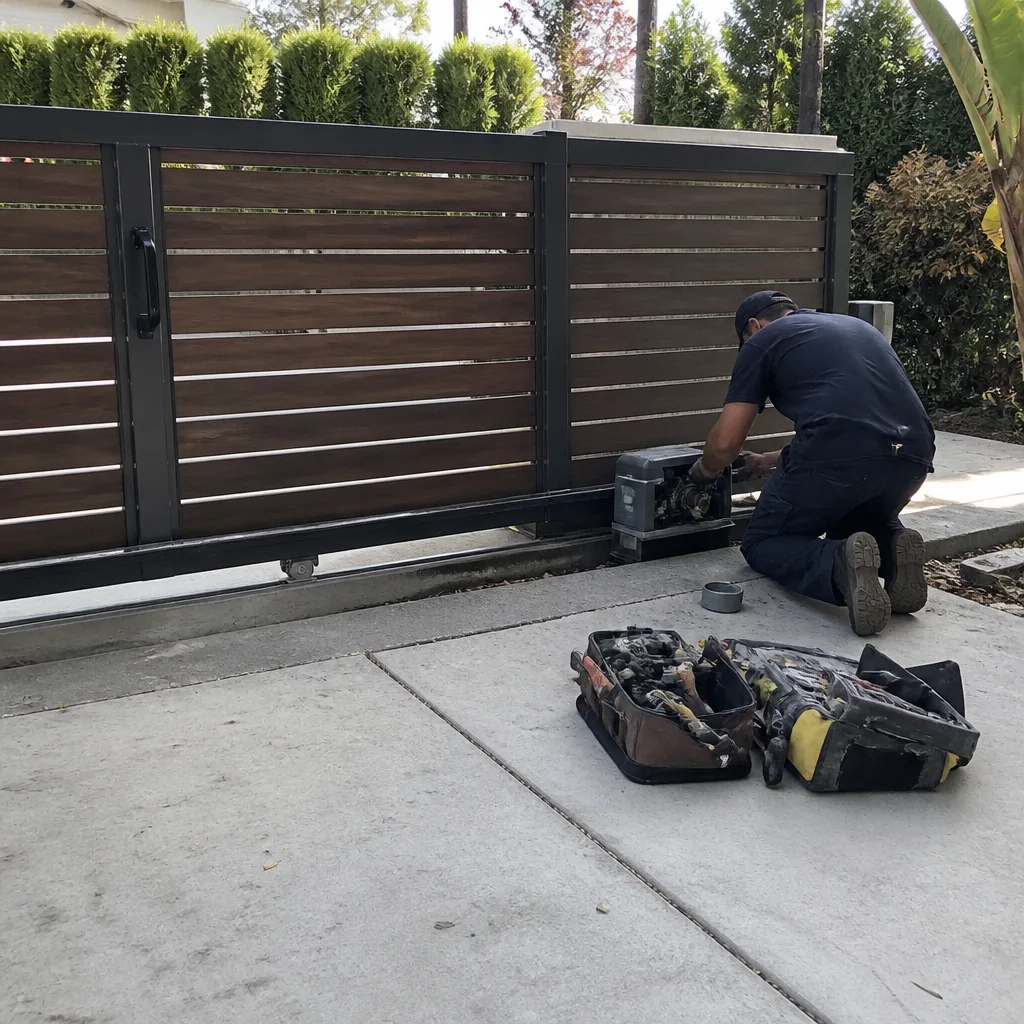 After
AfterReplacement Cost & What’s Included
Let’s talk numbers. In Los Angeles, a full Cover fence installation runs $4130 – $10620 installed, and you should be suspicious of bids well below that range. The low end of that range covers a moderate run with clean access, existing posts that are still sound, and no demo of old failed panels. You’ll be closer to the top if we’re removing termite-damaged posts or dealing with sloped ground, both of which are common in neighborhoods where properties sit on uneven lots.
| Item | Typical Los Angeles Range |
|---|---|
| Panel replacement (per linear foot, installed) | $60 – $140 |
| Post replacement (each) | $180 – $420 |
| Hardware, fasteners, finish caps | $6 – $18 per panel |
| Sealing of cut edges and post bases | $1 – $3 per linear foot |
| Old fence section removal and haul-away | $3 – $8 per linear foot |
| Full Cover fence installation (typical project) | $4130 – $10620 |
We give you a written price before any work starts, broken down by line item, so you can see exactly where the money goes. There are no change orders for surprises we should have caught during the walkthrough. The work includes all panels, posts where needed, hardware, cut-edge sealing, and haul-away of the failed material. It’s covered by a written guarantee for 365 days from the completion date, and if something isn’t right, we come back at no charge and make it right.
Call (803) 680-2547 for an exact quote on your fence. Estimates are free, and we’ll walk the property line with you so the final number matches the actual site.
DIY or Call Us?
Here’s the straight answer. You can check a few things yourself: whether panels are still seated in their channels, whether fasteners have backed out, whether the posts wobble when you push on them with moderate force. That’s fine. What gets homeowners hurt is when they try to pull a failed section while standing on the downhill side of a slope, or when they pry off a rotted panel and a hidden length of old wire or a bee colony is behind it. Lifting a bent panel that’s under tension and having it snap back is how fingers get broken.
Fence posts are awkward, heavy, and buried deeper than most people expect. Setting them correctly means digging below the wet clay line, checking for utility flags, and mixing concrete with the right slump. If any of that sounds like work you’d rather not do twice, call (803) 680-2547 and let us quote it properly. You’ll know who’s coming, what’s the price, and exactly how long the job takes.
FAQs
A properly installed Cover fence in this climate should last 15 to 25 years, depending on sun exposure, irrigation patterns, and whether the cut edges were sealed at installation. Fences on the west side of a property take more direct afternoon sun and degrade faster than shaded sections. Call (803) 680-2547, and we’ll inspect the specific run and give you a realistic lifespan estimate.
If the posts are sound and only one or two panels are damaged, repair makes sense and we’ll quote it that way. If the fence is leaning or multiple panels are sagging, the cost of piecemeal repair often exceeds a full replacement once you factor in repeated visits. We’ll give you the honest comparison in writing before any work starts.
Most residential Los Angeles fence replacements are completed in 2 to 4 working days, including removal of old sections and new post setting. Sloped lots, extensive root systems, or replacing every post on a long run adds time. We’ll give you a start date and a finish date in the written estimate.
Yes. We stock the hardware profiles and fasteners that match Cover-style panel systems, and we carry panel material in the most common thicknesses for this region. If we don’t have a specific profile in stock, we order it before your install date. Estimates are free, and the price is locked before we start.
If your fence is leaning, sagging, or showing rot at the posts, don’t wait for the first big storm to finish the job. Call (803) 680-2547 and schedule a free estimate. We’ll show you exactly who’s coming, put the price in writing, and stand behind the finished fence for a full year. Know who’s coming, know what it costs, know it’s backed up – everything else is just noise.
Written by Isaac Pruett, Owner, Mason Remodeling at Mason Remodeling, serving Los Angeles and nearby areas.