Free written scope consultation - allowances, timeline, and change-order rules on paper before a single trade is scheduled
CGI Fence Installation: The Los Angeles Owner’s Guide
CGI fence installation in Los Angeles typically costs $4,130 to $10,620 for a complete install, though targeted part replacement and rail repair on an existing CGI fence usually lands between $900 and $2,800 depending on panel count and post condition. We stock the common CGI profiles on our service trucks and can match most weld-pattern and gauge combinations the same week you call. The way most homeowners find us is by walking the fence line after a wind event or after the gardener points out a leaning post, then realizing the bottom rail has rusted through or a panel corner has pulled free from the frame.
CGI fences (corrugated galvanized iron, sometimes called corrugated metal fencing) are everywhere in Los Angeles: they wrap backyards in Echo Park, line alley-facing sides of duplexes in Van Nuys, and border hillside lots in Mount Washington where wood fences rot within a decade. The material is tough but the installation details are what determine whether it lasts fifteen years or forty. In the San Fernando Valley’s dry heat, the galvanizing holds up well; within five miles of the coast, salt air tests the coating on the raw cut edges first. If your CGI fence is failing, it’s usually at a connection point, not in the middle of a panel.
Which CGI Models This Applies To
CGI fencing in the Los Angeles market generally falls into one of three profile families: the standard 2-1/2 inch corrugation pitch (the classic wavy pattern you see on older 1960s and 70s fences), the narrower 1-1/4 inch pitch used on more recent architectural installations, and a flat-pan profile that reads more like standing-seam when viewed from the street. The gauge matters more than the profile for longevity: we see 26-gauge on budget installs, 24-gauge on most residential work, and 22-gauge on commercial or hillside walls where wind load is a factor. You can identify what you have by measuring the distance from one rib peak to the next with a tape measure, then checking the end profile where the panel was cut at a top rail.
One compatibility trap that catches owners: panels from different manufacturers may share the same corrugation pitch but differ in overall sheet width, which shifts where the overlap lands on a mid-post. That means a replacement panel from the wrong supplier leaves a short flange that won’t fasten cleanly to the frame. We measure before we order, and we carry the common profiles in our Los Angeles shop so we can show you the exact rib match before we cut anything. When the original is still available, we recommend it; when it isn’t, we source a gauge-matched equivalent rather than the thinnest sheet on the shelf. We’re an independent service provider, not affiliated with CGI as a brand, so our recommendation is based on what holds up in Southern California conditions, not what a single catalog pushes.
Styles & brands we work with
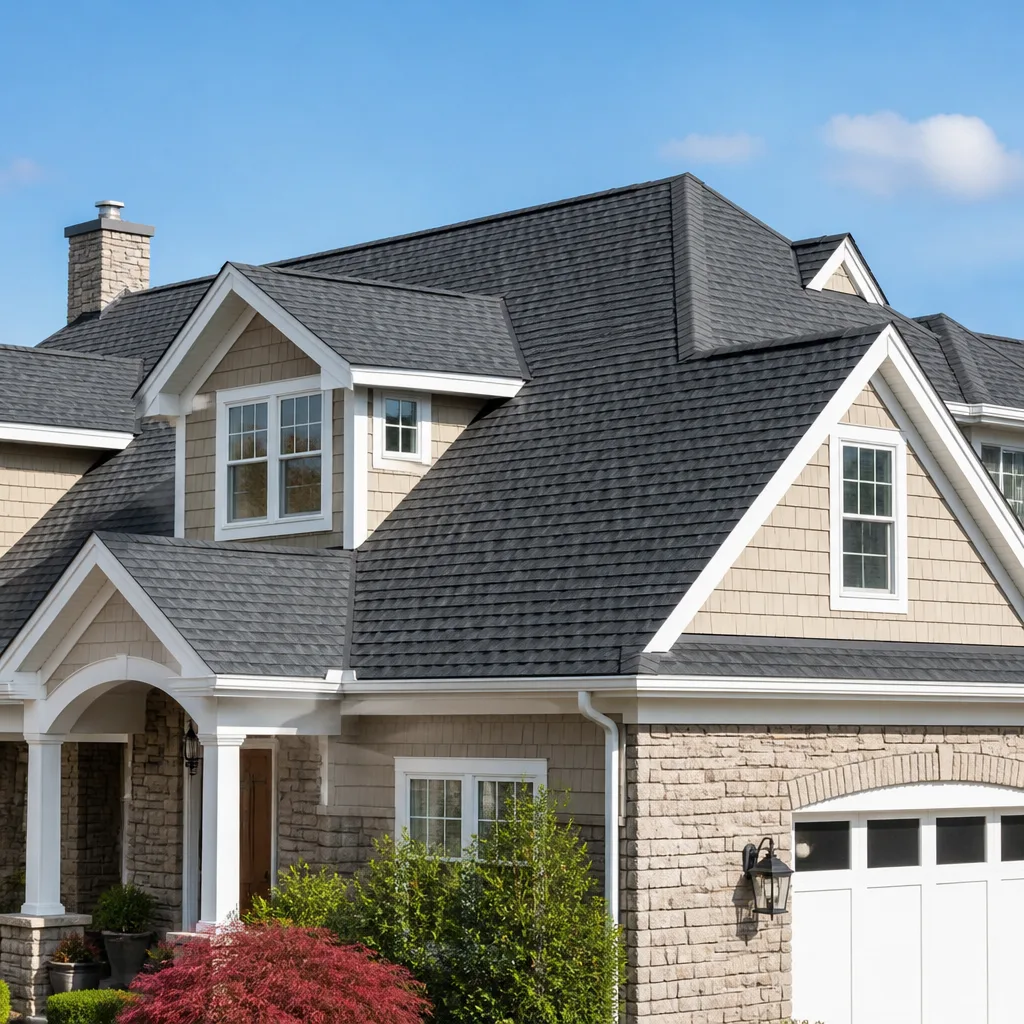
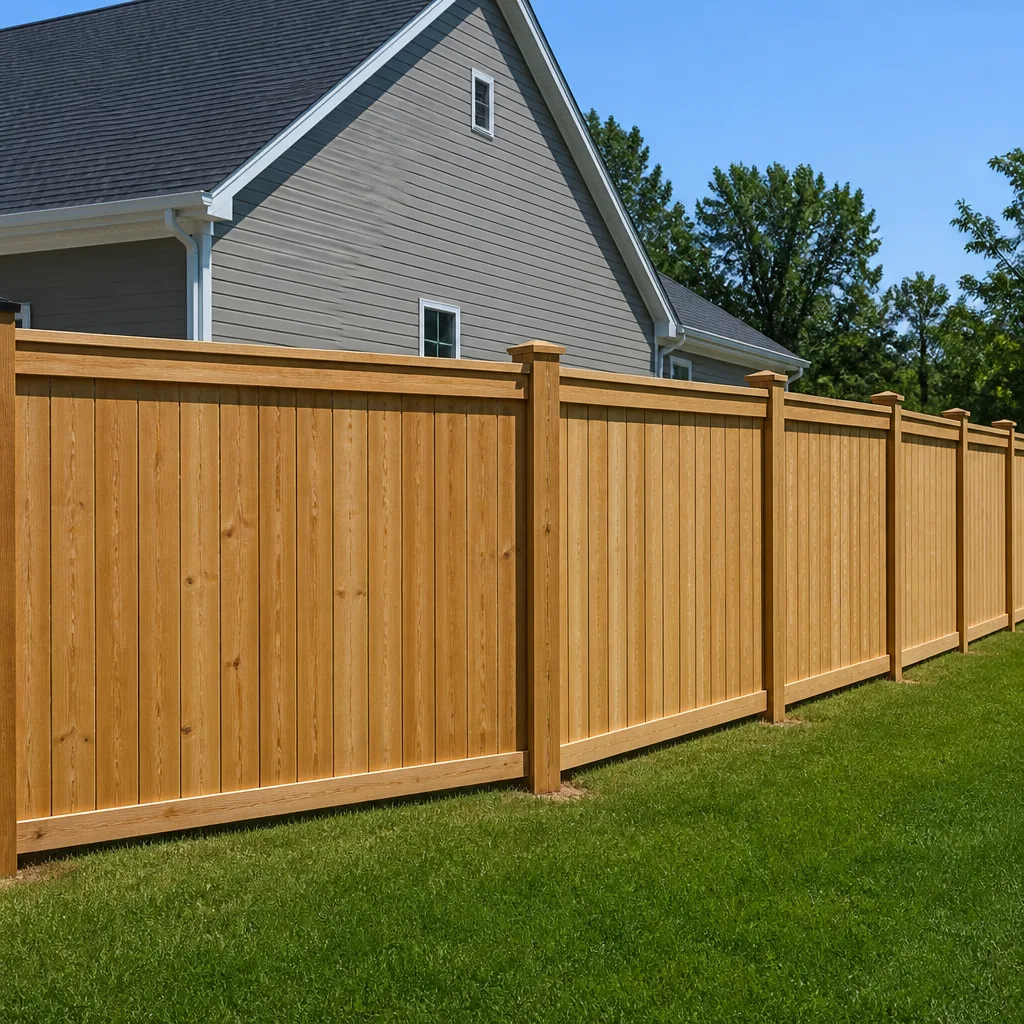
Signs Your CGI Fence Installation Is Failing
- Rust bloom at the bottom rail, within two inches of the ground. This is the classic Los Angeles failure point. Sprinkler overspray and soil contact keep the cut edge damp, and the galvanizing sacrifices itself there first. Once the rail rusts through, the panel loses its anchor and starts to flex in wind.
- Horizontal wave in the fence line between posts. When you sight down the top rail and see a dip or bow, the post footings or the post-to-rail connection are failing. In the clay soils around Pasadena and Glendale, posts settle unevenly through wet winters and dry summers, and the fence structure telegraphs that movement.
- Screw heads backing out or staining the panel face. CGI panels expand and contract with LA’s temperature swings, and a fastener that wasn’t sized for that movement will work itself loose. The rust streak below a screw head tells you the protective coating was compromised at the penetration point.
- Thumping or rattling at the panel edges during Santa Ana winds. Loose edge fasteners let the sheet hammer against the rail. Over a couple of seasons, that vibration wallows out the screw holes and the panel can’t be re-tightened without patching or replacing the rail.
- Green or white oxidation along the cut edge at the top of the fence. The factory edges are coated; the field-cut edges are not, at least not properly on older installs. If you see the galvanizing breaking down at the top edge, the panel is years into a slow failure, and it’s cheaper to address before the rust travels down into the sheet face.
See the difference
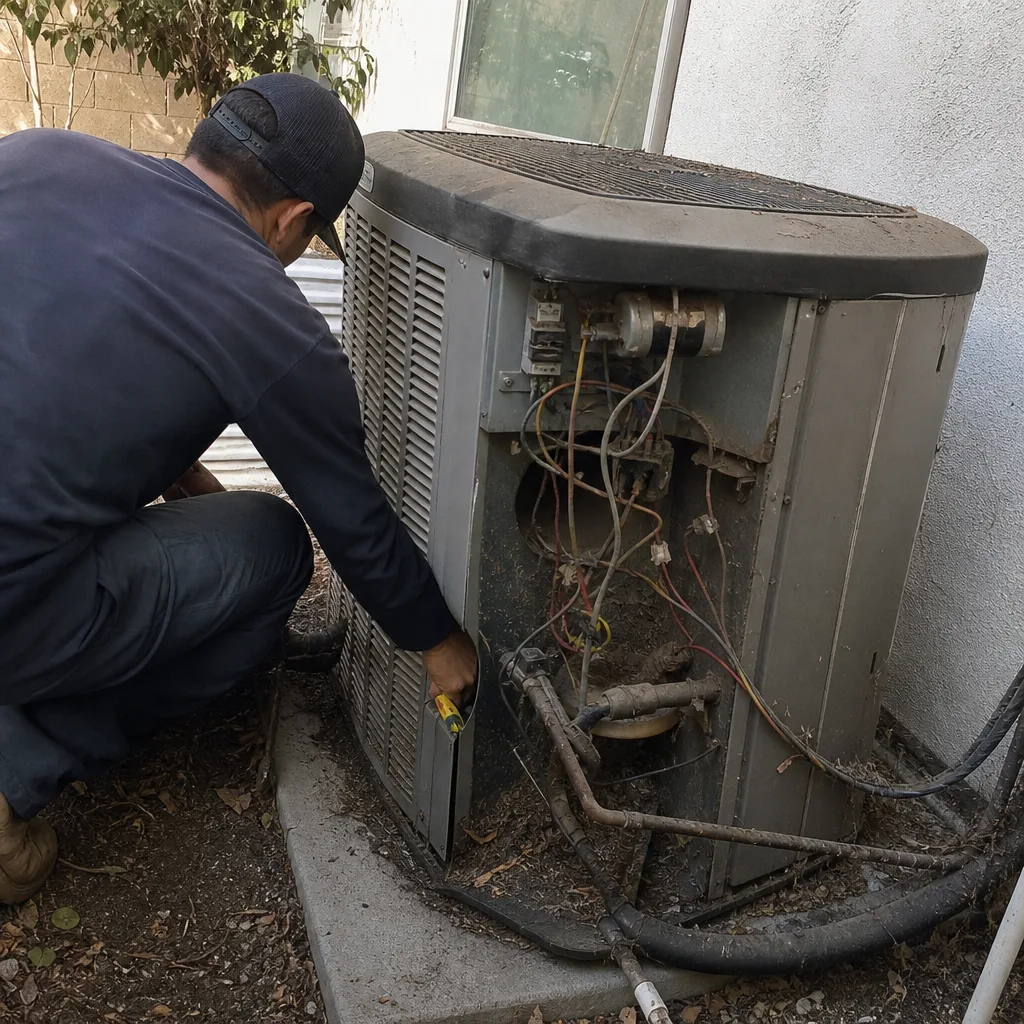 Before
 After
After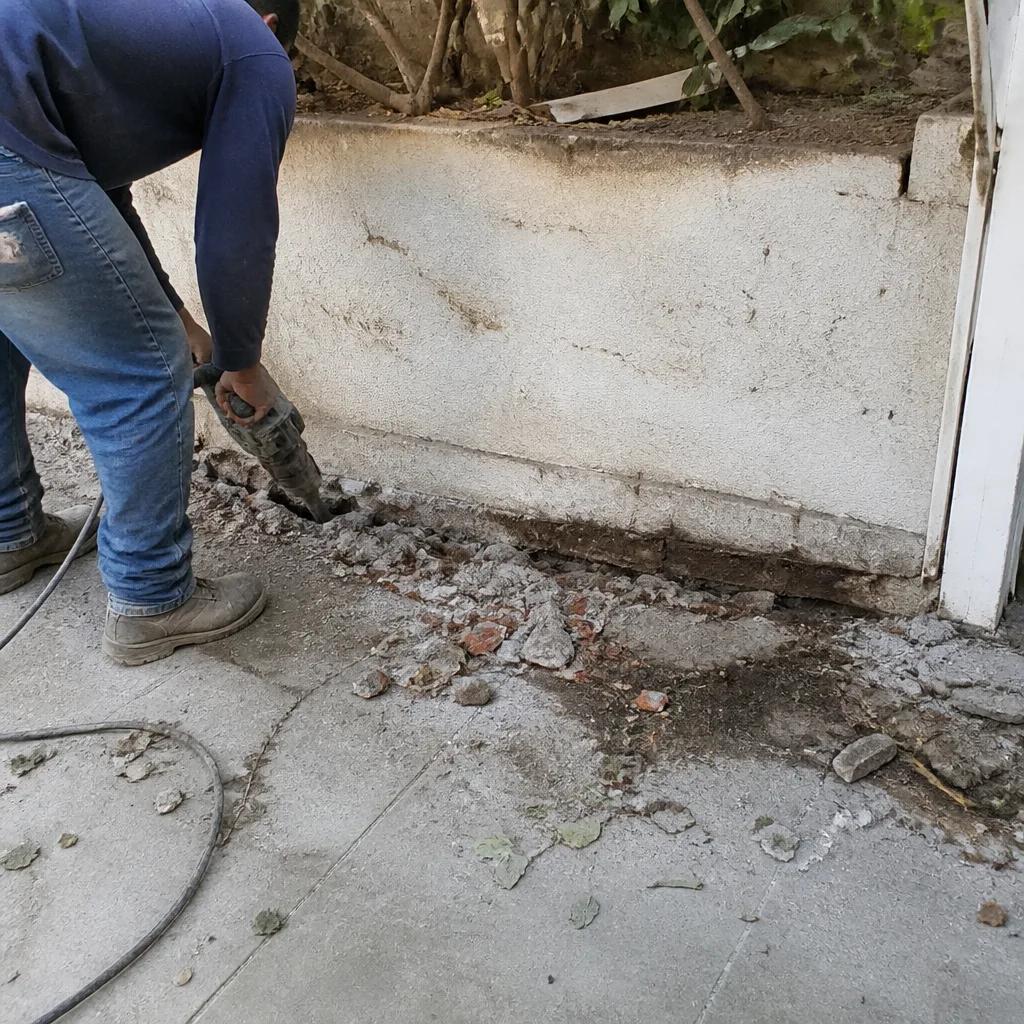 Before
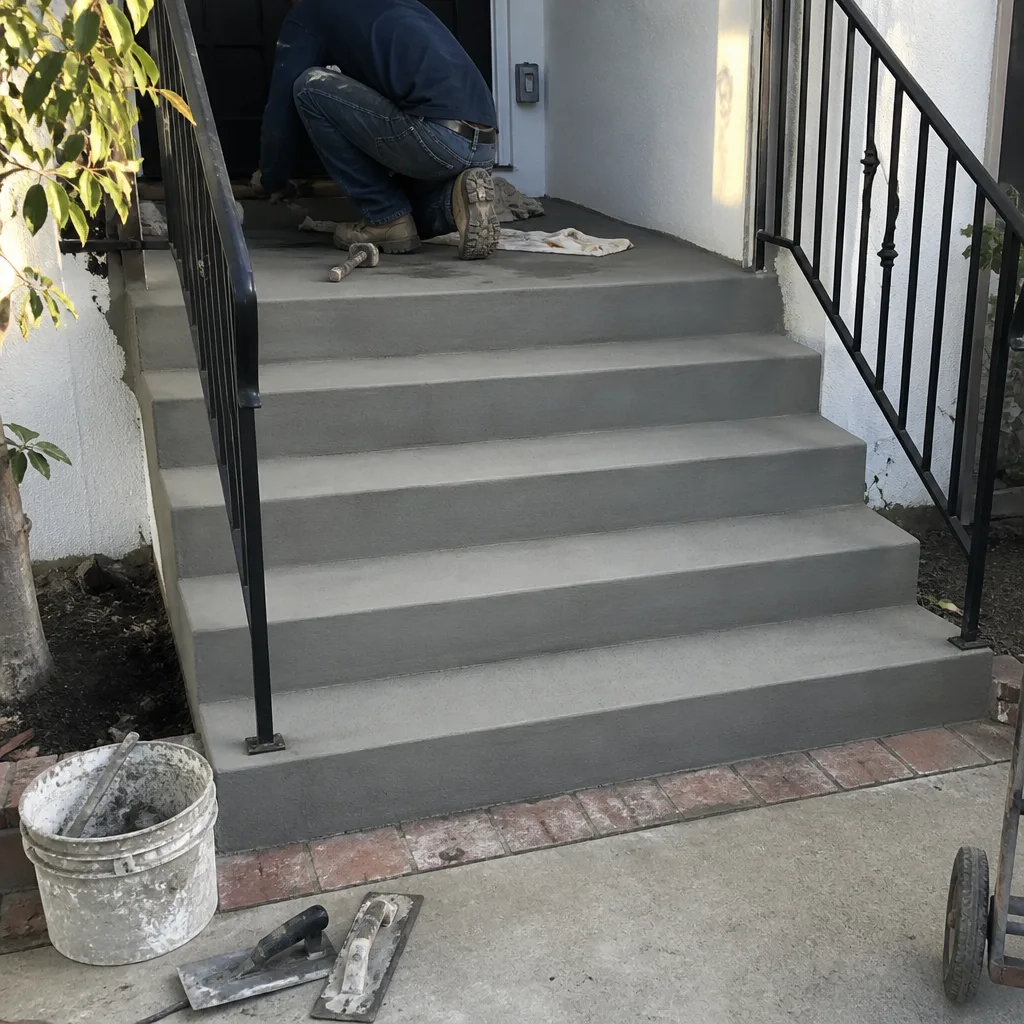 After
After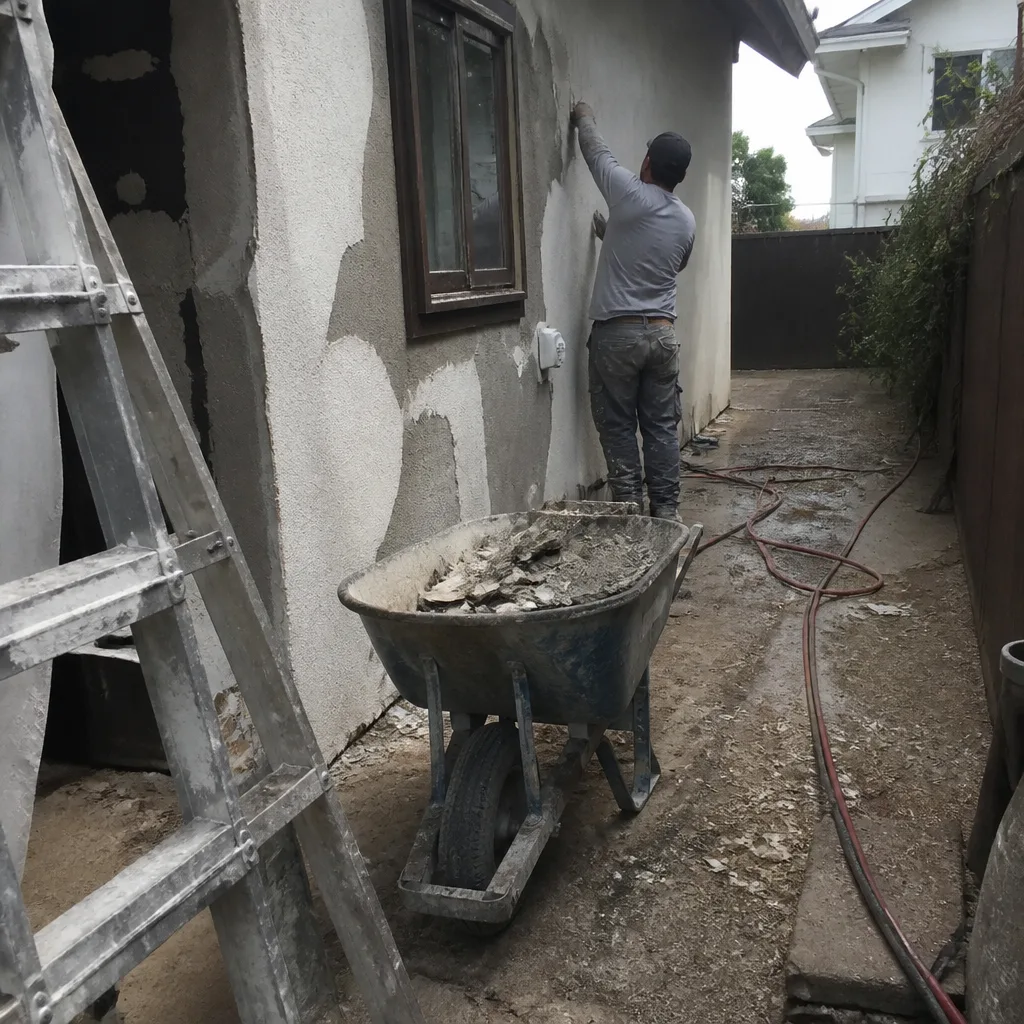 Before
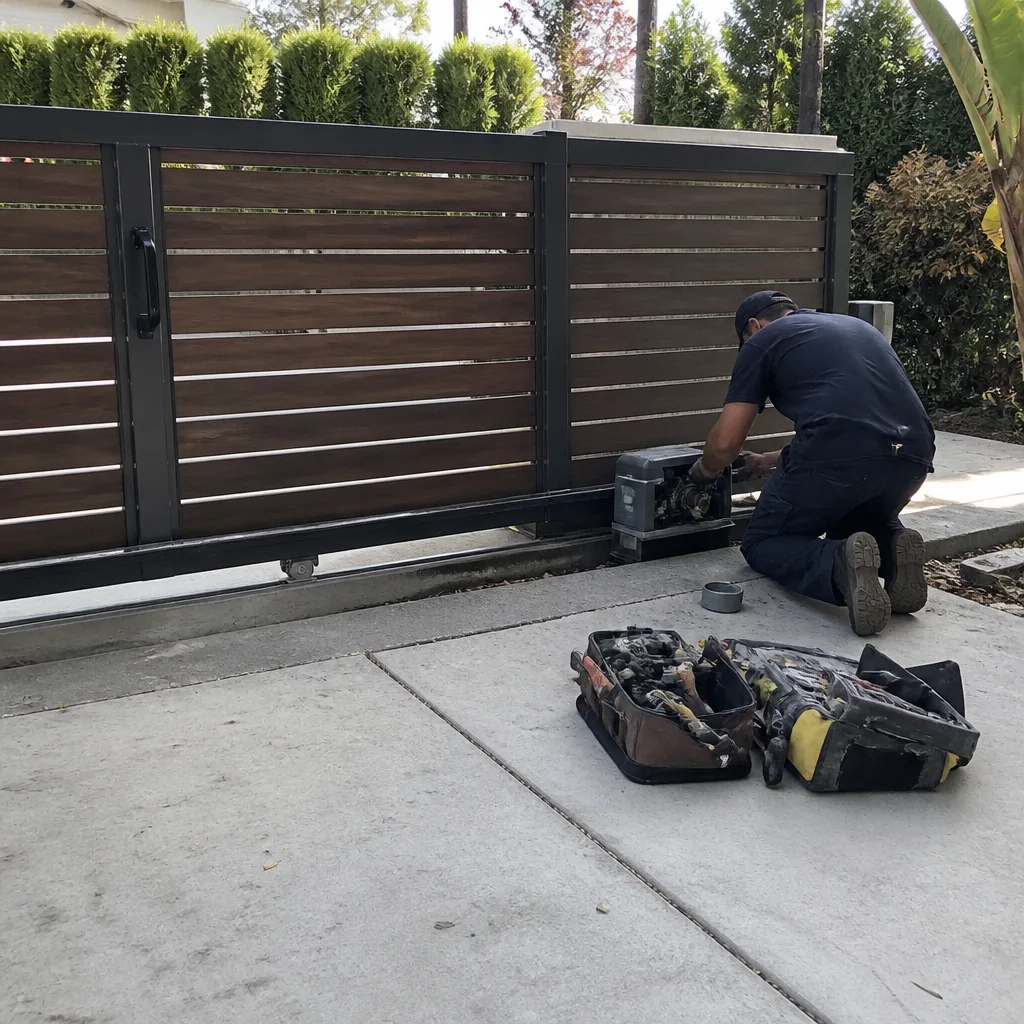 After
AfterReplacement Cost & What’s Included
For Los Angeles homeowners, a full CGI fence installation runs $4,130 to $10,620 on a typical 50 to 80 linear foot backyard perimeter. The range is driven by three things: how many linear feet of panel we’re hanging, whether the existing posts and footings can be reused, and whether you want standard overlapping panels or a clean mitered-corner install. Partial panel replacement, where we cut and fit individual sheets into an existing frame, runs $900 to $2,800 depending on how many panels and whether a rail needs to come out.
The price we give you is the price you pay, written down before we start. No verbal estimate that grows. That written quote covers the panels, the cut-to-fit labor, fasteners sized for the metal thickness, and haul-away of any damaged sections we remove. We warranty the installation for 365 days from completion under our Done Right Promise: if something we installed fails in that window, we return and make it right at no charge. You’ll know your total before we lift a panel onto the truck.
DIY or Call Us?
CGI panels are sharp at the cut edge, and the failure points on these fences are structural, not cosmetic. What you can do safely: photograph the problem area, check whether the post itself moves when you press on it, and clear vegetation away from the bottom rail so you can see the rust pattern. What you should not try: unbolting a tensioned panel and working your way down the frame alone. A 24-gauge panel under wind load has enough surface area to push hard, and the edges will open a hand quickly. If the post footing has shifted, the repair isn’t about the panel at all; it’s about excavating and re-setting the post, which needs a crew and a concrete plan.
Isaac Pruett has been looking at CGI fences across Los Angeles for the better part of two decades, and his line on the subject is dry: “When the cheapest bid goes in, the next guy’s quote always starts with demo.” If you’d rather the next quote start with a fix, call (803) 680-2547. We’ll send someone who can measure the existing profile, tell you honestly whether it’s a panel replacement or a post rebuild, and put the number in writing before any metal gets cut.
FAQs
A properly installed CGI fence in Los Angeles should last 25 to 40 years, but the floor depends on installation details: 24-gauge or thicker panels, fasteners isolated from the steel with the right washers, and bottom rails held at least two inches off the soil. If yours is failing at ten years, the install details were probably the weak link, not the material. Call (803) 680-2547 and we’ll tell you what we’re seeing during the free estimate.
Small rust spots can sometimes be treated and coated in place, and a loose panel can often be re-fastened, but a panel that has rusted through at the rail line or wallowed out its fastener holes needs section replacement. We’ll tell you which camp yours falls into before we quote anything. The estimate is free, and the number won’t change once we start.
Most panel replacements on an existing CGI fence are done in one day. A full post re-set and panel re-hang on a typical Los Angeles backyard takes two to three working days, depending on how much concrete demo is involved. We’ll give you a schedule with the written quote, and we’ll stick to it.
We keep the common 24-gauge corrugated profiles in stock at our Los Angeles facility, and we can have odd gauges or the narrower architectural pitch in hand within a few days. Bring us a photo and a rib measurement, and we’ll match what you have before we schedule the install. Call (803) 680-2547 and we’ll walk you through how to measure it over the phone.
Know who’s coming, know what it costs, know it’s backed up – everything else is just noise.
Written by Isaac Pruett, Owner, Mason Remodeling at Mason Remodeling, serving Los Angeles and nearby areas.