Free written scope consultation - allowances, timeline, and change-order rules on paper before a single trade is scheduled
CGI Roofing: The Los Angeles Owner’s Guide
We stock, match, and install CGI roofing parts across Los Angeles, with most replacements running $470 to $2,125 installed depending on what failed and how much of the surrounding system got compromised. Owners usually find out something’s wrong the morning after a Santa Ana wind event, when a corner flashing is hanging loose or a section of standing seam has lifted enough to let the first drizzle of the season find its way inside. The telltale sign is almost never a dramatic failure. It’s a small stain on the ceiling drywall, a faint drip near a skylight, or a fastener you spot on the ground under an eave after the winds die down.
We’re an independent Los Angeles contractor, not affiliated with CGI, but we’ve worked on enough of their panels over twenty years to know exactly which fasteners, clips, and flashings their profiles require. Isaac Pruett, our owner, keeps a running note on his phone of every CGI oddity he’s encountered on roofs from Woodland Hills to Eagle Rock, because the worst time to learn a compatibility quirk is from a ladder at 2 p.m. in July.
Which CGI Models This Applies To
CGI Roofing is a Florida-based manufacturer of metal roofing systems, but a surprising number of their panels end up on Los Angeles homes, especially in coastal and hillside neighborhoods where HOA boards and architects spec them for wind resistance. The product lines you’re most likely to see here are their standing seam systems, exposed fastener panels, and the stone-coated steel tile profiles that mimic clay tile without the weight.
The compatibility gotcha we run into constantly: CGI’s panel profiles have changed subtly across production years. A clip for a quote from 2008 is not necessarily the clip that fits the same-looking panel from 2018. The rib contour drifts by a few millimeters. We measure the panel face, the seam height, and the clip pocket before we order anything, because a clip that looks right in a catalog photo and doesn’t seat properly will fail within weeks. For aftermarket parts, we use OEM specs as the benchmark and only run third-party options that match the gauge, finish, and profile. On CGI specifically, aftermarket clips are usually fine when the panel is a current production series; older or discontinued profiles often need OEM. California’s UV exposure is harder on CGI’s painted finishes than anything the manufacturer sees in Florida, so we also check finish codes before matching visible flashing. You don’t want a color that’s been sun-tested on a south-facing Los Angeles slope for fifteen years matched against a fresh coil product that hasn’t faded a day.
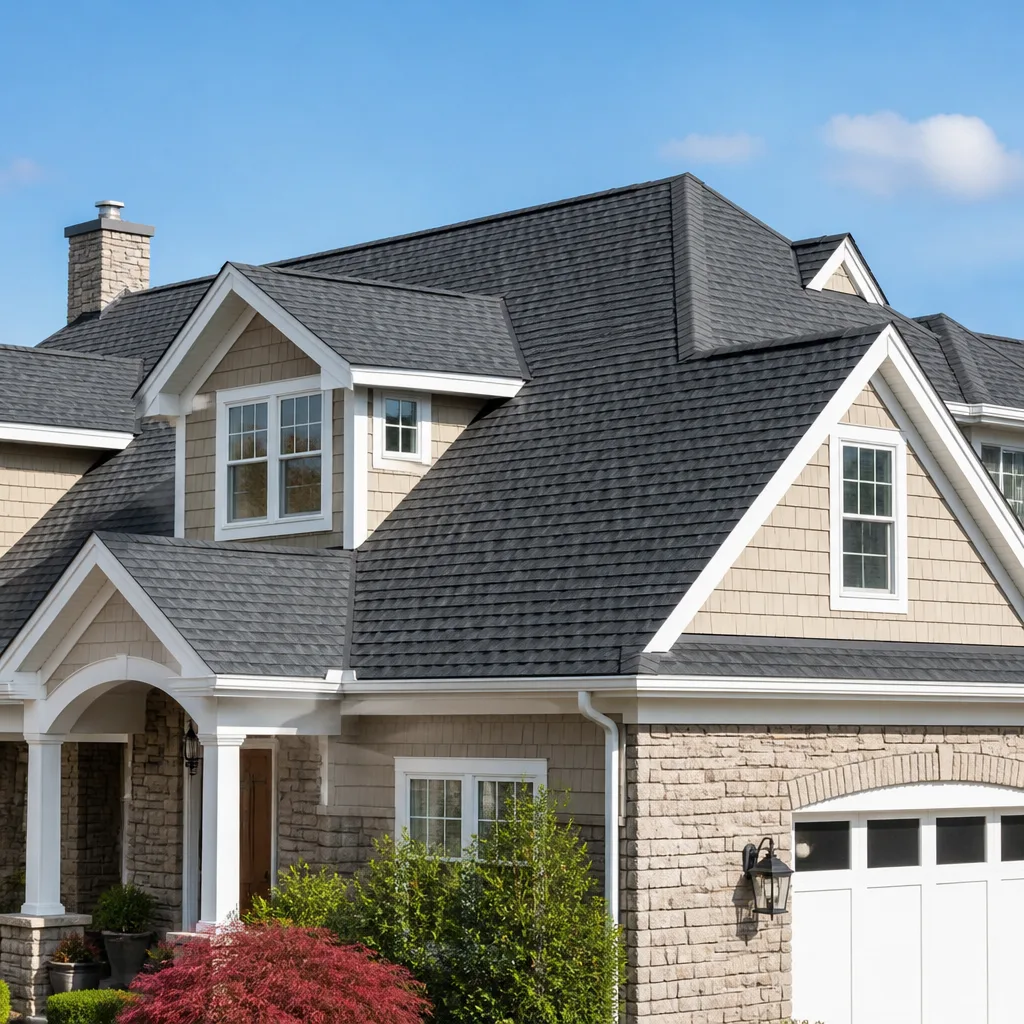
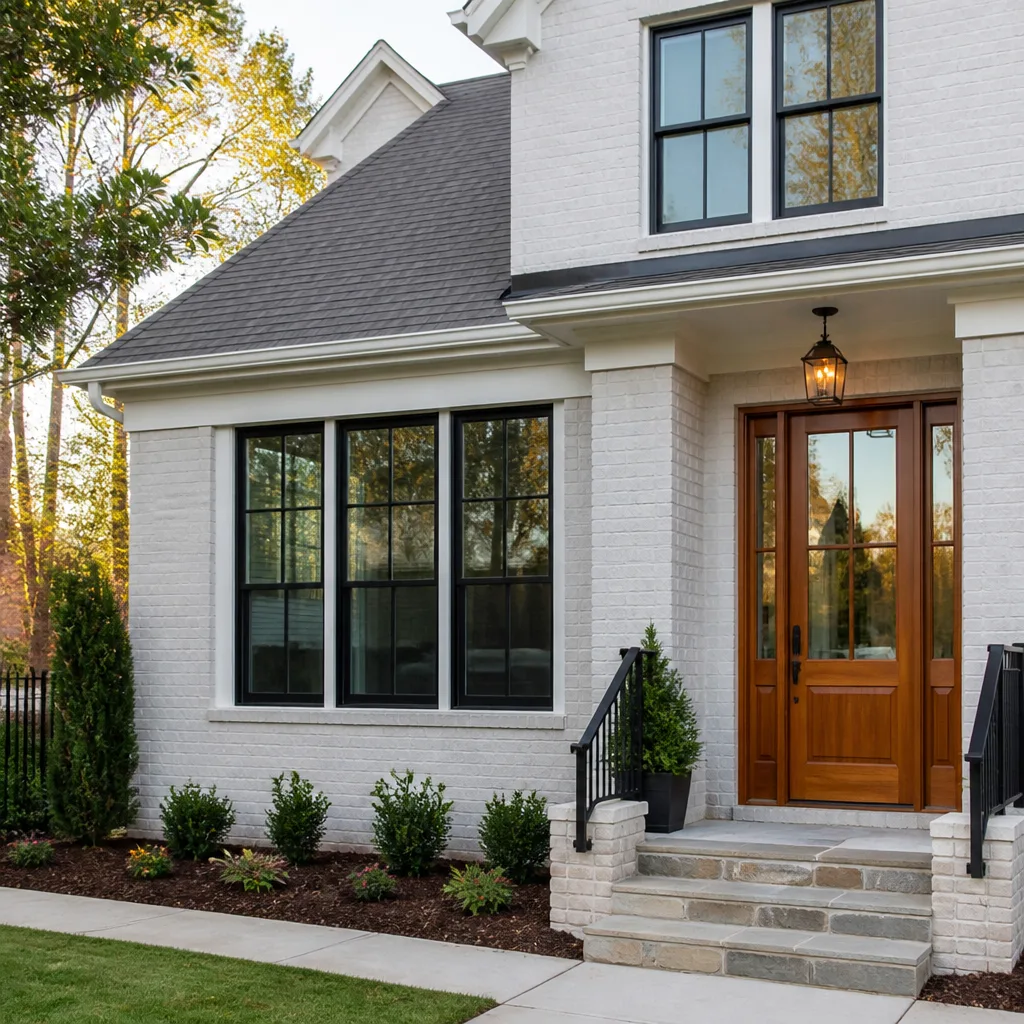
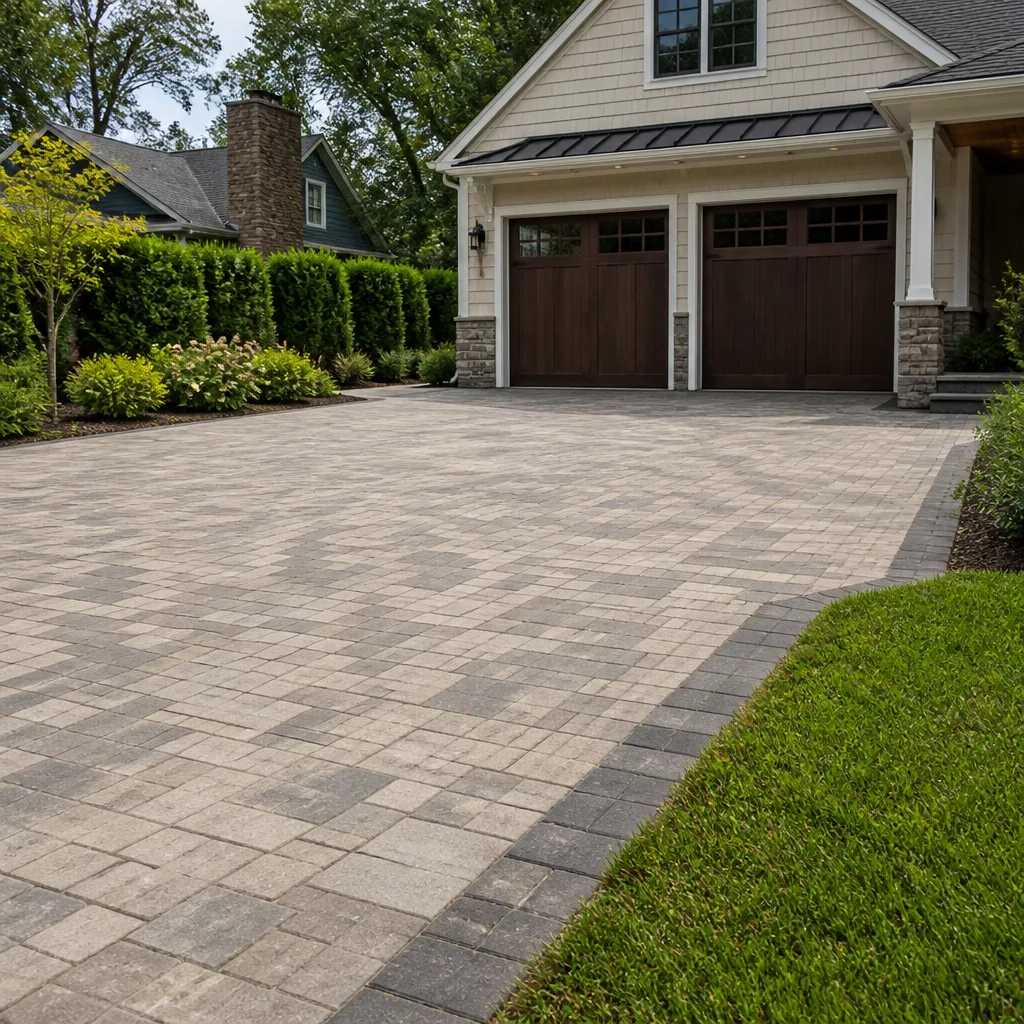
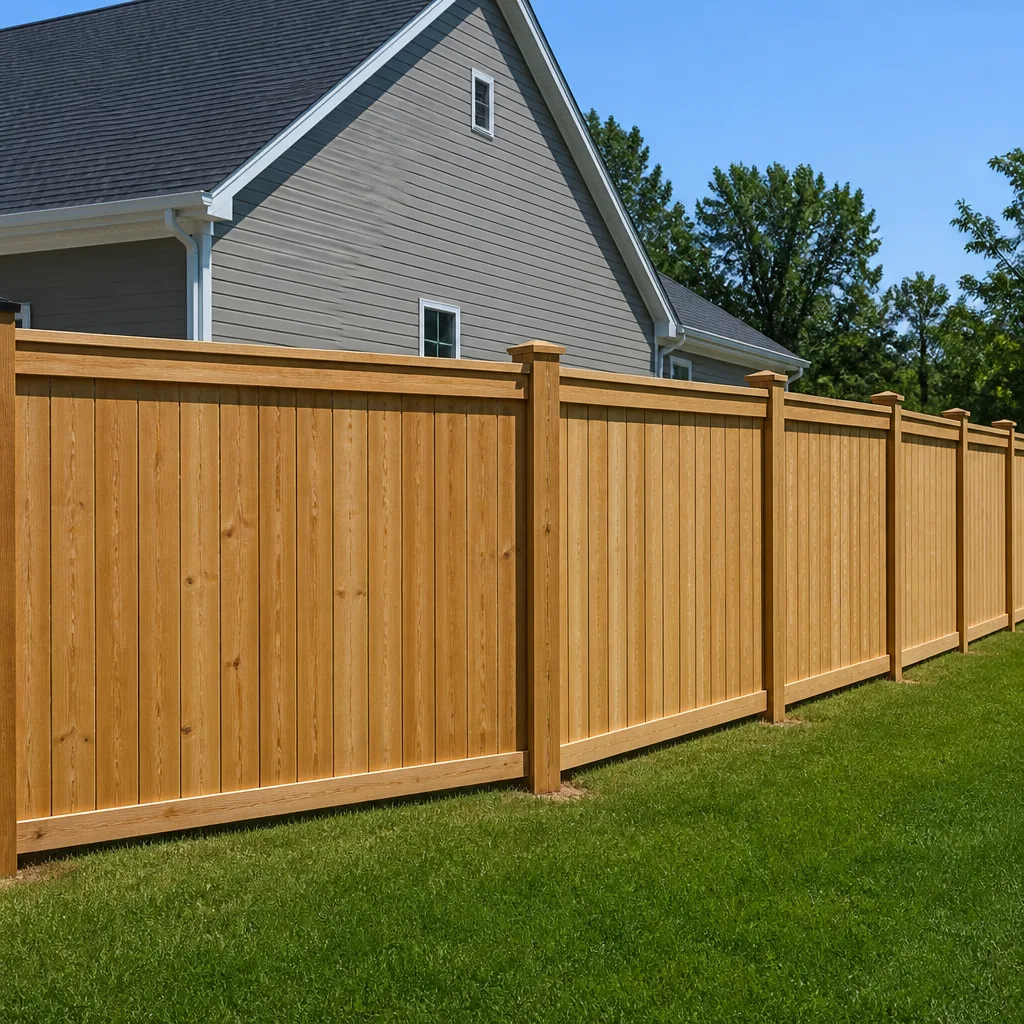
Styles & brands we work with
Signs Your CGI Roofing Is Failing
- Fasteners backing out on exposed fastener panels. The rubber grommet under the screw head is the first thing that dies in Los Angeles sun. Once it cracks, water travels under the washer and into the panel. You’ll see a rust stain trailing down from the screw head and a fastener that turns in place instead of seating.
- Lifting or oil-canning on a standing seam panel. That’s the clip failing or losing its grip on the rib. The panel itself may be fine, but thermal expansion in Los Angeles’ hot-afternoon sun makes a loose clip worse every afternoon until the panel lifts enough for water to backfeed under the seam.
- Staining at the ridge or hip caps. The sealant under the caps and the closures at the panel ends degrade with UV exposure. The metal’s fine, but the foam closures shrink and let wind-driven rain run under the cap. You’ll see staining on the deck below where the cap overlaps the panel.
- Fastener heads popped on the roof deck itself. If you’re in the attic and see a line of popped nails along a rafter, the metal may have been installed over a substrate that’s flexing, or the deck fasteners were wrong from the start. This is a structural attachment problem, not just a metal problem, and it needs a roofer to assess, not a tube of caulk.
- Corrosion at panel laps or anywhere two dissimilar metals touch. CGI’s aluminum and their steel use different fasteners. When someone uses a run-of-the-mill galvanized screw on an aluminum panel, or a copper gutter touches a steel panel, you get galvanic corrosion that eats through the metal at the contact point. We see this constantly in Los Angeles beach neighborhoods where salt air accelerates the reaction.
See the difference
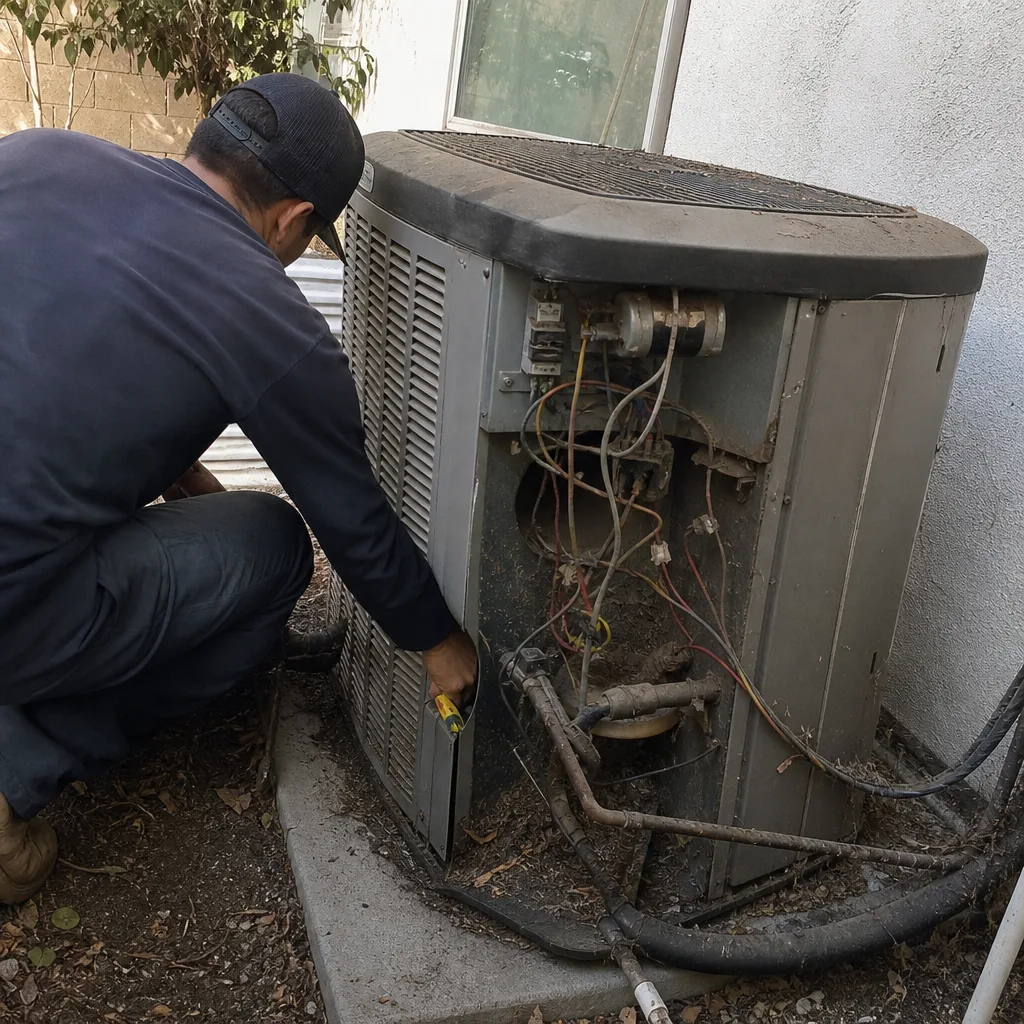 Before
 After
After Before
 After
After Before
 After
AfterReplacement Cost & What’s Included
For a typical CGI repair in Los Angeles, expect to pay $470 to $2,125 installed, with the low end covering a small flashing replacement or a handful of fasteners and the top end covering multiple panel replacements plus new underlayment in the damaged area. If the failure extends into the roof decking, that pushes the job into the roof replacement category, which in Los Angeles runs $9,440 to $23,600 for a full tear-off and new CGI-compatible metal system.
What drives the range for a parts replacement: whether the panel series is still in production, how many panels have to come off to reach the failed clip or flashing, and whether we’re matching a visible finish that needs factory-ordered material versus a stock coil we can form on site. You get a written, line-item price before any work starts. That’s a Mason Remodeling standard, not a favor. Our guarantee on the repair runs 365 days from completion, stated plainly in writing, and if something fails within that window, we return at no charge to make it right.
DIY or Call Us?
What you can safely check from the ground or a ladder placed on firm footing: the condition of exposed fasteners, obvious flashing separation, and debris buildup in valleys and behind chimneys. Take photos with a phone. Mark spots with blue tape if you can reach them safely.
Metal roofing repair goes wrong fast when someone not familiar with the profile bends a seam improperly, overdrives a fastener through the grommet, or walks a panel with the wrong weight distribution. We’ve repaired more DIY metal fixes than we’ve sold metal panels. A standing seam panel dented by one wrong footstep becomes a replacement job instead of a repair. If you’ve got any doubt about what failed, call us at (803) 680-2547 and describe what you’re seeing. We’ll tell you honestly whether it’s a quick fix or something a pro should handle, and the estimate is free either way.
FAQs
A properly installed CGI metal roof should last 40 to 60 years in Los Angeles, but the sacrificial components like fasteners, sealant, foam closures, and plastic grommets typically need attention every 12 to 18 years due to UV exposure and thermal cycling. The steel or aluminum panels themselves rarely fail first. When we do a repair on a 15-year-old CGI roof in Los Angeles, we’re usually replacing the accessories that outlived their designed lifespan, not the metal.
If you’ve got a CGI roof over 12 years old and haven’t had the fasteners and closures checked, call (803) 680-2547 for an inspection quote. It’s cheaper than finding the leak the hard way in February.
Fasteners, closures, sealant, and small flashings can generally be repaired or replaced in place. A panel with a compromised seam or a corroded attachment point usually has to come out, because the failure is in the structural connection rather than the surface. We look at this honestly on every job: if a part can be safely repaired, we’ll tell you, and the repair stays within the $470 range. If the panel’s compromised, you’re paying for the part either way, and a proper replacement is the only fix that won’t re-leak. Call (803) 680-2547 and describe what’s failing, and we’ll give you a straight answer on which bucket your roof falls into.
Most single-part replacements on a CGI roof take half a day to a full day, including setup, removal, installation, and cleanup. If we’re pulling multiple panels to replace clips or chasing a leak through the decking, the job can stretch to two or three days, and we’ll put that timeframe in writing before we start. We’ve been doing this in Los Angeles long enough to know that the kid’s nap schedule and the afternoon freight-train traffic matter to you, so we set a realistic window and hit it.
Our Los Angeles trucks carry the standard clips, fasteners, sealants, and closures that cover the majority of CGI profiles, plus enough painted coil to form common flashings on site. If your roof needs a factory-ordered panel in a specific finish, the lead time is generally one to three weeks depending on CGI’s production schedule, and we’ll give you that number up front. When you call (803) 680-2547, we can often tell you during the first conversation whether it’s a same-week repair or a parts-order job.
Written by Isaac Pruett, Owner, Mason Remodeling at Mason Remodeling, serving Los Angeles and nearby areas.