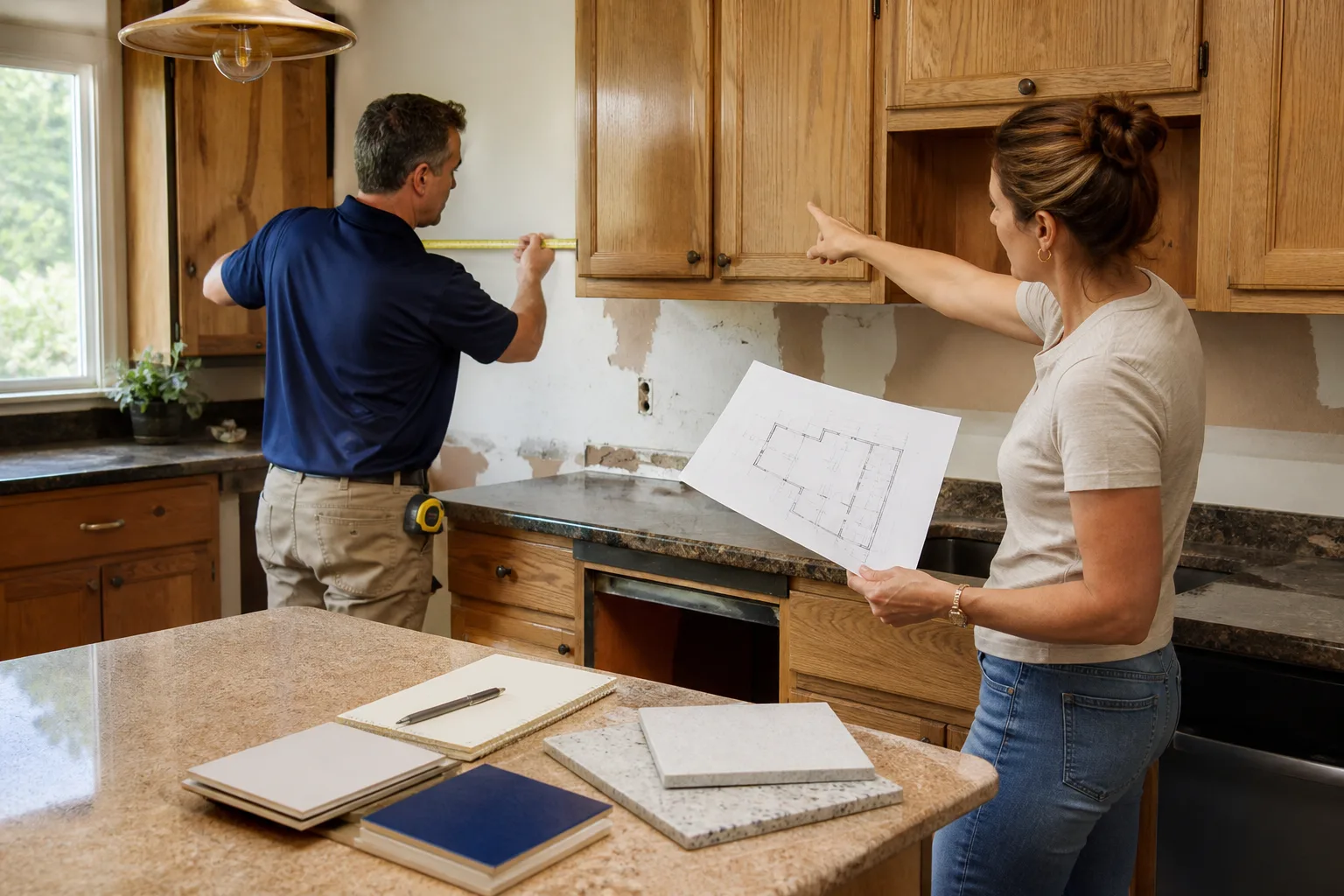
Free written scope consultation - allowances, timeline, and change-order rules on paper before a single trade is scheduled
Tamko Home Additions & ADU: The Los Angeles Owner’s Guide
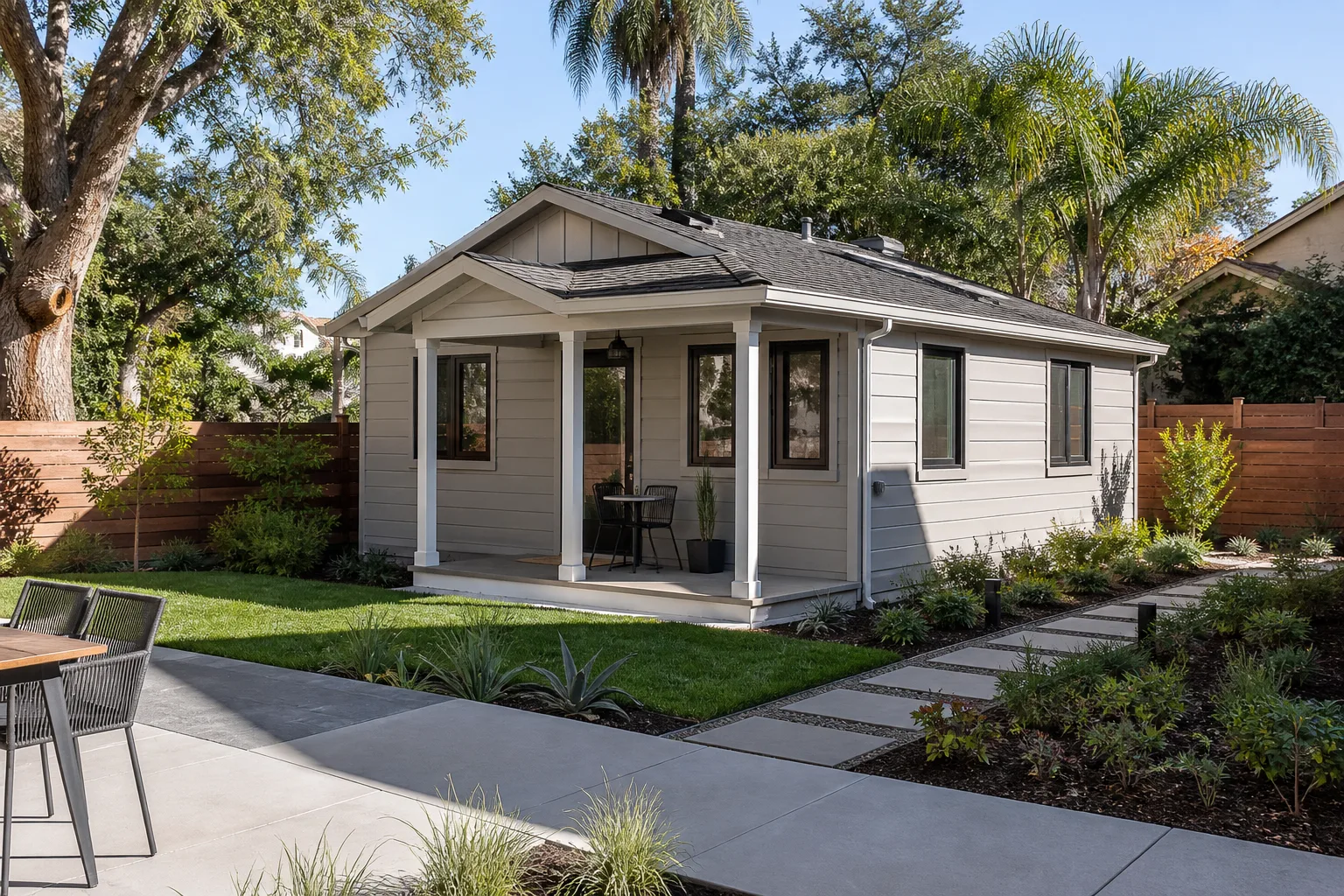
We install Tamko-compatible home additions and ADUs across Los Angeles, with full projects typically running $53,100 to $153,400 depending on square footage, site prep, and finishes. Most Tamko-branded product failures on existing ADUs involve roof flashing, sheathing, or underlayment that gave out years before the framing did, and we can usually diagnose it in one visit. You’ll know something’s wrong when you see water staining at the ceiling line, swollen drywall near the roofline, or daylight coming through gaps where the addition ties into the original roofline.
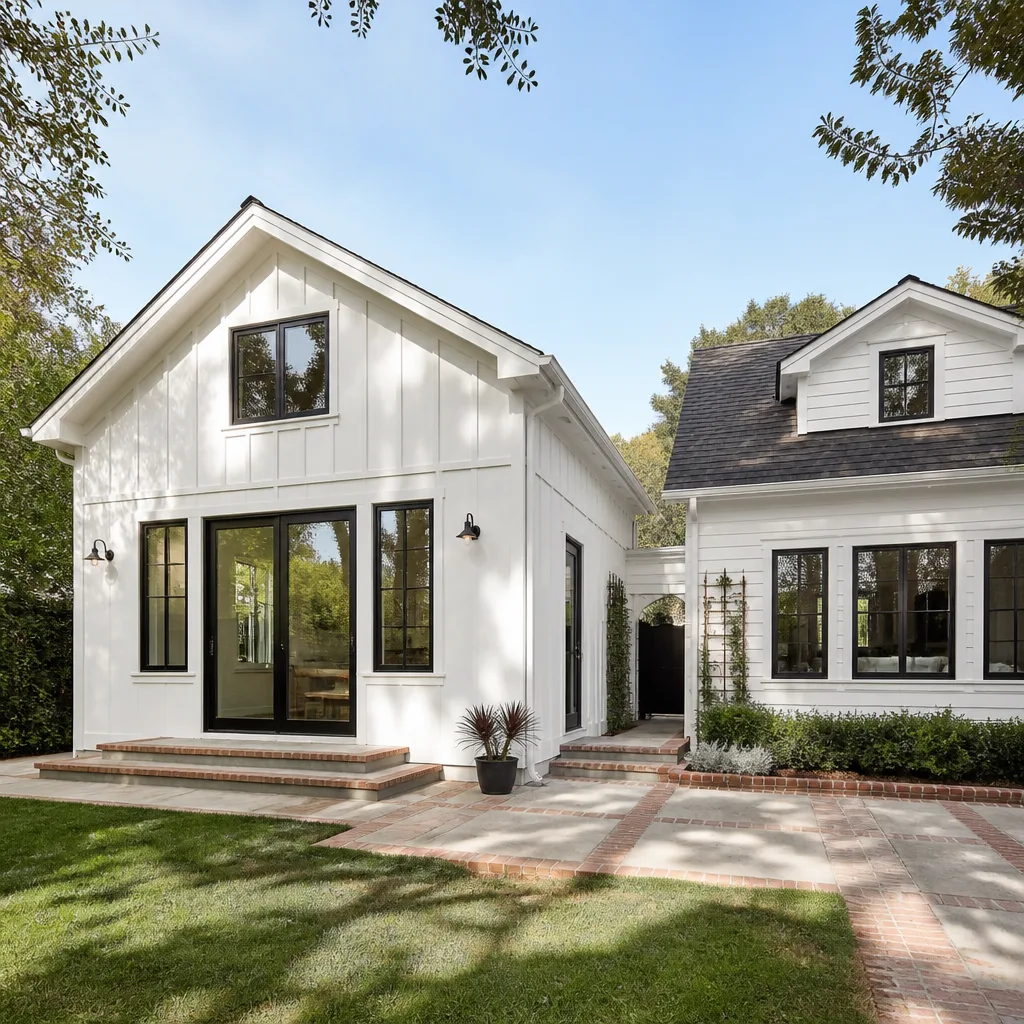
Mason Remodeling is an independent contractor, not affiliated with Tamko. That said, we work with Tamko roofing and waterproofing products regularly enough to know where they hold up in Southern California sun and where they eventually fail. Isaac Pruett, our owner, spent years watching San Fernando Valley additions develop the same failure pattern: the waterproofing detail at the transition point between old roof and new roof, not the materials themselves.
If you own an addition or ADU built with Tamko materials and something’s failing, here’s what you need to know before you call anyone.
Which Tamko Models This Applies To
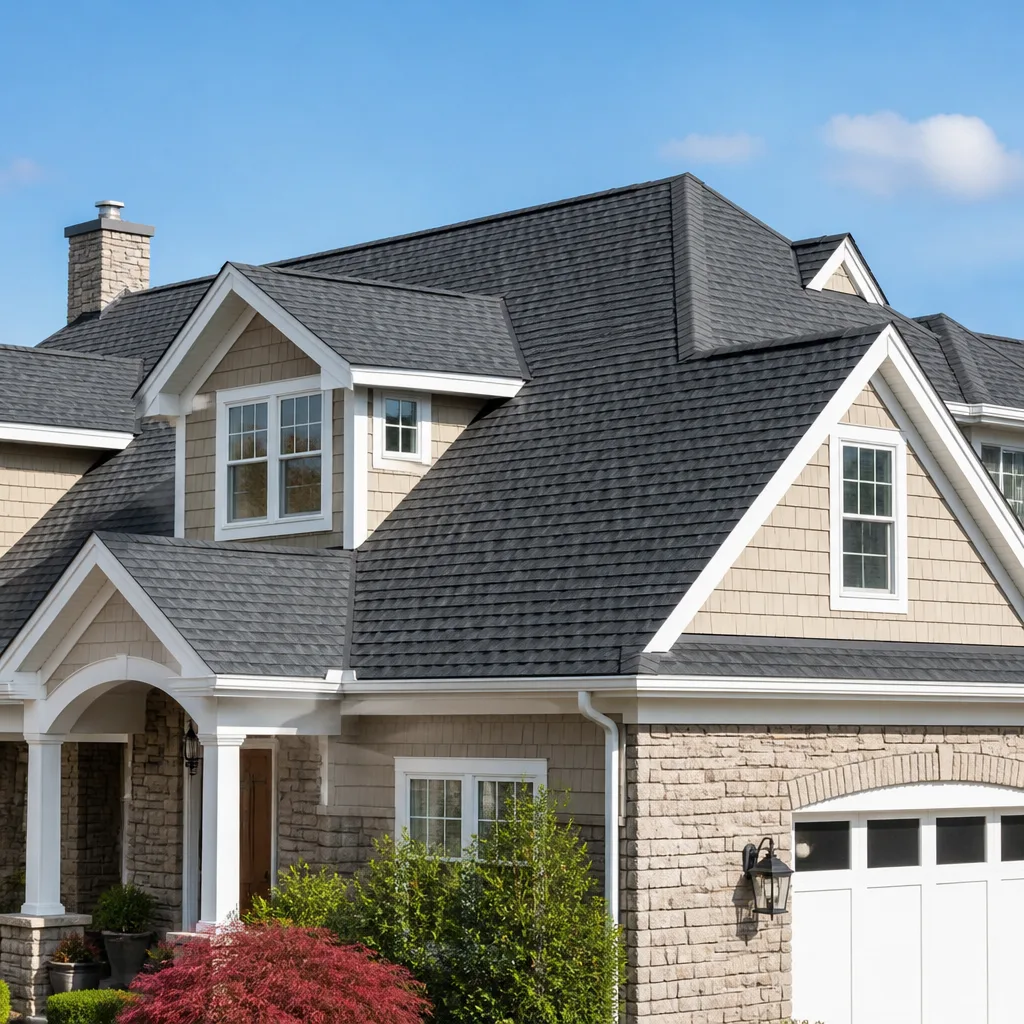
Tamko makes a broad line of roofing and waterproofing products, but for home additions and ADUs in Los Angeles, we’re almost always dealing with three specific product families. The Tamko Heritage shingle line (Heritage 30, Heritage 50) shows up on pitched additions and ADU roofs. The Tamko TW-60 self-adhered underlayment is what we find under standing-seam metal roofs on modern ADUs. And Tamko Moisture Guard flashing tape is the stuff that seals the transition where the addition ties into the original structure.
Here’s the compatibility gotcha most Los Angeles homeowners learn too late: Tamko’s self-adhered products have a shelf-life and a temperature-window install requirement. TW-60 must be installed when the surface temperature is between 40°F and 100°F, and rolls older than two years often won’t bond properly, even if they look fine. We’ve pulled up underlayment on Valley ADUs where the material was stored in a hot garage for a year before install. It peeled off in sheets. If your addition or ADU was built between, say, 2015 and 2020 and you’re seeing membrane lifting at the drip edge, storage conditions during install were often the culprit, not the product itself.
OEM vs aftermarket: for Tamko-specific shingle matching, use OEM Tamko shingles if the roof is less than five years old. The granule blend and color profile drift between manufacturing runs, and a mismatched bundle shows up as a patch, not a repair. For underlayment and flashing tape, quality aftermarket equivalents (Polyglass, GAF StormGuard, CertainTeed DiamondDeck) are fine and often hold up better in Los Angeles heat. We also stock KraftMaid, Cambria, and Silestone parts for interior finish work on additions.
Styles & brands we work with
Signs Your Tamko Home Additions & ADU Is Failing
- Water staining at the ceiling line where the addition meets the original house. This junction is the number one failure point on Los Angeles additions. The flashing detail gets flashed incorrectly, or the sealant dries out in the sun, and water tracks along the seam for months before you see it.
- Swollen drywall or peeling paint under roof penetrations. Vent pipes, skylights, and HVAC boots punch through the roof. If the Tamko flashing tape around those penetrations was applied over dust or in cold temperatures, the adhesive bond releases and water follows the pipe straight down.
- Granules from Tamko shingles collecting in gutters. In Los Angeles’s UV-heavy climate, asphalt shingles shed granules faster than they do in milder climates. If you’re seeing granule buildup in your gutters every fall and the shingles look bald at the edges, the roof coating on your addition is reaching end-of-life, even if the interior hasn’t leaked yet.
- Underlayment peeling back at the drip edge or rakes. Walk around the addition and look at the roofline. If you see black membrane material curling back from the fascia, the original underlayment install was compromised. This happens a lot with ADUs built during the 2016-2019 permitting boom, when crews were rushing.
- Sticky or melting sealant at flashing points in summer. Los Angeles summers put roof deck temperatures well over 140°F in direct sun. Cheap sealants turn gooey and migrate. If the flashing sealant looks like it’s sagging or dripping, it’s no longer keeping water out.
See the difference
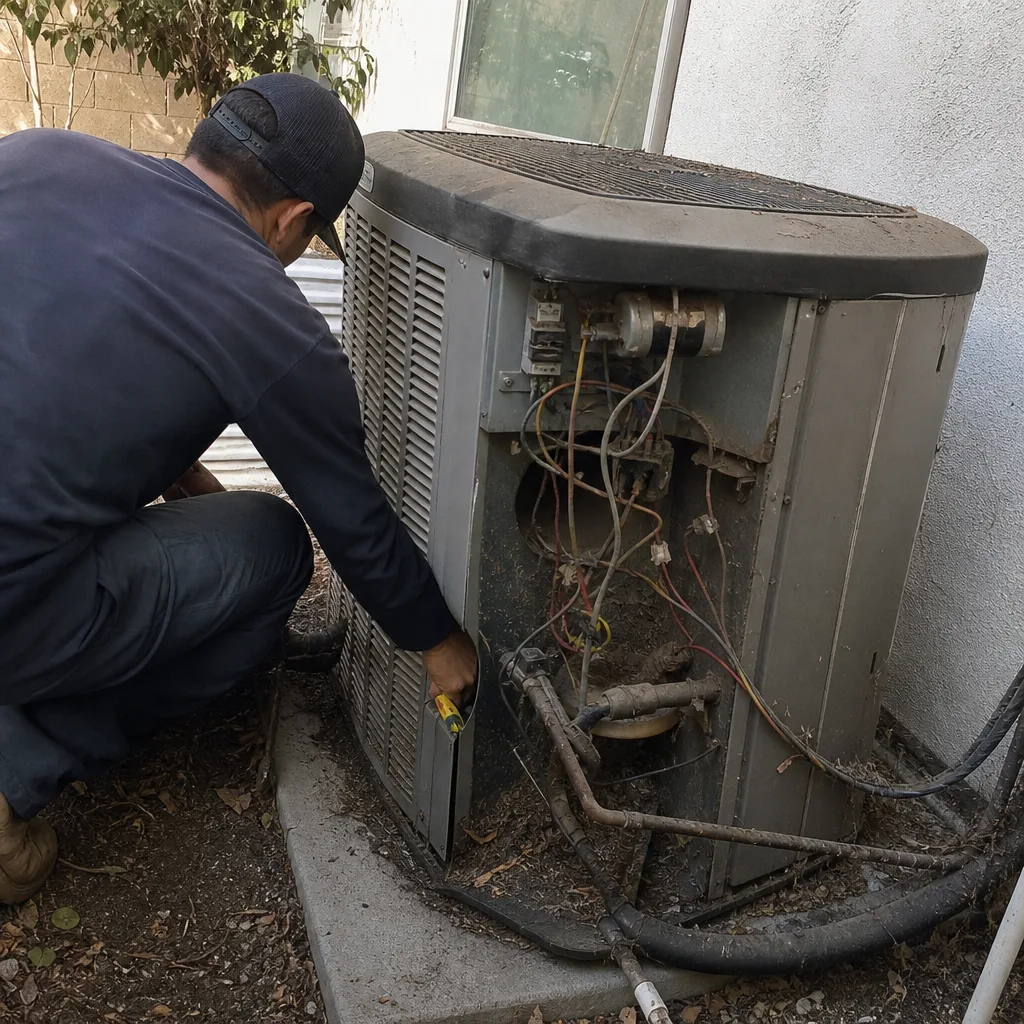 Before
 After
After Before
 After
After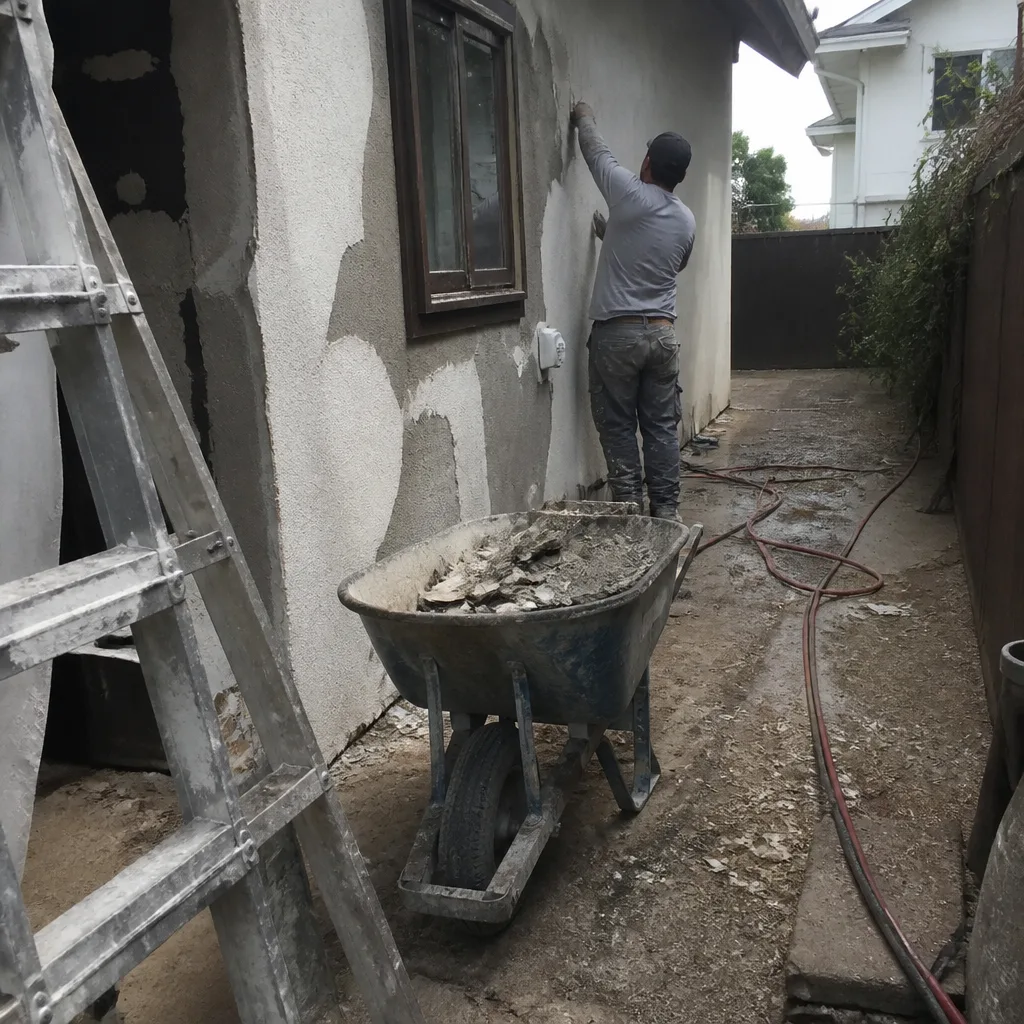 Before
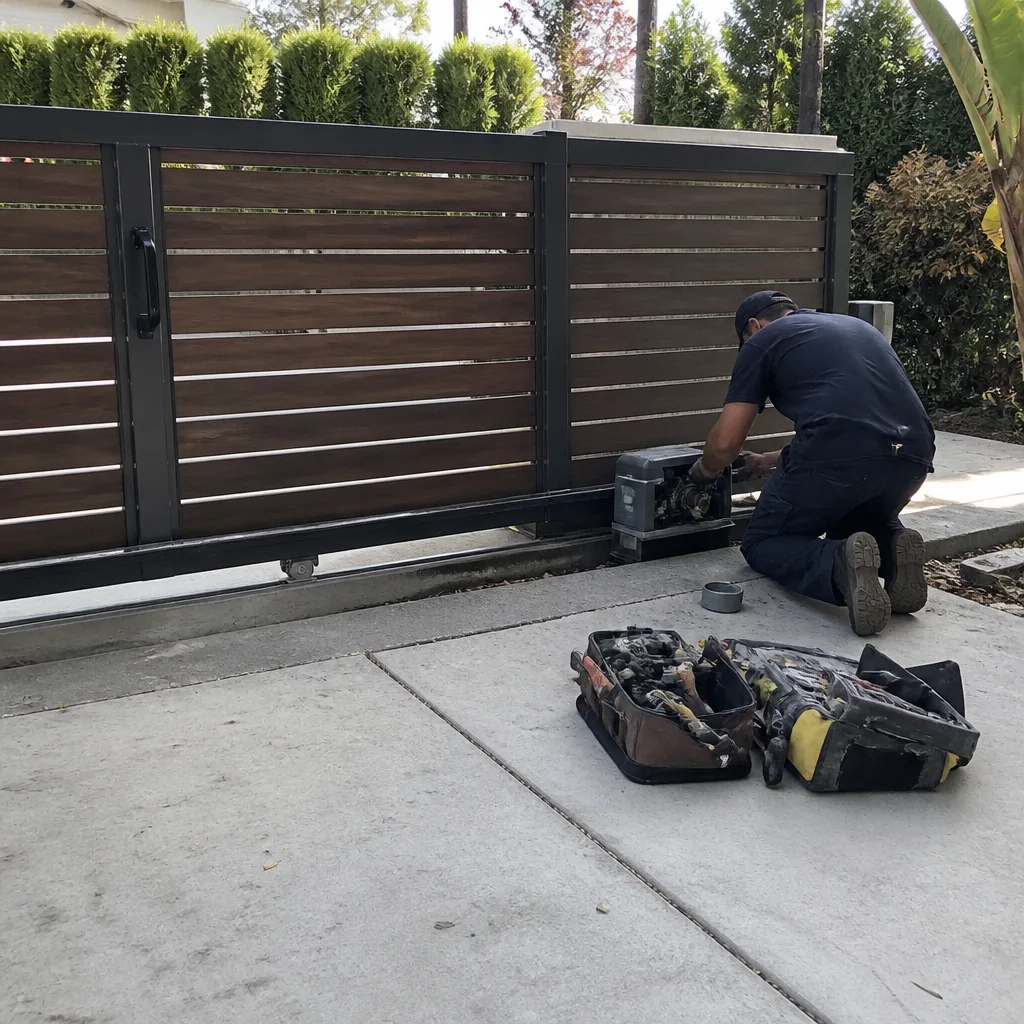 After
AfterReplacement Cost & What’s Included
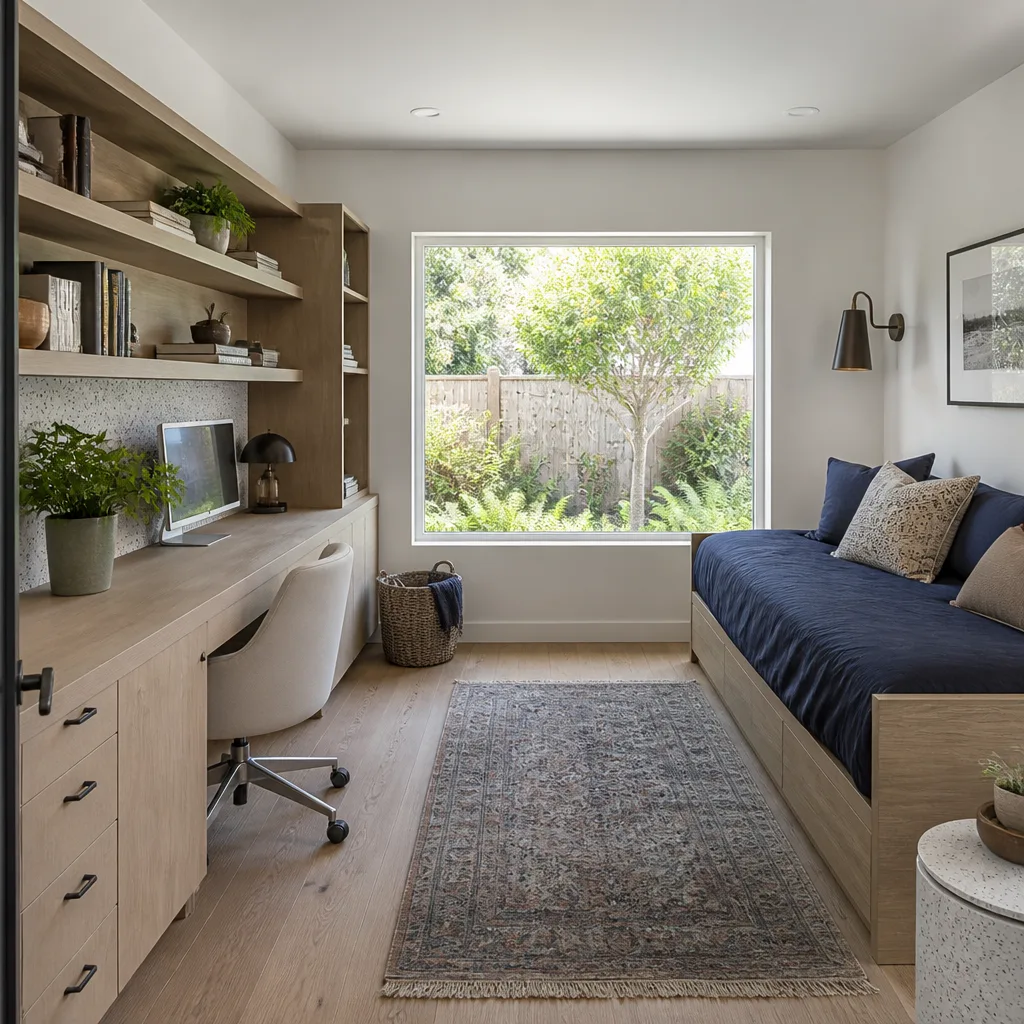
For a Tamko-related home addition or ADU repair in Los Angeles, you’re usually looking at one of two scenarios. A targeted repair, replacing failed underlayment, flashing details, or a section of shingles, typically runs $4,720 to $15,340 depending on access and scope. A full addition or ADU build, where everything from foundation to roof uses new materials and Tamko-compatible waterproofing, runs $53,100 to $153,400 for the addition and up to $259,600 for a full ADU construction.
What drives the range on repair work: roof pitch (steep roofs cost more to work on), whether we need to remove and reinstall solar panels, how much rotted sheathing we uncover once the old materials come off, and whether the job is on flat or low-slope sections that need torch-down or self-adhered membrane.
Every quote we write in Los Angeles includes parts, labor, debris hauling, and a written guarantee covering workmanship for 365 days from the completion date. You get a written price before any work starts, and that number doesn’t change unless we agree, in writing, to additional scope. We tell you if the underlying issue is the Tamko material or the original install; we don’t replace things that don’t need replacing.
DIY or Call Us?
You can safely inspect from the ground: look for missing shingles, check gutters for granules, and take photos of the transition point where the addition roof meets the main roof. If you have an attic or crawl space, you can look for water staining on the underside of the roof deck after rain. Those checks tell you where the problem is, not what caused it.
What you should not do is get on the roof and start peeling back Tamko membrane or shingles. Roof work on an addition or ADU often means walking on slopes and working near the edge, and if you open the waterproofing layer and can’t get the repair done that day, you’ve made the problem worse before the next marine layer rolls through. This kind of work isn’t a YouTube job. If you’ve found evidence of water intrusion, call us at (803) 680-2547. We’ll identify the failure point, tell you what it costs, and fix it without turning a small leak into a tear-off.
FAQs
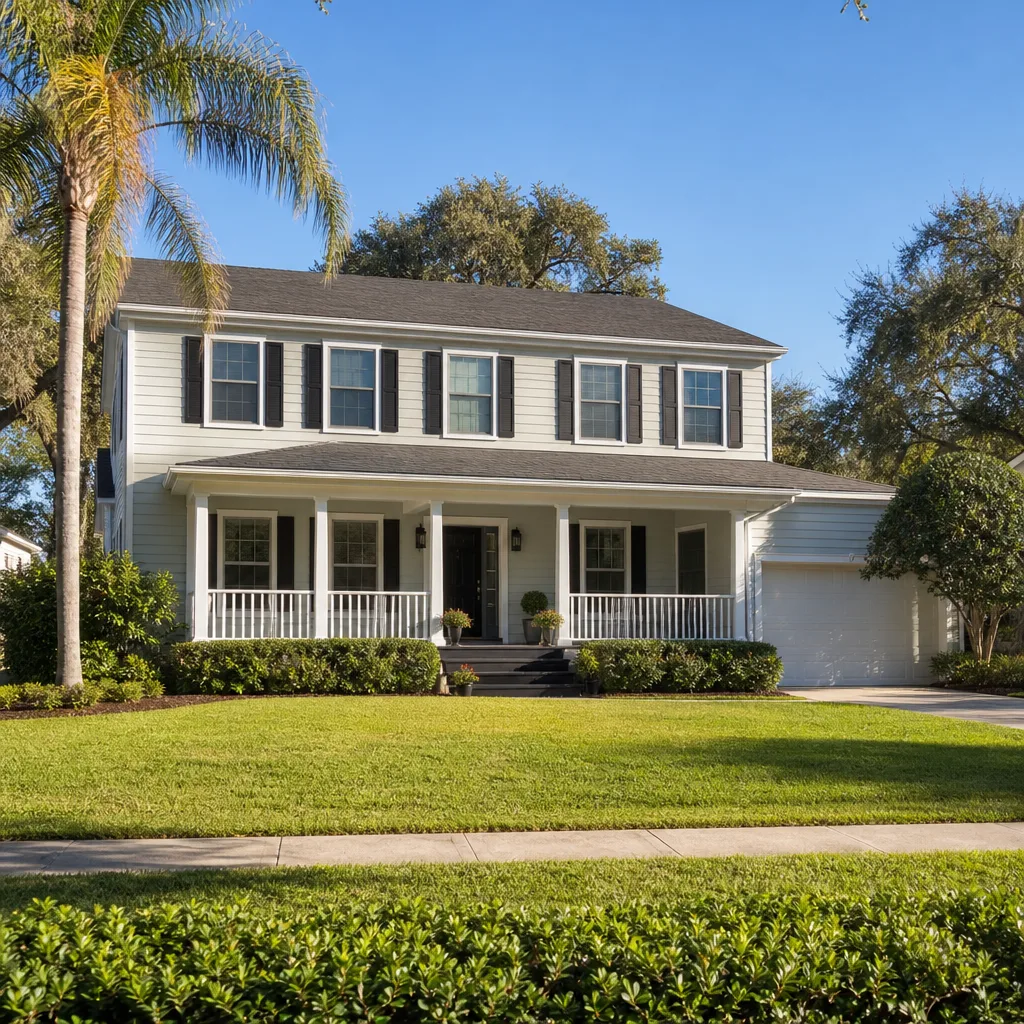
Expect 15 to 25 years from Tamko Heritage architectural shingles in the Los Angeles climate, depending on sun exposure and attic ventilation. Additions and ADUs with poor attic airflow lose shingle life on the high end of that range; well-ventilated roofs with proper underlayment can exceed 25 years.
Yes, in most cases. If the failure is isolated to flashing details, pipe penetrations, or underlayment at the eaves, a targeted repair of $710 to $2,950 for roof repair, or up to $15,340 for more extensive flashing and membrane work, fixes the issue. If the shingles themselves are shedding granules across the whole addition roof, a full replacement is the more honest fix. Call (803) 680-2547 and we’ll tell you which situation you have.
Most targeted repairs take one day. If we’re replacing underlayment and shingles on a small ADU roof, expect two days. Larger additions with multiple roof planes, solar panel removal, or extensive rotted-sheathing replacement can run three to five days. We give you a written schedule with the quote.
We stock common Tamko-compatible flashing tapes, underlayment rolls, and drip edge on our trucks, plus we have regular supply-house access in Los Angeles for Tamko shingles and specialty matching products. If you need an exact color match for a patched roof section, we order it and verify the dye-lot before install.
Written by Isaac Pruett, Owner, Mason Remodeling at Mason Remodeling, serving Los Angeles and nearby areas.