Free written scope consultation - allowances, timeline, and change-order rules on paper before a single trade is scheduled
Atlas Home Additions & ADU: The Los Angeles Owner’s Guide
If your Atlas home addition or ADU project has stalled because a component failed, a permit got rejected, or a previous contractor walked off mid-framing, we can step in. Mason Remodeling completes and repairs Atlas-style additions and ADUs across Los Angeles, with full-project pricing from $53,100 to $153,400 for additions and $106,200 to $259,600 for ADU construction. Most failed-component callbacks we handle start as a visible symptom: a cracked shear wall panel, a failed tie-down strap, a sagging beam, or a roof junction that started leaking where the new structure meets the old one.
Here’s the reality: “Atlas Home Additions & ADU” is not a single product line you can order a replacement part for. It’s a whole category of structural work, and the parts that fail are almost always structural connectors, fasteners, flashing, or code-required hardware installed during the original build. If your addition is showing problems, the fix isn’t swapping a part. It’s identifying which component failed, why it failed, and whether the rest of the assembly is compromised. That’s what we do.
Key Takeaways:
- Additions and ADUs in Los Angeles don’t fail as a “unit” – specific components fail: connectors, flashing, shear panels, or improperly installed structural hardware
- Typical repair or completion costs for a stalled or failing Atlas project run $53,100 to $153,400 depending on scope
- Los Angeles has some of the strictest seismic and setback codes in the country – most failures we see trace back to hardware that didn’t meet LADBS requirements
- We’re an independent contractor, not affiliated with any Atlas manufacturer – we diagnose and fix what’s actually there
- Written price before work starts, name-and-photo crew verification, 365-Day Done Right Promise
Which Atlas Models This Applies To
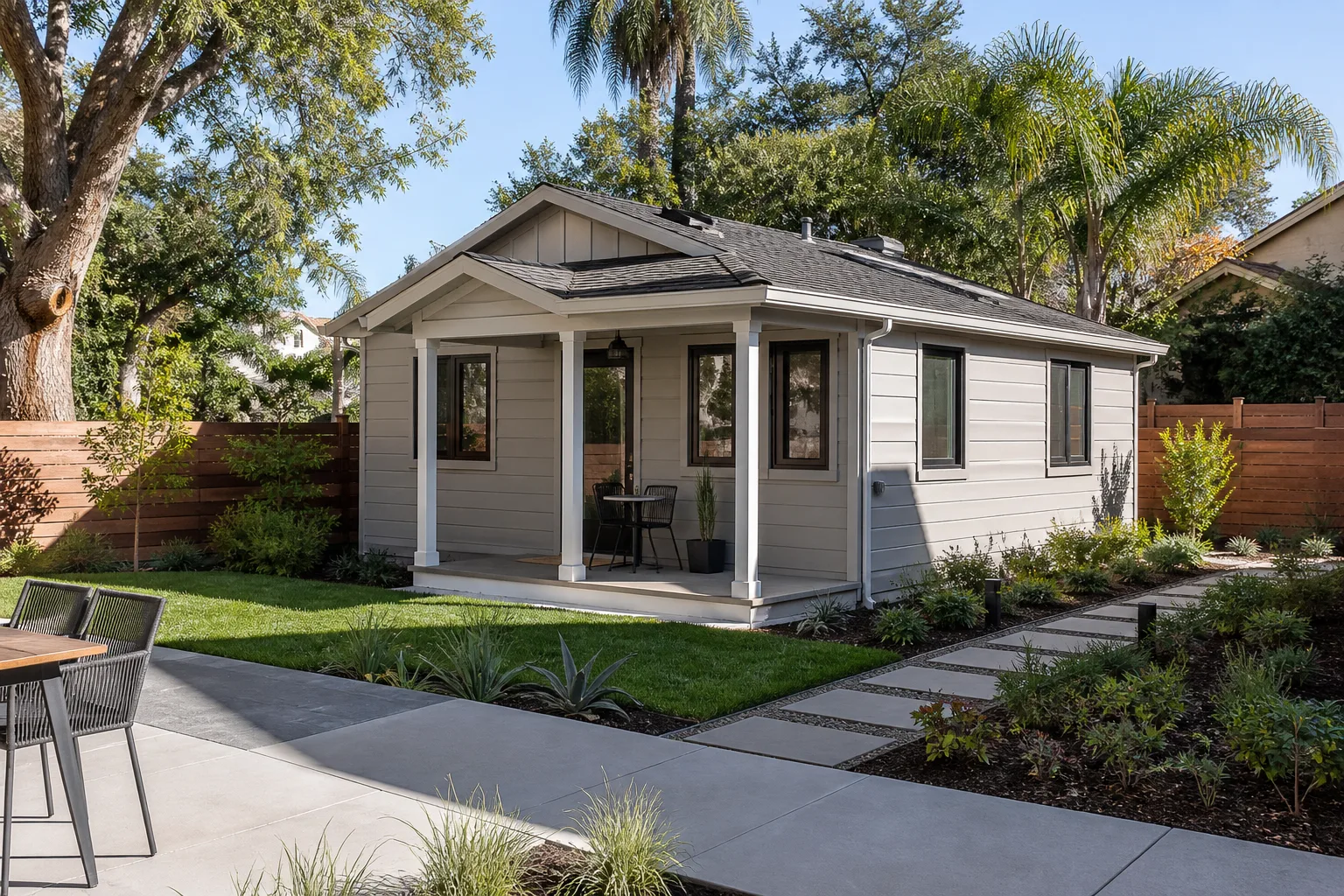
“Atlas” in the Los Angeles ADU and addition world usually refers to one of three things: a local builder who marketed under an Atlas brand, a prefab or panelized addition system sold as “Atlas,” or a generic term homeowners use for a detached accessory structure. We don’t chase the brand label. We chase what’s standing on your foundation.
The components we inspect, repair, or replace are what determine compatibility: Simpson Strong-Tie or USP structural connectors, HDU hold-downs, SSTB anchor bolts, plywood shear panels, and the specific nailing schedule that LADBS required when the permit was pulled. If your original builder used a 10d nail where the plan called for a 16d common nail, that’s a failed part hiding inside a wall. If they skipped the A35 clips at the roof-to-wall connection on a Los Angeles hillside addition, you’ll see cracks at the ceiling line within five years. The model doesn’t matter as much as the hardware schedule and whether it was followed.
One compatibility gotcha we see regularly: additions built before 2014 in Los Angeles often lack the full seismic retrofit hardware now required for any new ADU. If you’re adding to or modifying an older Atlas-built structure, the existing hardware may need upgrading before any new work passes inspection. Don’t assume the old part is fine because it hasn’t failed yet.
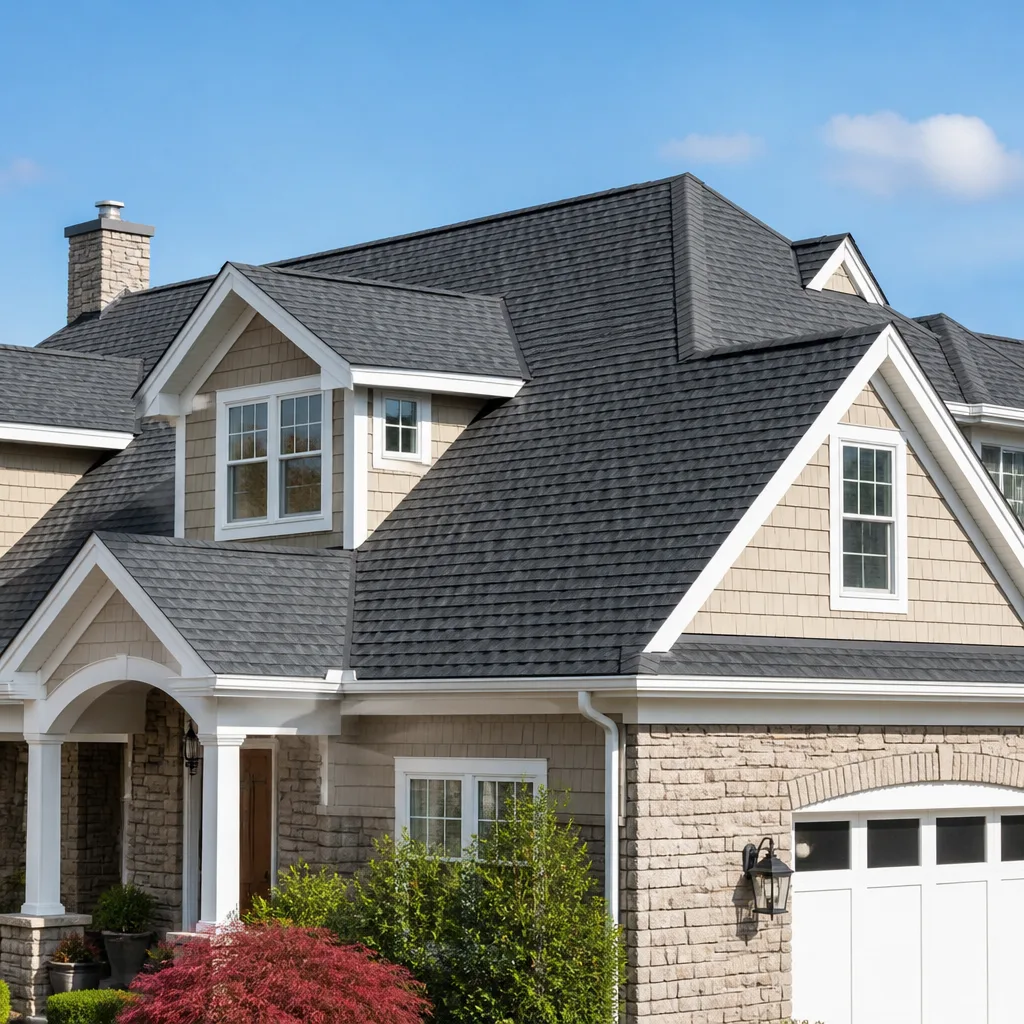
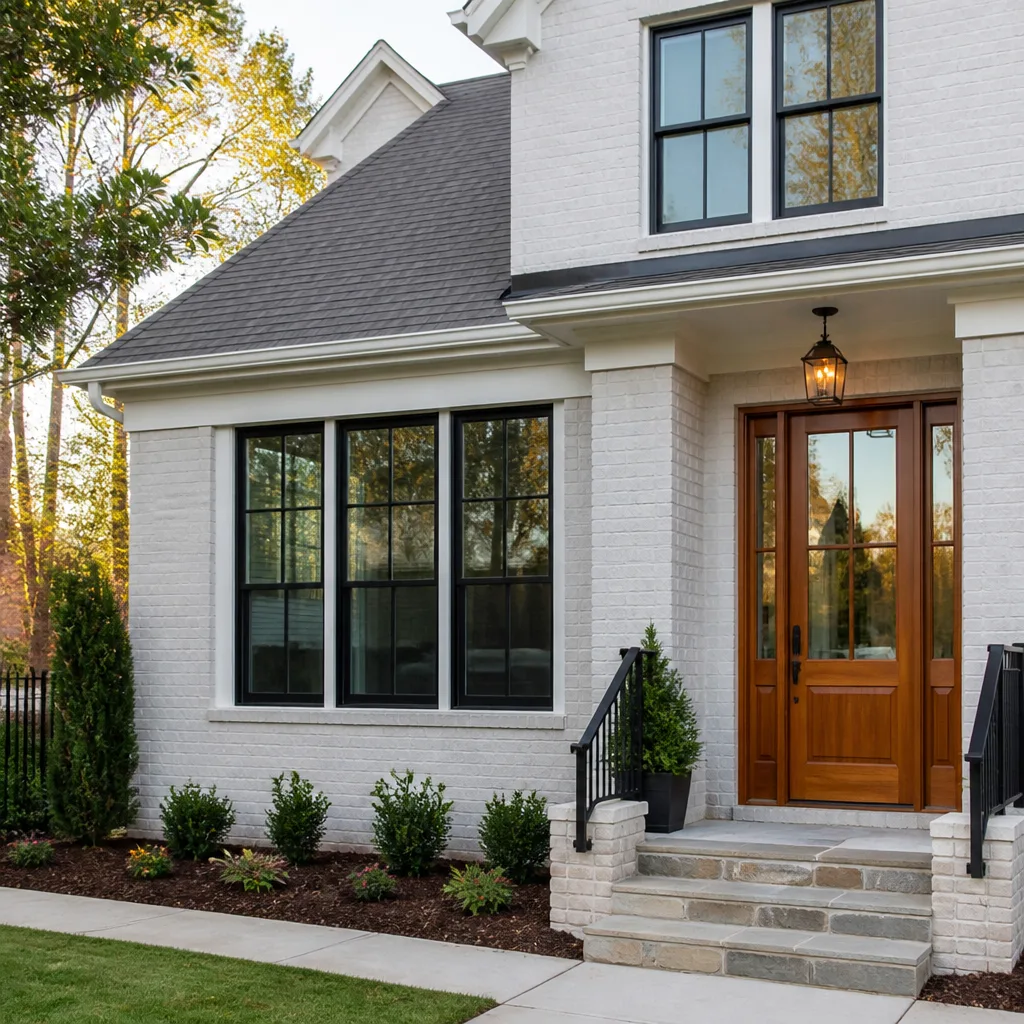
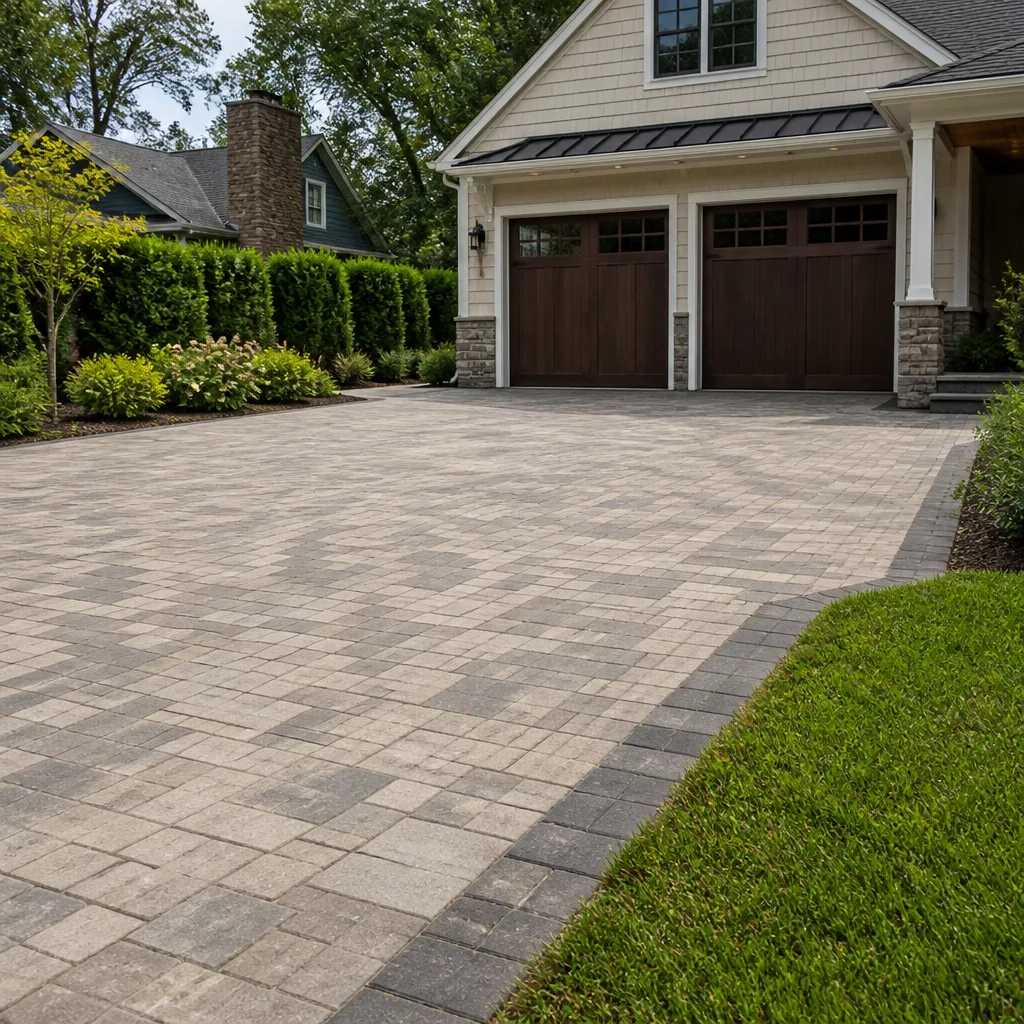
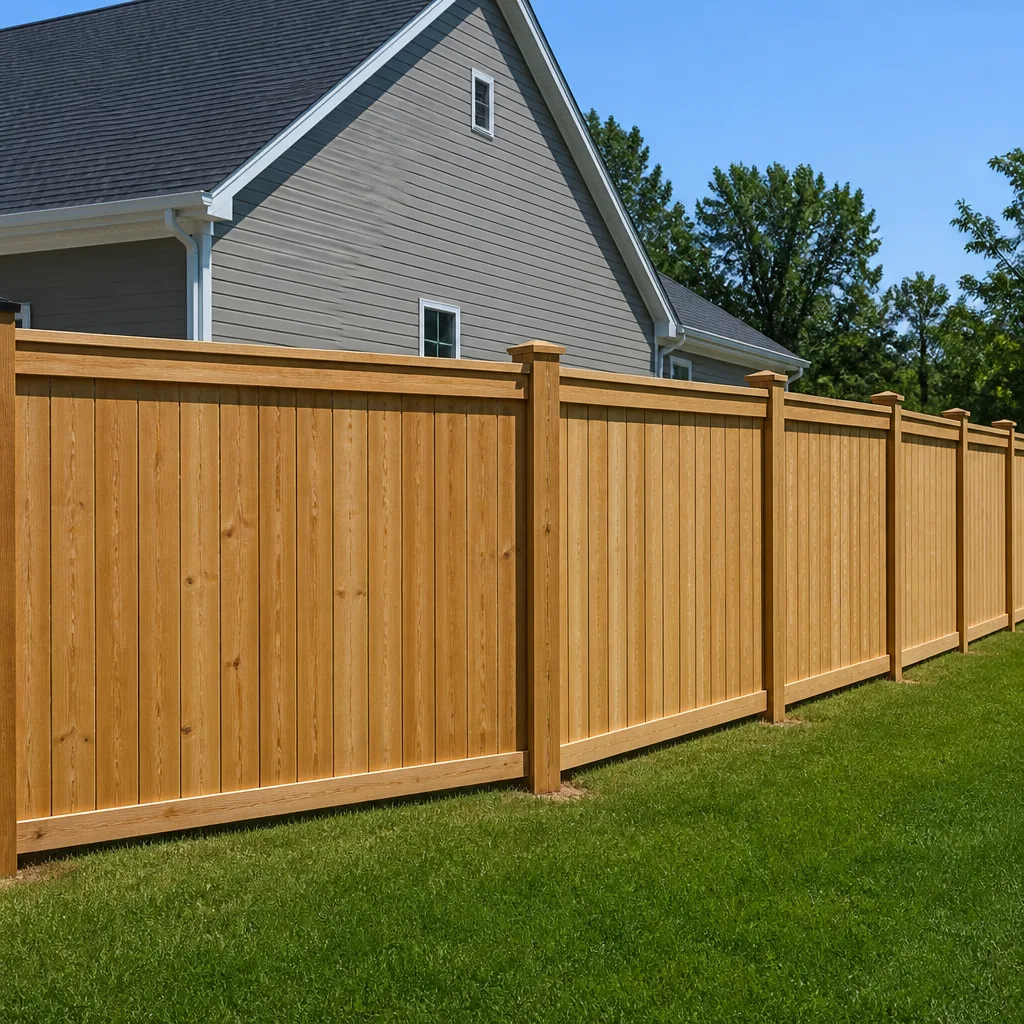
Styles & brands we work with
Signs Your Atlas Home Addition & ADU Is Failing
- Separation cracks at the junction where old house meets new addition. Differential settling happens when the addition’s foundation was poured on different soil or compacted fill. Look for a vertical crack that widens over time at the seam.
- Doors and windows in the addition that stick or won’t latch. This signals the framing has racked. In Los Angeles clay soil, seasonal expansion and contraction will expose a missing or undersized hold-down within two to three wet-dry cycles.
- Roof leaks at the addition-to-main-house transition. The valley or flashing detail where a new roof plane ties into the old one is the most common failure point we repair. It’s also the hardest to waterproof correctly if the original roofer cut corners.
- Stucco or siding cracks radiating from the corners of window and door openings. Shear wall panels weren’t installed to spec, or the opening headers lack the required strapping.
- Sagging floor joists or a bouncy feel in the addition. Undersized joists, missing blocking, or a pier-and-beam issue. In one Los Angeles ADU we repaired last year, the joists were spaced 24 inches on center when 16 were required – every step the homeowner took made the dishes rattle in the kitchen below.
See the difference
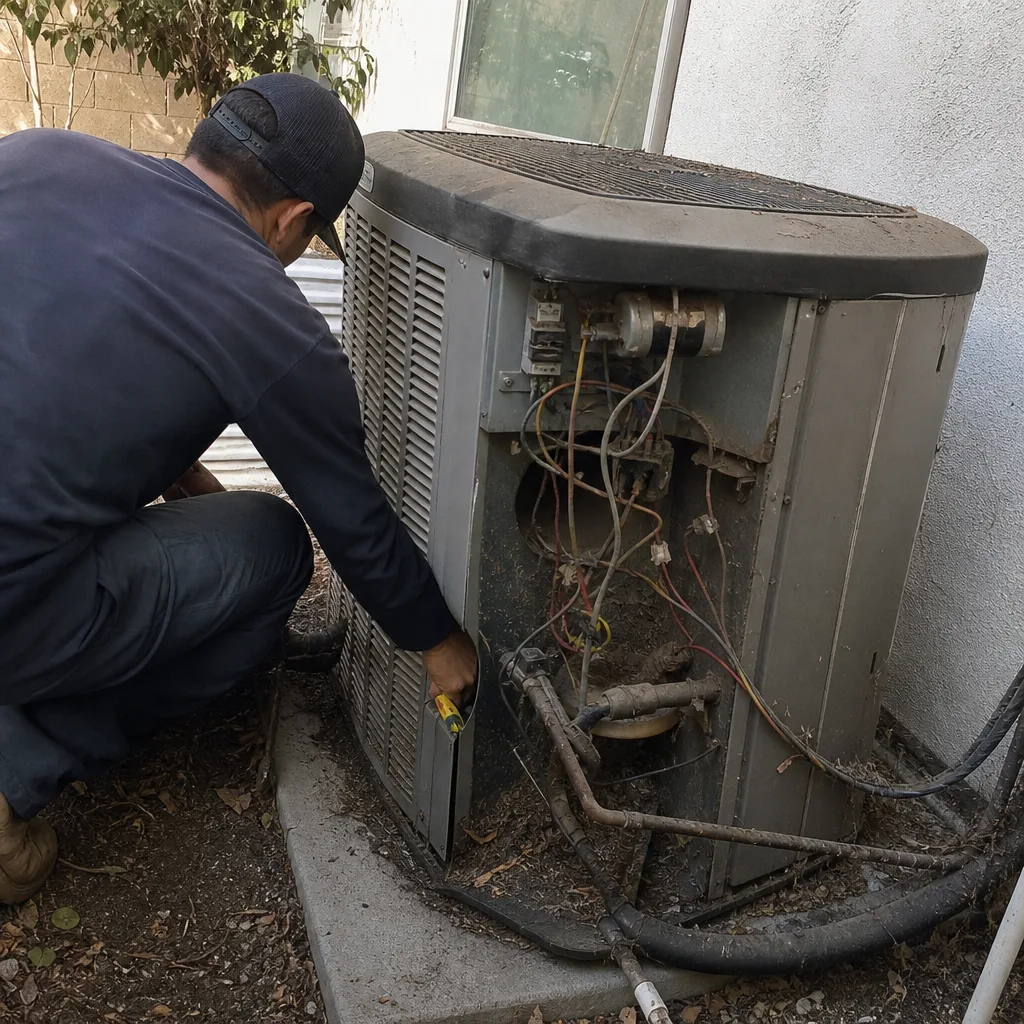 Before
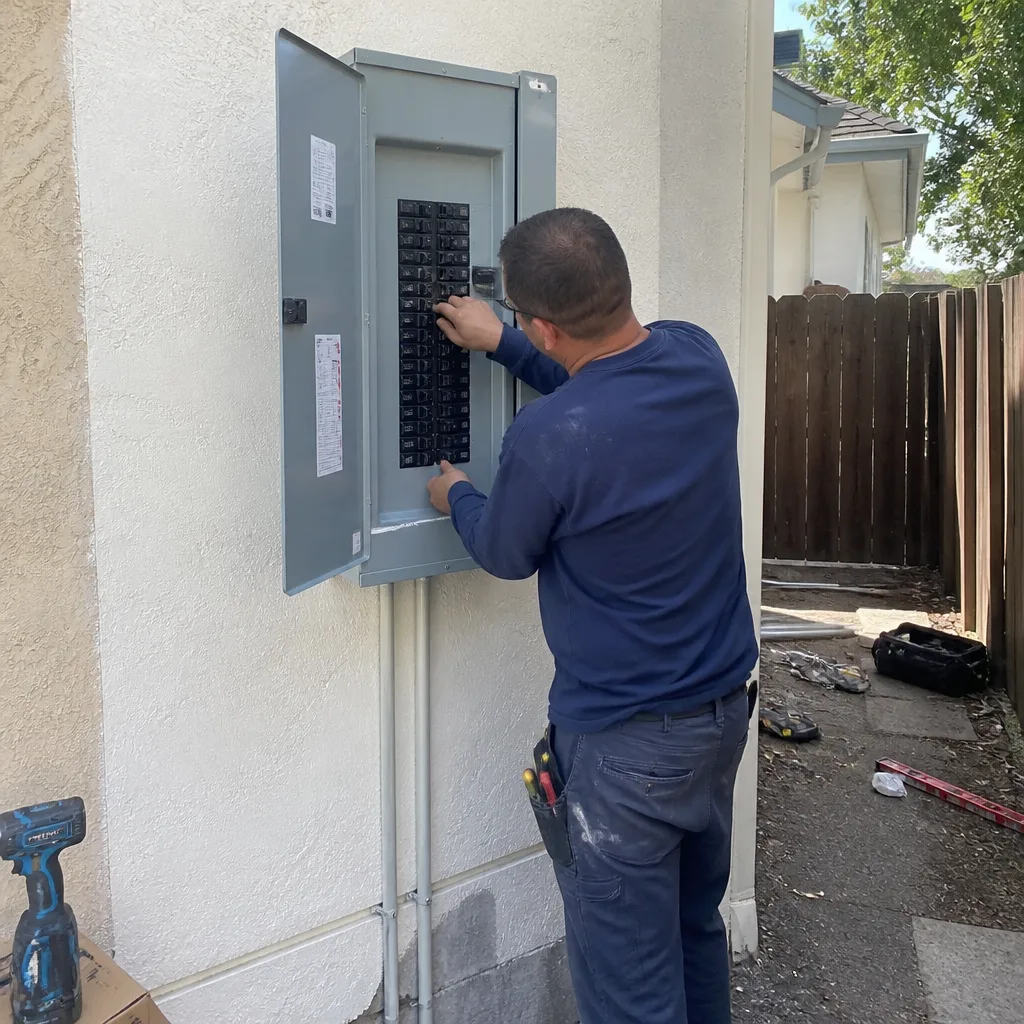 After
After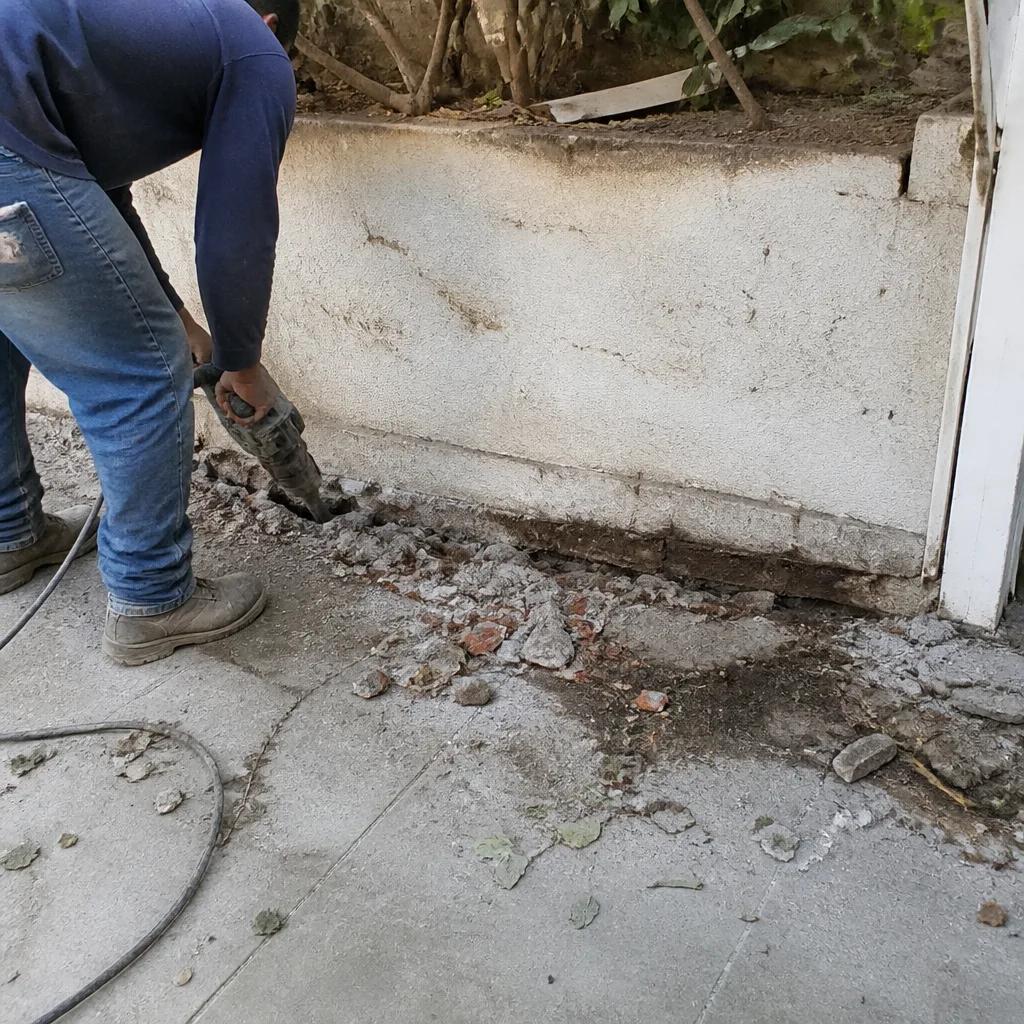 Before
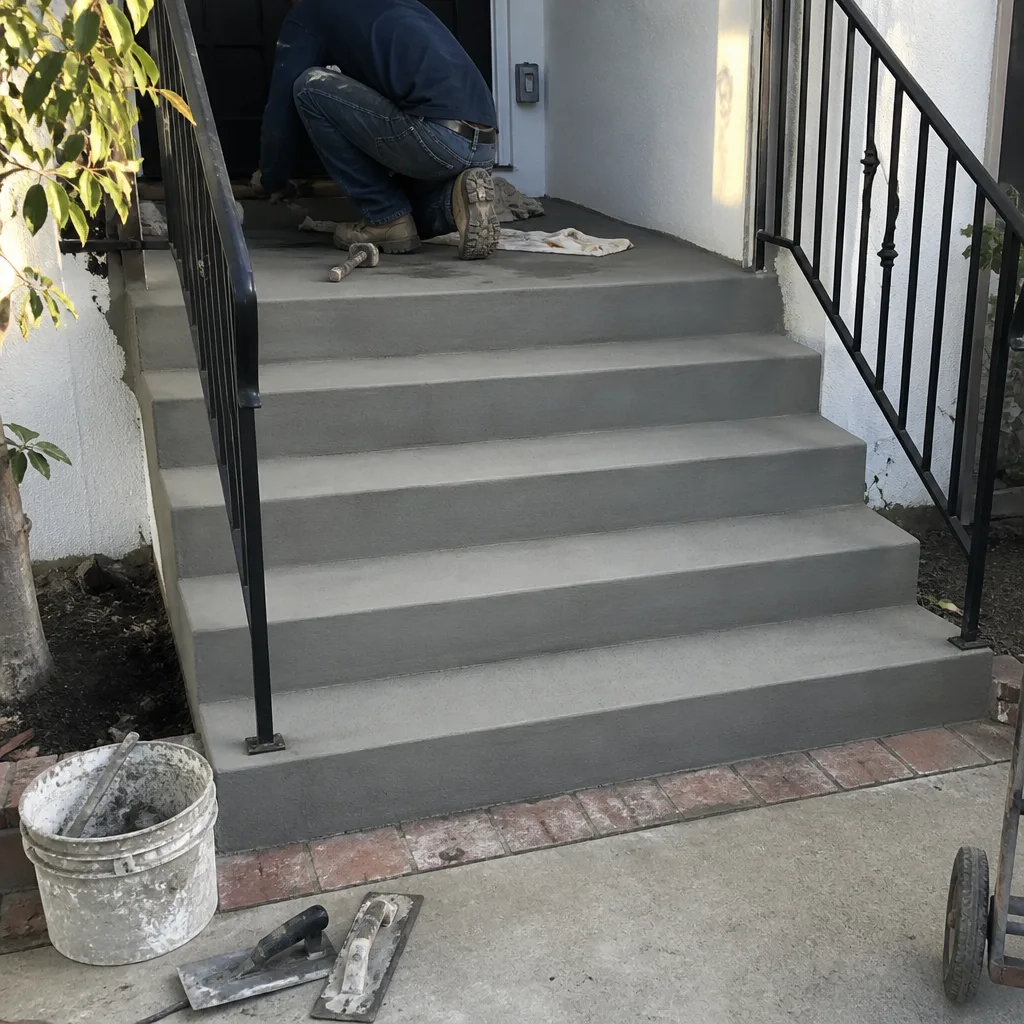 After
After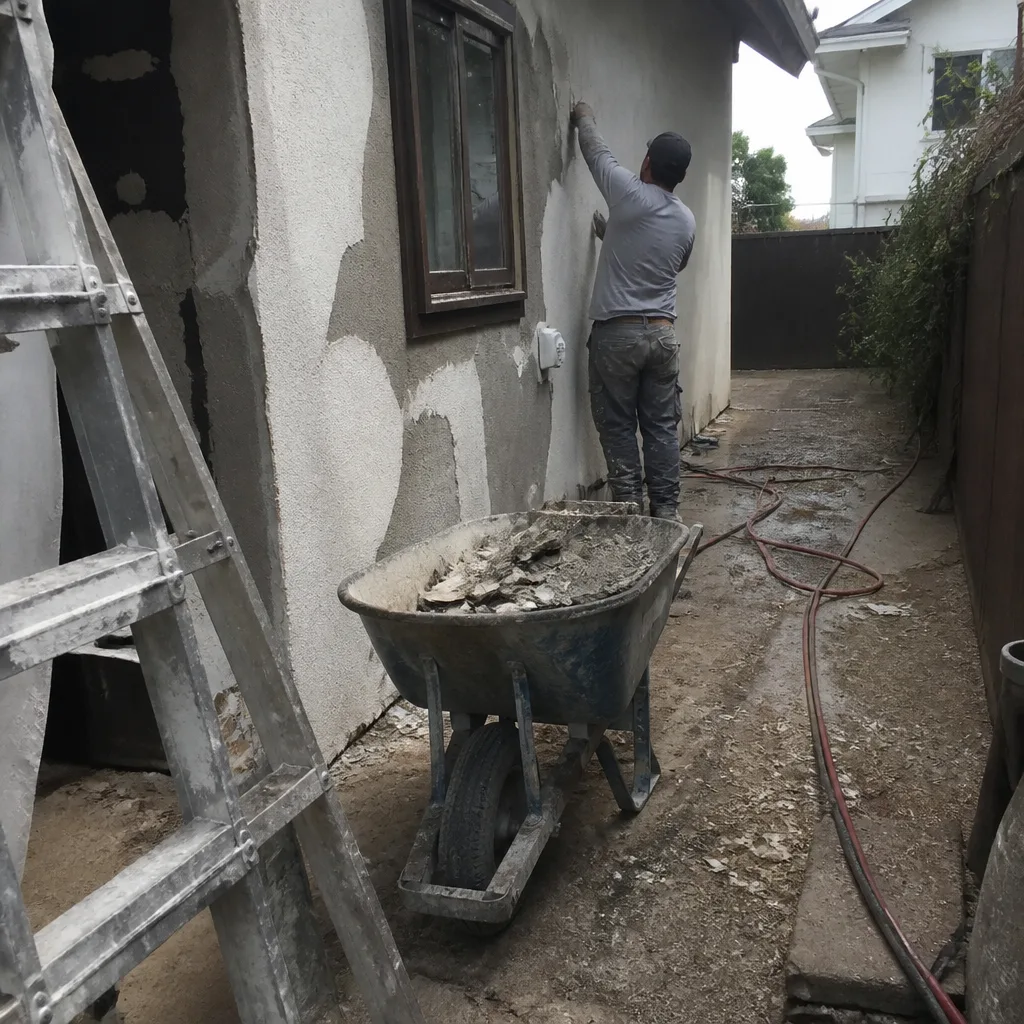 Before
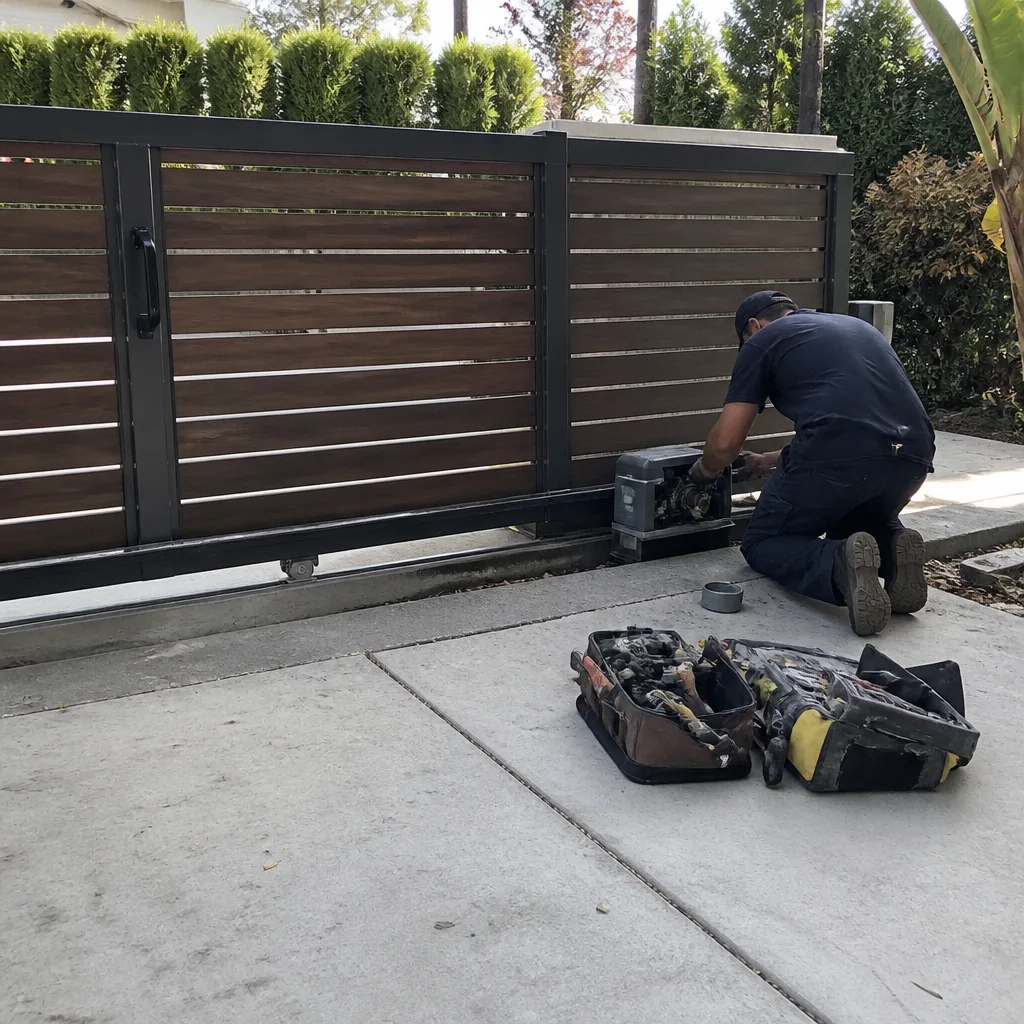 After
AfterReplacement Cost & What’s Included
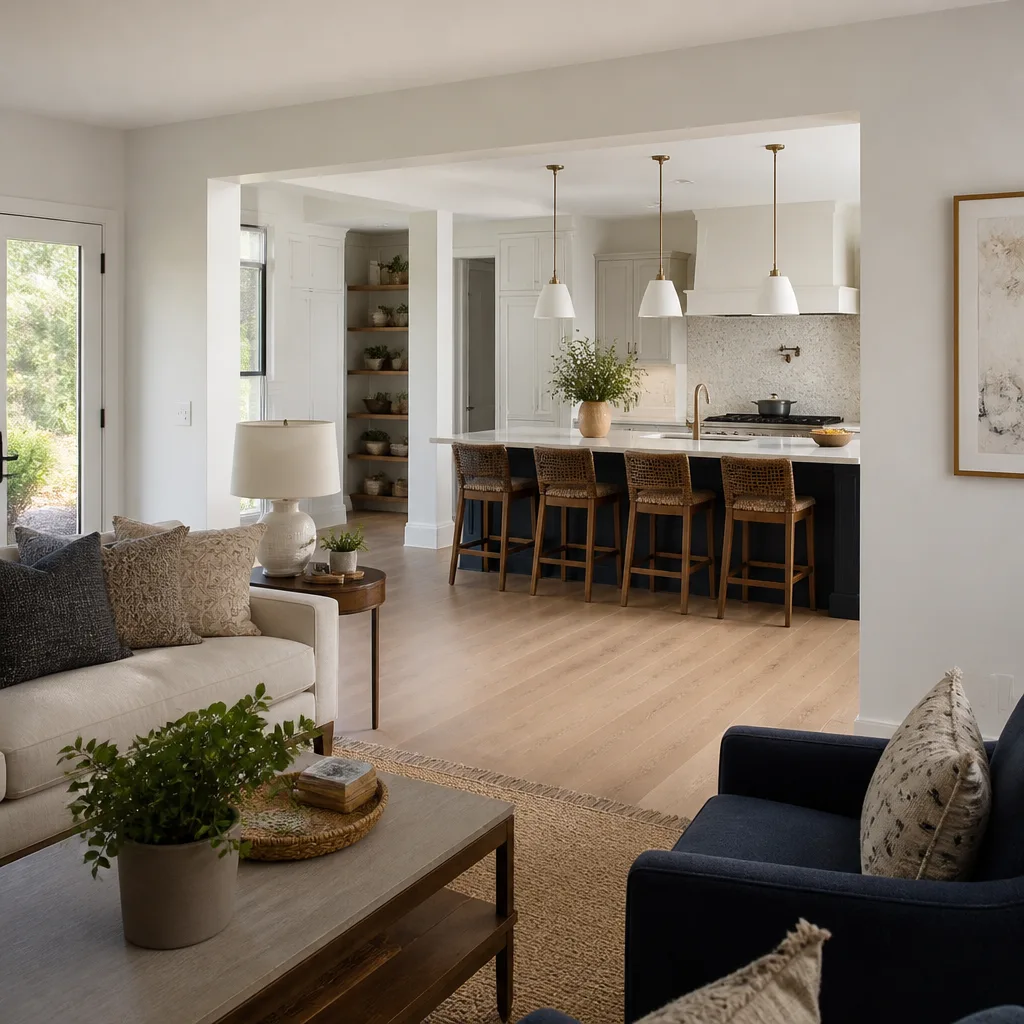
Full addition projects in Los Angeles run $53,100 to $153,400. ADU construction runs $106,200 to $259,600. But when we’re fixing a failing component rather than building from scratch, the scope drives the number. Here’s the breakdown of common repair scopes:
- Structural hardware replacement (hold-downs, connectors, straps): $4,720 to $15,340 depending on how much drywall and stucco must be opened and closed
- Flashing and roof-transition repair: $2,360 to $7,670
- Shear wall retrofit (opening walls, installing panels, re-sheathing): $8,260 to $21,240
- Foundation repair under an addition (pier or underpinning work): $5,900 to $16,520 and up depending on access and soil conditions
Every quote includes parts, labor, debris hauling, and the permit work if LADBS requires one. We give you a written price before any work starts. Not a ballpark. Not a verbal estimate that grows. A line-item price you can hold us to. If the scope changes because we find something inside the wall, we stop work and bring you a revised written quote before we touch it.
DIY or Call Us?
You can safely do the diagnostic legwork: mark cracks with tape and a date, watch whether they widen over a month, check for water stains after the next rain, and look for gaps between baseboards and flooring in the addition. That information saves you money when we show up.
What you should not do is open walls, remove stucco, or start pulling structural hardware on your own. Los Angeles is serious about seismic code, and a compromised shear wall or load-bearing connection is not a weekend project. We’ve rebuilt additions where a homeowner tried to “just replace a few bolts” and turned a $5,000 repair into a $30,000 structural remediation. The honest answer: if the problem is cosmetic, any competent handyman can handle it. If it’s structural, you need a licensed contractor with the liability insurance to stand behind the fix. Call us at (803) 680-2547 and describe what you’re seeing. We’ll tell you straight whether it needs a pro or whether you’re fine to handle it yourself.
FAQs
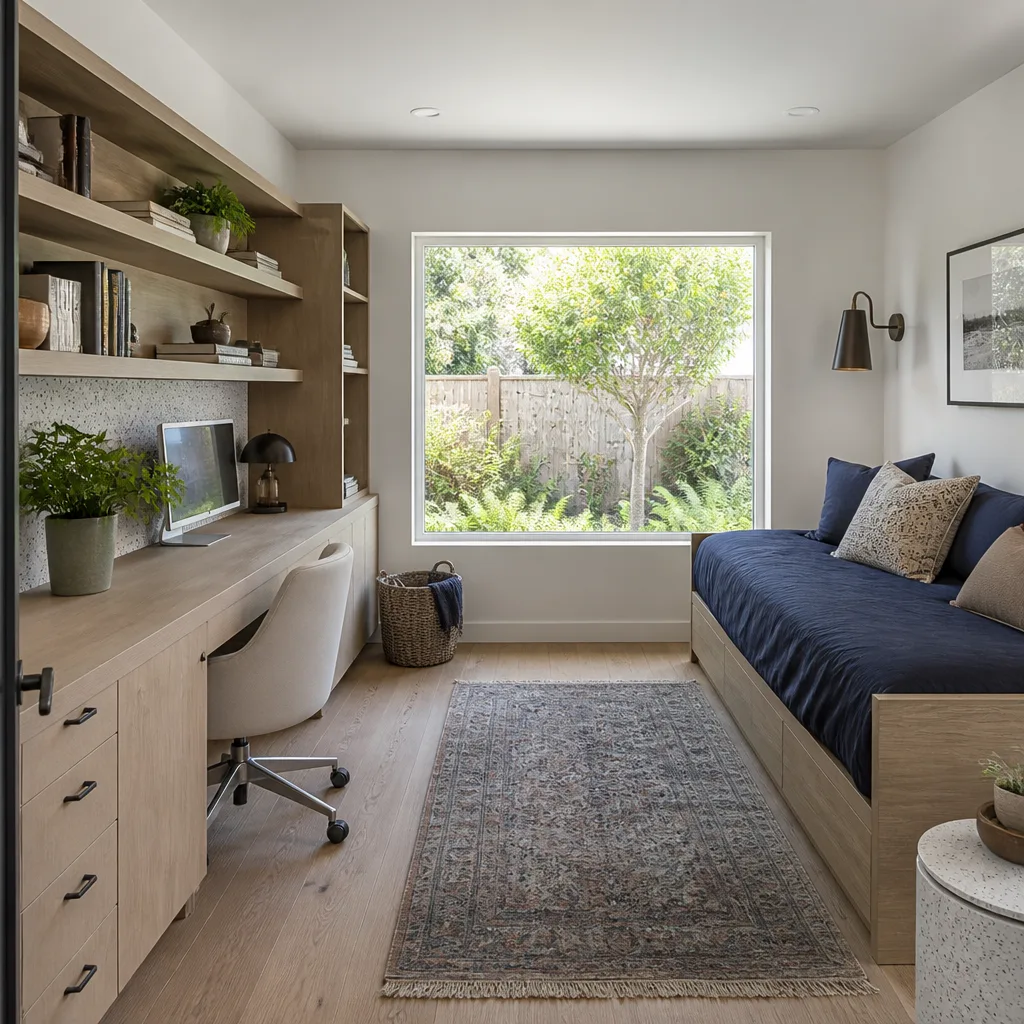
A properly built addition in Los Angeles should last 50 to 80 years structurally, though cosmetic elements like roofing, stucco, and paint will need replacement much sooner. The catch is that “properly built” is a high bar here. Seismic requirements, expansive clay soil, and salt air in coastal neighborhoods all stress the structure. Most failures we see are in additions built 10 to 20 years ago with hardware that was marginal when installed and has been quietly degrading since. Call (803) 680-2547 if you’d like us to inspect yours. Estimates are free.
Yes, in most cases the repair is far cheaper than a rebuild. The question is whether the failure is isolated or systemic. A single failed connector at a roof-to-wall junction is a one-day fix. Failed shear walls on multiple sides of the structure might mean the original foundation anchors are insufficient too. We’ll tell you the truth, even if it’s not what you want to hear. Call (803) 680-2547 for an honest assessment.
Most component-level repairs take two to five working days, including drywall patching and texture match at the end. If the work requires a new permit and inspection, which is common when you’re modifying shear walls or foundations in Los Angeles, add one to three weeks to pull the permit and schedule LADBS inspection. Call (803) 680-2547 and we’ll give you a realistic timeline based on your specific failure.
We keep common Simpson Strong-Tie and USP connectors, hold-downs, anchor bolts, and flashing materials on our trucks for same-day starts on typical repairs. Specialty-ordering anything the first crew didn’t spec correctly may take three to five business days, but we’ll tell you before we start and the written quote accounts for it. Call (803) 680-2547 to schedule us.
Know who’s coming, know what it costs, know it’s backed up, everything else is just noise.
Written by Isaac Pruett, Owner, Mason Remodeling at Mason Remodeling, serving Los Angeles and nearby areas.