Free written scope consultation - allowances, timeline, and change-order rules on paper before a single trade is scheduled
GAF Home Additions & ADU: The Los Angeles Owner’s Guide
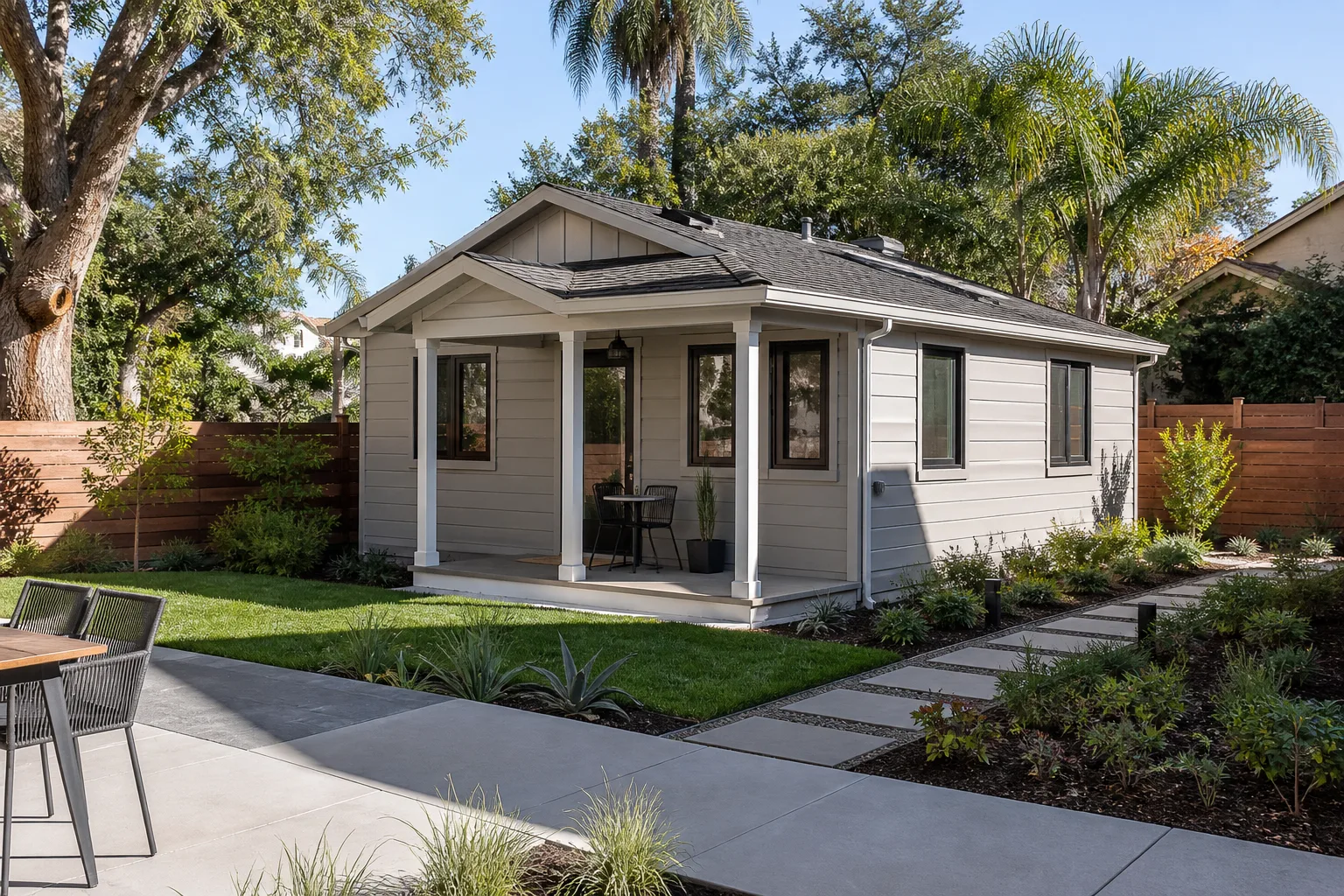
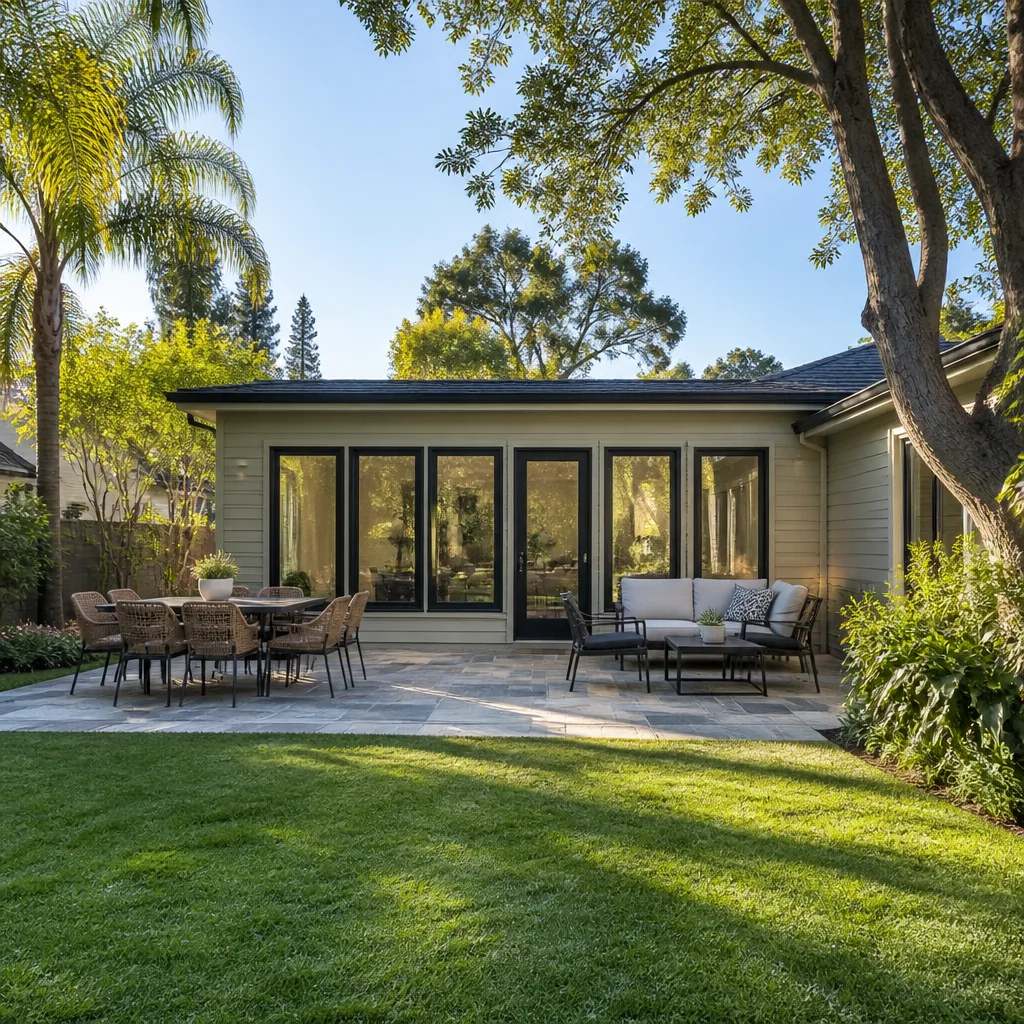
A full home addition or ADU built in Los Angeles typically runs $53,100 to $153,400, and ADU construction specifically falls between $106,200 and $259,600 depending on size, foundation work, and finish level. We install GAF roofing and waterproofing components on every addition we frame, and we can typically have a crew on-site for a structural assessment within days, not weeks. Most homeowners call us after they’ve noticed water staining on a ceiling, a sagging roofline where an addition meets the original structure, or drywall cracks that keep reappearing no matter how many times they’re patched.
Here’s the thing about additions in Los Angeles: the framing can be perfect, the drywall can be flawless, but if the roof transition between the existing house and the new square footage wasn’t flashed and sealed with the right materials, the whole project starts failing from the top down. That’s where GAF products earn their keep. We use GAF underlayment, flashing, and shingle systems on our additions because they’ve handled LA’s specific weather pattern better than anything else we’ve tried over two decades.
Key Takeaways:
- Full additions run $53,100 – $153,400; ADUs run $106,200 – $259,600 in Los Angeles
- We’re an independent contractor, not affiliated with GAF, but we buy and install their materials every week
- Written price before any work starts, on every project, every time
- Every crew member arrives with a photo ID badge, and you get their name and photo before they show up
Which GAF Models This Applies To
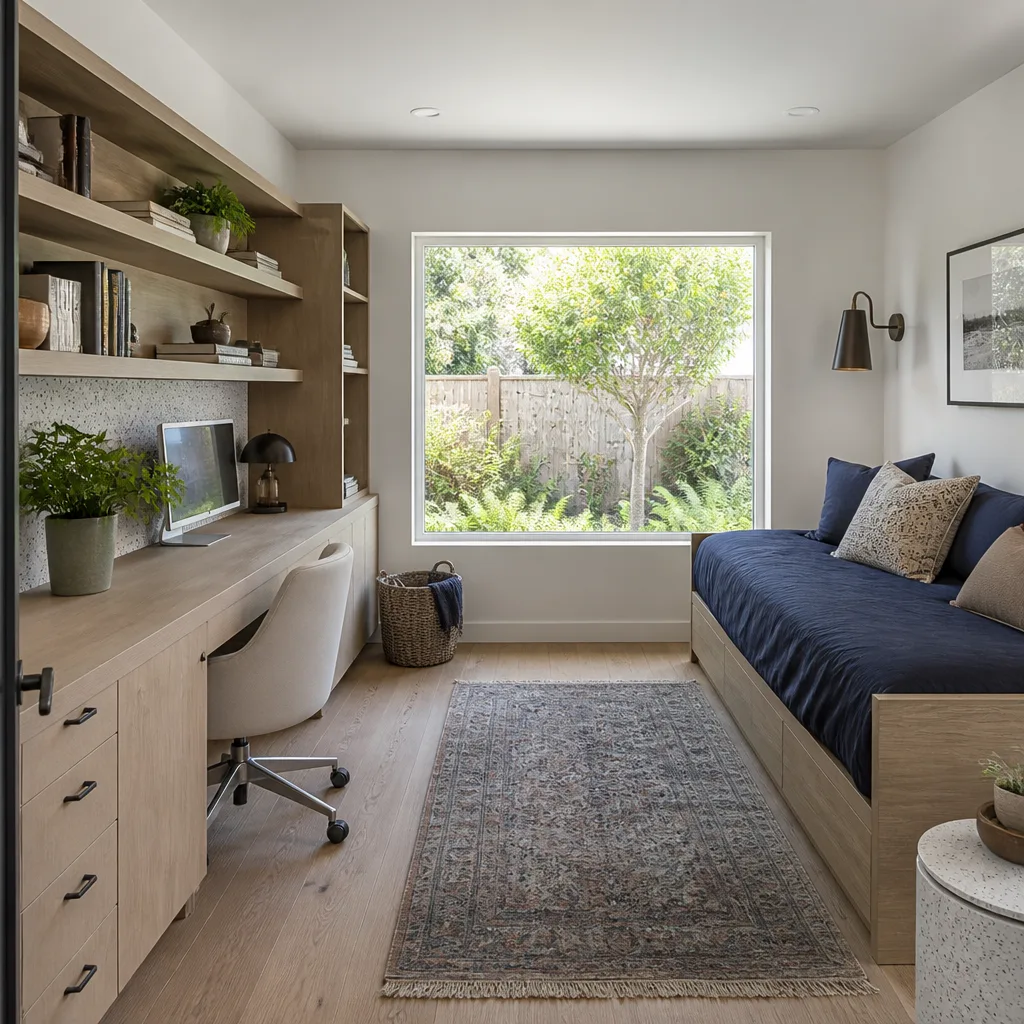
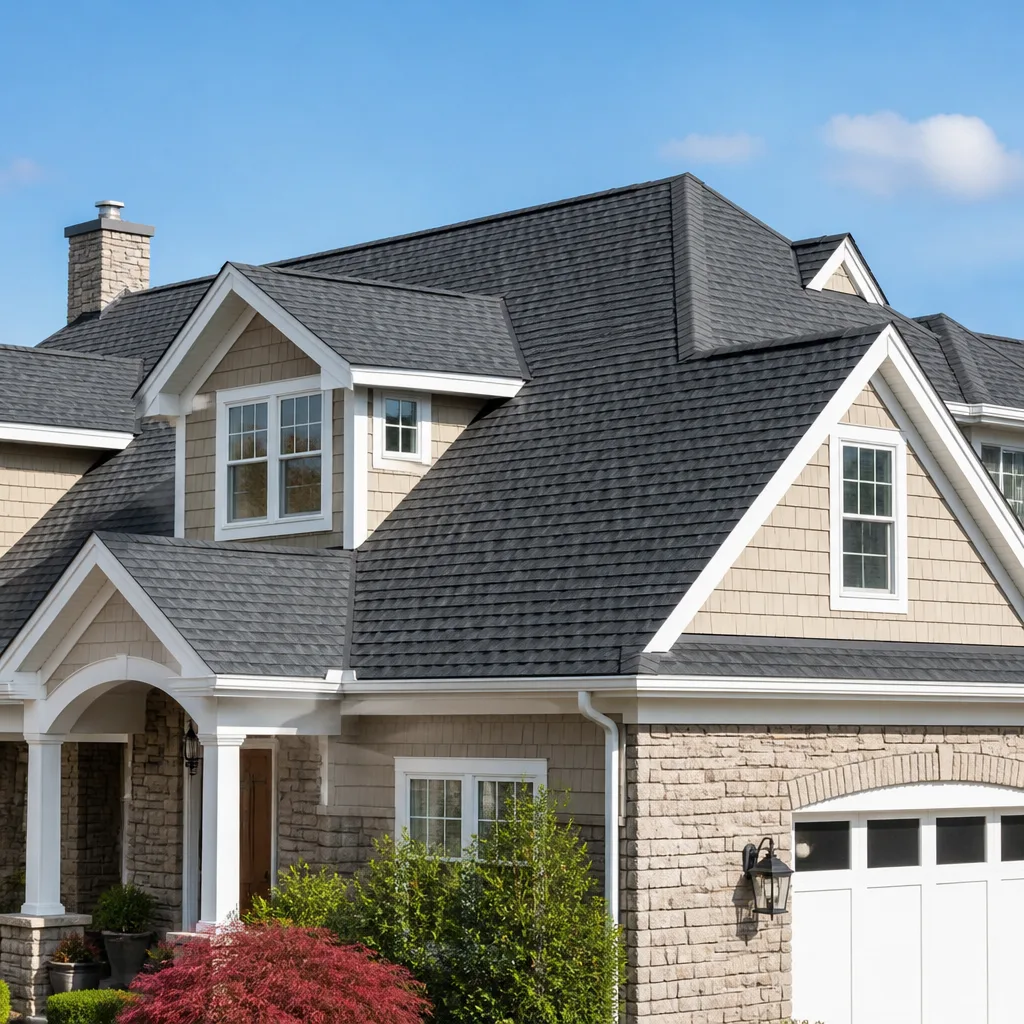
GAF doesn’t make “home additions” as a product. What they make is the roofing and waterproofing system that sits on top of your addition and keeps it from leaking for 25 to 50 years. For any addition or ADU project we take on in Los Angeles, we’re working with GAF Timberline HDZ or UHDZ shingles, GAF StormGuard leak barrier, GAF Tiger Paw underlayment, and GAF Pro-Start starter strips. The specific GAF product we spec depends on your roof pitch, the direction your addition faces, and whether the existing roof structure can carry the weight.
Here’s a compatibility gotcha most homeowners don’t learn until it’s too late: your existing roof’s shingles and your new addition’s shingles need to match not just in color but in thickness and exposure. If the original house has a 3-tab shingle and we put architectural shingles on the addition, you’ll see a visible height difference at the transition line. We measure the existing shingle exposure before we order anything, because guessing here creates a ridge line that looks wrong from the street forever. In Los Angeles, where half the houses were built between 1920 and 1970, we run into this constantly. Original cedar shake, Spanish tile, or 3-tab shingles all require different transition approaches.
If your addition involves a flat roof section, which many ADUs do, we’re using GAF TPO or GAF Ruberoid modified bitumen, not shingles. Flat roof material is measured in mils of thickness. In Los Angeles heat, 60-mil TPO lasts noticeably longer than 45-mil. We stock both, but for a residential ADU we almost always recommend the thicker membrane. The material cost difference is modest. The labor to tear it off and replace it in ten years is not.
Styles & brands we work with
Signs Your GAF-Covered Addition Is Failing
- Water staining at the wall-to-roof transition. This is the most common failure point on Los Angeles additions. The flashing where the new roof meets the existing exterior wall wasn’t stepped correctly, and water is wicking behind the stucco or siding. You’ll see a brownish line that grows after rain.
- Drywall cracks that reappear after patching. If you’ve patched the same crack twice and it keeps coming back, the addition is settling differently than the original foundation. In LA’s expansive clay soils, this happens when the new footing wasn’t dug deep enough or the soil wasn’t compacted before the pour.
- Doors or windows that stick only in certain seasons. Wood frames expand and contract with humidity. If a door in the new addition only sticks during winter rains, the header above it is deflecting. That’s a structural signal, not a hardware problem.
- Sagging or soft spots on the addition’s roof decking. Walk outside and look at the roofline. If it dips anywhere it used to be straight, water has gotten past the GAF underlayment and is rotting the sheathing underneath. By the time you can see a dip from the ground, the rot is usually a few feet across.
- Granule loss from architectural shingles within the first five years. GAF Timberline shingles should hold their granules for a decade or more. If you’re seeing bare patches or granules collecting in the gutters of a newer addition, the shingles were installed over an improperly ventilated attic space and they’re overheating from below.
See the difference
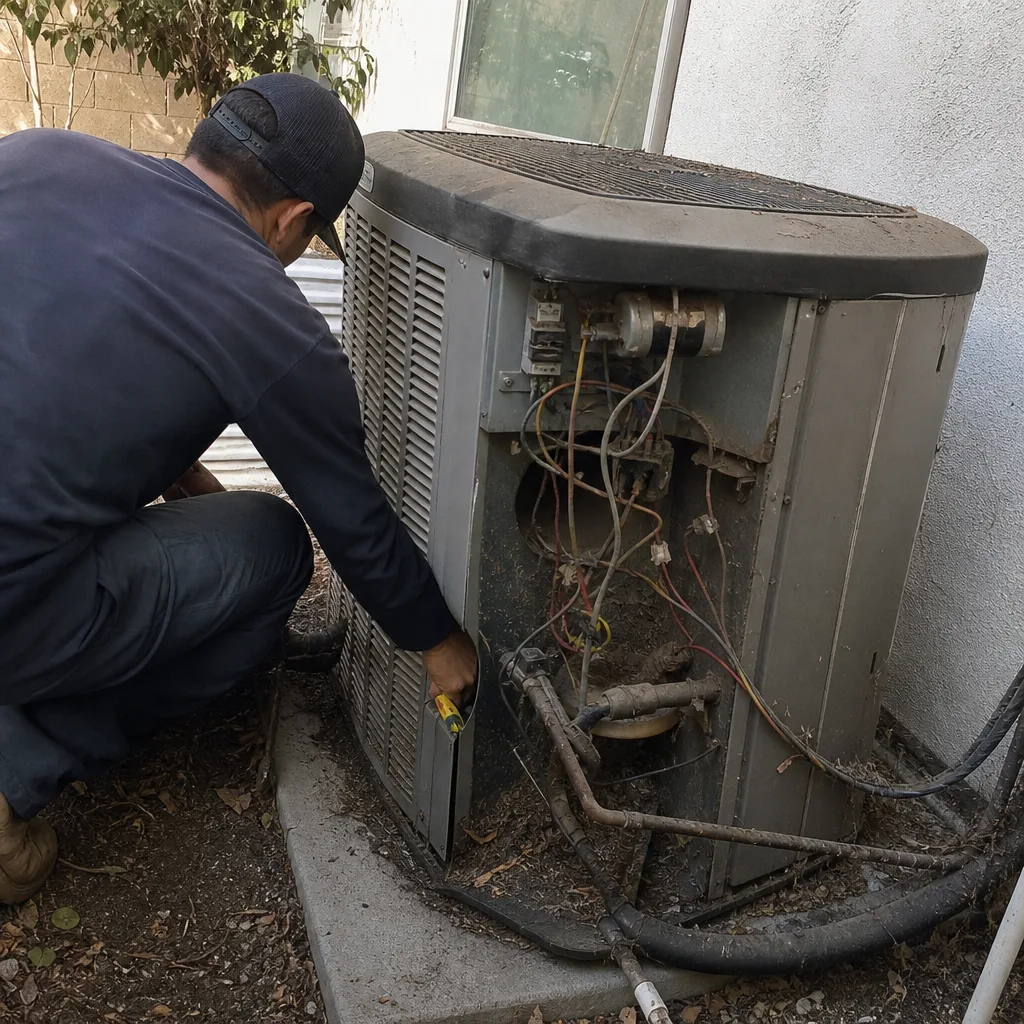 Before
 After
After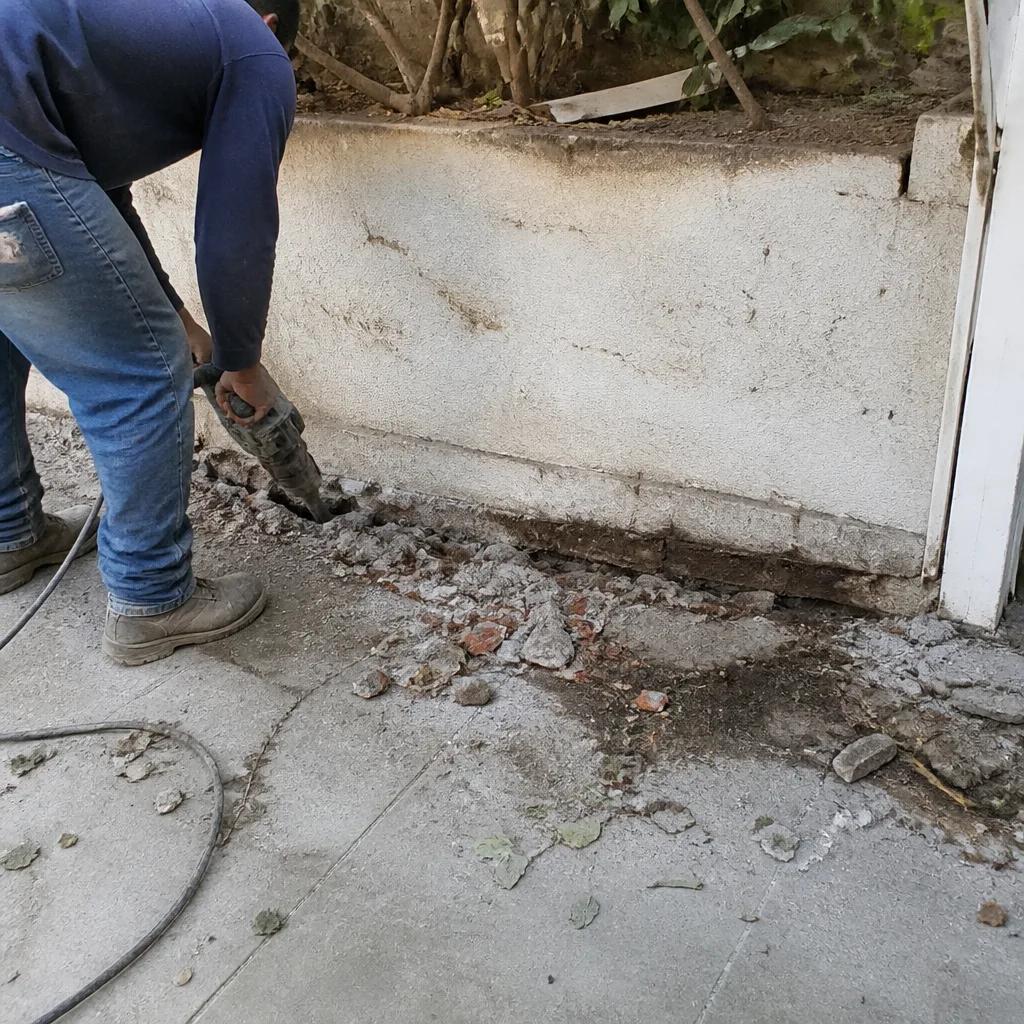 Before
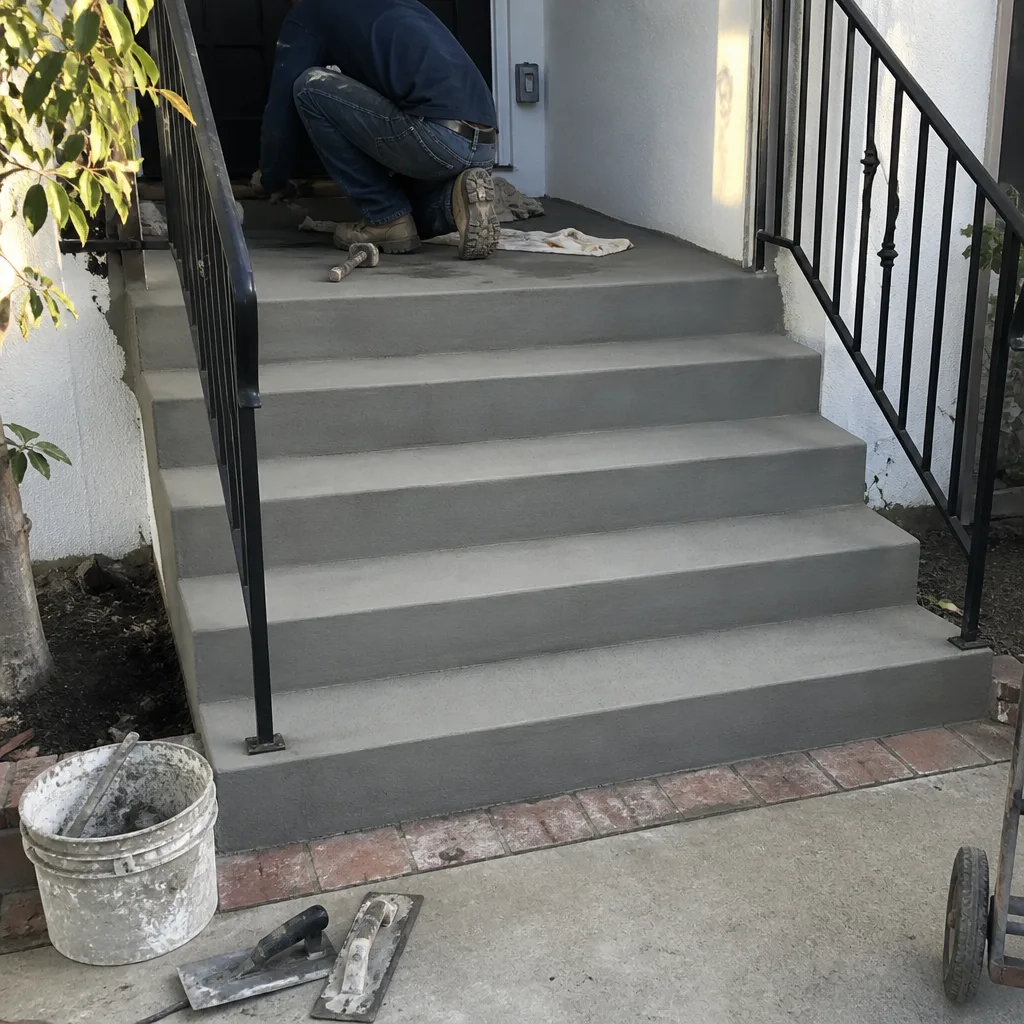 After
After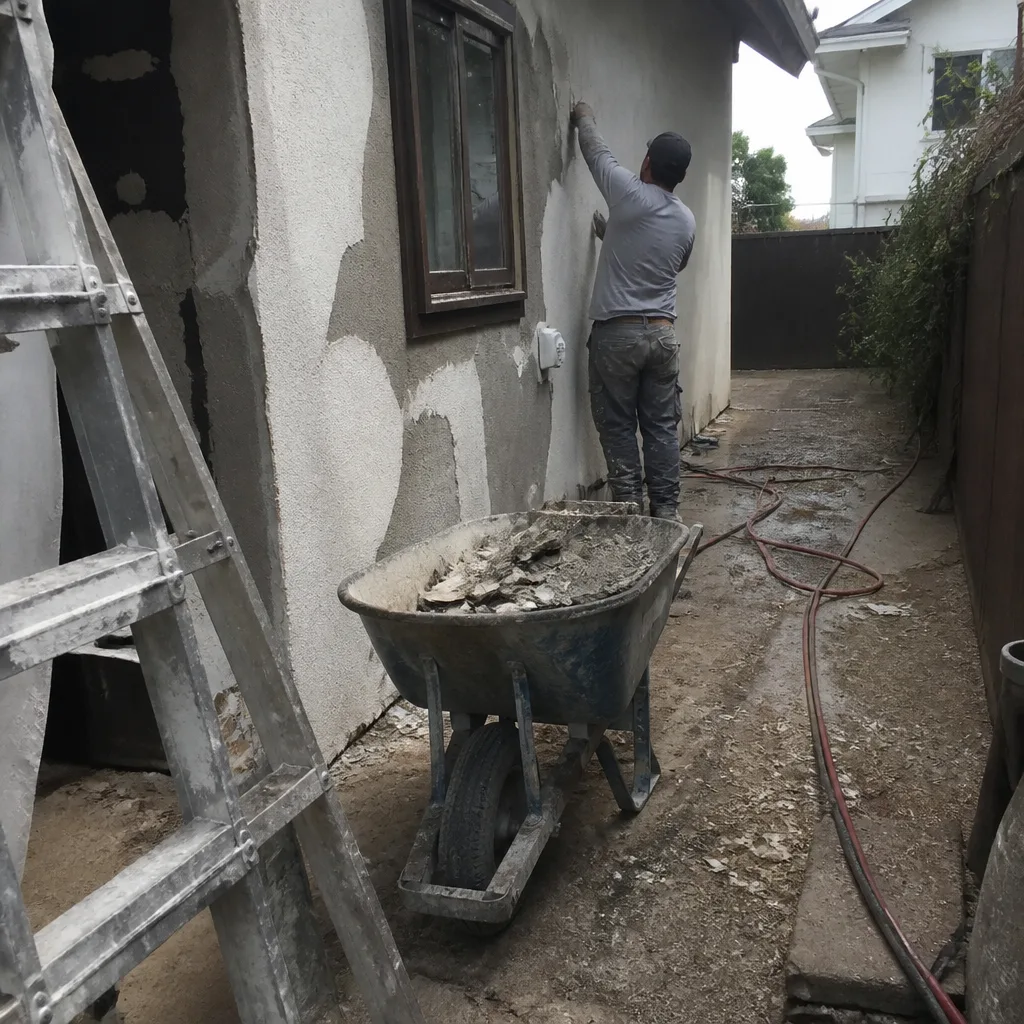 Before
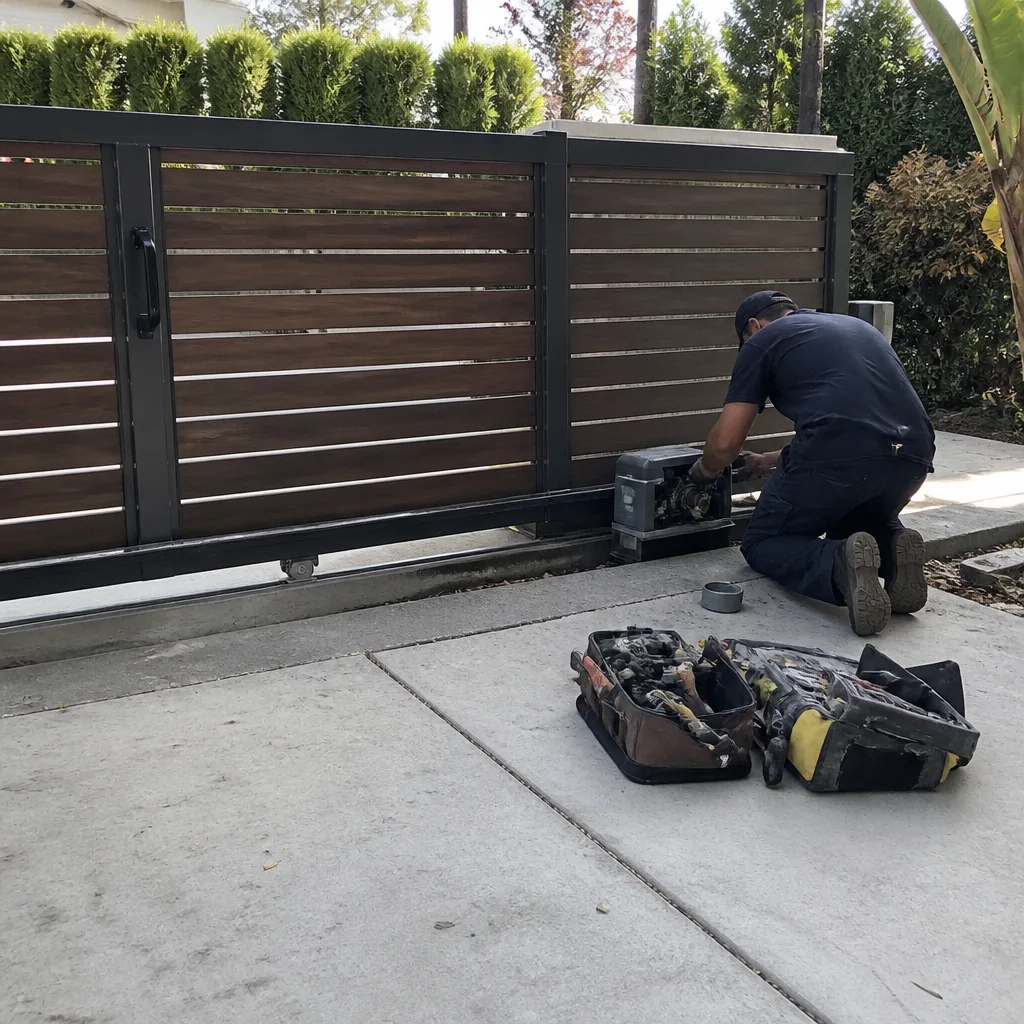 After
AfterReplacement Cost & What’s Included
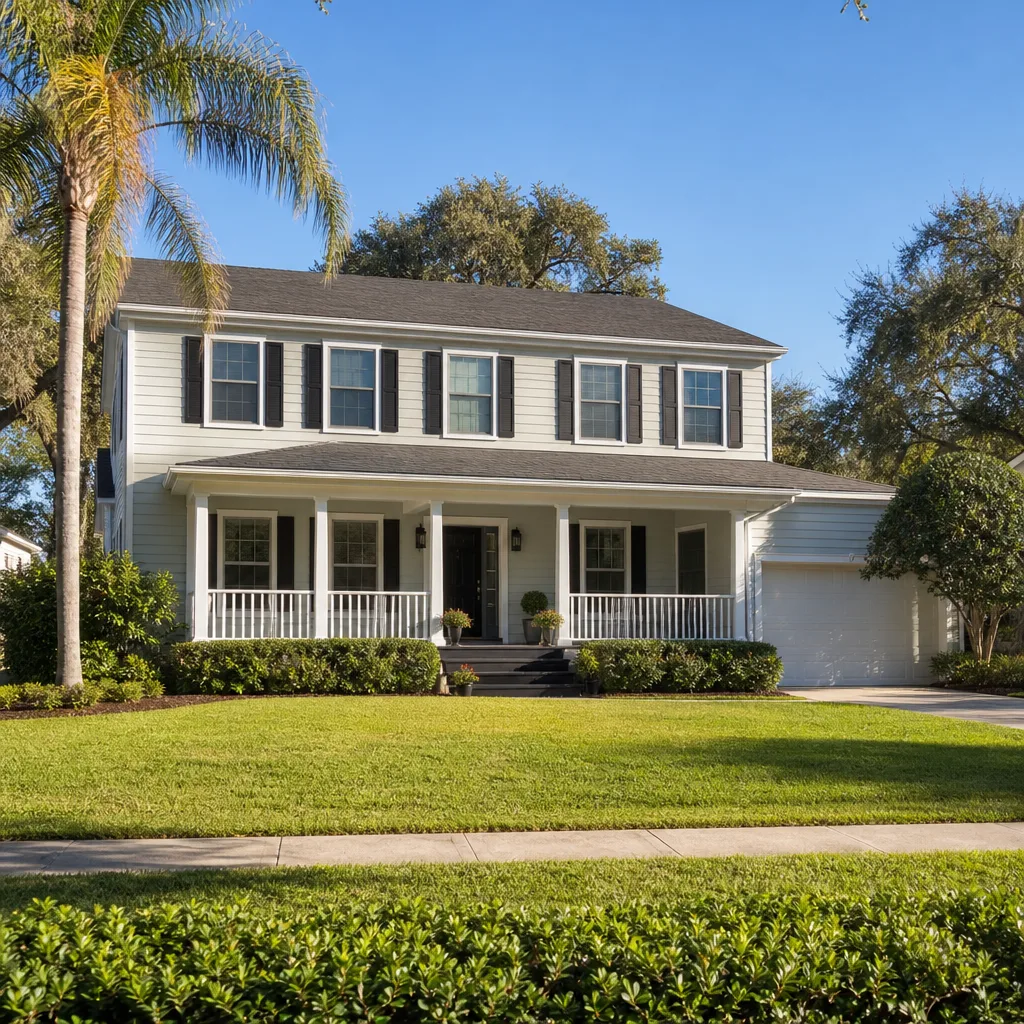
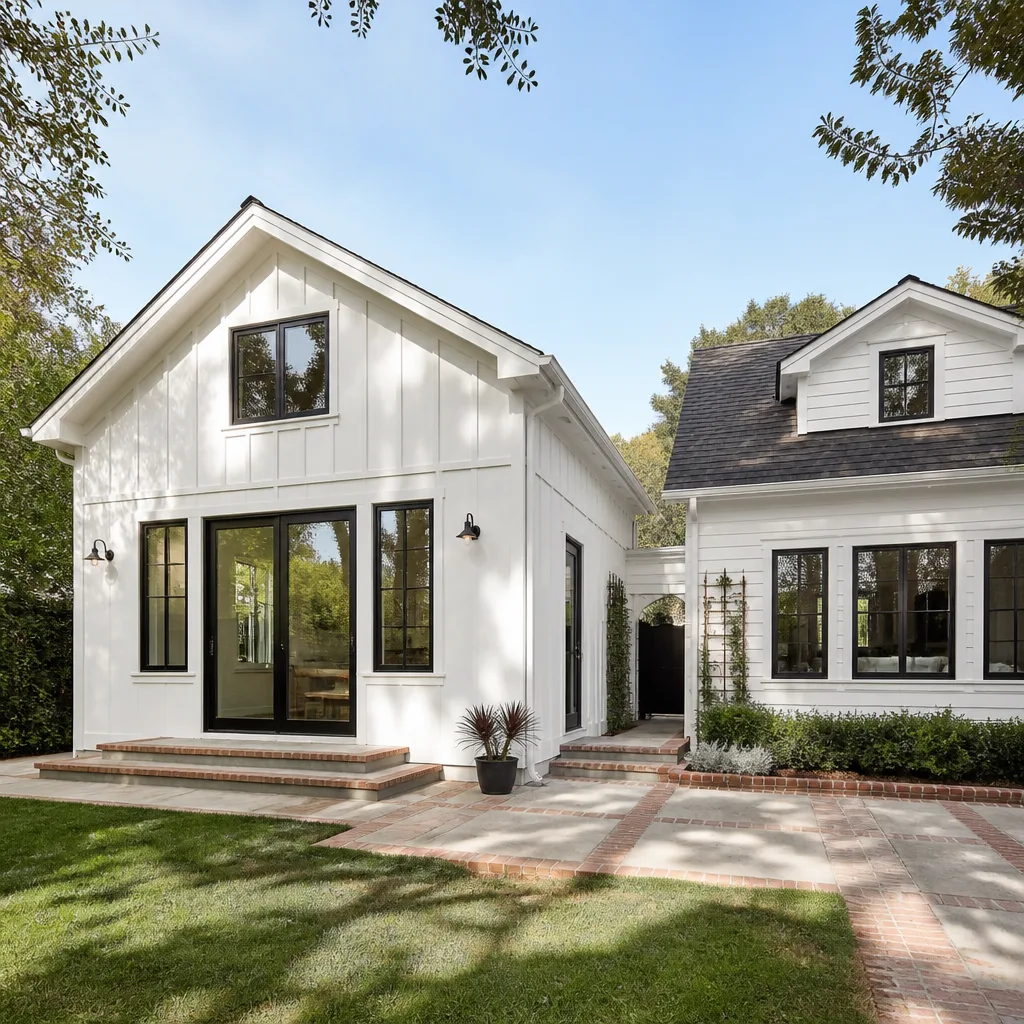
For a full home addition in Los Angeles, the range is $53,100 to $153,400. An ADU runs $106,200 to $259,600. The spread depends on square footage, foundation type, whether you’re adding a bathroom or kitchen, and finish level. A garage conversion lands between $35,400 and $94,400, which is the most affordable path to an ADU because the shell already exists.
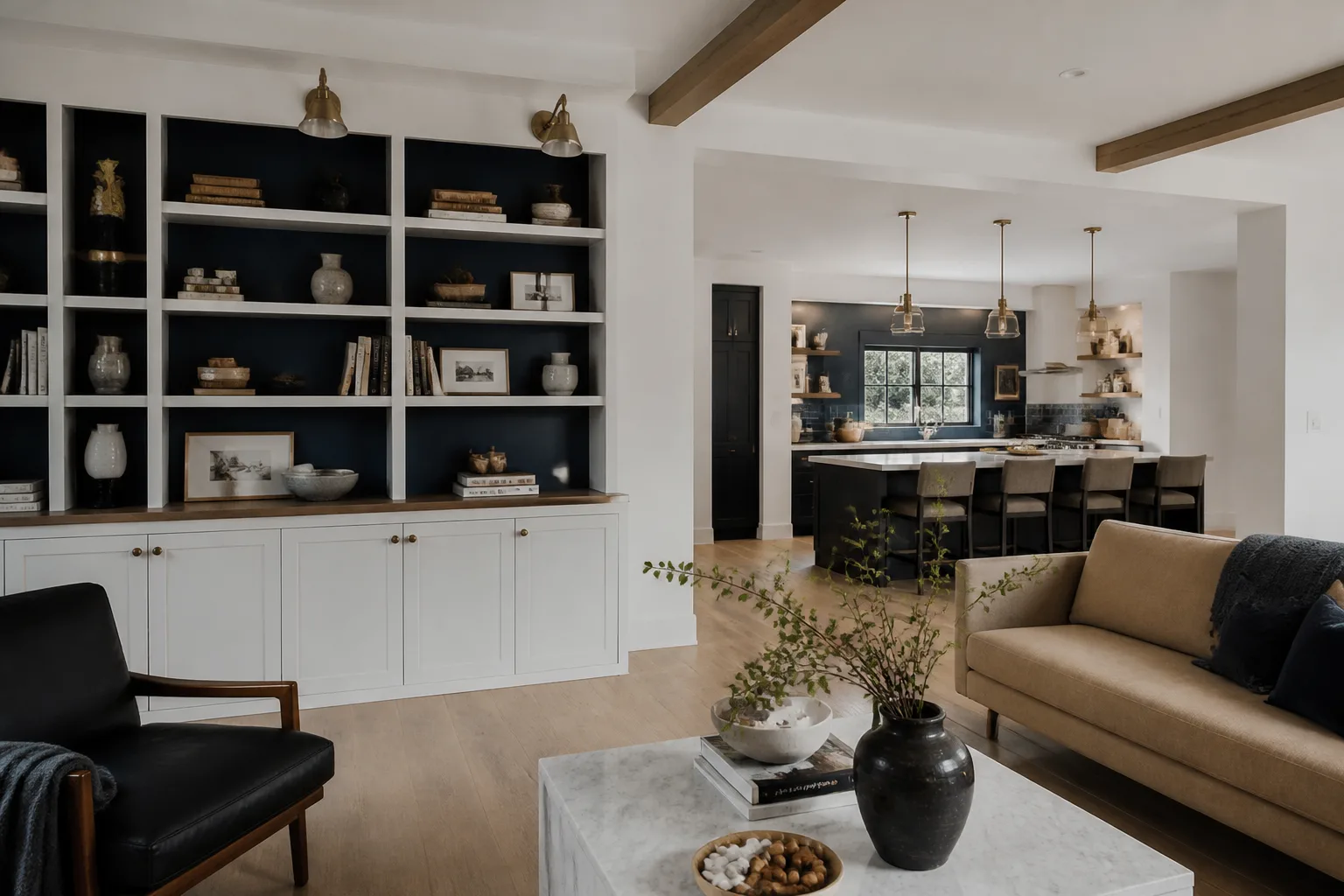
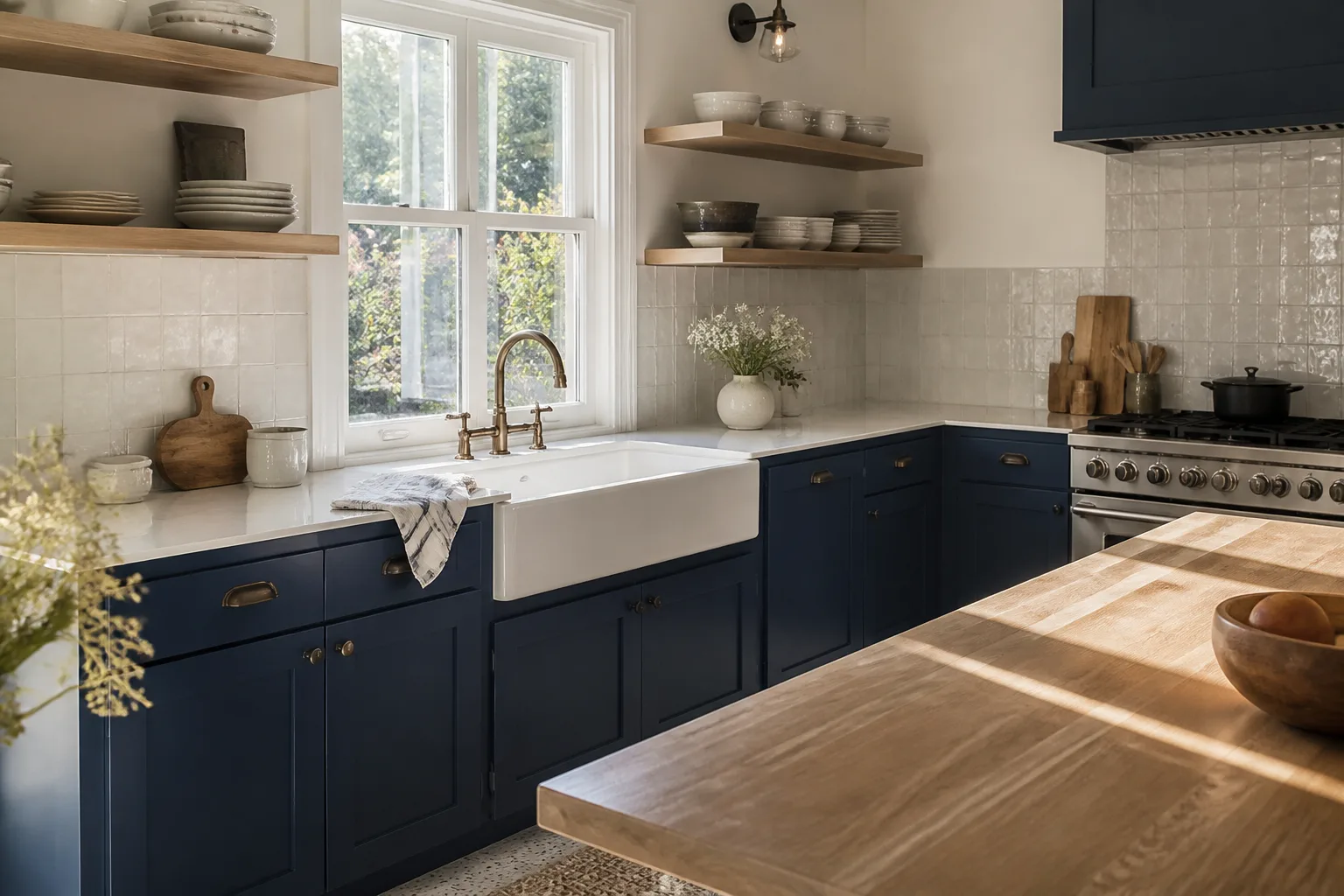
Every written price we give includes the GAF roofing system (shingles or membrane, underlayment, flashing, and starter strips), framing, electrical rough-in, drywall, and finish work. We break the line items out so you can see exactly where the money goes before you sign anything. The 365-Day Done Right Promise covers the entire project, from the foundation to the last shingle: if anything isn’t right within a year of completion, we fix it at no cost. No dispute process, no conditions. Just a phone call.
One thing that surprises Los Angeles homeowners: permit fees are separate and vary by municipality. The city of Los Angeles ADU permit fees, plan check fees, and school district fees can add $8,000 to $15,000 to your total depending on where you live. We pull the permits ourselves, and we itemize every fee on your written estimate so there are no surprises when the permit is issued.
DIY or Call Us?
You can safely check a few things yourself: look at the shingle condition from the ground, check gutters for granule buildup, and look for water staining on interior ceilings. That’s diagnostic, and it’s safe.
What you should not DIY: any framing work, any structural modification, any roof work above a single story, or any electrical work. A home addition isn’t a weekend project. We’ve been called out to fix additions where a homeowner removed a load-bearing wall without a beam, and the ceiling was deflecting by two inches. That’s a repair that costs more than the original addition would have. If you’re thinking about doing part of the work yourself to save money, talk to us first. We’ll tell you which parts are realistic for a skilled weekend builder and which parts need a licensed crew. Call (803) 680-2547 and we’ll walk you through your project on the phone, no obligation.
FAQs
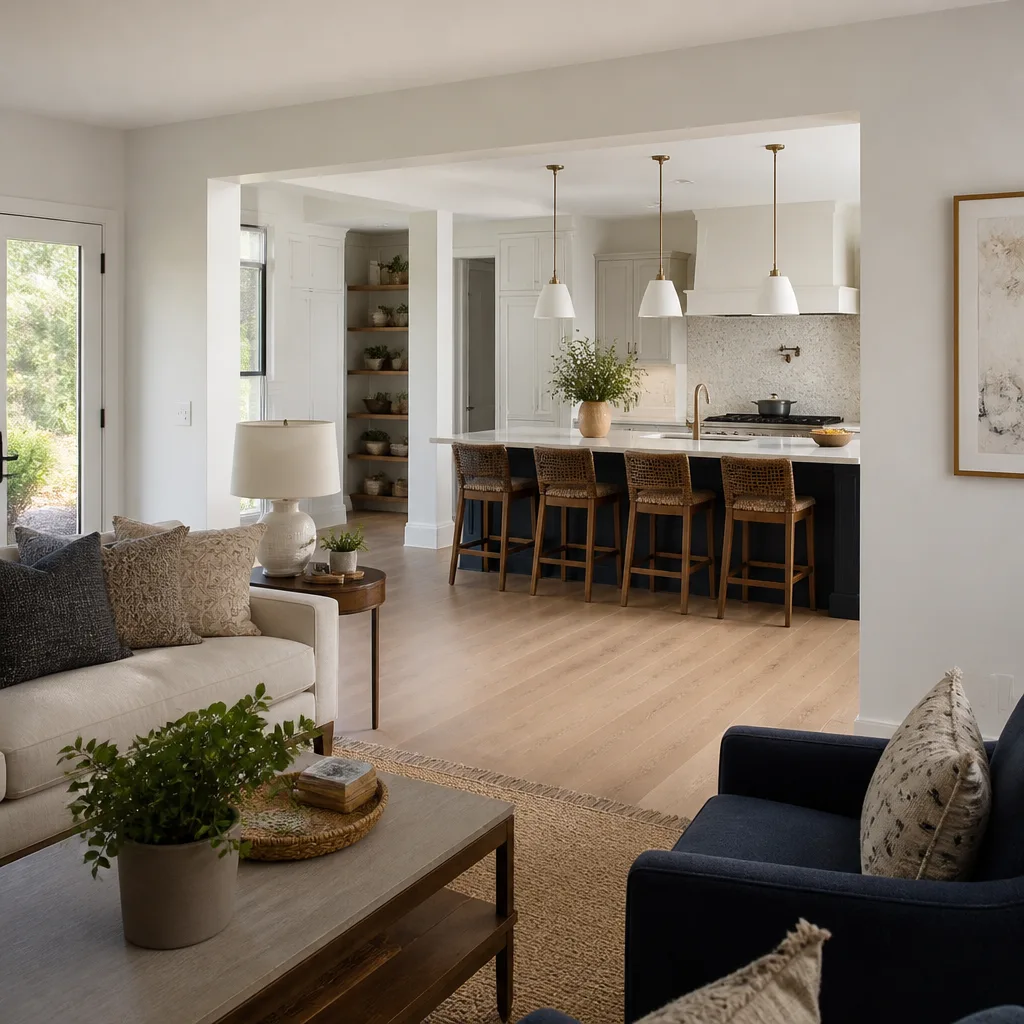
A properly installed GAF Timberline HDZ roof on a Los Angeles addition typically lasts 25 to 35 years, though the real variable is attic ventilation. In LA’s heat, an unvented attic can cook shingles from below and cut lifespan by a decade or more. We vent every addition we build, and we recommend the same if you’re working with another contractor. Call (803) 680-2547 and we can assess your specific roof during a free estimate.
That depends entirely on what’s failing. Flashing leaks, drywall cracks from minor settling, and individual shingle failures can all be repaired without touching the structure. Foundation movement, load-bearing wall failure, or roof deck rot across more than a few square feet usually requires partial or full rebuild. We’ll tell you which one you’re dealing with after a structural inspection. We don’t sell rebuilds when a repair solves the problem. Call (803) 680-2547 to schedule an honest assessment.
A standard single-room addition runs 3 to 5 months from permit approval to final inspection. A detached ADU runs 6 to 10 months depending on site conditions, utility connections, and inspection scheduling. The permitting process itself adds 2 to 6 months in the City of Los Angeles before we even break ground. We handle the permits end to end and give you a realistic timeline in writing before the project starts. Call (803) 680-2547 and we’ll give you a straight answer for your specific site.
We keep GAF StormGuard, Tiger Paw underlayment, Pro-Start starter strips, and common Timberline colors in our Los Angeles yard. Specialty colors and TPO membranes are ordered per project, and GAF’s Los Angeles distribution centers deliver to us within a week. Same brands we’ve built with for years, alongside KraftMaid for cabinetry and Cambria or Silestone for countertops when the project calls for them. Call (803) 680-2547 for material availability on your addition.
Written by Isaac Pruett, Owner, Mason Remodeling at Mason Remodeling, serving Los Angeles and nearby areas. Isaac grew up in Sylmar, studied construction technology at Los Angeles Trade-Technical College, and has spent two decades remodeling homes across the city. He still checks the trim on every jobsite before he considers a project done.