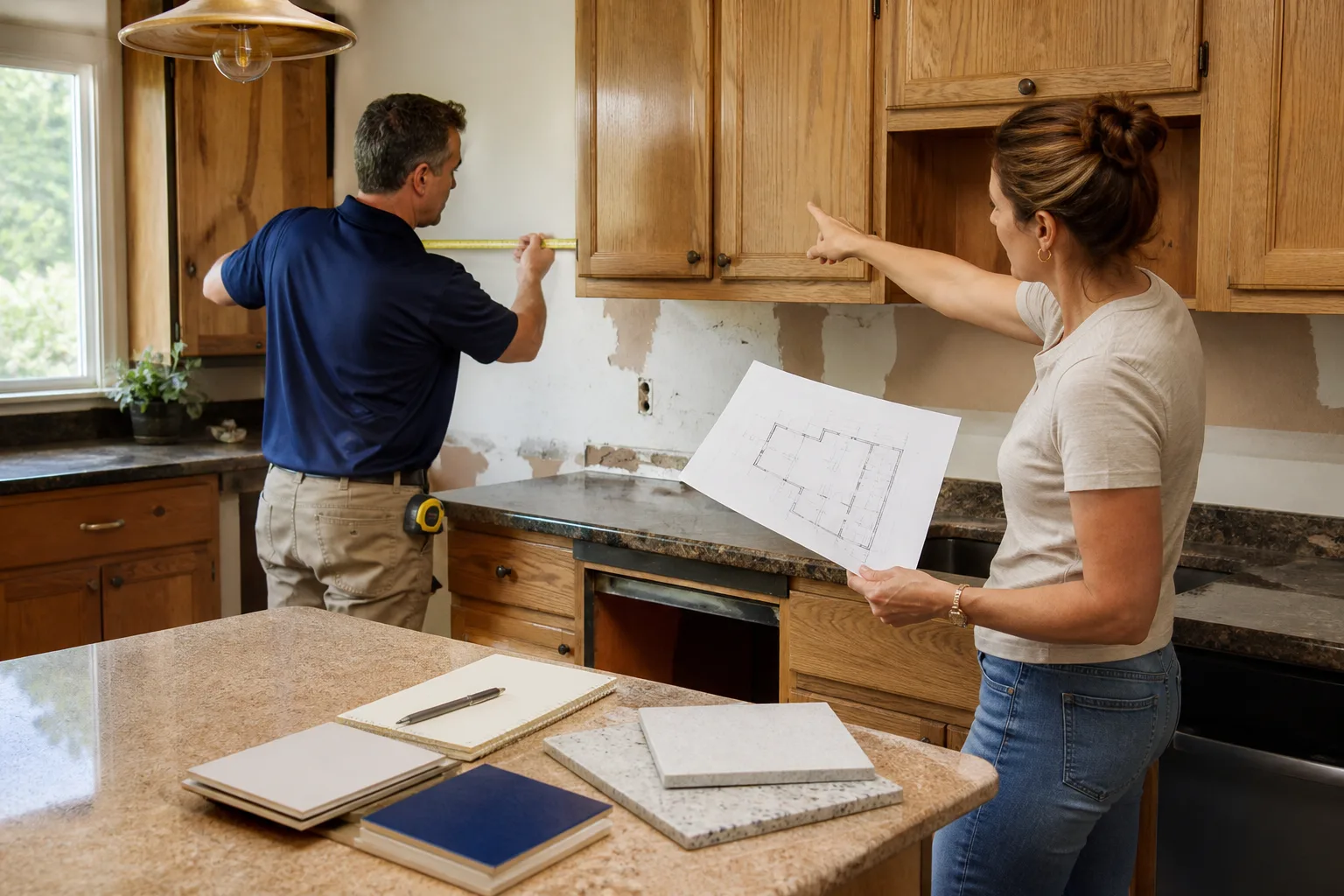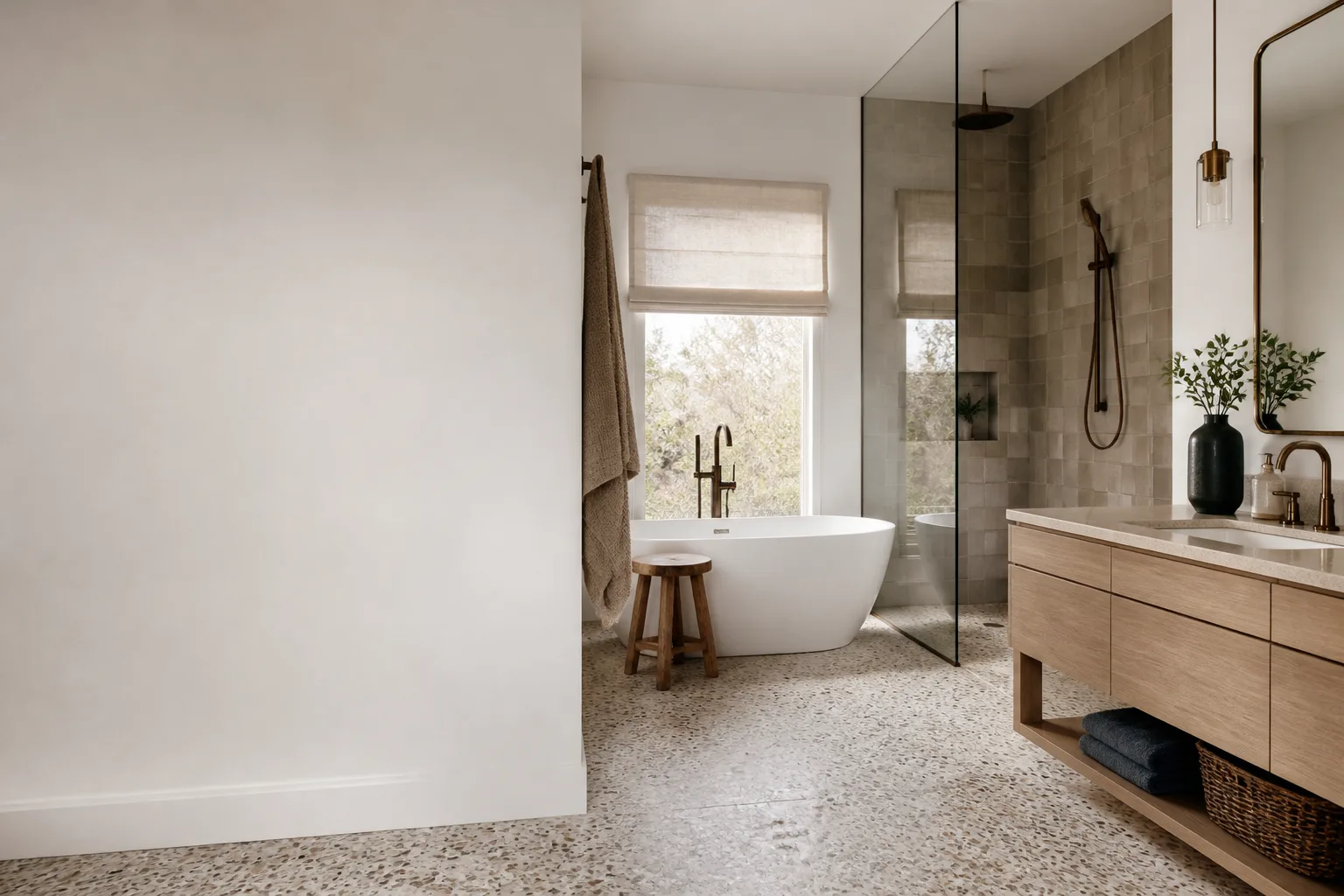
Free written scope consultation - allowances, timeline, and change-order rules on paper before a single trade is scheduled
Grohe Home Additions & ADU: The Los Angeles Owner’s Guide
Most homeowners searching for “Grohe home additions” are really asking one of two things: how to integrate Grohe fixtures into a planned addition or ADU, or how to fix failing parts in an existing renovation before the problem spreads. In Los Angeles, a full home addition with Grohe-spec fixtures typically runs $53,100 – $153,400 installed, while a complete ADU build lands between $106,200 and $259,600 depending on square footage and site conditions. The most common failure point we see isn’t the Grohe fixture itself, it’s what happens when parts get mixed across series lines during a remodel, or when a previous contractor roughed in the wrong valve body and someone discovers the trim kit won’t seat.
Here’s the picture we walk into most often: a homeowner has a Grohe shower or faucet installed five or eight years ago, then adds a bathroom or builds out an ADU. The new plumber grabs a different Grohe line that looks compatible, swaps a cartridge or a rough-in valve, and now the pressure is off, or the temperature fluctuates mid-shower, or there’s a slow leak behind a freshly tiled wall. By the time we get the call, the fixture is fine and the part is wrong. That’s what this page is for.
Which Grohe Models This Applies To
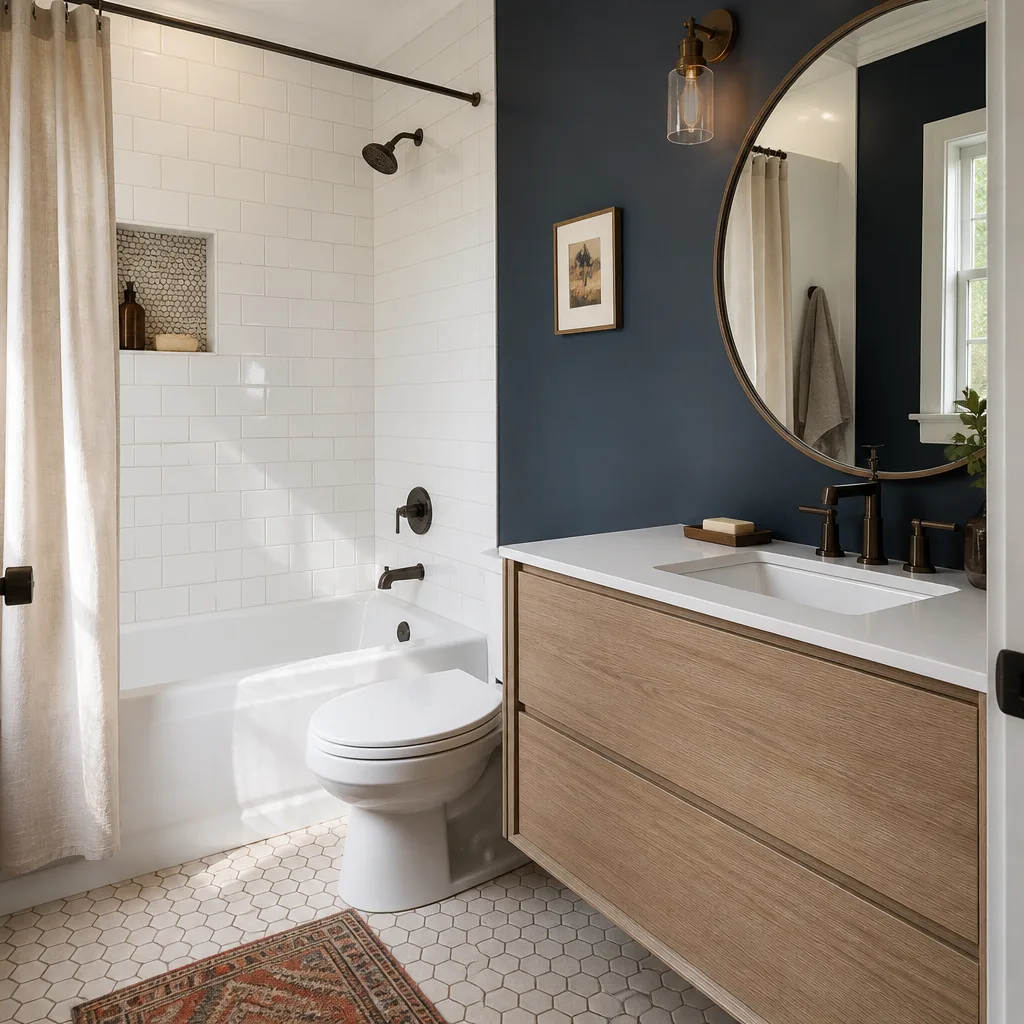
Grohe splits its North American catalog into distinct series, and parts don’t always cross between them. The big three in Los Angeles remodels are Grohe Eurosmart, Grohe Concetto, and Grohe Grohtherm for thermostatic shower controls. Eurosmart and Concetto share some cartridge geometry, but Grohtherm uses a different thermostatic element entirely and a different rough-in depth. If you’re adding a bathroom to a 1920s Spanish bungalow in Highland Park or a mid-century ranch in the Valley, the rough-in valve installed in the wall determines which trim kit and cartridge will actually work.
Here’s the compatibility gotcha most owners learn the hard way: a Grohe trim kit will not compensate for a rough-in box set at the wrong depth. Grohe publishes rough-in depth specs for every valve body, typically between 35mm and 65mm from finished wall surface depending on model. If tile was built out too far, or the plumber set the valve flush to the studs without accounting for waterproofing and thinset, the cartridge stem won’t reach, and the handle binds or won’t seat. We check this before any fixture work on an addition or ADU because fixing it after tile is set means opening the wall.
On the OEM-versus-aftermarket question: for Grohe, we install OEM cartridges and thermostatic elements. The aftermarket generics are cheaper up front, but we’ve seen flow-rate inconsistencies and premature seal failures within 18 months. Grohe cartridges are ceramic-disc, built to run 150,000 cycles or more before they need replacement. In Los Angeles water conditions, which lean hard and mineral-heavy across the San Fernando Valley and much of the Westside, that lifespan can shorten without a whole-house filtration or softener. We’d rather install the factory part and warranty the labor for a full year than save you $40 and come back on a callback.
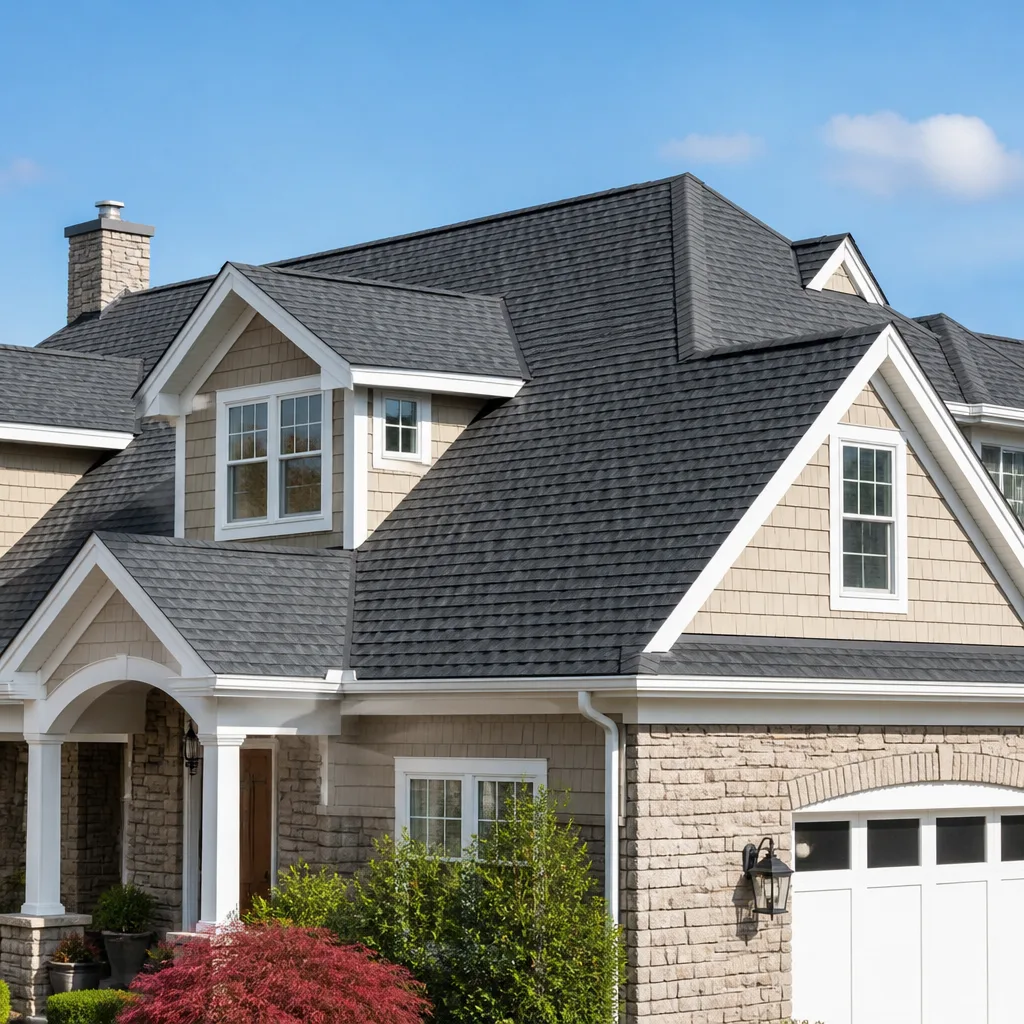
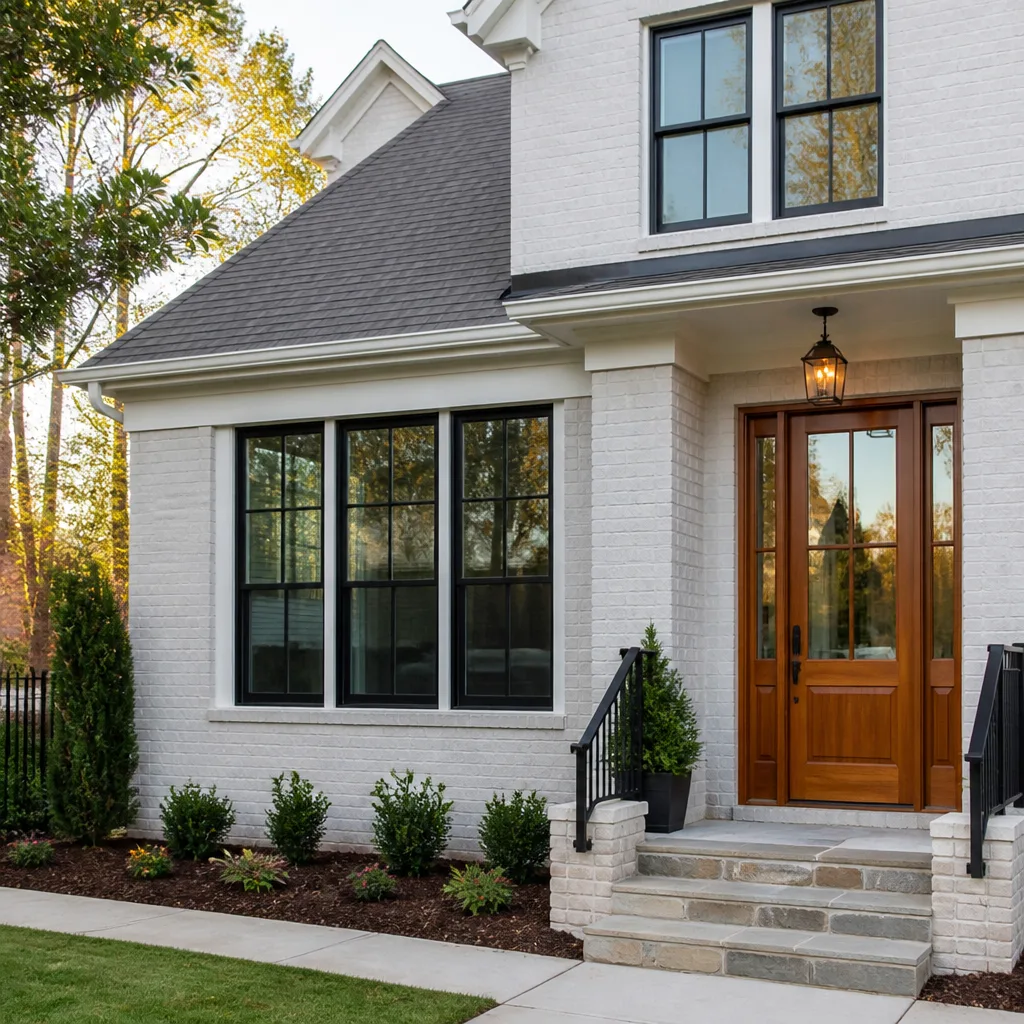
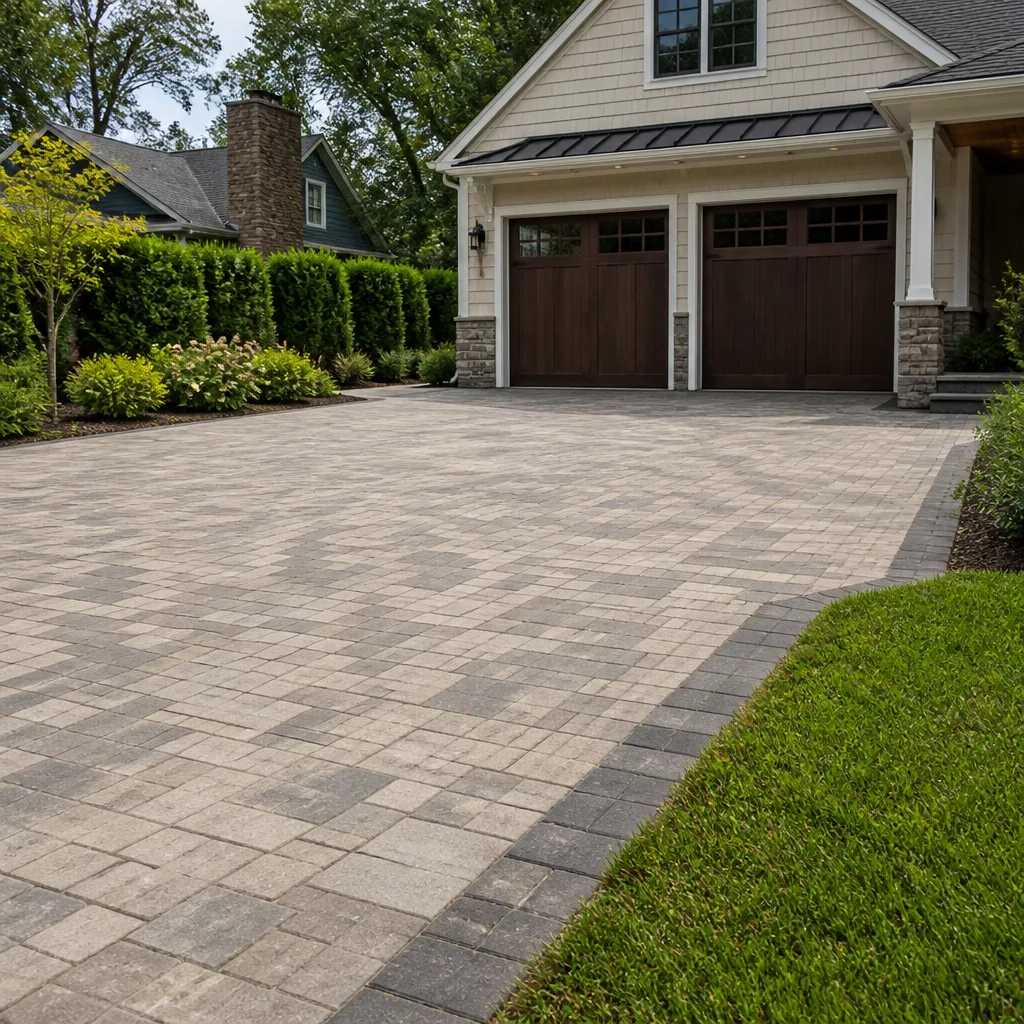
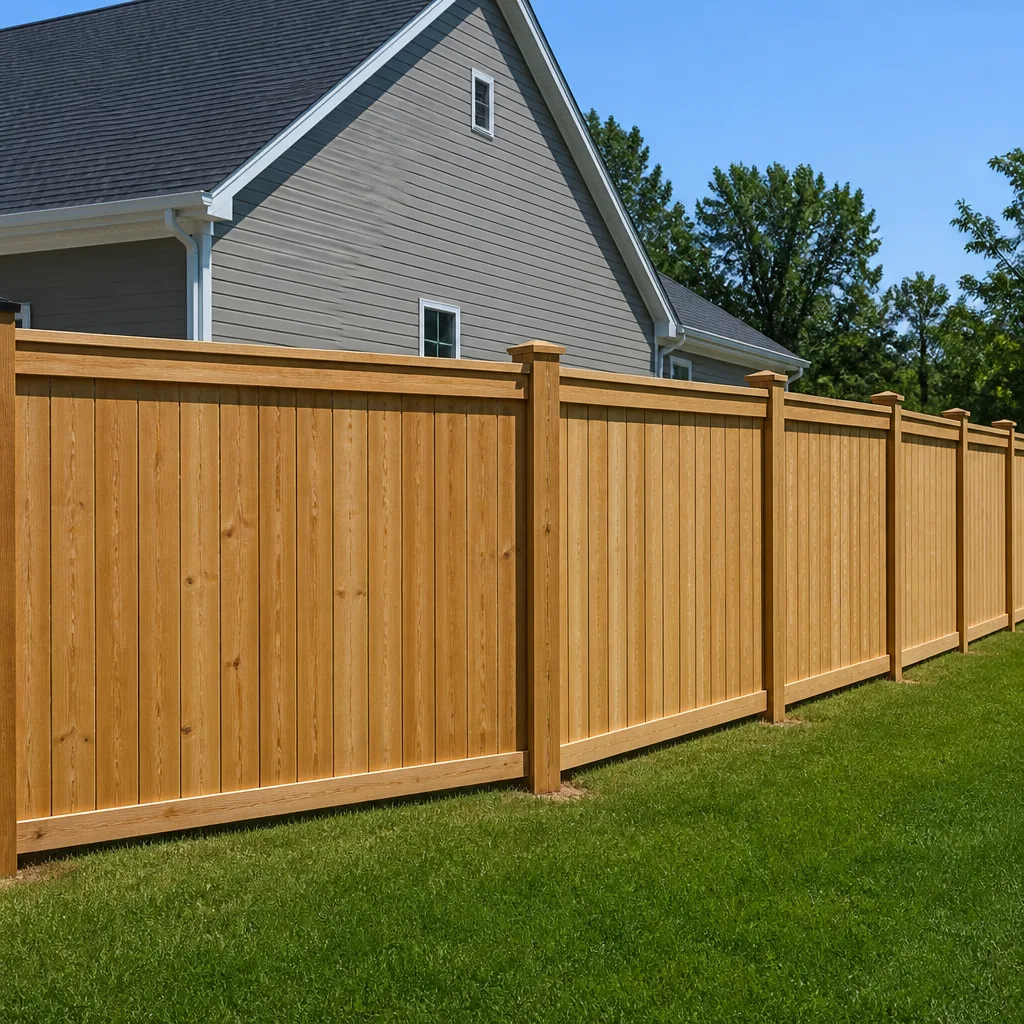
Styles & brands we work with
Signs Your Grohe Home Additions & ADU Is Failing
- Water temperature swings when someone flushes a toilet or runs a washing machine. This points to a worn pressure-balancing cartridge inside the Grohe valve. In an ADU sharing a water main with the main house, the symptom shows up faster because pressure drops hit harder on a shared line.
- The handle turns stiff or catches at the same position every time. Ceramic discs in Grohe cartridges can score when mineral deposits build up in Los Angeles hard water. Once scoring starts, the handle will bind in the same spot, and forcing it makes the scoring worse.
- A slow drip from the tub spout or showerhead hours after the water is off. This is a cartridge seal losing its seat, not a fixture-level problem. Left alone for months, it quietly ruins the grout lines and subfloor beneath a new addition bathroom.
- Reduced flow from a showerhead or faucet after the water was shut off for any reason. Shutting down the line during remodel work kicks sediment and scale loose inside the pipes. Grohe cartridges have inlet screens that catch the debris, and once they clog, flow stays weak until someone cleans or replaces the cartridge.
- Visible water staining on the wall behind or below a Grohe fixture in a recently completed addition. This usually means a rough-in connection wasn’t fully seated at install, or the valve body itself is failing at the solder or PEX connection. We chase this one fast because a leak behind tile in a new ADU gets expensive in a hurry.
See the difference
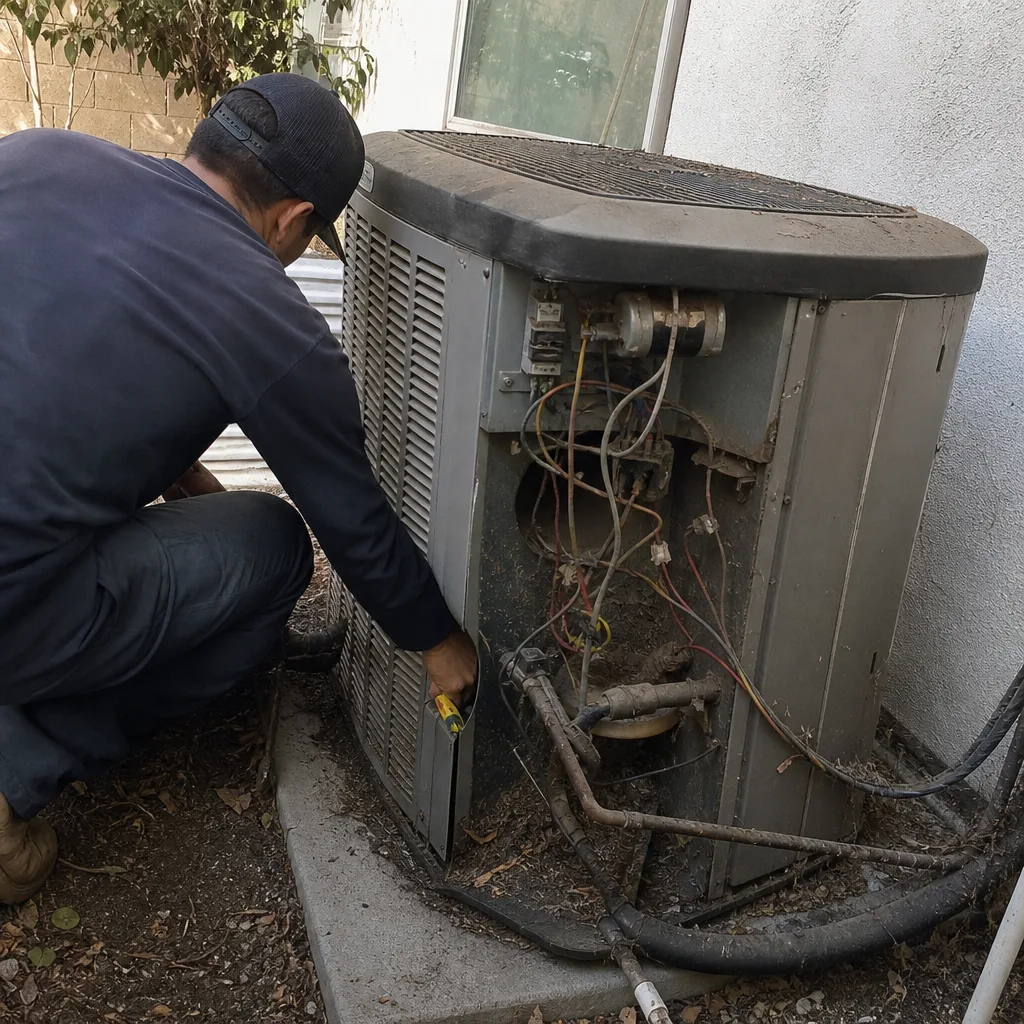 Before
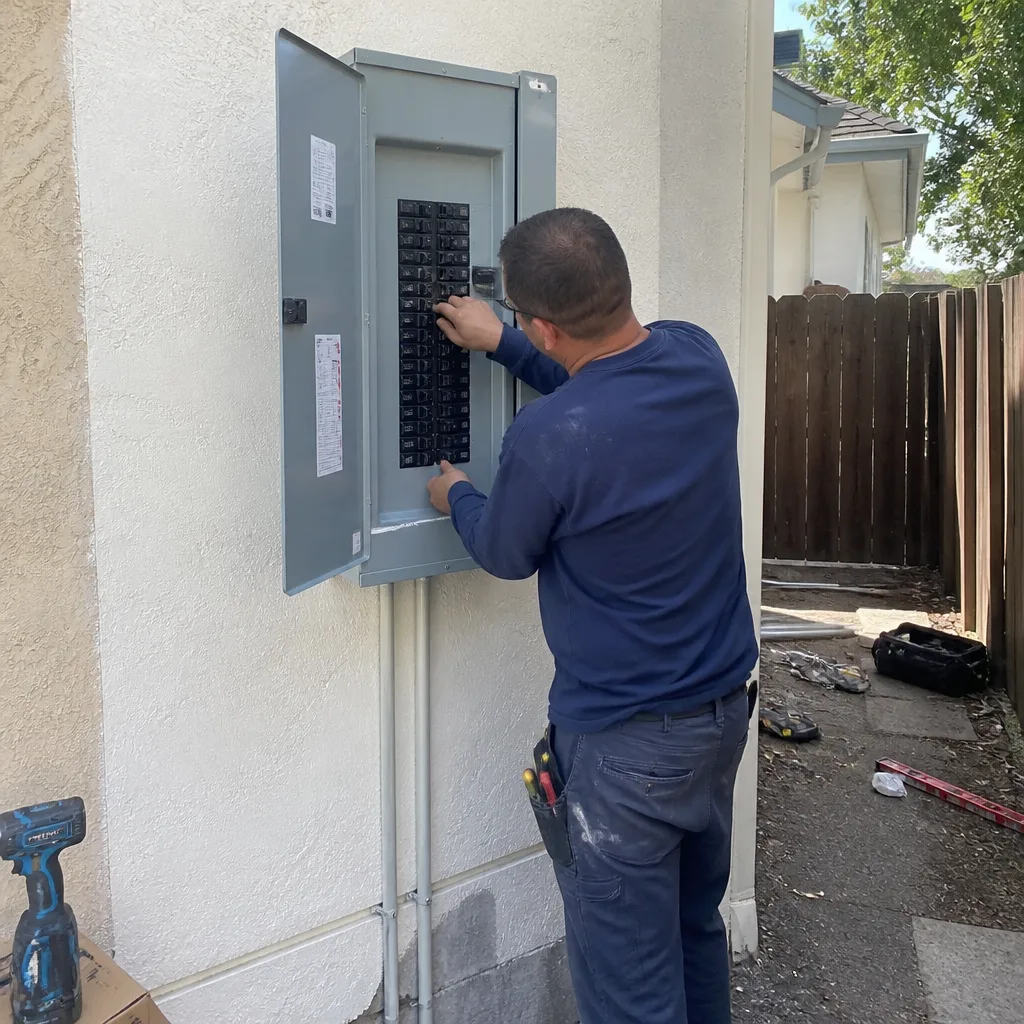 After
After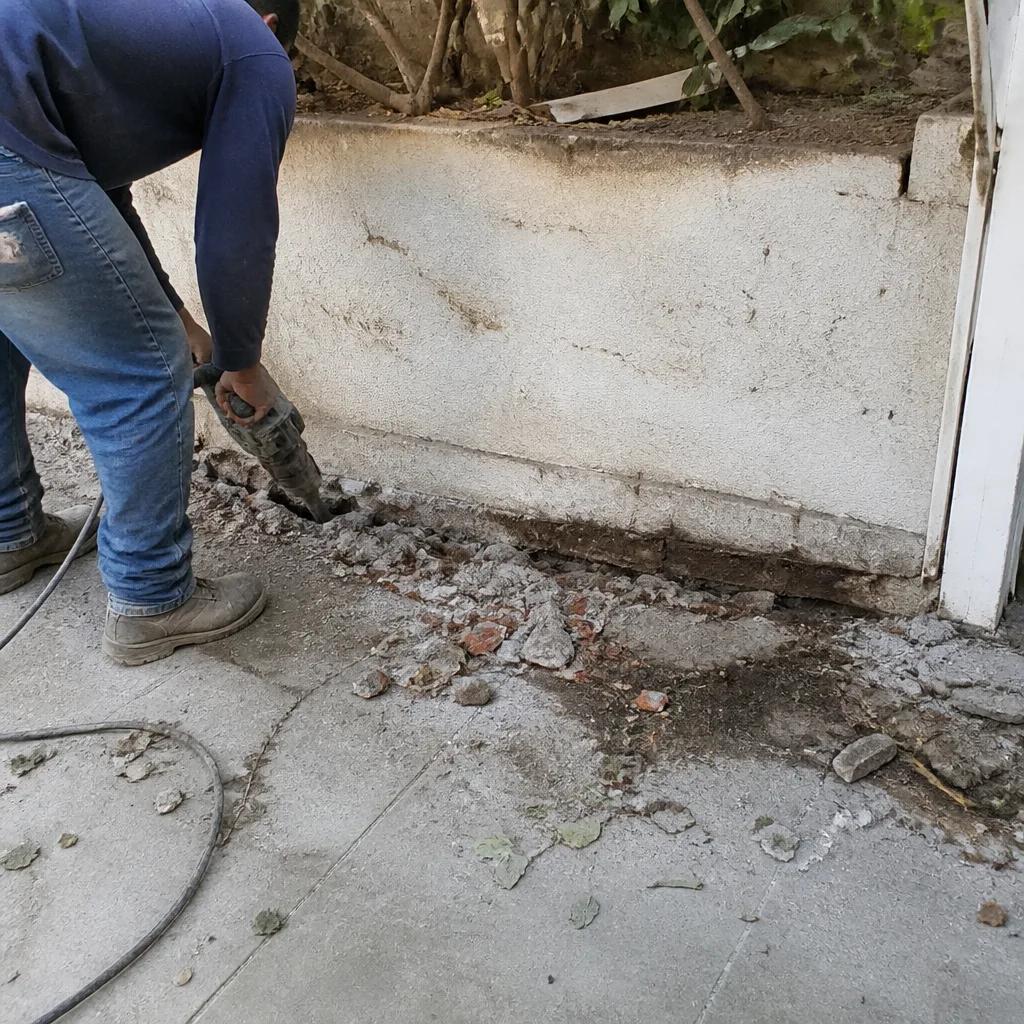 Before
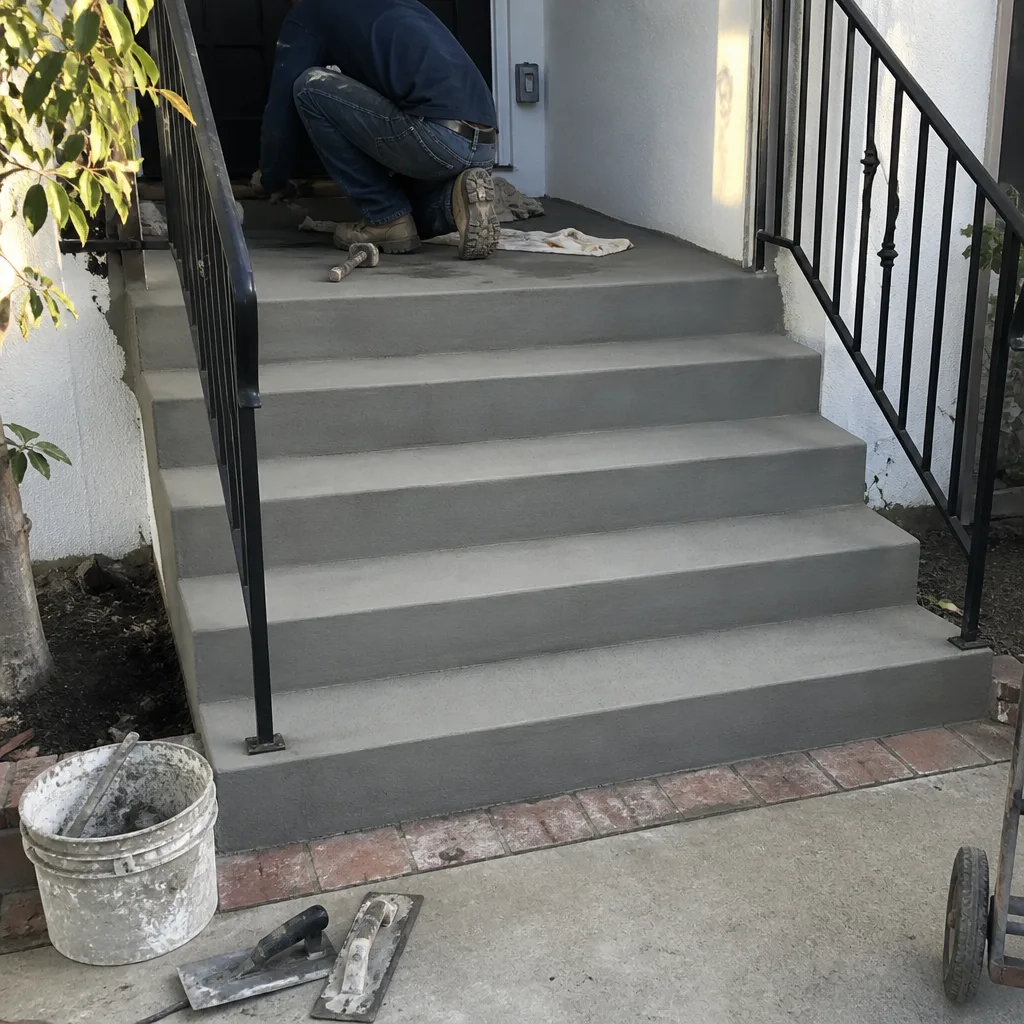 After
After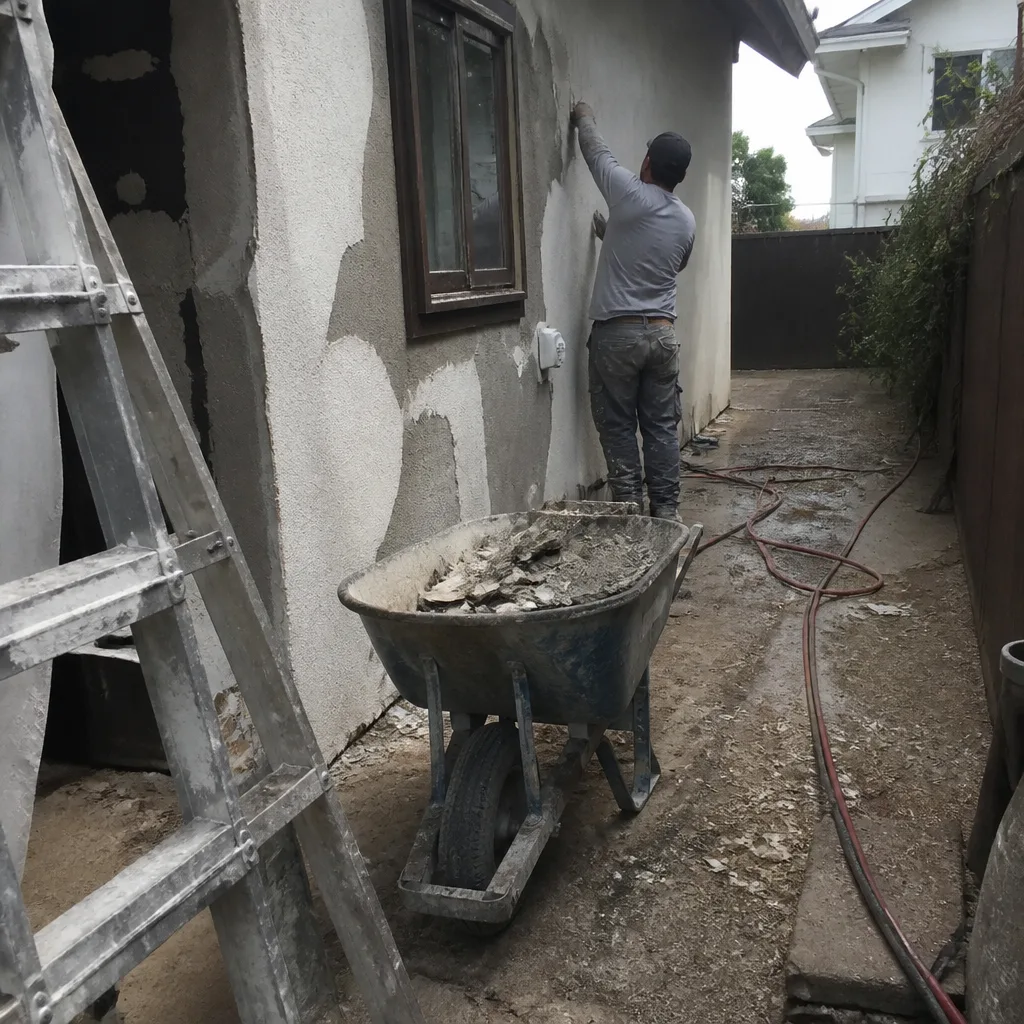 Before
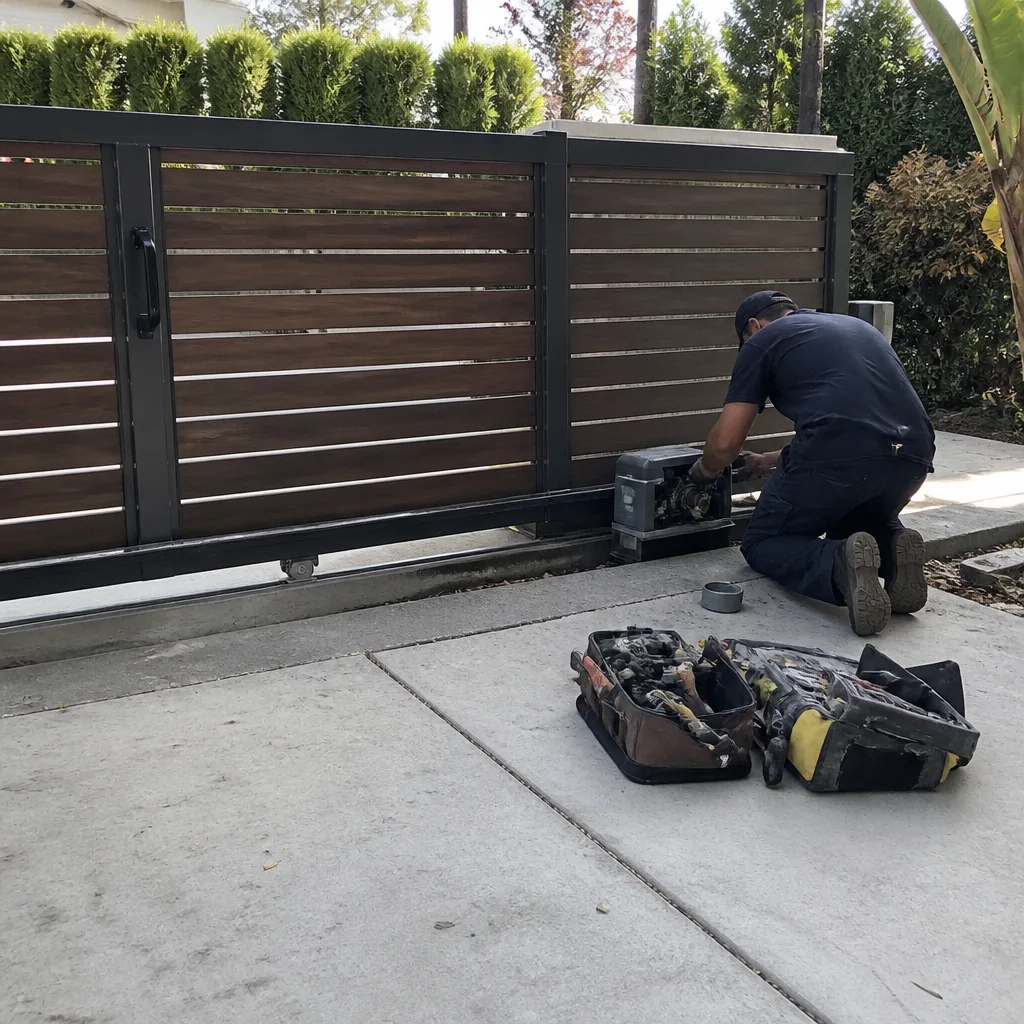 After
AfterReplacement Cost & What’s Included
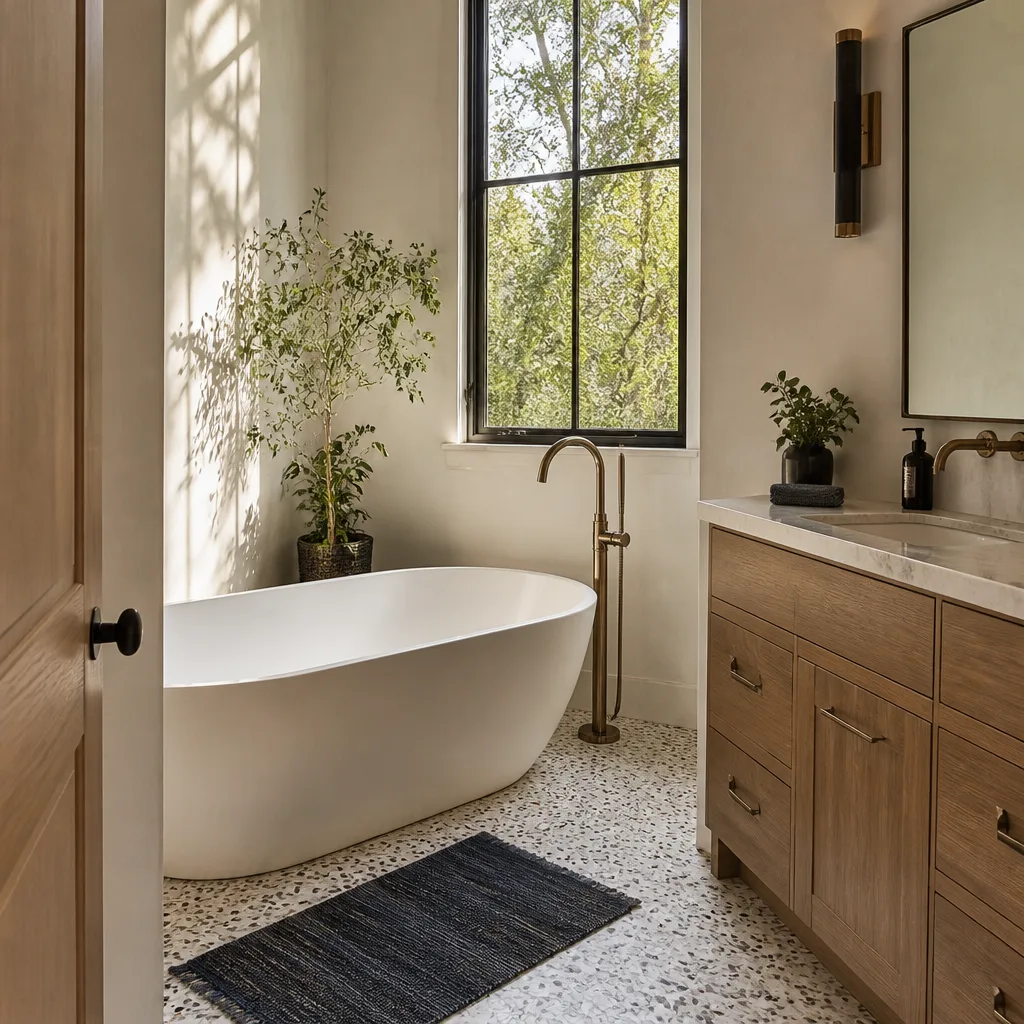
For a Grohe part replacement inside a home addition or ADU in Los Angeles, the installed price range depends on what’s actually failing. Here’s the breakdown we deliver in writing before any work starts.
- Cartridge replacement (single fixture): $470 – $1,250 installed, including the OEM Grohe part, disposal of the old cartridge, and a 365-day workmanship warranty.
- Thermostatic element replacement (Grohtherm systems): $590 – $1,650 installed. The element is more expensive than a standard cartridge, and the install requires rebalancing the hot and cold feeds.
- Full valve body replacement (if the rough-in is wrong or failed): $1,180 – $3,540 depending on wall access. If we need to cut tile or drywall, we handle the patch and refinish to match as part of the quote.
- Fixture swap within an addition or ADU (faucet, showerhead, trim kit): $295 – $1,475 per fixture, including shutoff valve checks and supply line replacement where needed.
What drives the range in Los Angeles is wall access. A cartridge swap on an exposed shower valve takes under two hours. A rough-in valve replacement behind a fully tiled shower in a new ADU takes longer because we protect surfaces, open cleanly, and restore the finish. Every quote includes the exact Grohe part number, the labor line item, and our written guarantee covering 365 days from the completion date. If something fails inside that year, we return and make it right at no charge.
DIY or Call Us?
You can safely do two things before calling anyone. First, check the model number stamped on the Grohe fixture or valve body, not on the trim plate. The trim plate number tells you the finish, but the valve body number is what matters for parts. Second, confirm whether your water pressure issue is isolated to one fixture or affects the whole house. If every fixture is weak, the problem is at the main line or pressure regulator, not the Grohe part.
What we’d rather you not do is open the wall yourself. A cartridge swap is approachable if the valve was installed with service stops, but a thermostatic element replacement on a Grohtherm rough-in involves live water lines, and getting the hot and cold feeds reversed will scald someone. That’s the failure we see most often after a DIY attempt. If you’re in Los Angeles and want the part matched to the exact valve, with the price in writing before we start, call (803) 680-2547 and we’ll walk through what you’re seeing.
FAQs
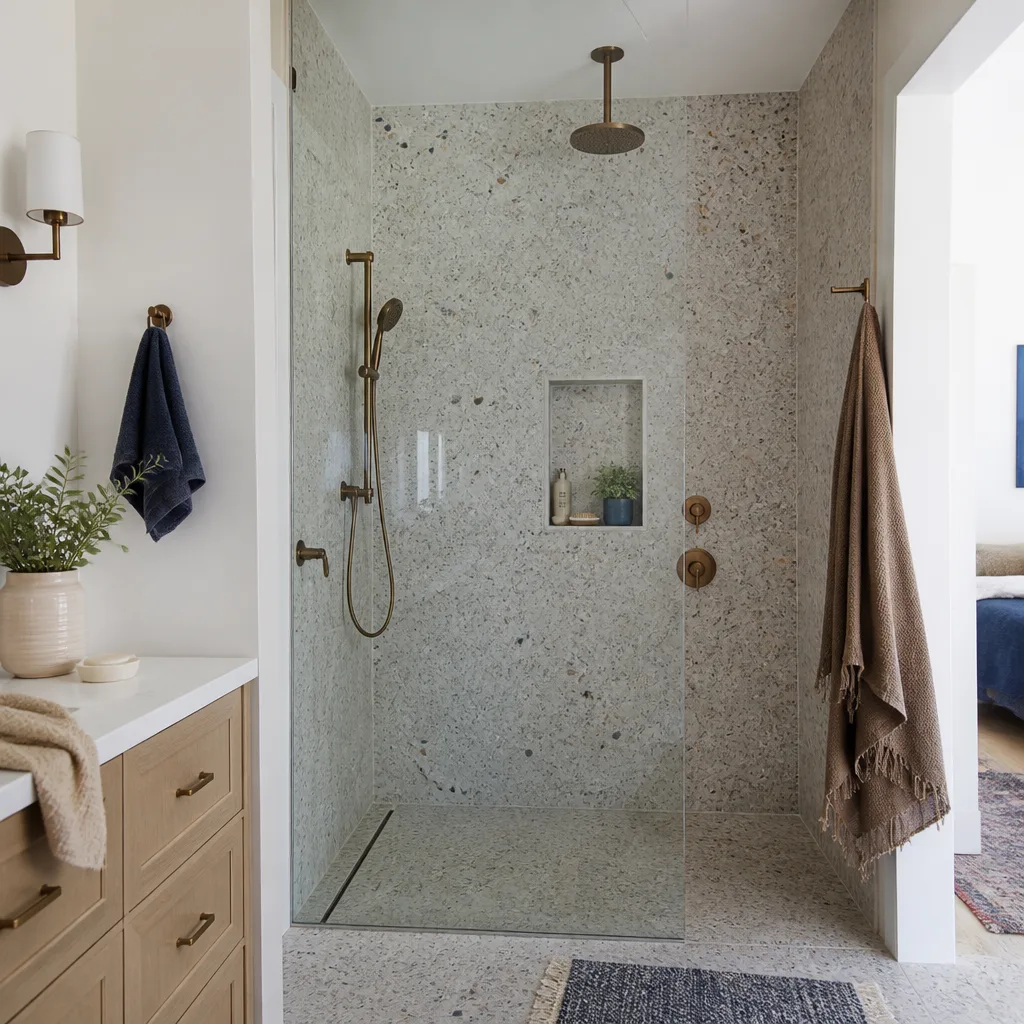
An OEM Grohe ceramic-disc cartridge typically lasts 10 to 15 years in the Los Angeles area, but hard water from Valley wells and some municipal sources can shorten that to 7 to 10 years without a whole-house softener or filtration. We recommend replacing the cartridge when you notice pressure drops or temperature drift, not waiting for a full failure. Call (803) 680-2547 and we’ll help you identify whether the cartridge or the rough-in valve is the problem.
In most cases, no. Grohe cartridges and thermostatic elements are sealed units, and the failure mode is internal wear or mineral scoring on the ceramic discs, neither of which is repairable. Cleaning inlet screens is the one exception, and that’s a service call, not a part replacement. We’ll tell you which one applies on the phone before we schedule anything.
A standard cartridge swap takes about 90 minutes to 2 hours from arrival to cleanup. A thermostatic element takes 2 to 3 hours, and a full valve body replacement behind finished tile can take half a day once we factor in surface protection, clean cutting, and patching. We’ll give you a written time estimate with the price before confirming the job.
We keep OEM Grohe cartridges and trim kits for Eurosmart, Concetto, and Grohtherm lines on the truck, along with common thermostatic elements. For less common valve bodies or discontinued finishes, we source from Grohe distributors in Los Angeles and have the part in hand before your scheduled appointment, usually within two business days.
Written by Isaac Pruett, Owner, Mason Remodeling at Mason Remodeling, serving Los Angeles and nearby areas.