Free written scope consultation - allowances, timeline, and change-order rules on paper before a single trade is scheduled
American Standard Home Additions & ADU: The Los Angeles Owner’s Guide
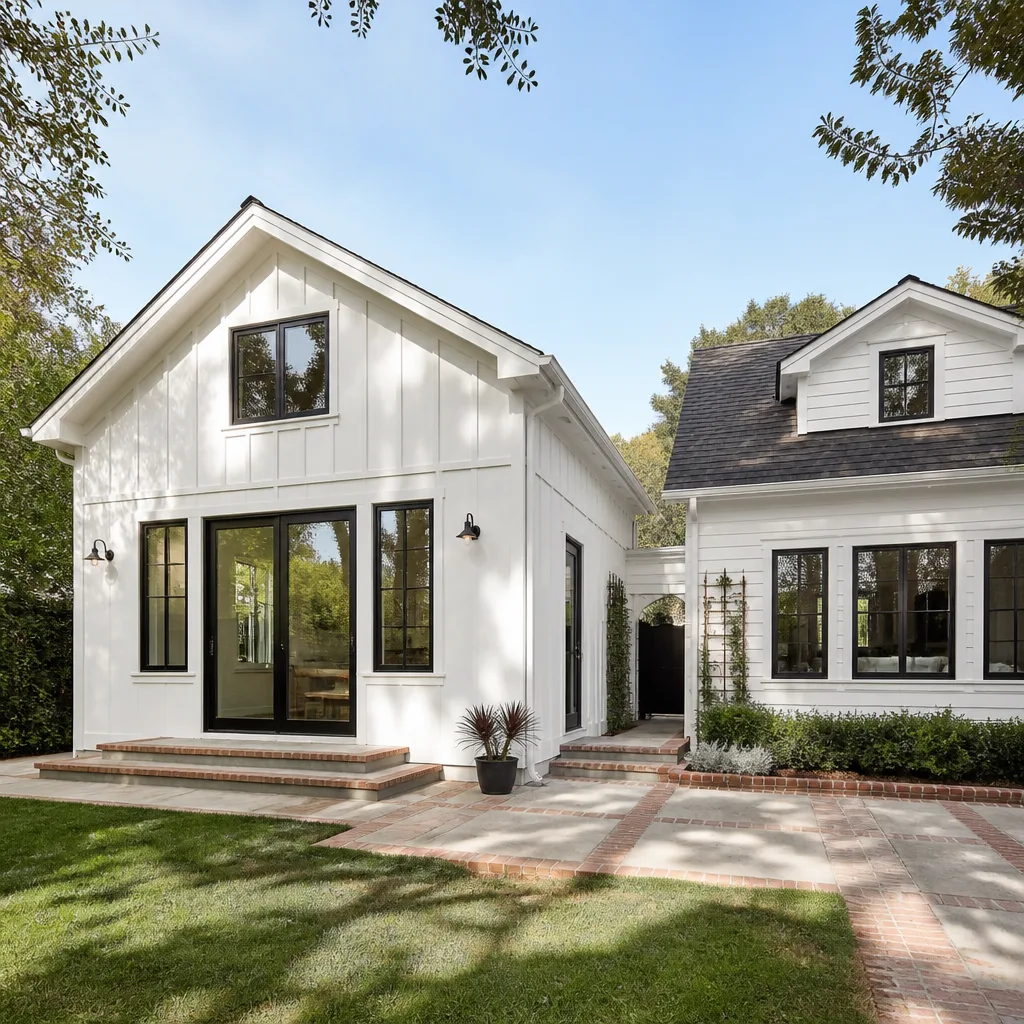
American Standard home additions and ADU construction in Los Angeles typically runs $53,100 to $153,400, with full ADU builds ranging from $106,200 to $259,600 depending on foundation type, utility runs, and whether you’re converting existing space or building from scratch. Most homeowners reach out to us when an existing structure no longer fits: a growing family in a two-bedroom in Van Nuys, an aging parent moving into a converted garage in El Sereno, or a rental unit that needs to meet L.A.’s new ADU setback rules before it can be legally leased. The question under every one of these calls is the same: what will this actually cost, and who exactly is walking my property to figure it out. As an independent Los Angeles contractor, we’re not affiliated with American Standard, but we build with their fixtures and dimensional specs on additions and ADUs across the city every month.
Here’s what you need to know before you spend another week guessing. Know who’s coming, know what it costs, know it’s backed up – everything else is just noise.
Which American Standard Models This Applies To
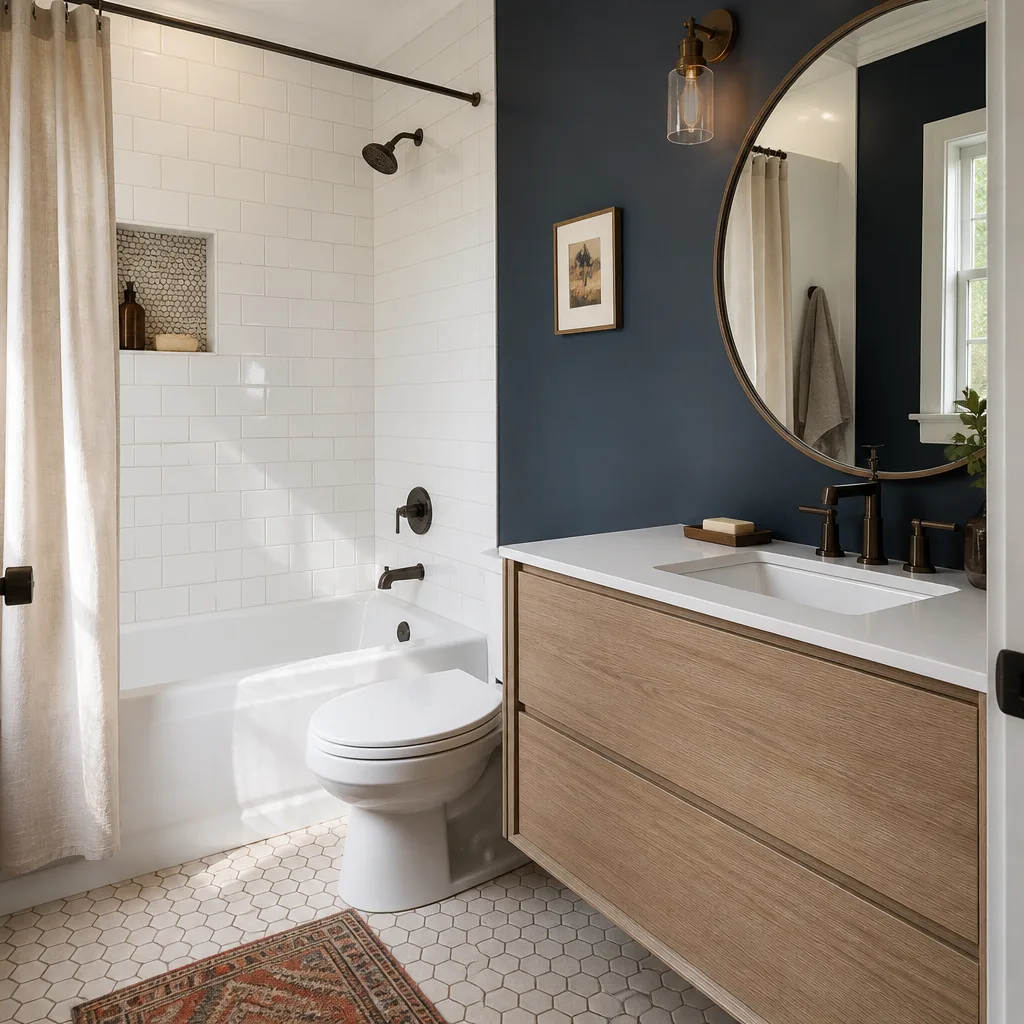
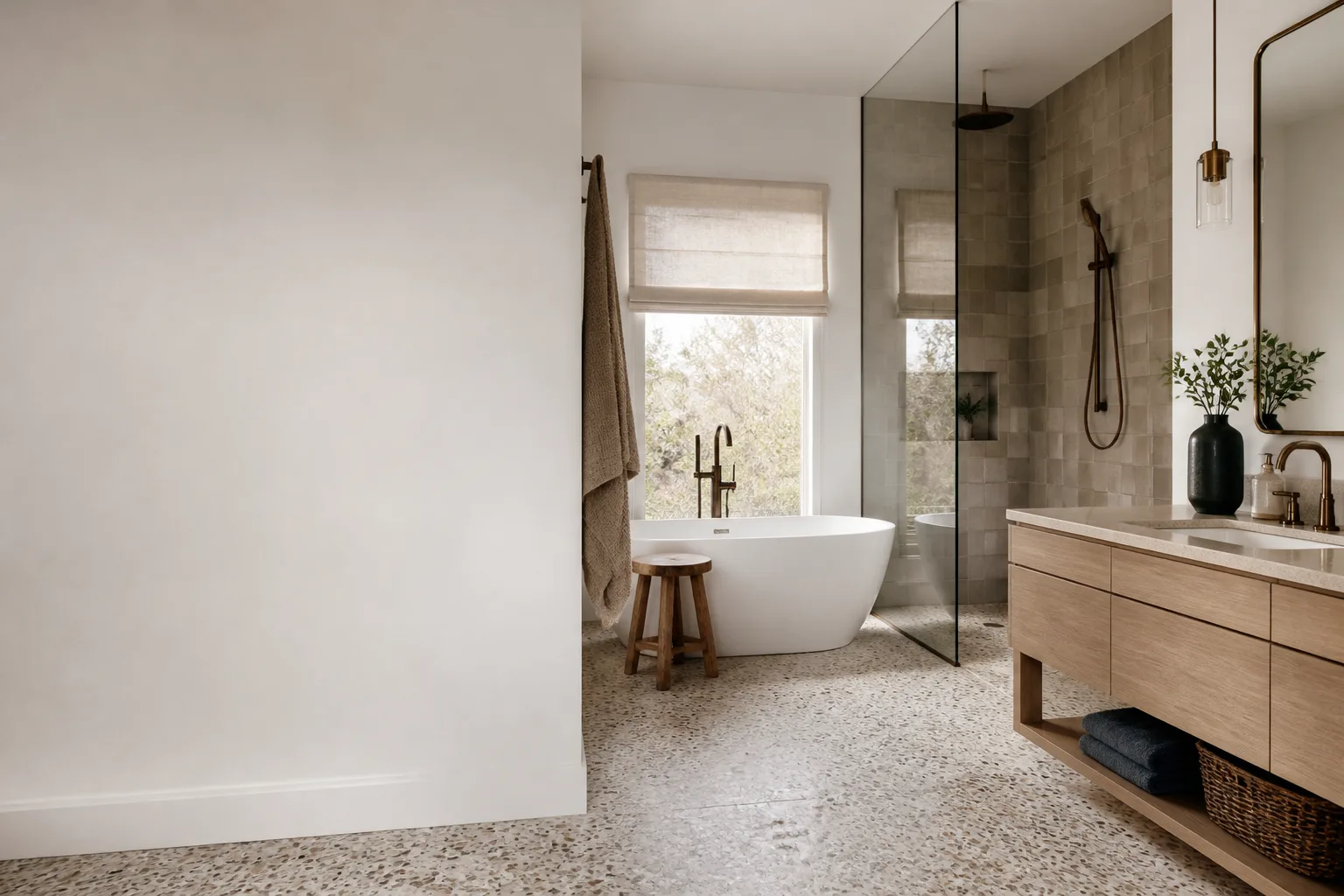
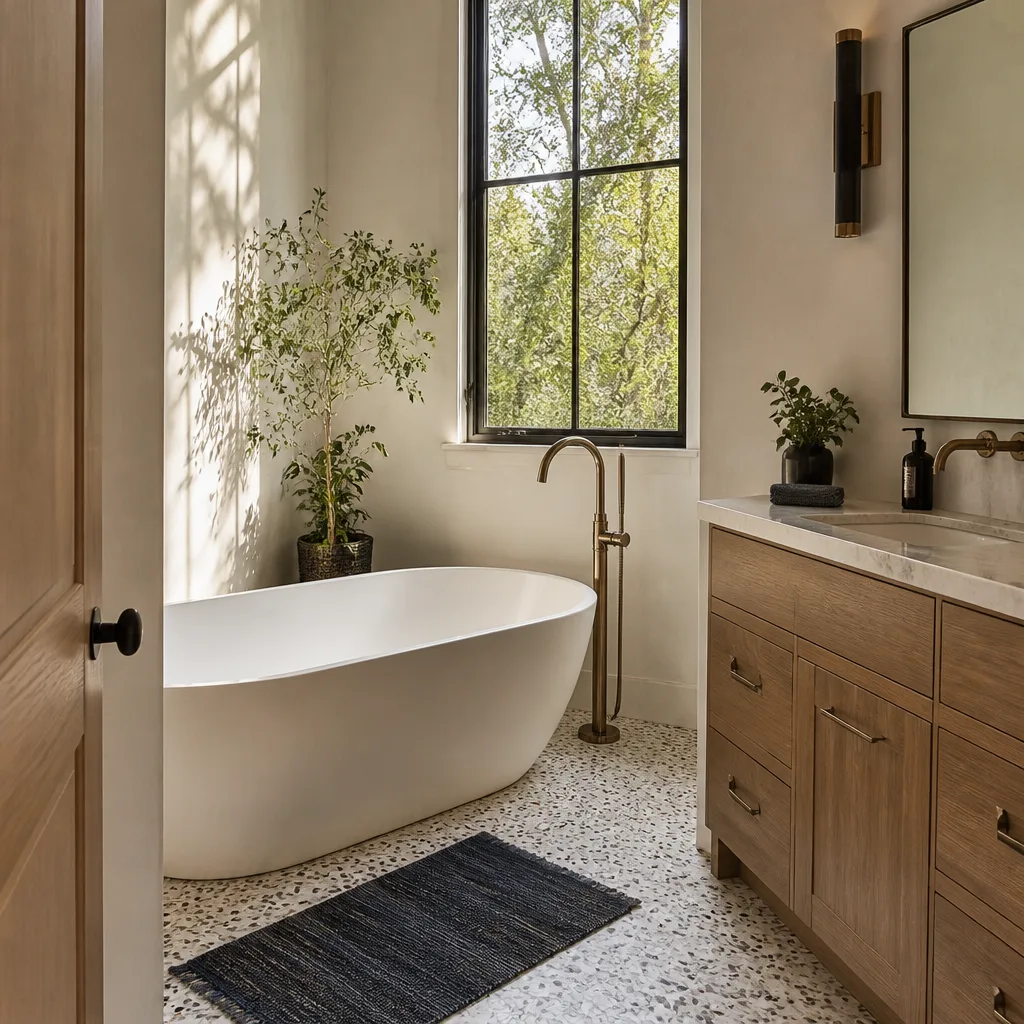
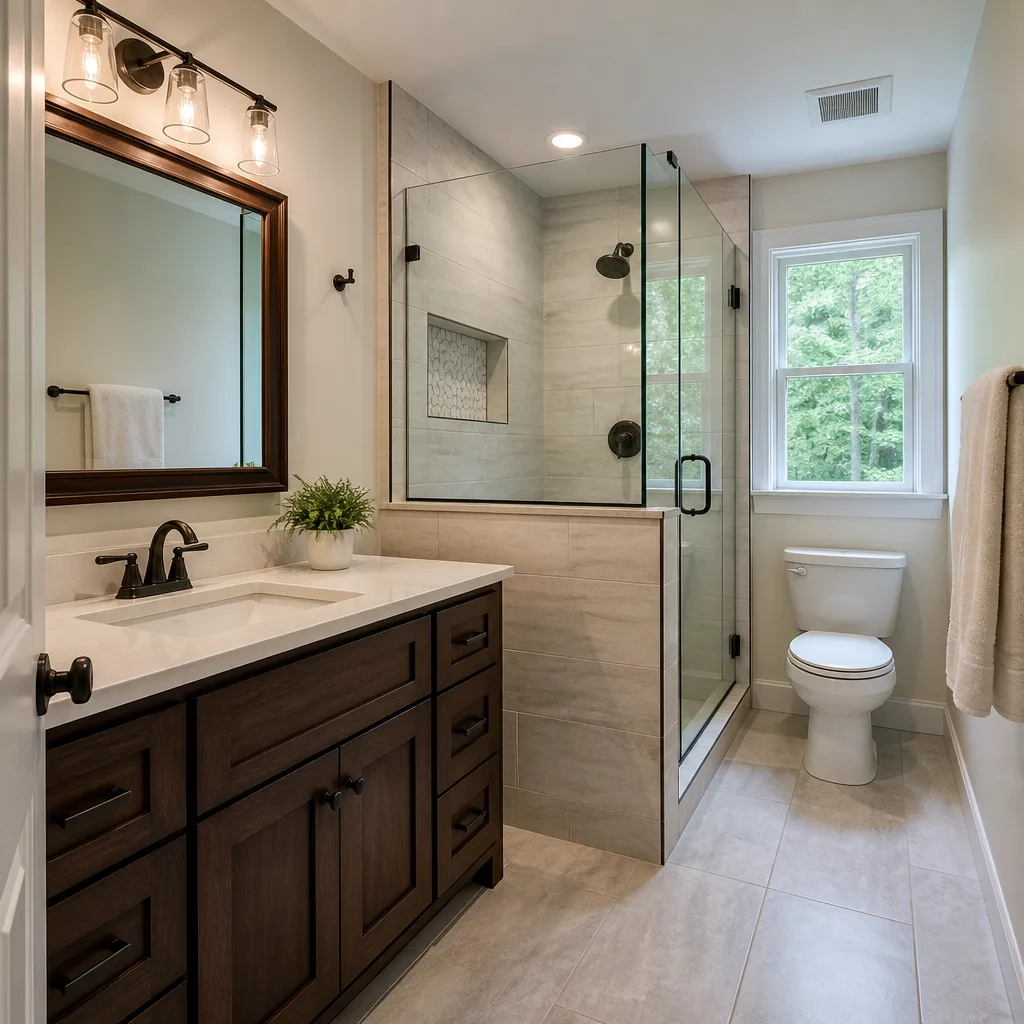
When we talk about American Standard in the context of home additions and ADUs in Los Angeles, we’re talking about their fixture and plumbing line, not the framing. American Standard doesn’t manufacture wall panels or trusses. What they do make are the tubs, toilets, sinks, and shower bases that go into new bathrooms added onto a house, and the dimensional specs of those fixtures dictate rough-in plumbing, wall placement, and sometimes even floor joist spacing. The compatibility question that actually matters: which American Standard series are you building around, and does your addition plan account for its exact rough-in dimensions before the slab gets poured.
The gotcha we see in Los Angeles regularly: American Standard’s Studio and Town Square series share visual styling, but their tub decks are not the same depth. A Town Square drop-in tub needs 21⅝ inches of deck width. A Studio S tub needs 19½. If your addition’s framing is roughed for one and you buy the other, somebody’s cutting tile twice. We verify the model number stamped on the fixture box against the framing and rough-in plan before anything gets locked in. Same applies to ADU shower pans in the Ovation series: the center-drain and right-drain versions look identical until you set them on the pan and realize the plumbing stubs are six inches off. We stock common American Standard rough-in adapters on our trucks to correct those errors without ripping out fresh framing.
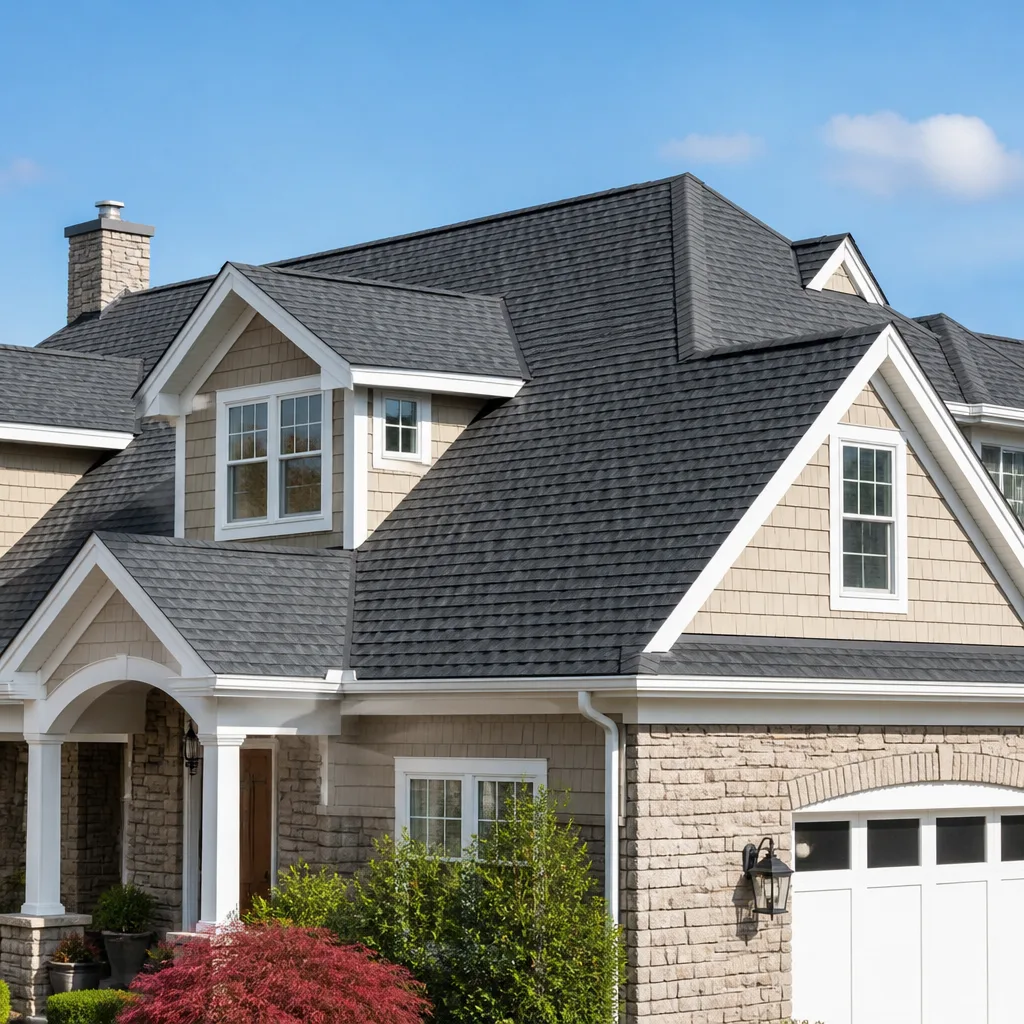
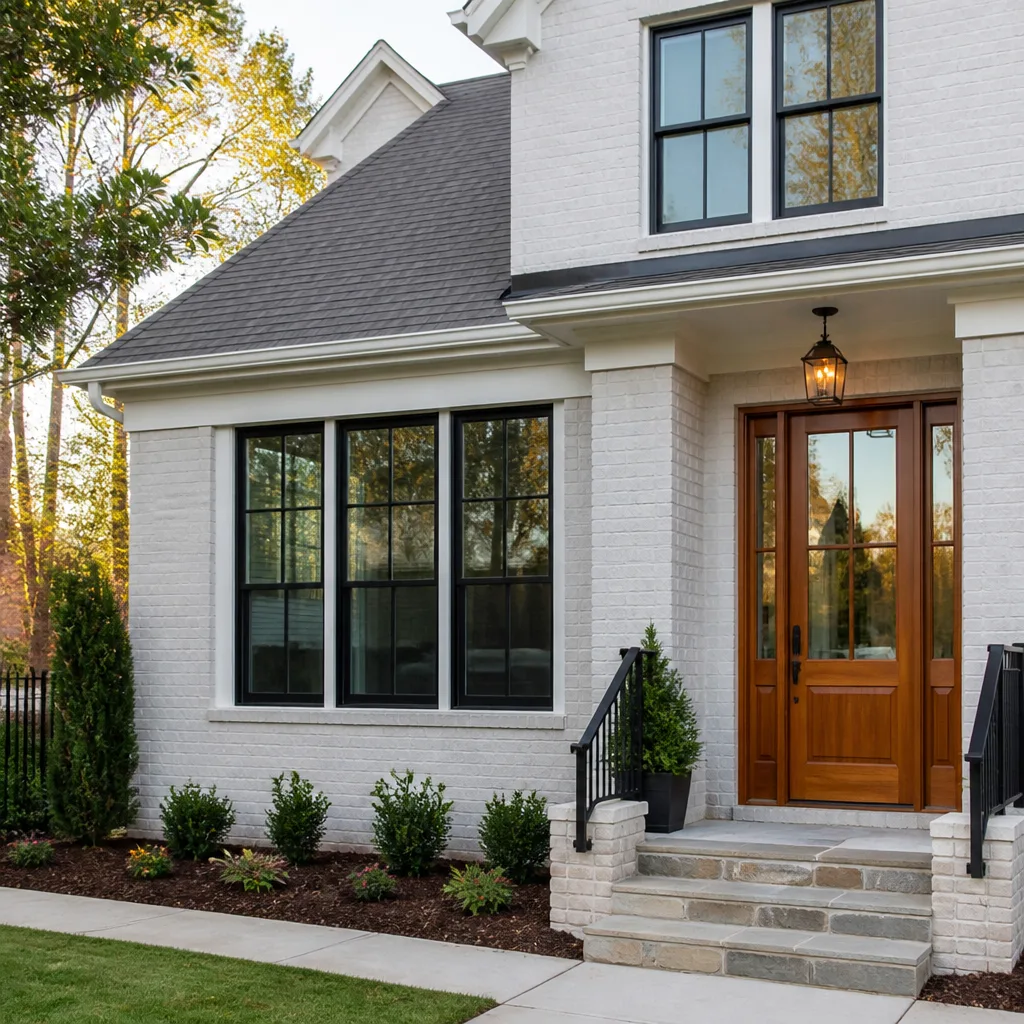
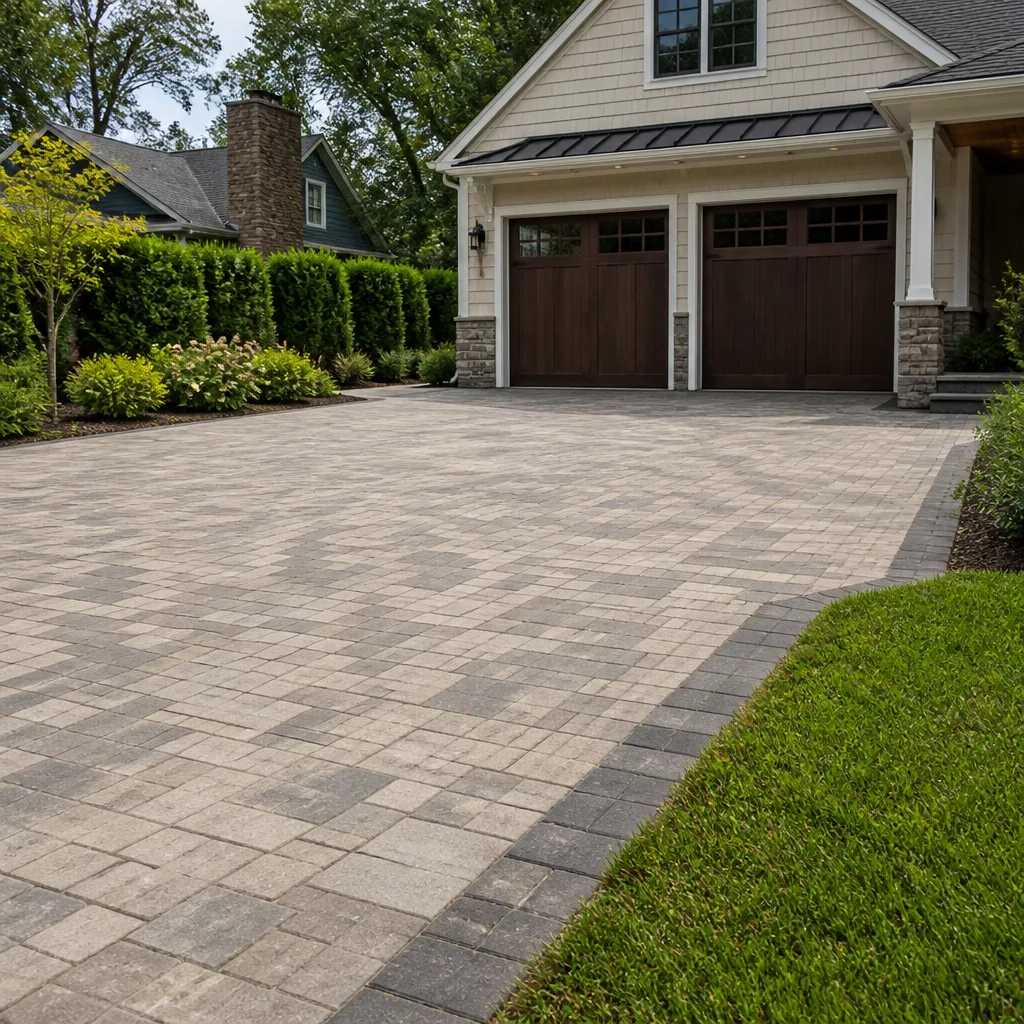
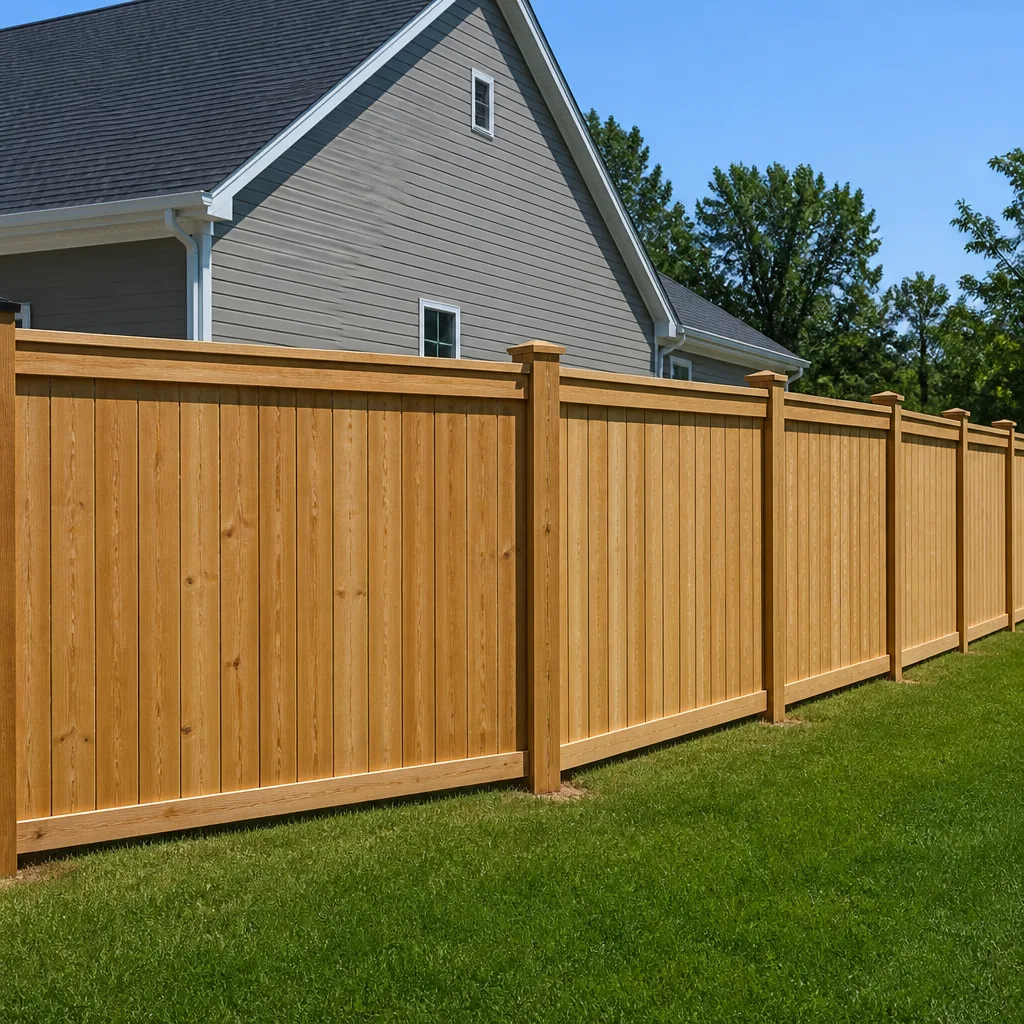
Styles & brands we work with
Signs Your American Standard Home Additions & ADU Is Failing
- Doorways and windows drifting out of square. In Los Angeles, this usually traces back to foundation settlement on older slab-on-grade homes. The addition’s weight isn’t balanced, or the pre-pour compaction was thin. If you can see daylight above a door in the morning and none by evening, the ground is moving.
- Seam cracks between the original house and the new addition. The single most common failure point we see on L.A. additions is the connection joint. Different settlement rates between old foundation and new show up as a hairline crack along the transition wall. Caulking it repeatedly doesn’t fix what’s moving underneath.
- Water staining at the base of new exterior walls. Los Angeles gets real rain in January and February. If the addition’s flashing or weep screed was done sloppy, the first hard storm tells the truth. Staining near the bottom plate means water is getting behind the stucco.
- Doors that stick seasonally, especially in the San Fernando Valley heat. Wood framing in the Valley moves with humidity and temperature swings. A door that sticks every summer was likely hung too tight. It’s a sign the carpenter didn’t leave enough reveal.
- ADU plumbing that drains slow from day one. If the DWV lines in your Accessory Dwelling Unit were run too flat or improperly vented, you’ll hear gurgling at the fixtures and see slow tub drains. It’s a rough-in problem hiding behind finished walls.
See the difference
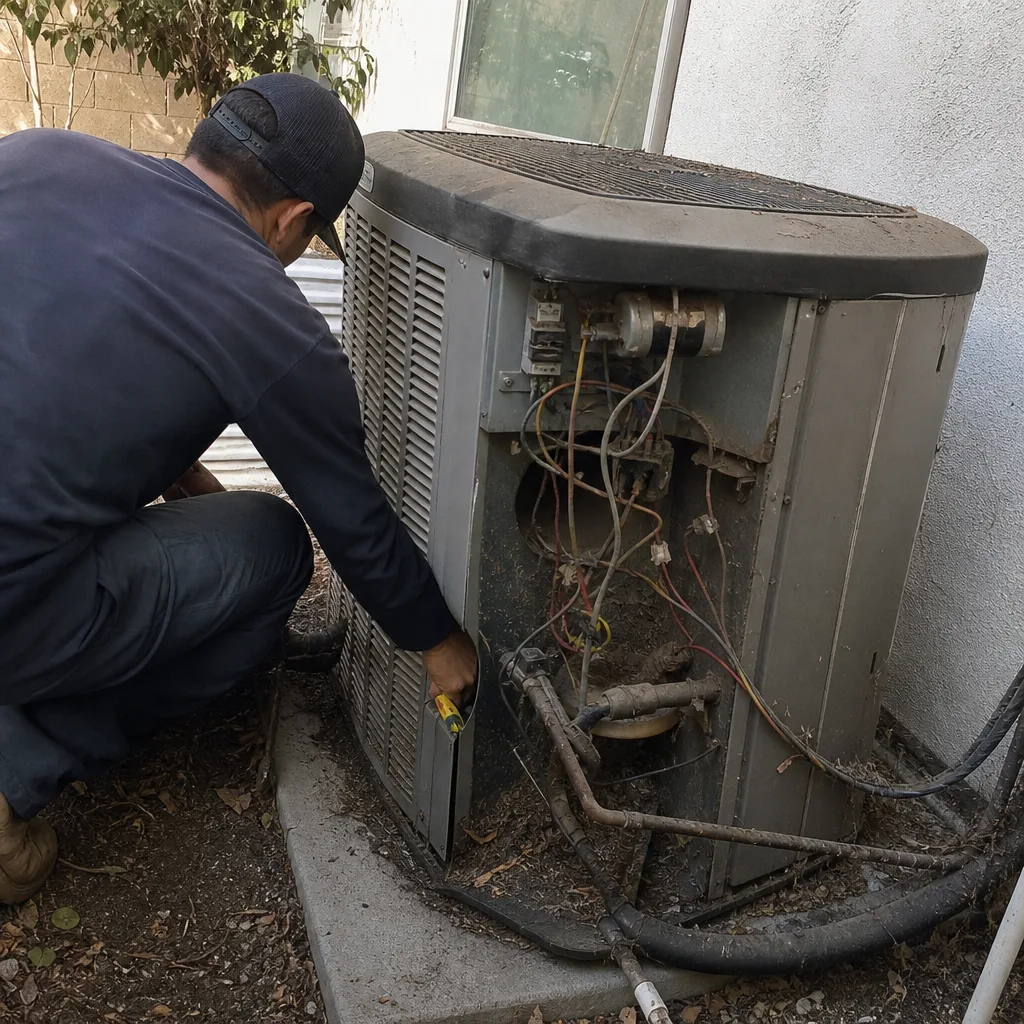 Before
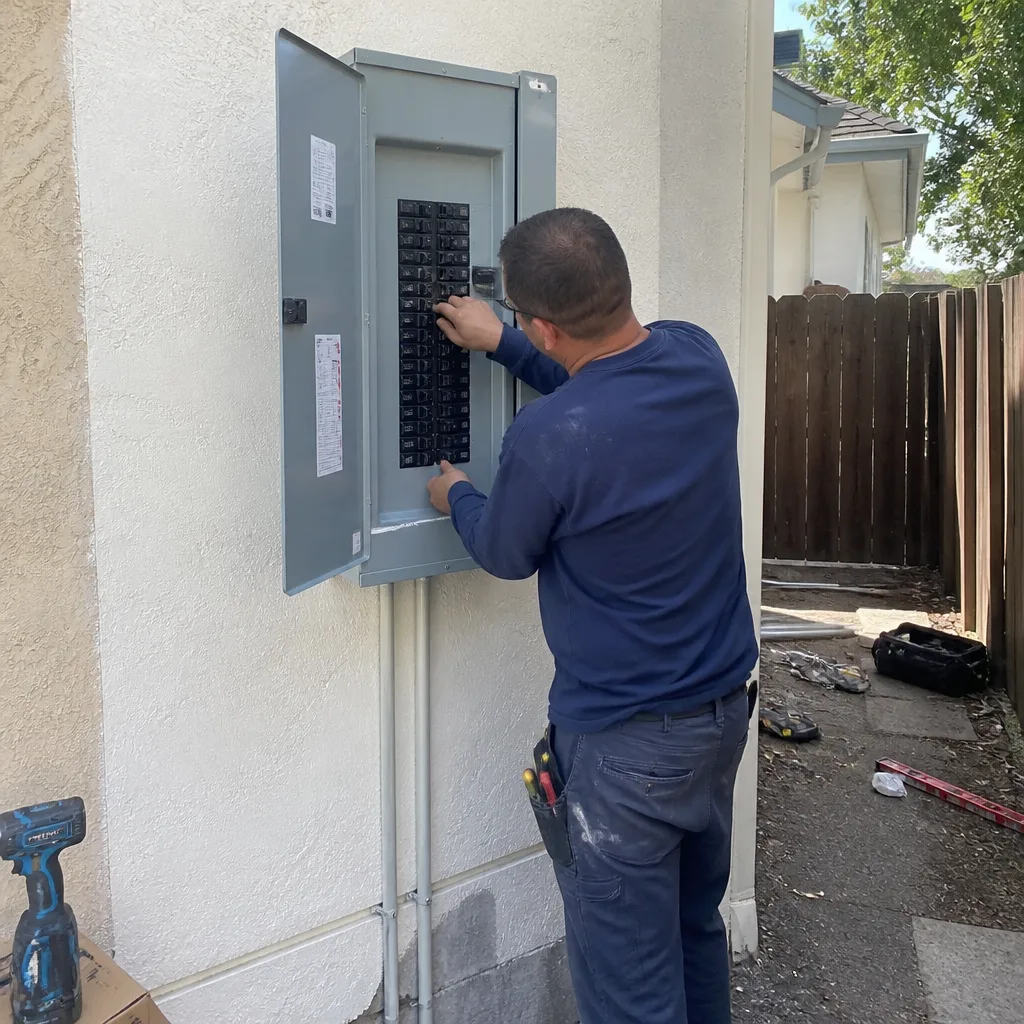 After
After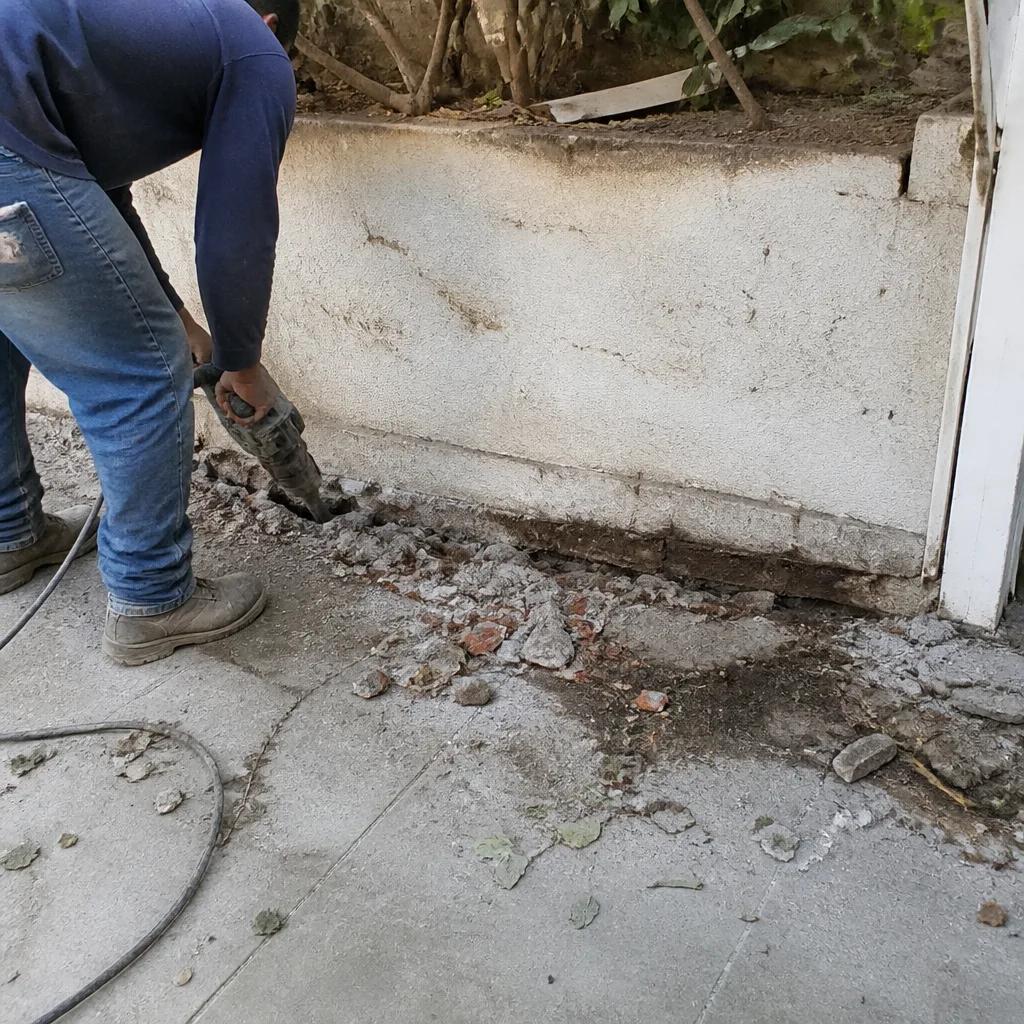 Before
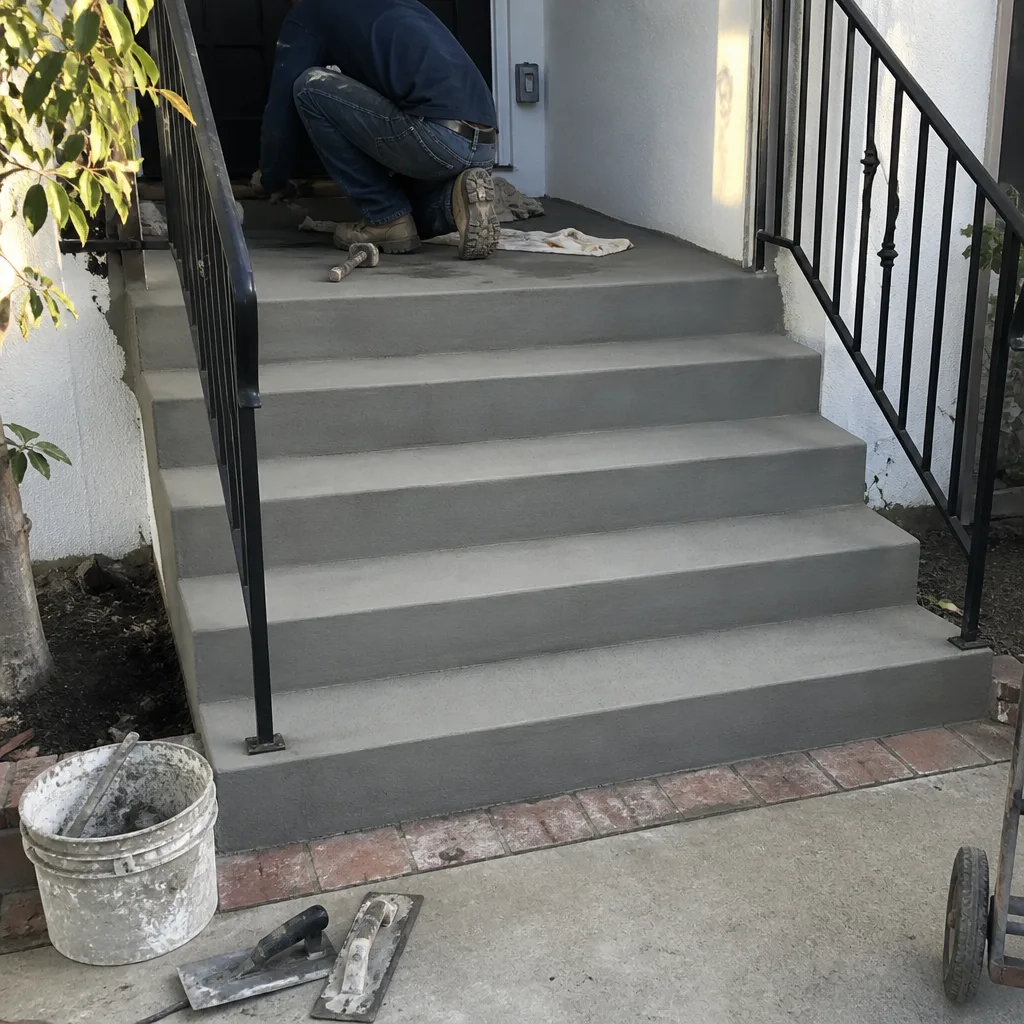 After
After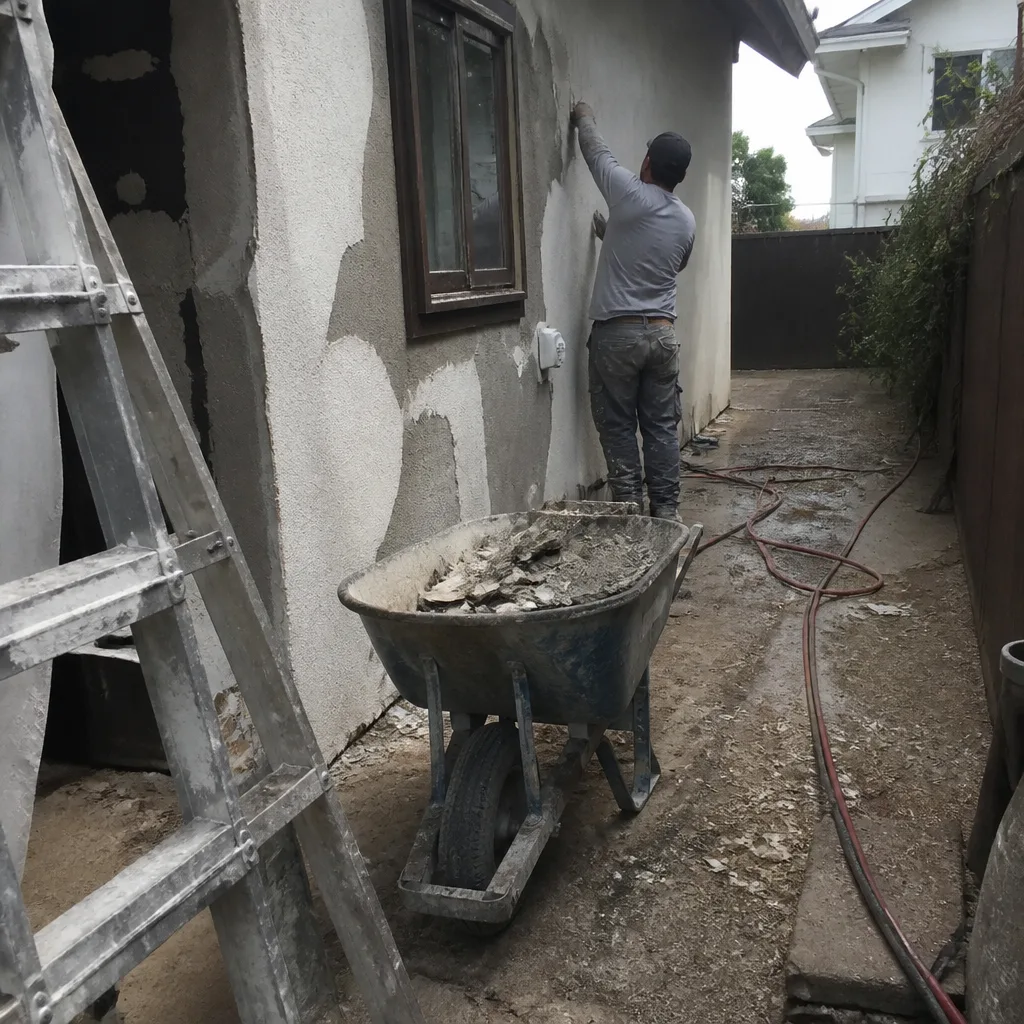 Before
 After
AfterReplacement Cost & What’s Included
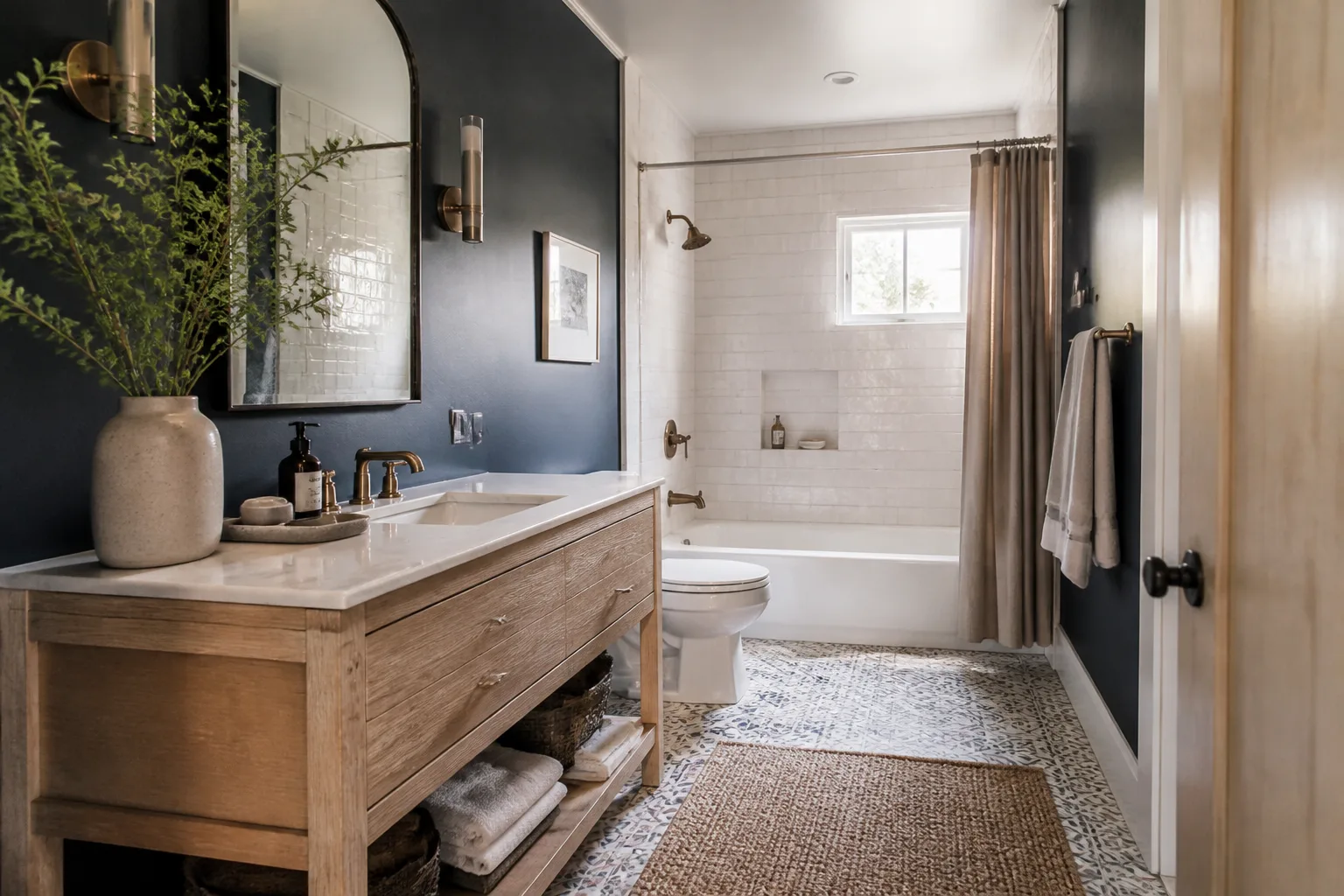
For home additions in Los Angeles, you’re looking at $53,100 to $153,400. That range covers what we call the honest build cost: permits, architectural drawings, foundation work, framing, roofing, electrical, plumbing rough-in, drywall, basic interior finish, and a final inspection that passes LADBS. Where you land inside that range depends on three things: whether it’s a bump-out or a full wing, whether the existing panel has capacity for the new electrical load, and whether the soil under the addition needs deeper footings. ADU construction runs $106,200 to $259,600 in Los Angeles right now. That’s a wide spread for a reason: a garage conversion with an existing slab and a service panel nearby sits at the low end, while a detached ADU requiring trenching, a new transformer tap, and seismic hold-downs climbs fast.
Every one of these projects gets a written price before any work starts. Not a ballpark. Not a verbal estimate. A line-item document that says exactly what we’re building, what it costs, and what’s excluded, signed by both of us. If the scope doesn’t change, the number doesn’t change. That has been the Mason Remodeling standard since 2004, and we don’t waive it for anyone. Every addition and ADU we build also carries our 365-Day Done Right Promise: if anything we touched isn’t right within a year of completion, we return and make it right at no cost to you.
DIY or Call Us?
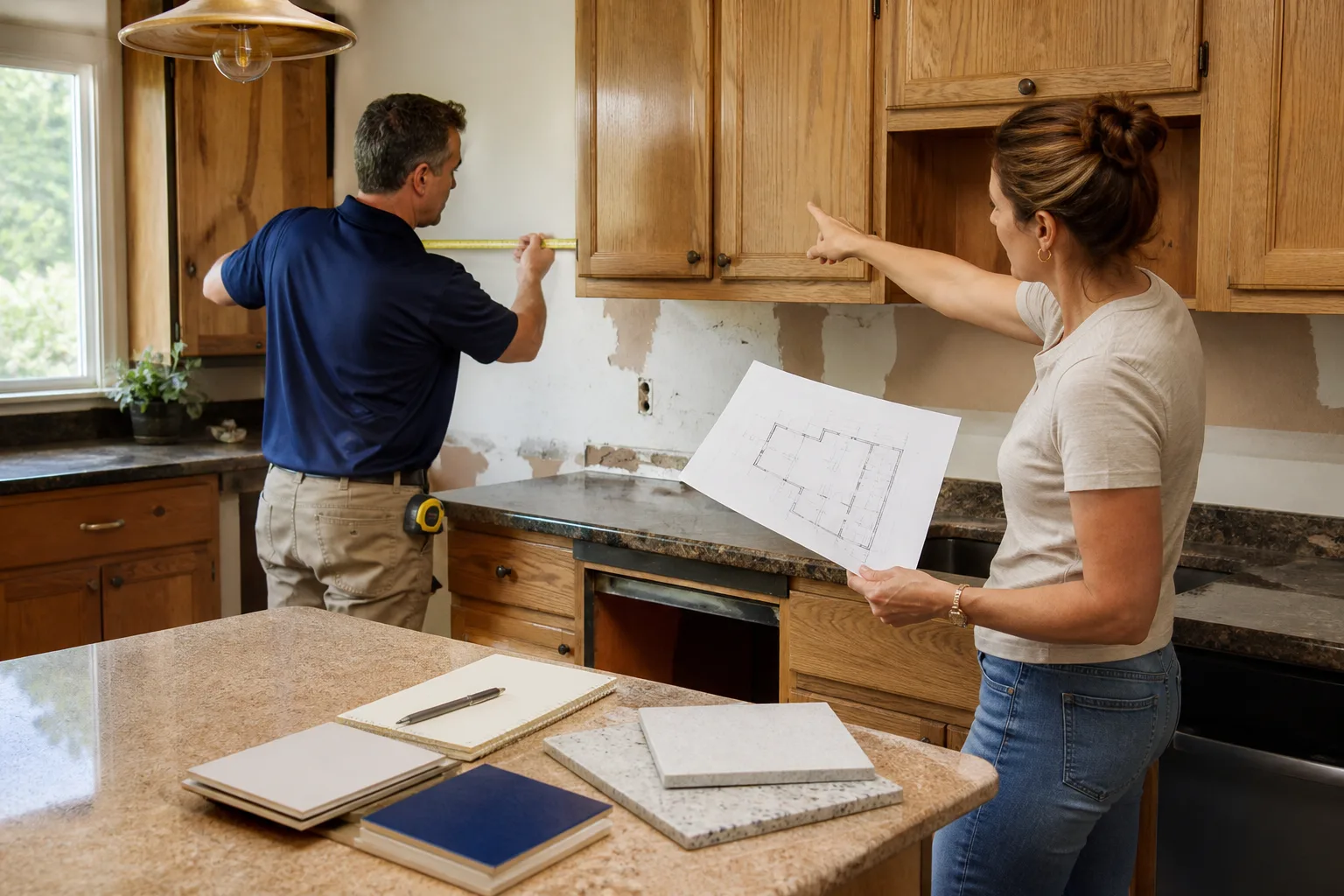
You can’t DIY an addition or ADU in Los Angeles. Not legally, and not safely. The city requires stamped plans, permitted inspections, and licensed work for anything involving structural changes, gas lines, or new electrical service. What a homeowner can do before calling us is real: walk the property line to check existing easements, pull the old survey if you have one, and think hard about how many feet you actually need versus what the L.A. zoning code allows for your lot. That prep helps us give you a tighter price in the first conversation.
What goes wrong when someone skips the permit process: unpermitted additions show up on title reports when you sell. The buyer’s lender flags them. Insurance claims get denied. And in the worst cases, the city orders the structure removed. We’ve been called out to fix enough unpermitted additions in Los Angeles to say this plainly: the cheapest upfront bid is the most expensive one. Call (803) 680-2547 and one of our people, a live person who answers around the clock, will set a time for Isaac to walk your property and give you a written number. The estimate is free.
FAQs
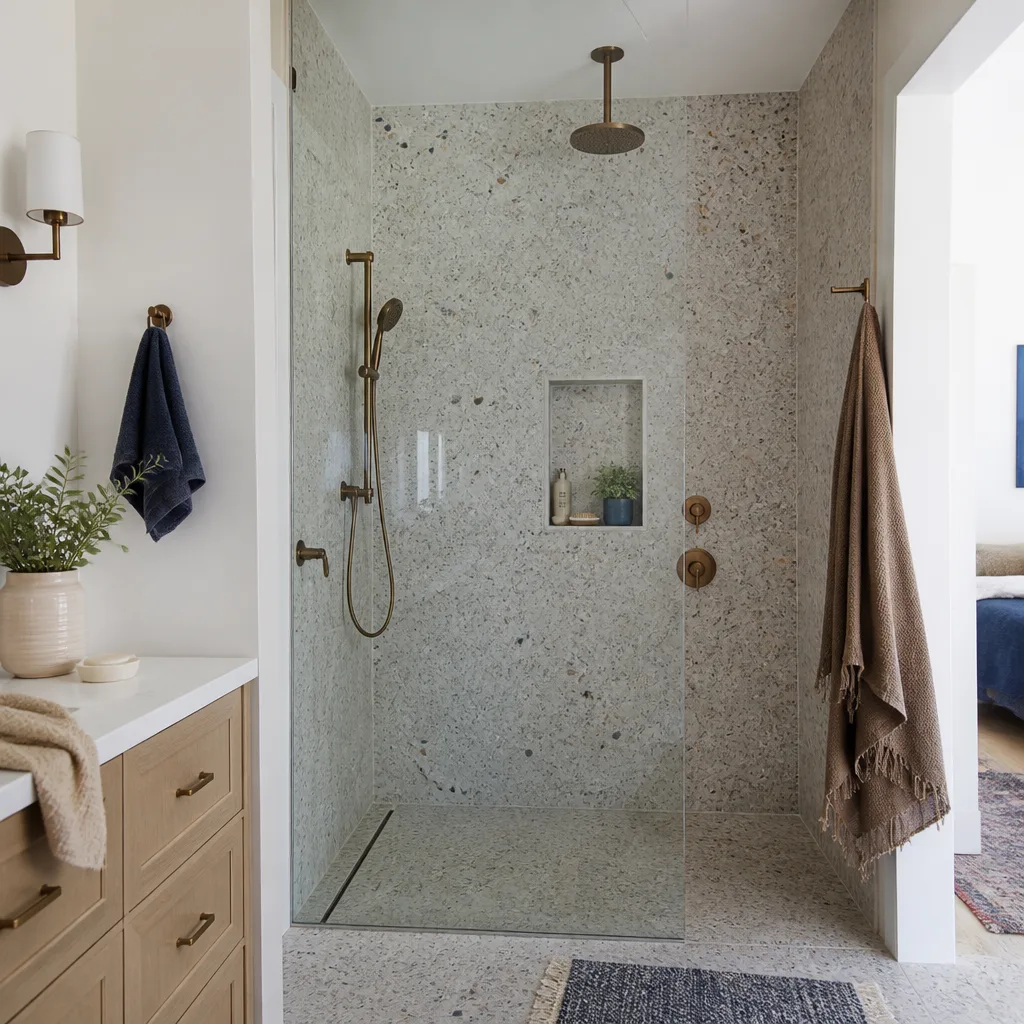
A permitted, properly built addition in Los Angeles should last 50 years or more on the structural side, with normal wear on roofing, stucco, and windows every 15 to 20 years. The weak points are the connection between old and new foundation, and the stucco flashing, which is why we spend extra time there during framing.
Yes, and it comes down to what failed. Foundation issues on an addition can often be corrected with underpinning or helical piers without tearing the whole structure down. Water damage at wall bases is usually a flashing repair plus stucco patch. If the framing itself was underbuilt, that’s a rebuild, and we’ll tell you straight which one you’re looking at.
A garage conversion runs 3 to 6 months from permit pull to final inspection. A detached ADU runs 6 to 12 months, with most of the early time spent on LADBS plan check, which moves at its own speed. We handle the full permit process for you on every ADU project.
We carry common American Standard rough-in parts on our trucks, and we source the rest through our specification-grade partners, including KraftMaid, Cambria, and Silestone for the finish surfaces. You pick what you want at our supplier showrooms, we get contractor pricing, and it’s all on the written quote before we start. Call (803) 680-2547 for an exact price on your project, the estimate costs you nothing.
Written by Isaac Pruett, Owner, Mason Remodeling at Mason Remodeling, serving Los Angeles and nearby areas.