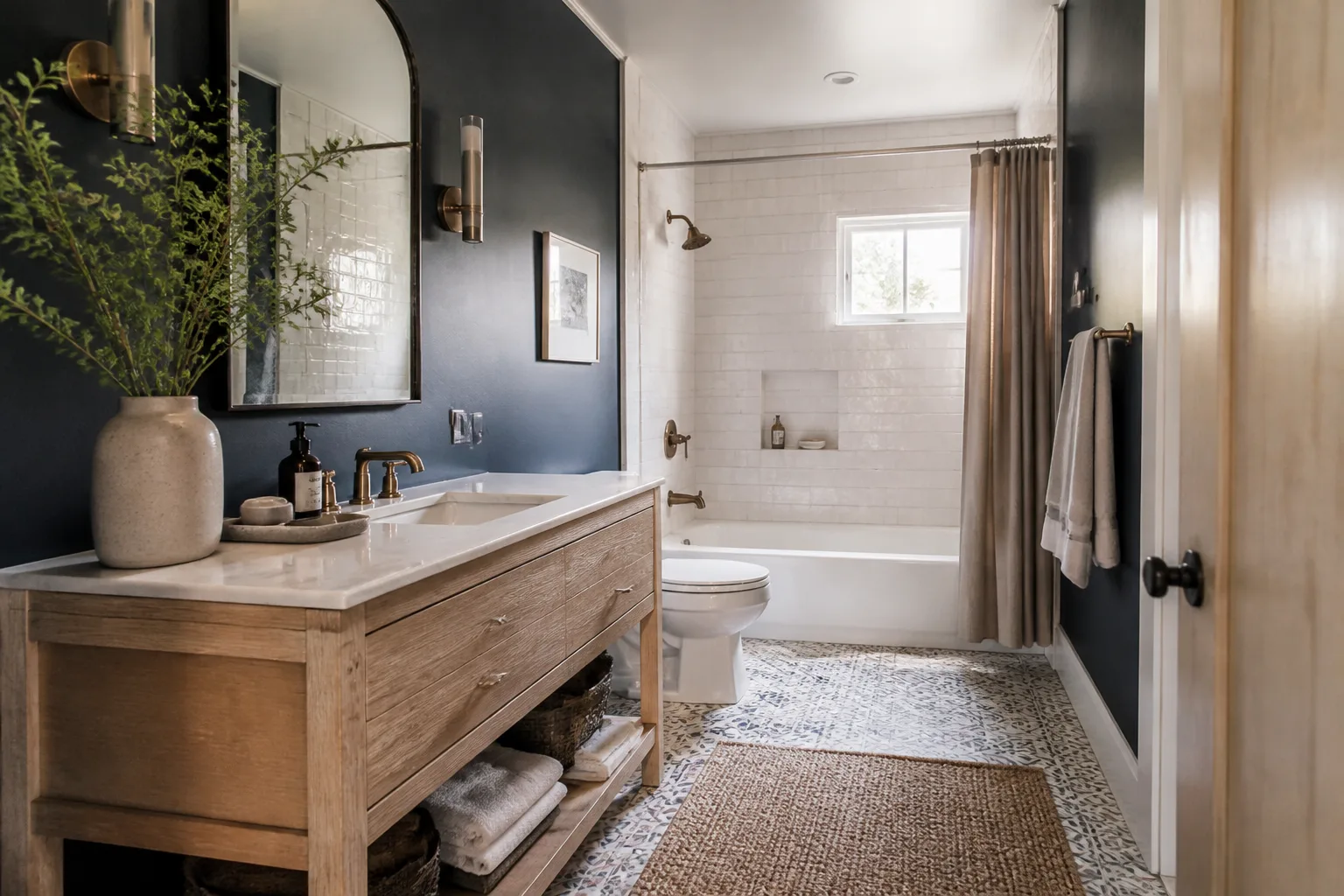
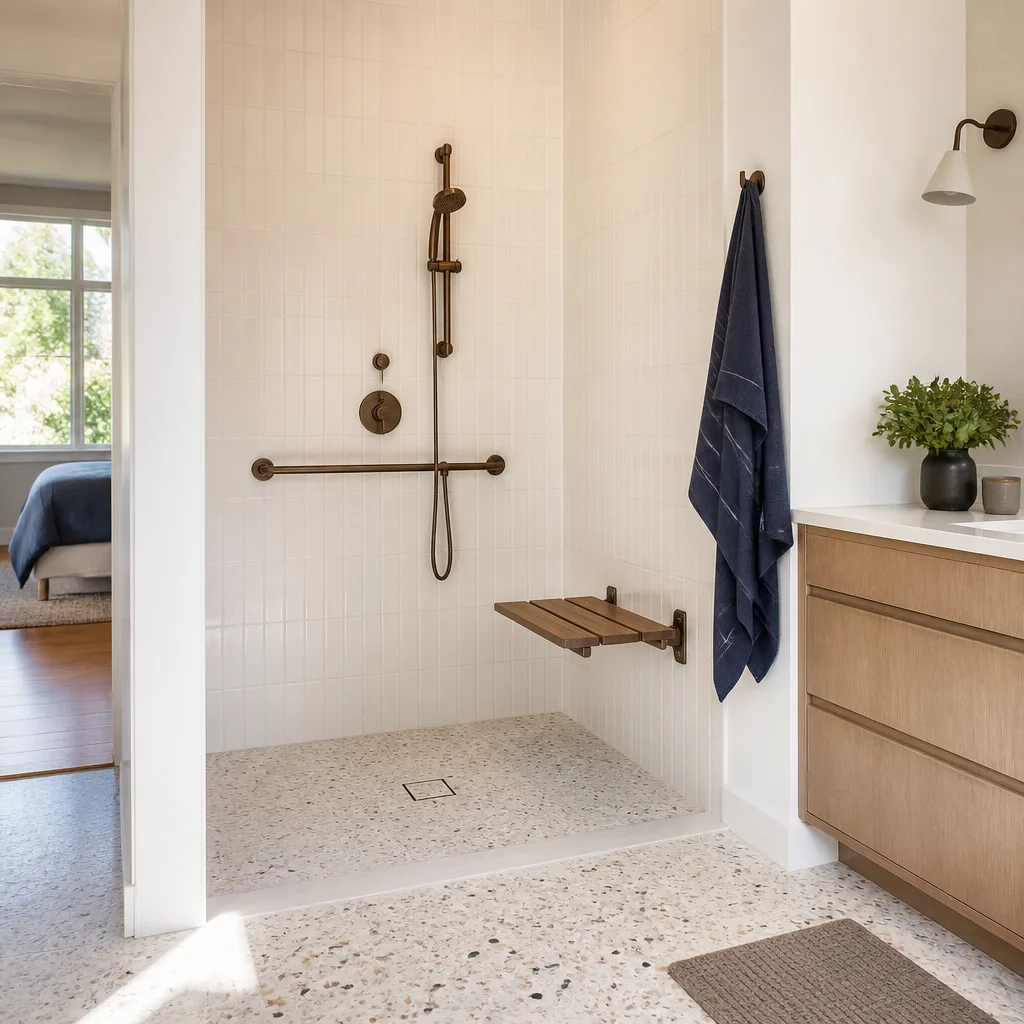
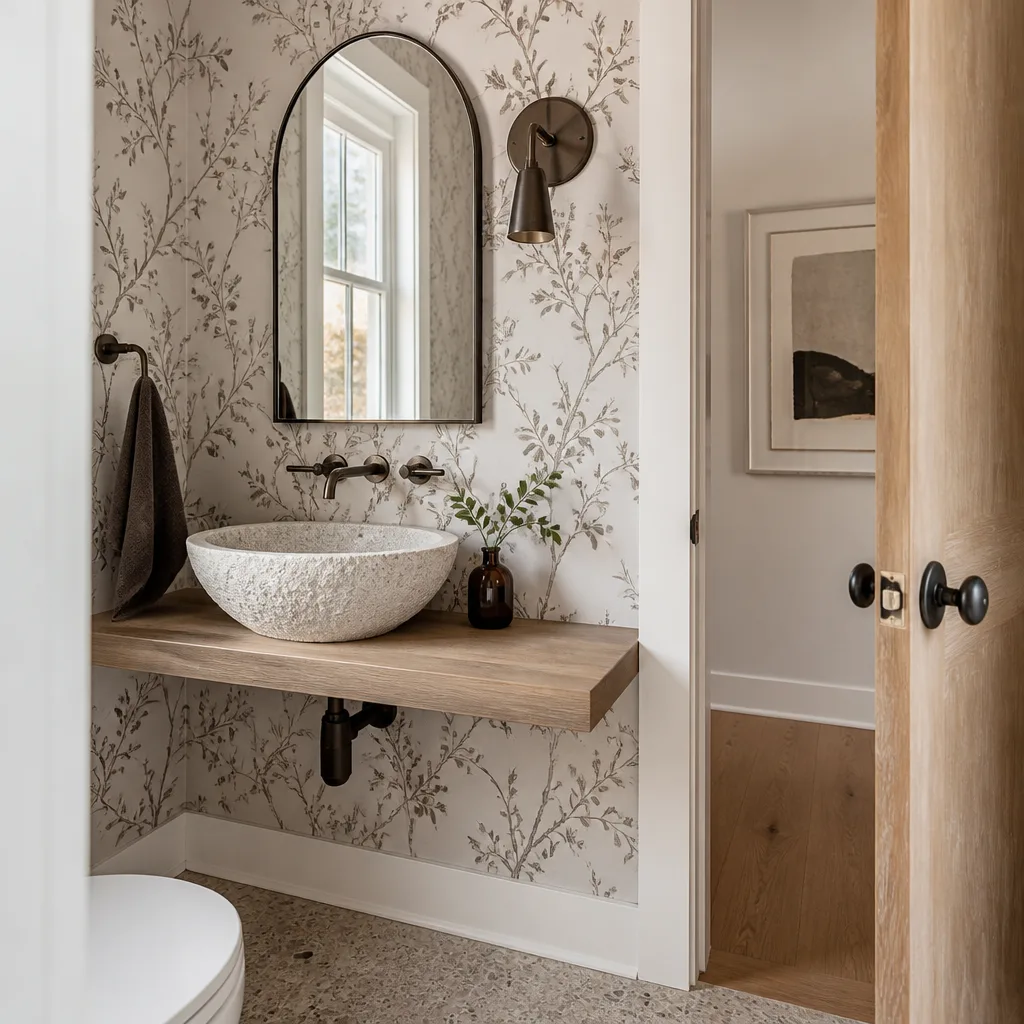
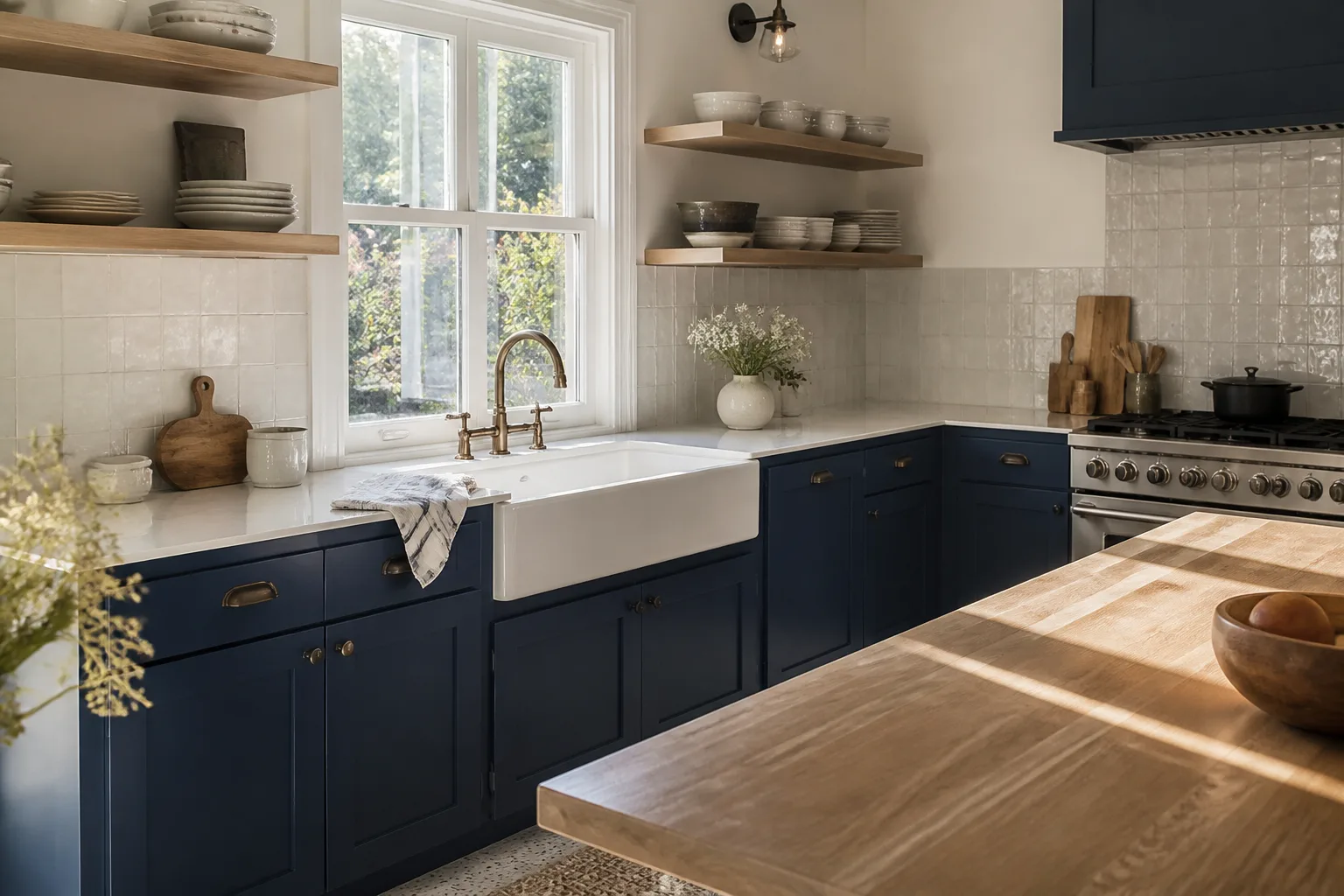


Free written scope consultation - allowances, timeline, and change-order rules on paper before a single trade is scheduled
Bathroom Remodeling Stopped Working
When your bathroom stops working the way it should – a shower that won’t drain, a toilet that won’t flush properly, fixtures that leak or fail entirely – the problem is almost always a failed component, a worn surface, or a system that was never installed correctly in the first place. Most of the time, a single repair or a targeted update resolves it. Sometimes the whole bathroom needs to be looked at with fresh eyes.
Either way, the fix starts with understanding what actually broke. Below is what your local Mason Remodeling team sees most often, what it means, and how we handle it.
What’s Happening

A bathroom that “stops working” almost always means one or more systems – plumbing, ventilation, tile, or fixtures – have failed or degraded to the point where they’re no longer doing their job. This is rarely an isolated cosmetic issue; when a bathroom stops working, something underneath the surface is usually involved.
The visible signs – standing water, cracked tile, a fixture that won’t shut off, mold creeping along the grout lines, a floor that flexes when you step on it – are the bathroom telling you that a system has crossed its limit. Ignoring it tends to let one problem become three. A slow drain causes water to back up; backed-up water finds its way into the subfloor; a soft subfloor lets tile crack; cracked tile lets moisture into the wall cavity. The sequence is predictable. The good news is that catching it at any point in that chain is better than catching it at the end.
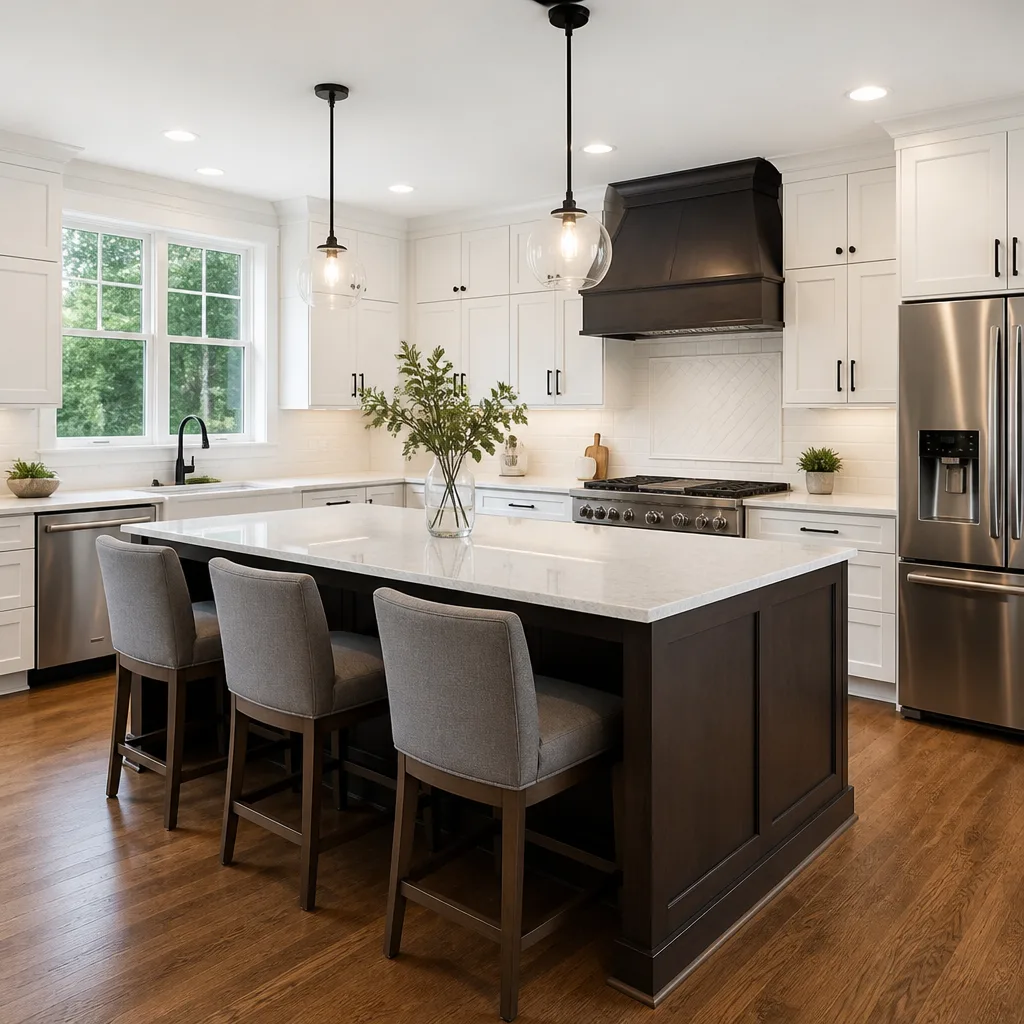
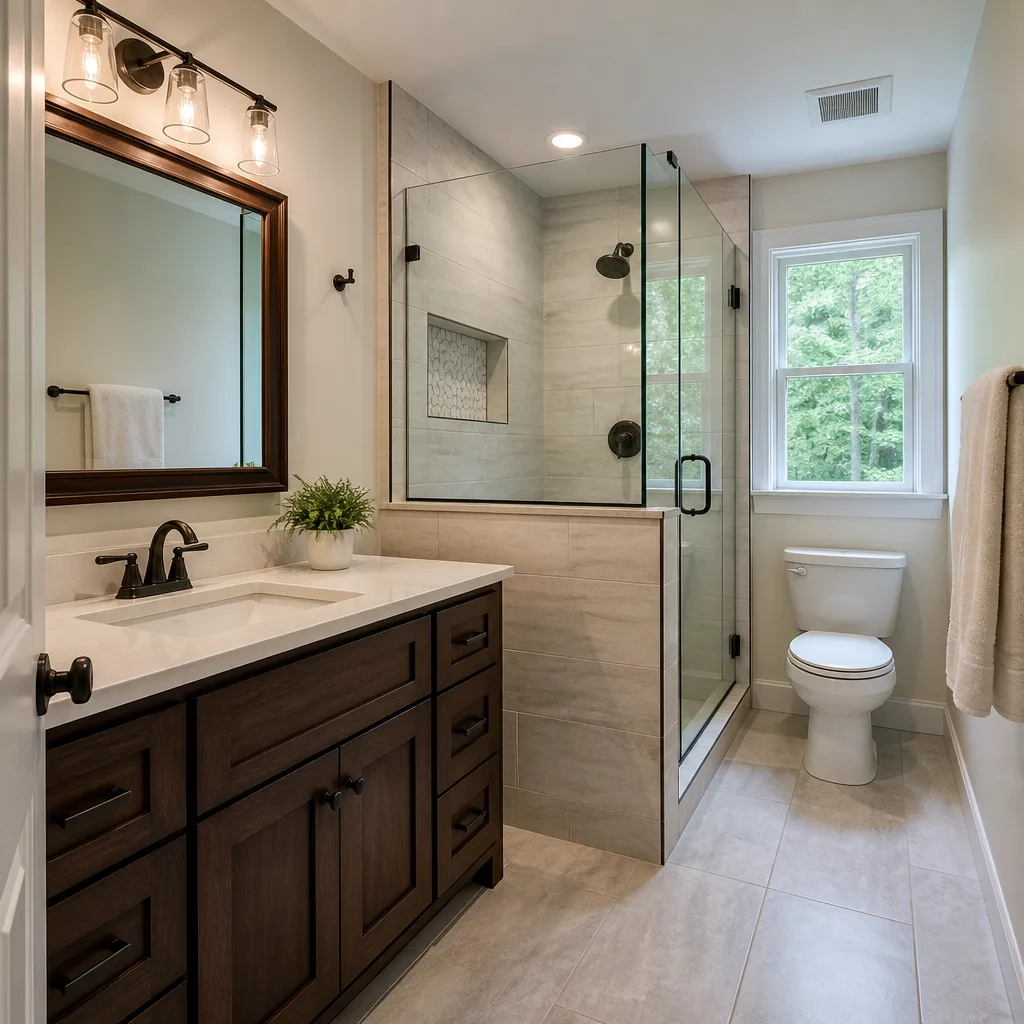
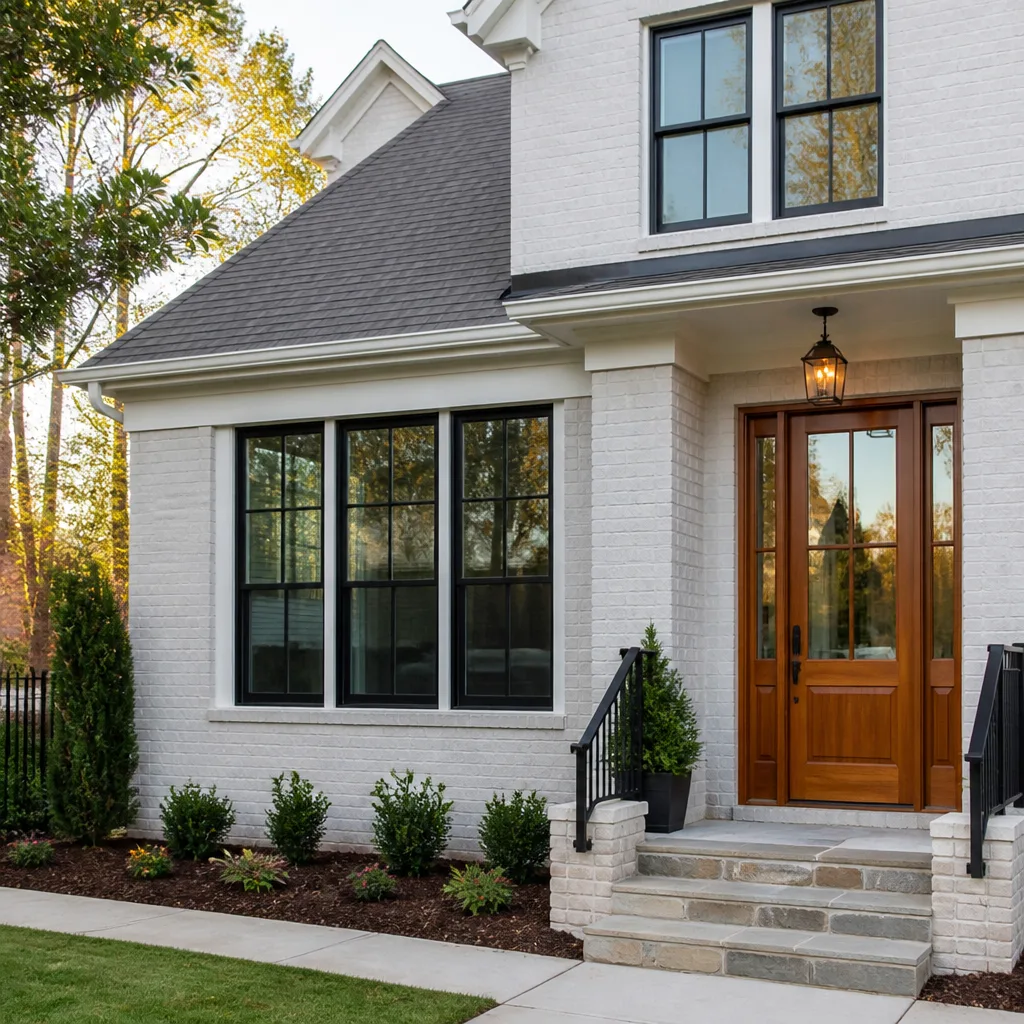
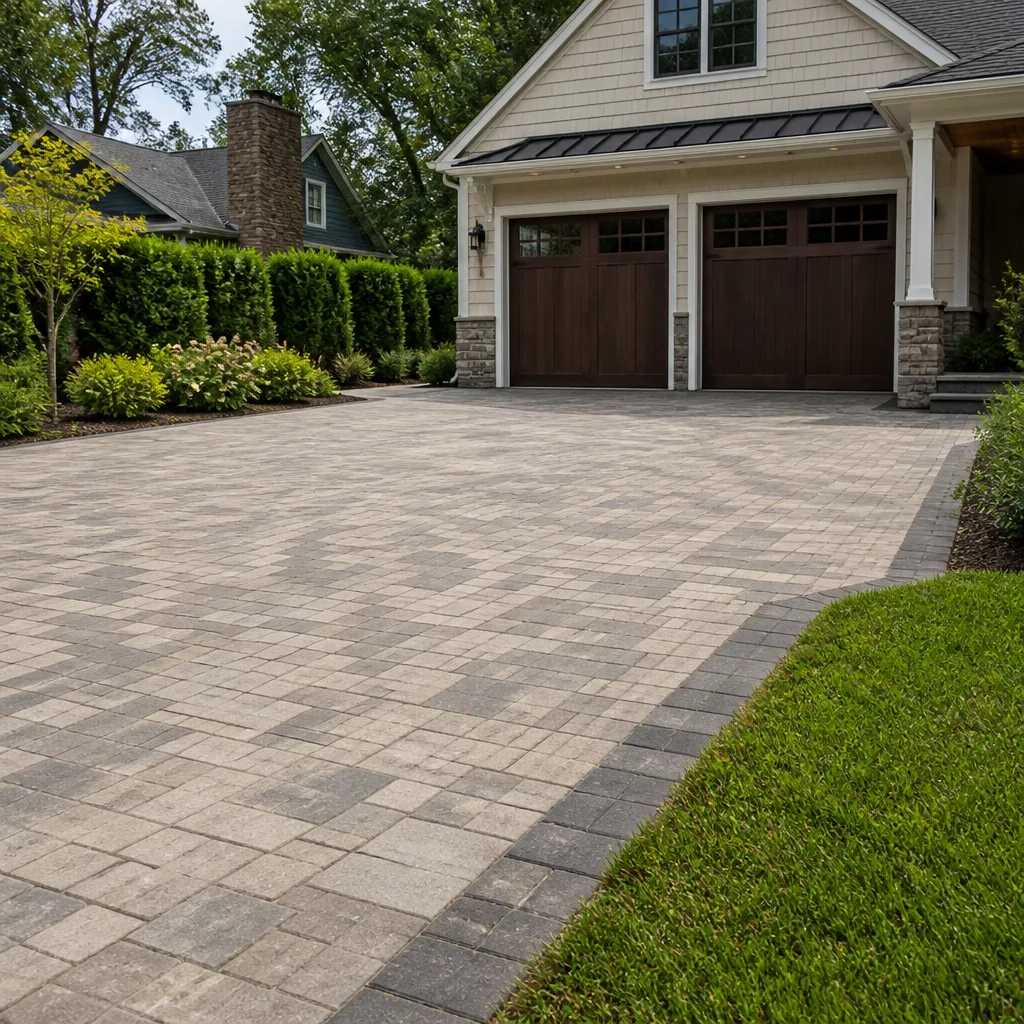
Styles & brands we work with



Why It Happens
Failing or Failed Plumbing Connections
Supply lines, shut-off valves, and drain assemblies all have a service life. When a fixture stops delivering water, won’t shut off, or leaks at the base or wall connection, the fittings or supply hardware have typically corroded or failed. You can usually spot this from water stains on the cabinet floor under a sink, mineral deposits around a valve, or a slow drip that appears after the fixture is used. This is the most common reason a bathroom fixture “stops working” outright.
Subfloor Damage from Slow Water Intrusion
A floor that feels spongy underfoot – especially near the toilet base or shower curb – is almost always a subfloor that has absorbed moisture over time. The source is usually a wax ring that’s lost its seal, grout lines that were never sealed or have cracked open, or a shower pan with a pinhole leak. Left alone, subfloor damage spreads and can compromise the structural framing below. If you press down gently near the toilet and feel any give, stop using that area until it’s inspected.
Tile and Grout Failure
Grout that has cracked, crumbled, or gone dark with mold is not just cosmetic. Grout is the moisture barrier between your tile and the substrate behind it. Once grout fails – especially on shower walls – water migrates into the backer board or drywall beneath. You’ll often notice this first as tile that sounds hollow when you tap it, or sections that have actually shifted or popped loose. That hollow sound means the bond between tile and substrate is gone.
Ventilation That Has Stopped Moving Air
A bathroom exhaust fan that hums but doesn’t actually pull air – or one that gave out entirely – creates conditions where moisture has nowhere to go. The result shows up as persistent condensation on walls and mirrors long after a shower ends, paint that blisters or peels, and mold that keeps returning no matter how often you clean it. Hold a piece of tissue near the grille while the fan runs; if it doesn’t draw the tissue toward the grille, the fan is no longer doing its job.
What to Do Right Now
- Stop using the affected fixture or area. If water is actively leaking or the floor feels soft, don’t use that part of the bathroom until it’s been assessed. Continued use accelerates damage to the subfloor and framing below.
- Photograph everything you can see. Take close-up photos of the leak point, any staining, cracked tile, soft flooring, or mold. Photos from today are useful to your technician and protect you if the damage worsens before the visit.
- Locate your shut-off valves. Every toilet has a shut-off valve at the wall behind the base. Under sinks, valves are usually inside the cabinet. If a fixture is actively leaking, turn the valve clockwise until the water stops. Do not attempt to open walls, disconnect supply lines under pressure, or touch electrical components near water – those tasks belong to a trained technician.
- Check the exhaust fan grille for obvious blockage. Sometimes a fan stops working simply because the grille is clogged with dust. Remove the grille cover (snap-off on most models) and clear visible debris. If the fan still doesn’t move air after cleaning, the motor has likely failed.
- Note when the problem started and what changed. Did it begin after a hard freeze, a plumbing repair, or new caulking? That context helps a technician narrow the cause before they even open a wall.
See the difference
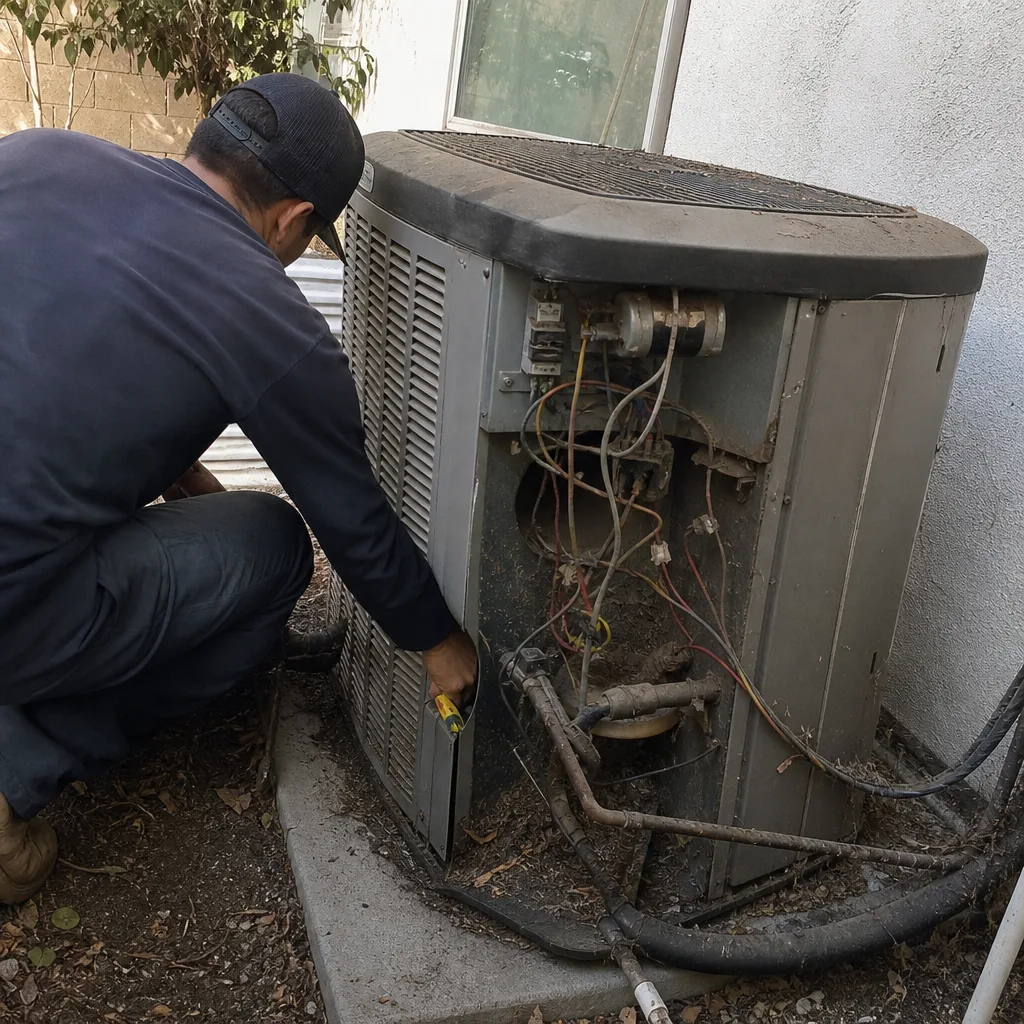 Before
 After
After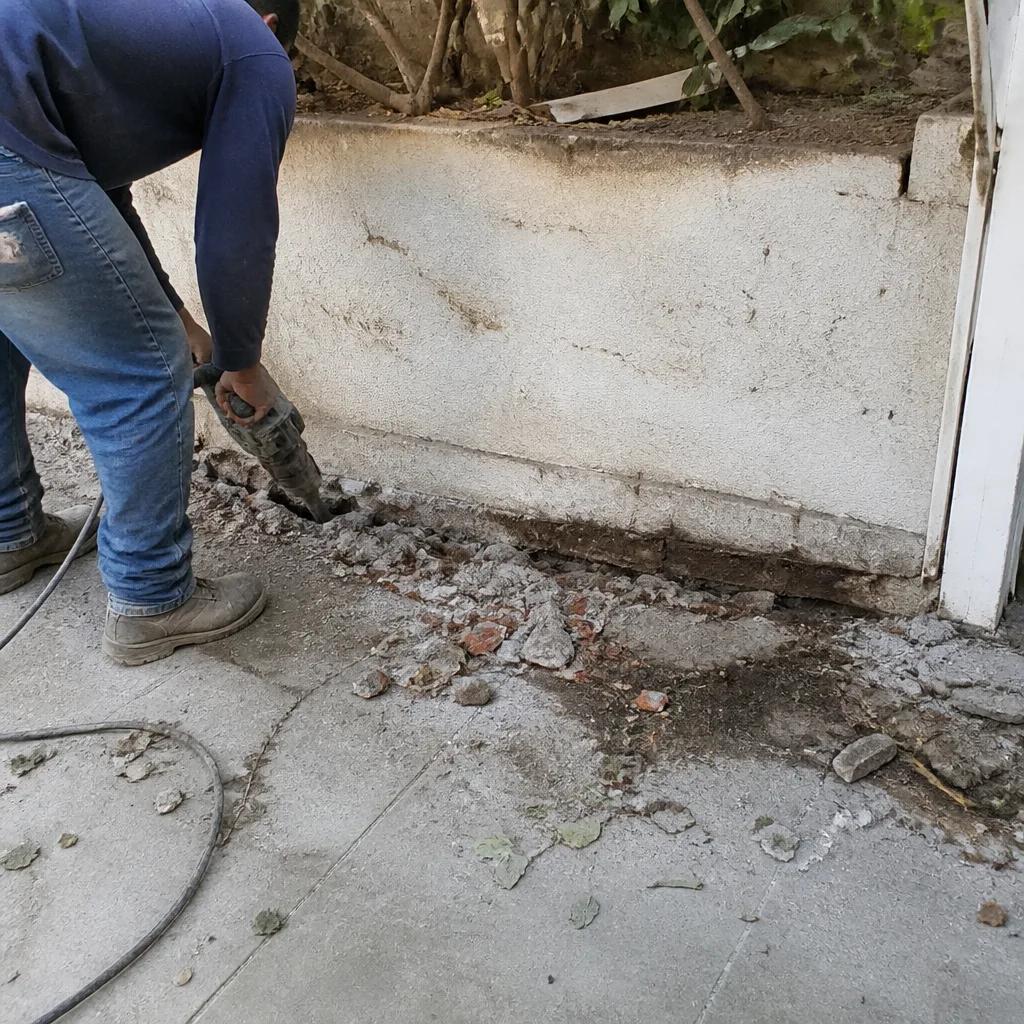 Before
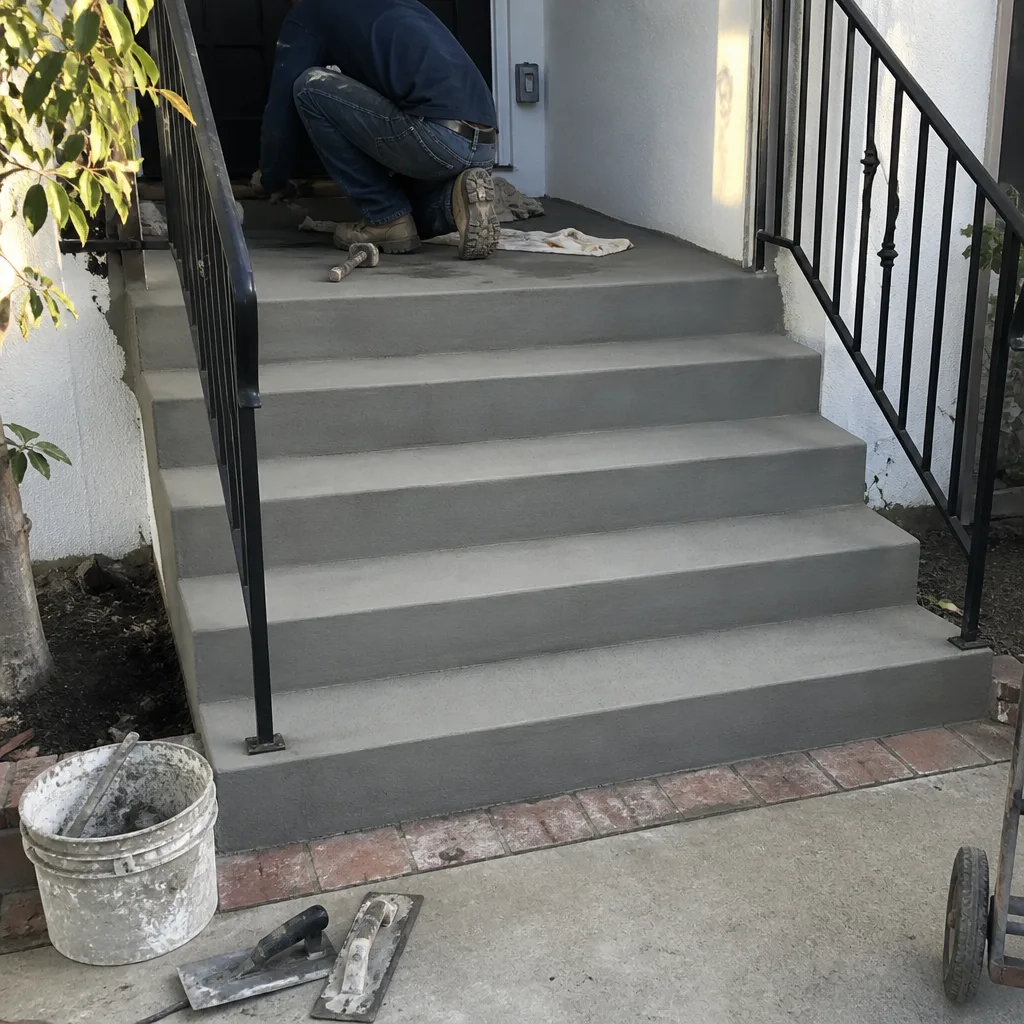 After
After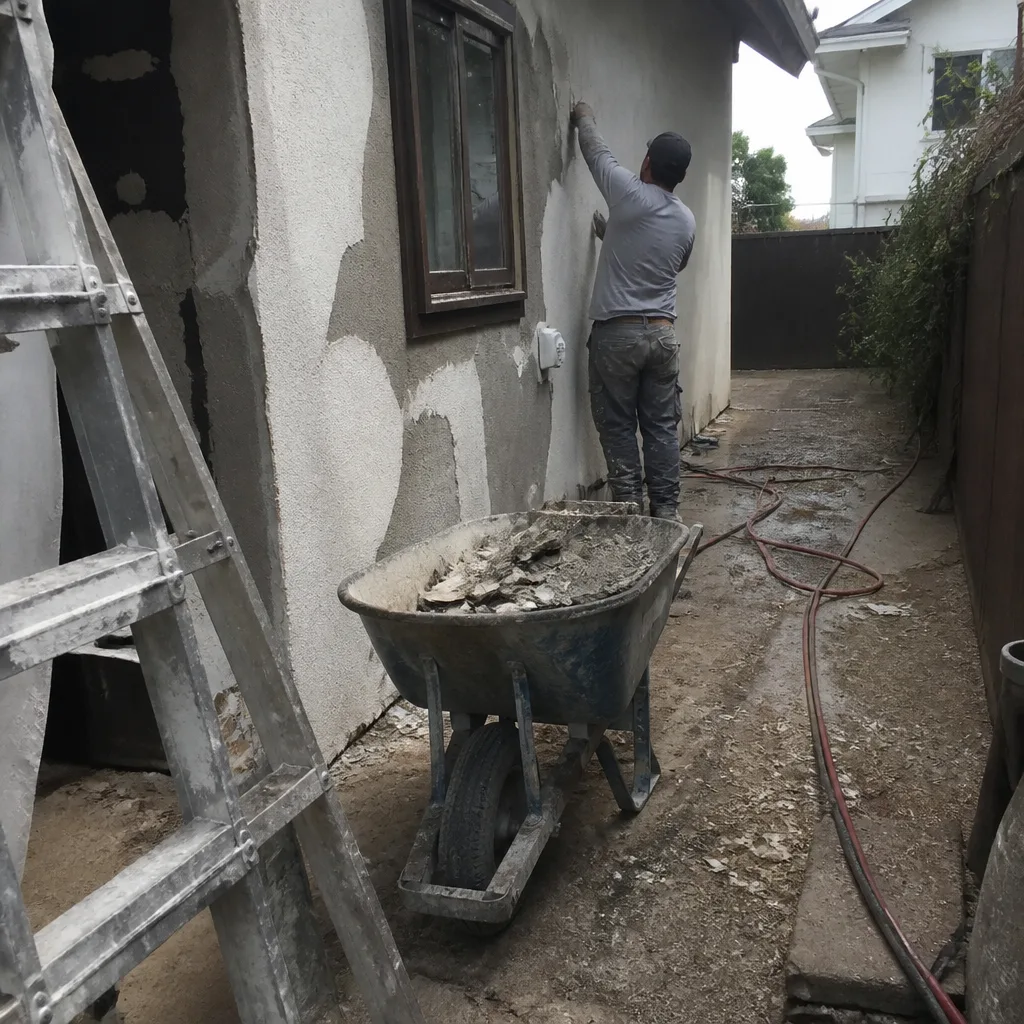 Before
 After
AfterHow We Fix It
When your local Mason Remodeling team arrives, the first thing we do is a proper assessment – not a quick glance and a quote. We’re looking at the fixture, the substrate, the drain, the ventilation, and whatever is underneath the surface that we can reasonably access without opening walls unnecessarily.
From there, we give you a written price before any work starts. Not a ballpark, not a range that grows later – a written number, in plain language, covering exactly what we’re going to do. That’s how every Mason Remodeling project works, and it’s not an upgrade or a favor; it’s the standard.
Depending on what we find, the fix falls under our Bathroom Remodeling service or, if the damage is more extensive, our Home Remodeling scope. A targeted repair might take a day. A full bathroom gut-and-rebuild typically runs several days to two weeks, depending on scope and material lead times. Every project is covered by our 365-Day Done Right Promise: if something isn’t right within a year of completion, we come back and make it right at no cost to you.
Frequently Asked Questions
It can be, yes – and the risk depends on what failed. A soft subfloor can give way under weight. Standing water near electrical outlets or wiring is a genuine hazard. Mold in wall cavities affects air quality throughout the home, not just in the bathroom. If the floor feels structurally compromised, if water is near any electrical component, or if you’re seeing active mold growth on walls, treat it as urgent. Call (803) 680-2547 and let us assess it before you keep using that space.
That depends on what’s failing. A dripping faucet can wait. A leaking toilet base, soft subfloor, or cracked shower pan should not – water moves into wood and drywall quickly, and the longer it sits, the more it costs to fix. If you’re seeing any of those signs, the practical answer is: it can wait until you’ve booked an appointment, but don’t push it past that. Call (803) 680-2547 to get a visit scheduled before the damage spreads further.
Your local Mason Remodeling team can often schedule assessments quickly, but bathroom remodeling is planned construction work – not an emergency dispatch service. We’ll get someone out to assess the situation as soon as our schedule allows, and a live person picks up every call, every day, so you won’t be waiting until Monday morning to find out when that is. Call (803) 680-2547 and we’ll tell you exactly when we can be there.
The honest answer is that the cost depends entirely on what’s failed and how far the damage has spread – which is why we don’t quote a number before we’ve seen the job. What we can promise is that you’ll receive a written price before any work starts, covering every part of the scope, with no surprise invoices after the fact. Call (803) 680-2547 to schedule your free written estimate.
Get It Fixed
Call (803) 680-2547 any time – a live person picks up every call, every day. Or book online and your local Mason Remodeling team will reach out to schedule your free written estimate. No voicemail, no waiting until Monday, no obligation.
Written by Isaac Pruett, Owner at Mason Remodeling, part of the Threshold Group family of home-service companies since 2004.
What Our Customers Say
"Good work on the hall bath. They found a rotted subfloor, which added cost, but showed me photos and a clear price first."
- Neil P."Great quality tile work. The countertop template slipped by a week, but the project lead explained and kept us updated."
- Susan Y."Basement refinish with egress window. Drywall finish is smooth and the electrician was tidy."
- Kyle S.