Last updated October 9, 2026



Free written scope consultation - allowances, timeline, and change-order rules on paper before a single trade is scheduled
How Long Does Home Remodeling Take? Timelines and What to Expect
A kitchen and bath remodel that takes 10 weeks with parallel planning can stretch to 22 weeks when a contractor starts demolition before permits are approved. That’s not an exaggeration, it’s a pattern we’ve watched unfold across Los Angeles for two decades. The difference usually comes down to one thing: whether the contractor sequences design, permits, and material orders to run at the same time, or waits for each step to finish before starting the next. This guide breaks down realistic timelines, what actually drives them, and how to spot a schedule that’s about to slip before it costs you months. You’ll learn the critical path concept in plain language, week-by-week milestones, and why appliance lead times matter more than square footage.
Styles & brands we work with


Quick Answer
A home remodeling project in Los Angeles typically takes 16 to 24 weeks from design finalization to final inspection. Single-room projects like a bathroom run 4 to 8 weeks, while a full gut renovation of a 2,000-square-foot house averages 5 to 7 months. The biggest variable isn’t square footage, it’s whether permits, material orders, and trade scheduling overlap or run back-to-back.
Table of Contents
- The Critical Path: Why Some Remodels Take Twice as Long
- Week-by-Week Milestones for a Multi-Room Remodel
- Material Lead Times: The Silent Schedule Killer
- Los Angeles Permit and Inspection Realities
- Single-Phase vs. Phased Remodeling: Staying in the House During Construction
- How Timeline Choices Affect Your Budget
- Common Mistakes to Avoid
- When to Call a Professional
- Frequently Asked Questions
- The Bottom Line
The Critical Path: Why Some Remodels Take Twice as Long
In construction, the critical path is the sequence of tasks that determines your project’s end date. If one task on the critical path slips, the entire project slips. Tasks not on the critical path can slide without moving your completion date. Understanding this distinction is how you keep a remodel on schedule.
Here’s how the critical path typically runs on a Los Angeles whole-home remodel:
- Design and material selection – finished before demolition starts, not during it
- Permit submission and approval – submitted once drawings are finalized
- Demolition – starts only after permits are issued
- Rough-in work – plumbing, electrical, and HVAC lines inside walls before they’re closed
- Rough inspections – city sign-off on what’s inside the walls
- Drywall, insulation, and wall closure – only after rough inspections pass
- Flooring, cabinetry, and finish work – only after walls are up
- Final inspections and punch list – the last 5% of the work
The trades that block everything else are plumbing and electrical rough-in. Nothing behind walls can close until they’re done and inspected. A contractor who understands this books those crews the moment the permit is approved, not after demo reveals surprises. At Mason Remodeling, our General Contractor in Los Angeles team sequences rough-in trades before demolition starts, so there’s no dead week waiting for a plumber to show up.
In our experience across Los Angeles, the most common schedule killer is a contractor who starts demolition while the permit is still under review. The homeowner sees progress, but then the job sits with open walls for three weeks because an inspector hasn’t been assigned yet. That’s the daisy-chain problem in action: demo waits for nothing, but rough-in waits for permits, so the whole sequence stalls.
Week-by-Week Milestones for a Multi-Room Remodel
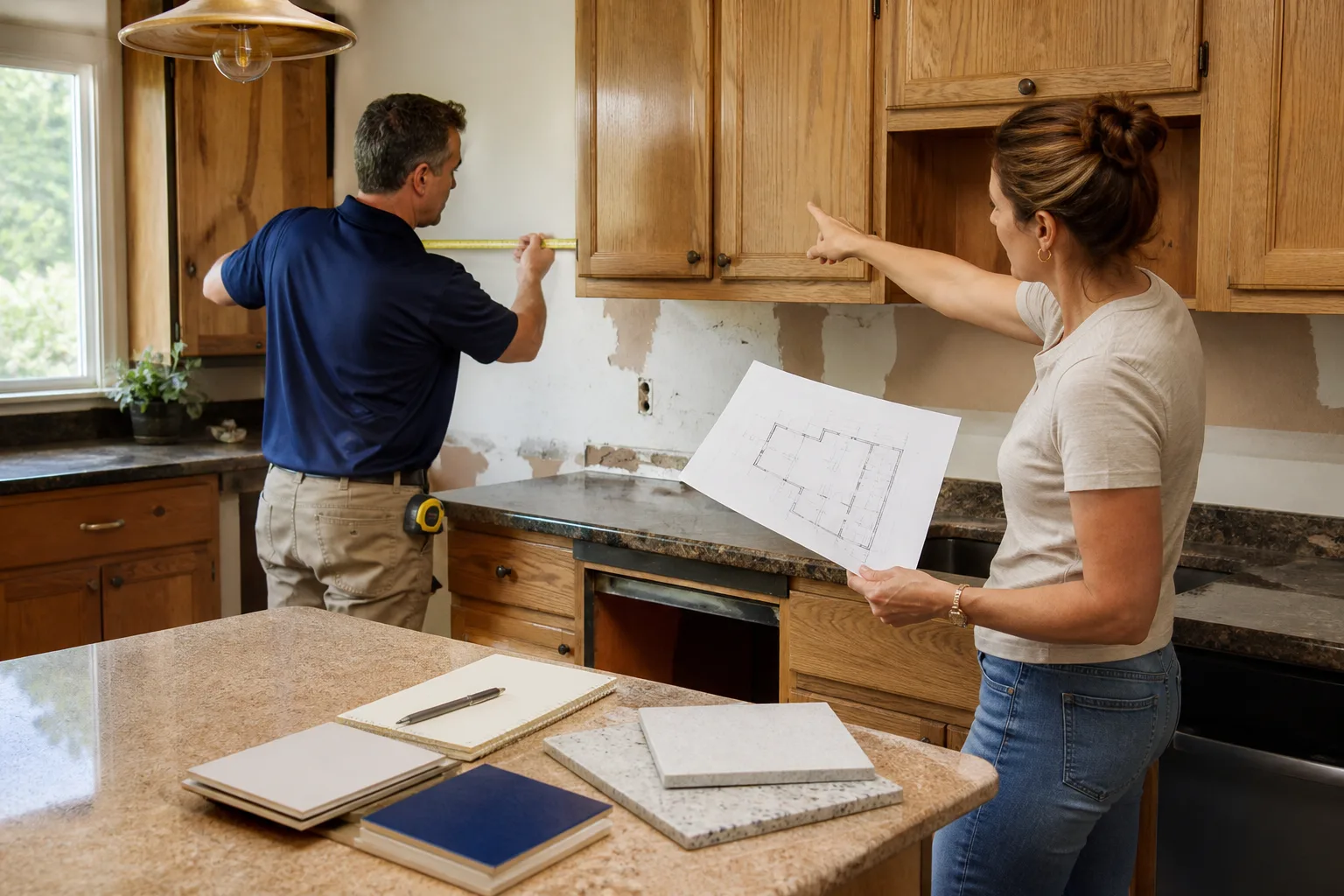
Here’s what a well-sequenced kitchen and two-bathroom remodel in Los Angeles looks like when design, permits, and material orders overlap. This assumes the homeowner signed off on final drawings and all finish materials are ordered before week one.
Weeks 1-2: Demolition and Structural Work
- Permit card posted on the window, demolition begins
- Old cabinetry, flooring, and fixtures removed and hauled away
- Any structural changes made – load-bearing wall removal, header installation, beam work
- Subfloor and wall framing checked and corrected for level and plumb
If you’re taking out a wall between the kitchen and dining room, this is when the engineer’s beam spec goes in. Los Angeles seismic code requires specific fastening and strapping for structural changes, and the city inspector will look for it during rough inspection.
Weeks 3-5: Rough-In Phase
- Plumbers reroute supply and drain lines for the new kitchen and bath layouts
- Electricians run new circuits, add outlets, and prep lighting locations
- HVAC ductwork adjusted if the remodel changes room configurations
- Rough inspection scheduled and passed – this is the first big milestone
This phase is where the critical path is most fragile. If the electrical rough-in fails inspection because a circuit wasn’t labeled properly, you’ve lost 5 to 15 business days waiting for the reinspection slot. A contractor who schedules the rough inspection the day rough-in is complete, not a week later, compresses the whole schedule.
Weeks 6-8: Drywall, Painting, and Flooring
- Insulation goes in first, followed by drywall installation
- Seams tapped and mudded, then sanded – this takes multiple days with drying time
- Walls primed and painted while flooring is staged for install
- Tile work begins in bathrooms, starting with shower walls before floor tile
Tile is a trade where quality is visible. Rushing it creates lippage, uneven grout lines, and shower pans that don’t drain. In our experience, good tile setters in Los Angeles want 3 to 5 days for a standard shower surround, and that time is non-negotiable if you want it done right.
Weeks 9-12: Cabinetry, Countertops, and Finish Work
- Kitchen cabinets installed and leveled, a process that takes 2 to 3 days for a standard kitchen
- Countertop template measured, then fabricated off-site – typically a 7 to 10 day gap
- Plumbing fixtures, electrical trim, and lighting installed
- Appliance delivery and hookup
- Final punch list – caulking, touch-up paint, hardware adjustments
The gap between cabinet install and countertop templating is a spot where less experienced contractors lose a week. The countertop fabricator can’t measure until cabinets are set, but scheduling the template visit the day after cabinet install, not a week later, is a sequencing decision you can ask about before you sign a contract.
Material Lead Times: The Silent Schedule Killer
Cabinetry, tile, and appliances ordered during demolition arrive during the finish phase. That’s the problem. The lead times below are what we currently see in Los Angeles for specification-grade materials, and they explain why material selection must happen before the first wall comes down.
Typical Lead Times for Common Remodel Materials
- Custom and semi-custom cabinetry: 8 to 14 weeks from order to delivery. KraftMaid and Wellborn semi-custom lines run 8 to 10; full custom runs 10 to 14.
- Quartz and natural stone countertops: 7 to 14 days from template to install, but the slab must be selected and reserved before fabrication starts.
- Kitchen appliances: 8 to 16 weeks for many high-end refrigerator and range configurations. Standard models run 3 to 6 weeks, but anything with custom panel fronts or specific finishes pushes longer.
- Tile and stone: 2 to 4 weeks for in-stock materials, 8 to 12 weeks for special-order or imported lines.
- Plumbing fixtures: 2 to 6 weeks for most Grohe, Kohler, and Moen lines, but specialty finishes like brushed gold or matte black frequently run longer.
Here’s what this looks like in practice. A homeowner waits until after demo to pick kitchen cabinets. The order goes in during week 3. The cabinets arrive in week 13, but the kitchen was ready to receive them in week 8. The project now has five weeks of dead time, and the homeowner is paying for a construction site, not a kitchen.
At Mason Remodeling, we finalize material selections during design, not after. Our written price on every project includes line items for the specific materials selected, so there’s no ambiguity about what’s ordered, what it costs, and when it arrives. The written price is delivered before any work starts, on every project, every time. You’ll see every line item before a single tool is unpacked.
Los Angeles Permit and Inspection Realities
If you’re remodeling in Los Angeles, the city’s inspection scheduling system affects your timeline whether you like it or not. LADBS inspection slots typically book 5 to 15 business days out, depending on the inspection type and the inspector’s route. That’s not a contractor’s opinion, it’s the reality of how the system runs.
Here’s what this means for your remodel:
- Each inspection type is scheduled separately. Rough plumbing, rough electrical, in-wall rough, and final each have their own booking window.
- A failed inspection resets the clock. If rough electrical fails, the reinspection doesn’t get priority. It goes back into the queue, adding another 5 to 15 business days.
- Some inspections can be combined. A contractor who knows the system can often get rough plumbing and rough electrical booked for the same visit, compressing days off the schedule.
- Over-the-counter permits for simple work can be issued same-day at some LADBS offices, but plan-review permits for structural changes, additions, or significant reconfigurations take 4 to 8 weeks in review.
The sequence that saves the most time in Los Angeles: submit plans, then order materials, then schedule demo for the week the permit is expected to clear. If the permit runs late, you’ve only lost a week, not a month. If the contractor reverses the order and demos first, every day the permit is delayed is a day your house sits opened up.
We’ve watched this exact scenario play out in neighborhoods from Silver Lake to Sherman Oaks. The homeowner’s house is gutted, the permit is stuck in plan review, and the contractor starts another job to fill the gap. Now the homeowner isn’t just on the city’s timeline, they’re on the contractor’s availability timeline too.
Single-Phase vs. Phased Remodeling: Staying in the House During Construction
If you need to live in your home during the remodel, the timeline conversation changes. A single-phase remodel, where everything is done at once, is faster in total elapsed time. A phased remodel, done room by room, takes longer overall but keeps portions of the house livable throughout.
Single-Phase Remodel: Fastest, Most Disruptive
- Total timeline: 12 to 20 weeks for a typical Los Angeles kitchen and bath remodel
- Disruption: Kitchen is down for the entire duration, and if bathrooms are in scope, you may be down to one functional bath
- Cost efficiency: Lower total cost because crews mobilize once, dumpster rental is a single period, and no duplicate setup
- Best for: Homeowners who can relocate temporarily, or families comfortable with a temporary kitchen setup in the garage or a spare room
Phased Remodel: Slower, More Livable
- Total timeline: 20 to 36 weeks for the same scope, because each phase runs sequentially with setup and cleanup between
- Disruption: One bathroom or the kitchen is down at a time, and the rest of the house stays functional
- Cost reality: Usually 7 to 12% more expensive due to repeated mobilization, multiple dumpster periods, and trades returning multiple times
- Best for: Families with kids, older adults, or anyone who can’t relocate during construction
A phased approach in Los Angeles works particularly well when the home is a single-story layout where a hallway bathroom can be remodeled while the primary bath remains untouched. But phasing is a planning decision, not a default. It’s something to decide during design, with the full understanding that you’re trading time for livability.
When we plan a Home Remodeling in Los Angeles project for a family staying in the house, the conversation starts with which room gets done first and how the daily routine changes. That answer shapes the schedule more than any single material choice.
How Timeline Choices Affect Your Budget
The relationship between time and cost isn’t linear. Rushing a remodel is expensive. Letting a remodel drag is expensive. The efficient middle is where good contractors live.
What Fast-Tracking Actually Costs
- Overtime premiums: Trades booked on weekend or evening shifts charge 1.5x or more in Los Angeles
- Rush order fees: Materials expedited from suppliers carry surcharges, typically 10 to 25%
- Overlapping trades: Plumbers and electricians in the same space at the same time slows both crews, and you pay for the inefficiency
What Delays Actually Cost
- Extended dumpster and portable restroom rental: Ongoing monthly line items that never appear in the initial quote
- Material storage damage: Cabinets and flooring sitting on site for weeks get dinged, warped, or walked on
- Carrying costs: If you’re paying a mortgage on a house you can’t live in, every extra month is real money
The contractors who finish on schedule in Los Angeles aren’t the ones who rush, they’re the ones who sequence. Permits submitted early, materials ordered during design, rough-in trades booked before demo. That discipline costs nothing but attention, and it’s why the timeline conversation should happen before you sign anything.
Mason Remodeling has provided general contracting, bathroom remodeling, and whole-home remodeling services since its founding in 2004, operating as part of the Threshold Group family of home-service companies. A written price is delivered before any work begins, which means the timeline and the materials are locked before you commit.
Common Mistakes to Avoid
- Starting demo before permits are issued. This is the fastest way to turn a 12-week remodel into a 20-week one in Los Angeles. The work stops, the inspector’s clock hasn’t started, and your house sits open while the plan reviewer finishes their queue.
- Picking finishes after demolition. The tile you choose during demo has a 4 to 8 week lead time on top of install time. The tile you choose during design is sitting in the warehouse when demo starts. Material selection is a design-phase task, not a construction-phase task.
- Not asking about the critical path before signing. Every contractor has a sequence in their head. Ask them to write it down. If they can’t articulate which trades block which, the schedule is a guess, not a plan.
- Scheduling inspections late. We mentioned this already, it matters enough to repeat. In Los Angeles, you book the inspection for the day the work is complete. Wait until after the work is done and you’ve just added a week to the project.
- Falling for lowball timeline estimates. A contractor who quotes 6 weeks for a kitchen and two-bath remodel is either lying or planning to cut corners you don’t want cut. Realistic timelines aren’t a sales disadvantage, they’re a sign of honesty.
- Ignoring the inspection calendar. LADBS doesn’t care about your target move-in date. Build the inspection window into the schedule from the start, and have a buffer for the reinspection that might never come if the rough work is done right.
- Choosing a contractor without a written price guarantee. Verbal estimates grow. We see it constantly in Los Angeles. Get the price in writing before work starts, with the timeline attached to it.
When to Call a Professional
If you’re planning a remodel that touches plumbing, electrical, or structural elements, this is not a DIY conversation. Los Angeles code requirements for seismic strapping, electrical grounding, and waterproofing in wet areas are specific and enforced. A failed inspection isn’t just lost time, it’s a signal that the work may not be safe when the walls close up.
You should also call a professional when you’re not sure which phase of the process you’re actually in. Are you in design? Planning? Procurement? A contractor who can map your project onto a timeline and tell you what’s already late is worth the conversation. Mason Remodeling offers free estimates in Los Angeles, call (803) 680-2547. Our Bathroom Remodeling in Los Angeles team walks you through the timeline before you sign anything, so you know what to expect and when.
Frequently Asked Questions
A whole-home remodel in Los Angeles typically takes 16 to 24 weeks from permit approval to final inspection. Larger projects with structural changes, additions, or extensive reconfiguration can run 6 to 9 months. The timeline is driven more by permit review time, inspection scheduling, and material lead times than by square footage.
Cabinetry lead time is usually the longest single line item, running 8 to 14 weeks for semi-custom and custom orders. If cabinets aren’t ordered until after demolition, the project waits for them at the end. Call (803) 680-2547 to talk through your specific scope, estimates are free.
Yes, but it requires a phased approach that typically adds 8 to 12 weeks to the total timeline compared to a single-phase remodel. The kitchen stays functional until its phase begins, and at least one bathroom remains operational throughout.
LADBS plan review for structural or reconfiguration work runs 4 to 8 weeks, and inspection scheduling adds 5 to 15 business days per inspection slot. A failed inspection resets that clock entirely. Submitting plans early and scheduling inspections the day work completes compresses this significantly.
The critical path is the sequence of tasks that determines your project’s end date. Rough-in plumbing and electrical are the most common critical path trades because walls cannot close until they’re complete and inspected. Scheduling these trades first compresses the entire project timeline.
Not if you have a written price before work begins. Mason Remodeling delivers a written price on every project, every time, with no surprise invoices and no verbal estimates that grow on the final bill. Call (803) 680-2547 for an exact quote, estimates are free.
The Bottom Line
Remodel timelines are made or broken before demolition begins. The contractors who finish on schedule in Los Angeles are the ones who run design, permits, and material orders in parallel, who know the critical path trades and book them first, and who put the price and the plan in writing before the work starts. A realistic whole-home remodel runs 16 to 24 weeks, and the homeowners who enjoy that timeline are the ones who asked about sequencing before they signed. If you’re planning a remodel in Los Angeles, start the conversation now. Get the written price, lock the material selections, and know the inspection realities before the first wall comes down.
For more on what a well-run remodel looks like from the homeowner’s side, see the Mason Remodeling home page or explore our Los Angeles service pages for specific project type timelines.
Written by Isaac Pruett, Owner at Mason Remodeling, serving Los Angeles since 2004.
See the difference
 Before
 After
After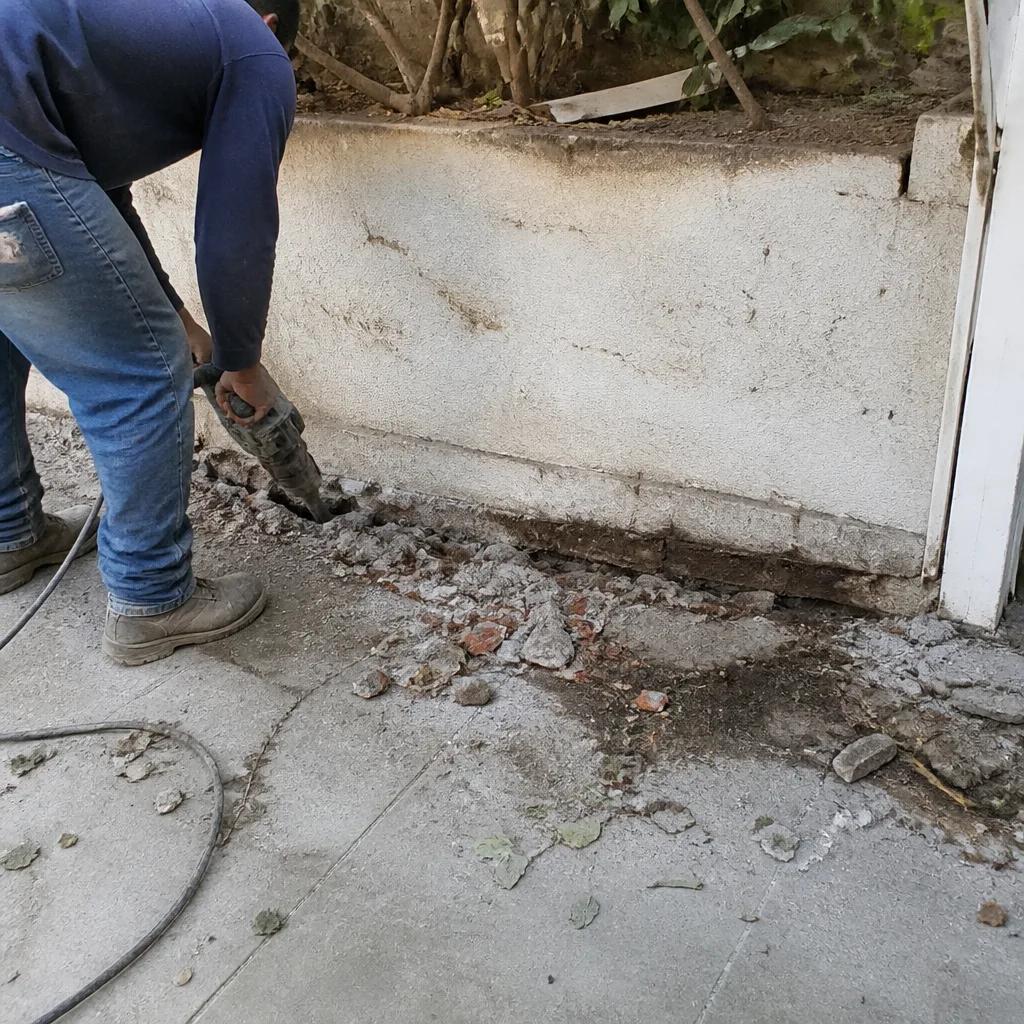 Before
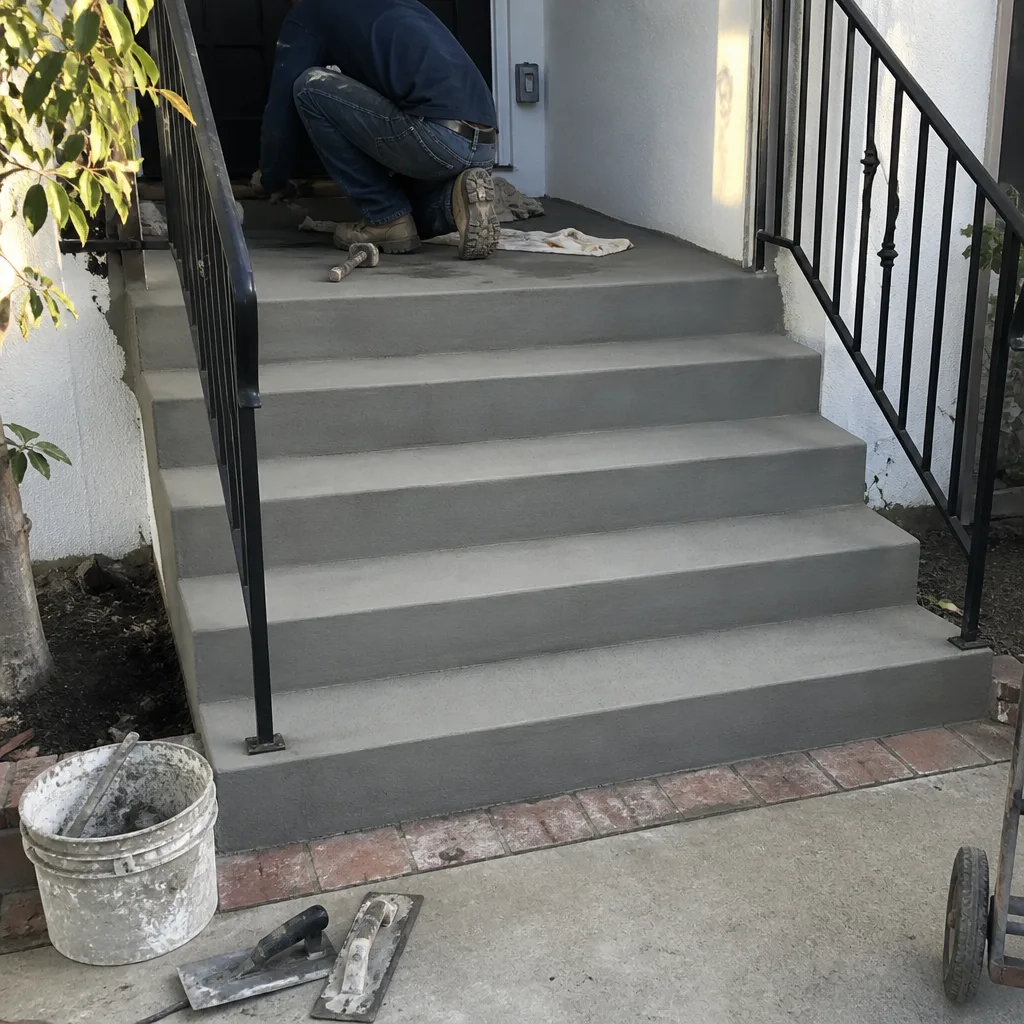 After
After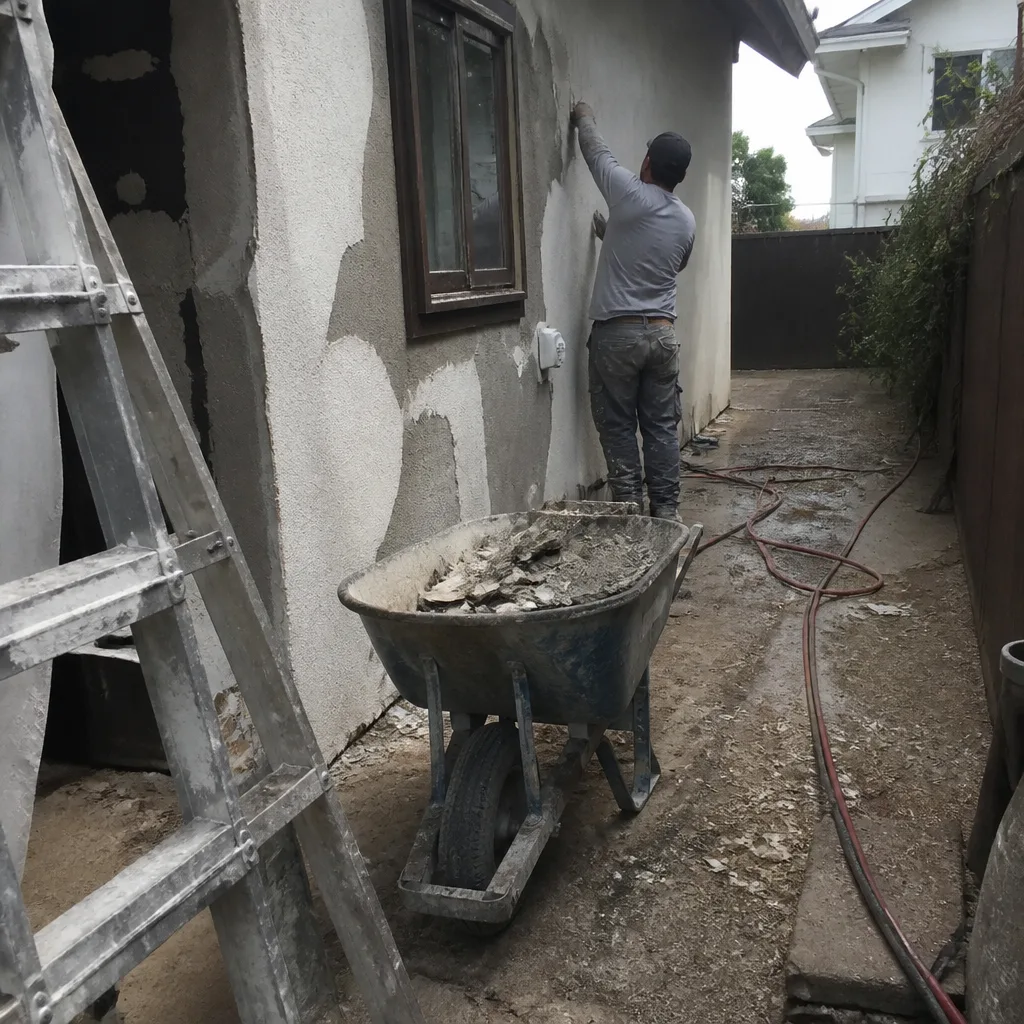 Before
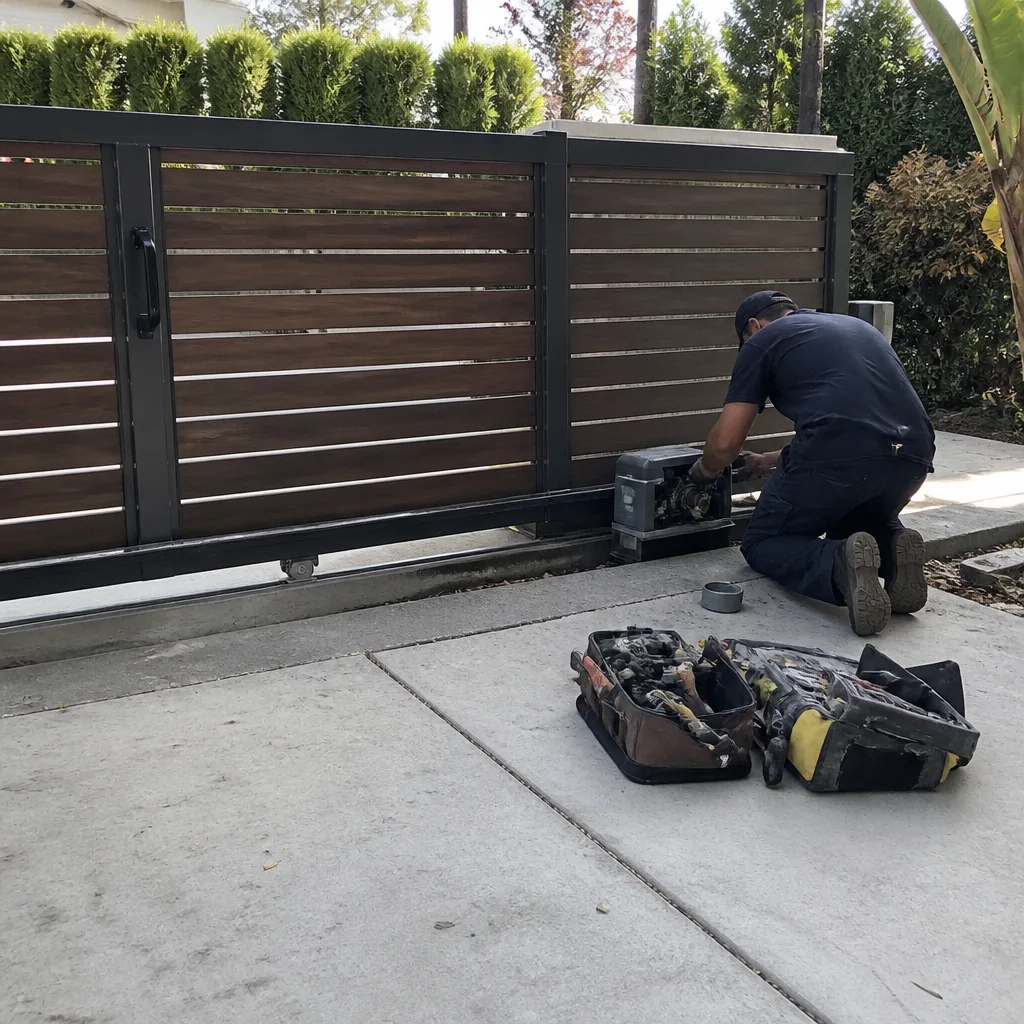 After
After