Last updated October 9, 2026


Free written scope consultation - allowances, timeline, and change-order rules on paper before a single trade is scheduled
How Long Does General Contractor Take? Timelines and What to Expect
A kitchen remodel that takes eight weeks in Phoenix can take fourteen in Los Angeles. The difference is almost entirely permit wait times and inspection appointment backlogs at LADBS, not the work itself. If you’re planning a project and asking how long our General Contractor services take, you’re asking the right question, but you may be looking at the wrong numbers. Most national timeline estimates ignore the reality of building in Los Angeles: planning approvals, hillside ordinances, seismic retrofit triggers, and a permitting system that moves on its own calendar. This guide gives you honest, zip-code-aware timelines for kitchens, bathrooms, additions, and whole-home remodels in Los Angeles, phase by phase, including the parts most bids conveniently leave out.
Quick Answer
A kitchen or bathroom remodel in Los Angeles typically takes 10 to 16 weeks from design approval to final inspection, while a room addition runs 5 to 8 months and a whole-home remodel commonly spans 8 to 14 months. The single biggest variable is the City of Los Angeles permit and inspection process, which can add 3 to 8 weeks before work starts and 2 to 6 weeks during construction. A well-run project with a contractor who schedules around LADBS reality, not against it, is faster than a “fast” bid that ignores inspections entirely.
Styles & brands we work with
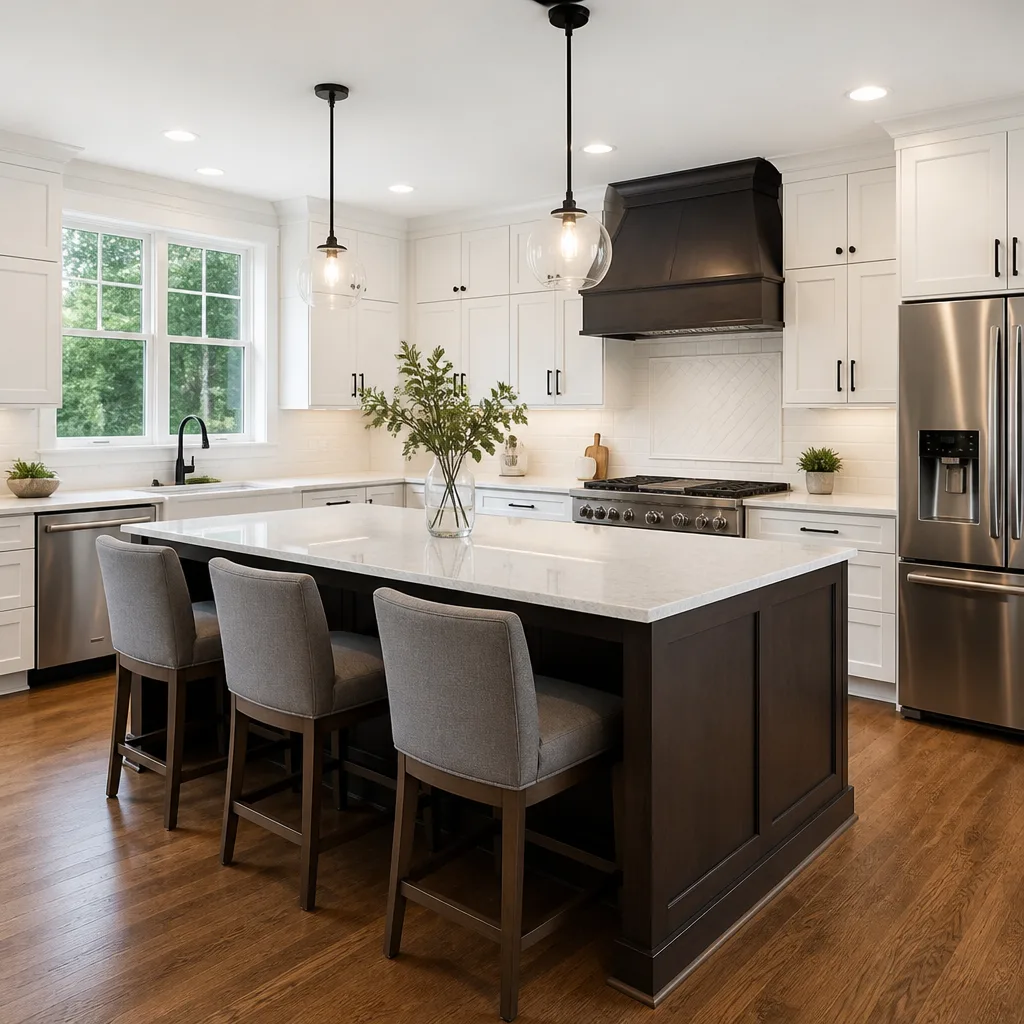
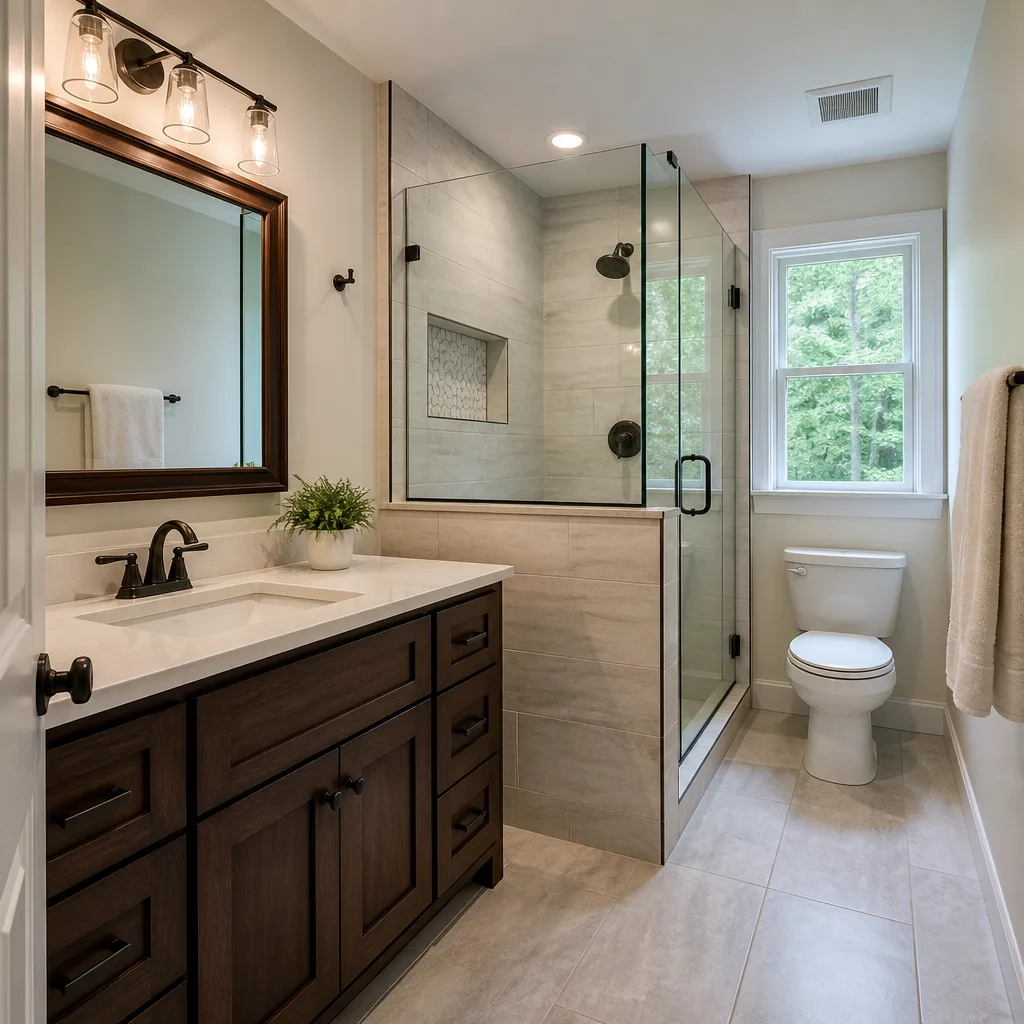

Table of Contents
- Phase One: Design, Bidding, and Permitting (3 to 10 weeks)
- Phase Two: Demolition and Rough-In (1 to 3 weeks)
- Phase Three: Inspections and the LADBS Factor (2 to 6 weeks)
- Phase Four: Finishes and Material Lead Times (4 to 10 weeks)
- Phase Five: Punch List and Substantial Completion (1 to 4 weeks)
- Project-by-Project Timelines for Los Angeles
- Red Flags in a Contractor’s Proposed Timeline
- Common Mistakes to Avoid
Phase One: Design, Bidding, and Permitting (3 to 10 weeks)
Before a hammer swings, your project lives on paper and in plan review queues. For a straightforward kitchen or bathroom remodel that does not move walls or change plumbing locations, you may only need a basic permit, which LADBS can sometimes issue over the counter in a few days. For anything structural, an addition, a dormer, a foundation change, or work in a hillside zone, you’re looking at plan check review times that fluctuate by district office and current workload. In our experience building across Los Angeles, a realistic planning and permitting window is 3 to 10 weeks, with hillside and coastal-adjacent projects running toward the longer end.
The part most homeowners don’t see coming is the back-and-forth. A plan checker requests a revision. The architect or designer updates the drawings. The revised set goes back into the queue for rereview. Each cycle can take 1 to 3 weeks. That’s why we deliver a written price on every project before work starts, and why we build permitting time into the schedule as a line item rather than hoping it goes fast. A contractor who promises to start “right away” on a project that needs structural review is either not pulling permits or planning to tell you about the delay after you’ve signed.
What actually happens in this phase
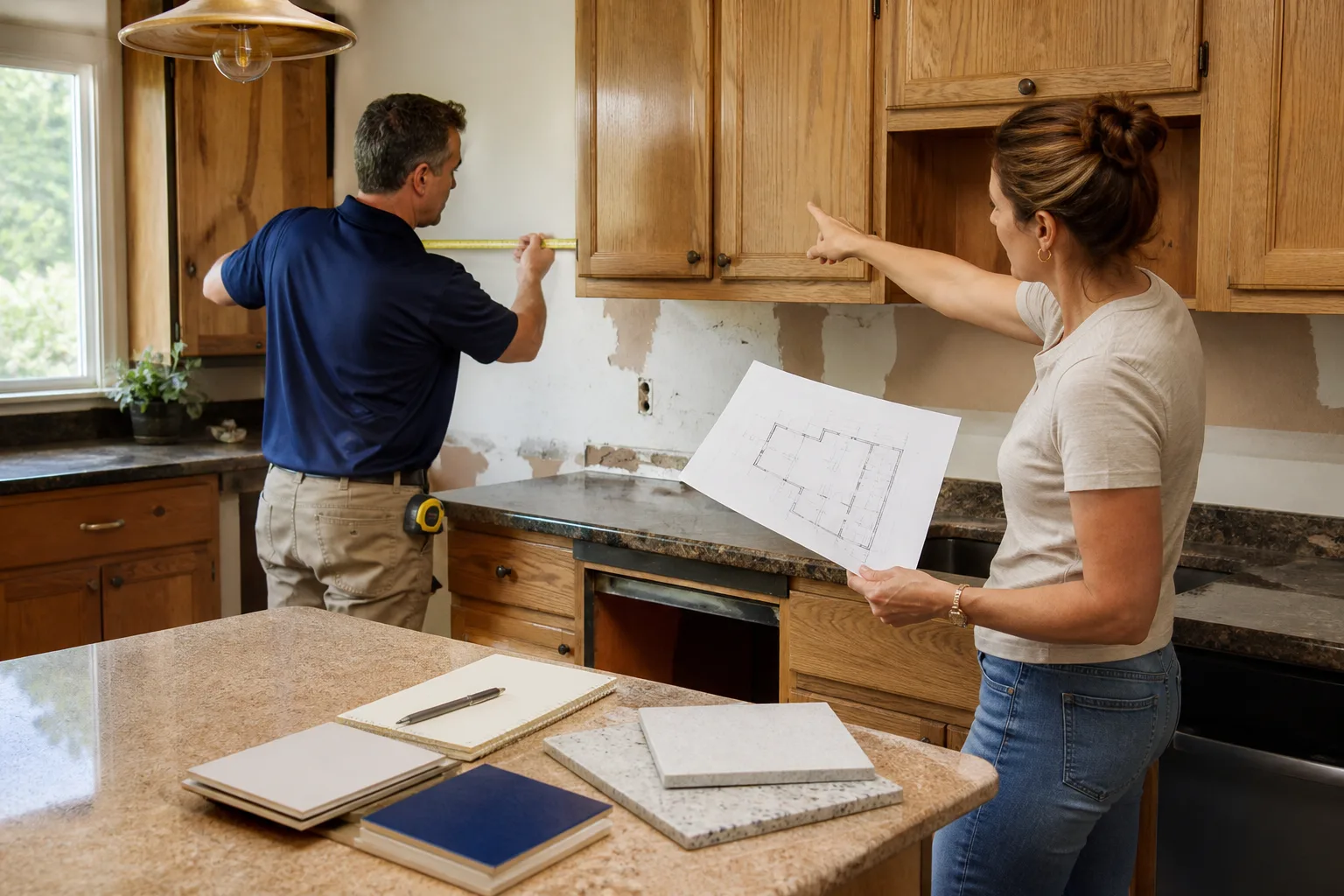
- Measurements, as-built drawings, and scope confirmation with the homeowner.
- Design and material selections, including cabinetry, tile, fixtures, and finishes.
- Plan preparation by a designer or architect, if needed.
- Permit application and LADBS plan check, including revision cycles.
- Permit issuance and the official green light to schedule demolition.
Phase Two: Demolition and Rough-In (1 to 3 weeks)
Demolition is fast. Framing, plumbing rough-in, electrical rough-in, and HVAC changes are slower, but still measured in days or weeks for most rooms. For a kitchen, expect 1 to 2 weeks from first swing to the point where walls are closed. For a bathroom, 1 week is common. For an addition, demolition is minimal, but the rough-in phase includes foundation work, framing, roofing, window installation, and the first real pass by plumbing and electrical trades, which can stretch from 3 to 8 weeks depending on size.
This phase is where Los Angeles seismic requirements show up. If your project involves structural changes, the rough-in phase includes hold-downs, anchor bolts, shear wall, and strapping details that LADBS inspectors will want to see before anything gets covered. That’s a good thing. It also means a responsible contractor will schedule the first round of inspections here, and an irresponsible one will be tempted to cover work before it’s signed off. We never close a wall that hasn’t been inspected. That’s a promise we make in writing, the same way we put every price in writing before work starts.
Phase Three: Inspections and the LADBS Factor (2 to 6 weeks)
Inspection scheduling in Los Angeles is the part of a timeline that shocks homeowners from out of state. LADBS inspection appointment availability varies by district office and by trade. Some districts can see an inspector within 2 to 3 business days. Others run 7 to 10 business days out, especially for specialty inspections like electrical panel upgrades, gas line pressure tests, or final structural sign-off. A project that requires six separate inspection visits can lose 2 to 6 weeks to scheduling alone, and none of that time is the contractor’s fault or within their control.
A smart contractor builds this into the schedule from day one. We plan work so that inspections are requested as soon as the underlying work is ready, not after the fact. We also batch rough-in inspections where LADBS permits it, so one inspector visit covers multiple trades at once. The goal is to keep the job moving between inspection dates, not to stand still waiting. That’s the difference between a timeline that looks aggressive on paper and one that actually holds up in the field.
One more Los Angeles-specific note: if your project triggers a Title 24 energy compliance review, a seismic retrofit trigger, or an accessibility upgrade requirement, those reviews happen at LADBS, not at the jobsite, and they add their own queue. Ask your contractor which of these apply to your specific address before you sign anything.
Phase Four: Finishes and Material Lead Times (4 to 10 weeks)
This is where the “eight-week kitchen” falls apart. Custom and semi-custom cabinetry ordered after permit approval can take 6 to 12 weeks to arrive, not because anyone is slow, but because they’re built to order. The same goes for specialty tile, custom windows, and certain plumbing fixtures. If the order goes in on the day the permit is issued, the materials might still arrive after the project is ready for them. If the order goes in late, because selections weren’t finalized, expect the whole project to idle.
The professional move is to order long-lead materials during the permitting phase, not after it. That’s a practice we follow on every project. Once the permit is issued, we want the materials on a truck, not in a design queue. In Los Angeles, where the window between permit issuance and the start of rough-in can be short, that ordering discipline is often the difference between finishing a kitchen in 12 weeks and finishing it in 18. Brands like Owens Corning and IKO matter here too: on projects that include roofing work, material availability and shingle choice affect lead time, and professional-grade suppliers keep delivery windows tighter than big-box retail.
Phase Five: Punch List and Substantial Completion (1 to 4 weeks)
Here’s a term worth understanding before you sign: substantial completion. It means the project is usable for its intended purpose. Your kitchen has working appliances, running water, and finished counters. The bathroom flushes, drains, and the tile is set. But substantial completion is not the same as done. The final inspection, the touch-up painting, the cabinet door adjustment, the re-caulked seam, the trim nail that needs setting: that’s the punch list, and in Los Angeles, the last 5% of a project often takes 20% of the total time.
Why? Because by this point, three or four trades are trying to schedule their final hours around each other. Because final LADBS inspection appointments carry the same district-by-district wait as rough-in inspections. And because a contractor who cares about getting it right will not rush the part you’ll see every day. Our 365-Day Done Right Promise means that if anything on the punch list is not right within a year of completion, we come back and make it right at no cost. That promise is written into the contract, with the coverage terms and exclusions stated plainly. No one should ask you to accept a verbal “we’ll take care of it.”
Project-by-Project Timelines for Los Angeles
Here are realistic ranges for the most common project types we handle in Los Angeles, assuming permits are pulled, inspections are scheduled properly, and materials are ordered during permitting, not after.
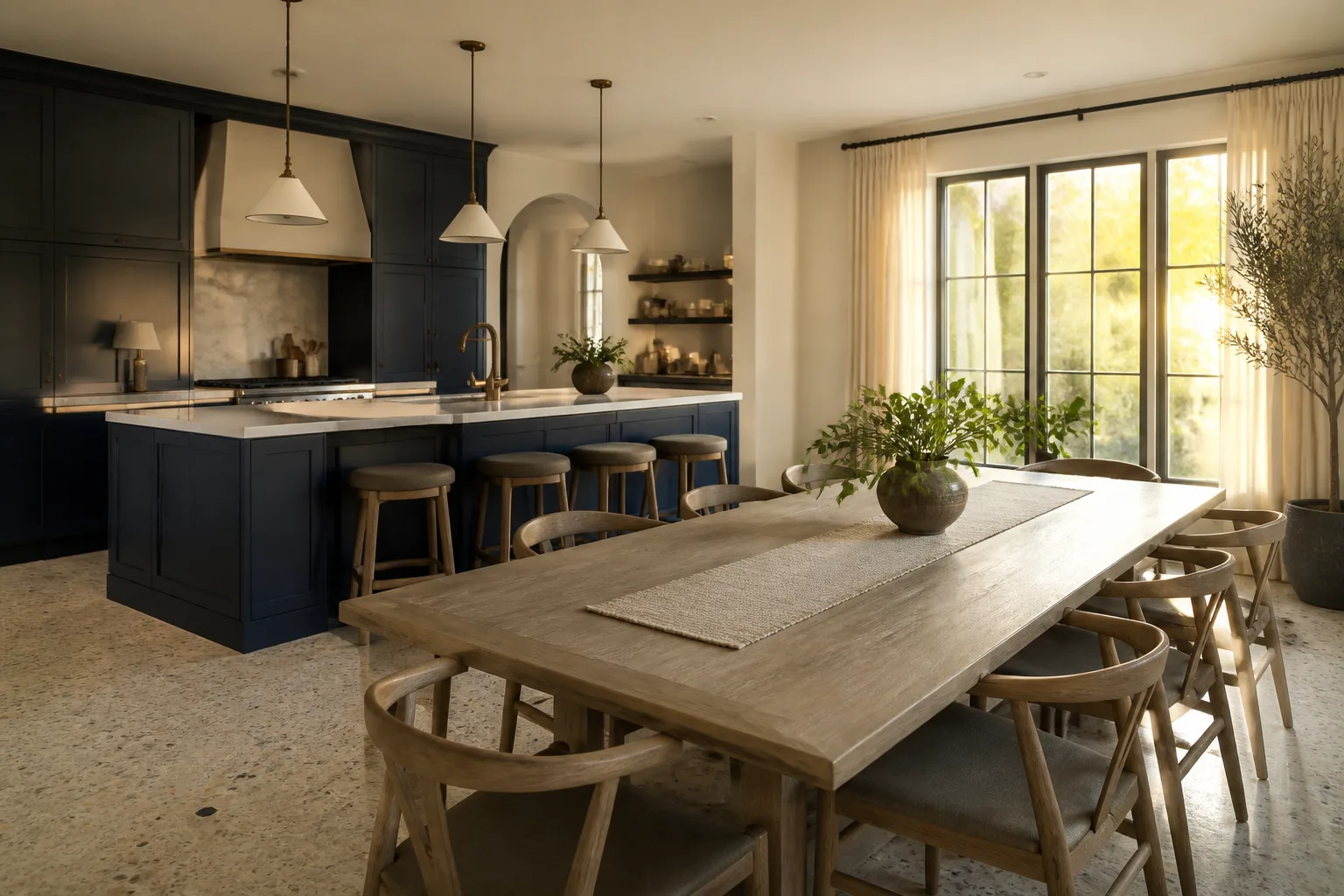
Kitchen Remodel
- Design and permitting: 3 to 8 weeks
- Demolition and rough-in: 2 to 4 weeks
- Inspections: 1 to 3 weeks
- Cabinetry and finishes: 4 to 8 weeks
- Typical total: 10 to 16 weeks
Bathroom Remodel
- Design and permitting: 2 to 5 weeks
- Demolition and rough-in: 1 to 2 weeks
- Inspections: 1 to 2 weeks
- Tile and finishes: 2 to 4 weeks
- Typical total: 6 to 12 weeks
Room Addition
- Design, engineering, and permitting: 8 to 16 weeks
- Foundation, framing, roofing: 4 to 8 weeks
- Mechanical rough-in and inspections: 2 to 4 weeks
- Finishes and final: 6 to 10 weeks
- Typical total: 5 to 8 months
Whole-Home Remodel
- Design and permitting: 3 to 6 months
- Demolition, structural, and rough-in: 2 to 4 months
- Mechanical, drywall, and finishes: 3 to 5 months
- Punch list and closeout: 3 to 6 weeks
- Typical total: 8 to 14 months
These ranges reflect what we’ve seen across Los Angeles neighborhoods, from hillside lots with grading reviews to flat-lot expansions in the Valley. Your specific address and scope will place you somewhere in these ranges; if a bid promises less, ask what’s being left out.
Red Flags in a Contractor’s Proposed Timeline
A suspiciously fast estimate is usually hiding something. Here are the specific things to ask about when a timeline looks too good to be true.
- No permitting time shown at all. If a kitchen remodel timeline starts on day one with demolition and never mentions LADBS, the contractor is either not pulling permits or treating them as a surprise you’ll discover later. Ask for the permit phase in writing.
- “We can start Monday.” On a project that requires plan review, starting Monday usually means starting without a permit. A legitimate timeline for structural work in Los Angeles includes design and plan check time, no exceptions.
- Material lead times not mentioned. Custom cabinets, windows, and specialty tile all have ordering windows. A bid that assumes materials appear the week they’re needed is a bid that will stop moving once demolition starts.
- One inspection listed for the whole project. A typical kitchen has at least four: rough framing, rough plumbing, rough electrical, and final. A bathroom has at least three. If the schedule shows one inspection, the contractor is planning to skip the others or is not planning at all.
- No punch list phase. The last 3 to 5% of the work takes real time. A timeline that goes straight from “finishes installed” to “done” is a timeline that will quietly stretch at the end.
Common Mistakes to Avoid
- Signing a contract before selections are finalized. If you haven’t chosen cabinetry, fixtures, and tile, your contractor can’t order materials, and the project will idle. Finalize selections before permit issuance or accept that the schedule extends.
- Comparing a Los Angeles timeline to one from Phoenix or Dallas. LADBS plan check and inspection wait times are real. A 12-week kitchen in Los Angeles is not a slow contractor; it’s a contractor who works within the system.
- Paying attention to start date instead of completion date. A contractor who can “start tomorrow” but hasn’t pulled permits will finish later than a contractor who starts in four weeks with an approved permit in hand.
- Ignoring the punch list in the contract. The punch list phase is where small corrections get made. If the contract doesn’t describe how the punch list works and when it’s considered complete, you’re gambling on goodwill.
- Assuming one inspection covers all trades. In Los Angeles, plumbing, electrical, and structural inspections happen separately. A deadline that doesn’t account for multiple inspection appointments is fiction.
- Not asking about material ordering practice. Ordering cabinets after permit approval adds 6 to 12 weeks. Ordering them during permitting keeps the job moving. This single practice is the biggest controllable variable in a remodel timeline.
When to Call a Professional
Any project that moves walls, changes plumbing or electrical, adds square footage, or requires structural work needs a licensed contractor who works with LADBS every week, not once a year. For guidance on finding the right fit, see How to Hire a Construction Contractor in Los Angeles: A Step-by-Step Guide. But even smaller projects benefit from professional scheduling and material ordering. If you’re asking how long a general contractor takes and the answer you’re getting is vague, that’s a signal. A good contractor gives you a phase-by-phase timeline in writing, with permit windows, inspection points, and material lead times called out. Mason Remodeling offers free estimates in Los Angeles, call (803) 680-2547. We’ll give you a written price and a realistic timeline, both before you commit to anything.
See the difference
 Before
 After
After Before
 After
After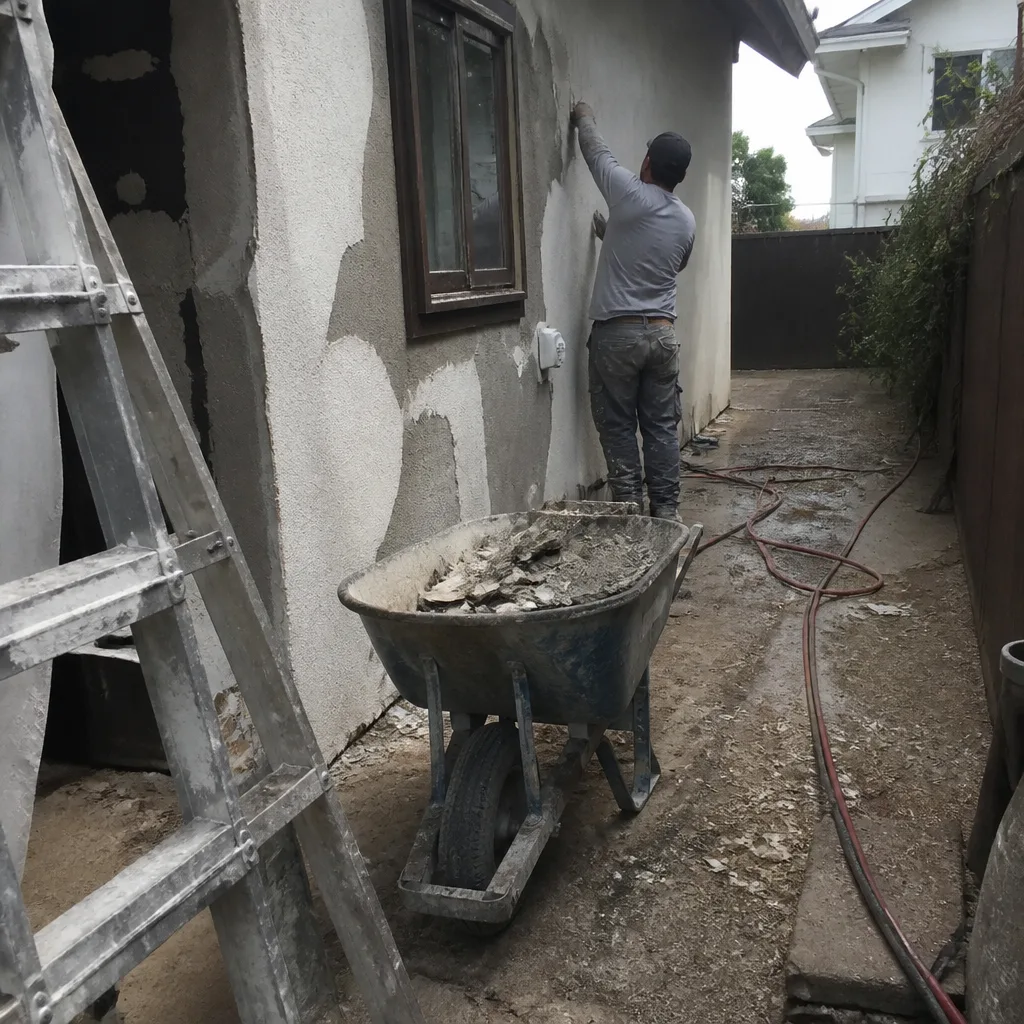 Before
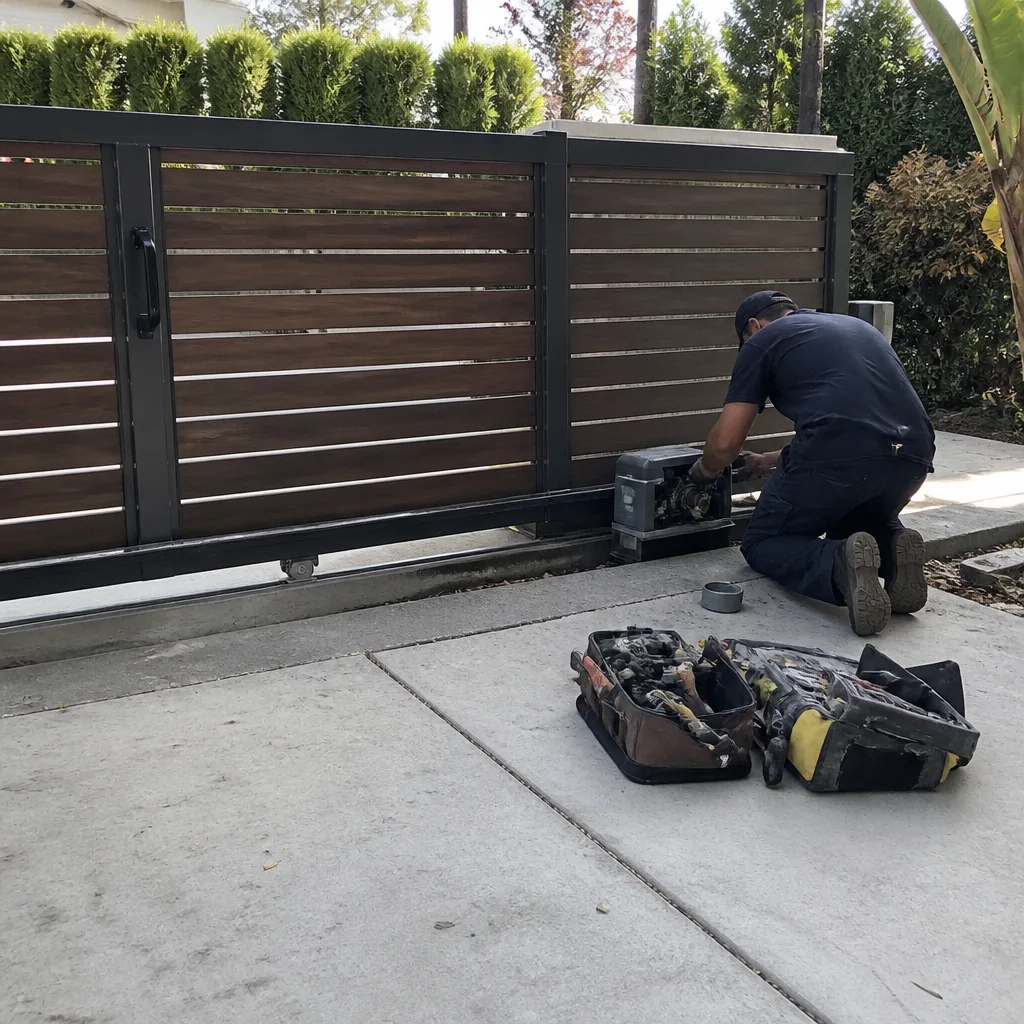 After
AfterFrequently Asked Questions
A kitchen remodel in Los Angeles takes 10 to 16 weeks, a bathroom 6 to 12 weeks, a room addition 5 to 8 months, and a whole-home remodel 8 to 14 months. These ranges include LADBS permitting and inspection time, which out-of-state estimates often leave out. Call (803) 680-2547 for a project-specific timeline with a written price.
Los Angeles remodels take longer primarily because LADBS plan check and inspection scheduling adds 3 to 8 weeks before work starts and 2 to 6 weeks during construction. Seismic requirements, hillside ordinances, and Title 24 energy reviews in certain zones add additional review cycles. The construction work itself is not slower; the administrative layer around it is heavier.
You can speed up a remodel by finalizing all material selections before permit issuance, ordering cabinetry and windows during the permitting phase, and responding quickly to contractor questions during plan check. What you can’t speed up is LADBS review and inspection scheduling, so plan around it rather than fighting it. A contractor who builds the schedule around LADBS reality, as we do at Mason Remodeling, finishes faster than one who ignores it.
At Mason Remodeling, the price will not change once work starts unless you change the scope. We deliver a written price before any work begins, on every project, every time, and we use specification-grade materials from partners like Owens Corning and IKO so there are no surprises in what’s being installed. If you add square footage or change finishes mid-project, we’ll give you a written change order before doing that work.
Yes. Mason Remodeling pulls all required permits for every project in Los Angeles, and we schedule inspections with LADBS as part of our project timeline. We do not start structural work without an issued permit, and we do not close walls that haven’t passed inspection. The permit phase is built into your written timeline from the beginning.
Every completed Mason Remodeling project is covered by our 365-Day Done Right Promise, which states that if the work is not right within 365 days of the completion date, we make it right at no cost to the homeowner. Coverage terms, exclusions, and duration are stated in writing before work begins. We also provide a free return visit at no charge if a repair or installation fails.
The Bottom Line
The honest answer to “How Long Does Home Remodeling Take? Timelines and What to Expect” in Los Angeles is: longer than the national average, and for reasons that have nothing to do with the quality of the work. LADBS plan check, inspection scheduling, material lead times, and the final punch list are the real drivers. A contractor who plans for them is faster than a contractor who pretends they don’t exist. The fastest way to an accurate timeline for your specific project is a written estimate with the phases called out. Get one with your price in writing, and you’ll know exactly what you’re signing up for.
Contact Us
Planning a remodel in Los Angeles? Mason Remodeling provides free estimates with a written price and a realistic, phase-by-phase timeline before any work starts. Call (803) 680-2547 to schedule yours. A live person answers, any hour, any day. Start with our Mason Remodeling home page to see how we work, or explore our General Contractor in Los Angeles, Bathroom Remodeling in Los Angeles, and Home Remodeling in Los Angeles services.
Written by Isaac Pruett, Owner at Mason Remodeling, serving Los Angeles since 2004.