Last updated October 9, 2026








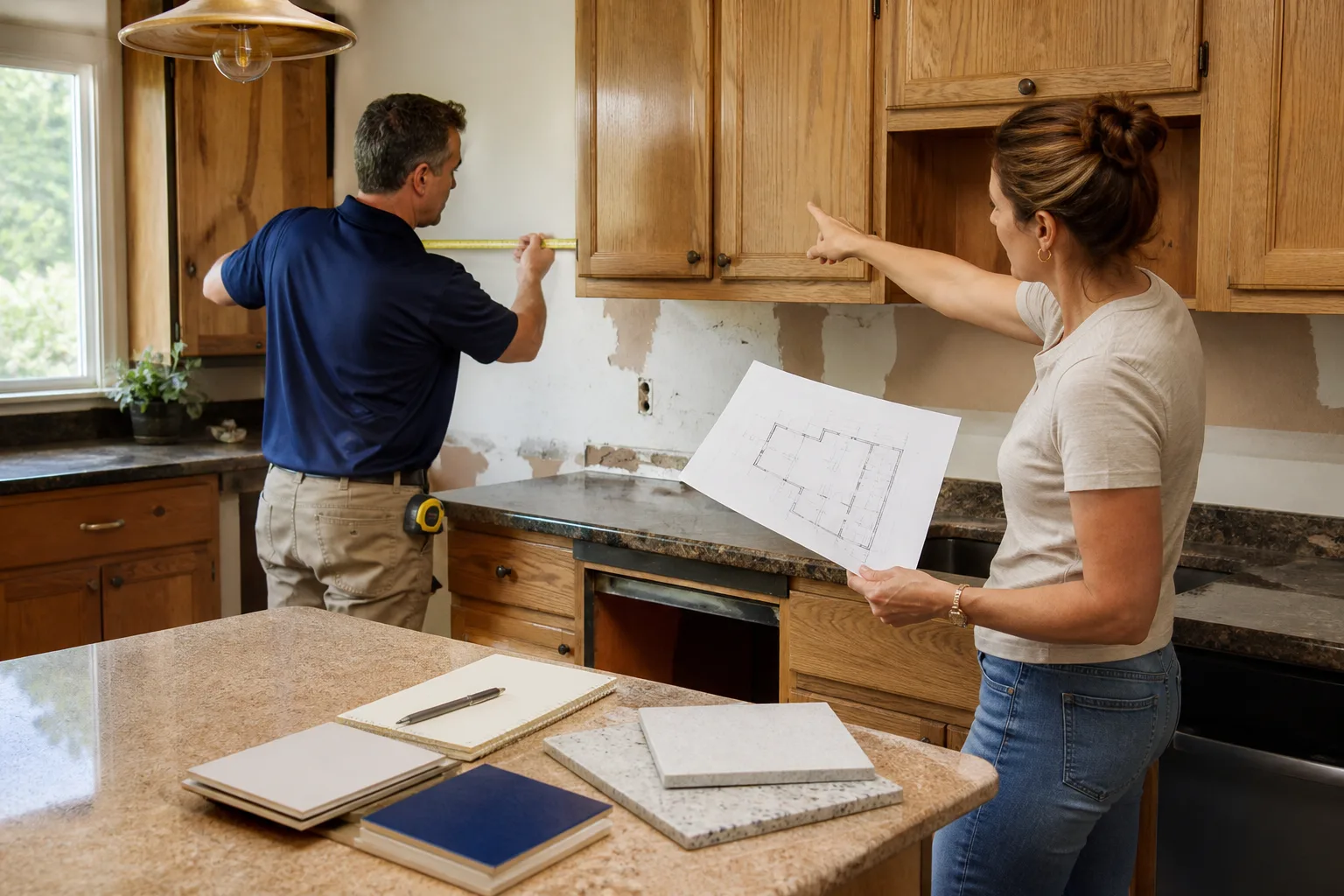
Free written scope consultation - allowances, timeline, and change-order rules on paper before a single trade is scheduled
General Contractor Troubleshooting: Common Problems and How to Fix Them
The California Contractors State License Board (CSLB) received over 17,000 complaints in a single recent year, and the pattern that shows up again and again is not fraud. Most disputes trace back to a project that started without a written scope of work and a homeowner who did not know what to do the first time something felt off. In Los Angeles, where remodeling costs run high and city permitting adds layers of complexity, small miscommunications harden into contract problems fast. This guide walks you through the seven most common mid-project breakdowns, the exact language to use with your contractor, and the decision tree for resolving problems without litigation. By the end, you will know how to document issues, when to call the CSLB, and how to spot a change-order request that is really scope creep.
Quick Answer
The most common General Contractor Warning Signs Every Homeowner Should Know include unauthorized change orders, work stoppages without explanation, defective or non-code-compliant work, and payment disputes. Most of these are best resolved through written communication, a documented project log, and a clear written scope of work before anything gets torn out. If a contractor goes quiet for more than 72 hours after you send written notice of a problem, you should contact the CSLB and consider your legal options.
Styles & brands we work with






Table of Contents
- How to Tell a Legitimate Change Order From Scope Creep
- What to Do When Work Stops and Your Contractor Goes Quiet
- How to Document Defective Work So It Actually Matters
- Payment Disputes: When to Withhold and When to Pay
- CSLB, Small Claims, or an Attorney: Which Path Fits Your Problem
- The Project Log Format That Protects You in Any Dispute
- Red Flags to Catch Before You Sign Anything
- Common Mistakes to Avoid
- When to Call a Professional
- Frequently Asked Questions
How to Tell a Legitimate Change Order From Scope Creep
A legitimate change order happens when the homeowner asks for something different than what the written scope says. A scope-creep bill happens when the contractor does work that was always necessary, then presents it as an “unforeseen condition” or an “upgrade you approved verbally.” In Los Angeles, where older homes frequently hide surprises behind walls, this line gets blurry fast. Here is the test: if the work was required to complete the job as described in the original scope, it is not a change order. It is part of the job.
For example, if your written scope says “replace shower valve” and the contractor says the existing pipe is corroded and needs replacement to make the new valve work, that is usually a legitimate change order. The pipe was not in the scope. But if the scope says “install new tile shower” and the contractor sends a change order for waterproofing, that is scope creep. Waterproofing is not optional tile work. It is part of installing a tile shower correctly, and any competent Los Angeles General Contractor priced that into the original number.
When a change order lands in front of you, ask for it in writing with a line-item price breakdown. Then ask one question: “Would the original scope be incomplete without this work?” If yes, push back. If no, negotiate the price and sign the change order before the work starts. Mason Remodeling’s policy is to deliver a written price before any work begins, on every project, including change orders, so there is never a surprise invoice at the end.
What to Do When Work Stops and Your Contractor Goes Quiet
Work stoppages happen for three reasons: the contractor ran out of money, the contractor found a bigger problem and does not know how to tell you, or the contractor took on another job and shifted your crew. None of these are acceptable communicated by silence. In our experience, the contractors who go quiet are usually embarrassed or overwhelmed, and a homeowner who responds with a clear written demand gets a faster resolution than one who calls daily and leaves voicemails.
- Day 1: Send an email or text (text is fine, but email creates a better record) stating the date work stopped, the last work completed, and asking for a written explanation and a restart date within 72 hours.
- Day 3: If no response, send a second message stating that you are documenting the stoppage and will contact the CSLB if you do not hear back within 48 hours. Keep the tone factual, not threatening.
- Day 5: Contact the CSLB. In Los Angeles, you can file a complaint online or by phone. The CSLB will open an investigation, and many contractors respond quickly once they know the board is involved.
- Week 2: If still no resolution, review your contract’s termination clause. You may need a construction attorney to send a demand letter.
The 72-hour written notice rule is not a law. It is a practical threshold. A contractor who cannot respond to a written notice within three business days is signaling that communication has broken down, and the sooner you escalate, the sooner work resumes or you find a new contractor. In Los Angeles, where demand for skilled remodelers is high, some contractors overbook and park jobs. Written demands snap them back to attention faster than phone calls.
How to Document Defective Work So It Actually Matters
Defective work disputes fail most often because the homeowner has photographs but no context, or verbal complaints but no written record. A he-said-she-said argument goes nowhere with the CSLB, in small claims, or with an attorney. What moves the needle is a defect log that ties each problem to a date, a photo, and a written communication.
Here is the format we recommend to Los Angeles homeowners dealing with a problem general contractor:
- Date and time: When you first observed the problem.
- Specific location: “Master bathroom, south wall, behind the vanity” not “the bathroom.”
- What is wrong: “Tile lippage exceeds 1/16 inch,” “grout cracking at the shower bench,” “outlet not grounded.” Use the trade’s real words if you know them, then describe in plain language.
- Photograph or video: Wide shot for context, close shot for detail, and if possible, a level or straightedge in the frame to show the problem objectively.
- Written notice sent to contractor: Date, method (email, text), and a copy of the message.
For code-specific defects in Los Angeles, like unpermitted electrical work or a water heater installed without a strap, the city’s building department may be able to issue a correction notice. That creates an official record that supports your position. Avoid posting photos to social media or making public accusations before the dispute is resolved. It feels satisfying in the moment, but it usually pushes the contractor into defend-the-reputation mode and makes settlement harder.
Payment Disputes: When to Withhold and When to Pay
The leverage you have during a remodeling project is the unpaid balance. The leverage the contractor has is not completing the work. Payment disputes almost always come down to a question of whether the work completed to date matches the payment schedule in your contract. If it does, withholding payment puts you in breach and gives the contractor a legitimate reason to stop work and file a mechanics lien on your Los Angeles property.
Withhold payment when:
- The contractor is asking for payment ahead of the contract schedule.
- Work completed does not match the percentage of the project the contract says should be done.
- You have documented defective work and the contractor has not committed to a repair schedule in writing.
Pay when:
- The work matches the contract milestone, even if you are unhappy about other things.
- The contractor has completed the scope and is asking only for the final draw.
- You have signed a change order and the work in it is done.
If a contractor threatens a mechanics lien, take it seriously. In California, a contractor must file a preliminary notice within 20 days of starting work to preserve lien rights, so check whether they did. A missing preliminary notice weakens the lien threat significantly. If a lien is filed, you may need an attorney to remove it. Do not pay a lien off without getting a signed lien release in return.
CSLB, Small Claims, or an Attorney: Which Path Fits Your Problem
Not every dispute needs a lawyer, and spending $400 an hour on a $3,000 drywall problem is a bad trade. Here is the decision tree:
- Under $10,000: Small claims court. In California, the small claims limit is $10,000 for individuals. You do not need an attorney, filing costs are under $100, and cases resolve within a few months. Bring your defect log, photos, contract, and payment records.
- $10,000 to $25,000: Still possibly small claims, but weigh the documentation burden. If you have a clean paper trail, go small claims. If the dispute is messy and involves code violations, structural questions, or multiple parties, consider the CSLB arbitration program first.
- CSLB complaint: File any time a contractor is unlicensed, abandons a job, does substandard work, or violates contract law. The CSLB has the power to suspend or revoke a license, which creates real pressure. This route is about accountability, not just money.
- Over $25,000 or involving a lien: Hire a construction attorney. The stakes are high enough that the hourly rate is justified, and a demand letter from a lawyer often resolves things without a lawsuit.
In Los Angeles, where home values and remodel costs run well above the national average, disputes over six-figure whole-home renovations are common. If you are in that range, consult an attorney early, even if only for a one-hour strategy session. The money spent on that hour usually comes back many times over.
The Project Log Format That Protects You in Any Dispute
The single most effective tool in a contractor dispute is not a lawyer. It is a running log that you keep from day one. Most Los Angeles homeowners do not start logging until something goes wrong, and by then the early records are gone. Here is the format that holds up in front of the CSLB, a judge, or an arbitrator:
| Date | Person Present | Decision Made | In Writing? |
|---|---|---|---|
| March 3 | Project lead, homeowner | Move shower drain 6 inches left to accommodate new vanity | Yes, text confirmation sent same day |
| March 7 | Electrician, homeowner | Add recessed lights in hallway; change order signed | Yes, signed change order #2 |
| March 12 | Project lead, homeowner | Discussed grout color; no decision made | No, pending |
Four columns. That is it. Date, who was there, what was decided, and whether it is in writing. If a decision is not in writing, make it in writing that day. A text message counts. An email counts. A signed change order is best. This log becomes your evidence if the contractor later claims you approved something you did not, or denies approving something you did.
This is the same standard we hold ourselves to at Mason Remodeling. Our written price before any work starts means every decision that affects cost is documented, and our 365-Day Done Right Promise means if something is not right within a year of completion, we make it right at no cost.
Red Flags to Catch Before You Sign Anything
The easiest contractor problem to fix is the one you never have. In Los Angeles, where the construction market is competitive and fast-moving, homeowners feel pressure to sign quickly and lock in a crew. That pressure is exactly when red flags get missed.
- No written scope, only a verbal estimate. A contractor who will not put a scope in writing before work starts is not someone you want tearing out your kitchen. Mason Remodeling delivers a written price before any work begins, every time.
- Large upfront payment. In California, a contractor may ask for a down payment of 10% or $1,000, whichever is less. If they are asking for 50% before materials are ordered, something is wrong.
- No CSLB license or no insurance. Ask for the license number and verify it on the CSLB website. In Los Angeles, unlicensed contractors doing work over $500 are breaking the law, and you lose most legal protections if you hire one.
- Refusal to pull permits. Some contractors tell homeowners that Los Angeles permits are “not necessary” for certain work or that pulling permits will slow things down. This is almost always false for remodeling projects that touch structure, electrical, plumbing, or walls. Work without permits can bite you at resale.
- The crew changes constantly. Subcontractor churn is a sign the general contractor is not managing the job. Ask who will be on site and how you will recognize them. At Mason Remodeling, every crew member is identity-verified, background-checked, and arrives in a clean marked uniform with a photo ID badge. Homeowners receive the technician’s name and photo before the visit.
Common Mistakes to Avoid
- Not reading the contract before signing. In Los Angeles, many homeowners sign whatever is in front of them because the contractor is “ready to start Monday.” Read it. Ask for changes in writing. A contractor who will not amend a contract before signing will not honor it after.
- Making big decisions verbally, then not confirming in writing. “Let’s move the sink” said over the phone becomes a $2,000 change order you never approved. Text or email a confirmation every single time.
- Paying in cash without receipts. Cash payments with no paper trail are the fastest way to lose a dispute. Always pay by check or trackable method, and always get a receipt that matches the contract schedule.
- Waiting too long to act. A contractor who goes quiet for a week is different from one who goes quiet for a day. Escalate early. The longer you wait, the harder the dispute becomes to resolve.
- Using social media to shame the contractor mid-project. It feels good, but it usually makes the contractor dig in. Save public complaints for after the dispute is resolved, if you post at all.
- Hiring the lowest bid without asking why it is lowest. In Los Angeles, bids for the same remodel can vary by tens of thousands of dollars. The low bid almost always cuts something: permits, materials, labor quality, or warranty. Ask what is in the price before you choose.
- Not checking whether the contractor pulled permits before work started. Los Angeles requires permits for most remodeling work. If the contractor did not pull them, you own the problem when the city finds out.
When to Call a Professional
Some problems are not worth solving through a dispute process. If you have fired a contractor or walked away from a half-finished project, the fastest path back to a finished home is hiring a reputable remodeler to take over. In our experience, takeover projects need a general contractor who can assess what was done correctly, document what was not, and produce a written scope for completing the work. That is exactly the situation where calling for a free estimate makes sense. Mason Remodeling offers free estimates in Los Angeles, and every project includes a written price before any work starts. Call (803) 680-2547 to schedule yours.
Frequently Asked Questions
The most common problem is unauthorized scope changes: work added without a signed change order, then billed at the end of the project. It usually starts as a verbal agreement that never got written down. The fix is a written scope, written change orders, and a project log that records every decision. For more guides & resources, visit our blog. If you are in Los Angeles and dealing with this, call (803) 680-2547 for a free estimate on completing or correcting the work.
Send written notice asking for a restart date within 72 hours. If no response, send a second notice stating you will contact the CSLB, then actually contact the CSLB. This usually gets a response within days. If it does not, consult an attorney about terminating the contract and hiring a new contractor. Mason Remodeling handles Los Angeles takeover projects and will provide a written scope before any work begins.
Yes, but the contract controls how. Most California contracts have a termination clause that specifies notice requirements and what you owe for work completed. Read that clause before you act. Document the reasons for termination, pay only for verified completed work, and get lien releases from any subcontractors who worked on your Los Angeles home.
The clearest signal is the permit. If permits were pulled and the work passed inspection, the city of Los Angeles has verified structural, electrical, and plumbing work meets current code. If permits were not pulled, you need an independent inspection. A qualified general contractor can assess the work, but only a city inspector can certify code compliance.
Do not ignore it. A mechanics lien on a Los Angeles property can prevent you from selling or refinancing. Request a copy of the lien, check whether the contractor filed a preliminary notice within 20 days of starting work (required in California), and consult an attorney. Do not pay to remove the lien without a signed lien release in return.
Bathroom remodels in Los Angeles typically run $25,000 to $60,000 for a full gut and rebuild, depending on size, materials, and whether you move plumbing. Material choices move the number quickly: a Sterling or Grohe fixture package costs less than a custom Toto setup, but both are professional-grade. A bathroom remodel in Los Angeles with mid-range finishes and no layout changes often lands in the $30,000 to $45,000 range. Call (803) 680-2547 for a written price on your specific project.
Yes, for almost any remodel that touches walls, structure, electrical, or plumbing. Los Angeles building codes require permits for this work, and unpermitted work becomes your problem at resale, insurance, or city inspection time. A home remodel in Los Angeles that skips permits may save a few weeks upfront and cost tens of thousands later. Make sure permits are in the written scope before you sign.
The California Contractors State License Board is the state agency that licenses and regulates contractors. You can verify a license, file a complaint, or check disciplinary history on their website or by phone. In Los Angeles, the CSLB is the first stop for complaints about abandoned jobs, unlicensed work, or substandard construction.
The Bottom Line

Most general contractor problems in Los Angeles do not start with bad work. They start with a missing written scope, a verbal agreement that never got documented, and a homeowner who hesitated to send a written notice the first time something felt wrong. The fix is not complicated: get everything in writing, keep a four-column project log, escalate at the 72-hour mark, and know which path (small claims, CSLB, or attorney) fits the size of your dispute. Mason Remodeling has served Los Angeles since 2004 as part of the Threshold Group family, delivering a written price before any work starts and a 365-Day Done Right Promise on every project. If you need a general contractor in Los Angeles to take over, fix, or complete a project, call (803) 680-2547 for a free estimate. Learn more about our approach on the Mason Remodeling home page.
Written by Isaac Pruett, Owner at Mason Remodeling, serving Los Angeles since 2004.
See the difference
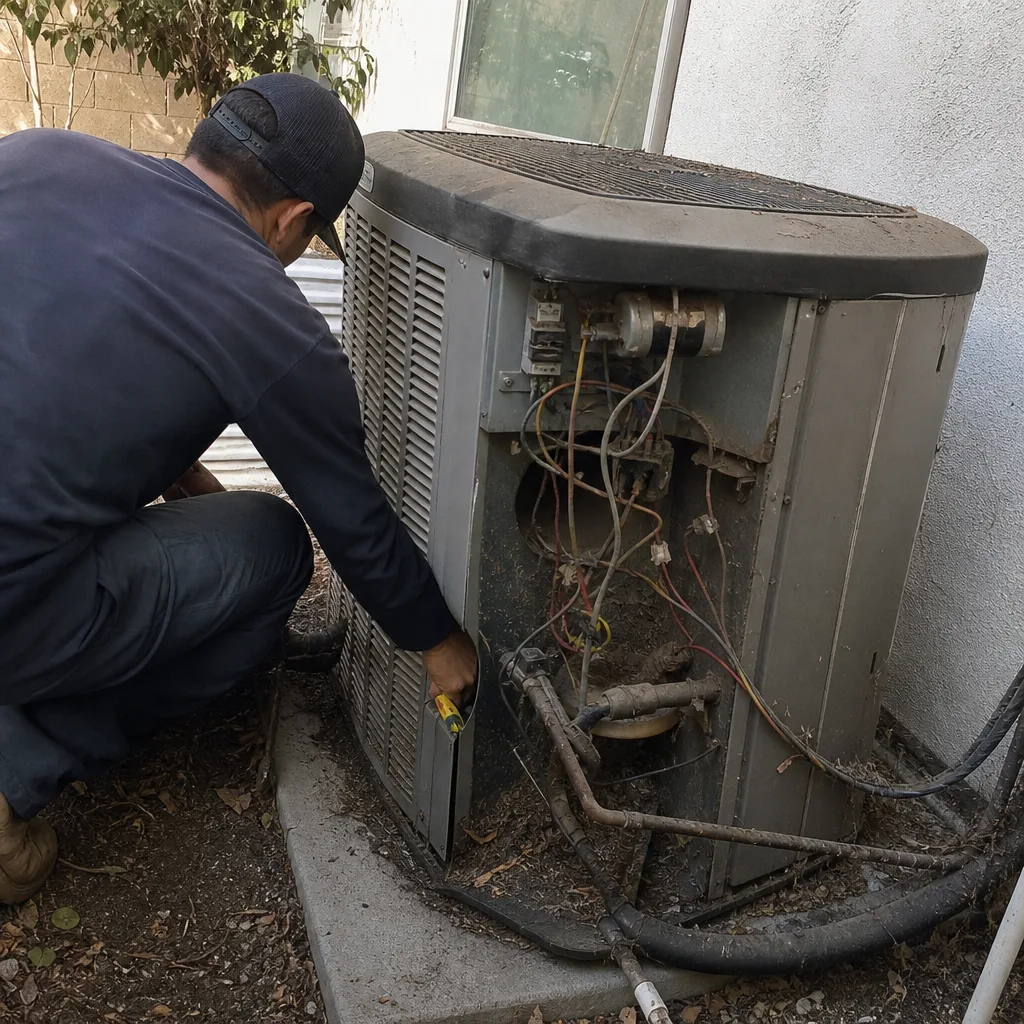 Before
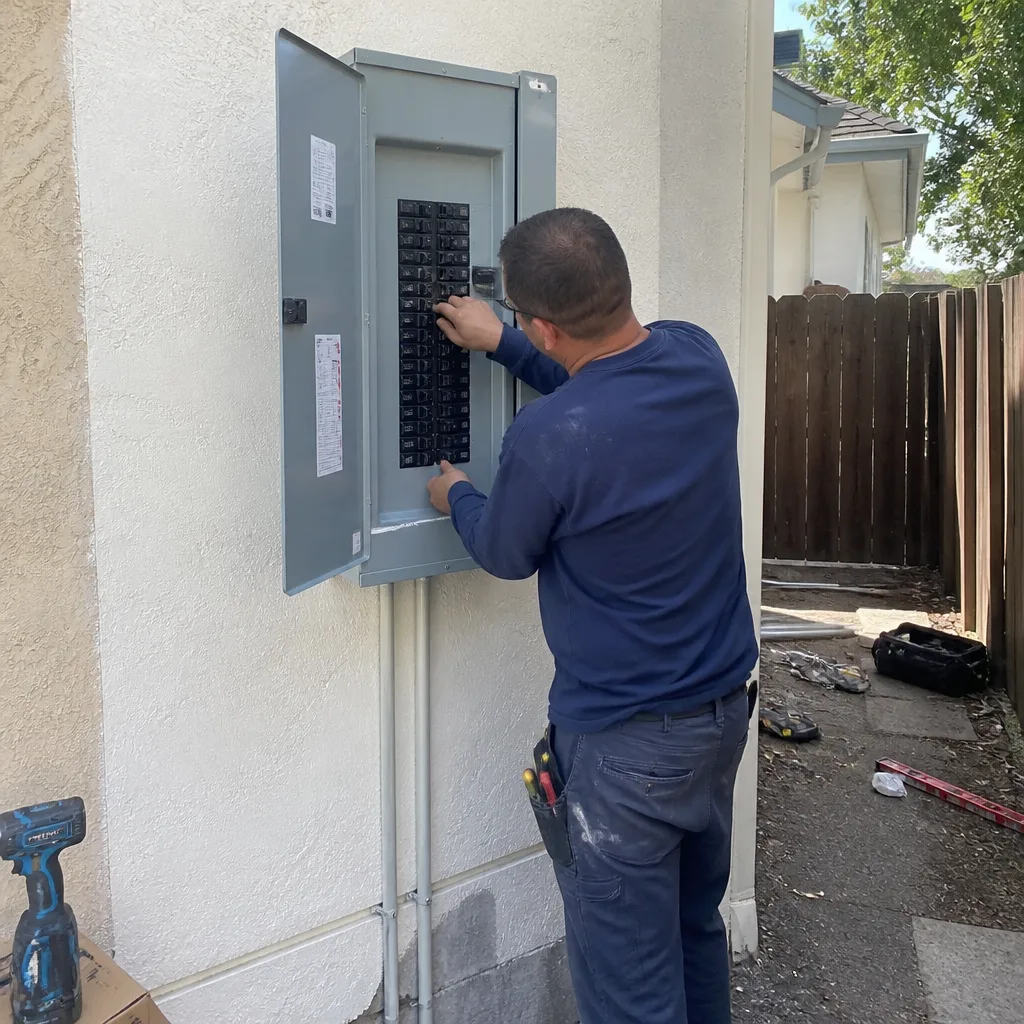 After
After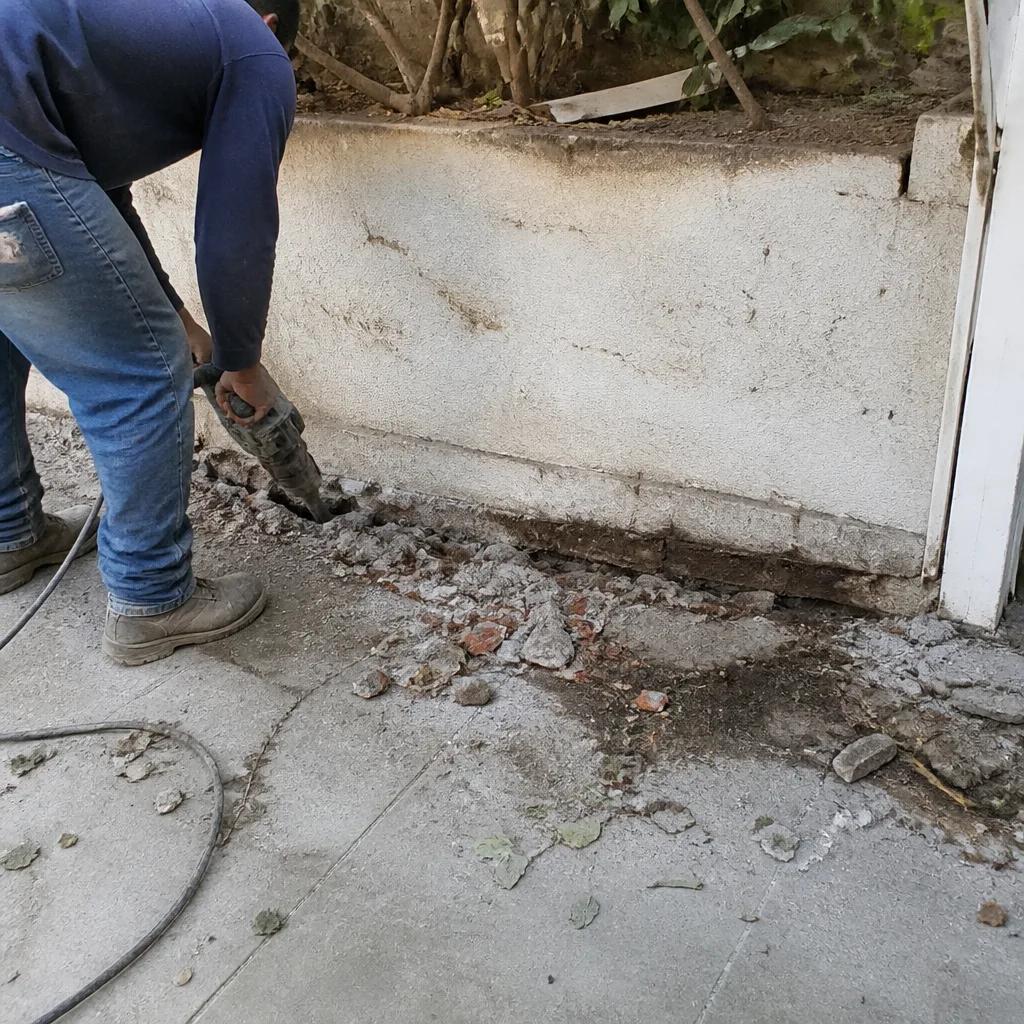 Before
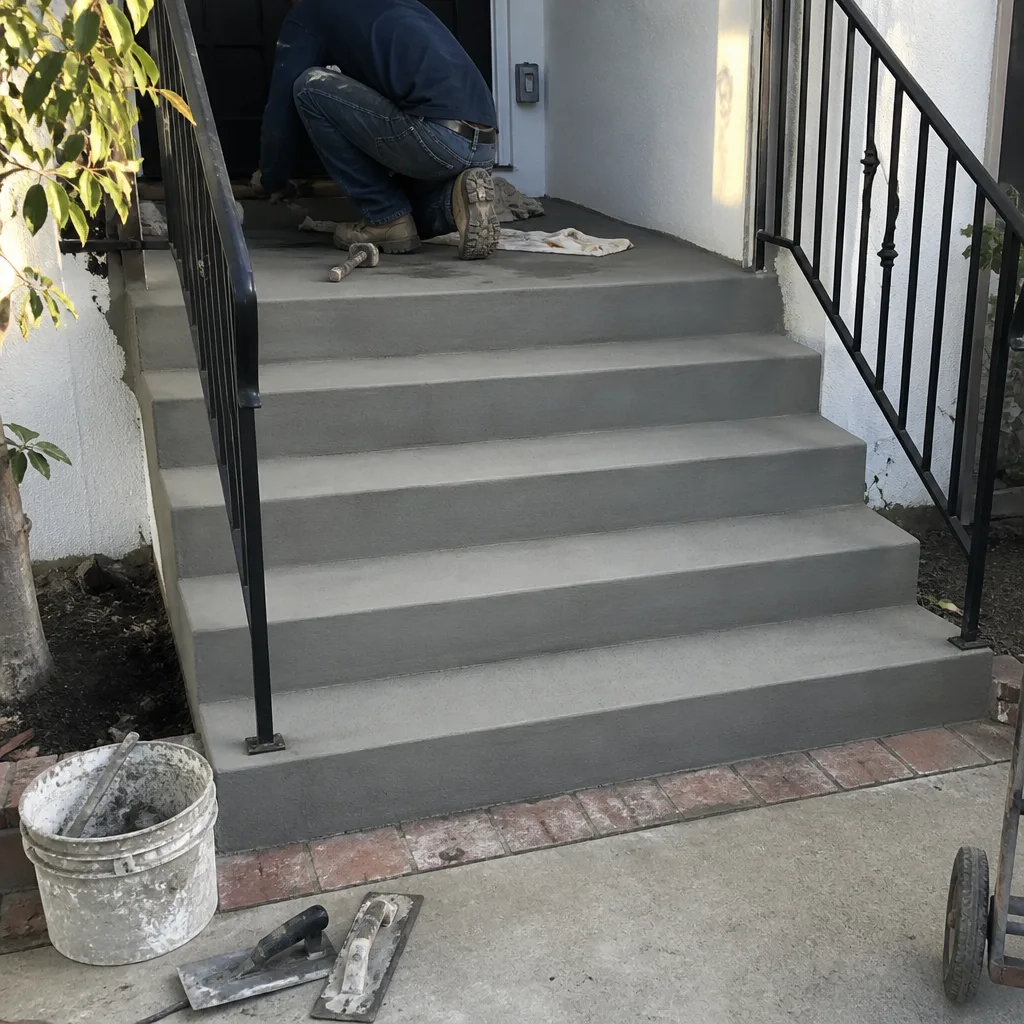 After
After Before
 After
After