Last updated October 9, 2026
Free written scope consultation - allowances, timeline, and change-order rules on paper before a single trade is scheduled
Seasonal Construction Care for Los Angeles: Year-Round Homeowner’s Guide
Exterior painting and stucco work done during Los Angeles’s June marine layer months fails at a measurably higher rate than the same work done in September. Most contractors won’t tell you that because they need to keep crews busy year-round. This guide maps the LA construction calendar honestly, so you can schedule work when it will actually last, avoid paying for callbacks, and understand what your contractor should be checking on your property after every environmental shift. If you own a home in Los Angeles, the timing of your project matters as much as the materials you choose.
Quick Answer
The best time to remodel in Los Angeles is September through early November for exterior work (stable temperatures, low humidity, minimal marine layer), and any time of year for interior work if you control dust and humidity. The worst windows are June through early August for exterior paint and stucco, and December through February for any work involving open excavations, roofing underlayment, or exterior waterproofing. Scheduling around LA’s four environmental windows, not the calendar, is what protects your investment.
Styles & brands we work with
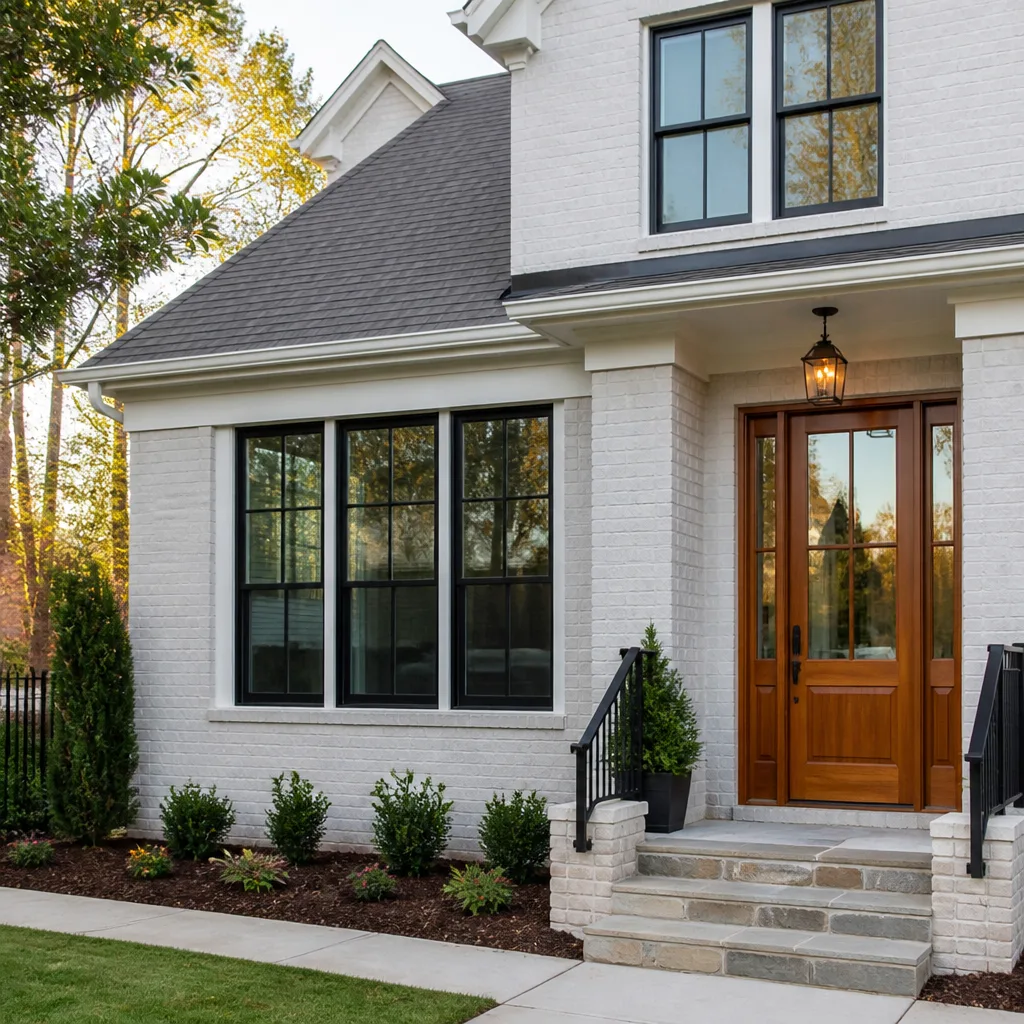
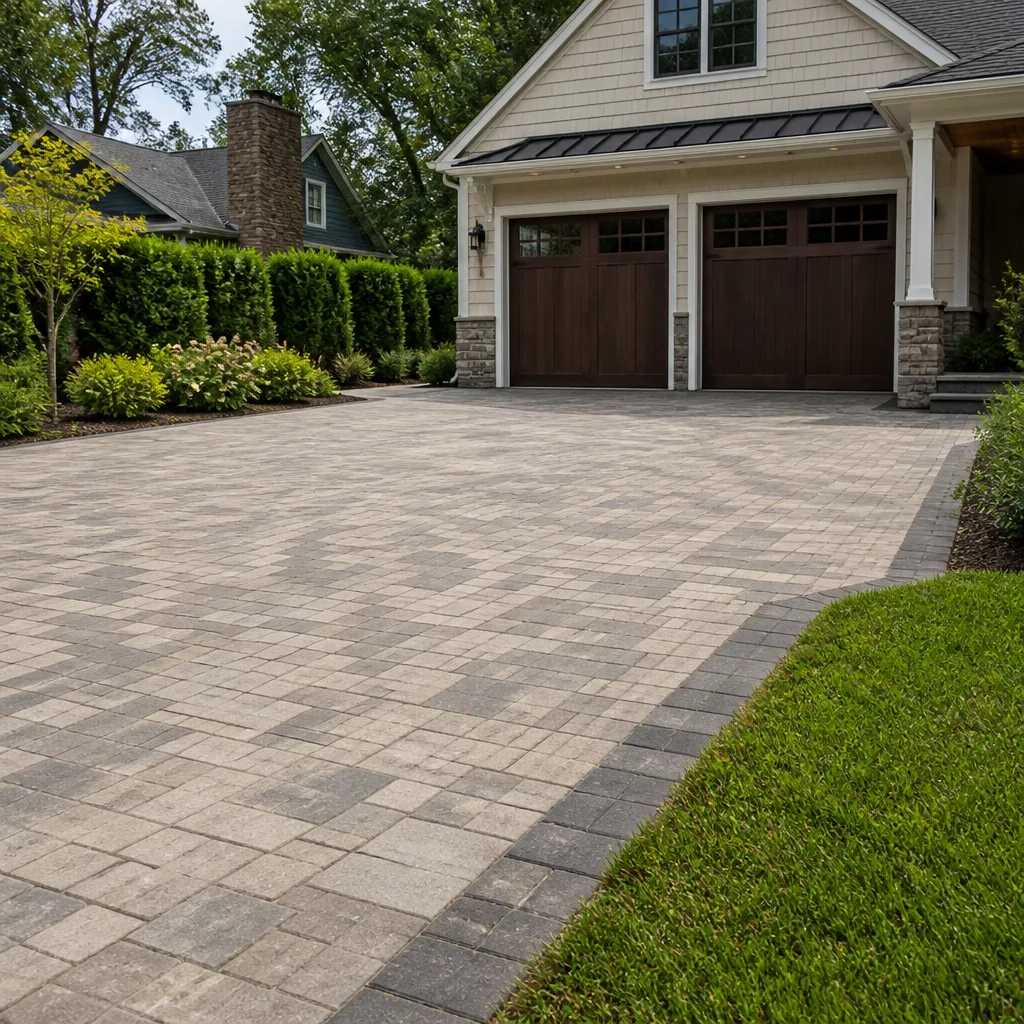
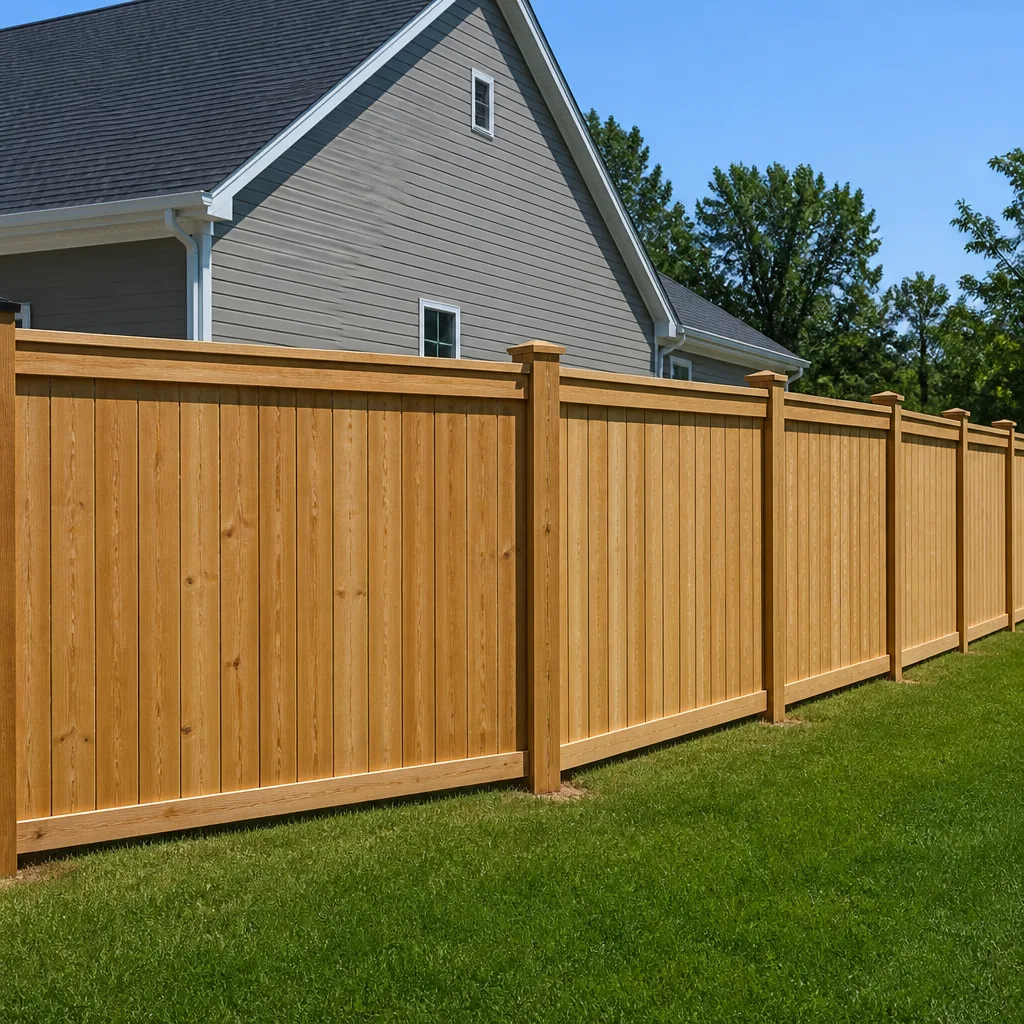
Table of Contents
- The Four Environmental Windows That Actually Control LA Construction
- Marine Layer Season: What Fails and Why
- Dry Heat and Material Behavior: What Expands, What Cracks
- Santa Ana Winds: Post-Storm Inspection Priorities for Hillside and Canyon Homes
- Rainy Season Prep: What “Getting Ready” Structurally Requires
- Using LA’s Slow Permit Months Strategically
- How to Write Environmental Thresholds Into Your Contract
- Seasonal Maintenance Checklist for LA Homeowners
The Four Environmental Windows That Actually Control LA Construction
Los Angeles doesn’t have seasons in the traditional sense, but it has distinct environmental windows, and scheduling construction or maintenance work outside of those windows costs homeowners real money in delays, callbacks, and material failures. Our Bathroom Remodeling Warning Signs Every Homeowner Should Know covers similar red flags for interior projects. In our experience across Los Angeles, we see four distinct patterns each year:
- Marine layer season (late May through early August): Morning overcast, high humidity, slow-drying conditions along the coast and inland to about 20 miles. This is the enemy of exterior paint, stucco, and any coating that needs a dry, warm surface to cure.
- Dry heat (August through October): Temperatures regularly exceeding 95°F inland, with single-digit humidity. This is ideal for exterior coatings but brutal on concrete pours, which can cure too fast and develop surface cracking.
- Santa Ana winds (September through January, peaking October – December): Hot, dry, sustained winds that routinely exceed 40 mph in canyon areas. These winds test roofs, flashing, fencing, and any temporary construction coverings. They also carry abrasive dust into open work areas.
- Rainy season (December through March): Concentrated rainfall, sometimes 3 – 5 inches in a single storm. Any open excavation, exposed framing, partially completed roof, or unsealed window opening is vulnerable during this period.
Each window favors specific project types and penalizes others. A contractor who tells you “we work year-round, it’s all the same” is either not paying attention to materials science or is willing to absorb callback costs silently rather than schedule honestly.
Marine Layer Season: What Fails and Why
June in Los Angeles feels mild and pleasant, which makes it a terrible month for exterior paint and stucco. The marine layer sits over the basin, especially west of the 405 and in coastal-adjacent neighborhoods like Westchester, Playa del Rey, and the Palisades, keeping surface temperatures low and relative humidity high through mid-morning. Paint applied under these conditions cures slowly. Stucco absorbs moisture from the air instead of releasing it. The result: adhesion failures, color inconsistency, and premature peeling that shows up 12 to 18 months later.
What to schedule during marine layer months:
- Interior remodeling, including kitchen and bath work, where temperature and humidity are controlled. Bathroom remodeling in Los Angeles can proceed without weather interference year-round.
- Design and planning work, including permit drawings and material selections.
- Foundation and structural assessments, which are not weather-dependent.
- Demo work that doesn’t expose the building envelope for more than 48 hours.
What to postpone:
- Exterior painting on wood, stucco, or any surface requiring a clean, dry bond.
- Stucco application or repair, especially full-wall recoats.
- Exterior caulking and sealant work, which requires low-humidity conditions to cure properly.
- Roof coating applications, which need the roof deck to be fully dry and stay dry for at least 24 hours.
If you must do exterior work in June or July, ask your contractor to document surface moisture readings and ambient humidity levels before starting, as outlined in our Bathroom Remodeling Maintenance Schedule: What to Do and When. The best crews in Los Angeles own moisture meters and won’t spray paint onto a surface reading above 15% moisture content.
Dry Heat and Material Behavior: What Expands, What Cracks
August through October in Los Angeles brings the opposite problem: extreme dryness and heat that pull moisture out of materials too quickly. This is the best window for exterior paint, stucco, and waterproofing, which cure beautifully in low humidity and consistent heat. But it’s a risky window for anything involving water in the mix.
Concrete flatwork poured in Los Angeles during a 95°F stretch loses water from the surface faster than the hydration reaction can tolerate. We’ve seen surface cracking, called plastic shrinkage cracking, appear within hours of a pour in Van Nuys or Granada Hills during August. The fix is not complicated: contractors should use evaporation retardants, pour early in the morning, and keep fresh concrete covered with curing blankets for at least 72 hours. But many don’t, because it slows the job down.
Wood framing and trim installed during dry heat will shrink after installation. A door that fits perfectly in September may bind by December when humidity returns. Good contractors in Los Angeles account for this by specifying kiln-dried lumber with a moisture content of 8% or less and by leaving proper gaps at joints. One brand we specify regularly is Therma-Tru for exterior doors, because their fiberglass construction doesn’t swell and shrink the way solid wood does in LA’s humidity swings.
What to schedule during dry heat:
- Exterior painting, staining, and sealing. September and October are optimal for adhesion and long-term performance.
- Stucco repairs and full-wall applications.
- Roofing replacement, especially asphalt shingle work, which seals properly in warm, dry conditions.
- Deck and hardscape installation, including paver work from brands like Belgard and Unilock, which can be laid cleanly in dry soil conditions.
What to postpone or approach carefully:
- Large concrete pours, including driveways, slabs, and retaining wall footings, unless the contractor has a written plan for curing control.
- Drywall installation, which can crack at seams if the building is not climate-controlled during extreme heat.
- Engineered wood floor installation, which requires stable humidity levels to prevent gapping.
Santa Ana Winds: Post-Storm Inspection Priorities for Hillside and Canyon Homes
Santa Ana wind events don’t just threaten wildfires; they damage homes in ways that go unnoticed until the next rain. For homeowners in Los Angeles neighborhoods like Brentwood, Sherman Oaks hillsides, Studio City canyons, and anywhere in the foothills of the San Gabriels, a significant wind event should trigger a specific post-storm inspection routine.
What a contractor should check after a Santa Ana event:
- Roof flashing at ridges, valleys, and penetrations. Sustained 40 – 60 mph winds can lift flashing edges and break sealant bonds. The damage is often invisible from the ground.
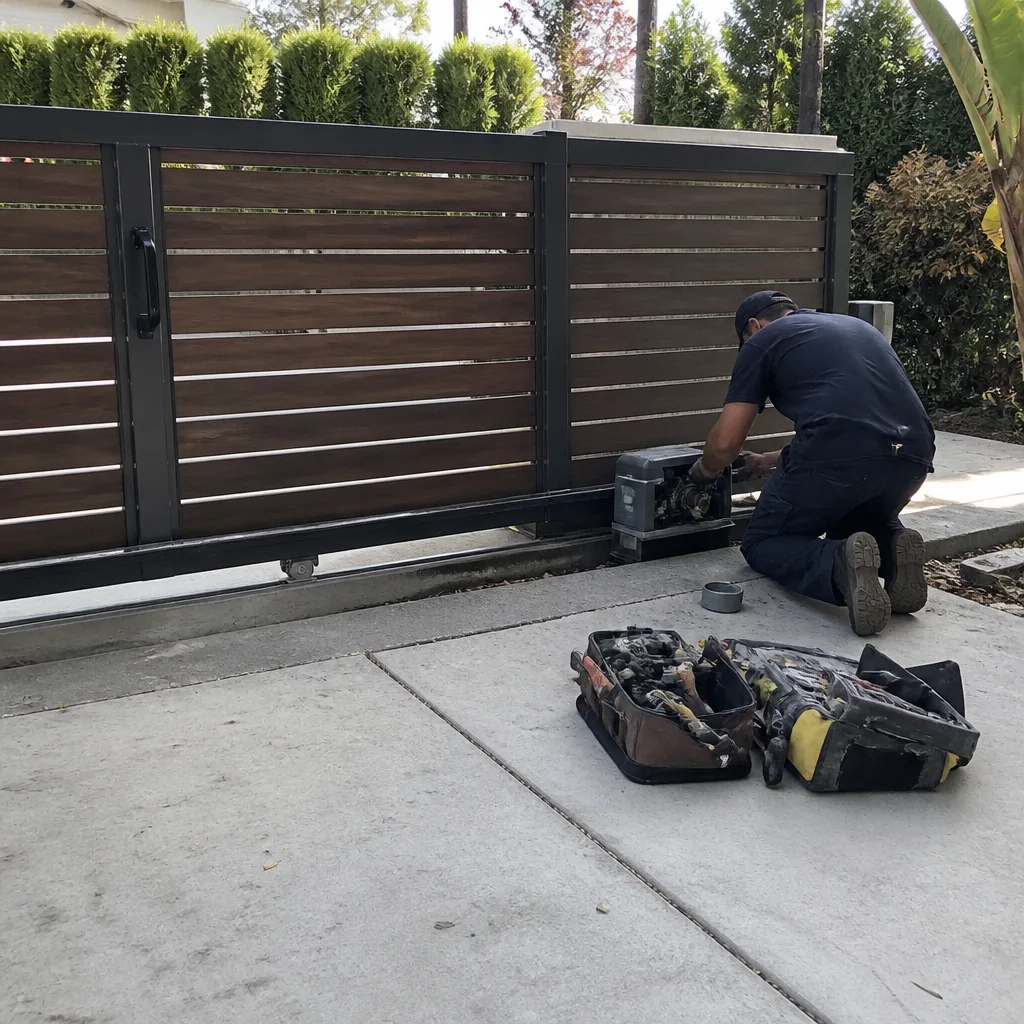
- Fence posts and gate hinges. Wind loads on wood and vinyl fencing concentrate stress at post bases. Look for leaning posts, cracked concrete footings, and hinge screws that have pulled loose.
- Window and door weatherstripping. Driven dust and grit get forced into seals. Once the seal is compromised, water follows during the next rain.
- Loose roof tiles or shingle tabs. Santa Ana winds blow from the northeast, which is the opposite of LA’s prevailing onshore flow. Roofs that have held for years may show lift damage on the northeast-facing slopes.
- Exterior-mounted fixtures and railings. Satellite dishes, light fixtures, and deck railings catch wind like sails. Check anchor points for movement.
- Landscape debris against the house. Wind-blown branches and leaves pile against stucco and foundation vents, trapping moisture against the structure.
For hillside and canyon-adjacent properties, the stakes are higher. Erosion around pier and grade beam foundations accelerates when wind strips protective vegetation. We recommend homeowners photograph their rooflines, flashing, and drainage paths before and after major wind events. These photos become evidence if you need to file a claim, and they give your contractor a clear comparison point. Fencing from manufacturers like Master Halco is designed for wind uplift resistance, but even the best product fails if the post embedment depth wasn’t right for the soil type.
Rainy Season Prep: What “Getting Ready” Structurally Requires
Rainy season prep in Los Angeles is not about gutters. Gutters matter, but they’re a small part of the picture. The real work is finding every path water can take into your structure and closing it before December.
The structural checklist for LA rainy season:
- Grading: Soil should slope away from the foundation at a minimum of 6 inches of fall over 10 feet. In Los Angeles, decades of landscaping, patio additions, and planter boxes often reverse this slope. A contractor should check this with a laser level, not a visual guess.
- Window flashing and head flashings: Flashing failures account for a large share of leak calls we see in Los Angeles after winter storms. The head flashing above each window and door should be intact, properly lapped, and sealed at the ends.
- Open excavations or exposed framing: If you have an addition or remodel underway, any open trench, exposed foundation, or uncovered framing is a direct path for water intrusion. This is why we schedule foundation and excavation work in Los Angeles outside the December – March window whenever possible.
- Roof penetrations: Vent pipes, skylights, chimneys, and attic vents. Each penetration is a potential leak point. Check for cracked boots, failed caulk, and lifted flashing.
- Stucco cracks: Hairline cracks that are cosmetic in summer become water entry points in winter. Any crack wider than 1/16 inch should be sealed with an elastomeric caulk before rains start.
One product category we specify for LA rainy season hardening is ViewLux window and door flashing systems. The point is not any single brand, but rather the principle: a continuous, properly lapped drainage plane behind the exterior cladding. In Los Angeles, where homes often have stucco directly over framing with no drainage plane, this is a real vulnerability that shows up during prolonged rain events.
Using LA’s Slow Permit Months Strategically
Los Angeles building permit processing slows down in August and again in late December. Plan checkers take vacations. Department staffing thins. Review queues stretch. Most homeowners treat this as an annoyance. Smart homeowners treat it as an opportunity.
August and December are the months to complete design work, finalize drawings, and submit permit applications. Here’s the counterintuitive part: submitting during a slow period often means your project gets assigned to an available plan checker faster than if you’d submitted during a peak month, when every contractor in Los Angeles is filing simultaneously.
How to use the slow months strategically:
- August: Submit permit drawings for projects you want to build in September – November. While others are waiting until after Labor Day, your plans are in the queue.
- December: Submit for projects you want to start in March – April. The rainy season creates a natural pause in construction, but design and permitting work continues.
- During permit review: Finalize material selections, get written quotes from subcontractors, and schedule crew availability. When the permit lands, you’re ready to mobilize immediately.
- For any general contractor in Los Angeles, the ability to navigate LADBS processes efficiently is a differentiator. Ask your contractor about their specific experience with your building type and the LADBS plan check division that handles your area.
Our experience is that a home remodeling project in Los Angeles runs most smoothly when the design and permitting work happens in August and December, and the actual construction work happens in the dry, stable windows of September – November and March – May.
How to Write Environmental Thresholds Into Your Contract
Most construction contracts in Los Angeles are silent on environmental conditions. That’s a problem. A contract that says “install exterior paint” doesn’t address what happens if the contractor paints on a day when the surface is damp and the paint fails in 14 months. The homeowner eats the cost.
Here’s what to put in writing:
- For exterior painting and coatings: Contractor certifies that surface moisture readings were below the manufacturer’s specified maximum before application began. Include the specific moisture content number (typically 15% for most coatings).
- For concrete pours: Contractor will use evaporation retardants or curing compounds when ambient temperature exceeds 85°F, and will cover fresh concrete with curing blankets for a minimum of 72 hours.
- For stucco: Application will not proceed when ambient humidity exceeds 70% or when rain is forecast within 48 hours of application.
- For roofing: Underlayment and shingle installation will not proceed when the roof deck surface temperature is below 45°F or when precipitation is forecast within 24 hours. In Los Angeles, the 45°F issue is rare, but the precipitation window matters during winter months.
- For any exterior sealant or caulk work: Application will occur only when the surface is dry and the ambient temperature is between 50°F and 90°F, per manufacturer specifications.
These clauses cost the contractor nothing if they’re doing the job right. If a contractor resists putting environmental thresholds in writing, that’s information. It means they either don’t track conditions or they’re willing to accept a higher failure rate and hope you don’t call back. Neither is acceptable for work on your home.
Seasonal Maintenance Checklist for LA Homeowners
Here’s the year-round rhythm that keeps a Los Angeles home structurally sound. This is the schedule we recommend to every homeowner we work with in Los Angeles:
Spring (March – May):
- Inspect exterior paint and stucco for winter damage. Schedule repairs now for dry-weather application.
- Check all window and door seals. Replace weatherstripping that compressed or failed during winter.
- Clean and inspect gutters and downspouts after winter rains.
- Check grading around the foundation. Winter runoff often creates new low spots that need soil added.
Summer (June – August):
- Schedule interior remodeling work. Kitchens and bathrooms proceed cleanly in summer, with easy ventilation for dust control.
- Postpone exterior painting until September if you’re in a marine layer zone.
- Inspect fencing and gates. Summer wind events and dry soil movement stress fence posts.
- Check for termite activity. Drywood termites swarm in Los Angeles during late summer and fall.
Fall (September – November):
- Complete exterior painting, staining, stucco repair, and roof work. This is the prime window.
- Prepare for Santa Ana winds. Check roof flashing, fence post stability, and any loose exterior elements.
- Do rainy season structural prep: grading, flashing, sealant, and stucco crack repair.
- Schedule any remaining exterior work before daylight shortens and temperatures drop.
Winter (December – February):
- Keep design and permitting work moving. Submit plans and wait out the rainy season.
- After each significant rain, check for leaks at windows, doors, and roof penetrations.
- Monitor any open excavation or exposed areas from ongoing projects. Make sure tarps are secured and drainage is directed away from the structure.
- Plan spring projects. Finalize material selections and contractor agreements now so you’re first in the queue for March.
One product note: for exterior doors on Los Angeles homes that face full western sun or sit in canyon wind corridors, we specify Therma-Tru fiberglass entry doors more often than solid wood. Wood doors in Los Angeles’s sun-and-dry-heat cycle warp and crack faster than homeowners expect. Fiberglass holds its shape through temperature swings and wind-driven rain. It’s not a brand preference as much as a material science decision based on what LA’s environment actually does to building components over 15 to 20 years.
Common Mistakes to Avoid
- Painting the exterior in June because “the weather is nice.” The marine layer temperatures are nice for people, terrible for paint adhesion. Los Angeles coastal and basin neighborhoods see measurably higher paint failure rates from June applications.
- Pouring concrete in August without a curing plan. A 95°F day in the San Fernando Valley accelerates surface water loss. If your contractor doesn’t use curing blankets or evaporation retardants, expect surface cracking.
- Starting a roof replacement in December. Winter rain events in Los Angeles can arrive with 24 hours’ notice. A torn-off roof with exposed underlayment is a liability that no tarp fully mitigates.
- Ignoring the grading around your foundation. The most common winter leak source in Los Angeles is not the roof; it’s water running toward the house because decades of landscaping raised the soil level against the structure.
- Not photographing your home before and after Santa Ana events. Wind damage to flashing and seals is often invisible from the ground. Photos give you and your contractor a comparative record.
- Assuming a contractor who works year-round is automatically doing quality work in every season. A reputable contractor tells you when to wait. The ones who schedule exterior paint in July are optimizing their calendar, not your paint job.
- Treating the rainy season as “downtime.” December through February is the window for design, permitting, and planning. Homeowners who wait until March to start the permit process lose six to ten weeks of prime construction weather.
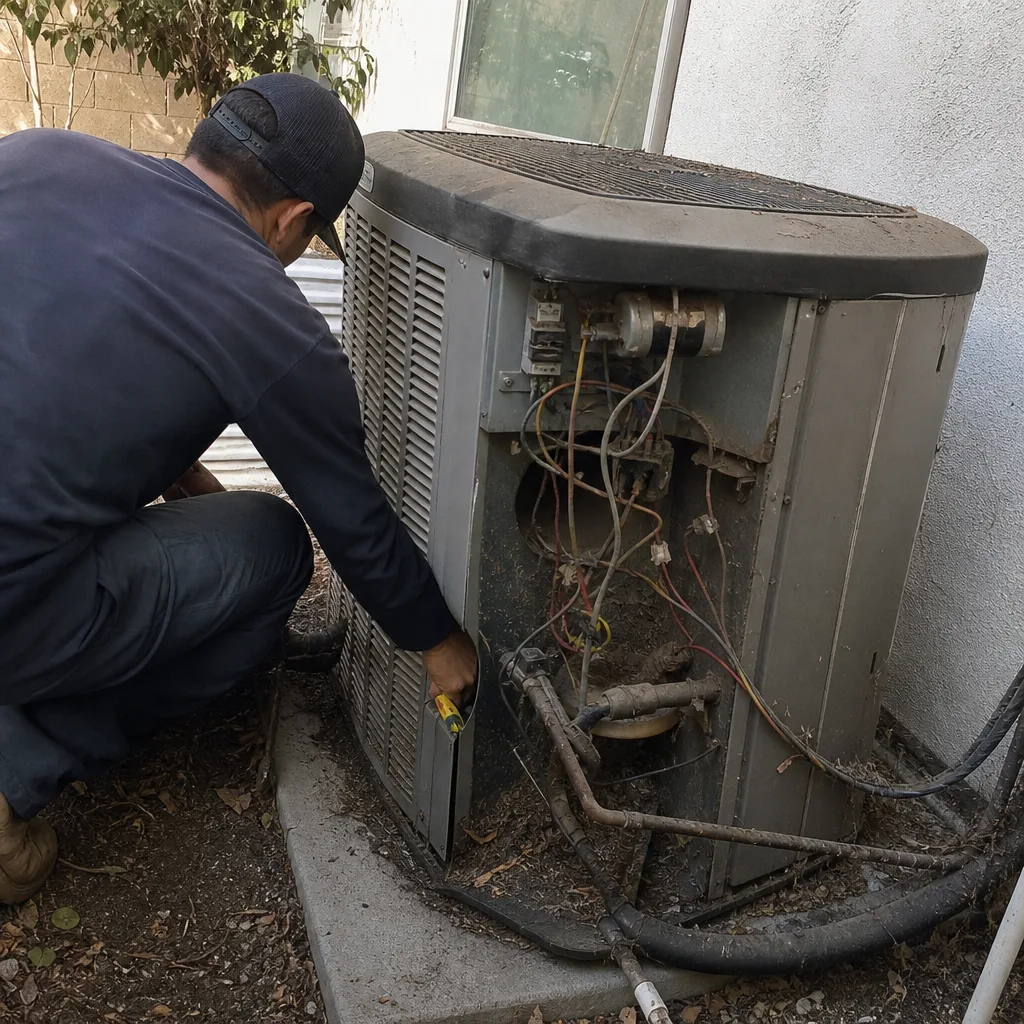
See the difference
 Before
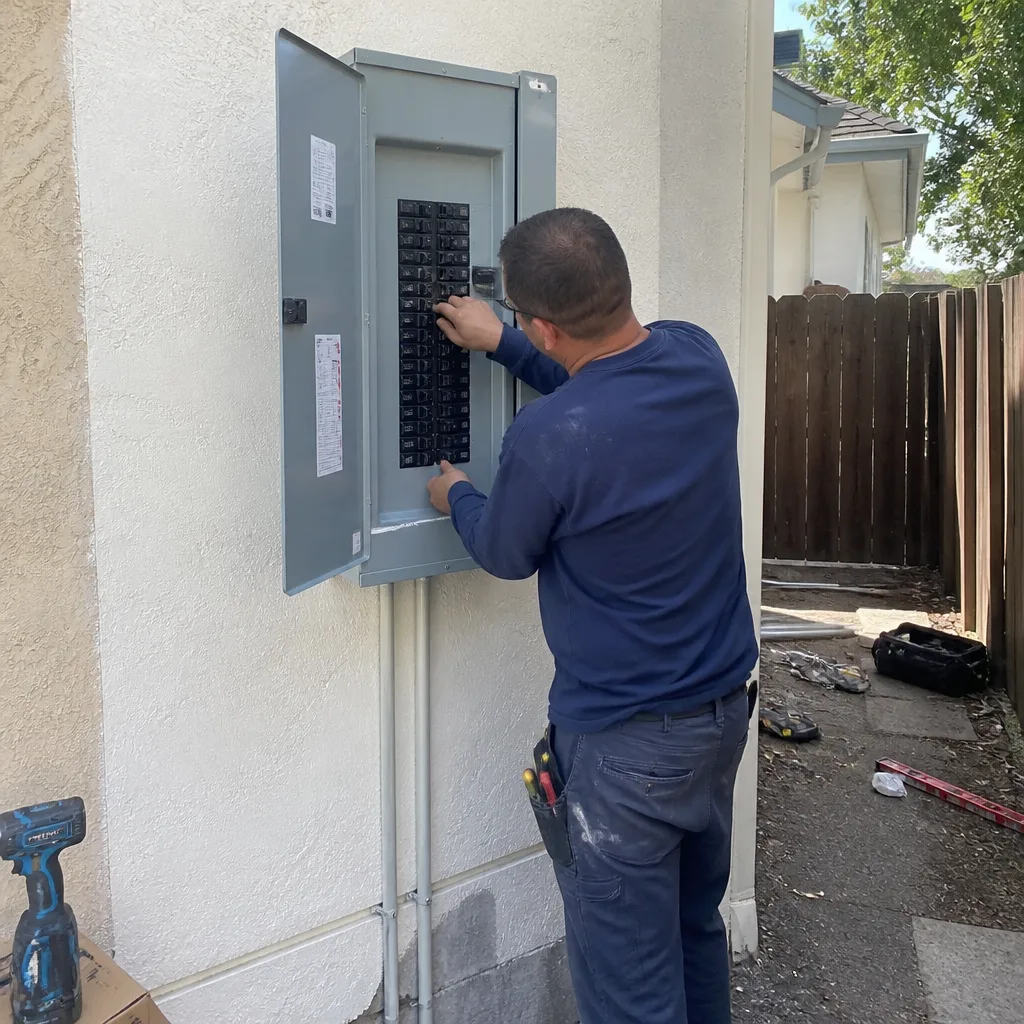 After
After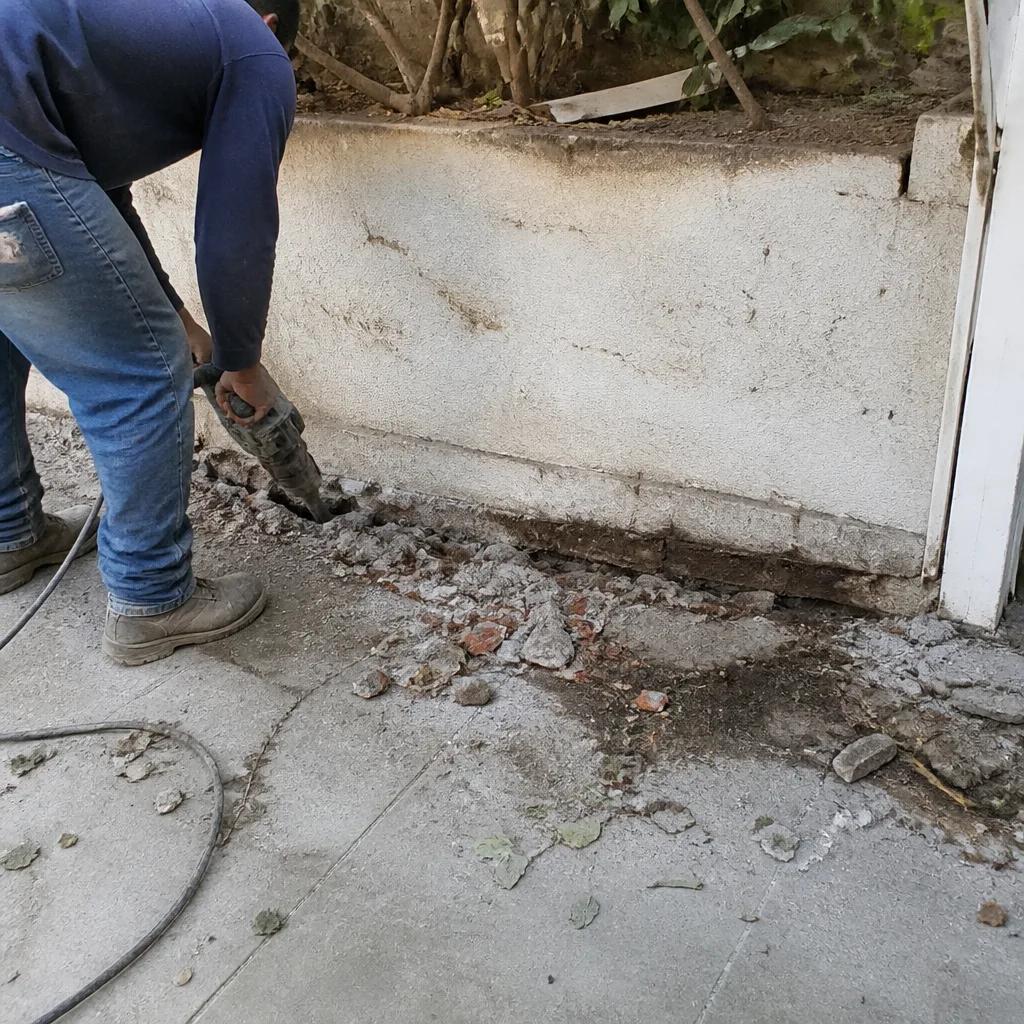 Before
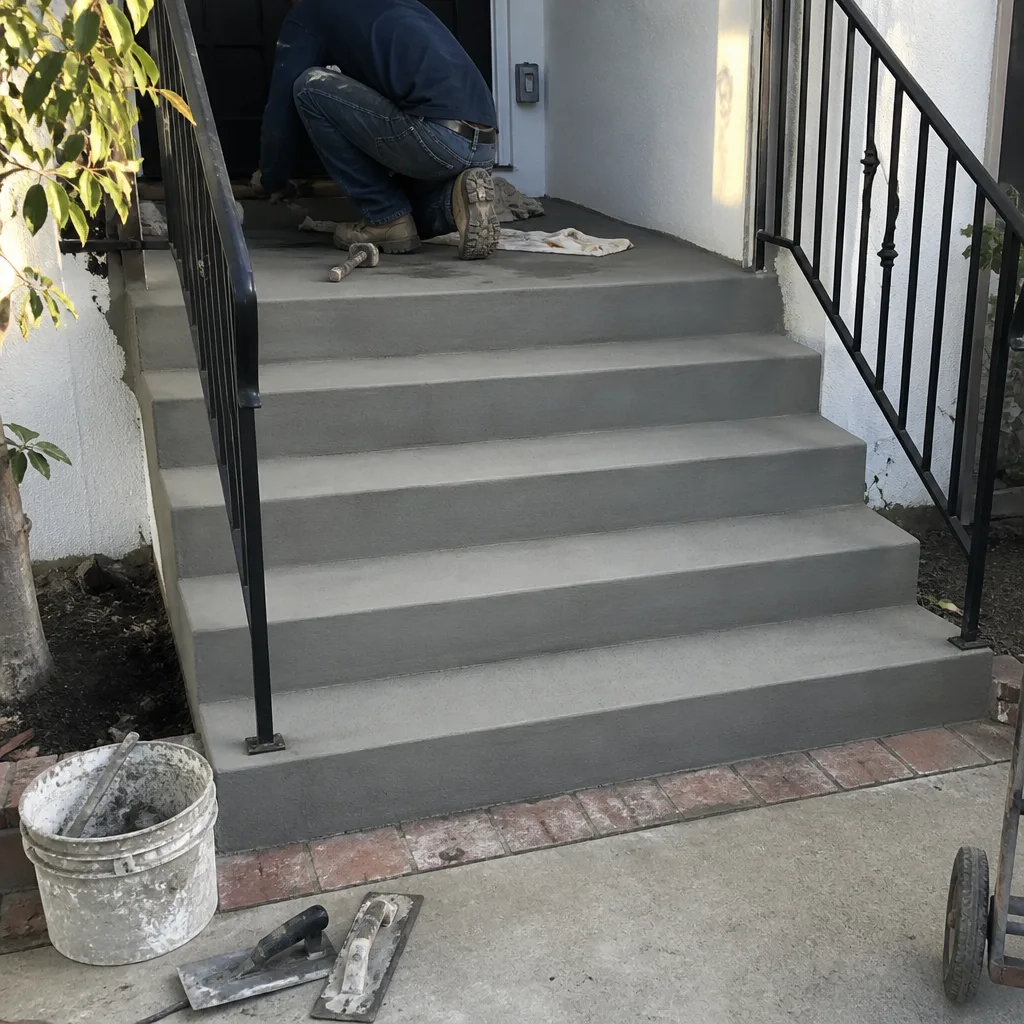 After
After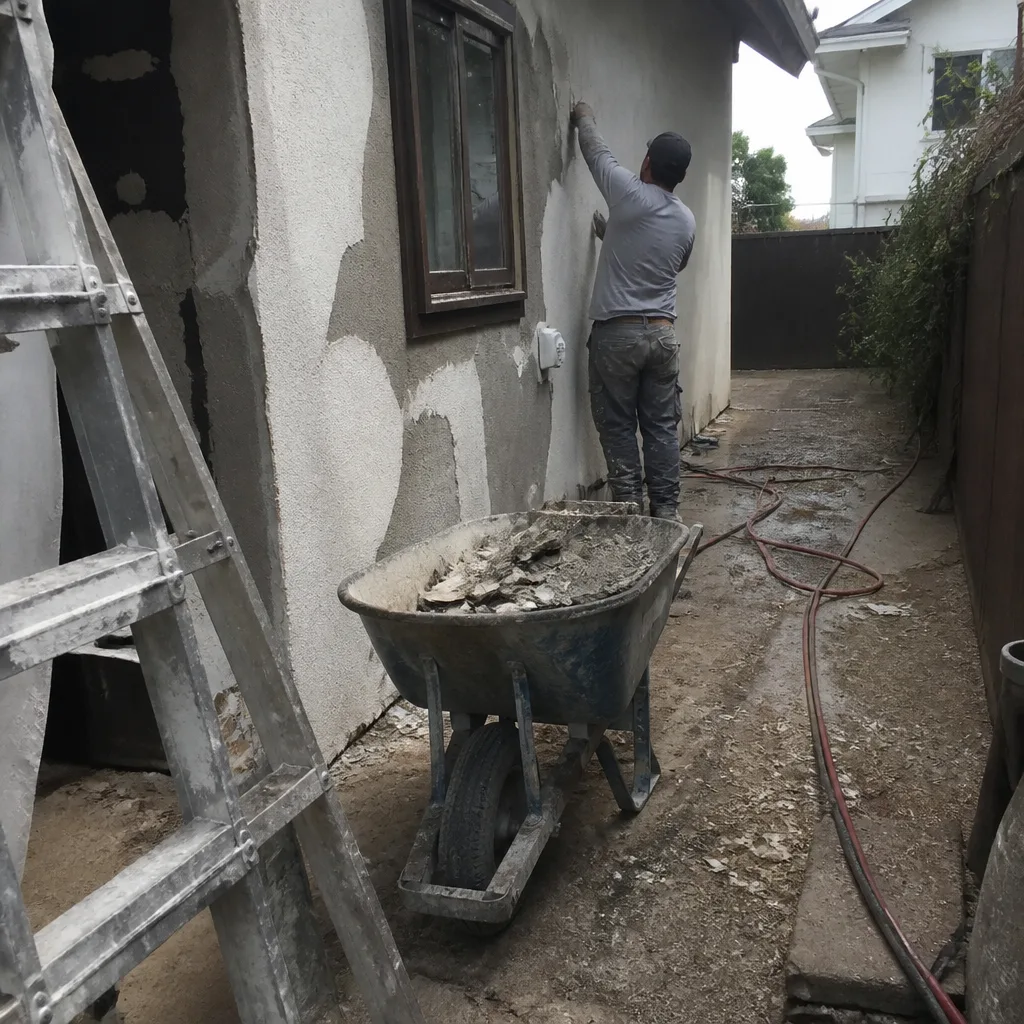 Before
 After
AfterWhen to Call a Professional
If you have visible stucco cracks wider than 1/16 inch, flashing that’s lifted or separated, a roof that’s more than 15 years old, or grading that slopes toward your foundation, you’re past the point where DIY fixes are reliable. Water intrusion problems compound quickly in Los Angeles, where dry periods hide damage until the next major rain. If you live on a hillside or in a canyon, post-Santa Ana inspections should be done by someone who knows what wind damage looks like on those specific structures. Mason Remodeling offers free estimates in Los Angeles. Call (803) 680-2547 to schedule yours, and we’ll walk your property with you, season by season.
Frequently Asked Questions
September is generally the best month to start a remodeling project in Los Angeles, because it sits at the start of the dry, stable window between the marine layer season and the rainy season. Exterior work has ideal curing conditions, and interior work isn’t competing with holiday schedules the way November and December projects do. Call (803) 680-2547 to discuss your specific project timeline. Estimates are free.
You can paint exterior surfaces in Los Angeles during August and September, but June and July are riskier months due to marine layer humidity, especially west of the 405. If a contractor paints during high humidity, the paint may not bond properly and can peel within 12 to 18 months. The safest window in Los Angeles is September through early November.
Santa Ana winds damage homes primarily through roof flashing lift, fence post stress, weatherstripping erosion from driven dust, and landscape debris accumulation against the structure. Damage from a wind event often goes undetected until the next rain, when water follows the compromised seals and flashing into the home.
Schedule roofing work in Los Angeles between September and November, when temperatures are warm enough for shingle sealing but the marine layer has cleared. Avoid roof tear-offs during December through February, when a sudden rain event can leave an exposed roof deck vulnerable. If winter work is unavoidable, the contractor should have a written weather response plan.
Most structural, plumbing, electrical, and mechanical changes in Los Angeles require permits through LADBS. Cosmetic work like painting and flooring typically does not. Permit processing slows in August and December, which makes those months ideal for submitting applications so your project is approved and ready to build when weather conditions improve.
Exterior painting in Los Angeles typically runs $4,500 to $12,000 for a standard single-family home, depending on square footage, surface condition, and the number of stories. Prep work, including stucco crack repair and sealant replacement, adds to the total. Call (803) 680-2547 for a written line-item quote, no obligation.
The Bottom Line
Los Angeles construction success is a scheduling problem more than a materials problem. The marine layer ruins spring exterior paint. The dry heat cracks improperly cured summer concrete. Santa Ana winds quietly compromise flashing that fails during winter rains. And the rainy season punishes anyone who left grading, flashing, or open excavations unaddressed. The homeowners who get the longest-lasting work from their Los Angeles contractor are the ones who schedule exterior work in the September – November window, use the slow permit months for design and paperwork, and insist on environmental thresholds written into the contract before any work begins. For year-round guidance, see our more guides & resources.
Written by Isaac Pruett, Owner at Mason Remodeling, serving Los Angeles since 2004.